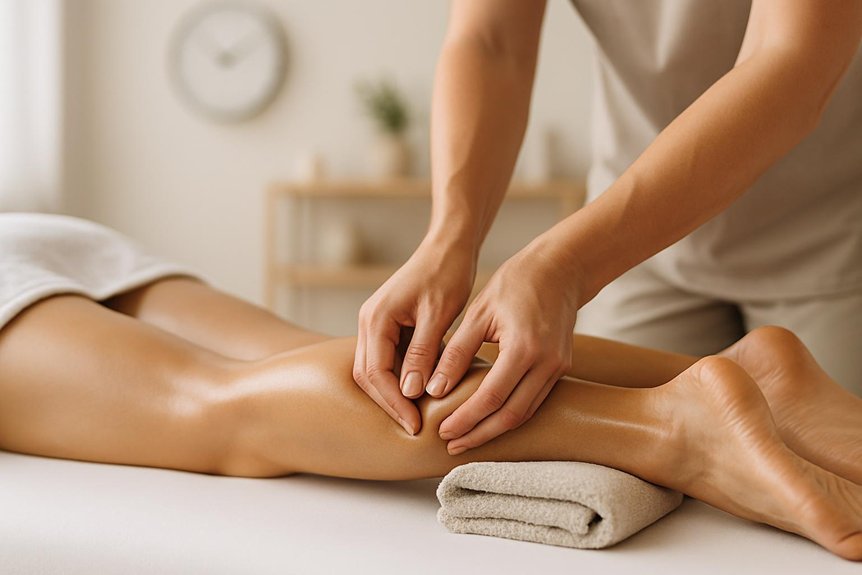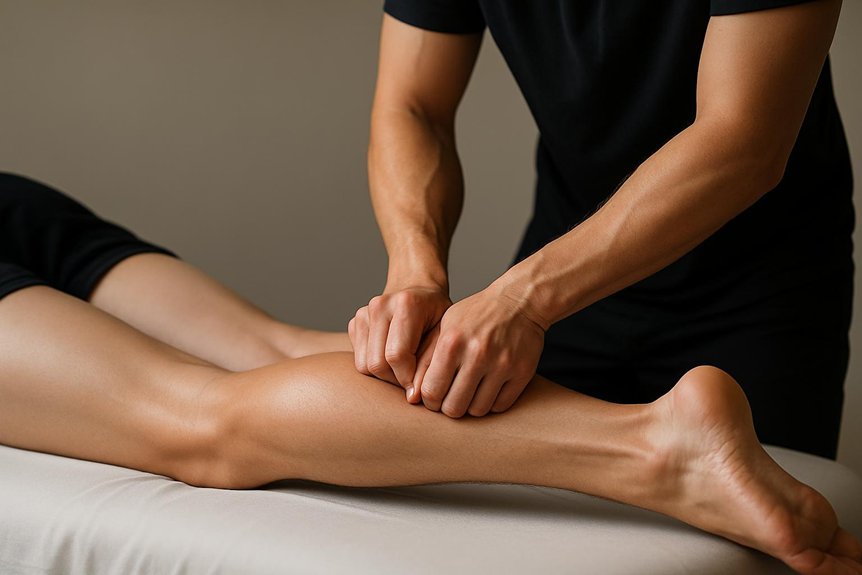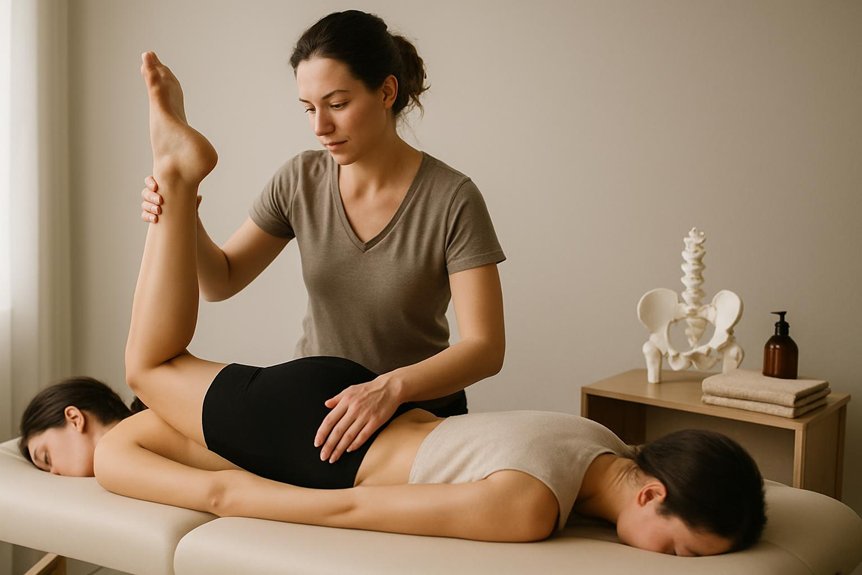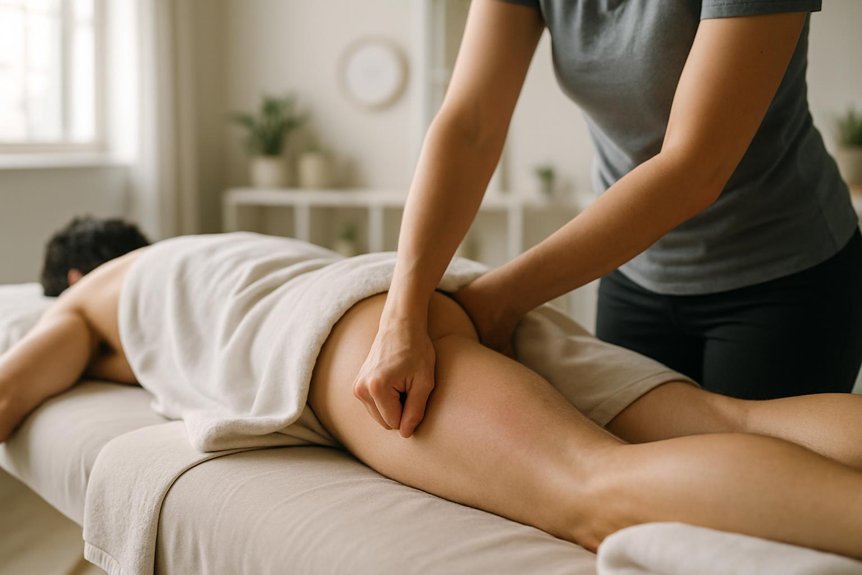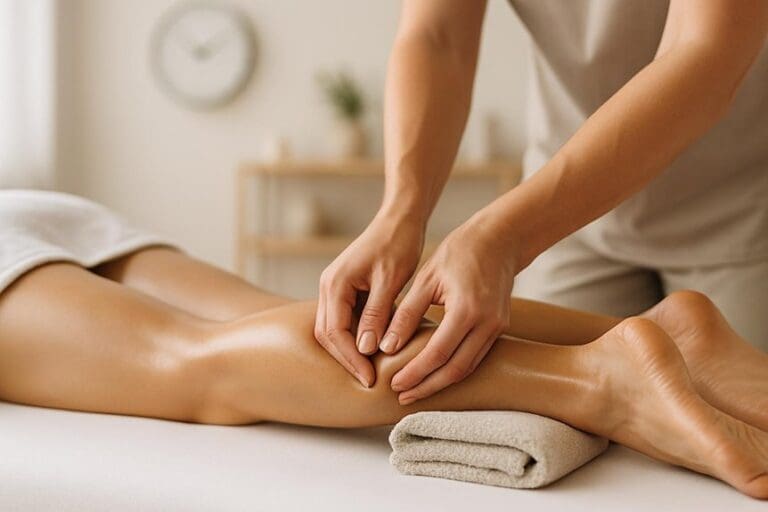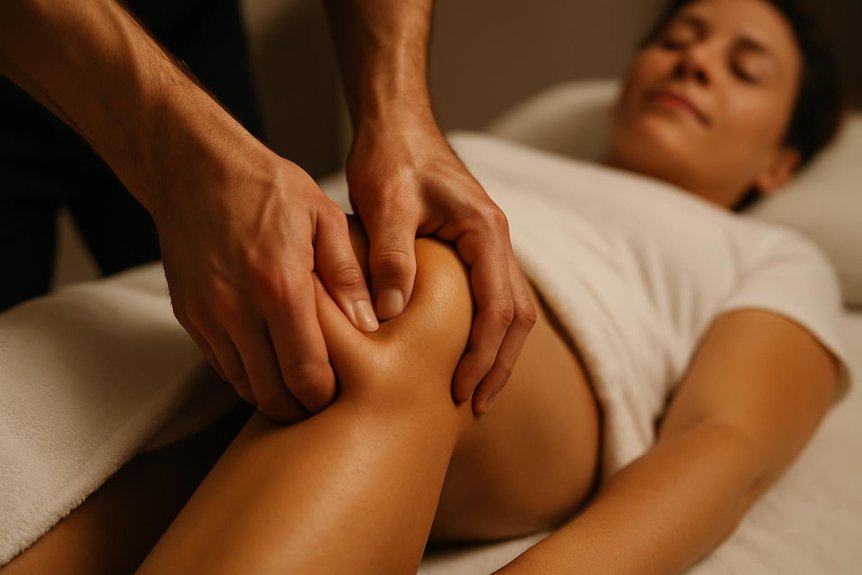
It can provide clinically significant relief for knee pain by addressing deep muscle tension, releasing adhesions, and improving circulation around the joint. Techniques target the surrounding musculature and periarticular structures, decreasing pain intensity and enhancing joint mobility. Evidence suggests that regular sessions reduce stiffness and promote tissue healing, benefiting individuals with arthritis, overuse injuries, or chronic knee discomfort. Those interested in thorough information about the process, session expectations, and long-term management strategies can explore further guidance.
Understanding Knee Pain and Its Common Causes
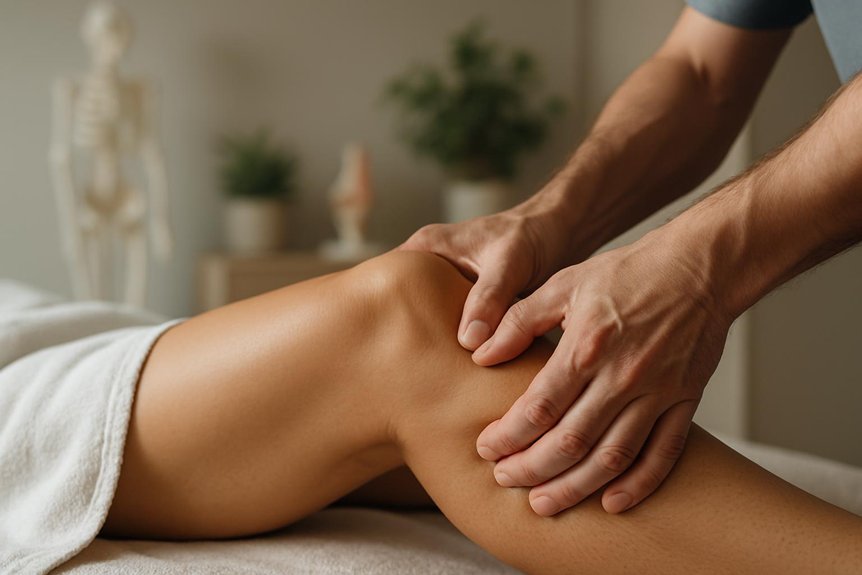
Although the knee is one of the body’s most robust joints, it remains highly susceptible to pain due to its complex structure and constant use.
The knee comprises bones, cartilage, ligaments, tendons, and synovial fluid, all working in delicate harmony.
Common causes of knee discomfort include osteoarthritis, ligament strain, meniscal injury, patellar tracking disorder, and overuse syndromes.
Repetitive activities, previous trauma, and age-related degeneration often exacerbate these conditions, leading to inflammation, stiffness, and functional impairment.
At Spa & Massage, therapists regularly encounter clients experiencing knee pain linked to both acute injury and chronic conditions.
Careful assessment of pain patterns, mobility limitations, and lifestyle factors is essential.
Understanding the underlying source of discomfort enables targeted and compassionate therapeutic interventions, supporting clients’ mobility and overall well-being.
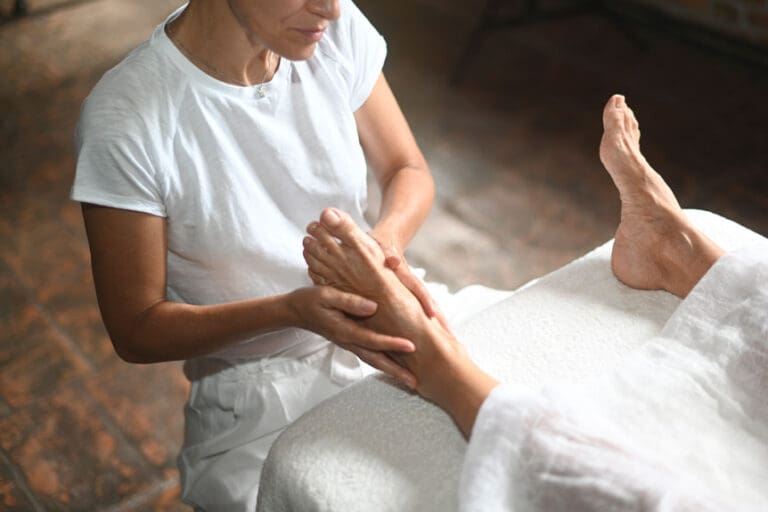
Some people also explore complementary therapies such as Reflexology to help alleviate pain and promote healing alongside conventional treatments.
How Deep Tissue Massage Addresses Knee Pain
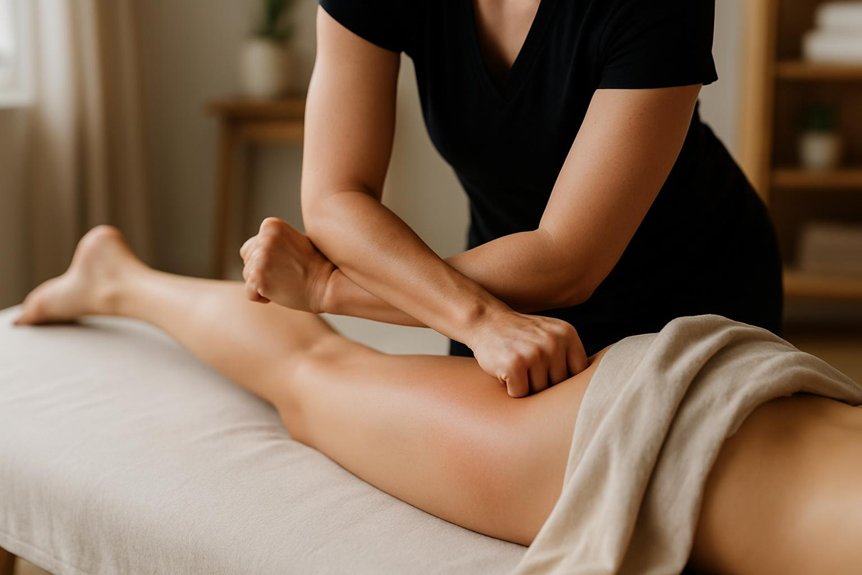
It offers a targeted approach to managing knee pain by addressing the deeper layers of muscle and connective tissue surrounding the joint.
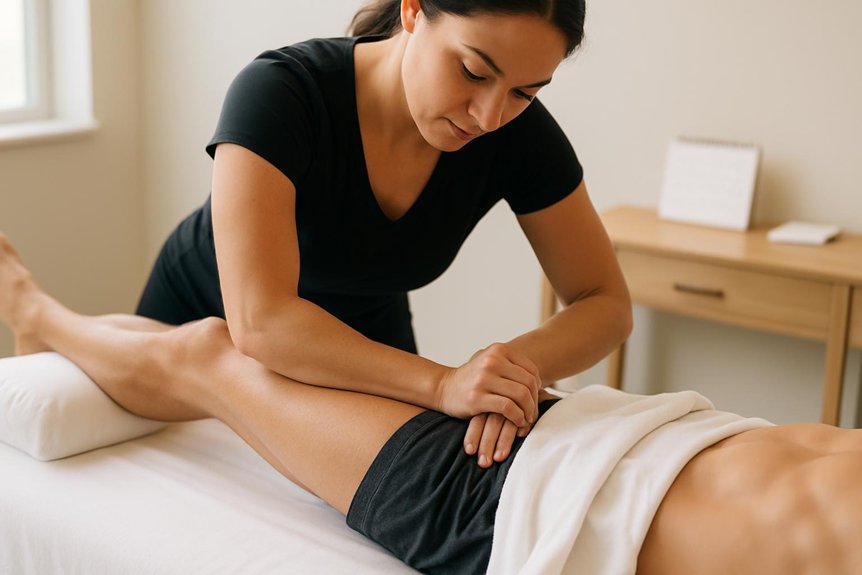
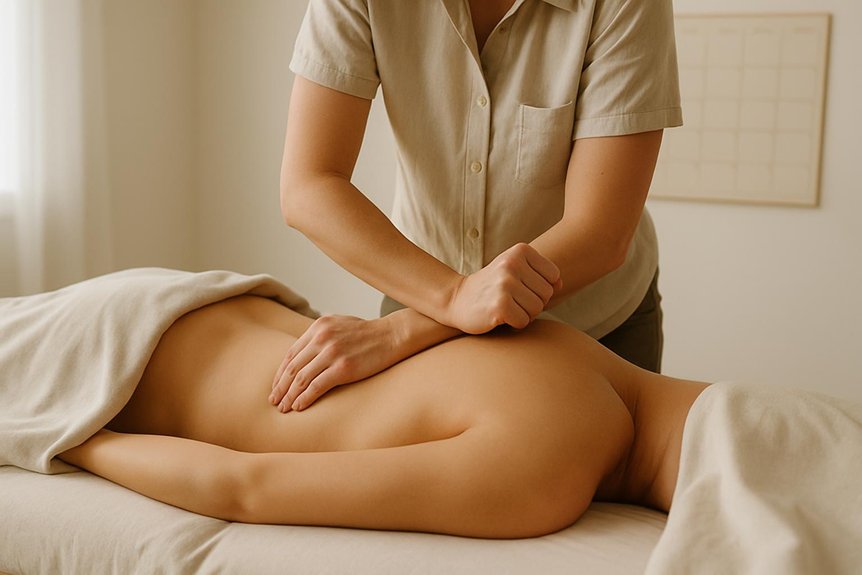
Through slow, deliberate strokes and sustained pressure, therapists at Spa & Massage aim to release chronic muscle tension, reduce adhesions, and improve local circulation.
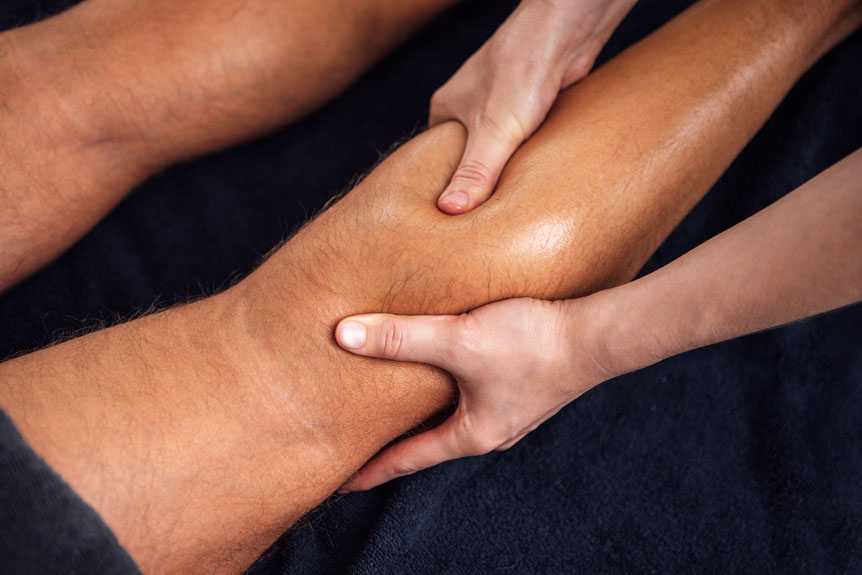
This technique focuses on the quadriceps, hamstrings, calf muscles, and periarticular structures often implicated in knee discomfort.
By alleviating myofascial restrictions and enhancing metabolic exchange, it can decrease pain intensity and promote greater joint mobility.
Clients often experience a sense of relief as inflammation is reduced and functional movement is restored.
This personalized attention to the underlying causes of knee pain reflects the evidence-based, client-centered philosophy practiced at Spa & Massage clinics throughout London.
What to Expect During a Intensive Tissue Massage at Spa & Massage
Following a thorough understanding of how targeted manual techniques can alleviate knee pain, individuals seeking care at Spa & Massage can anticipate a structured and client-oriented process during their intensive tissue massage session.
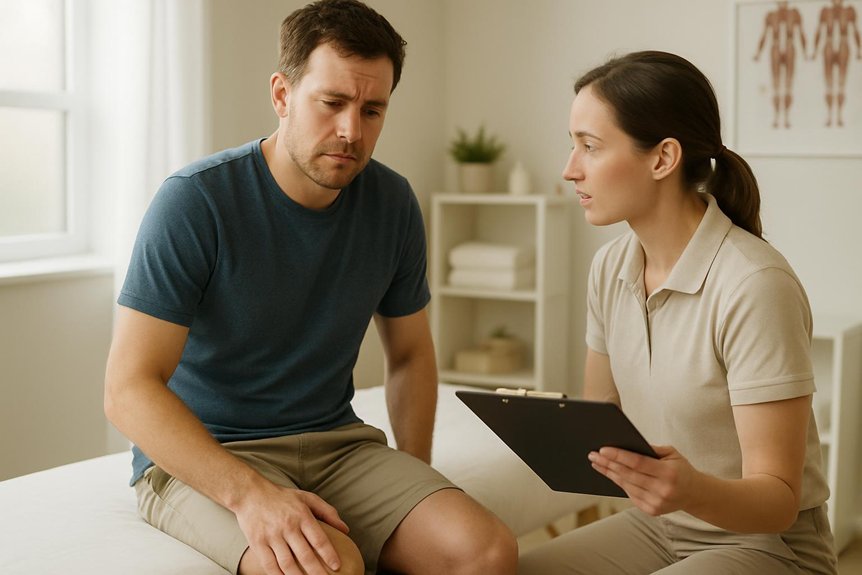
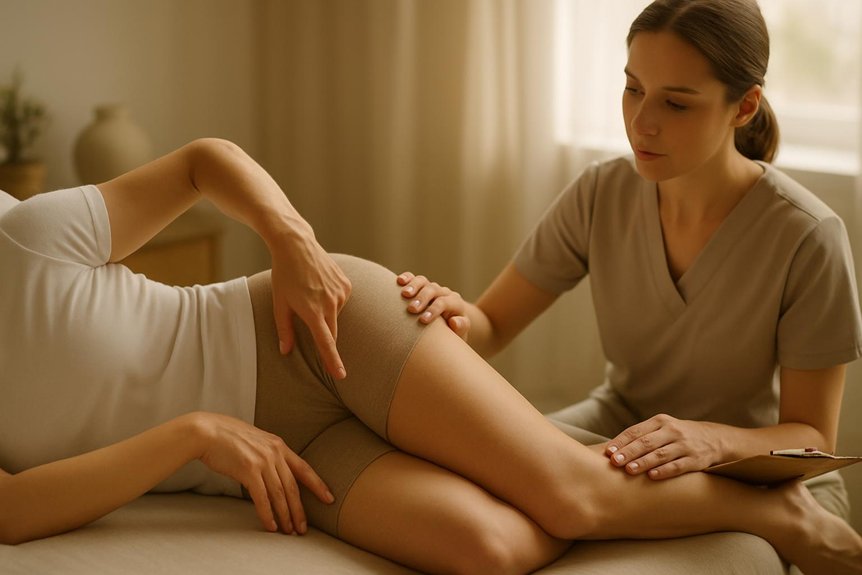
On arrival, a detailed consultation is conducted to assess musculoskeletal history, current symptoms, and specific goals. The therapist then applies specialized pressure and slow, deliberate strokes to affected musculature surrounding the knee, always maintaining open communication to guarantee ideal comfort.
At Spa & Massage, therapists utilize hypoallergenic oils and adjust techniques based on tissue response, focusing on precise adhesions or tension points. The tranquil environment fosters relaxation, while clinical expertise guides every movement.
Clients are encouraged to engage in feedback, creating a tailored, reassuring experience that prioritizes therapeutic efficacy and personal well-being.
Benefits and Potential Results for Knee Pain Relief
When delivered by skilled therapists, intensive tissue massage demonstrates measurable efficacy in reducing knee pain and associated dysfunction. By targeting adhesions, chronic tension, and myofascial restrictions, this modality facilitates improved local circulation and promotes the release of endorphins, contributing to both pain modulation and enhanced tissue repair.
Clients commonly experience increased joint mobility, diminished stiffness, and a greater sense of ease with daily activities following a course of sessions.
At Spa & Massage, therapists employ evidence-based techniques to address underlying muscular imbalances around the knee.
Individualised care plans ensure that each client’s unique pain profile and functional goals are prioritised.
Many clients report a comforting sense of relief, warmth, and relaxation, fostering a renewed trust in their own bodies as they progress towards greater knee comfort.
Aftercare Tips and Long-Term Management for Knee Health
Although immediate improvements in knee comfort may be observed post-massage, sustained relief depends on thorough aftercare and consistent self-management strategies.
At Spa & Massage, therapists recommend gentle stretching, targeted strengthening exercises, and regular application of ice or heat as indicated to minimise inflammation and promote tissue healing. Hydration and adequate rest are emphasised to facilitate ideal recovery.
Clients are encouraged to monitor their body’s responses and communicate any changes in pain or function.
For long-term joint health, maintaining a healthy weight and incorporating low-impact activities such as swimming or cycling can reduce mechanical stress on the knee.
Scheduled follow-up sessions at Spa & Massage, tailored to individual progress, support ongoing mobility and comfort, reinforcing a client’s commitment to sustained knee wellness.
Conclusion
In summary, intensive tissue massage stands as a veritable powerhouse in the domain of knee pain management, capable of melting away muscular tension as if iron shackles were being released from the joint. When administered by the skilled hands of Spa & Massage therapists, this evidence-based intervention can catalyze profound improvements in mobility and comfort. With rigorous aftercare and a holistic approach, clients may stride forward, unburdened by pain, into a future of boundless activity and ideal knee health.