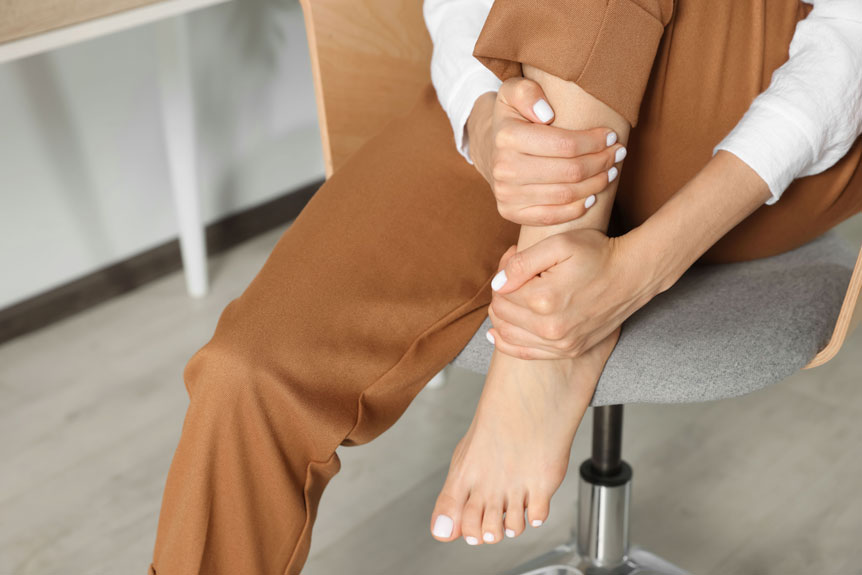
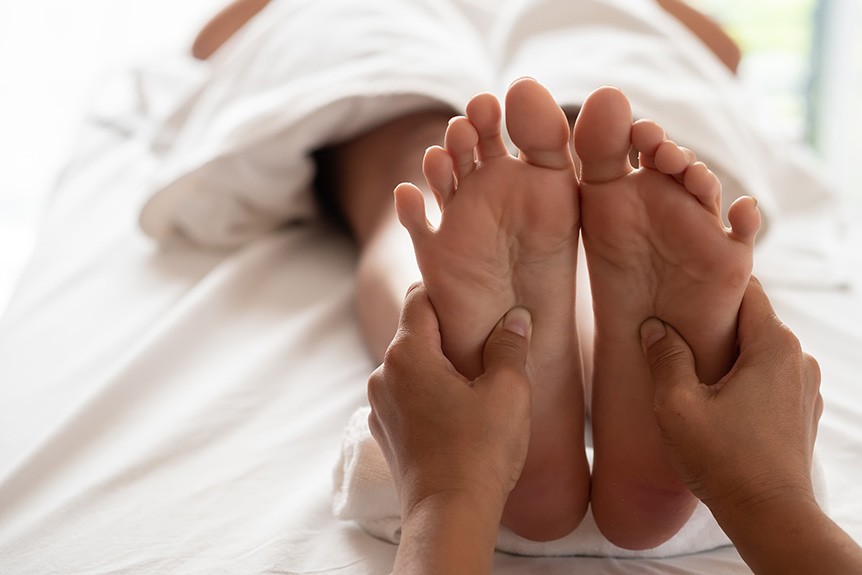
It cannot diagnose illness and should not be used as a substitute for clinical or laboratory assessments by qualified healthcare professionals. Current scientific evidence supports it as a complementary therapy focused on relaxation and wellbeing, not on medical detection or diagnosis. Reflexologists do not prescribe treatments or identify health conditions but tailor sessions to individual wellness needs. For persistent or unexplained symptoms, medical evaluation remains essential. Further information explores zone therapy’s role and its integration with professional healthcare.
Understanding Reflexology: What It Is and How It Works
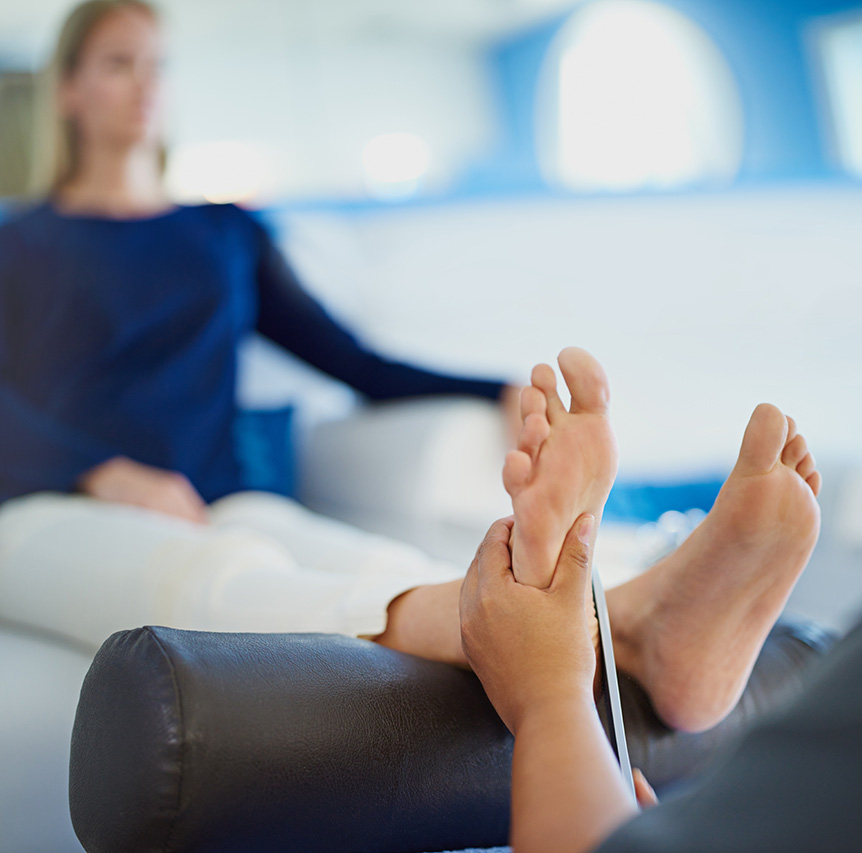
Although often associated with relaxation, it is a therapeutic practice grounded in the principle that specific points on the feet, hands, and ears correspond to different organs and systems within the body.
Reflexologists apply precise pressure to these mapped zones, aiming to promote homeostasis and support the body’s natural healing processes.
Evidence suggests that it may help reduce stress, alleviate discomfort, and improve overall wellbeing by encouraging relaxation and enhancing circulation.
At Spa & Massage clinics, therapists approach it with expert knowledge of anatomy and a focus on client comfort, ensuring each session is tailored to individual needs.
While it fosters a sense of connection and balance, its mechanisms—based on reflex maps and gentle touch—are complementary rather than diagnostic or curative in their intent.
Many people turn to this therapy to discover the healing power that it has to offer for both body and mind.
The Role of a Reflexologist at Spa & Massage
At Spa & Massage, the reflexologist assumes a specialised role focused on applying targeted techniques to mapped pressure points on the feet, hands, or ears. This is guided by a thorough understanding of human anatomy and reflex pathways.
Within this framework, the practitioner carefully assesses the client’s comfort, tension, and individual wellness goals during each session. Techniques are chosen for their potential to promote relaxation, encourage circulation, and support overall wellbeing, rather than to provide medical diagnosis.
Reflexologists at Spa & Massage use a combination of skilled palpation and responsive touch, adapting pressure and sequence to each client’s needs. The approach is attentive, professional, and rooted in both training and ongoing experience, offering clients a personalised, supportive space to enhance their sense of balance and relaxation.
Can It Be Used for Medical Diagnosis?
Current evidence indicates that it cannot be relied upon for medical diagnosis, as it lacks the specificity and scientific validation required for identifying medical conditions.
However, it may increase personal health awareness by highlighting areas of tension or discomfort.
For any concerns or symptoms, clients at Spa & Massage are advised to consult qualified healthcare professionals for accurate diagnosis and treatment.
Zone Therapy’s Diagnostic Limitations
While it is a respected holistic therapy for promoting relaxation and overall wellbeing, it does not serve as a substitute for medical diagnosis. At Spa & Massage, therapists recognise that it is designed to support the body’s natural balance rather than to detect or confirm specific illnesses.
Scientific evidence does not support the use of this therapy as a diagnostic tool; its techniques are not meant to identify underlying medical conditions. Rather, skilled practitioners focus on identifying tension, discomfort, or imbalances as indicators of stress within the body.
For clients experiencing symptoms or health concerns, Spa & Massage always recommends consulting with qualified healthcare professionals.
It complements, but does not replace, clinical assessment or laboratory testing, and its primary benefit remains in holistic support and relaxation.
Role in Health Awareness
How does it contribute to greater health awareness, and can it be used for medical diagnosis? As practiced by Spa & Massage therapists, enhances clients’ awareness of their own bodies by drawing attention to areas of tension or discomfort during a session.
While it encourages mindfulness and a deeper connection to physical sensations, it is not designed or validated as a diagnostic tool for medical conditions.
Evidence suggests this therapy that it may help individuals notice subtle changes in well-being, prompting them to seek further evaluation if necessary.
At Spa & Massage, it is seen as a supportive wellness practice, encouraging self-care and body awareness. However, its role remains complementary, and it should not be relied upon for identifying or diagnosing underlying illnesses.
Consulting Healthcare Professionals
Although it is valued for promoting relaxation and body awareness, it is not recognized within the medical community as a diagnostic tool for illness.
At Spa & Massage, clients are encouraged to enjoy this therapy for its proven benefits in stress relief and overall wellbeing, rather than as a method for identifying or diagnosing medical conditions.
If clients experience persistent symptoms or health concerns, seeking advice from qualified healthcare professionals remains essential.
Reflexologists do not diagnose or prescribe; instead, they support wellness through non-invasive touch and relaxation techniques.
Integrating this therapy with medical consultation guarantees a balanced approach to health.
Spa & Massage therapists work alongside clients’ existing healthcare routines, offering complementary support while always recommending professional medical guidance for any suspected illness.
How It Supports Overall Wellness
It is recognised as a complementary therapy that may contribute to overall wellness by stimulating specific points on the feet, hands, or ears believed to correspond with different systems within the body.
Analysis of clinical studies suggests that, although it cannot diagnose or cure illness, it may help support relaxation, reduce stress, and foster a sense of balance.
Many clients at Spa & Massage report a feeling of deep calm and improved mood following sessions.
Objective findings indicate that these effects may be linked to the body’s physiological response—such as lowered heart rate and reduced muscle tension—when pressure is applied methodically.
Therapy Techniques Practiced in Our Clinics
At Spa & Massage clinics, its techniques centre on precise pressure point application to target specific zones on the feet and hands.
Therapists employ customised massage sessions, adapting methods to suit each client’s unique health concerns and wellness goals.
This approach is informed by established its principles and is designed to enhance both diagnostic accuracy and therapeutic outcomes.
Pressure Point Application
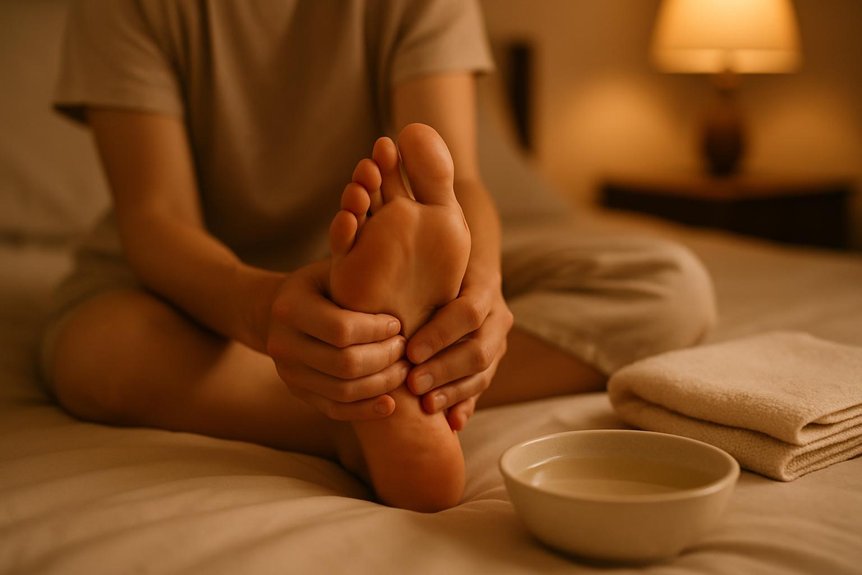
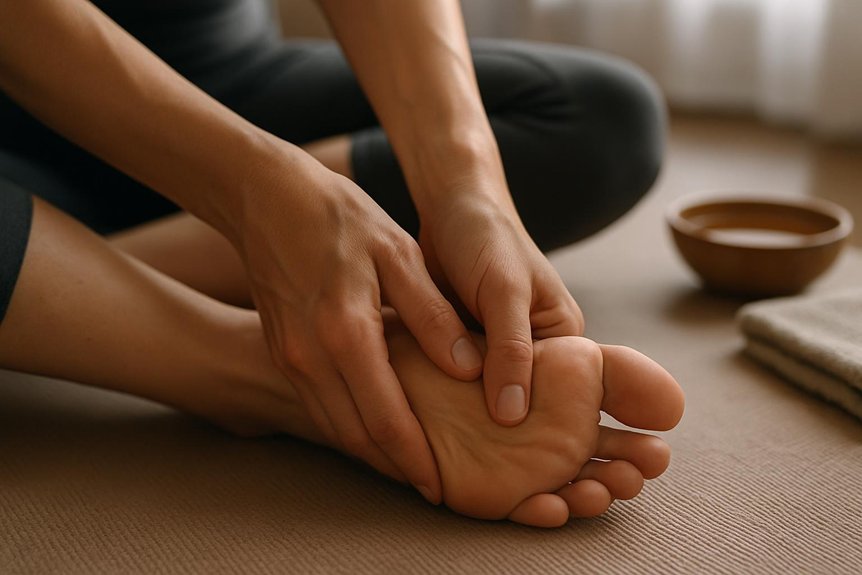
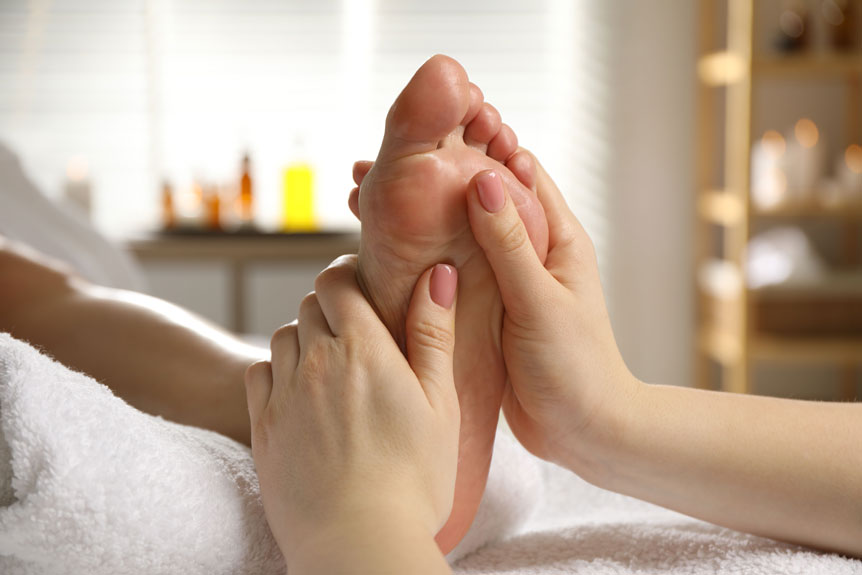
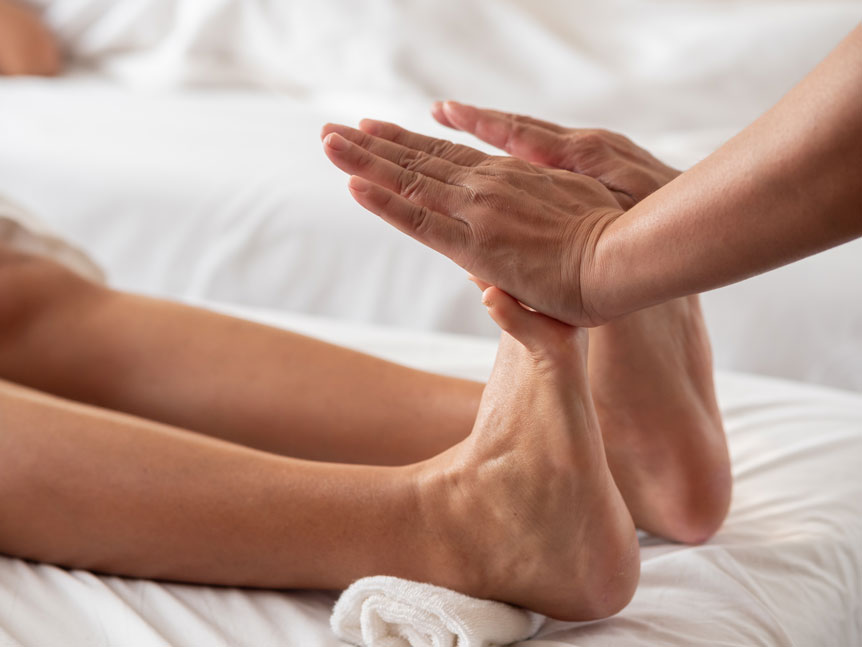
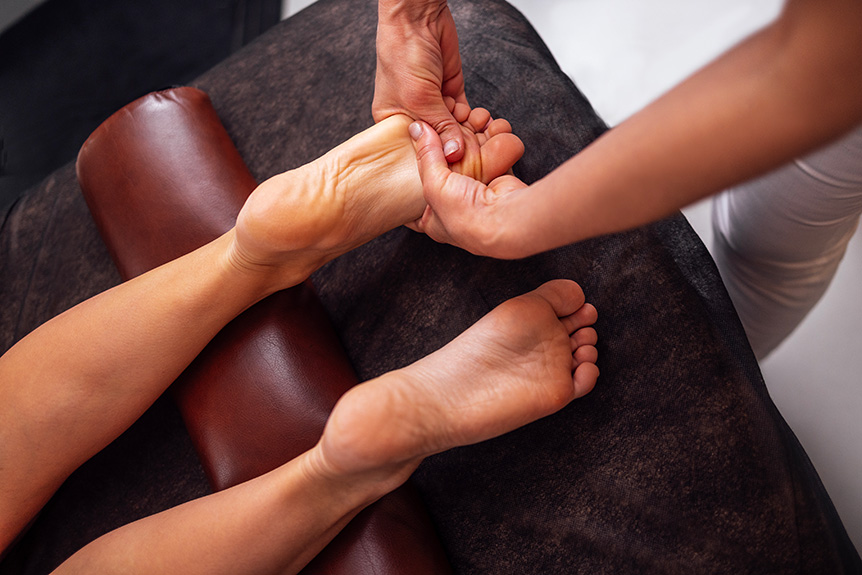
While rooted in established principles of traditional massage therapy, pressure point application in Spa & Massage clinics is delivered through a targeted, systematic approach. Therapists identify specific reflex zones—primarily on the feet—and apply measured, deliberate pressure to these points using their thumbs and fingers.
This method is informed by anatomical maps that associate zones with corresponding organs and systems, aiming to stimulate circulation and promote relaxation.
Clinical practice at Spa & Massage emphasises consistency in pressure and technique, ensuring that each session aligns with evidence-based standards of safety and comfort.
Although it does not diagnose illness, the precise application of pressure is designed to support overall wellbeing.
Clients often report a sense of release, suggesting beneficial effects on both physical tension and general relaxation.
Customised Sessions
Each session at Spa & Massage is individually tailored, employing a range of techniques based on the client’s specific health profile, needs, and preferences.
Therapists conduct thorough consultations to understand each client’s lifestyle, medical history, and wellness goals. This information guides the selection of appropriate pressure points and methods, such as gentle thumb walking, circular motions, or targeted holds, to address areas of tension or imbalance.
By customising each session, the clinic seeks to optimise therapeutic outcomes, whether the focus is on relaxation, stress relief, or supporting overall wellbeing.
While it cannot diagnose illness, practitioners at Spa & Massage use their expertise to adapt sessions responsively, ensuring a safe, supportive environment that prioritises client comfort and fosters a sense of personalised care.
Recognising the Limits and Benefits
Although it is widely valued for its relaxing and restorative effects, it is important to distinguish its supportive role from that of conventional medical diagnostics and treatments.
As practised at Spa & Massage, focuses on stimulating specific points on the feet, hands, or ears to encourage relaxation, relieve tension, and support overall wellbeing.
However, current scientific evidence does not support the use of zone therapy as a tool for diagnosing illness or replacing medical evaluation.
Instead, its primary benefits lie in promoting a sense of balance and comfort, often complementing medical care.
Many clients at Spa & Massage report enhanced relaxation, improved mood, and reduced stress following sessions, but it is best approached as a holistic adjunct to—not a substitute for—professional medical assessment.
What to Expect During a Massage Session
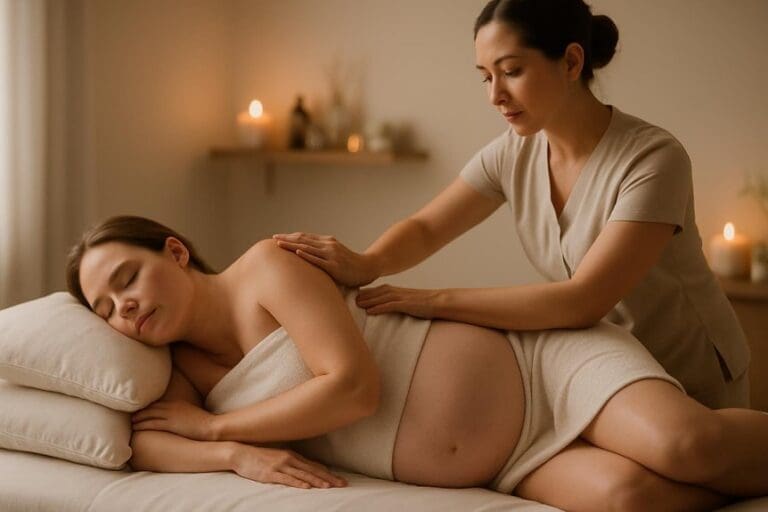
A typical massage session at Spa & Massage begins with a brief consultation, during which the therapist discusses the client’s health history, current concerns, and wellness goals. This initial exchange guarantees the massage treatment is tailored to individual needs, promoting both safety and effectiveness.
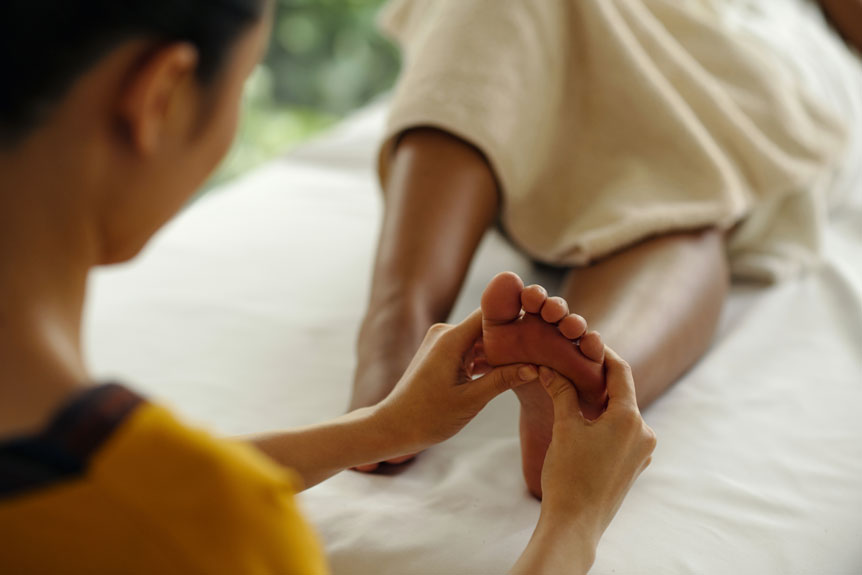
Clients are invited to recline in a tranquil environment, where a therapist applies gentle, systematic pressure to specific points on the feet, hands, or ears. These points are believed to correspond with different body systems.
Techniques are precise and designed to stimulate relaxation and support overall wellbeing.
Throughout the session, communication is encouraged, allowing adjustments for comfort.
In Spa & Massage clinics, a professional approach and expert touch underpin every session, cultivating a sense of trust, comfort, and attentive care.
The Importance of Professional Medical Evaluation
While massage sessions at Spa & Massage are designed to promote relaxation and support wellbeing, it is important to recognise the distinct role of professional medical evaluation in health management.
As practiced by Spa & Massage therapists, is not a diagnostic tool for identifying illnesses. Instead, it serves as a complementary therapy aimed at enhancing comfort and reducing stress.
Professional medical evaluation, conducted by qualified healthcare providers, is essential for accurate diagnosis and effective treatment planning. Clinical assessments, laboratory testing, and imaging techniques provide evidence-based insight into underlying health conditions.
Individuals experiencing persistent or unexplained symptoms should always consult a medical professional.
Integrating It With Your Wellness Routine
Incorporating it into a thorough wellness routine can contribute to improved stress management and overall relaxation, according to evidence from clinical studies and client feedback.
Spa & Massage recommends regular massage sessions as a complement to other self-care practices, such as massage therapy, exercise, and mindful breathing.
Research suggests that it may help reduce anxiety, enhance mood, and support restful sleep when used alongside established health behaviours.
At Spa & Massage clinics, therapists tailor each session to individual needs, focusing on specific reflex points to promote balance.
Many clients report heightened well-being and a deeper sense of calm following treatments.
Integrating this should be seen as a supportive element in a broader wellness strategy, rather than a replacement for medical care or diagnosis.
Conclusion
In conclusion, reflexology at Spa & Massage functions as a complementary therapy, not a diagnostic instrument. While this holistic approach can comfort the body and mind, it should not be mistaken for a substitute for professional medical assessment. As the saying goes, “Don’t judge a book by its cover”—it offers relaxation and equilibrium, but the true story of one’s health requires the expertise of medical professionals and evidence-based evaluation for accurate diagnosis and care.