It can aid in managing piriformis syndrome by reducing muscular hypertonicity and releasing myofascial adhesions in the piriformis, which commonly compress the sciatic nerve. Skilled manual therapy targets deep muscle layers and fascia to restore pliability, alleviate nerve entrapment, and promote circulation. Clients often report decreased gluteal and referred sciatic pain, improved tissue mobility, and enhanced neuromuscular function. Exploring clinical techniques, expected outcomes, and additional self-care strategies may offer a more thorough understanding.
Understanding Piriformis Syndrome and Its Symptoms
Piriformis syndrome arises when the piriformis muscle, located deep within the gluteal region, irritates or compresses the adjacent sciatic nerve. This anatomical relationship can produce symptoms such as deep, aching gluteal pain, often radiating down the posterior thigh and sometimes reaching the lower leg.
Clinically, individuals may report numbness, tingling, or weakness, especially after prolonged sitting or repetitive hip movements. Palpation over the piriformis muscle may elicit tenderness or reproduce sciatic pain.
At Spa & Massage, therapists frequently encounter clients describing discomfort that worsens with hip rotation or direct pressure. Recognizing these symptoms is essential for effective management.
Early identification can guide appropriate interventions, helping clients regain comfort, mobility, and trust in their bodies with tailored therapeutic approaches. In many cases, massage modalities such as deep tissue massage are recommended for their ability to target muscle tension and promote relief from the pain associated with piriformis syndrome.
How Intensive Tissue Massage Targets Piriformis Muscle Tension
When excessive tension develops within the deep gluteal musculature, targeted intensive tissue massage can serve as a precise intervention to address dysfunction, particularly within the piriformis muscle.
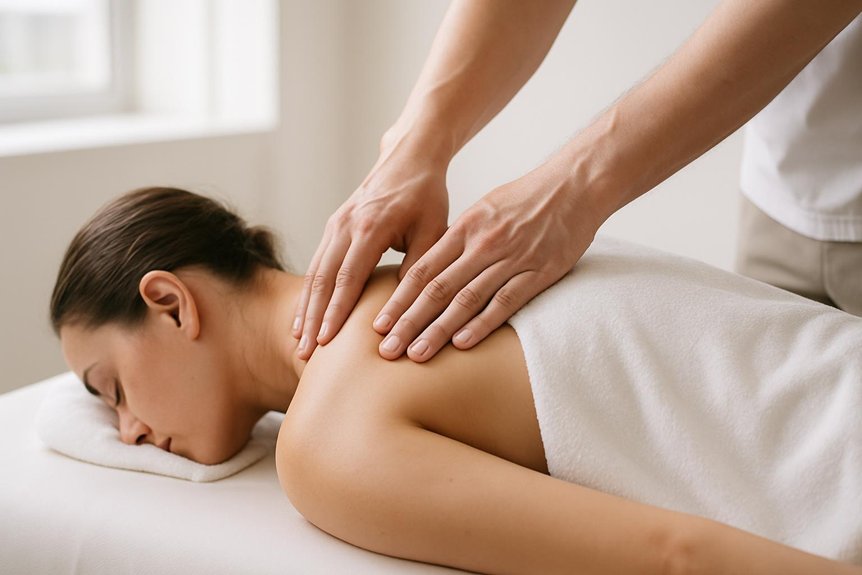
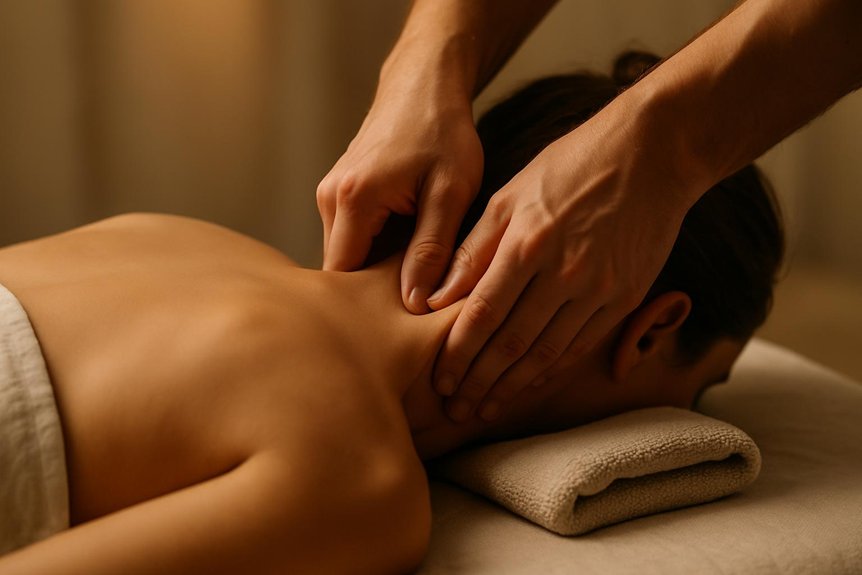
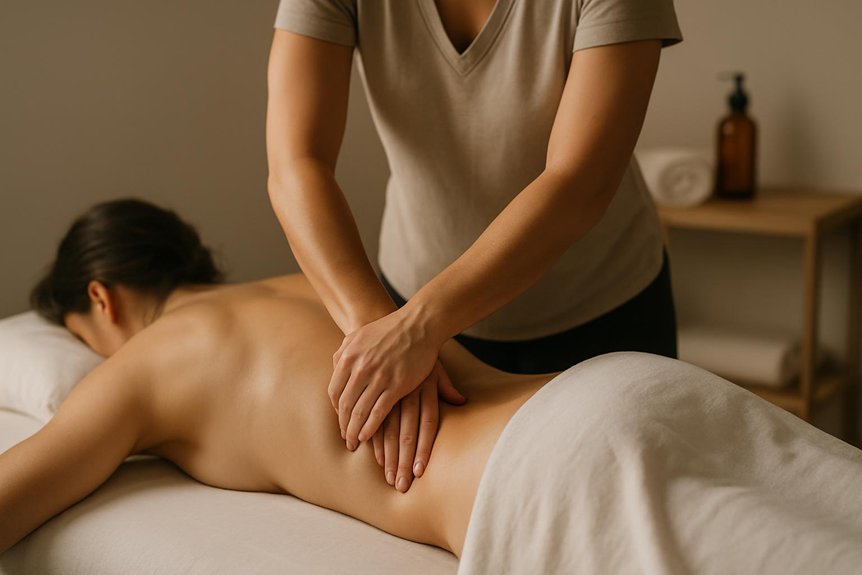
This approach involves deliberate, sustained pressure applied by skilled therapists to access the layers beneath the superficial gluteal tissue.
By methodically working through fascia and muscle fibres, intensive tissue massage disrupts patterns of hypertonicity and myofascial adhesions that commonly affect the piriformis.
At Spa & Massage, therapists employ anatomical knowledge to palpate and release trigger points, restoring pliability and normal function to the muscle.
This focused technique fosters improved circulation, reduces localised muscle guarding, and supports the body’s intrinsic healing mechanisms.
Clients often report a notable sense of relief and muscular ease following these tailored interventions.
The Role of Deep Tissue Techniques in Alleviating Sciatic Pain
Sciatic pain frequently arises due to compression or irritation of the sciatic nerve, often linked to dysfunction in the piriformis muscle.
Intensive tissue massage techniques, applied by trained therapists at Spa & Massage, target the myofascial structures surrounding the piriformis and adjacent gluteal muscles. By employing sustained pressure and slow strokes, these methods aim to release chronic muscular adhesions and reduce neural entrapment.
Clinical observations support that decreasing hypertonicity in this region can alleviate sciatic discomfort, restore mobility, and promote improved neuromuscular balance.
Therapists carefully assess anatomical landmarks to guarantee specificity and safety throughout treatment.
Many clients experience notable reductions in radiating pain and improved quality of life when deep tissue techniques are integrated into a thorough approach for piriformis syndrome management.
What to Expect During a Intensive Tissue Massage Session
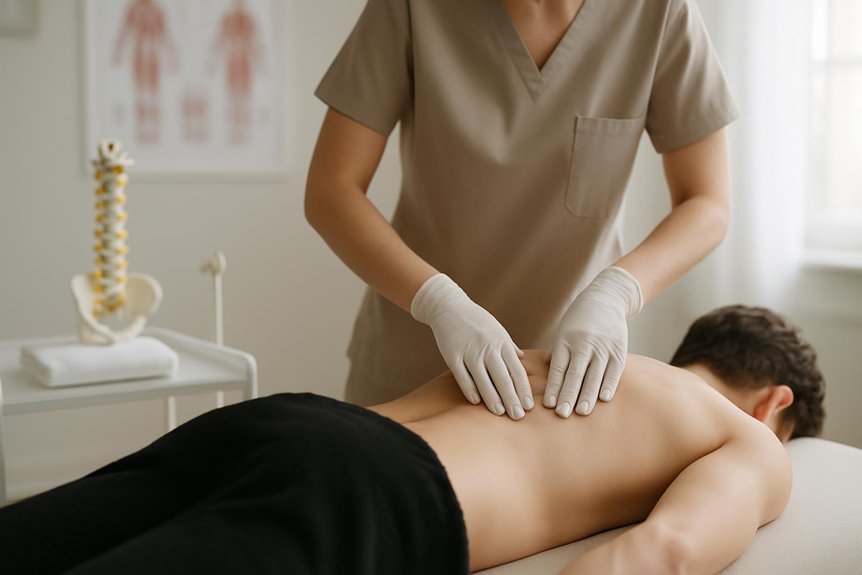
Before initiating a intensive tissue massage session, therapists at Spa & Massage conduct a thorough assessment of the client’s musculoskeletal presentation, with specific attention to the gluteal and pelvic regions implicated in piriformis syndrome.
The evaluation includes palpation of the piriformis, gluteus maximus, and surrounding musculature to identify areas of hypertonicity or myofascial restriction.
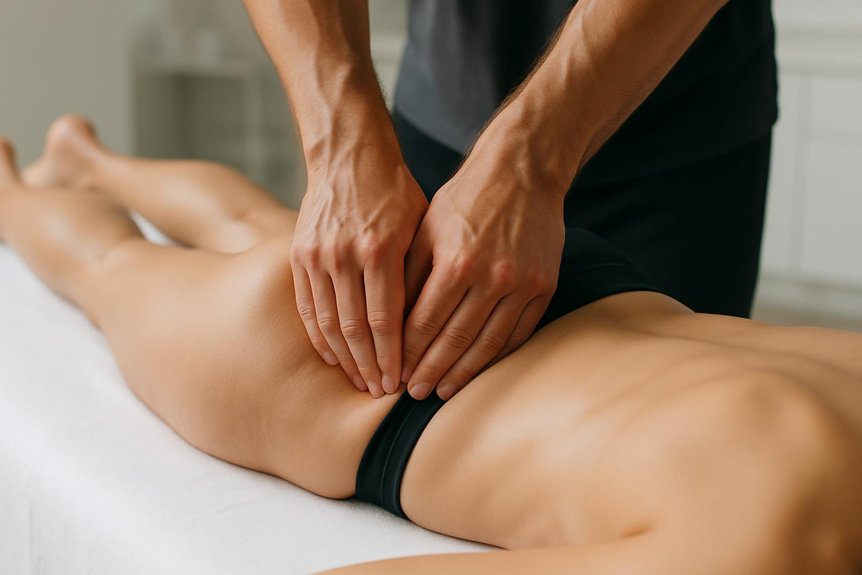
During the session, clients are positioned comfortably, often in a prone or side-lying posture, to allow targeted access to the deep lateral rotators of the hip.
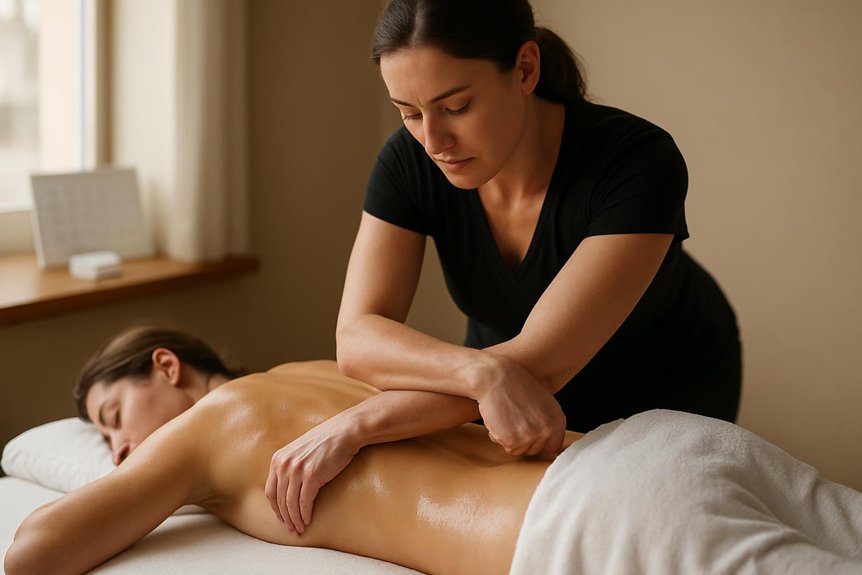
Therapists employ gradual, sustained pressure using forearms, elbows, and thumbs, focusing on slow strokes to facilitate tissue release.
Communication is encouraged to calibrate intensity, balancing therapeutic depth with the client’s comfort and trust, fostering a supportive, attentive environment throughout the experience.
Benefits of Intensive Tissue Massage for Piriformis Syndrome
Following a thorough evaluation and targeted approach during intensive tissue massage, clients experiencing piriformis syndrome may notice several clinically significant benefits.
Skilled manipulation of the gluteal region helps reduce hypertonicity in the piriformis muscle, which can relieve pressure on the sciatic nerve and alleviate radiating discomfort.
At Spa & Massage clinics, therapists employ slow, sustained pressure to break down adhesions and improve local circulation, thereby facilitating nutrient delivery and metabolic waste removal.
This enhanced tissue mobility can result in improved hip joint range of motion and decreased neuromuscular irritability.
Clients often report a reduction in referred pain patterns, increased comfort during daily activities, and greater postural ease.
Each treatment is tailored, ensuring a safe and supportive environment for ideal therapeutic outcomes.
Recommended Aftercare for Lasting Relief

Effective aftercare is essential to optimize the therapeutic benefits of intensive tissue massage for piriformis syndrome. Spa & Massage therapists recommend targeted stretches to maintain flexibility of the piriformis and surrounding musculature.
In addition, self-care strategies are advised to minimize recurrence of neuromuscular irritation between sessions.
Evidence-based guidance is provided to support tissue healing and long-term symptom relief.
Stretches to Support Healing
Although intensive tissue massage effectively alleviates muscle tension associated with piriformis syndrome, structured stretching remains integral to ongoing recovery and prevention of recurrence.
At Spa & Massage clinics, therapists often recommend targeted stretches to lengthen the piriformis, gluteal, and hip flexor muscles, supporting ideal neuromuscular function.
Evidence suggests that gentle supine piriformis stretches, figure-four stretches, and progressive hip abductor mobilisations can relieve sciatic nerve compression and restore functional range of motion.
Clinical practice highlights the importance of slow, controlled stretching—holding each stretch for 20 to 30 seconds without forcing—ensuring tissues adapt without irritation.
Regular, mindful stretching empowers clients to nurture their bodies, sustain post-massage relief, and gradually restore pelvic stability.
Consistency with these techniques amplifies the therapeutic benefits achieved during professional sessions.
Self-Care Between Sessions
How can individuals maximise the therapeutic gains of intensive tissue massage for piriformis syndrome between professional sessions?
Evidence suggests that following targeted aftercare can extend the benefits. Spa & Massage therapists recommend gentle piriformis and hip stretches, self-myofascial release with a foam roller or massage ball, and mindful posture correction to reduce sciatic nerve compression.
Applying cold packs can help minimise inflammation, while warm baths may promote vasodilation and muscle relaxation. Clients are advised to maintain hydration and avoid prolonged sitting, which can exacerbate piriformis tension.
In our clinics, therapists often suggest personalised home care routines, reinforcing neuromuscular health. This integrative approach helps sustain tissue flexibility, decrease pain, and support functional recovery, fostering a sense of wellbeing between intensive tissue massage sessions.
When to Seek Intensive Tissue Massage for Piriformis Issues
When persistent gluteal pain, numbness, or tingling radiates along the sciatic pathway and is unresponsive to basic stretching or rest, clinical evaluation often points to piriformis syndrome.
In such cases, intensive tissue massage may be indicated when myofascial tightness and palpable trigger points within the piriformis muscle contribute to neural compression.
Individuals experiencing exacerbated discomfort during prolonged sitting, or those with localized tenderness in the buttock region, often benefit from targeted manual therapy.
At Spa & Massage, therapists assess the quality of muscle tone, identify areas of hypertonicity, and tailor sessions to address fascial restrictions that perpetuate symptoms.
Timely intervention supports neuromuscular function, reduces peripheral sensitization, and fosters a sense of physical relief, making intensive tissue massage a valuable adjunct to clinical care.
Supporting Piriformis Health With Further Wellness Practices
Intensive tissue massage effectively addresses myofascial restrictions and trigger points associated with piriformis syndrome, yet sustained improvement often requires integrating additional wellness strategies.
Clinically, combining massage with targeted stretching and strengthening of the piriformis and surrounding musculature—such as the gluteus medius, hip flexors, and lumbar stabilisers—promotes neuromuscular balance and reduces recurrence.
At Spa & Massage, therapists frequently recommend gentle mobility exercises and guided breathwork to support pelvic alignment and tissue oxygenation.
Postural awareness during daily activities also prevents undue strain on the sciatic nerve.
Hydration and the use of appropriate massage oils, as practised in our clinics, aid fascial elasticity and tissue recovery.
This multimodal approach, anchored in anatomical and biomechanical principles, fosters lasting relief and empowers individuals to maintain piriformis health.
Conclusion
In conclusion, intensive tissue massage may offer significant relief for individuals with piriformis syndrome by reducing myofascial tension, enhancing blood flow, and alleviating sciatic nerve compression. As the adage goes, “an ounce of prevention is worth a pound of cure,” so integrating deep tissue therapy with targeted stretches and ergonomic adjustments can optimize outcomes. Clinical evidence suggests that, when administered by skilled therapists, this approach supports functional recovery and empowers individuals to reclaim mobility and comfort.