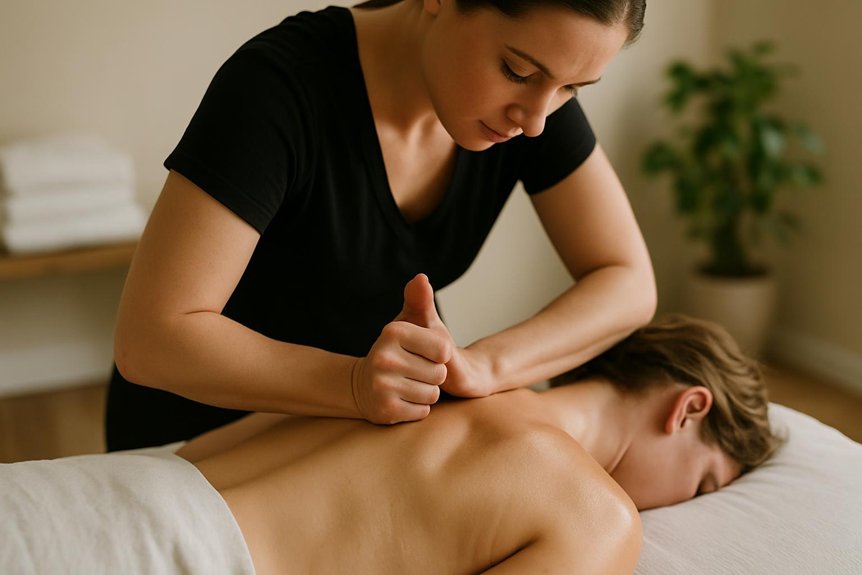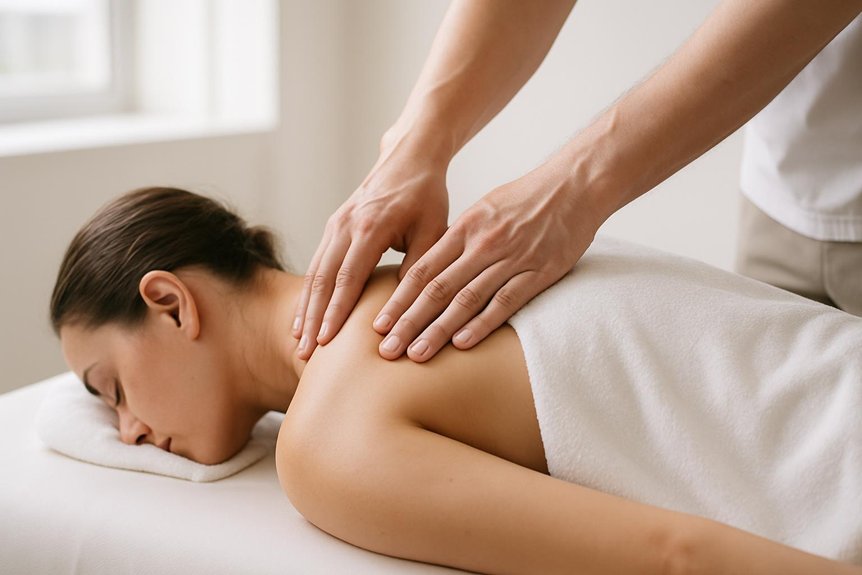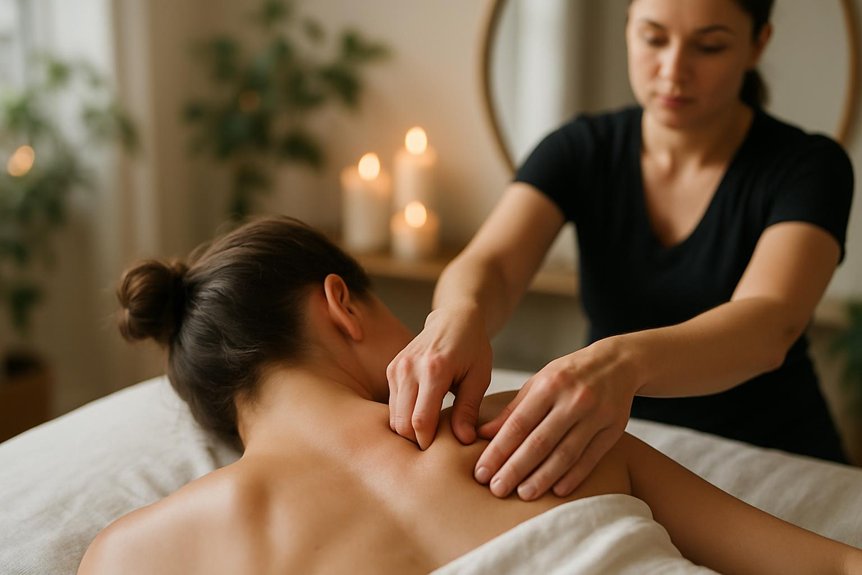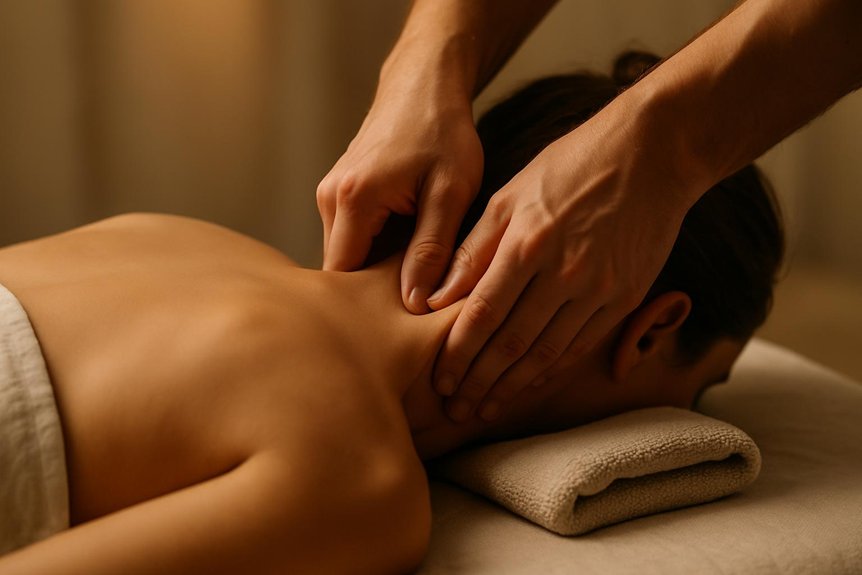
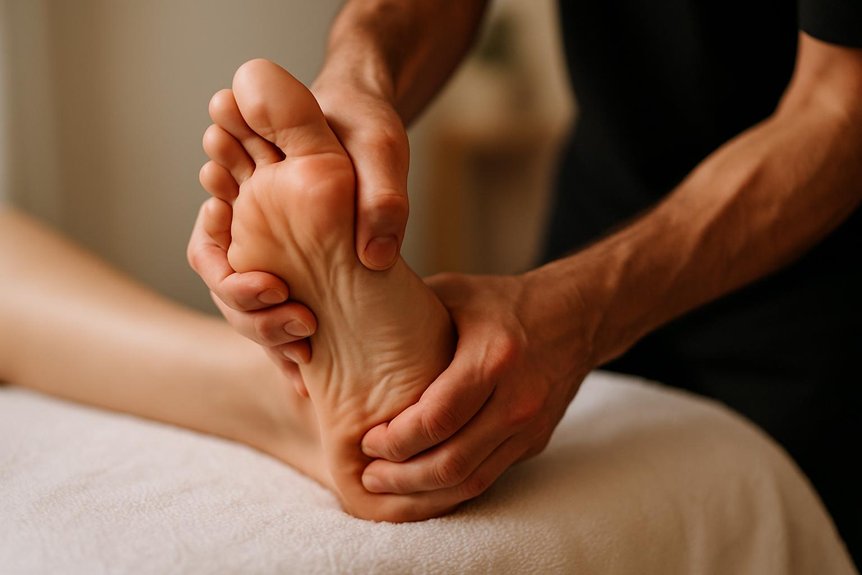
It can help plantar fasciitis by reducing fascial tension, mobilizing adhesions, and enhancing local circulation in the affected foot. The technique targets the plantar fascia and related musculature, alleviating pain by decreasing localized inflammation and restoring tissue elasticity. By focusing on these anatomical structures, it may promote healing, decrease nociceptive signaling, and support functional recovery. Further information outlines specific therapeutic mechanisms, techniques, and aftercare strategies relevant to symptom improvement and recurrence prevention.
Understanding Plantar Fasciitis and Its Symptoms
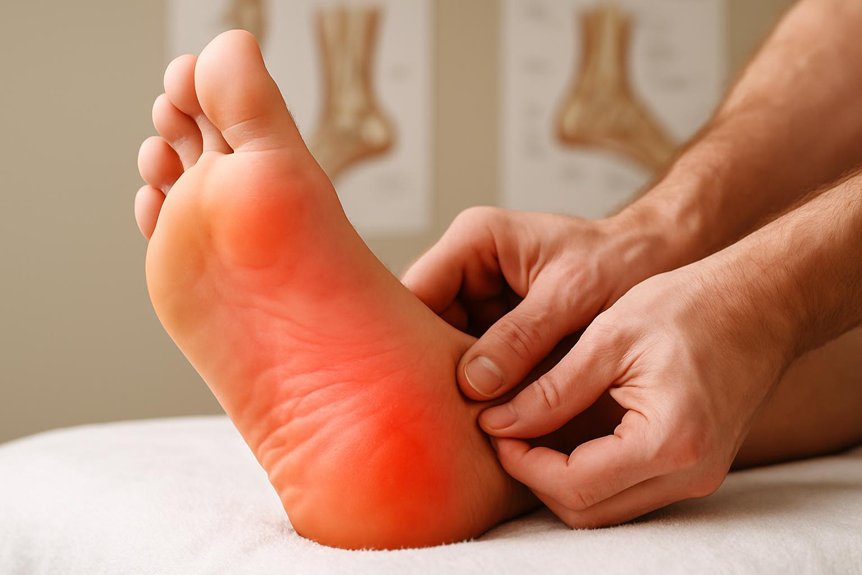
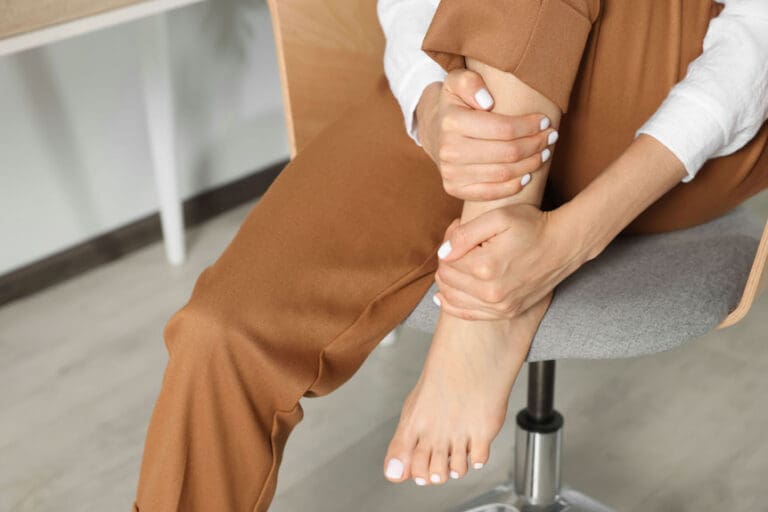
Plantar fasciitis typically manifests as a sharp, localized pain at the anteromedial aspect of the calcaneus, most pronounced upon the first weight-bearing steps after periods of rest, such as rising in the morning.
The discomfort often lessens as the fascia warms with movement but may intensify after prolonged standing or increased physical activity.
Palpation reveals tenderness along the proximal plantar fascia, and dorsiflexion of the toes may exacerbate symptoms.
Mild swelling or subtle erythema may be observed, though gross inflammation is uncommon.
At Spa & Massage, therapists encounter clients experiencing this characteristic heel pain, recognizing its impact on daily mobility and emotional well-being.
Understanding these clinical features is vital to inform supportive, individualised care strategies for lasting relief.
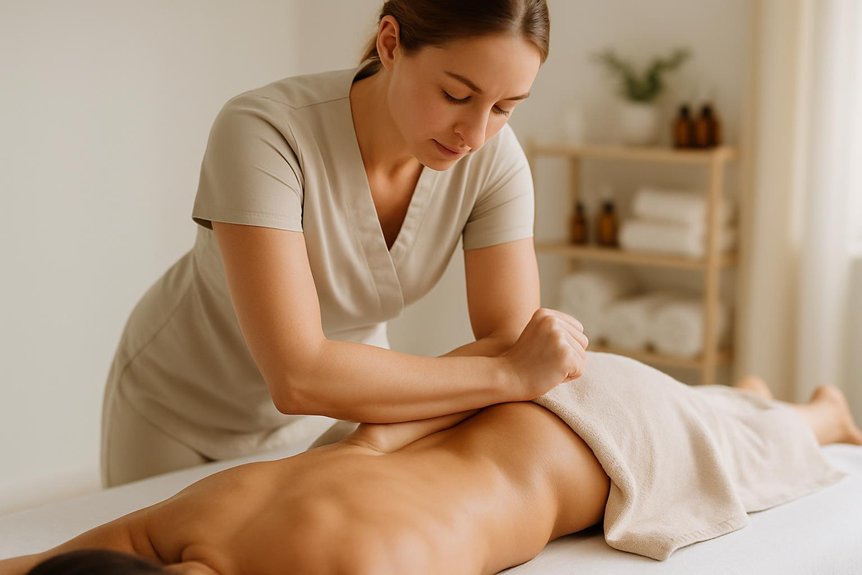
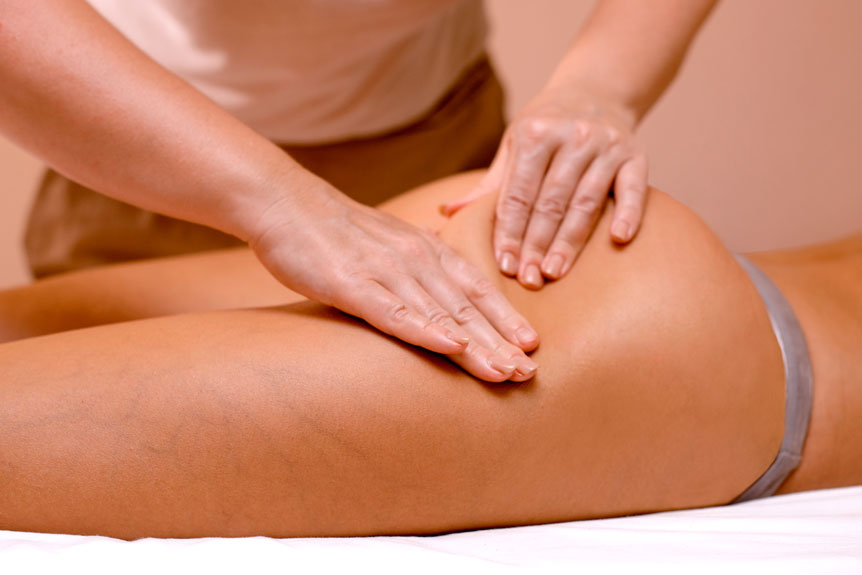
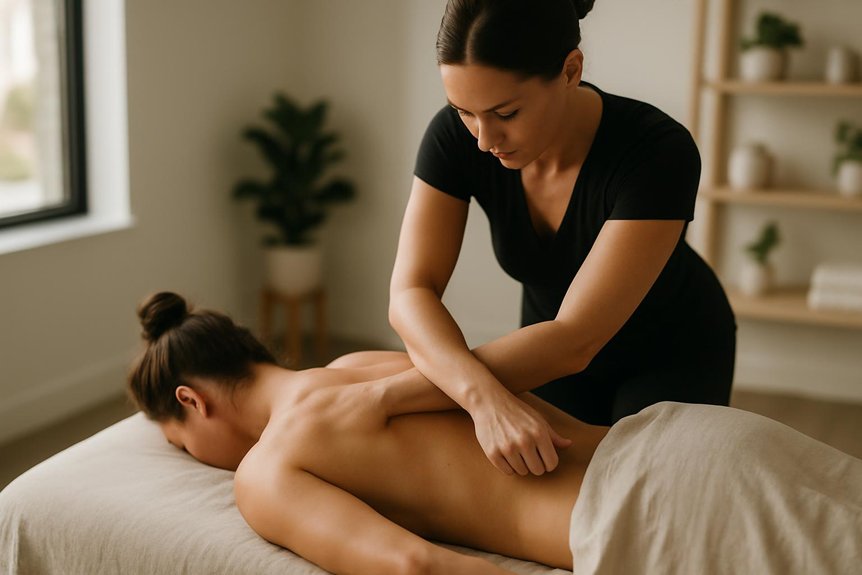
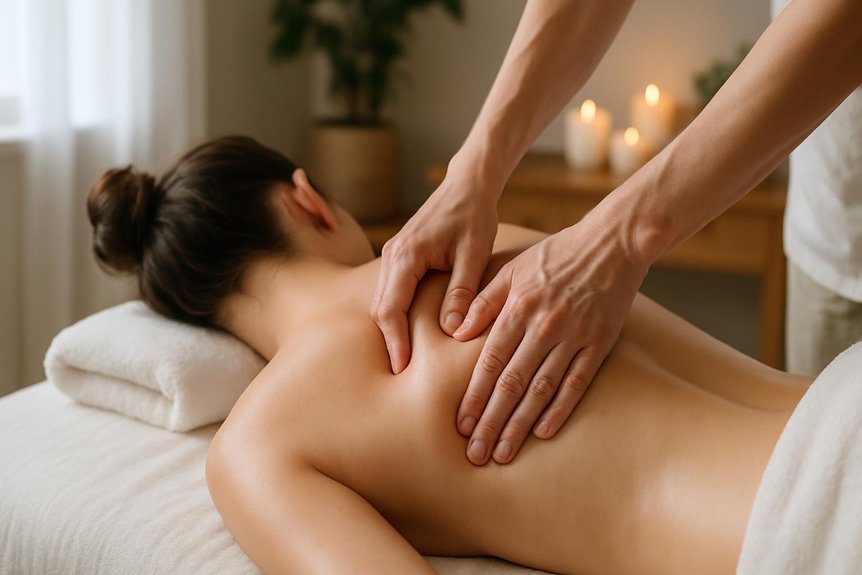
For clients suffering from heel pain, incorporating deep tissue massage techniques can help target underlying tension in the fascia and support overall symptom relief.
Common Causes of Plantar Fasciitis
Plantar fasciitis frequently arises from overuse and repetitive strain on the plantar fascia, particularly in individuals who engage in prolonged standing, running, or high-impact activities.
Anatomical variations such as pes planus (flat feet), pes cavus (high arches), or abnormal gait mechanics can further predispose individuals to increased fascial tension and microtrauma.
Understanding these etiological factors is essential for developing targeted prevention and treatment strategies.
Overuse and Repetitive Strain
Although the plantar fascia is designed to absorb and distribute the mechanical stresses of daily movement, excessive or repetitive loading can result in microtears within this connective tissue.
When individuals engage in activities involving prolonged standing, running, or sudden increases in physical intensity, the plantar fascia may become overwhelmed by cumulative stress. This repetitive strain triggers a localized inflammatory response, manifesting as pain and tenderness along the medial plantar aspect of the heel.
At Spa & Massage, therapists frequently see clients whose lifestyles or training regimens predispose them to such overuse injuries. Clinical evidence supports the importance of addressing both the inflammatory process and the underlying biomechanical overload.
As provided in our clinics, aims to alleviate tension, reduce pain, and facilitate tissue healing in those affected by repetitive strain.
Foot Structure and Alignment
Variations in foot structure and alignment frequently contribute to the development of plantar fasciitis. Anatomical deviations such as pes planus (flat feet), pes cavus (high arches), or excessive pronation can increase mechanical stress on the plantar fascia. This connective tissue band, extending from the calcaneus to the metatarsal heads, is particularly susceptible to microtearing when normal gait mechanics are altered.
Malalignment of the lower limb—such as genu valgum (knock knees) or leg length discrepancies—may further exacerbate tension and inflammation in the plantar fascia.
At Spa & Massage, therapists assess foot posture and gait patterns to tailor treatment, aiming to address these biomechanical contributors. Understanding individual foot structure enables the development of precise massage interventions, fostering relief and supporting *ideal* fascial health.
How It Targets Plantar Fasciitis
By applying sustained pressure and slow, deliberate strokes to the deeper layers of fascia and muscle in the foot and lower leg, it directly addresses the pathophysiology of plantar fasciitis.
This therapeutic approach targets the plantar fascia, gastrocnemius, and soleus muscles—structures often implicated in heel pain due to tension, microtears, and chronic inflammation.
By mobilising adhesions and promoting localised circulation, at Spa & Massage facilitates myofascial release and reduces fascial thickening.
Clinical evidence suggests that such techniques decrease nociceptive signaling, ease restricted movement, and support the restoration of normal tissue elasticity.
For individuals experiencing the persistent discomfort of plantar fasciitis, targeted deep tissue manipulation provides a precise, hands-on intervention to relieve pressure and nurture the healing process.
Techniques Our Therapists Use for Foot and Heel Relief
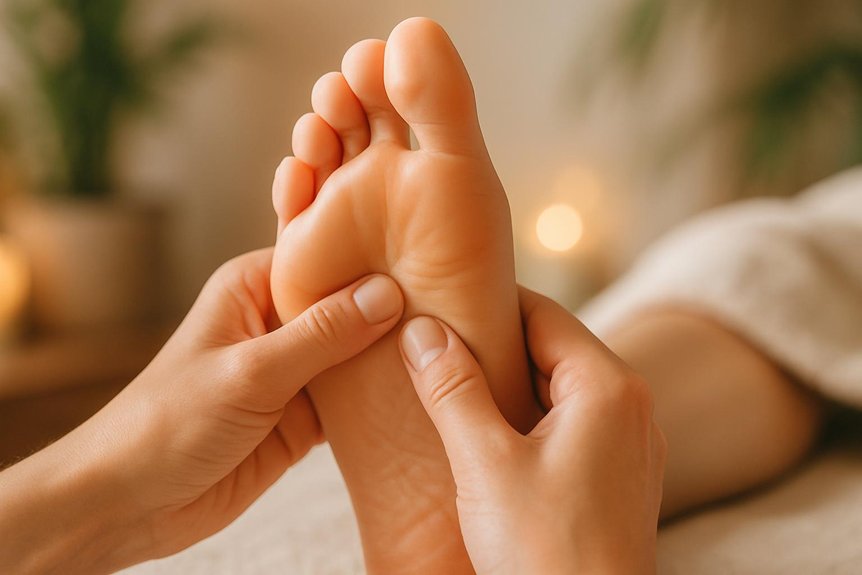
At Spa & Massage, therapists employ focused pressure application to address myofascial adhesions in the plantar fascia and surrounding musculature.
Trigger point release is utilised to alleviate hyperirritable nodules within the intrinsic foot muscles and the calcaneal region.
Additionally, soothing stretch techniques are integrated to improve flexibility and reduce tension along the plantar aspect of the foot.
Focused Pressure Application
How does targeted manual pressure alleviate the discomfort associated with plantar fasciitis?
At Spa & Massage, therapists employ focused pressure application along the plantar fascia and adjacent connective tissues. This technique involves precise, sustained pressure using thumbs, knuckles, or specialized tools to address areas of fascial thickening and tension, particularly at the medial calcaneal tubercle and longitudinal arch.
By applying controlled force, micro-adhesions are disrupted and localized blood flow is enhanced, which facilitates the delivery of oxygen and nutrients necessary for tissue repair.
Clients often experience an immediate reduction in nociceptive signaling from overloaded nerve endings.
Our therapists adjust intensity based on individual pain thresholds, creating a deeply therapeutic yet reassuring experience.
This method promotes ideal tissue mobility, helping restore comfort to each step on the journey to recovery.
Trigger Point Release
Why do myofascial trigger points in the foot and heel exacerbate plantar fasciitis symptoms? These hyperirritable nodules, often located within the intrinsic muscles of the foot or the gastrocnemius-soleus complex, create localized and referred pain by increasing tension on the plantar fascia.
Spa & Massage therapists employ precise trigger point release techniques, utilizing sustained, targeted pressure to deactivate these points. This intervention diminishes nociceptive input, relieves fascial restriction, and restores ideal tissue pliability.
Soothing Stretch Techniques
Following targeted trigger point release, the application of structured stretch techniques further enhances relief for plantar fasciitis by promoting extensibility in the plantar fascia and associated musculature.
At Spa & Massage, therapists employ evidence-based stretching protocols, such as passive dorsiflexion of the foot and gentle elongation of the gastrocnemius-soleus complex. These interventions specifically target fascial adhesions and increase tissue pliability, thereby reducing tensile stress on the calcaneal insertion.
By addressing both intrinsic and extrinsic foot muscles, therapists facilitate improved range of motion and functional gait mechanics. Clients frequently report a perceptible decrease in morning stiffness and an overall soothing sensation following these interventions.
Therapists at Spa & Massage provide guidance on safe, at-home stretch routines to reinforce therapeutic gains and cultivate ongoing foot wellness.
Benefits of This Therapy for Plantar Fasciitis Sufferers
Among individuals experiencing plantar fasciitis, it has demonstrated significant therapeutic benefits by targeting the musculature and connective tissues of the foot and lower leg.
By applying focused pressure to the plantar fascia, gastrocnemius, soleus, and intrinsic foot muscles, this modality facilitates the breakdown of adhesions and diminishes myofascial trigger points.
Enhanced local circulation supports tissue repair and reduces inflammatory mediators, alleviating the persistent discomfort characteristic of plantar fasciitis.
In Spa & Massage clinics, therapists use deliberate, anatomically guided techniques to release tension and restore pliability in the fascia, promoting improved biomechanics during gait.
Clients often report a marked decrease in morning stiffness and a gradual restoration of foot function, underscoring the therapeutic potential of this therapy in holistic plantar fasciitis management.
What to Expect During Your Massage Session
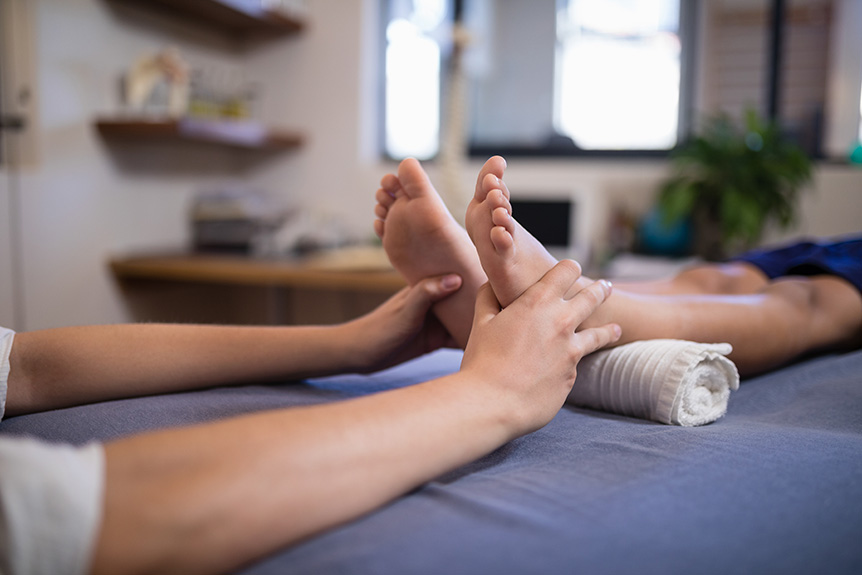
Clients presenting with plantar fasciitis can anticipate a structured and personalised approach during their session at Spa & Massage.
The session typically begins with a clinical assessment of the affected foot, including palpation of the plantar fascia, calcaneal insertion, and surrounding musculature.
Therapists employ targeted techniques to address fascial adhesions, myofascial trigger points, and restricted tissue mobility, focusing on the intrinsic foot muscles, gastrocnemius, soleus, and flexor digitorum longus.
Communication is prioritised to guarantee ideal pressure and client comfort throughout the treatment.
High-quality massage oils are selected to facilitate smooth, controlled strokes while protecting the skin barrier.
Every session is tailored to the client’s condition, fostering trust and supporting the therapeutic relationship essential for effective plantar fasciitis management.
Aftercare Advice to Support Recovery and Comfort
To maximise therapeutic outcomes after massage for plantar fasciitis, adherence to structured aftercare protocols is essential.
At Spa & Massage, therapists recommend immediate hydration to facilitate metabolic waste removal from the myofascial tissues.
Gentle stretching of the plantar fascia and gastrocnemius–soleus complex can reduce post-treatment tightness and enhance tissue pliability.
Clients are advised to avoid high-impact activities for 24–48 hours, allowing for ideal tissue repair and collagen remodelling.
Application of cold therapy may attenuate localised inflammation and discomfort.
Supportive footwear is encouraged to maintain neutral foot alignment and mitigate undue strain on the plantar fascia.
Following these evidence-based guidelines, as practised in our clinics, ensures sustained comfort, reduced recurrence risk, and fosters a nurturing environment for tissue regeneration and holistic recovery.
When to Seek Professional Support at Spa & Massage
When should individuals consider seeking professional intervention for plantar fasciitis? Persistent heel pain, morning stiffness, and limited mobility despite conservative self-care warrant clinical evaluation.
At Spa & Massage, individuals experiencing prolonged plantar fascia discomfort—especially when symptoms disrupt daily function or sleep—are encouraged to consult an experienced therapist.
Anatomically, chronic microtears and inflammation within the plantar fascia can perpetuate pain cycles, requiring targeted manual therapy for resolution.
Clinical evidence suggests that professional deep tissue massage, as delivered by Spa & Massage therapists, assists in reducing fascial adhesions, improving circulation, and facilitating tissue repair.
Early intervention may prevent compensatory gait alterations and secondary musculoskeletal complications.
Clients receive personalised treatment plans, ensuring therapeutic touch is both anatomically precise and attuned to individual comfort, fostering recovery within a tranquil environment.
Conclusion
In conclusion, it acts like a skilled sculptor, methodically releasing adhesions and promoting ideal fascial function in individuals with plantar fasciitis. Clinical evidence suggests that targeted manual therapy can reduce pain, enhance tissue flexibility, and facilitate recovery by addressing myofascial restrictions and improving circulation. For those experiencing persistent heel pain, consulting with musculoskeletal specialists at Spa & Massage may provide effective, evidence-based interventions to restore foot biomechanics and support long-term plantar health.