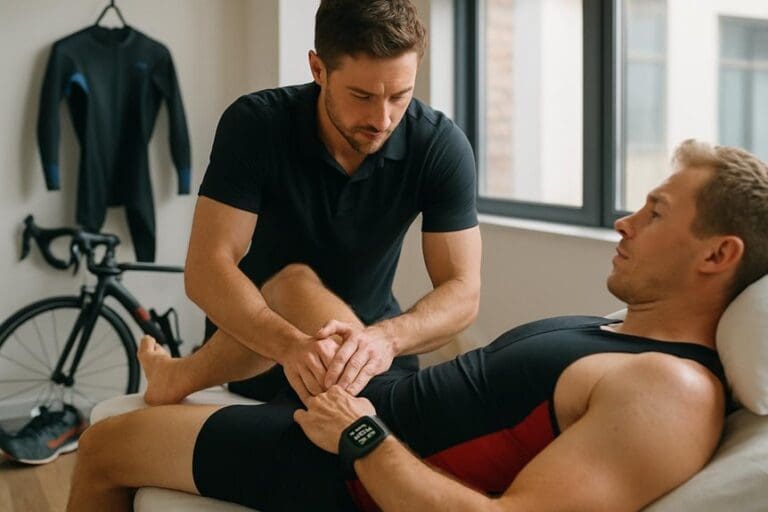
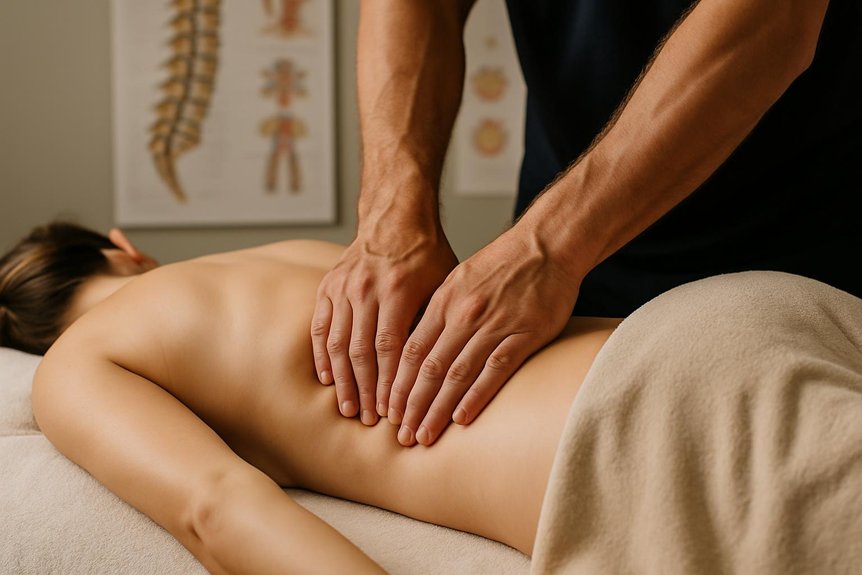
It can help relieve symptoms related to herniated discs by easing muscle tension, improving circulation, and reducing discomfort. While not a cure, it may decrease pain and enhance mobility when applied with careful assessment and tailored techniques by a qualified therapist. Safety considerations, such as evaluating for contraindications and ongoing communication, are essential. Those with acute inflammation or severe symptoms need extra caution. Additional information below outlines what to expect, techniques, and supportive aftercare.
Understanding Herniated Discs and Their Symptoms
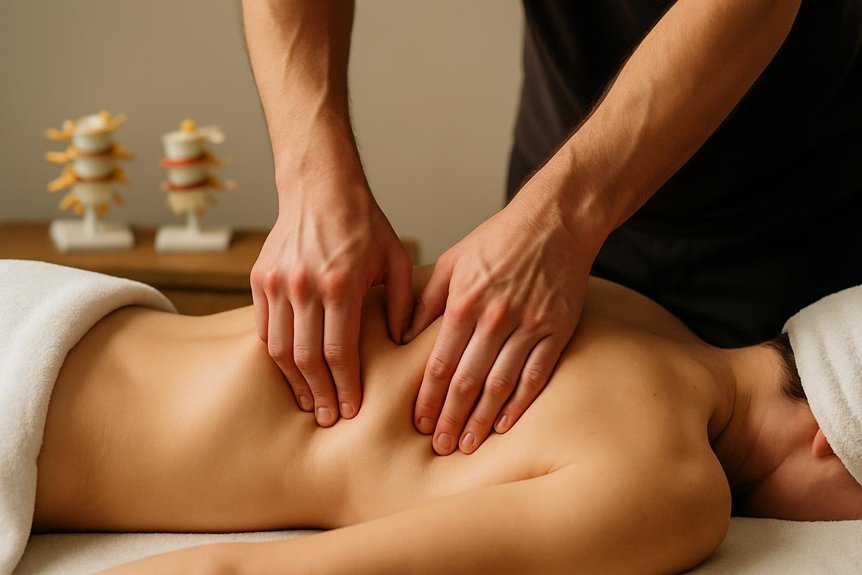
When a spinal disc becomes herniated, its inner gel-like material protrudes through the outer layer, often resulting in nerve compression. This condition can cause pain, numbness, or tingling that radiates from the affected area—commonly the lower back or neck—toward the limbs.
Many individuals experience muscle weakness or a sharp, shooting discomfort, particularly when moving or sitting for extended periods. Symptoms vary depending on the disc’s location and the nerves involved.
At Spa & Massage, therapists approach each client with sensitivity, recognising that herniated discs can impact daily life, sleep, and emotional wellbeing.
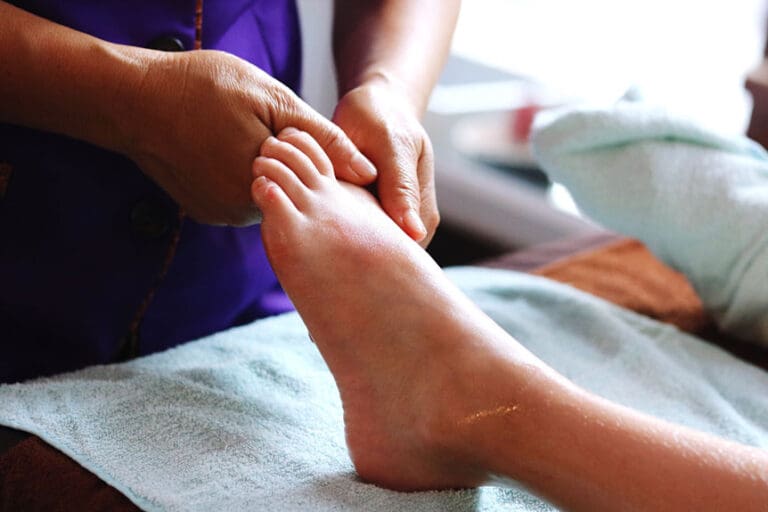
Early recognition of these symptoms enables individuals to seek timely intervention and explore supportive therapies. A personalised, holistic approach is essential for managing discomfort while respecting the body’s unique needs. Some clients may benefit from complementary therapies, such as reflexology, which can provide additional pathways to healing and improved wellbeing.
How Deep Tissue Massage Works
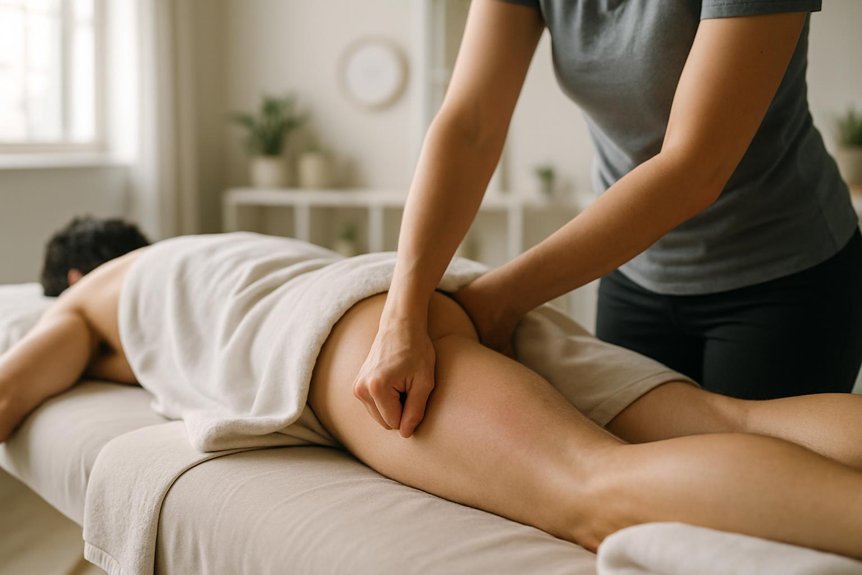
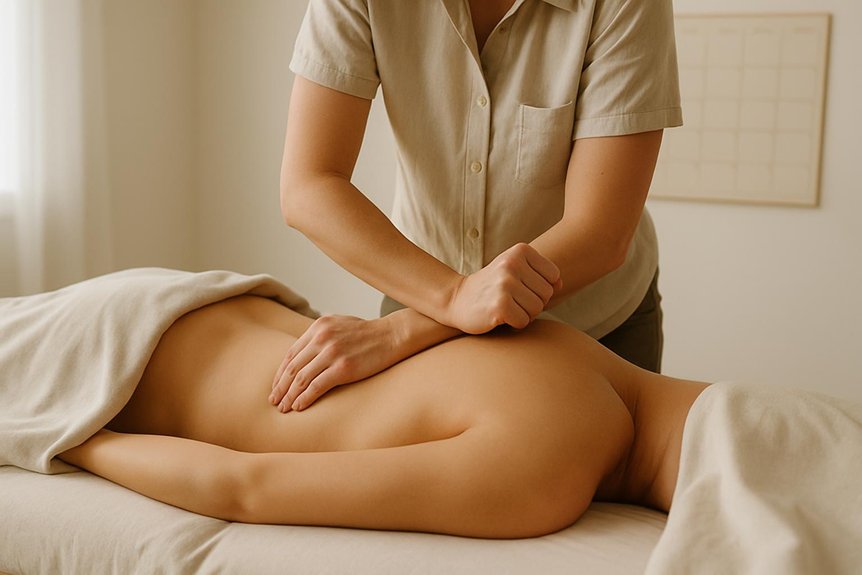
It employs targeted, sustained pressure and slow strokes to access deeper layers of muscle and connective tissue.
At Spa & Massage clinics, trained therapists use advanced techniques that are designed to release chronic muscle tension and adhesions, focusing on areas that may contribute to pain or restricted movement.
By gradually working through superficial layers, therapists can reach the underlying structures where tightness often persists.
This approach encourages improved circulation and promotes relaxation of deep musculature.
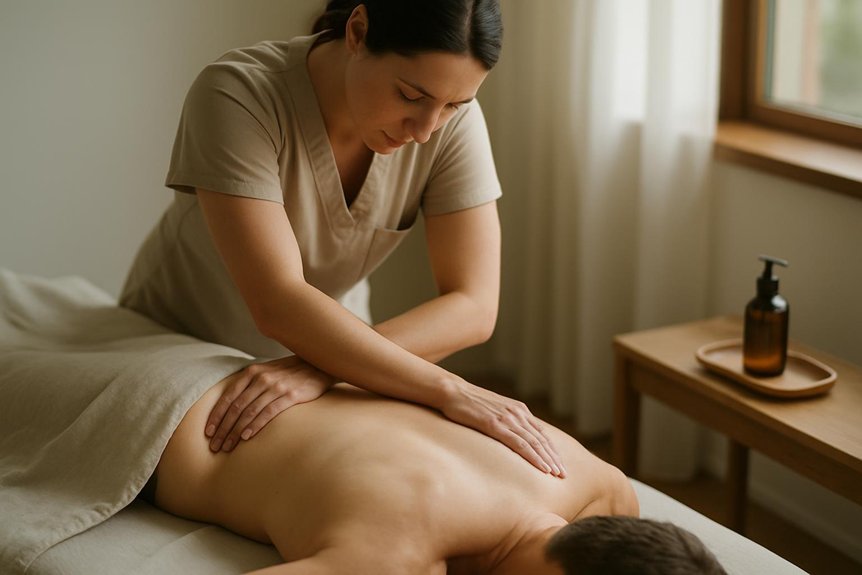
Therapists at Spa & Massage carefully assess each client’s needs, adjusting pressure and technique to respect individual comfort levels and health conditions.
The goal is to restore normal tissue function without causing undue strain, creating a therapeutic experience that is both effective and mindful of each person’s unique body.
The Potential Benefits of Intensive Tissue Massage for Herniated Disc Sufferers
How can therapeutic massage support those living with a herniated disc? Deep muscle therapy, when provided by experienced therapists such as those at Spa & Massage, may offer meaningful benefits for individuals facing this condition.
Clinical evidence suggests that targeted massage techniques can help reduce muscle tension and spasms commonly associated with a herniated disc. This may promote improved mobility, decrease pain perception, and support the body’s natural healing processes.
Many clients at Spa & Massage report feeling notable relief from muscular tightness and stress after sessions tailored to their unique needs. By focusing on affected muscle groups and using appropriate pressure, therapists aim to foster relaxation and enhance circulation—potentially easing discomfort and supporting daily function for those managing a herniated disc.
Safety Considerations for Deep Muscle Therapy With a Herniated Disc
Ensuring the safety of remedial massage for individuals with a herniated disc requires open communication between therapist and client, along with clear consent.
At Spa & Massage, therapists conduct thorough assessments to identify any contraindications before beginning treatment.
Early identification of risk factors allows for tailored care that prioritizes patient well-being and minimizes potential complications.
Therapist Communication and Consent
When considering remedial massage for individuals with a herniated disc, effective communication between therapist and client is critical to safety and outcome.
At Spa & Massage, therapists initiate each session with a thorough discussion of the client’s condition, symptoms, and comfort levels. This dialogue guarantees the treatment plan aligns with the client’s unique needs and medical background.
Open communication allows clients to express concerns or discomfort at any stage, fostering an environment of trust and respect.
Informed consent is obtained before proceeding, confirming the client understands the intended techniques and possible sensations.
Identifying Contraindications Early
Thorough assessment of contraindications forms a foundational step in the safe application of intensive tissue massage for clients with a herniated disc.
At Spa & Massage, therapists conduct detailed consultations to identify any red flags, such as acute inflammation, recent trauma, severe neurological symptoms, or progressive weakness.
Recognising these signs early helps prevent exacerbation of symptoms and guarantees the client’s well-being remains the central focus.
In practice, therapists at our clinics inquire about recent changes in pain, numbness, or loss of function, and may recommend seeking medical clearance if uncertainty exists.
This patient-centred approach safeguards against unnecessary risk, ensuring each treatment is tailored and safe.
Ultimately, early identification of contraindications allows for the best possible outcomes and a more supportive, confident therapeutic experience.
What to Expect During a Intensive Tissue Massage at Spa & Massage
During a intensive tissue massage at Spa & Massage, clients can anticipate a structured, therapeutic experience tailored to address the specific muscular tension and discomfort associated with conditions such as herniated discs.
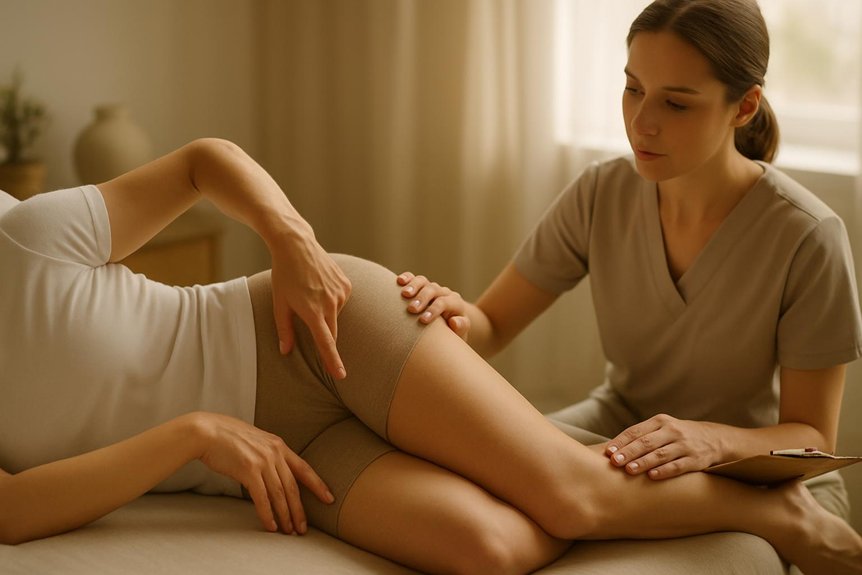
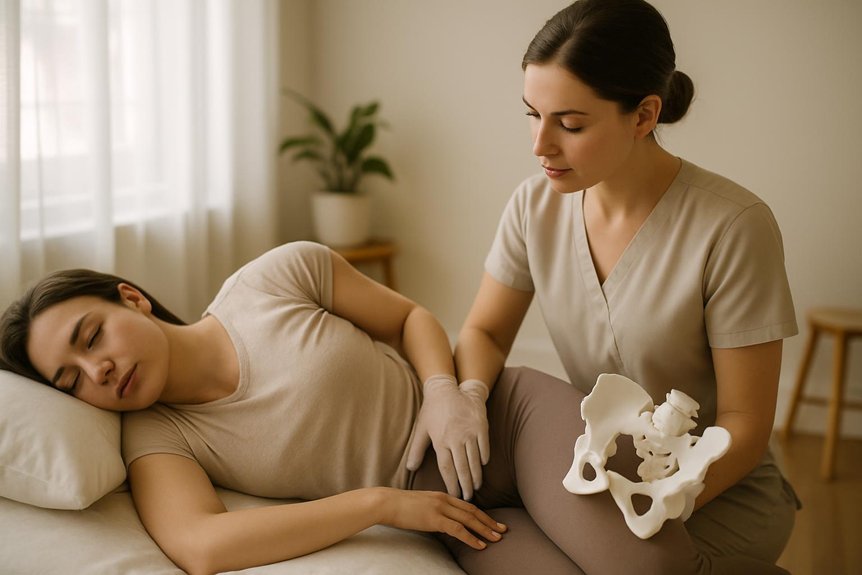
Upon arrival, a thorough consultation allows therapists to understand medical history, symptoms, and specific problem areas. The treatment environment is calm, private, and designed to promote relaxation and trust.
Each session is carefully adapted, with the therapist clarifying comfort levels and expectations before beginning. Communication is encouraged throughout to ensure pressure remains therapeutic, not overwhelming.
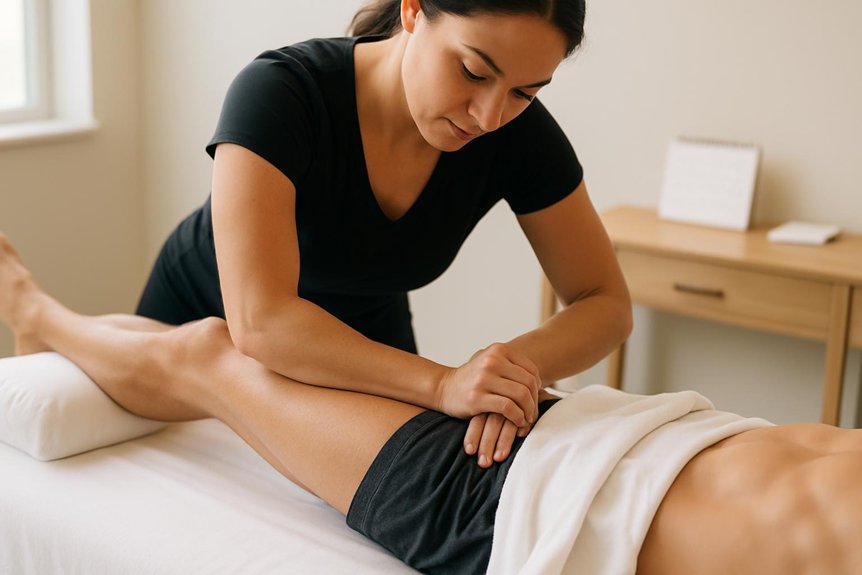
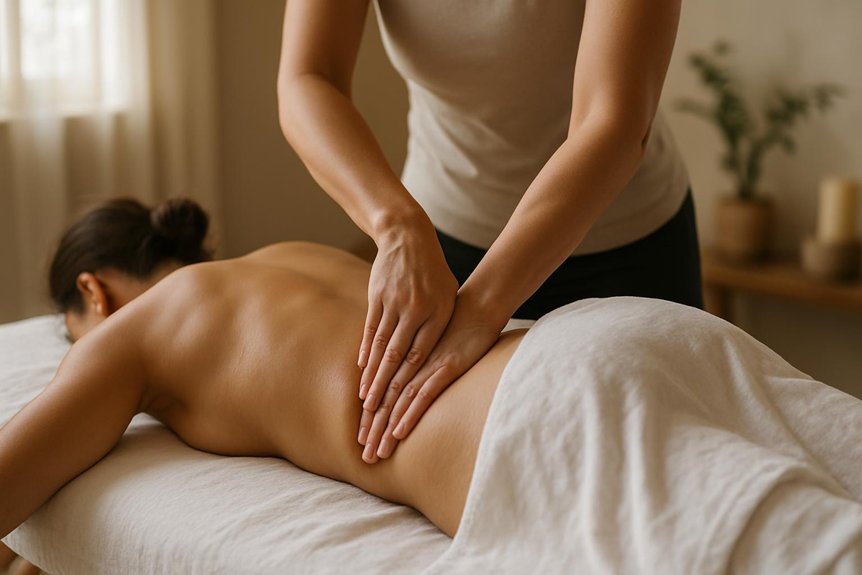
Clients may notice focused, slow strokes and sustained pressure along affected muscle groups.
After the session, therapists provide guidance on hydration and gentle movement, supporting ongoing comfort and recovery.
Individualised care is central to Spa & Massage’s approach.
Techniques Our Therapists Use to Support Spinal Health
Although intensive tissue massage is frequently associated with general muscle relief, its therapeutic application for spinal health—particularly in cases of herniated discs—requires advanced techniques and a nuanced understanding of anatomy.
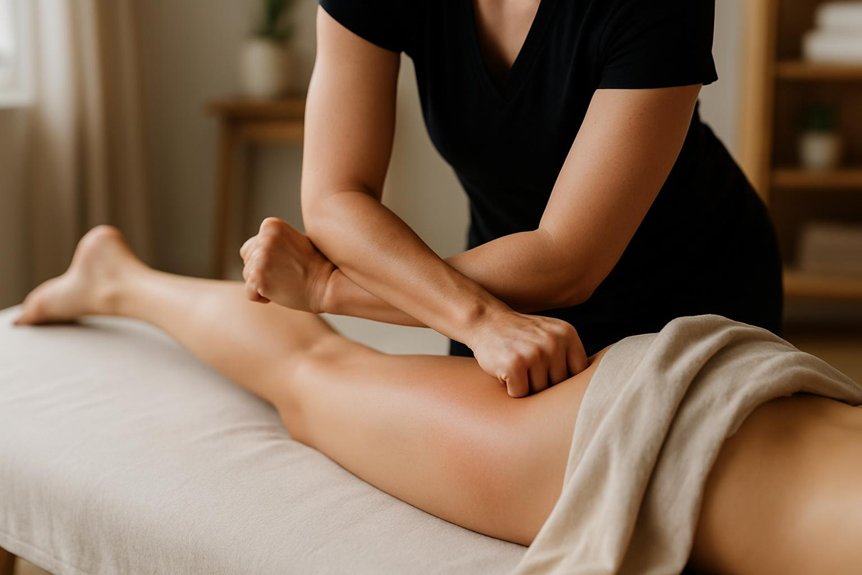
At Spa & Massage, therapists employ targeted methods such as myofascial release to gently ease tension within the supporting musculature of the spine. Cross-fiber friction and sustained pressure techniques are used to address chronic tightness while carefully avoiding direct manipulation of the affected disc area.
Therapists tailor each session to assure discomfort and support safe circulation, focusing on muscle groups that can influence spinal alignment and nerve impingement. This patient-focused approach ensures that every touch is informed by clinical expertise and delivered with sensitivity, aiming to promote mobility, reduce pain, and nurture long-term spinal health.
When to Avoid Intensive Tissue Massage With a Herniated Disc
Despite the many benefits of intensive tissue massage for spinal health, there are specific situations where this therapy may not be appropriate for individuals with a herniated disc.
Acute disc herniations accompanied by severe pain, numbness, tingling, or weakness in the limbs require caution, as deep pressure may exacerbate symptoms or risk further injury.
If there is a suspected loss of bladder or bowel control, or if the herniation is causing significant nerve compression, immediate medical assessment is essential before considering any massage intervention.
At Spa & Massage, therapists always conduct thorough consultations to assess each client’s condition and collaborate with clients’ healthcare providers when necessary.
Prioritising safety and comfort, therapists will recommend alternative approaches or defer massage if contraindications are present, ensuring the client’s well-being remains paramount.
Complementary Aftercare and Self-Care Tips From Our Therapists
Following a intensive tissue massage for a herniated disc, appropriate aftercare and self-care play a crucial role in supporting recovery and maintaining spinal health.
Spa & Massage therapists recommend gentle movement, such as light walking, to encourage circulation and reduce stiffness.
Hydration is necessary, as it aids in the removal of metabolic waste released during massage.
Applying a cold compress may help alleviate mild post-treatment soreness.
Clients are also guided to avoid strenuous activities or heavy lifting for at least 24 hours after the session.
At-home stretching, as directed by therapists, can enhance flexibility and support ongoing healing.
Above all, regular communication about symptoms and progress ensures each client’s care plan remains tailored and responsive to individual needs, fostering long-term wellbeing.
Conclusion
In conclusion, intensive tissue massage may serve as a valuable tool in the toolbox for managing herniated disc symptoms, helping to ease muscle tension and support overall wellbeing when delivered by skilled hands. However, like any therapeutic intervention, it is not a one-size-fits-all remedy—individual assessment and caution are paramount. Collaborating with experienced therapists at Spa & Massage ensures that each session is tailored, safe, and thoroughly supportive of the client’s recovery journey.