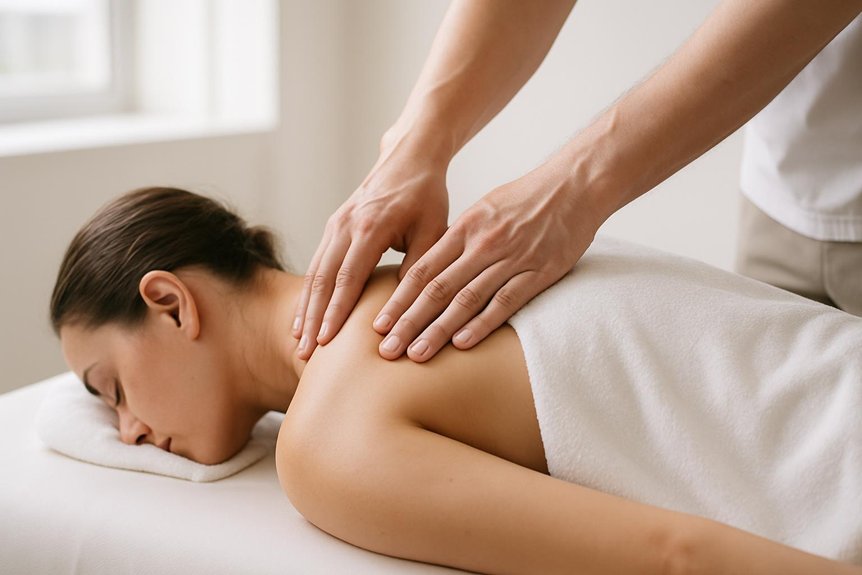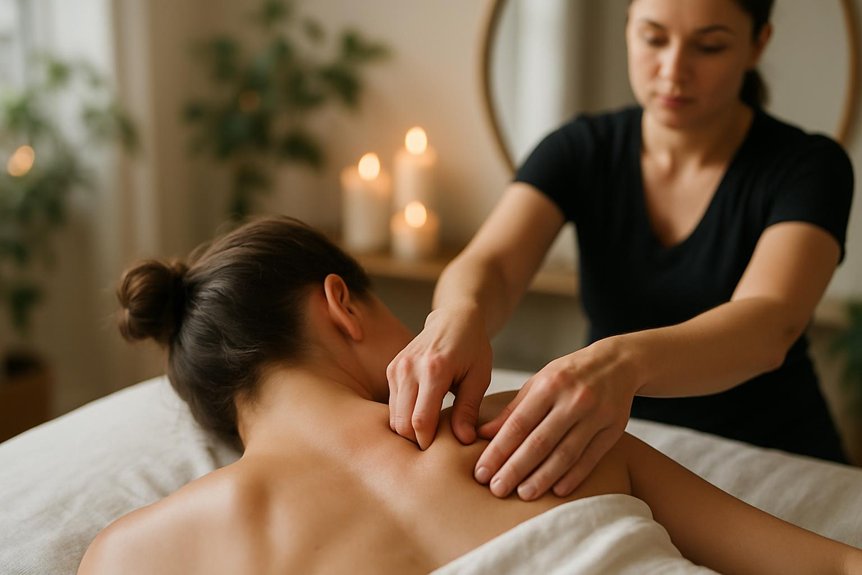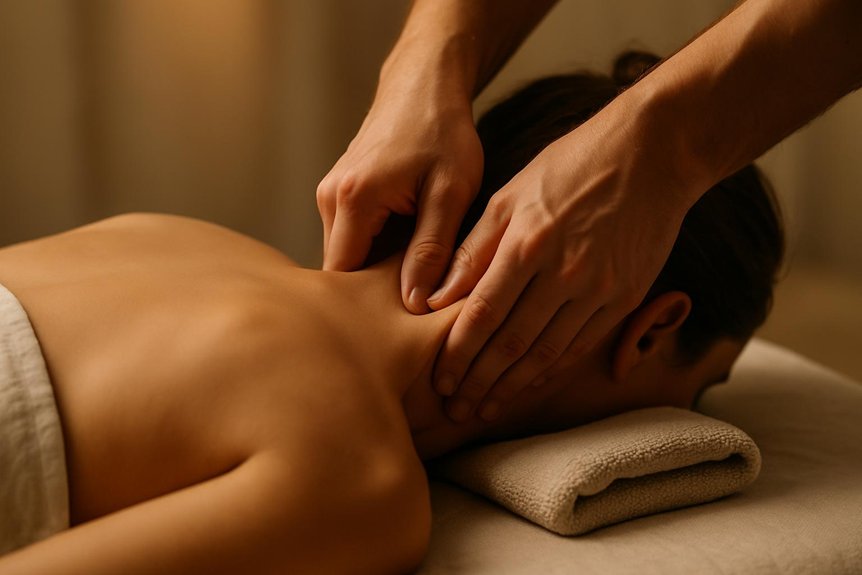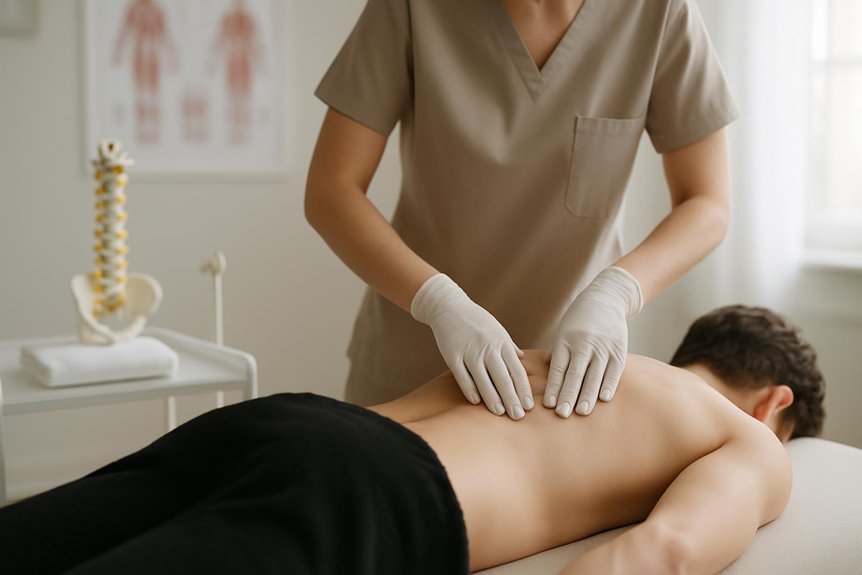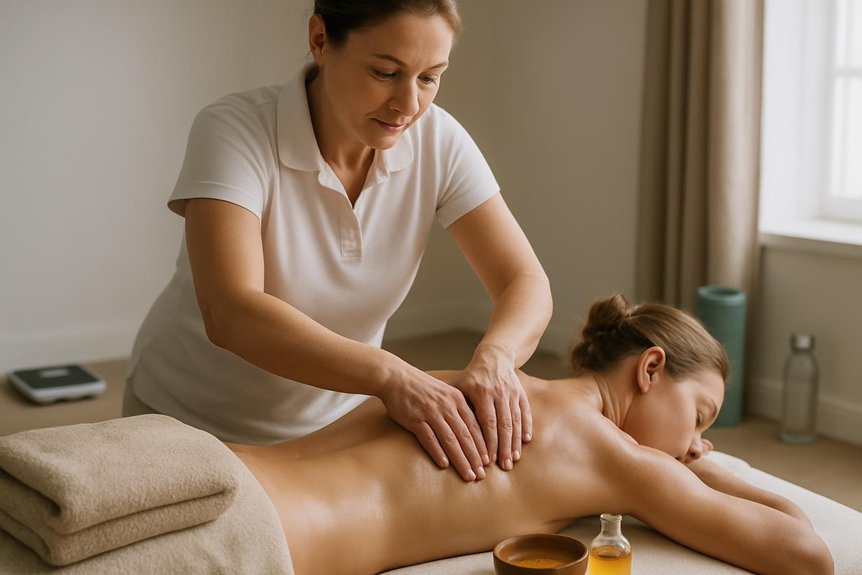
Intensive tissue massage does not directly cause weight loss but supports it by improving circulation, reducing muscle tension, and enhancing recovery after exercise. It facilitates lymphatic drainage, helps manage stress, and may indirectly encourage healthy habits by increasing body awareness and comfort with movement. While not a substitute for diet and exercise, it serves as a supportive component in a holistic weight management plan. Those interested can discover how these effects integrate with broader wellness strategies.
Understanding This Massage Therapy
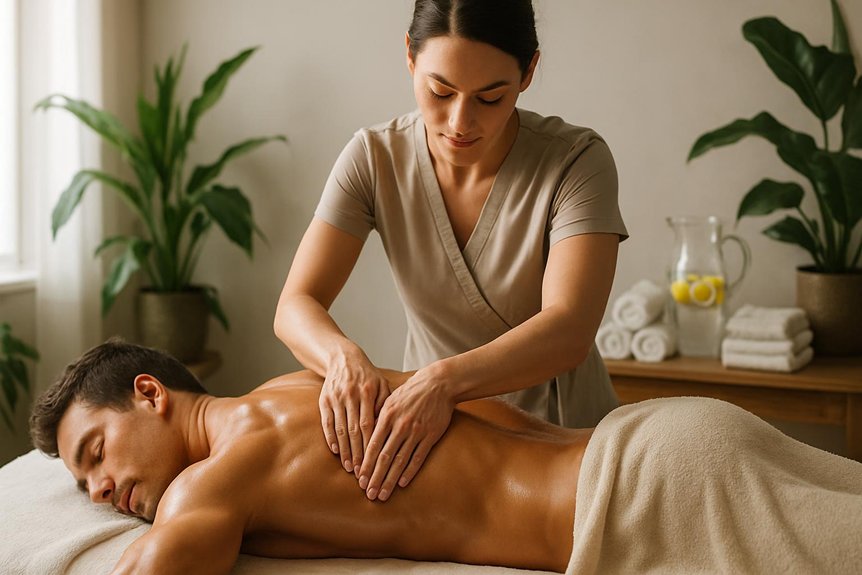
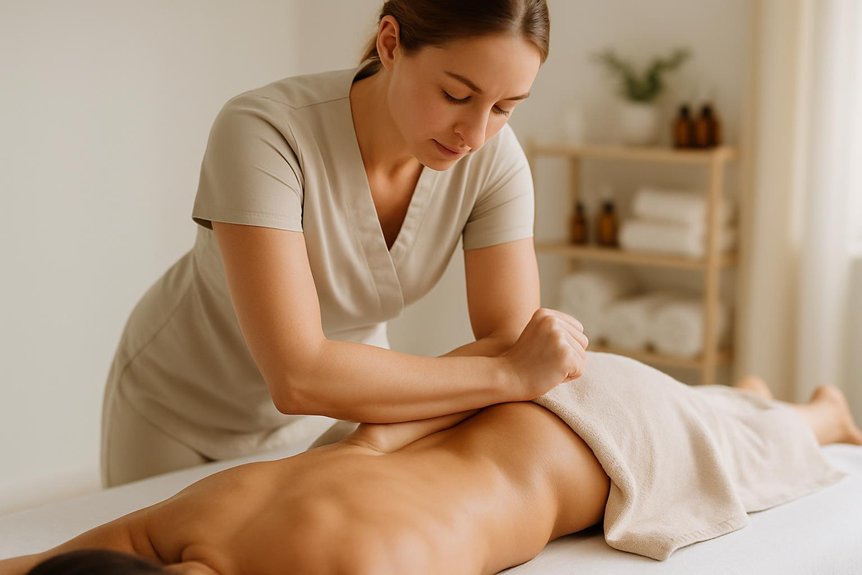
As practiced at Spa & Massage, is a therapeutic technique targeting the deeper layers of muscles and connective tissue. Therapists use deliberate, sustained pressure, often with slow strokes, to address chronic tension and adhesions—those knots that can limit movement and cause discomfort.
The method focuses on areas of concern, responding to each client’s unique patterns of tightness. This approach distinguishes deep tissue massage from lighter forms, prioritizing structural release and functional improvement.
Clients often notice a sense of profound relief and increased mobility after sessions, fostering a closer connection with their bodies. At Spa & Massage, individual care guides each treatment, ensuring both immediate comfort and long-term wellbeing. One of the key benefits of intensive tissue massage is its ability to release chronic muscle tension and provide lasting relief.
How It Affects the Body
Intensive tissue massage targets underlying muscle layers to alleviate persistent tension and improve overall muscle function.
By applying focused pressure, this technique enhances circulation and supports the body’s natural detoxification processes.
At Spa & Massage, therapists use evidence-based methods to help clients experience these physiological benefits as part of a holistic wellness approach.
Muscle Tension Release
While many clients seek massage to address persistent muscle discomfort, targeted deep tissue techniques offer measurable benefits for muscle tension release.
At Spa & Massage, therapists employ slow, sustained pressure to reach the deeper layers of muscle and connective tissue.
This approach systematically breaks down adhesions—bands of rigid tissue that can restrict movement and cause discomfort.
As tension dissolves, muscles regain flexibility and function more freely, creating a foundation for improved physical activity.
Clients often report not only reduced pain, but also a sense of deep relaxation and bodily awareness.
This release of chronic tension supports better posture and movement efficiency, which can be beneficial for those pursuing active lifestyles or weight management goals.
Regular sessions foster lasting muscular balance and enhanced well-being.
Circulation and Detoxification
A well-executed intensive tissue massage promotes improved circulation by encouraging blood flow to targeted muscle groups and underlying tissues. This enhanced circulation, as practiced at Spa & Massage, allows oxygen and essential nutrients to reach cells more efficiently, supporting tissue repair and recovery.
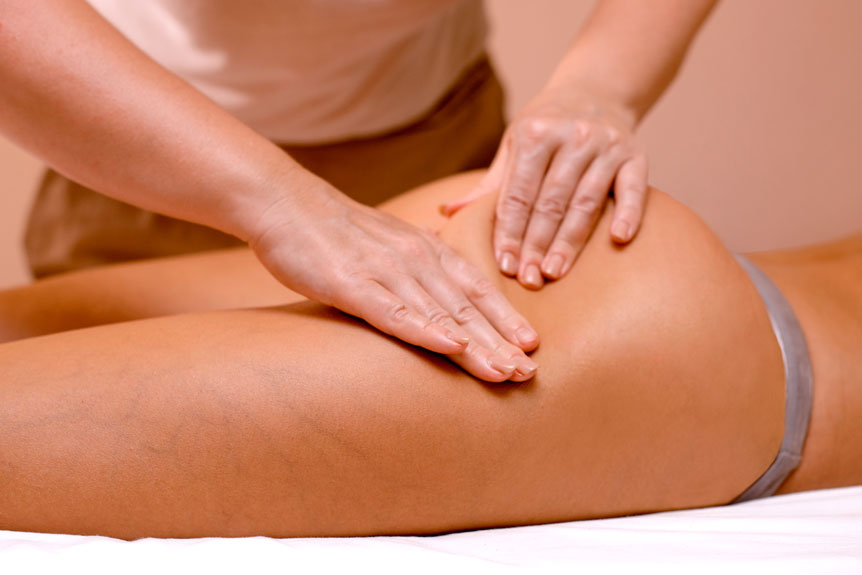
Increased blood flow also facilitates the removal of metabolic waste products, a process often described as detoxification. Expert therapists at Spa & Massage apply deliberate, precise pressure to mobilise fluids within the tissues, helping to flush out toxins that may accumulate from daily stress or physical exertion.
Regular intensive tissue massage sessions can leave clients feeling revitalised and lighter, with many reporting a sense of renewed energy. Such benefits, while subtle, contribute to overall wellness and complement healthy lifestyle changes.
The Role of Circulation and Lymphatic Drainage
Improved circulation and lymphatic drainage are key physiological effects associated with intensive tissue massage. By enhancing blood flow and supporting lymphatic movement, this technique may aid the body’s natural processes for transporting nutrients and removing metabolic waste.
Spa & Massage therapists focus on these mechanisms to optimise clients’ overall wellness, which can be relevant for those seeking weight management support.
Enhancing Blood Flow
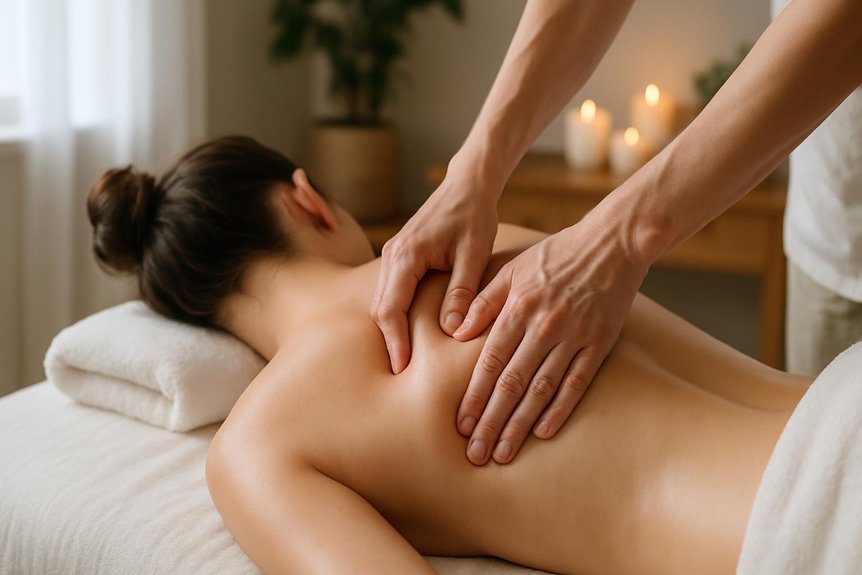
How does intensive tissue massage support the body’s natural circulation and lymphatic function? At Spa & Massage, therapists apply focused pressure to deeper muscle layers, which stimulates local blood flow. This increased circulation delivers oxygen and nutrients to tissues, while promoting the removal of metabolic waste.
Enhanced blood flow can also help reduce muscle tension and foster a sense of relaxation and renewal. During each session, therapists use slow, deliberate strokes tailored to individual needs, encouraging the body’s healing processes.
Improved circulation may contribute to better energy levels and a revitalised sense of wellbeing, which many clients report following treatment. By prioritising precise technique and client comfort, Spa & Massage aims to create an environment where the body’s natural restorative mechanisms are gently and effectively supported.
Supporting Lymphatic Movement
Effective lymphatic movement is essential for maintaining the body’s natural detoxification processes and supporting immune health. The lymphatic system relies heavily on muscle contractions and external pressure to move lymph fluid, which is crucial for removing metabolic waste and reducing fluid retention.
At Spa & Massage, therapists employ deep tissue techniques that stimulate lymphatic flow, promoting efficient drainage and encouraging the body’s innate cleansing abilities. Gentle yet targeted pressure helps break down tissue adhesions, allowing lymph to circulate freely and reduce swelling.
Clients often notice a sense of lightness and improved vigor following treatments. While intensive tissue massage is not a direct weight loss method, supporting ideal lymphatic movement can complement healthy lifestyle choices, enhancing overall wellness and body confidence over time.
Addressing Muscle Tension and Metabolism
Curiously, many individuals seeking weight management overlook the pivotal role of muscle tension and its impact on metabolic efficiency. Chronic muscle tension can restrict circulation, inhibit mobility, and subtly reduce metabolic activity—factors that may impede progress toward weight-related goals.
At Spa & Massage, therapists employ intensive tissue massage techniques designed to release persistent knots and restore natural muscle elasticity. By alleviating muscular tightness, intensive tissue massage can promote better blood flow and oxygen delivery, supporting the body’s efficient calorie utilization and overall metabolic health.
Clients often report enhanced freedom of movement and a sensation of lightness following sessions, encouraging increased physical activity and daily comfort. In this way, addressing muscle tension forms a practical, evidence-based component in holistic approaches to weight management.
Reducing Stress and Its Impact on Weight
Alongside the benefits of addressing muscle tension, managing stress levels plays a significant role in supporting weight-related goals. Elevated stress can trigger hormonal shifts—particularly increased cortisol—that may promote fat storage and disrupt healthy eating patterns.
At Spa & Massage, intensive tissue massage is frequently recommended as part of a holistic approach to mitigating stress. During sessions, clients experience a reduction in physical and emotional tension, facilitated by targeted techniques and a calming environment.
Evidence suggests that massage therapy can lower cortisol levels, support emotional balance, and enhance overall wellbeing. By fostering relaxation and reducing chronic stress, individuals may find it easier to make mindful choices, regulate appetite, and maintain motivation.
This integrative focus aligns with Spa & Massage’s commitment to thorough, client-centred care.
Supporting Recovery and Physical Activity
Intensive tissue massage plays a crucial role in promoting muscle recovery by targeting areas of tension and microtrauma commonly experienced after exercise.
At Spa & Massage, therapists apply precise pressure and slow strokes to ease muscle stiffness. This helps enhance circulation and reduce post-activity soreness.
This approach helps clients maintain regular exercise routines by decreasing downtime and discomfort. Improved circulation aids the removal of metabolic waste, while enhanced tissue flexibility reduces the risk of injury.
Many clients find that integrating intensive tissue massage into their fitness regimen accelerates healing and fosters long-term physical resilience.
Through evidence-based techniques, Spa & Massage supports individuals in staying active, making consistent movement more comfortable and sustainable for overall well-being.
Enhancing Body Awareness and Mindful Living

Through the application of intensive tissue massage, individuals often develop a heightened sense of body awareness, which is essential for mindful living and holistic wellness.
At Spa & Massage, therapists observe that this enhanced awareness enables clients to more accurately perceive muscular tension, posture, and subtle bodily cues.
This sensitivity encourages clients to respond thoughtfully to their physical needs, fostering habits that support balanced movement and conscious self-care.
Evidence suggests that mindful living—rooted in attunement to one’s body—can positively influence lifestyle choices, from eating behaviors to exercise patterns.
In practice, regular sessions in a nurturing environment help clients become more present, supporting sustainable change and emotional well-being.
Ultimately, intensive tissue massage serves as both a catalyst and companion on the journey toward greater self-understanding and intentional living.
What to Expect During a Massage Session at Spa & Massage
Before a intensive tissue massage session at Spa & Massage, clients are welcomed into a calm, thoughtfully designed environment that prioritises privacy and comfort. Each consultation begins with a detailed discussion of medical history, areas of tension, and personal goals.
Therapists at Spa & Massage use professional-grade oils and tailor their approach to target deeper muscle layers, applying slow, deliberate pressure. Communication remains central throughout, ensuring clients feel secure and understood.
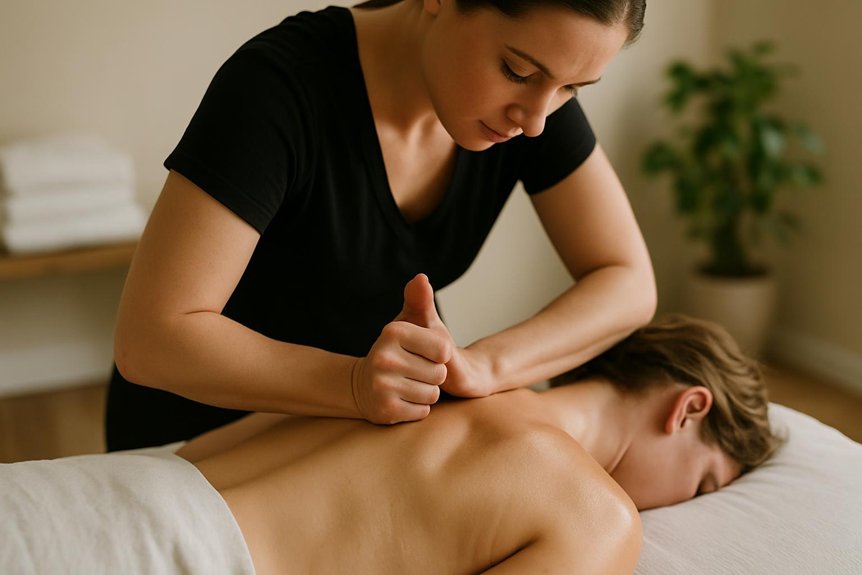
The session may involve focused work on larger muscle groups, using techniques such as kneading, friction, and sustained pressure to release chronic tension.
Aftercare advice—including hydration and gentle stretching—is provided to support recovery. This attentive process fosters a sense of trust and connection, aligning with each individual’s wellness needs.
Integrating This Massage Into a Weight Management Plan
Following a thorough and individualised intensive tissue massage session, clients often inquire about the broader role this therapy can play in their overall weight management strategies.
Clinical evidence supports the integration of intensive tissue massage as a complementary component, rather than a primary method for weight loss.
At Spa & Massage, therapists recommend combining regular massage with a balanced diet, exercise, and mindful self-care routines.
Intensive tissue massage may help reduce stress, improve sleep quality, and alleviate muscular discomfort, which can indirectly support healthy lifestyle changes.
Clients benefit from increased body awareness, fostering motivation to pursue physical activity and make informed nutritional choices.
Spa & Massage therapists work collaboratively with clients, tailoring massage frequency and techniques to individual needs, ensuring alignment with each person’s unique wellness journey.
Conclusion
In brief, while intensive tissue massage is not a magic app that melts away pounds overnight, clinical evidence suggests it provides meaningful support within a holistic weight management plan. By improving circulation, reducing stress, and enhancing recovery, the expert therapists at Spa & Massage empower clients to optimise their physical and mental well-being. Ultimately, integrating intensive tissue massage can help clients in London and beyond fine-tune their wellness routines for sustainable, evidence-based results.