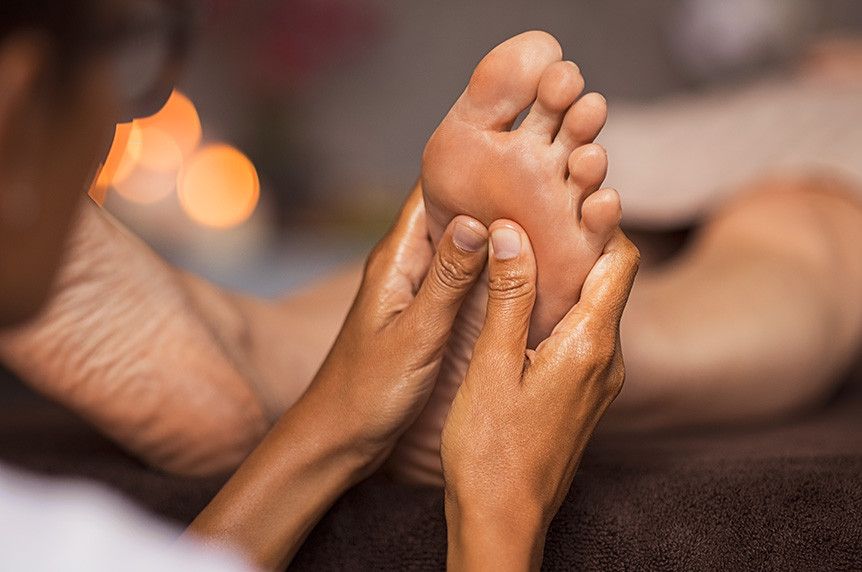
It is performed by applying systematic, firm pressure to specific reflex points on the feet, hands, or ears, each anatomically mapped to corresponding organs and body systems. Practitioners use techniques such as thumb walking and rotation to stimulate neural pathways, encouraging physiological balance and relaxation. Proper hygiene, ergonomic positioning, and selection of suitable oils enhance both comfort and therapeutic effect. Understanding the sequence and purpose of each step is essential for ideal results; further details can provide an all-encompassing understanding.
Understanding the Principles of Reflexology
How does it achieve its therapeutic effects? It operates on the principle that specific zones and reflex points on the feet, hands, and ears correspond to different organs and systems within the body. By applying precise, methodical pressure to these points, trained therapists stimulate neural pathways, promoting physiological balance and encouraging the body’s natural healing responses. The technique integrates anatomical knowledge with a holistic approach, aiming to reduce tension, enhance circulation, and restore homeostasis. At Spa & Massage clinics, practitioners employ targeted zone therapy protocols, respecting each client’s individual health profile. This careful, intentional touch fosters a sense of deep relaxation and connection—supporting both physical and emotional well-being. The art and science of zone therapy consequently lie in harmonizing body systems through informed, compassionate touch. In addition to its physical benefits, many individuals find that the healing power of zone therapy also supports emotional relaxation and overall wellness, as evidenced by its growing popularity in holistic health practices.
Key Reflex Points and Their Corresponding Body Systems
Key reflex points on the feet and hands correspond to specific organs and systems throughout the body, forming the foundation of effective zone therapy practice.
Foot reflex zones are mapped to major body systems, such as the digestive, respiratory, and nervous systems.
Hand reflex points offer accessible pathways for targeted therapeutic stimulation.
Understanding these anatomical relationships enables precise application of zone therapy techniques for best therapeutic outcomes.
Foot Reflex Zones Explained
Although the feet may appear to be simple anatomical structures, zone therapy recognises them as intricate maps reflecting the entire body. Each foot contains distinct reflex zones, where specific points correspond to organs and body systems—such as the lungs, liver, kidneys, spine, and sinuses.
The medial arch mirrors the spinal column, while the ball of the foot is linked to the chest and heart. Reflex points for the digestive organs occupy the arch and heel areas.
At Spa & Massage, therapists use this detailed zone mapping to deliver precise, targeted pressure, aiming to stimulate neural pathways, encourage circulation, and promote systemic balance.
Hand Reflex Points Overview
Within the practice of zone therapy, the hands serve as a microcosm of the body, with specific reflex points mapped to major organs and physiological systems. Each finger, palm, and wrist area is believed to correspond to particular body functions.
The tips of the fingers relate to the head and brain, while the base of the thumb links to the respiratory system. The middle of the palm often connects with digestive organs, and the outer edges are associated with the spine.
Preparing for a Massage Session
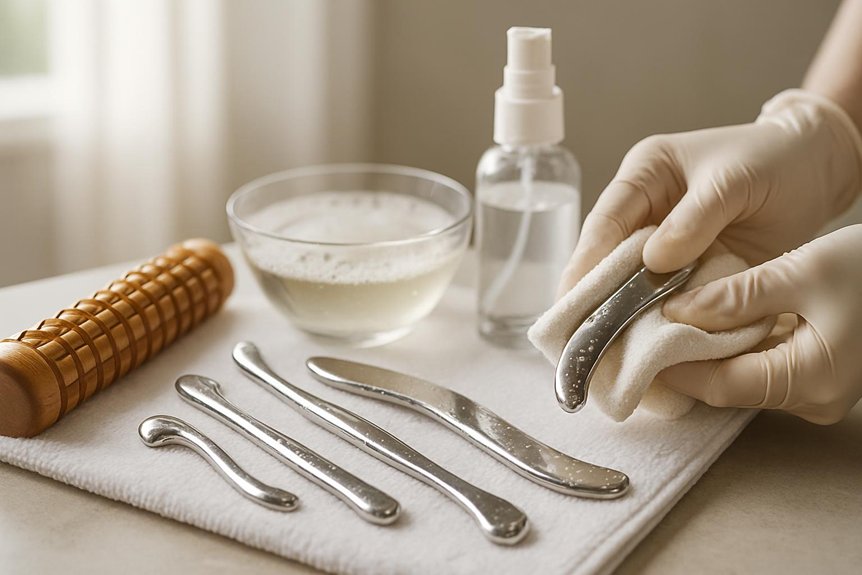
Prior to a zone therapy session, establishing a calming environment and maintaining rigorous hygiene standards are essential for therapeutic efficacy. Spa & Massage therapists prioritize ambient lighting, soothing sounds, and sanitized equipment to guarantee both relaxation and client safety.
Attention to client comfort, including proper positioning and the use of clean linens, further supports ideal treatment outcomes.
Setting a Relaxing Atmosphere
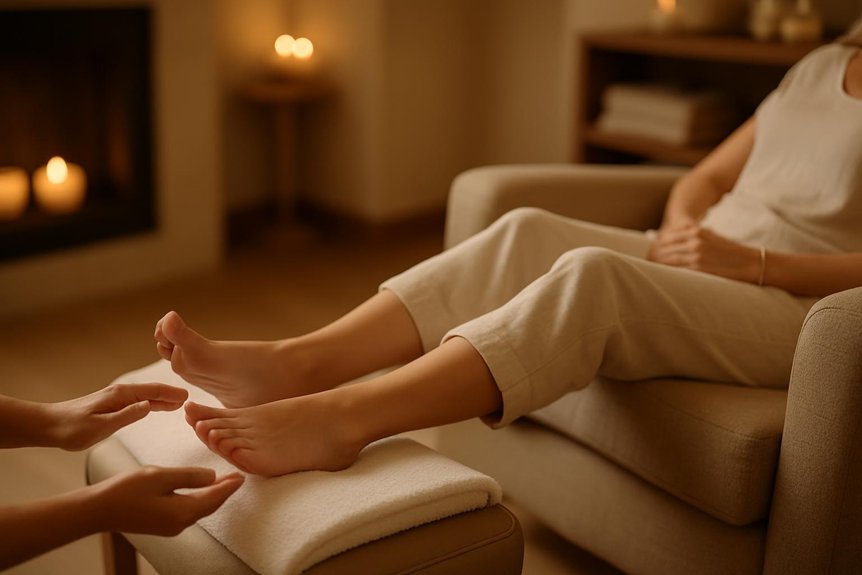
How does the environment influence the effectiveness of zone therapy? The therapeutic setting is integral to facilitating relaxation and ideal physiological response.
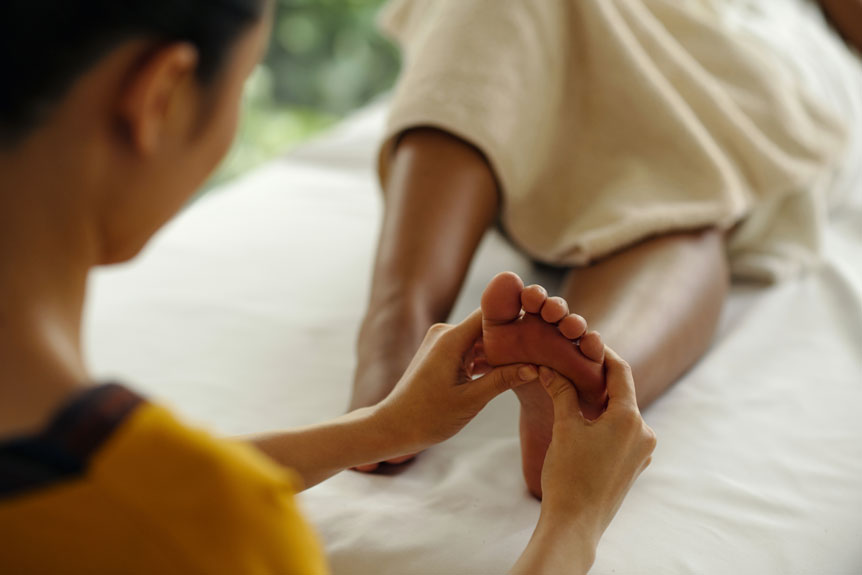
At Spa & Massage, experienced therapists recognise that elements such as ambient lighting, gentle music, and subtle aromatherapy can considerably enhance the client’s sense of safety and openness.
A tranquil environment encourages deep breathing and parasympathetic activation—essential for the body’s restorative processes. The carefully curated atmosphere supports a sense of intimacy and trust, allowing the recipient to fully engage in the zone therapy experience.
Soft textures, appropriate temperature, and minimal distractions are meticulously managed by Spa & Massage professionals, ensuring each session is uniquely tailored.
This holistic approach maximises relaxation, allowing therapeutic touch to reach its full potential and fostering lasting wellbeing for every client.
Hygiene and Comfort Measures
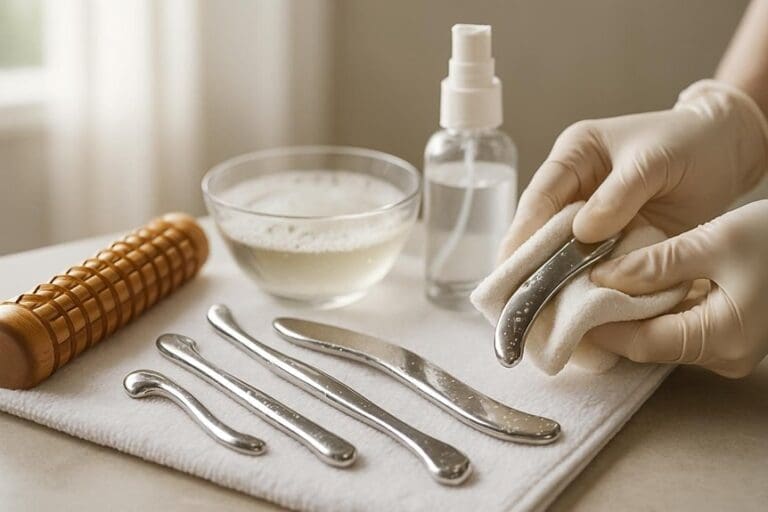
Meticulous hygiene protocols and client comfort strategies form the foundation of an effective zone therapy session. At Spa & Massage, therapists initiate each treatment by thoroughly cleansing their hands and preparing sanitized linens and implements.
Clients are encouraged to remove footwear, and feet are gently cleansed using hypoallergenic wipes or warm towels to guarantee superb cleanliness and relaxation. Protective coverings are applied to treatment surfaces, and single-use materials are favoured to prevent cross-contamination.
Attention to comfort is paramount: clients are positioned with ergonomic supports, such as bolsters under the knees and soft towels, to promote deep physical ease and emotional security. Ambient temperature and lighting are adjusted to individual preference, enhancing the therapeutic environment.
These measures foster trust, safety, and a serene connection, enabling meaningful zone therapy experiences.
Step-by-Step Techniques
Whether addressing stress relief or promoting holistic wellbeing, effective zone therapy relies on organized, precise application of pressure to specific points on the feet, hands, or ears corresponding to various organs and systems in the body.
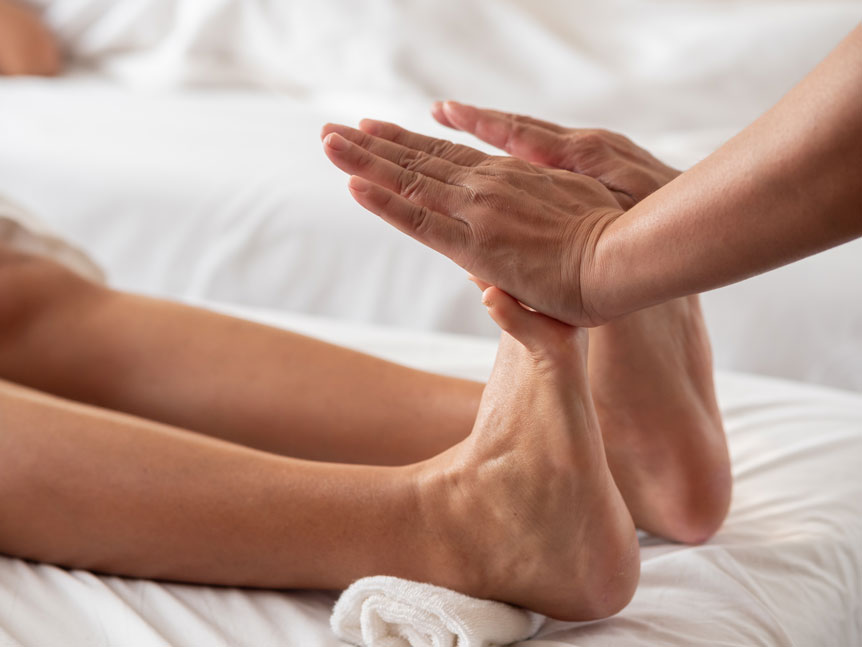
The practitioner begins by warming the area with gentle effleurage, preparing tissues for deeper work.
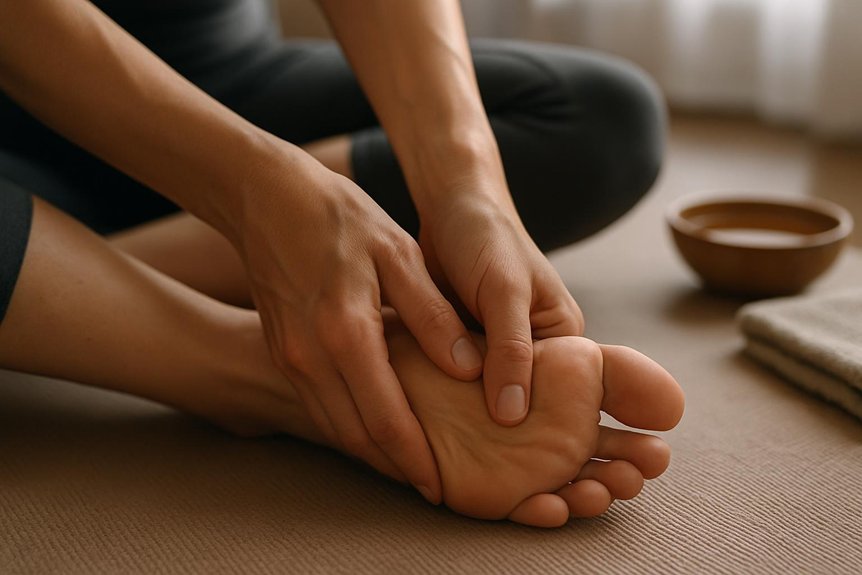
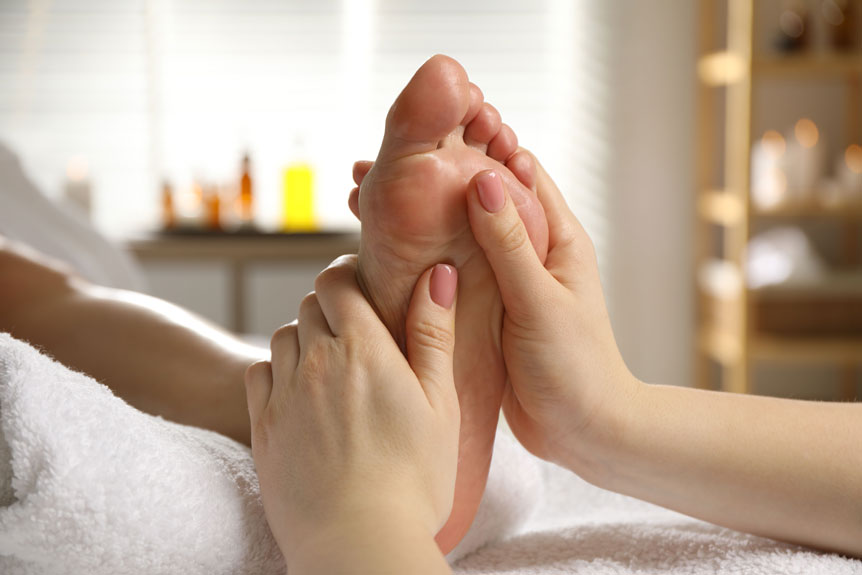
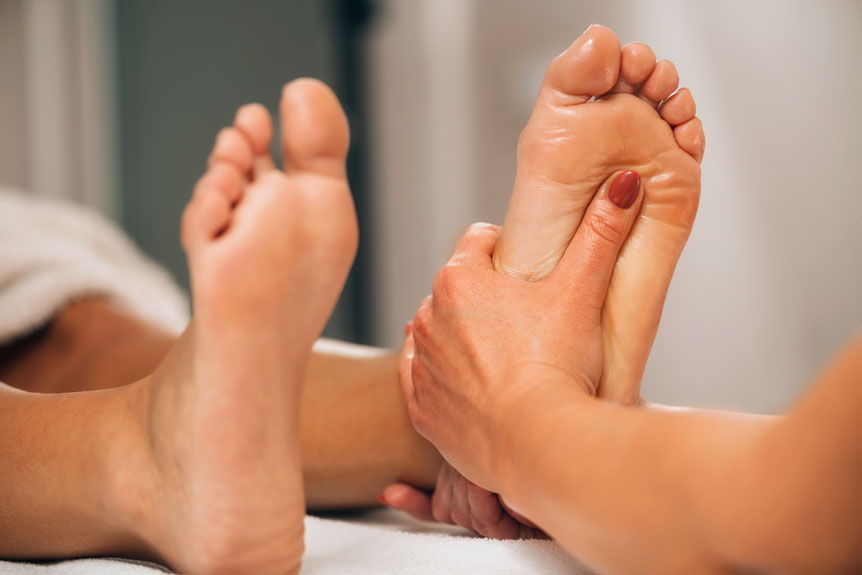
Using thumbs and fingers, they identify and methodically stimulate reflex zones, employing techniques such as walking, rotation-on-a-point, and gentle kneading.
Consistent, firm yet sensitive pressure is maintained, adapting to individual sensitivities and feedback.
Throughout each session, the therapist follows a structured sequence, ensuring thorough coverage and therapeutic balance.
At Spa & Massage, deliberate attention to technique and client response fosters a sense of trust, supporting deep relaxation, restored energy flow, and enhanced overall harmony.
Tools and Oils Used in This Therapy at Our Clinics
Superior zone therapy outcomes depend not only on skilled hand techniques but also on the thoughtful selection of tools and oils that support therapeutic objectives.
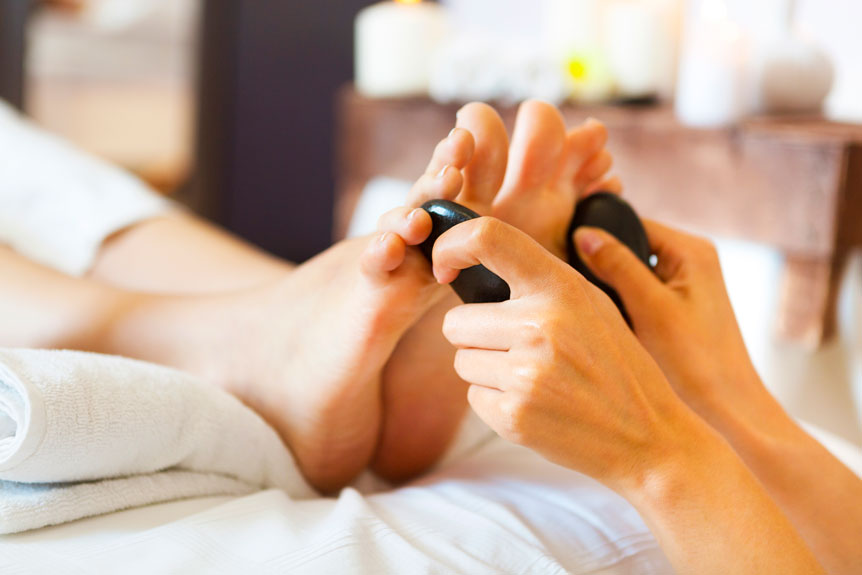
At Spa & Massage clinics, therapists utilise precision-crafted wooden sticks and smooth stones to apply targeted pressure, enhancing sensitivity and accuracy on reflex points. These instruments allow for nuanced stimulation, adapting to each client’s needs while preserving practitioner comfort during sustained sessions.
For excellent tactile engagement, natural plant-based massage oils are employed. These blends nourish the skin, facilitate seamless gliding, and contribute subtle aromatherapeutic benefits, fostering a sense of closeness and relaxation.
Each product is chosen for hypoallergenic properties and compatibility with sensitive skin. This careful integration of tools and oils ensures that every zone therapy session is both effective and deeply nurturing.
Benefits of Regular Treatments
Regular zone therapy treatments offer a spectrum of therapeutic benefits, targeting both physiological and psychological well-being. Through precise stimulation of reflex points, clients experience enhanced circulation, improved lymphatic flow, and reduction of muscular tension.
These effects contribute to decreased stress hormone levels and an elevated sense of relaxation. It is also associated with supporting homeostasis and boosting the body’s innate healing mechanisms.
Many individuals report improvements in sleep quality, mood, and energy levels following regular sessions. At Spa & Massage, experienced therapists tailor each treatment, addressing specific client needs with professional care and sensitivity.
Over time, consistent zone therapy can foster a deeper mind-body connection, nurturing resilience against daily stresses while promoting ongoing wellness and crucial in a gentle, holistic manner.
Aftercare Tips for Maximising Zone Therapy Results
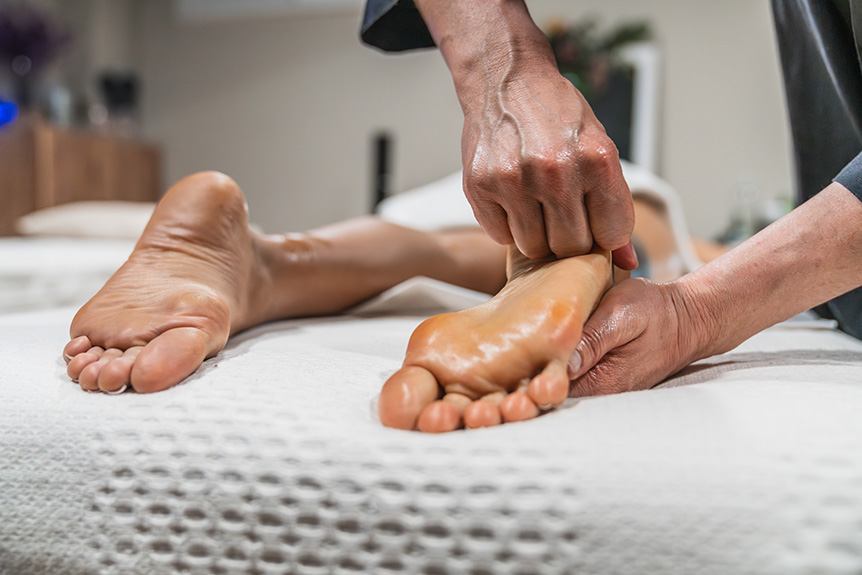
Following a session, how can clients best support and prolong the therapeutic effects achieved during treatment? Ideal aftercare involves several targeted strategies.
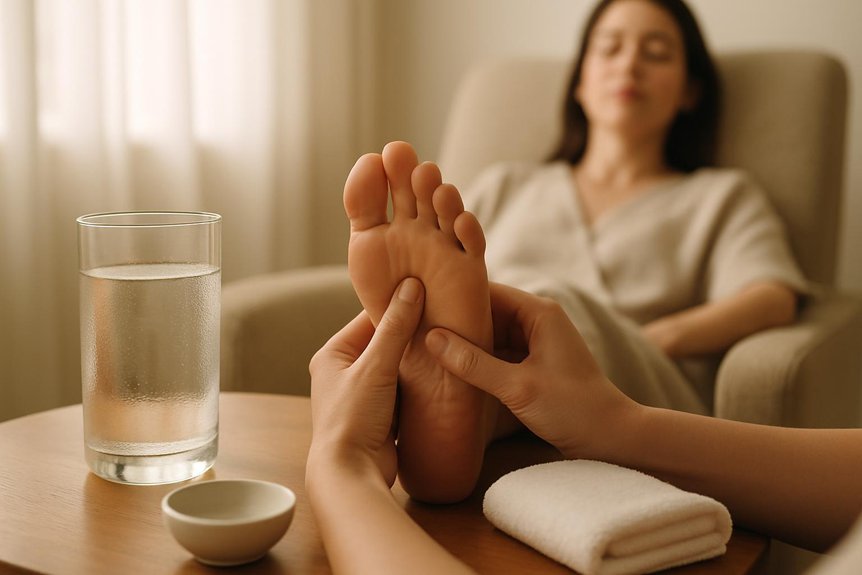
Hydration is paramount; clients are advised to drink ample water to facilitate metabolic waste elimination mobilized during a massage session. Rest is also essential—minimising vigorous activity allows the body to integrate the session’s benefits fully.
At Spa & Massage clinics, therapists recommend gentle foot stretches and mindful breathing exercises to maintain relaxation and promote continued circulation. Clients may also benefit from journaling post-session sensations, fostering self-awareness and reinforcing therapeutic outcomes.
Avoiding stimulants such as caffeine or alcohol immediately after treatment helps prevent interference with the body’s natural balancing processes.
These evidence-informed aftercare practices support sustained wellness and enhance the holistic impact of zone therapy.
Conclusion
Like a skilled conductor guiding an orchestra to harmonious unity, zone therapy orchestrates balance within the body through precise pressure on targeted reflex zones. When administered by experienced therapists at Spa & Massage, this holistic therapy offers more than relaxation—it promotes systemic wellbeing and assists the body’s natural healing rhythms. By integrating regular sessions into a wellness routine, clients can step confidently toward improved vitality, reduced tension, and enhanced equilibrium, maximising the therapeutic potential of this time-honoured practice.