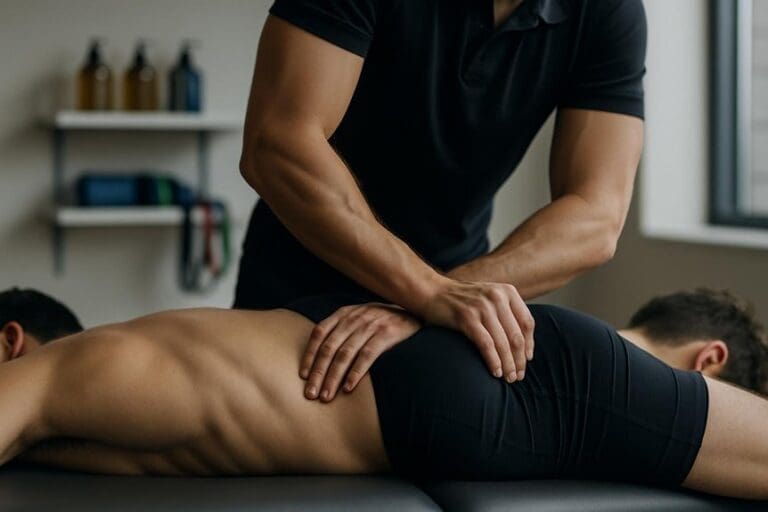
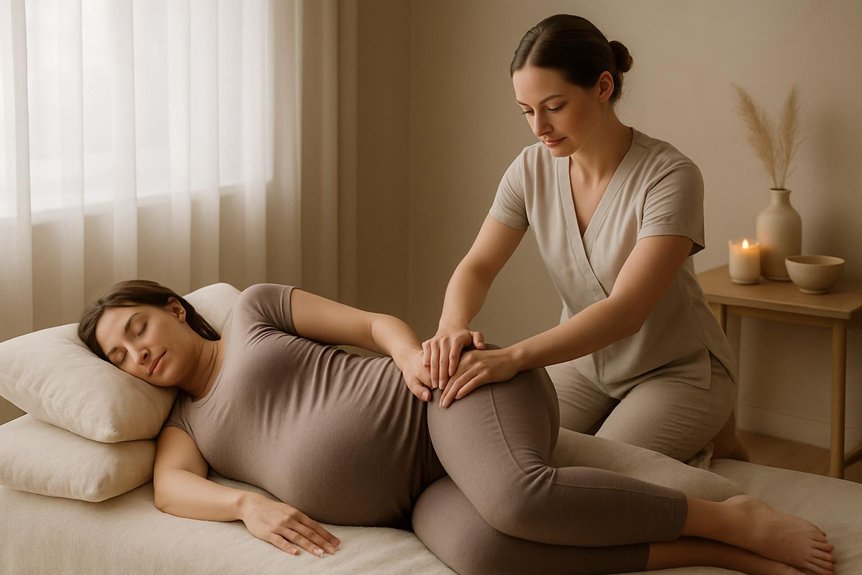
To give a safe and effective prenatal massage, begin by ensuring a serene, private environment with comfortable support using pillows or bolsters in a side-lying position. Employ gentle, open-palmed strokes and avoid deep pressure or direct abdominal work. Use only hypoallergenic, pregnancy-safe oils, and keep communication clear throughout. Encourage rest and hydration afterward for maximum wellness. Learning the proper steps and adjustments for each trimester enhances both comfort and safety for expectant mothers as the process continues.
Understanding the Benefits and Precautions of Pregnancy Massage
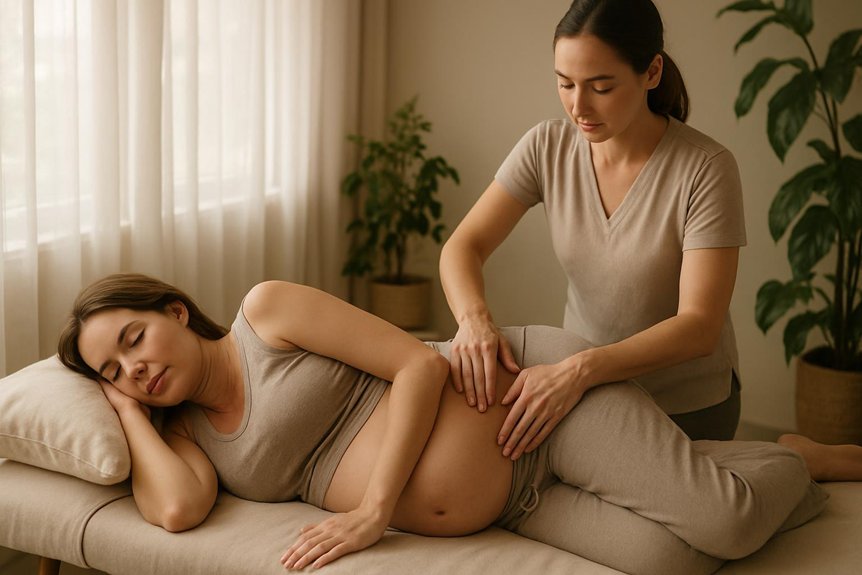
Why is it increasingly recommended by wellness professionals? Spa & Massage’s clinical team recognizes that pregnancy brings profound changes, often accompanied by muscular tension, swelling, and heightened emotional needs.
When delivered by trained therapists, can ease discomfort in the lower back, hips, and legs, while supporting circulation and reducing stress. Gentle, nurturing touch also fosters a sense of connection and reassurance—an intimacy many expectant mothers deeply value.
Safety remains paramount. At Spa & Massage, therapists are educated in the unique physiological changes of pregnancy and adapt their techniques accordingly. They avoid deep pressure on sensitive areas and are attentive to each trimester’s specific requirements.
This expertise ensures that each session is both safe and effective, helping clients feel secure and cared for throughout the experience. While it is beneficial, some therapists may also recommend exploring the healing power of reflexology to further support relaxation and overall wellness during pregnancy.
Creating a Safe and Comfortable Environment
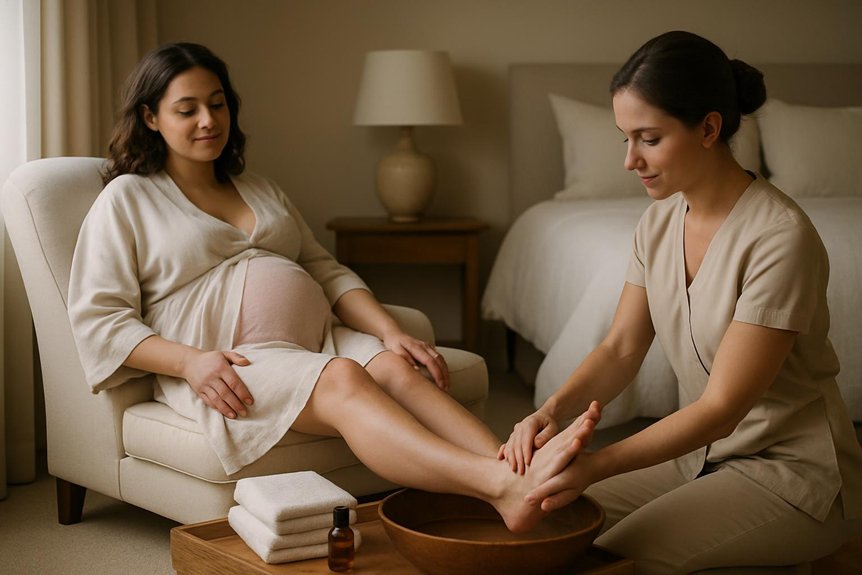
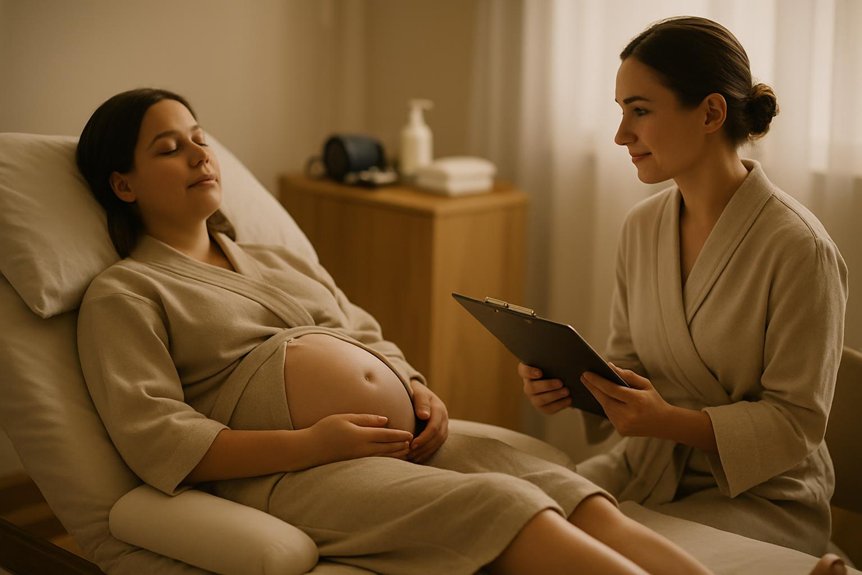
How can a serene setting enhance the effectiveness of prenatal massage? In Spa & Massage clinics, a tranquil environment is seen as fundamental to both physical comfort and emotional reassurance during prenatal massage.
Dim lighting, gentle music, and a clean, clutter-free space help reduce external stressors, allowing the expectant mother to relax deeply and benefit fully from therapeutic touch. The room should be maintained at a comfortable temperature, with fresh air and soft linens to promote a sense of safety and nurturing.
Therapists at Spa & Massage are trained to create an atmosphere where privacy and trust are respected. Every element, from calming aromatherapy to quiet conversation, is thoughtfully chosen to foster intimacy, safety, and genuine relaxation for both mother and baby.
Positions and Support Techniques for Expectant Mothers
Although pregnancy requires careful consideration of comfort and safety, proper positioning during massage is essential to protect both mother and baby.
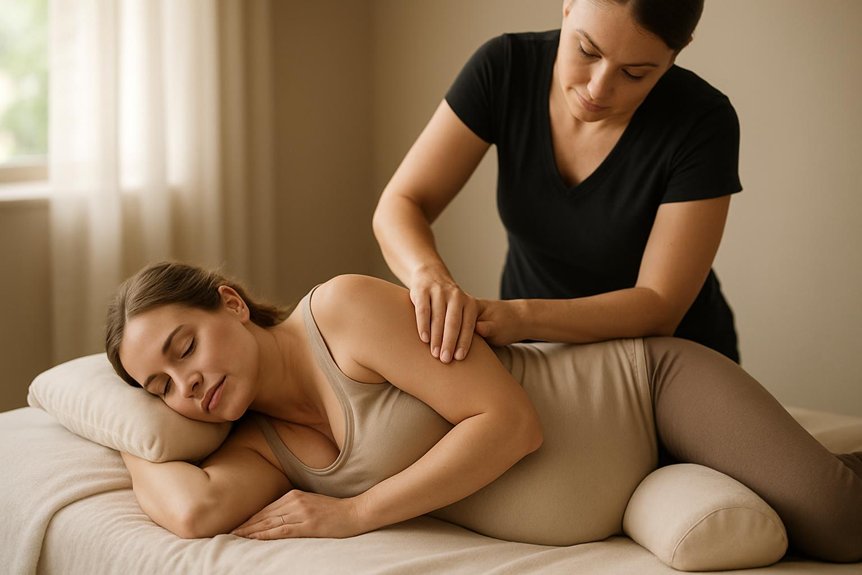
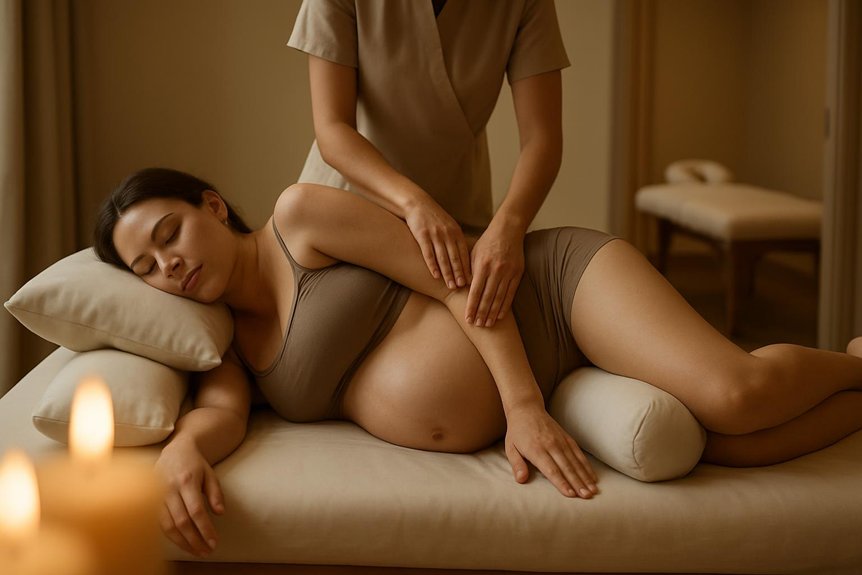
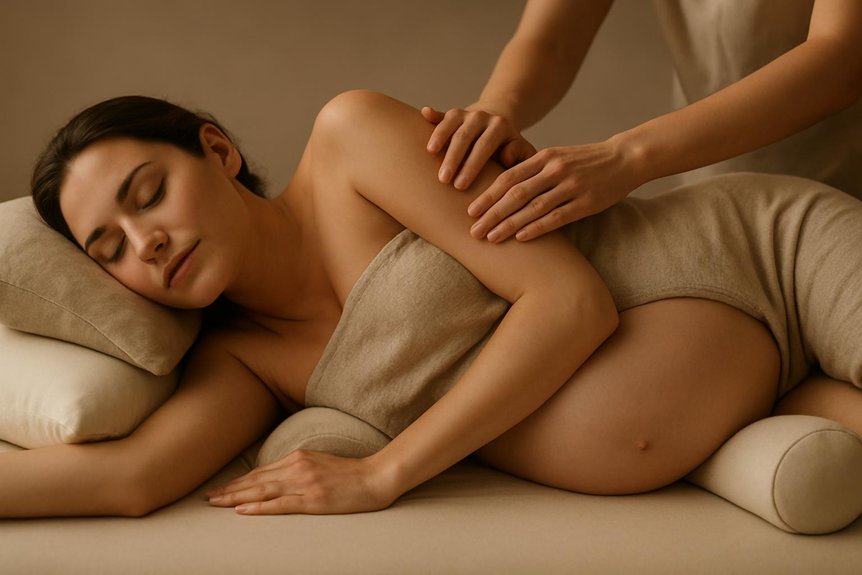
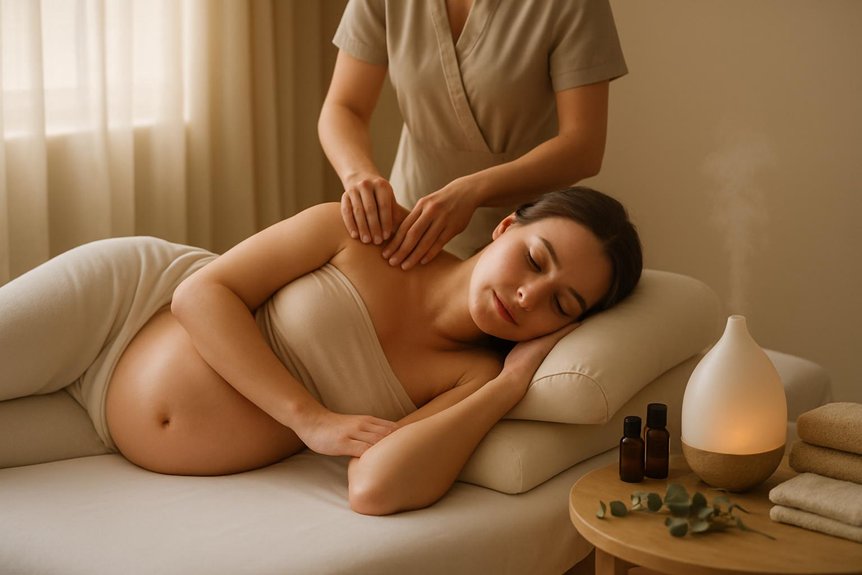
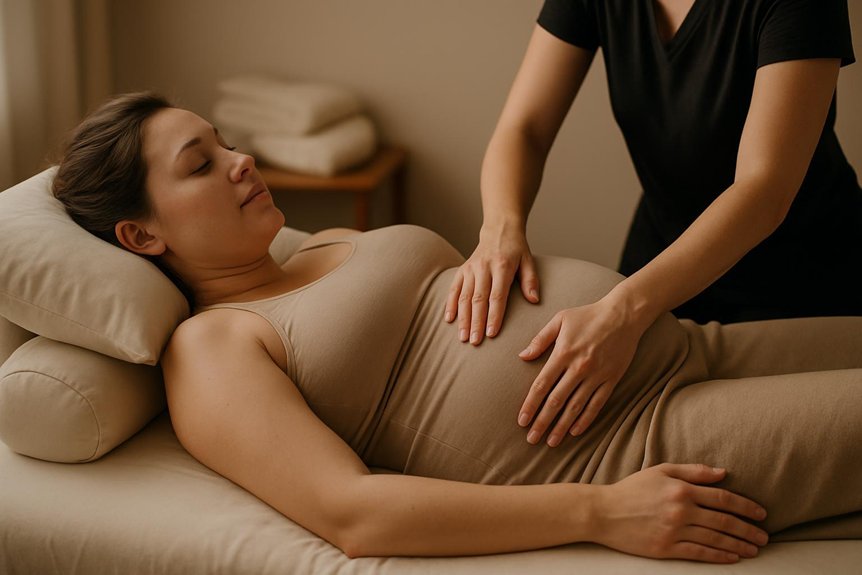
At Spa & Massage, therapists recommend side-lying positions, particularly after the first trimester, to relieve pressure on the abdomen and maintain ideal circulation.
Soft, supportive pillows are carefully placed between the knees, under the belly, and behind the back, promoting alignment and ensuring relaxation.
Bolsters or wedges can further enhance comfort and prevent strain on joints.
Special attention is given to supporting the lower back and hips, areas often stressed during pregnancy.
Every adjustment is made to foster a sense of security and intimacy, allowing expectant mothers to experience touch in a nurturing, safe environment while their bodies—and babies—are gently cared for throughout the massage.
Step-by-Step Guide to Gentle Prenatal Massage Techniques
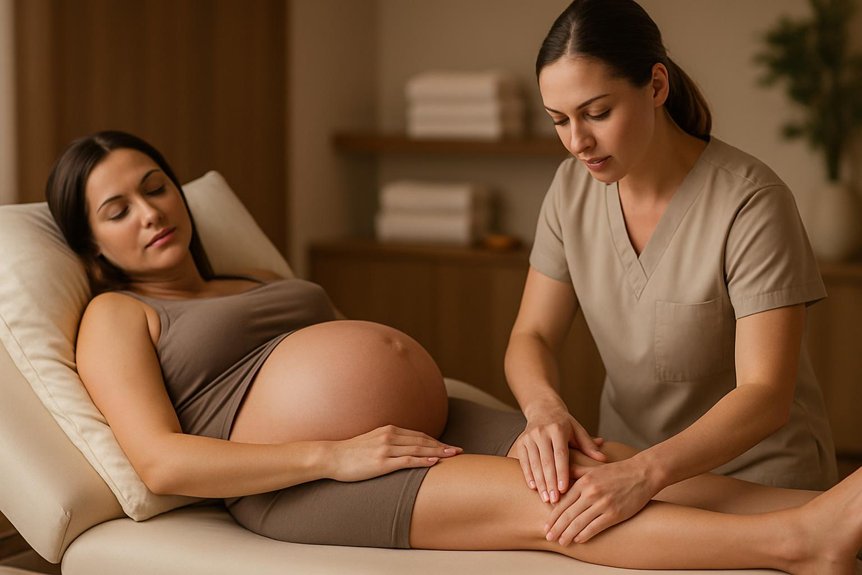
A structured approach to prenatal massage guarantees both safety and therapeutic benefit for expectant mothers. At Spa & Massage, therapists begin with gentle, open-palmed strokes, focusing on the back, shoulders, and legs. They always avoid deep pressure or direct work on the abdomen.
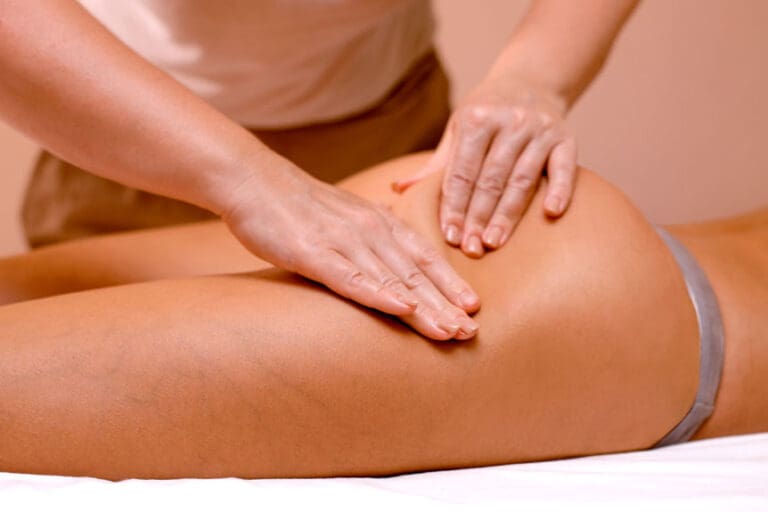
Light effleurage—soothing, gliding motions—promotes relaxation and eases tension. Therapists use supportive cushions to maintain comfort and proper alignment, carefully adjusting positions as needed.
Special attention is paid to areas prone to discomfort, such as the lower back and hips. These areas are treated using slow, rhythmic movements to encourage calm.
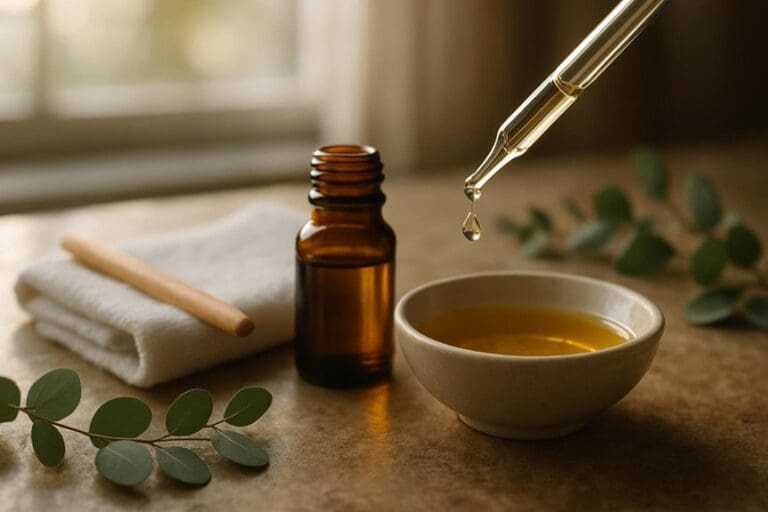
Only hypoallergenic, pregnancy-safe oils are applied, ensuring gentle nourishment for sensitive skin. Throughout, communication remains central—therapists check in frequently to respond to individual needs, fostering a nurturing, safe, and deeply restorative experience.
Aftercare and Wellness Tips for Expectant Mothers
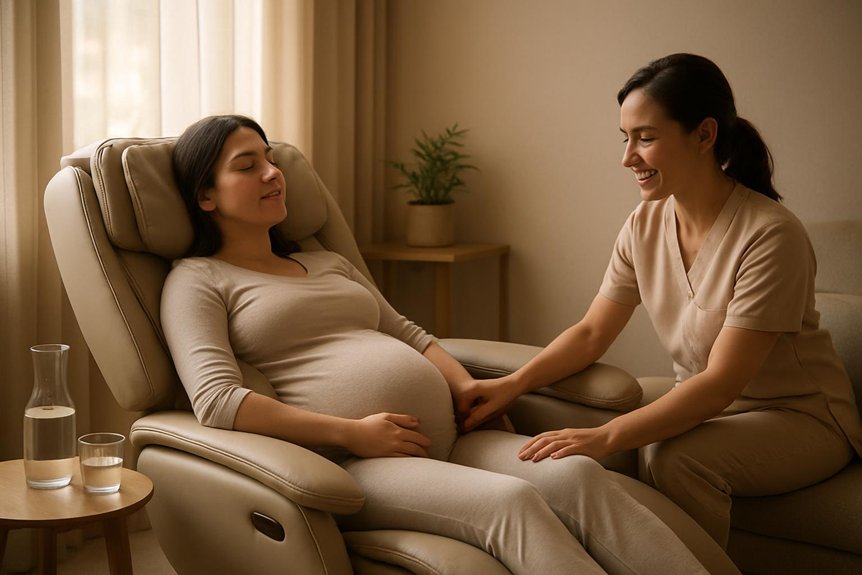
Following a prenatal massage, careful aftercare is crucial to maximise therapeutic benefits and support maternal wellbeing. Spa & Massage therapists recommend that expectant mothers rest for at least 15 minutes post-treatment to allow the body to integrate relaxation and circulatory changes.
Hydration is encouraged, as water helps flush out metabolic byproducts and supports tissue recovery.
Gentle movement, such as slow stretching or walking, aids in maintaining flexibility and comfort.
Listening to the body’s signals is essential; if fatigue or discomfort arises, further rest is advised.
At Spa & Massage, therapists often suggest light self-care, including warm baths and mindfulness breathing, to extend a sense of calm.
Open communication with healthcare providers ensures aftercare aligns with each mother’s unique needs throughout pregnancy.
Conclusion
Just as a gentle breeze soothes a sun-warmed day, a well-executed prenatal massage can bring comfort and relief to expectant mothers when performed with care and expertise. Following established safety protocols and using appropriate techniques guarantees both mother and baby benefit from every session. By prioritizing comfort, listening closely to individual needs, and staying informed on best practices, anyone can help nurture wellbeing during this transformative journey, supporting both physical ease and emotional tranquility throughout pregnancy.