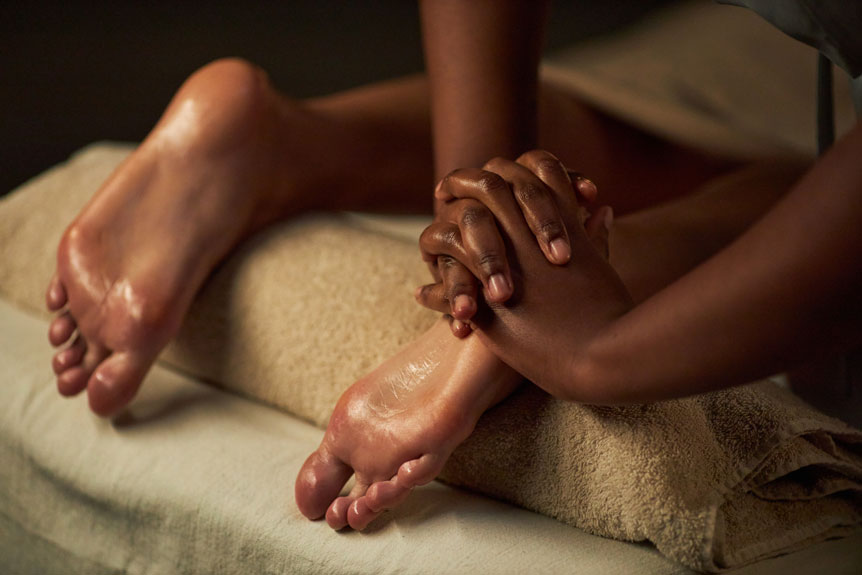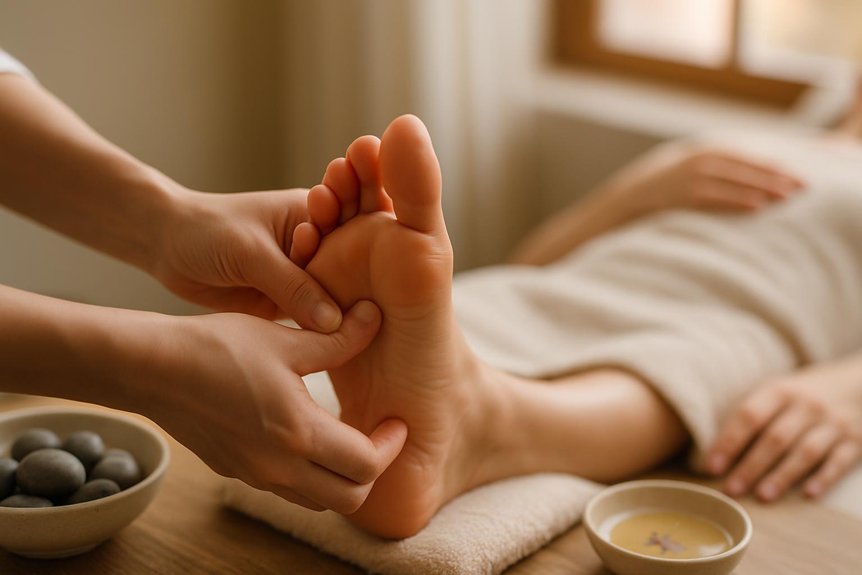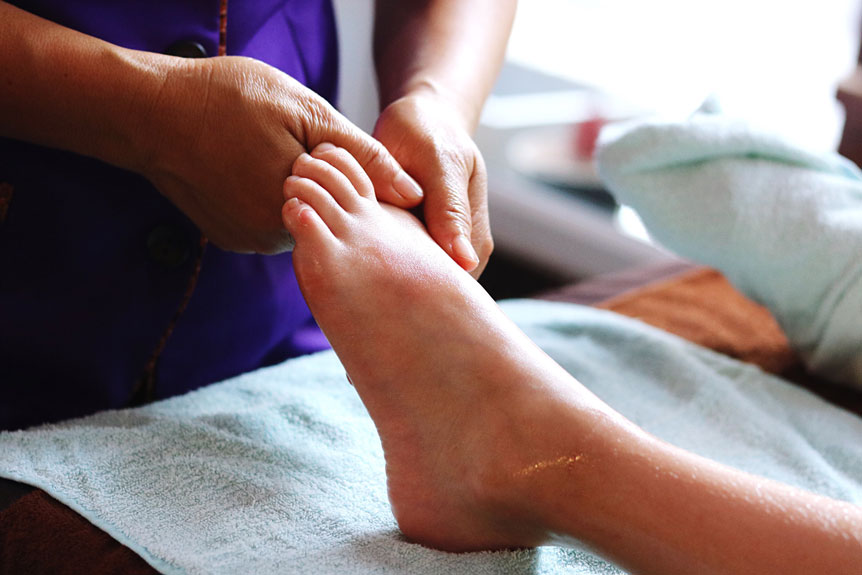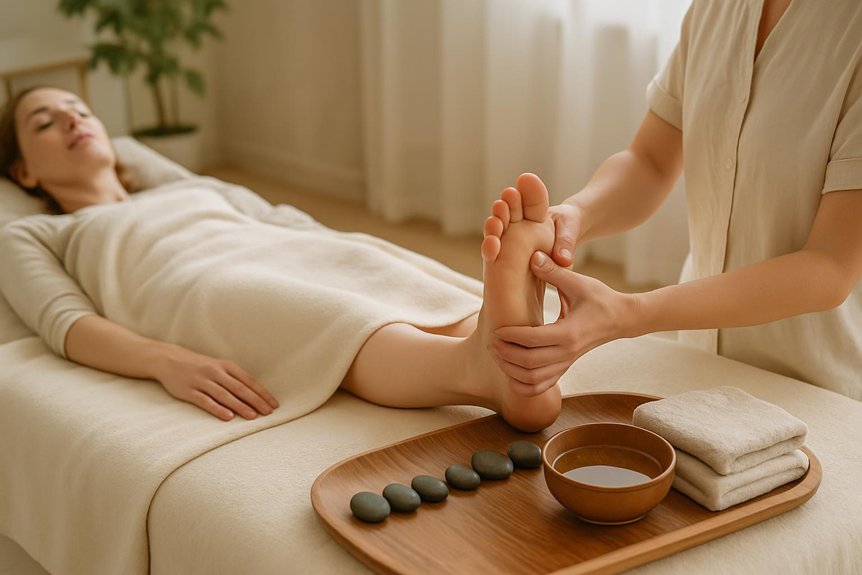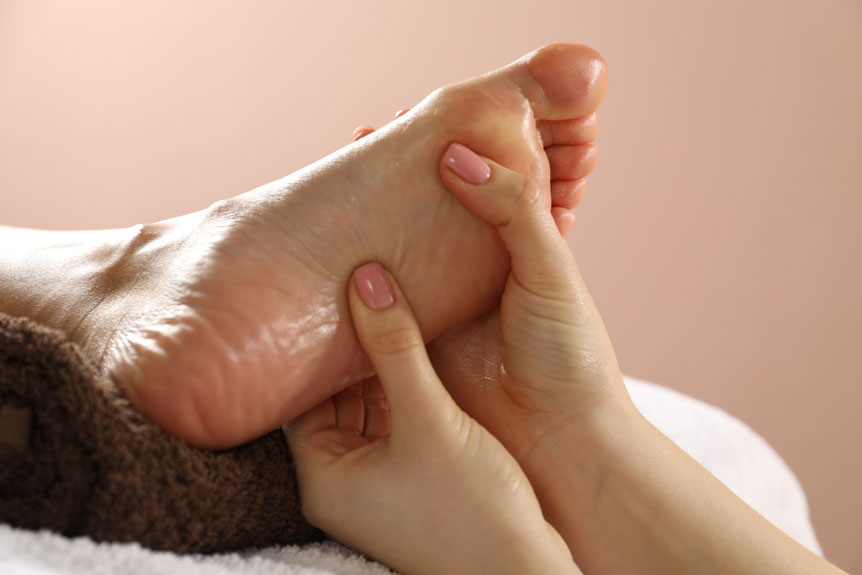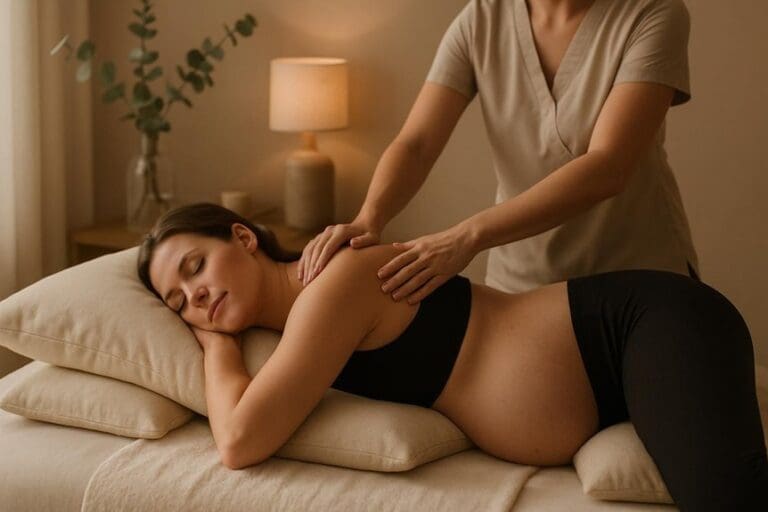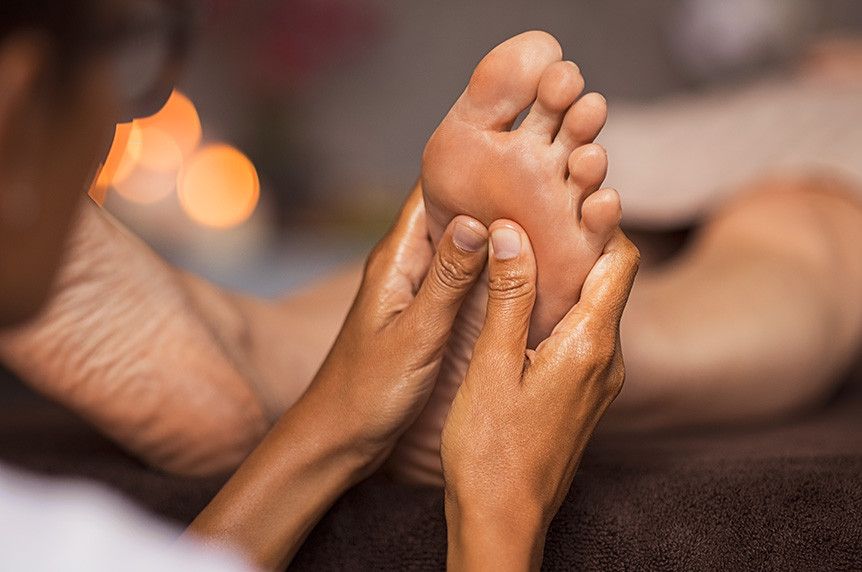
The ideal frequency of massage sessions varies depending on individual goals, health conditions, and lifestyle. Most people benefit from treatments every two to four weeks for general wellbeing and relaxation. Those managing chronic stress, pain, or specific health concerns may benefit from weekly or biweekly sessions, especially at the outset. Pregnant clients or people seeking symptom relief may also need more regular appointments. Personalized schedules are key, and further insight can help optimize your approach to this therapy.
Understanding It and Its Benefits

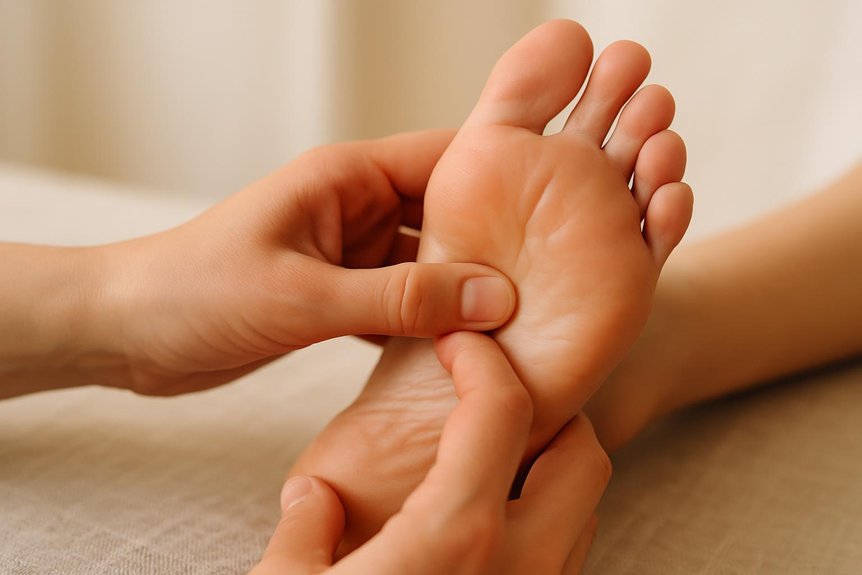
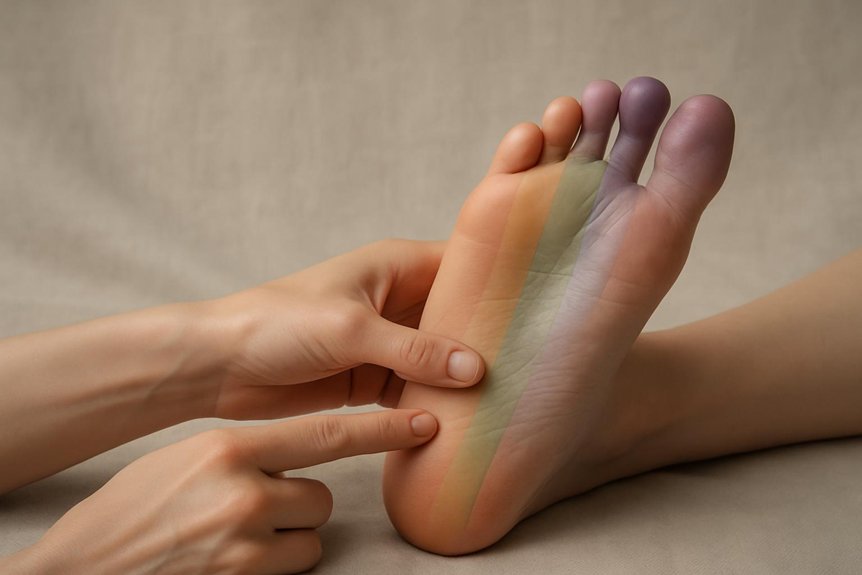
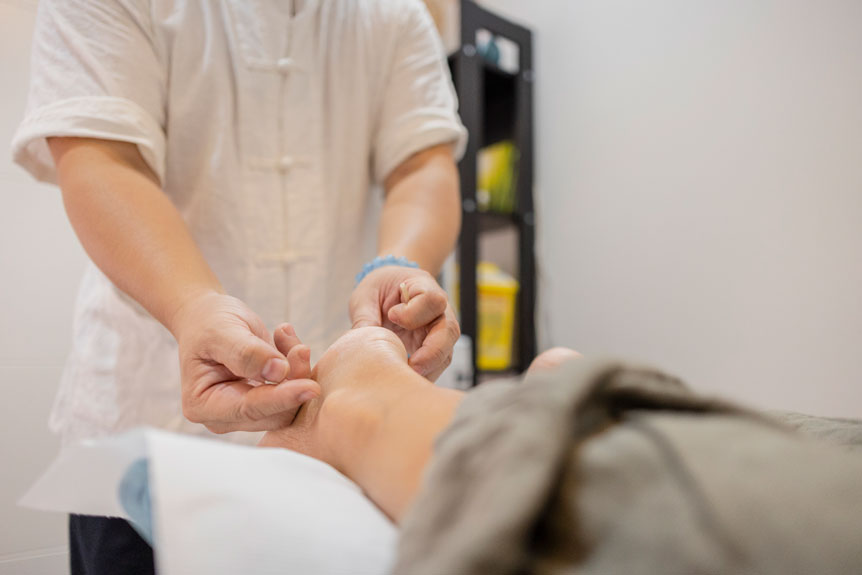
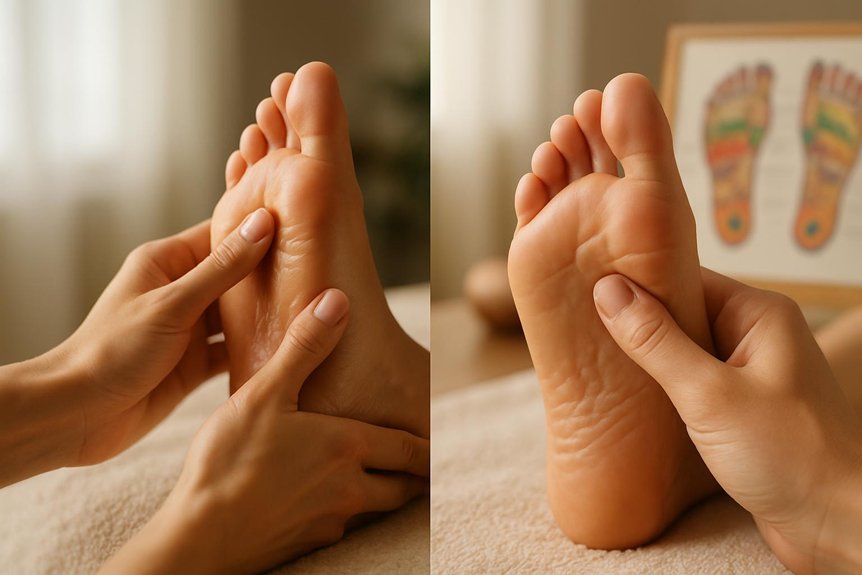
What exactly is it, and how can it benefit overall wellbeing? It is a therapeutic technique grounded in the application of gentle pressure to specific points on the feet, hands, or ears. These points correspond to different organs and systems within the body, aiming to encourage balance and natural healing.
Clinicians at Spa & Massage observe that clients often experience deep relaxation, reduced tension, and an enhanced sense of connection to their bodies following a session. Evidence suggests that it may alleviate stress, improve circulation, and support the body’s innate ability to restore equilibrium.
The approach is client-centred, focusing on individual needs and comfort. Many choose this as a nurturing addition to their wellness routine, seeking both physical relief and emotional renewal.
It draws on the healing power of targeted touch to help harmonize the body and promote lasting wellbeing.
Factors That Influence How Often You Should Have Reflexology
The ideal frequency of sessions depends on several key factors, including an individual’s personal wellness goals, any underlying health conditions, and their current lifestyle and stress levels.
At Spa & Massage, therapists assess each client’s unique circumstances to recommend a schedule that supports maximum well-being.
These considerations guarantee that every treatment plan is both effective and tailored to the client’s needs.
Personal Wellness Goals
Many individuals find that their personal wellness goals play a significant role in determining how often they should schedule massage sessions.
At Spa & Massage, clients are encouraged to reflect on what they hope to achieve—whether it is deep relaxation, stress management, or enhanced energy.
Those seeking ongoing stress relief or improved sleep may benefit from more frequent sessions, such as weekly or bi-weekly appointments.
Others, focused on general wellbeing or occasional rejuvenation, might find monthly visits sufficient.
The expert therapists at Spa & Massage work closely with each client to identify their wellness intentions, integrating it thoughtfully into a tailored self-care plan.
This personalised approach ensures that each session supports the client’s unique journey toward balance, comfort, and lasting vitality.
Health Conditions Considered
Alongside personal wellness goals, individual health conditions profoundly influence the recommended frequency of massage sessions. Spa & Massage therapists carefully consider clients’ unique health profiles during consultations to tailor session plans that support top-notch wellbeing.
For example, those managing chronic pain, digestive disturbances, or hormonal imbalances may benefit from more frequent zone therapy—often weekly or biweekly—to help regulate symptoms and promote the body’s natural healing responses.
Conversely, clients seeking general maintenance without acute health concerns may find monthly sessions sufficient. It is also considered supportive for individuals experiencing fatigue or sleep issues, with frequency adjusted based on progress and comfort.
At Spa & Massage, the approach is always collaborative, ensuring that every recommendation honours both the client’s current health status and their evolving needs.
Lifestyle and Stress Levels
Because daily routines and stressors vary considerably between individuals, lifestyle factors play a pivotal role in determining the ideal frequency of zone therapy sessions.
For those leading high-pressure lives or experiencing ongoing stress, more frequent zone therapy—such as weekly or bi-weekly—can help regulate stress responses, promote relaxation, and improve overall well-being.
Conversely, individuals with a less demanding routine may benefit from monthly maintenance sessions.
At Spa & Massage, therapists assess each client’s lifestyle and stress exposure during consultations, allowing for tailored recommendations.
By considering work demands, exercise habits, and personal commitments, therapists ensure guidance is responsive and personalized.
This approach supports clients in achieving sustained balance and emotional calm, fostering a deeper connection to self-care as an integral part of their everyday lives.
Recommended Frequency for General Wellbeing
When considering it as part of a wellness routine, the ideal frequency for sessions depends on individual health goals and lifestyle factors.
For most clients seeking general wellbeing, Spa & Massage recommends scheduling zone therapy once every two to four weeks. This interval allows the body to benefit from cumulative effects while providing sufficient time for natural healing processes.
Regular sessions can support circulation, aid in maintaining energy balance, and foster a sense of ongoing vigour.
At Spa & Massage, experienced therapists tailor each session to the client’s needs, ensuring a personalised approach that enhances overall wellbeing.
Clients often find that consistent appointments help them remain attuned to their bodies and cultivate a deeper connection with themselves—an essential aspect of holistic self-care within a tranquil environment.
It is for Stress Relief and Relaxation
Many individuals turn to zone therapy not only for general wellbeing but also as an effective approach to managing stress and fostering relaxation.
At Spa & Massage, therapists observe that zone therapy sessions can notably calm the nervous system, lower tension, and promote a sense of inner tranquility.
Evidence suggests that targeted pressure on specific reflex points may stimulate the body’s natural relaxation response, helping clients unwind both physically and emotionally.
Clients seeking stress relief often benefit from more frequent sessions, particularly during demanding periods.
A weekly or bi-weekly schedule is commonly recommended to maintain ongoing relaxation and support emotional balance.
Spa & Massage therapists tailor each session to individual stress levels, ensuring a nurturing and restorative experience that clients can look forward to as a peaceful retreat from daily pressures.
Managing Chronic Conditions With It
For individuals managing chronic conditions, it may offer ongoing support by promoting symptom relief and enhancing well-being.
At Spa & Massage, therapists work closely with clients to determine an appropriate session frequency based on individual health needs and responses to treatment.
This personalised approach aims to maximise benefits while aligning with each client’s unique wellness goals.
Supporting Ongoing Symptom Relief
A holistic approach to managing chronic conditions often includes therapies that support ongoing symptom relief and enhance overall wellbeing.
It offers gentle, targeted stimulation of specific points on the feet, which is believed to encourage the body’s natural healing processes. Many clients at Spa & Massage find that regular massage sessions help ease persistent symptoms such as pain, fatigue, or stress associated with long-term health concerns.
By integrating this therapy into a broader wellness plan, individuals can experience improved comfort, relaxation, and a greater sense of balance. Our experienced therapists tailor each session to address changing needs, focusing on areas that require the most attention.
Ongoing zone therapy may provide a supportive foundation for clients seeking to manage chronic symptoms and maintain daily quality of life.
Personalised Session Frequency
Determining the ideal frequency of zone therapy sessions for managing chronic conditions depends on the individual’s specific needs, health goals, and response to treatment.
At Spa & Massage, therapists begin with a thorough consultation to understand each client’s history and wellness objectives.
For chronic concerns, an initial course of weekly sessions may be recommended to establish a foundation for symptom relief and improved wellbeing.
As progress is observed, frequency can often be reduced—transitioning to biweekly or monthly appointments to sustain benefits.
This personalised approach ensures that each client receives support tailored to their evolving requirements.
Regular communication between client and therapist is encouraged, allowing adjustments to frequency based on ongoing results.
Ultimately, the focus remains on providing attentive, expert care that nurtures long-term health and comfort.
Zone Therapy During Pregnancy
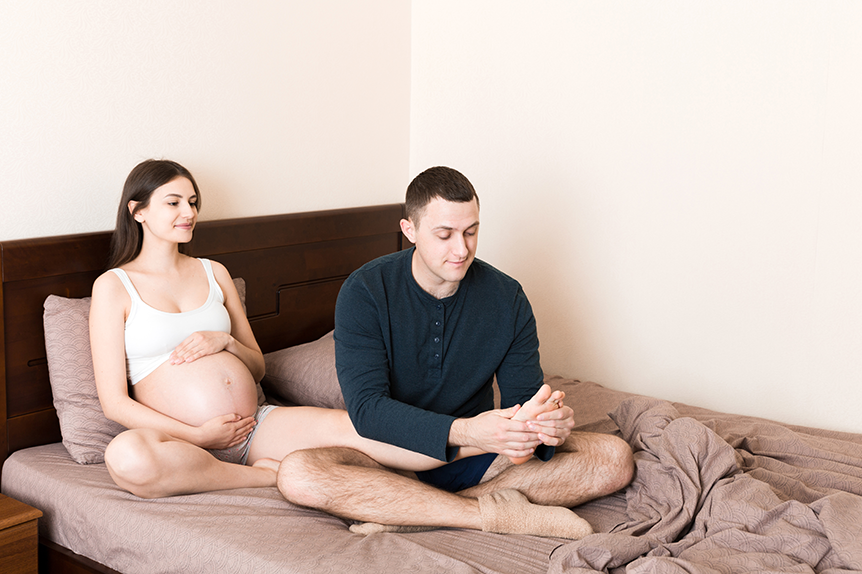
Many expectant mothers seek zone therapy as a natural way to support wellbeing during pregnancy. At Spa & Massage, therapists understand the unique needs of pregnant clients, providing gentle, targeted techniques that focus on relaxation and comfort.
Evidence suggests that zone therapy may help alleviate common pregnancy discomforts such as swelling, fatigue, and tension, while promoting a sense of calm.
Sessions are tailored to each stage of pregnancy, with careful consideration of pressure points and positioning to ensure safety and ease.
Therapists at Spa & Massage create a nurturing environment, using supportive cushions and recommending gentle aftercare.
While frequency can vary, many expectant mothers find benefit in scheduling regular sessions, especially during the second and third trimesters, to enhance overall wellbeing and emotional balance.
Signs That Indicate You May Need a Session
Clients who benefit from zone therapy during pregnancy often notice positive changes in their wellbeing, yet recognising when a session may be helpful extends beyond pregnancy alone.
Common signs suggesting the need for zone therapy include persistent fatigue, disrupted sleep, and increased stress or anxiety.
People may also notice muscle tension, headaches, or digestive discomfort—subtle signals the body provides when it seeks balance and relaxation.
At Spa & Massage, therapists often observe clients arriving with these symptoms, finding relief and renewed energy after their sessions.
When daily routines feel overwhelming or emotional tension lingers, zone therapy can offer gentle support.
Noticing these physical or emotional cues is a valuable step toward nurturing one’s overall wellbeing and inviting more comfort into everyday life.
Creating a Personalised Schedule at Spa & Massage
Because each individual’s health needs and lifestyle are unique, developing an effective massage schedule requires a tailored approach.
At Spa & Massage, expert therapists begin by listening closely to clients’ wellness goals, daily routines, and any presenting concerns. This collaborative consultation guides recommendations for session frequency—whether for stress management, chronic discomfort, or general balance.
For some, weekly sessions support ongoing well-being, while others benefit from fortnightly or monthly appointments. The therapists at Spa & Massage continuously assess progress, adapting schedules as needs evolve.
By focusing on personalisation, the experience remains both restorative and responsive. Clients are encouraged to communicate openly, ensuring that each session fits seamlessly into their lives while delivering ideal results.
Individualised care lies at the heart of every treatment plan.
Conclusion
Whether seeking balance, pursuing relaxation, or managing specific health concerns, it offers a tailored path to enhanced wellbeing. By listening to your body, consulting experienced therapists, and adjusting session frequency to your needs, you can access the full spectrum of benefits this holistic therapy provides. Regular massage sessions, guided by expert advice and personal experience, empower clients to nurture resilience, cultivate calm, and support long-term health as part of an ongoing self-care routine.