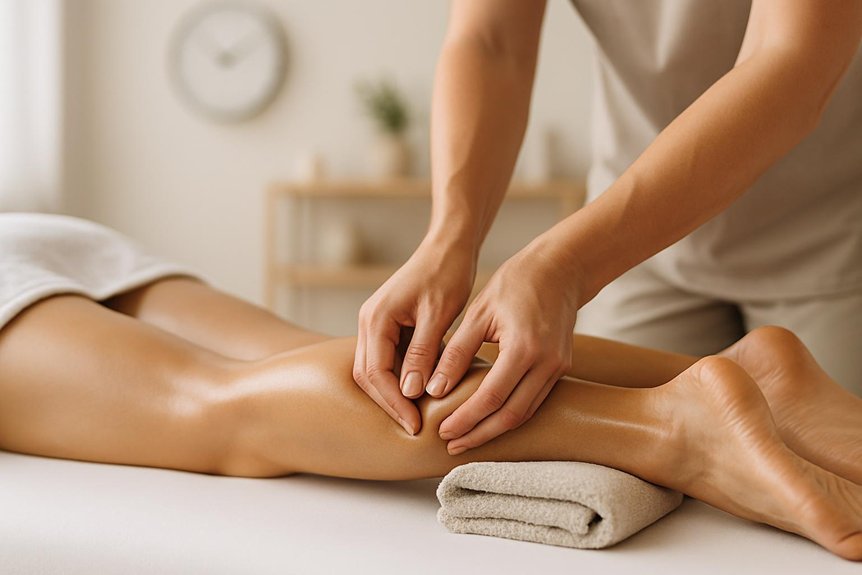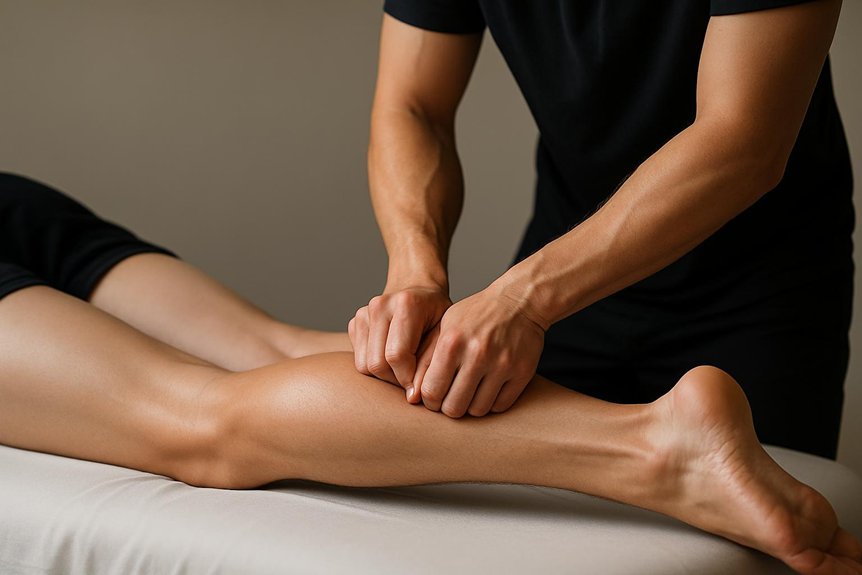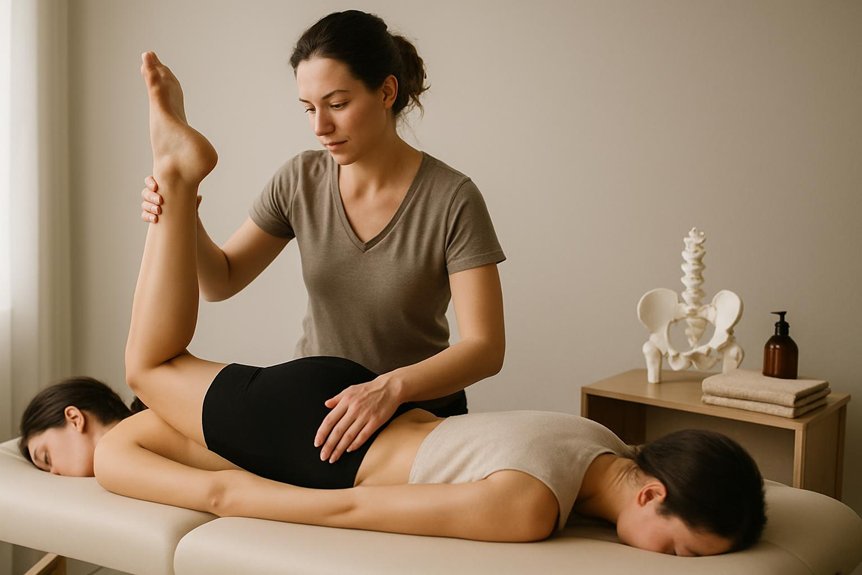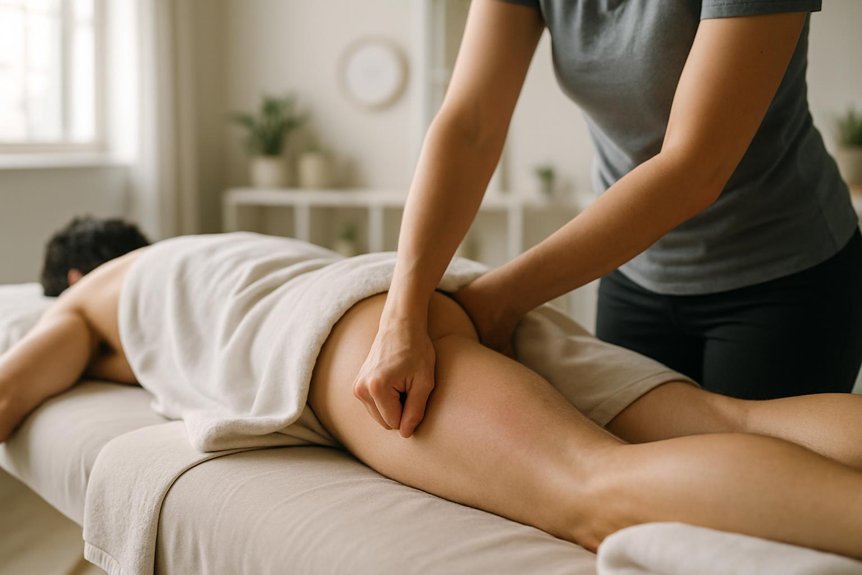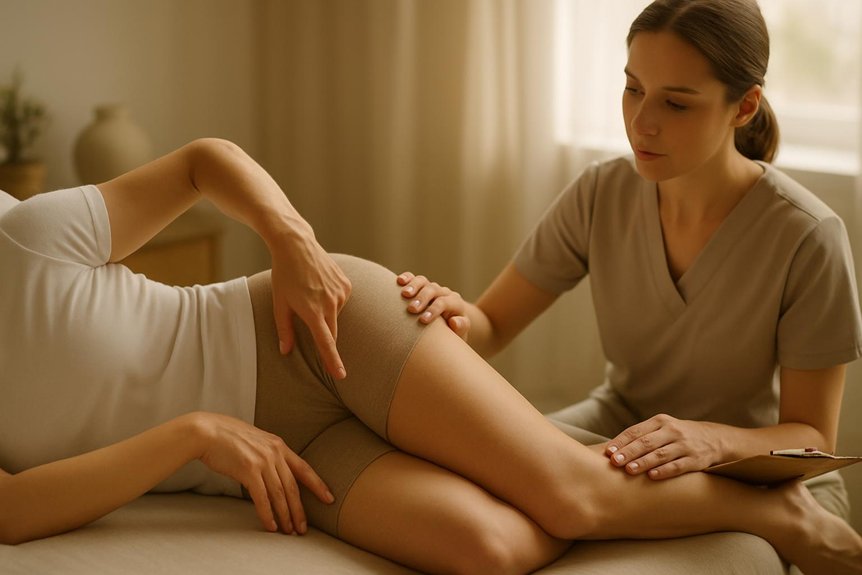

Exercising immediately after a intensive tissue massage is generally not advised. The body needs time—typically at least 24 hours—to recover as muscles and tissues heal and adjust. Vigorous activity too soon can disrupt this process, potentially causing soreness or injury. Gentle movements like light walking or stretching are usually recommended during recovery. Proper hydration and rest further support the benefits of massage therapy. Further details can provide guidance on safe timing and activities to optimize results.
Understanding Deep Tissue Massage and Its Effects on the Body
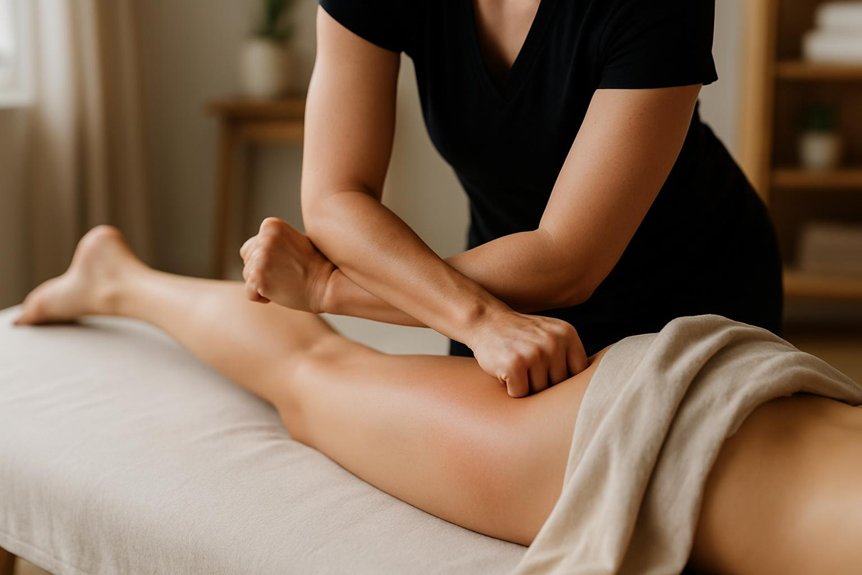
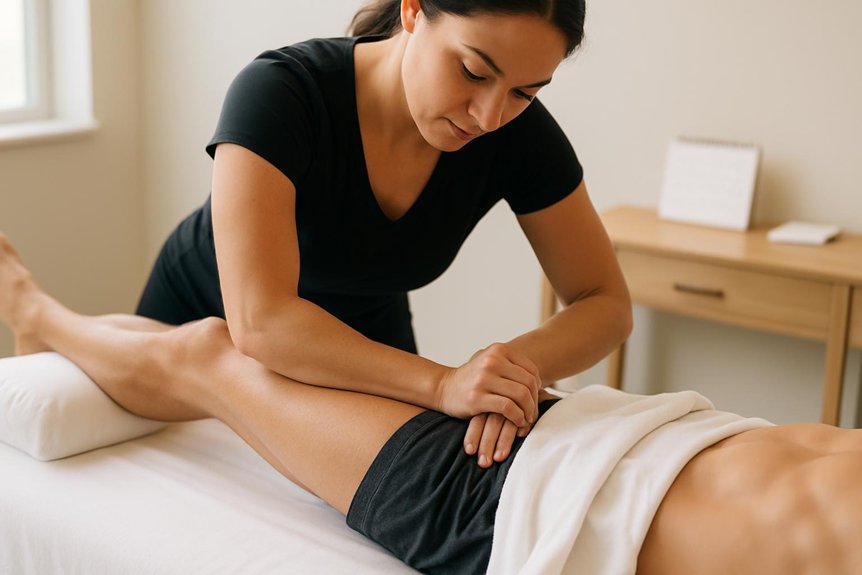
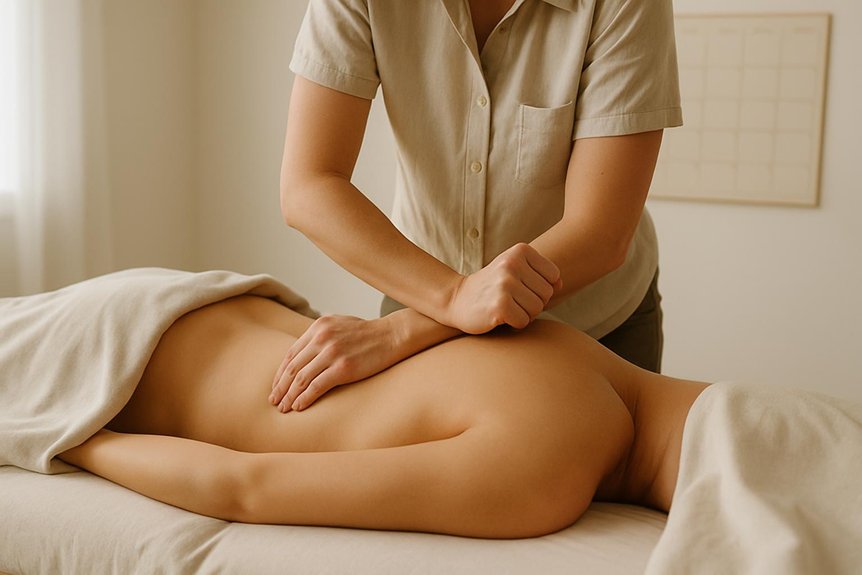
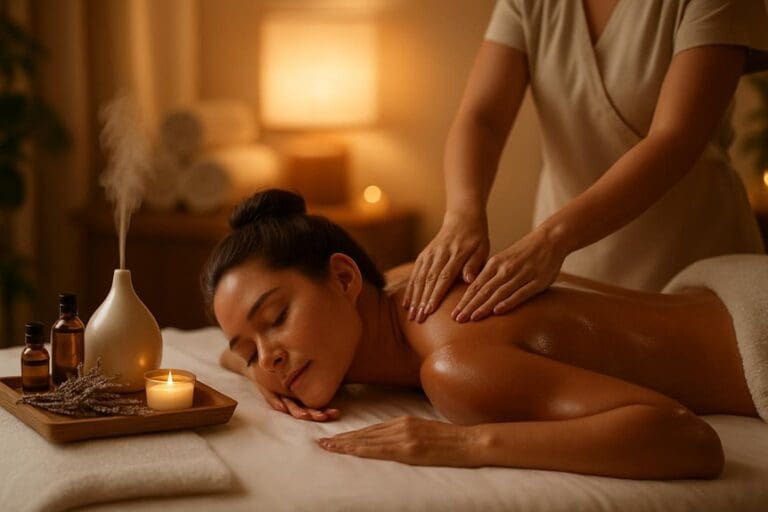
As practiced at Spa & Massage clinics, targets deeper layers of muscle and connective tissue using deliberate, slow strokes and firm pressure. This technique is designed to address chronic tension, restricted movement, and areas of discomfort.
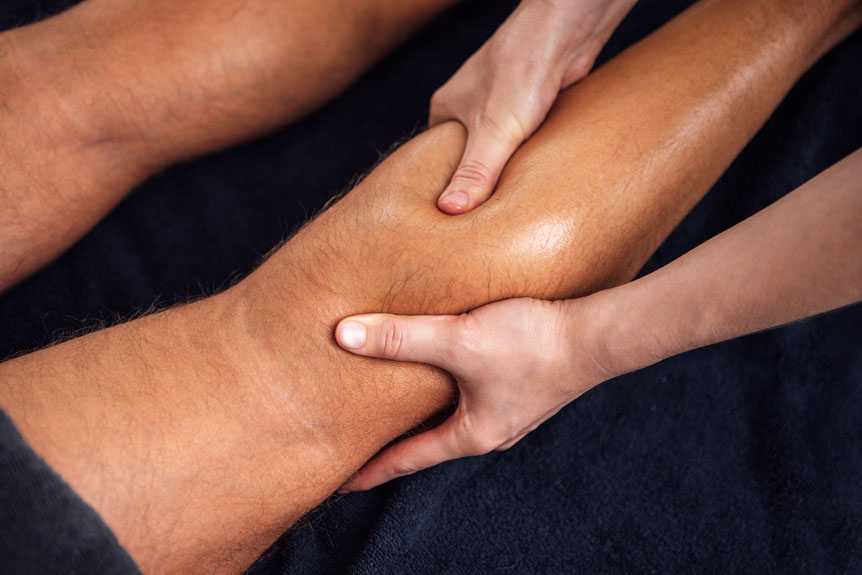
Physiologically, it promotes increased blood circulation, facilitating the delivery of oxygen and nutrients to targeted tissues. Clients often notice a reduction in muscle tightness and an enhanced feeling of relaxation following treatment.
Intensive tissue massage can also stimulate the lymphatic system, supporting natural detoxification processes.
Emotional well-being is nurtured, as the release of physical tension often invites a sense of calm and intimacy with one’s own body.
Spa & Massage therapists tailor each session to personal needs, ensuring ideal benefit. One of the most notable benefits of intensive tissue massage is its ability to alleviate discomfort and promote overall muscle health.
Immediate Aftercare: What Happens Right After Your Session
Immediately following a intensive tissue massage at Spa & Massage clinics, clients may notice a range of physical sensations, including mild soreness, increased warmth in the treated areas, or a lingering sense of relaxation. These responses are natural and indicate the body is adjusting to the therapeutic release of tension facilitated by our experienced therapists.
At this stage, gentle hydration is recommended to support the body’s natural detoxification process and help maintain tissue suppleness. Clients often appreciate taking a few quiet moments in our calming lounge areas, allowing their minds and bodies to fully absorb the benefits.
Our therapists suggest avoiding sudden or vigorous movement immediately post-session, encouraging clients to listen closely to their bodies and savour the subtle afterglow that follows a carefully tailored massage experience.
Why Your Body Needs Time to Recover
Following the initial period of relaxation and physical adjustment after a intensive tissue massage at Spa & Massage, the body enters a phase where it begins to repair and recalibrate.
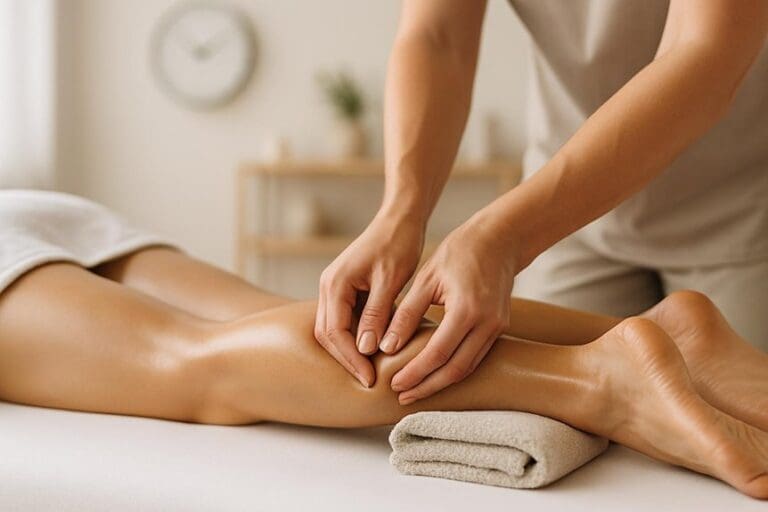
Deep tissue techniques intentionally target muscles, fascia, and connective tissues, creating micro-traumas that prompt the body’s natural healing processes.
During this recovery window, circulation increases, aiding in the removal of metabolic waste and facilitating nutrient delivery to tissues.
The nervous system also shifts toward a restorative state, helping to reduce inflammation and support muscular repair.
By allowing time for these processes, clients maximise the therapeutic benefits of their session.
Rushing into physical activity can disrupt this delicate balance, potentially reducing the effectiveness of the massage and increasing the risk of soreness or fatigue.
Recommended Waiting Period Before Exercising
While individual recovery times can vary, Spa & Massage therapists generally advise waiting at least 24 hours before engaging in vigorous exercise after a intensive tissue massage.
This recommendation is based on clinical observations and the understanding that intense massage techniques create micro-changes in muscle tissue, requiring time for the body to adjust and repair.
Allowing this interval can help reduce the likelihood of muscle soreness, inflammation, or fatigue, supporting the full therapeutic benefit of the treatment.
For clients seeking ideal results, Spa & Massage encourages gentle movement, hydration, and mindful body awareness during this period.
Types of Exercises to Avoid After Intensive Tissue Massage
After a intensive tissue massage, certain types of exercise are best postponed to prevent undue strain on recently treated muscles.
High-intensity workouts, such as heavy weightlifting, vigorous cardiovascular training, and intense interval sessions, can increase muscle fatigue and counteract the therapeutic effects of the massage.
Likewise, activities involving sudden or forceful movements—such as contact sports or plyometrics—may elevate the risk of muscle soreness or minor injury.
At Spa & Massage, therapists advise clients to avoid exercises that target the same muscle groups addressed during treatment, as these tissues require time to recover and regenerate.
This approach supports the body’s natural healing processes and helps maximize the benefits of each session, ensuring that clients continue to feel cared for and supported on their wellness journey.
Safe Physical Activities to Consider Post-Massage

Which activities are gentle enough to support the body’s recovery after a intensive tissue massage? Spa & Massage therapists recommend light, low-impact movements that encourage circulation without overtaxing the muscles.
Walking at a relaxed pace offers a simple way to keep the body moving while allowing tissues to recover.
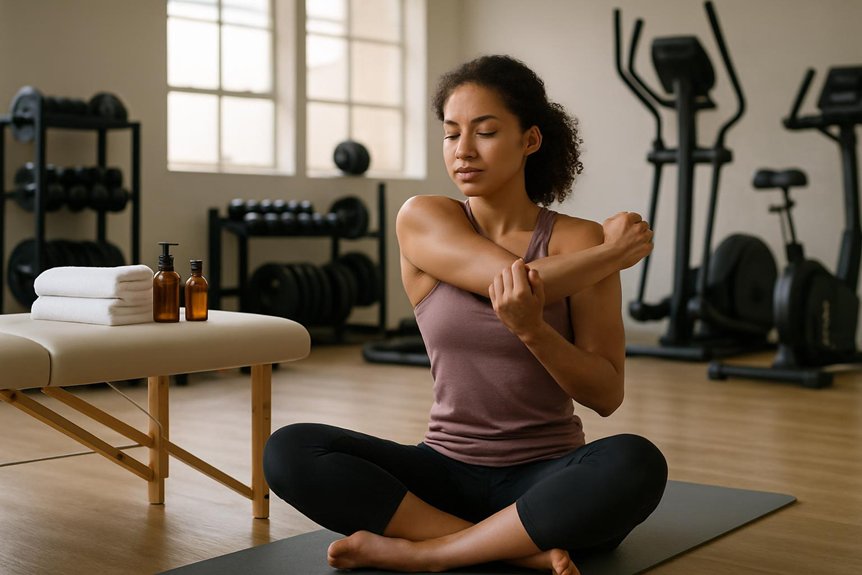
Gentle stretching or yoga—focusing on slow, mindful movements—can help maintain flexibility and prevent stiffness.
Deep breathing exercises, often integrated into our aftercare guidance, further enhance relaxation and promote oxygen flow to newly released muscles.
Clients at Spa & Massage are often advised to listen to their bodies and choose activities that feel nurturing rather than strenuous.
These practices align with our philosophy of supporting long-term wellness and ensuring every client’s recovery is as restorative as possible.
Recognising Signs Your Body Isn’t Ready for Exercise
Although gentle movement can be beneficial following a intensive tissue massage, it is essential to recognise when the body requires more time to recover before resuming exercise.
Common signs include lingering soreness, unusual fatigue, dizziness, or persistent muscle tenderness.
At Spa & Massage, therapists emphasise tuning into these signals as the body’s way of requesting additional rest and healing.
Swelling, excessive sensitivity to touch, or decreased range of motion also indicate the need for further recovery.
Ignoring these cues may delay healing or increase the risk of minor injuries.
Clients are encouraged to honour their body’s feedback and take a mindful approach, allowing muscles to fully benefit from therapeutic work.
Listening closely to these signals supports ideal well-being and long-term physical resilience.
Tips for Easing Back Into Your Fitness Routine
When returning to exercise after a intensive tissue massage, it is important to listen to the body’s signals and avoid pushing through any lingering discomfort.
Spa & Massage therapists recommend starting with gentle movements, allowing the muscles to gradually adjust.
Prioritising hydration and adequate rest also supports ideal recovery and long-term wellness.
Listen to Your Body
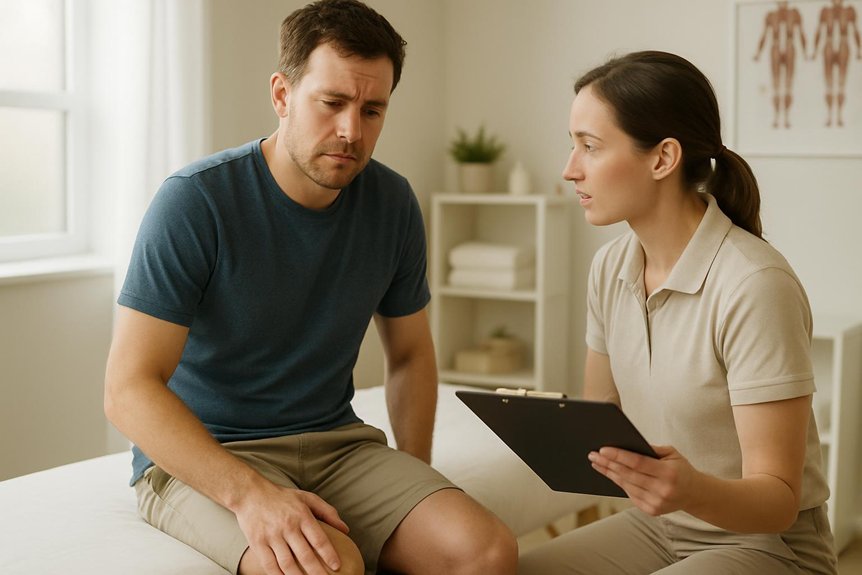
After a intensive tissue massage, it is essential to pay close attention to the body’s signals before resuming a fitness routine. The expert therapists at Spa & Massage comprehend that each individual responds differently to treatment.
Common sensations following a session can include mild soreness, increased relaxation, or heightened body awareness. These are natural responses as muscle tension is released and circulation improves.
It is important to notice any lingering discomfort or unusual fatigue—signs that the body may need more time to recover. Spa & Massage recommends taking note of subtle cues such as stiffness, tenderness, or overall energy levels.
Respecting these signals not only supports the healing process but also ensures that the benefits of massage are fully integrated into overall wellbeing.
Start With Gentle Movements
Once the body has had time to process the effects of a intensive tissue massage, gentle movements are advised as the first step toward resuming physical activity.
At Spa & Massage, therapists encourage clients to begin with light stretches, walking, or slow-paced yoga to help reintroduce movement without overwhelming the muscles. This approach allows the tissues, which may be tender or slightly inflamed post-massage, to adapt gradually and safely.
Gentle activity supports circulation, helping to disperse metabolic byproducts released during the massage, while minimising the risk of strain or discomfort.
Clients often find that these mindful movements enhance their sense of relaxation and bodily awareness, reflecting Spa & Massage’s holistic philosophy and commitment to nurturing both body and mind throughout the recovery process.
Prioritise Hydration and Rest
A key element in safely easing back into a fitness routine following a intensive tissue massage is prioritising both hydration and adequate rest.
Intensive tissue massage stimulates circulation and encourages the release of metabolic waste from muscles, making it essential to replenish fluids. At Spa & Massage, therapists advise clients to drink water consistently after treatment to support the body’s natural recovery and reduce the risk of soreness.
Equally, rest allows muscles to repair and adapt to the effects of massage, enhancing the benefits of both massage and subsequent exercise. Clients are encouraged to listen closely to their bodies and avoid rushing into strenuous activity.
Allowing time for recovery not only safeguards against injury but also guarantees lasting improvements in flexibility, mobility, and overall wellbeing.
How Regular Massage Can Support Your Exercise Goals
Why is regular massage increasingly recognised as a valuable component of an effective exercise routine?
Consistent massage therapy, such as the treatments offered at Spa & Massage, supports exercise goals by enhancing muscle recovery, improving flexibility, and reducing the risk of injury.
Evidence suggests that regular deep tissue or sports massage can decrease muscle tension, promote circulation, and accelerate the removal of metabolic waste, enabling individuals to train more efficiently and comfortably.
In our clinics, therapists tailor sessions to address unique physical demands, ensuring ideal support for each client’s fitness aspirations.
Clients often report heightened body awareness, improved performance, and a deeper sense of relaxation, which fosters motivation for ongoing activity.
Integrating massage into a fitness regimen not only nurtures the body but also sustains long-term exercise engagement.
Conclusion
Balancing the urge to jump back into exercise with the need for recovery after a intensive tissue massage is vital. While the body feels both liberated from tension and newly sensitive, respecting this delicate equilibrium promotes healing rather than harm. By allowing time for muscles to recover, clients transform temporary vulnerability into lasting strength. Ultimately, a thoughtful approach—guided by professional advice—ensures that the benefits of intensive tissue massage and exercise work hand-in-hand for maximum wellness.