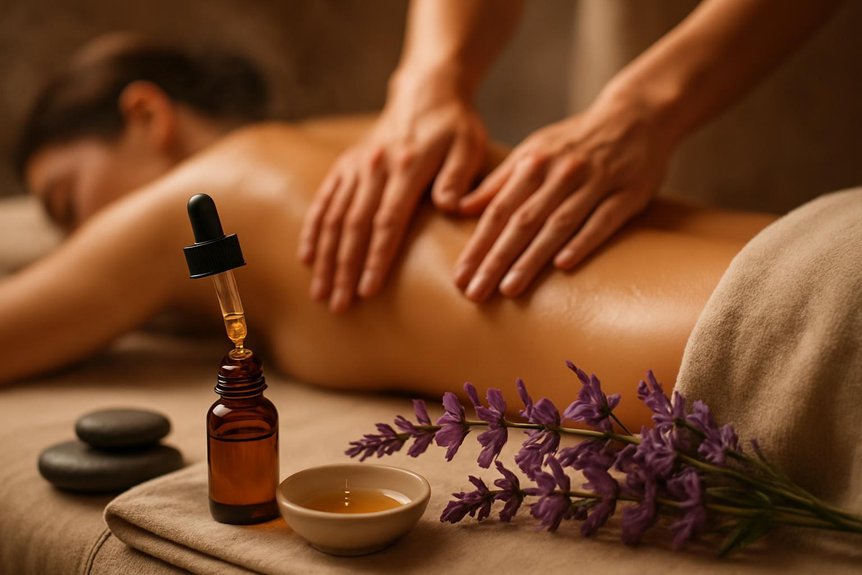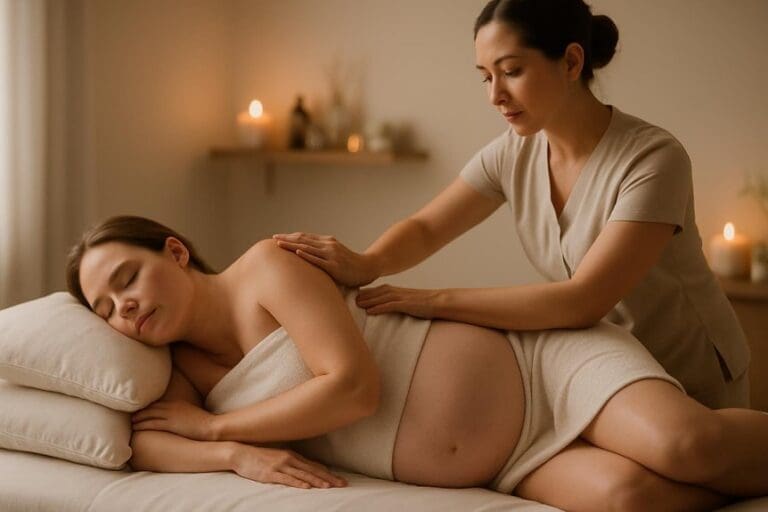
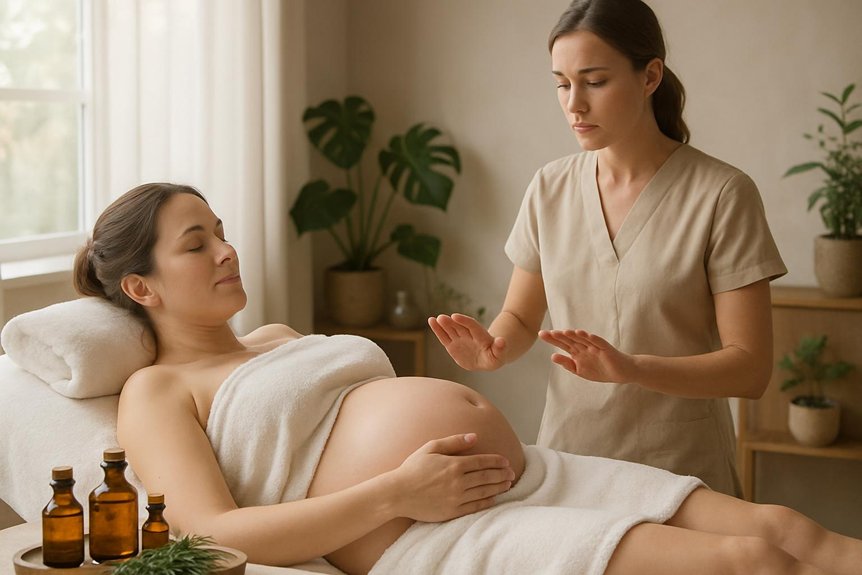
Pregnancy is a contraindication to aromatic massage due to physiological changes that increase skin permeability, systemic absorption, and allergenic sensitivity. Essential oils contain bioactive compounds, some with uterotonic or fetotoxic effects, which may cross the placental barrier and risk adverse outcomes like premature labor or allergic reactions. Elevated maternal circulation and hormone-driven changes further amplify systemic exposure and unpredictable sensitivities. Proper understanding of these risks and safer alternatives offers vital insight into protecting maternal and fetal health.
Understanding Aromatherapy Massage
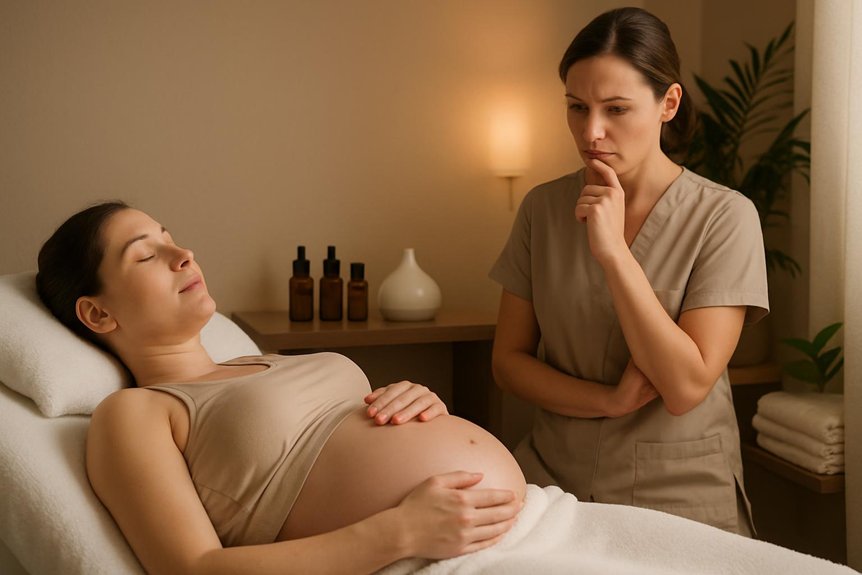
How does it function within a clinical framework? It integrates manual therapy techniques with the application of plant-derived essential oils, aiming to modulate physiological and psychological states.
In a clinical setting such as Spa & Massage, therapists employ evidence-based protocols to assess client needs and tailor both the massage technique and essential oil selection accordingly. The therapist’s methodical touch, synchronized with the aromatic compounds, is designed to promote relaxation, alleviate stress, and enhance overall wellbeing.
A detailed consultation precedes each session to ensure the intervention aligns with individual health status and preferences. Stringent hygiene and safety standards are maintained, reflecting best practice.
The therapist’s skilled presence fosters an environment of trust and intimacy, supporting both physical and emotional comfort throughout the client’s therapeutic experience. Many practitioners recommend aromatic massage as an effective approach to relax and heal due to its unique blend of tactile and olfactory stimulation.
How Essential Oils Interact With the Body
Upon topical application during massage, essential oils interact with the body through both dermal absorption and olfactory pathways.
Lipophilic molecules penetrate the stratum corneum, entering systemic circulation where they may modulate physiological processes such as neurotransmitter activity, hormone regulation, or immune response.
Simultaneously, volatile compounds stimulate olfactory receptors, transmitting signals to the limbic system, potentially influencing mood and emotional state.
At Spa & Massage clinics, therapists employ meticulously diluted essential oils, respecting individual tolerances and sensitivities.
The dual action—cutaneous and inhalational—creates an immersive sensory experience while eliciting localized and systemic effects.
This integrative mechanism underpins the carefully curated aromatic massage treatments offered, emphasizing safety, efficacy, and client wellbeing.
Understanding these complex interactions informs the expert approach adopted by Spa & Massage practitioners.
Pregnancy: Unique Physiological Changes
Throughout gestation, the maternal body undergoes extensive physiological adaptations involving the cardiovascular, endocrine, musculoskeletal, and integumentary systems. Blood volume increases markedly, placing additional demands on cardiac output and vascular tone.
Hormonal shifts, particularly elevated progesterone and relaxin, lead to ligamentous laxity and joint instability, as well as alterations in skin elasticity and fluid retention.
These changes often manifest as increased susceptibility to edema, muscle strain, and back pain. The integumentary system may display heightened sensitivity, making the skin prone to irritation or allergic responses.
At Spa & Massage, our therapists understand these nuanced adaptations, taking care to tailor any touch-based therapy to the evolving needs of pregnant clients.
This clinical awareness ensures comfort, safety, and a nurturing environment during every stage of pregnancy.
Potential Risks of Essential Oils During Pregnancy
During pregnancy, certain essential oils may pose risks due to transdermal absorption, potential uterine stimulation, and heightened susceptibility to allergic or sensitivity reactions.
Clinical guidelines recommend careful selection and dilution of aromatherapy agents to minimize these concerns.
At Spa & Massage, therapists are trained to assess each client’s needs and utilize only those essential oils considered safe for prenatal use.
Essential Oil Absorption Concerns
A critical consideration in aromatic massage for pregnant individuals is the transdermal absorption of essential oils and their potential systemic effects. When applied during massage, essential oil molecules can penetrate the stratum corneum and enter systemic circulation. This raises concerns about maternal and fetal exposure.
Certain essential oils contain compounds—such as terpenes and phenols—that may cross the placental barrier, with unknown implications for fetal development.
At Spa & Massage, therapists exercise utmost caution, favoring pregnancy-safe carrier oils and omitting essential oils unless clinically indicated and approved.
The physiological changes during pregnancy, including altered skin permeability and increased blood flow, can further affect absorption rates.
Uterine Stimulation Risks
Consideration of systemic absorption naturally extends to the potential for certain essential oils to induce uterine stimulation when used in aromatic massage for pregnant individuals.
Some essential oils—such as clary sage, rosemary, and juniper—contain bioactive constituents that may interact with uterine smooth muscle, potentially triggering contractions.
Clinical literature identifies a theoretical risk of premature labor or miscarriage if these oils are applied topically and absorbed transdermally during pregnancy, particularly in the first and second trimesters.
At Spa & Massage, therapists are trained to avoid essential oils with known uterotonic properties in pregnancy.
Instead, gentle, unscented base oils are prioritized to support relaxation without risk.
This tailored approach underscores a commitment to maternal safety, nurturing well-being while respecting the delicate physiology of pregnancy.
Allergy and Sensitivity Reactions
How frequently do hypersensitivity reactions complicate the use of essential oils in pregnancy? Clinical evidence indicates that the risk of allergy and sensitization to essential oils is heightened during pregnancy due to immunological and hormonal changes.
Manifestations may range from localized contact dermatitis to systemic responses such as urticaria or, rarely, anaphylaxis. Certain essential oils—particularly citrus, lavender, or tea tree—contain potent allergens that can penetrate the skin barrier more readily in pregnant individuals.
At Spa & Massage, therapists prioritize safety by conducting thorough consultations and utilizing hypoallergenic, pregnancy-safe oils. However, even with these precautions, unpredictable reactivity remains a concern.
For this reason, aromatic massage is generally contraindicated during pregnancy, ensuring maternal and fetal wellbeing while respecting the unique physiological sensitivities present during this time.
Absorption and Sensitivity in Expectant Mothers
During pregnancy, physiological adaptations such as increased skin permeability and fluctuating hormonal levels may alter maternal responses to topical agents, including essential oils. These changes can heighten cutaneous absorption and sensitivity.
This potentially amplifies both therapeutic and adverse effects. At Spa & Massage, therapists account for these factors to optimise safety and minimise the risk of irritation or systemic effects during aromatic massage for expectant mothers.
Increased Skin Permeability
A notable physiological change in pregnancy is the increased permeability of the skin, which enhances both absorption and sensitivity to topical substances, including essential oils used in aromatic massage. This heightened permeability is attributed to elevated blood flow, altered skin barrier function, and changes in connective tissue structure.
As a result, expectant mothers may experience a more pronounced dermal uptake of compounds, leading to potentially unpredictable systemic exposure. At Spa & Massage, therapists exercise heightened caution, recognizing that even diluted essential oils can penetrate deeper and provoke unexpected cutaneous or systemic responses.
This sensitivity underscores the importance of careful oil selection and conservative dosing during treatments. The clinic’s approach prioritizes both maternal and fetal safety, ensuring that every aspect of care reflects current clinical understanding and best practices.
Hormonal Changes Impact
Remarkably, the dynamic hormonal milieu of pregnancy exerts significant influence on both cutaneous absorption and sensory responsiveness to topical agents.
Elevated levels of estrogen and progesterone alter skin structure, increasing vascularity and permeability, thereby facilitating enhanced transdermal passage of substances.
Simultaneously, these hormonal shifts sensitize peripheral nerve endings, heightening the expectant mother’s responsiveness to olfactory and tactile stimuli.
At Spa & Massage, therapists recognize that such physiological changes could amplify both the intended and unintended effects of aromatic massage.
Even familiar essential oils or carrier bases may provoke unanticipated dermal or systemic responses due to altered absorption kinetics and heightened sensitivity.
For this reason, our clinics emphasize individualized assessment, gentle techniques, and strict adherence to evidence-based protocols when supporting the wellbeing of pregnant clients.
Essential Oil Risks
Heightened vascularity and increased skin permeability in pregnancy directly influence the pharmacokinetics of essential oil constituents applied topically. Transdermal absorption is enhanced, which can lead to greater systemic exposure and unpredictable plasma concentrations of active compounds.
Certain essential oils contain terpenes and phenolic substances known to cross the placental barrier, raising concerns regarding fetotoxicity or teratogenic effects, especially during organogenesis.
Additionally, immunological shifts during gestation predispose expectant mothers to heightened dermal sensitivity, increasing the risk of allergic reactions or dermatitis.
At Spa & Massage, therapists are acutely aware of these risks and strictly avoid essential oils contraindicated in pregnancy, prioritising maternal and fetal safety. Instead, gentle, unscented massage mediums are used, supporting comfort and well-being without compromising safety during this intimate stage of life.
Safe Practices and Alternatives at Spa & Massage
With a commitment to perinatal safety and therapeutic efficacy, Spa & Massage adheres to strict protocols when delivering aromatherapy and massage treatments during pregnancy. The selection of essential oils is meticulously restricted, with only those demonstrated to be non-teratogenic and non-irritant utilised under expert supervision.
Dilution ratios are precisely calibrated to minimise systemic absorption, reducing the potential for adverse maternal or fetal outcomes.
For clients seeking relaxation without risk, Spa & Massage offers pregnancy-specific massage modalities that omit essential oils entirely, focusing on gentle manual techniques to alleviate musculoskeletal discomfort and promote circulation.
Positioning is carefully adapted to avoid uterine compression, and all interventions are governed by continuous risk assessment.
This approach ensures a nurturing yet clinically robust environment for expectant clients prioritising both safety and therapeutic benefit.
Professional Guidelines Followed by Our Therapists
In accordance with current clinical standards, therapists at Spa & Massage implement evidence-based protocols when providing aromatherapy and massage treatments to pregnant clients. Each practitioner receives ongoing training in maternal health, contraindications, and essential oil pharmacology.
Therapists meticulously review client health histories, gestational age, and any presenting conditions before recommending or administering treatments.
It is contraindicated in pregnancy due to variable maternal-fetal responses to essential oils and the limited safety data supporting their use during this period.
Spa & Massage therapists adhere strictly to guidelines established by governing bodies and professional associations, ensuring all interventions prioritize maternal and fetal safety.
This commitment to rigorous professional standards reflects the clinic’s dedication to fostering trust, safety, and comfort for every expectant client seeking care.
Supporting Wellbeing in Pregnancy Without Aromatherapy
Given the strict contraindications regarding aromatherapy during pregnancy, Spa & Massage prioritizes alternative evidence-based modalities to enhance maternal wellbeing.
Prenatal massage, administered by therapists trained in pregnancy-specific techniques, is utilized to alleviate musculoskeletal discomfort, reduce stress hormones, and promote circulatory efficiency. Positioning adjustments and specialized bolstering ensure maternal and fetal safety throughout each session.
Reflexology, another modality frequently recommended, targets specific pressure points to support relaxation and ease common pregnancy-related symptoms, such as edema and insomnia.
The clinic’s approach emphasizes the use of unscented, hypoallergenic oils to avoid potential sensitization or adverse reactions.
Spa & Massage’s therapists provide tailored aftercare advice, focusing on hydration, gentle movement, and self-care strategies, fostering a nurturing environment that supports emotional and physical health during pregnancy.
Conclusion
Amidst the gentle hush of a tranquil spa room, the invisible currents of essential oils may seem benign, yet for the expectant mother, these aromatic compounds can silently traverse physiological barriers, posing unpredictable risks. Recognizing the heightened absorption, altered hormonal milieu, and increased maternal sensitivity, Spa & Massage prioritizes evidence-based caution. By abstaining from aromatherapy during pregnancy, therapists ensure that both mother and unborn child are enveloped not in uncertainty, but in the assured safety of clinical best practices.