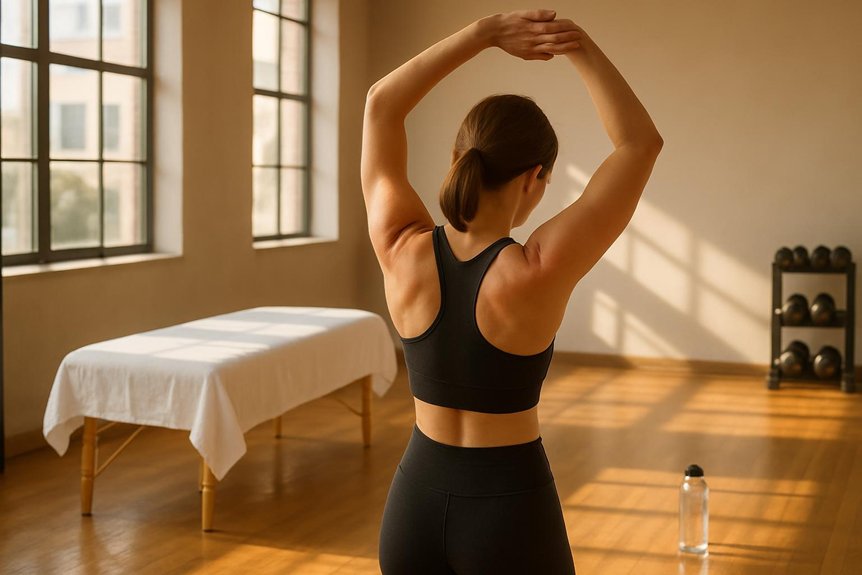
Exercising immediately after a intensive tissue massage is not advised. The body needs at least 24 hours to recover and fully absorb the therapeutic effects, as massage increases circulation and may temporarily heighten muscle sensitivity. Engaging in intense activity too soon can prolong soreness or hinder healing. Clients should wait until any soreness fades, and movement feels easy before returning to vigorous exercise. To explore the safest ways to shift from massage to physical activity, consider what follows below.
Understanding How It Affects Your Body
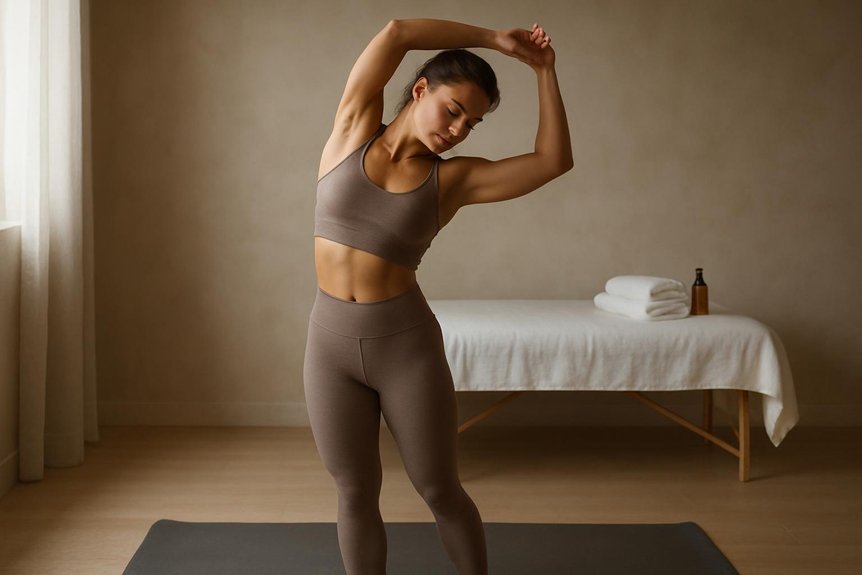
Although often sought for relief from muscle tension and discomfort, deep tissue massage initiates a series of physiological responses within the body.
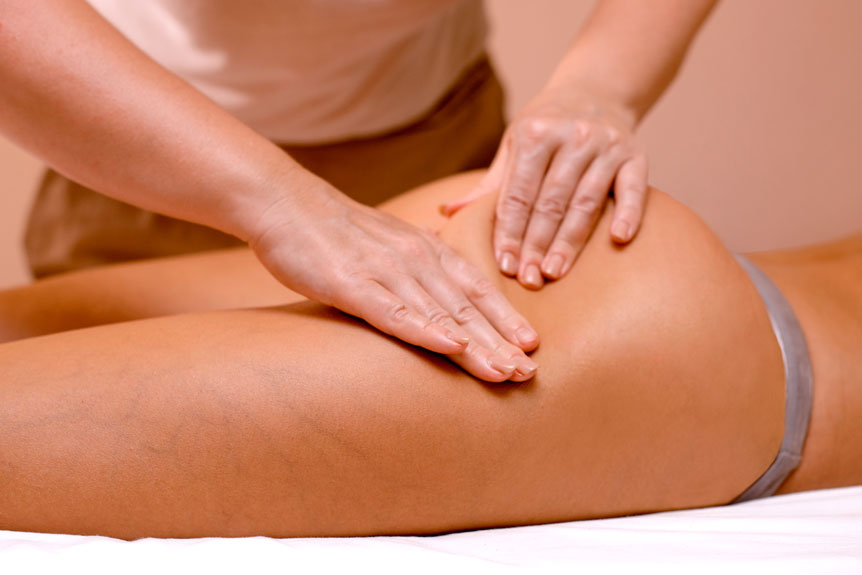
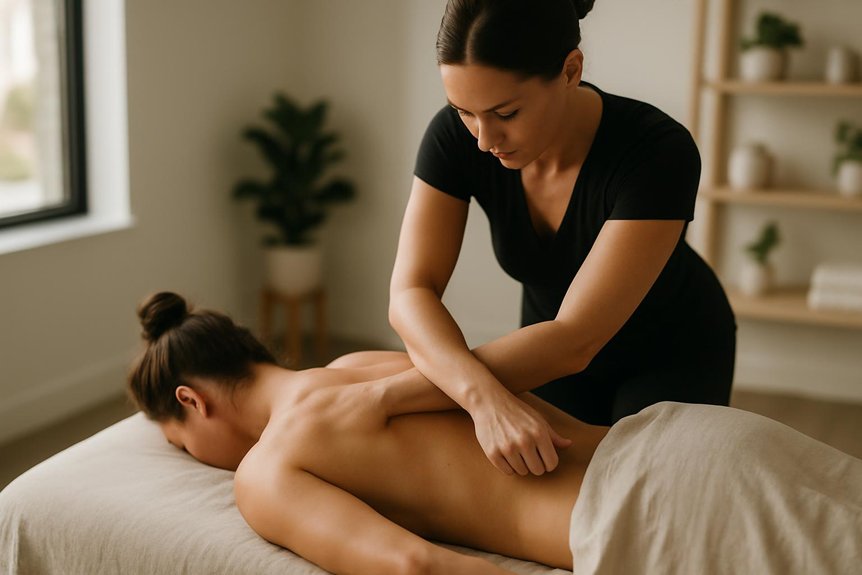
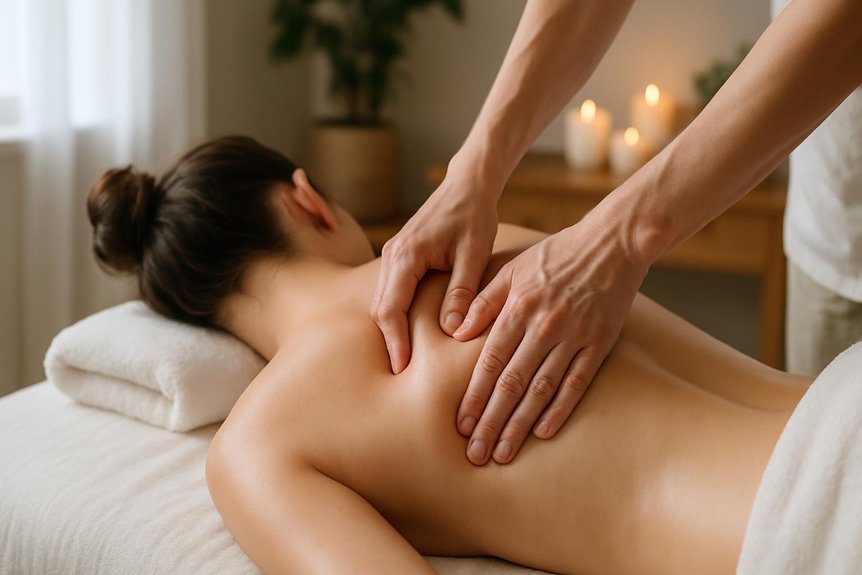
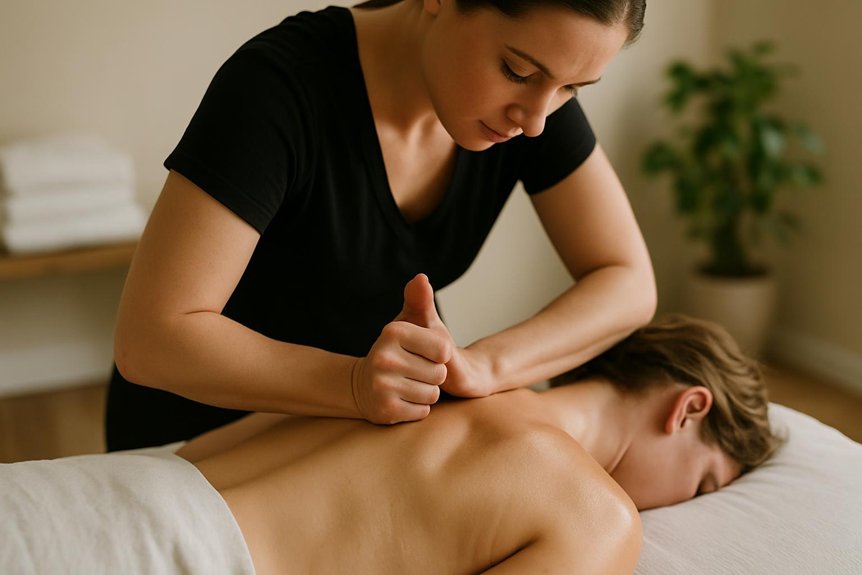
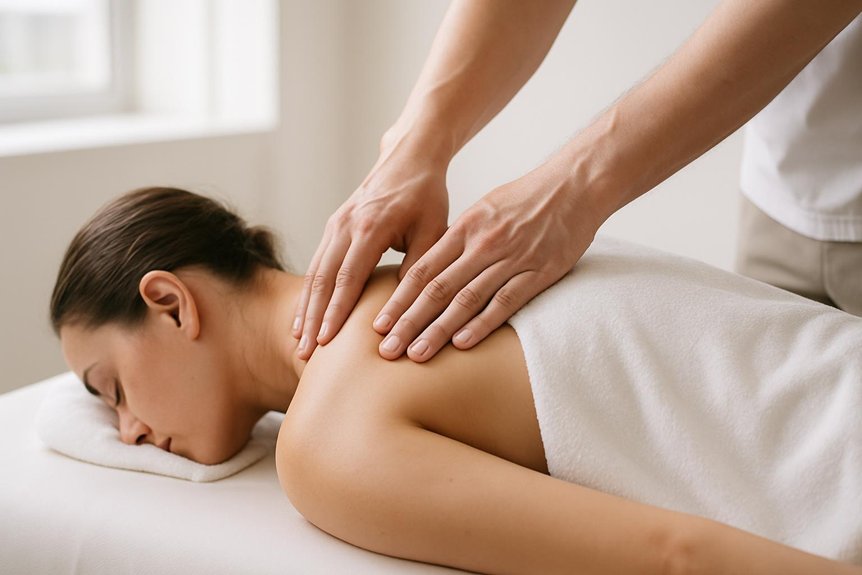
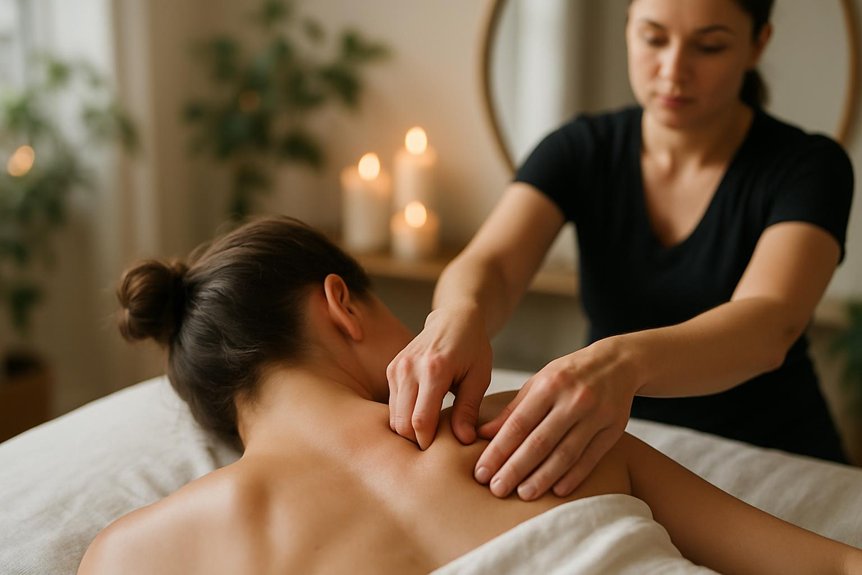
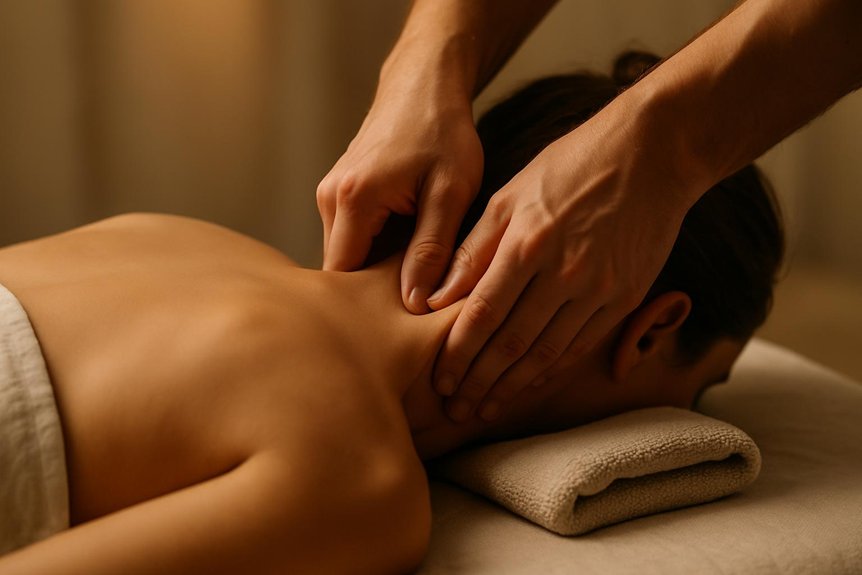
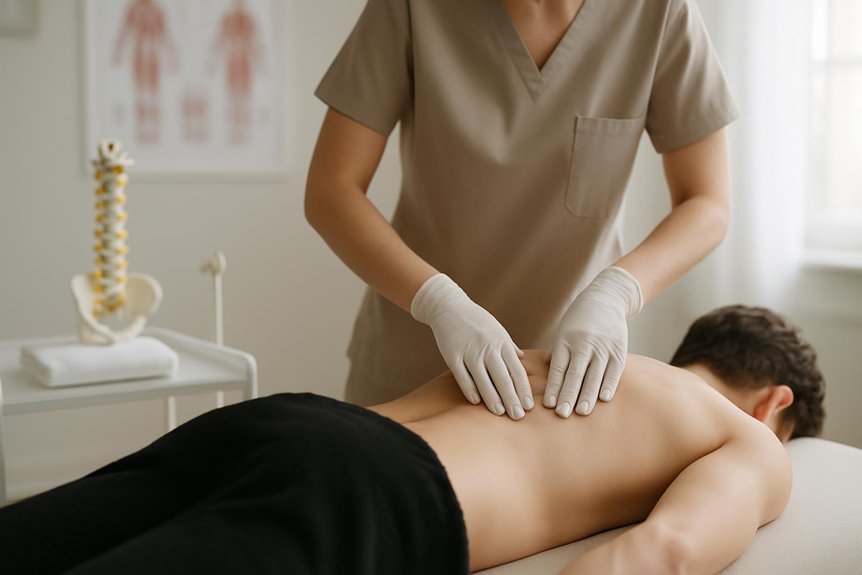
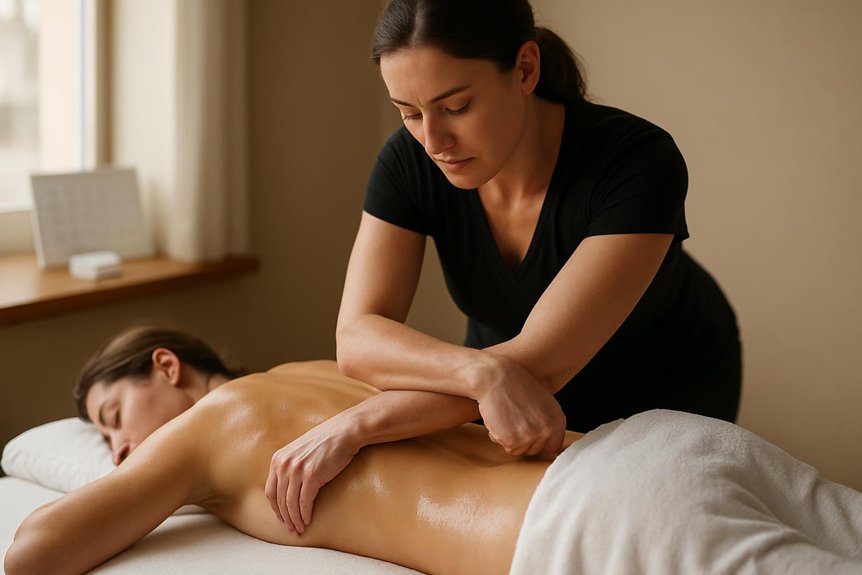
At Spa & Massage clinics, skilled therapists apply targeted pressure to deeper muscle layers, which promotes increased circulation and the release of metabolic waste. This process can temporarily heighten blood flow, reduce muscular adhesions, and support the body’s natural healing mechanisms.
Many clients notice a sense of lightness and relaxation, as well as localized soreness akin to the aftermath of rigorous physical activity. The body’s connective tissues respond by softening, and stress hormone levels may decrease, contributing to overall emotional calm.
These effects are not only physical but can foster a profound sense of connection to one’s own body and wellbeing. Intensive tissue massage offers unique benefits and techniques designed specifically to address chronic tension and enhance recovery.
Recommended Waiting Period Before Exercising
Following a intensive tissue massage, Spa & Massage therapists generally advise clients to allow their bodies sufficient time to recover before engaging in vigorous exercise. This waiting period is typically recommended to be at least 24 hours.
This is because the massage process deeply manipulates muscle fibers and connective tissues, which may increase circulation and temporarily heighten muscle sensitivity. Allowing this time supports ideal healing, helps prevent excessive soreness, and maximizes the therapeutic benefits received during the session.
At Spa & Massage clinics, therapists emphasize the importance of honoring the body’s need for rest and integration, ensuring that clients experience the full restorative potential of their treatment.
Signs Your Body Is Ready for Physical Activity
After observing the recommended waiting period post-massage, individuals may wonder how to determine if they are truly ready to resume physical activity. Spa & Massage therapists advise paying close attention to the body’s subtle cues.
Absence of deep soreness, lingering fatigue, or increased sensitivity in the treated areas are positive indicators. The skin should feel cool, not flushed or inflamed, and joints should move freely without stiffness.
Energy levels should feel stable and refreshed, not sluggish. At Spa & Massage, clients are encouraged to gently stretch and assess mobility—if movements feel fluid and pain-free, this is a strong sign of readiness.
Ultimately, the body’s quiet sense of equilibrium and comfort is the most reliable guide before easing back into any physical routine.
Best Post-Massage Activities to Support Recovery
Which activities best nurture the body’s recovery following a intensive tissue massage? Gentle, restorative movements are strongly recommended.
At Spa & Massage, therapists encourage clients to engage in light walking, gentle stretching, or mindful breathing exercises. These activities facilitate circulation, support lymphatic drainage, and help integrate the therapeutic benefits of the massage.
Hydration is essential—drinking water assists in flushing out metabolic byproducts released during deep tissue work.
Some clients find that soaking in a warm bath or using a heated compress provides additional comfort and aids muscle relaxation.
Rest remains paramount; allowing the body quiet time amplifies the effects of treatment.
Tips From Our Therapists for Safe Exercise After Massage
While the invigorating effects of intensive tissue massage can inspire a sense of renewed energy, Spa & Massage therapists advise a mindful approach to resuming physical activity. They recommend allowing the body several hours to assimilate the therapeutic benefits—hydration, gentle stretching, and rest are prioritised during this period.
If exercise is desired, therapists suggest starting with low-impact activities, such as walking or light yoga, rather than intense cardio or strength training.
At Spa & Massage clinics, therapists encourage clients to listen closely to their bodies, paying attention to any lingering tenderness or fatigue.
Should signs of discomfort persist, additional recovery time is advised.
This client-centred approach guarantees that the positive effects of massage are preserved, while minimising the risk of strain or injury post-treatment.
Conclusion
Like a freshly tuned instrument needing a moment before a concert, the body also requires time to recalibrate after a intensive tissue massage. Spa & Massage therapists often share that clients who wait 24 hours before resuming intense exercise report less soreness and improved performance. By listening to one’s body and following recommended guidance, individuals can harmonise recovery and activity—ensuring both their muscles and overall wellness perform at their best.