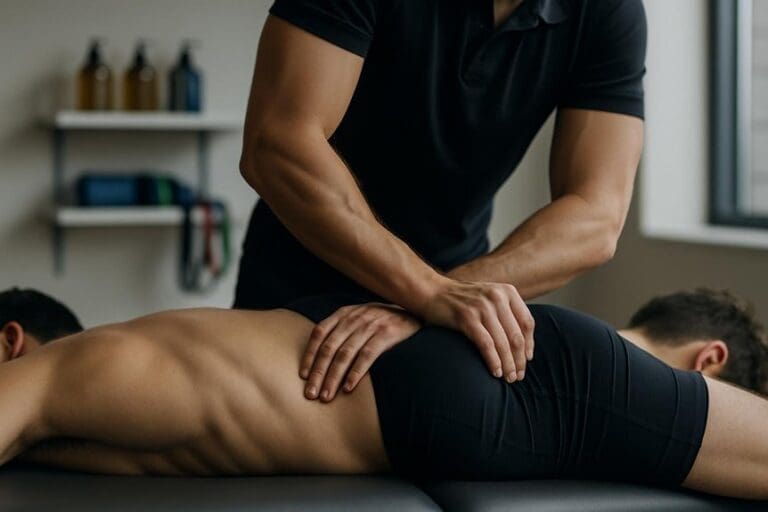
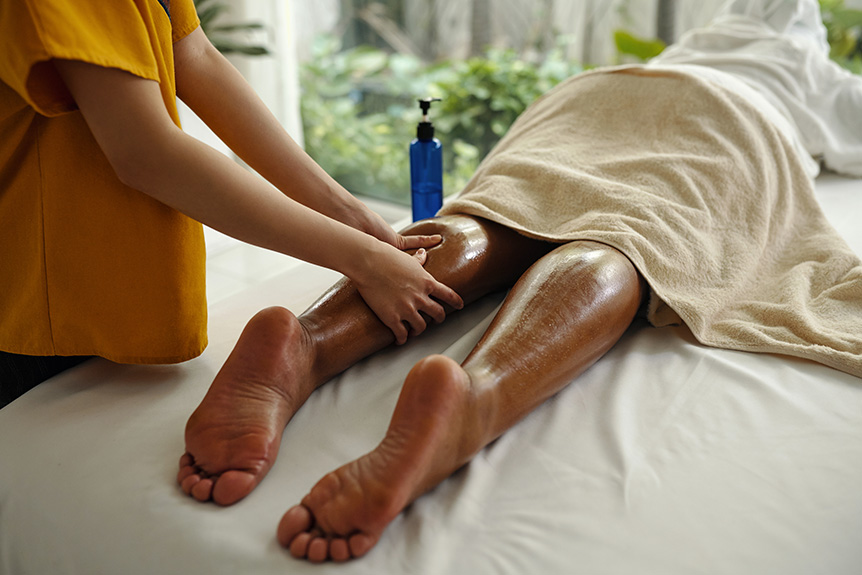
Aromatherapy complements sports massage by integrating essential oils that offer physiological and psychological benefits. The oils, selected for properties such as anti-inflammatory and muscle-relaxant effects, are blended into massage oils to enhance muscle recovery, reduce soreness, and support relaxation through both topical absorption and olfactory pathways. This multisensory approach also aids stress reduction and mental clarity, optimizing overall athletic performance and recovery. Further exploration provides insight into specific oils, practical techniques, and strategies for individualized benefits.
Understanding the Basics: What Is Aromatherapy in Sports Massage?
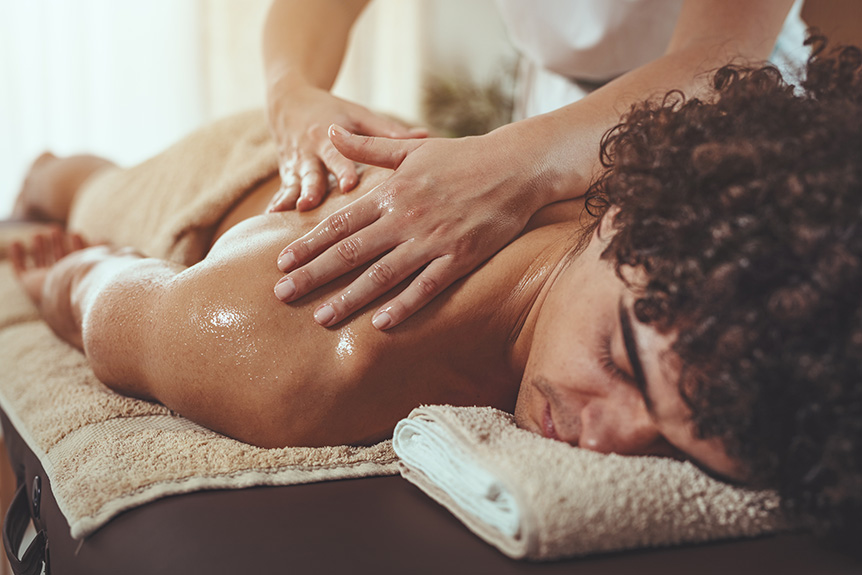
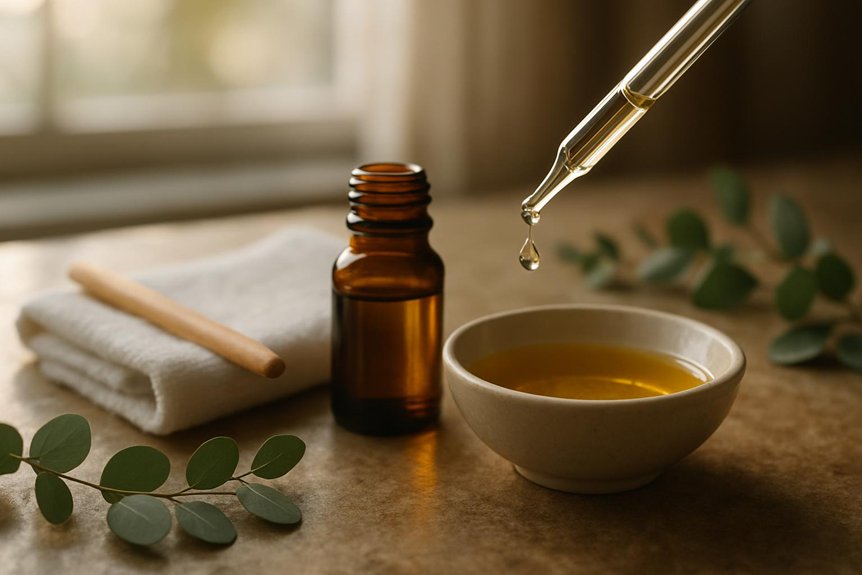
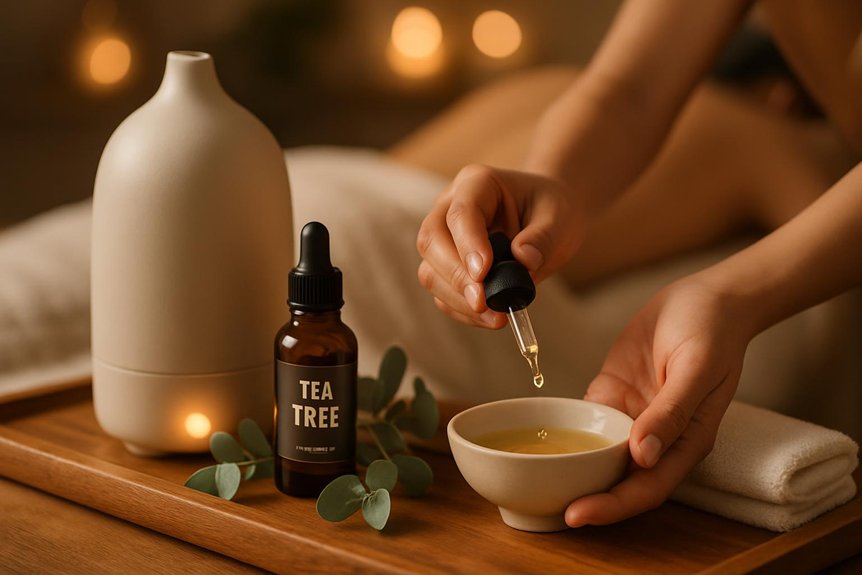
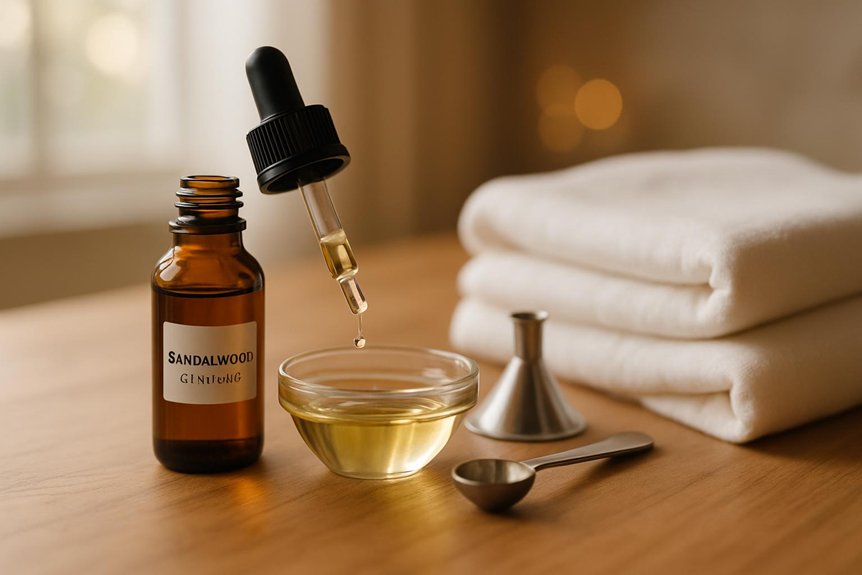
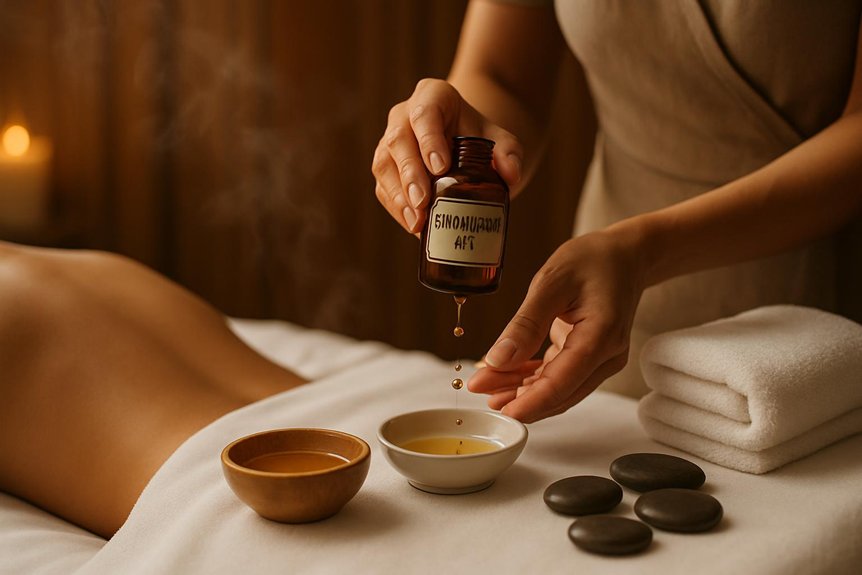
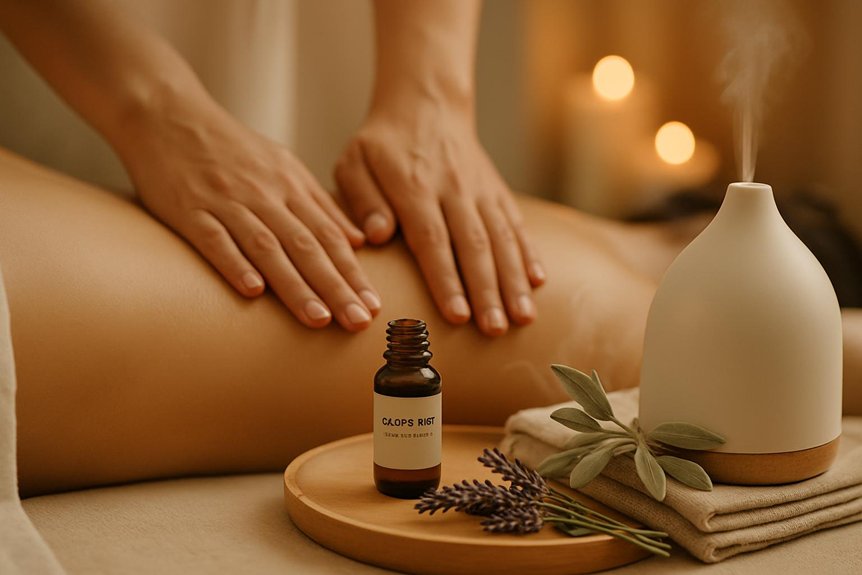
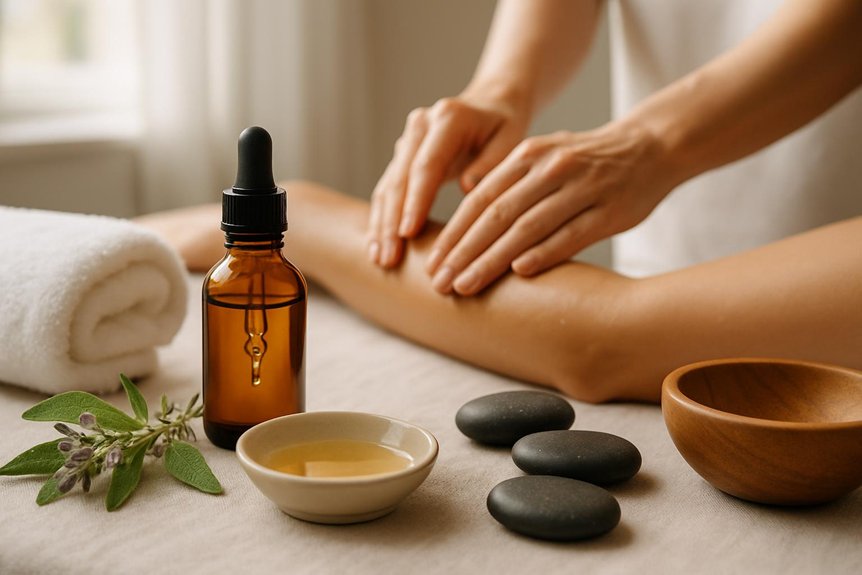
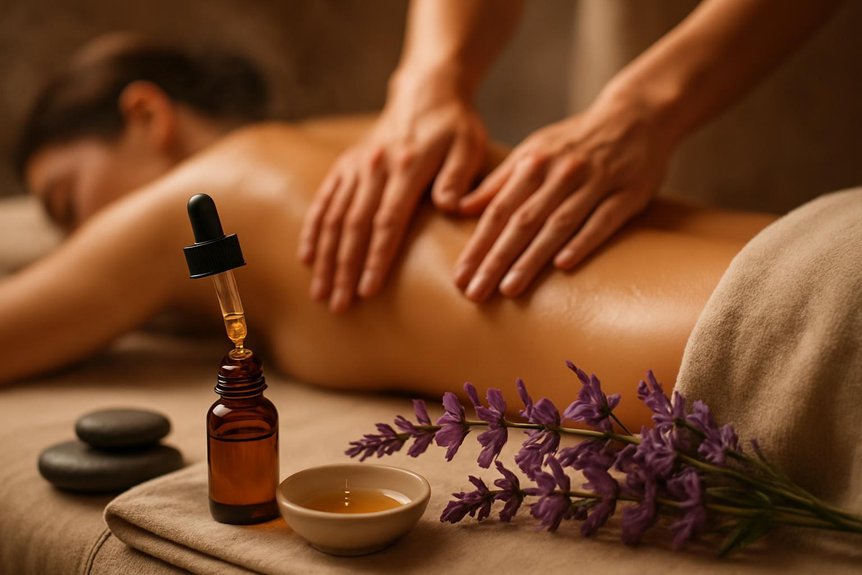
How does aromatherapy enhance the experience and outcomes of sports massage? Aromatherapy in sports massage involves the targeted application of essential oils, selected for their physiological and psychological effects, during manual therapy. At Spa & Massage clinics, therapists blend pure essential oils with carrier oils to support muscle relaxation, ease tension, and foster a sense of calm. The olfactory system’s direct connection to the limbic brain means essential oils can influence mood and stress response, while topical absorption provides localized benefits such as reduced muscle soreness. Therapists carefully assess each client’s preferences and needs, aligning oil selection with desired outcomes. This technical integration of aromatherapy with sports massage creates a multisensory environment, encouraging deeper relaxation and a more holistic, personalized experience that supports both physical recovery and emotional intimacy. For those seeking to relax and heal with aromatherapy massage, integrating these practices enhances both the physiological and psychological benefits of sports massage.
Key Benefits of Combining Aromatherapy With Sports Massage
Combining aromatherapy with sports massage yields a synergy of physiological and psychological benefits, enhancing both immediate and long-term outcomes for clients. Evidence indicates that targeted essential oil blends may help reduce muscle soreness, inflammation, and post-exercise fatigue when applied during massage.
This combination also supports improved circulation, facilitating more efficient metabolic waste removal and tissue repair. From a psychological perspective, the calming or invigorating properties of selected oils contribute to stress reduction, mental clarity, and emotional balance.
At Spa & Massage, therapists recommend this integrative approach for clients seeking a holistic recovery experience. The tailored application of aromatherapy within sports massage allows for a deeply personalized session, optimising relaxation, supporting injury prevention, and promoting overall wellbeing, all within a nurturing therapeutic environment.
Popular Essential Oils Used in Sports Massage at Spa & Massage
Which essential oils are most effective in supporting athletic recovery and performance?
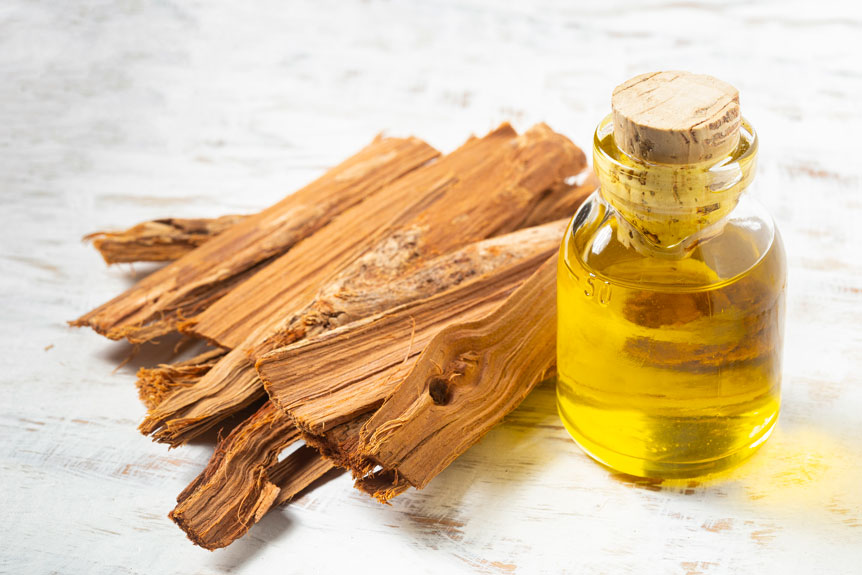
At Spa & Massage, therapists frequently incorporate essential oils such as lavender, eucalyptus, peppermint, and rosemary during sports massage sessions.
Lavender is valued for its calming and anti-inflammatory properties, which can help ease muscle tension post-exertion.
Peppermint oil, rich in menthol, provides a cooling sensation and has been shown to reduce discomfort and improve perceived muscle recovery.
Eucalyptus is recognized for its analgesic and anti-inflammatory effects, supporting relief from joint or muscle soreness.
Rosemary oil may enhance circulation and promote muscular relaxation, which is important for both pre- and post-activity care.
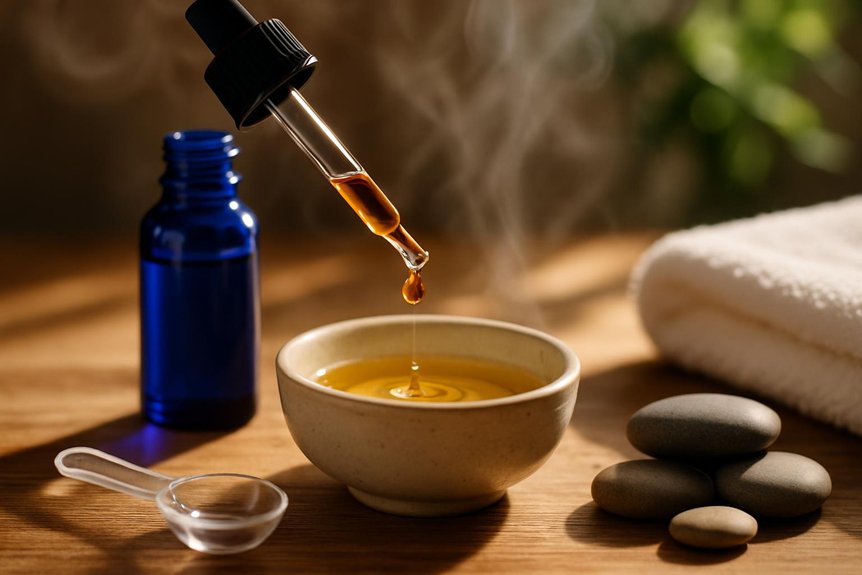
All essential oils used at Spa & Massage are carefully diluted to guarantee safety and excellent absorption while preserving the intimate, restorative experience clients expect.
How Aromatherapy Enhances Recovery and Performance
Effectively integrating aromatherapy into sports massage can optimize both physiological recovery and athletic performance.
Select essential oils, such as eucalyptus, lavender, and peppermint, offer evidence-based effects—anti-inflammatory, analgesic, and muscle-relaxant properties—that complement manual therapy.
When applied by skilled therapists at Spa & Massage, these oils can support vasodilation, encourage lymphatic drainage, and reduce post-exercise muscle soreness.
The olfactory stimulation from aromatherapy further modulates the stress response by lowering cortisol and promoting parasympathetic activity, fostering a restorative environment for both mind and body.
Practical application involves tailored oil blends to meet individual needs, enhancing the efficacy of each session.
This integrative approach guarantees that recovery is not only physical but emotionally supportive, deepening the client’s sense of well-being and readiness for future exertion.
Tips for Maximising Your Aromatherapy Sports Massage Experience
To maximise the benefits of an aromatherapy sports massage, several key strategies can be employed before, during, and after the session.
Pre-session, adequate hydration and clear communication of individual goals or sensitivities with the therapist at Spa & Massage are essential.
During the massage, clients are encouraged to focus on deep, diaphragmatic breathing, which enhances the absorption of essential oils and supports parasympathetic nervous system activation.
Selecting preferred aromatherapy blends—such as those targeting muscle recovery or emotional balance, as recommended by Spa & Massage therapists—can personalise results.
Post-session, gentle stretching and continued hydration facilitate metabolic waste removal and prolong muscular relaxation.
Practising mindfulness and allowing time for quiet reflection after the massage further amplifies the holistic effects, deepening both physical and emotional recovery.
Conclusion
In conclusion, integrating aromatherapy with sports massage at Spa & Massage is akin to upgrading from a telegram to instant messaging—precision and efficacy are particularly enhanced. Evidence suggests that targeted essential oils, when combined with expert manual techniques, accelerate muscle recovery, decrease stress biomarkers, and improve subjective well-being. Clients seeking ideal performance and recovery are advised to communicate goals clearly with therapists, ensuring treatments are tailored to individual physiological and psychological needs for maximized therapeutic outcomes.