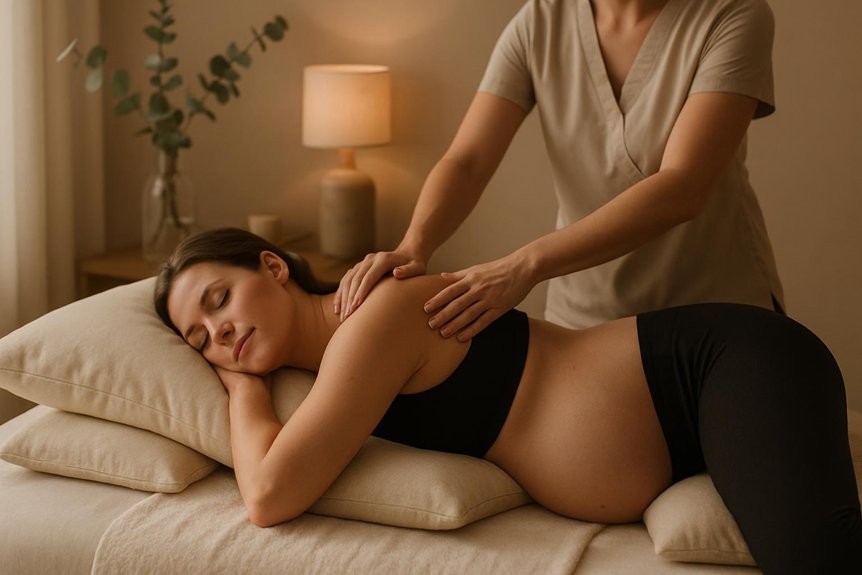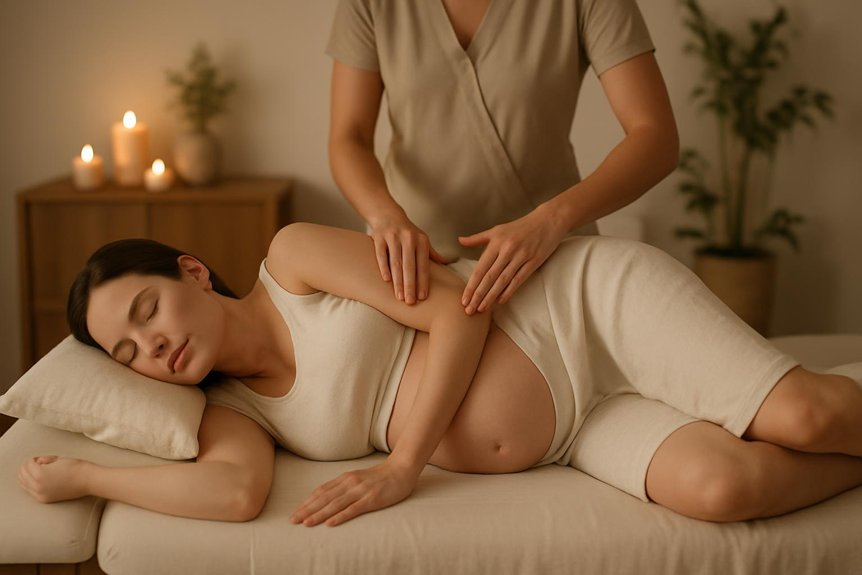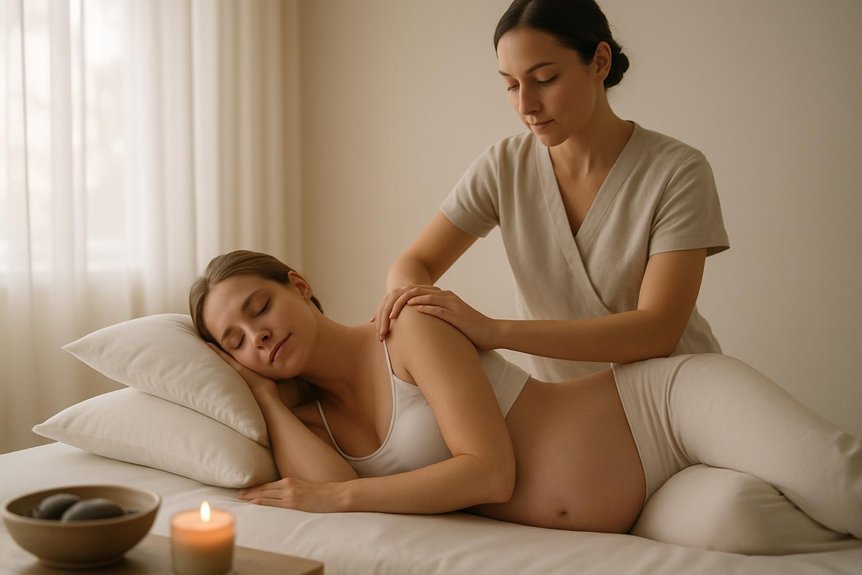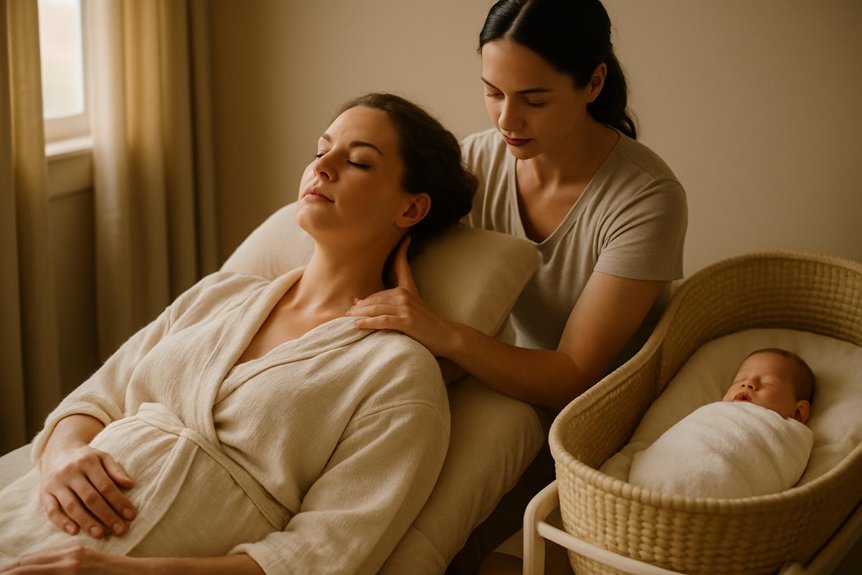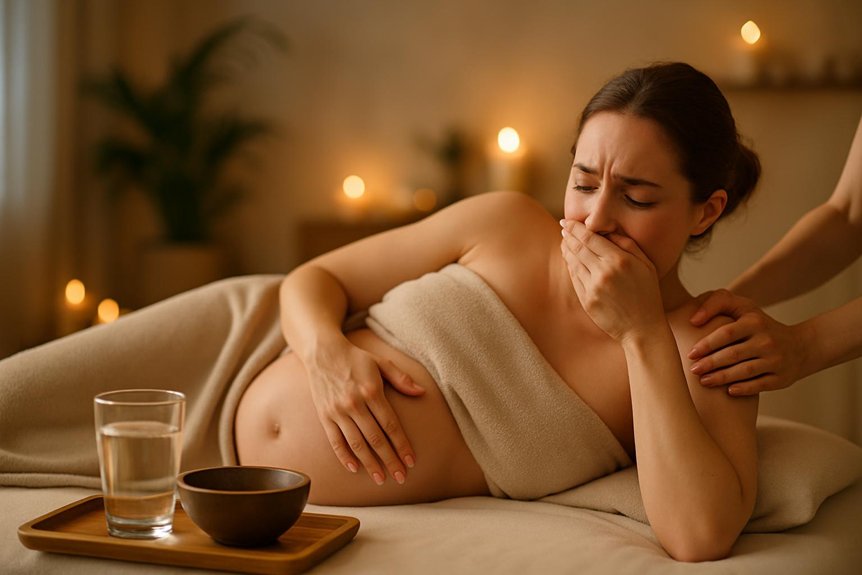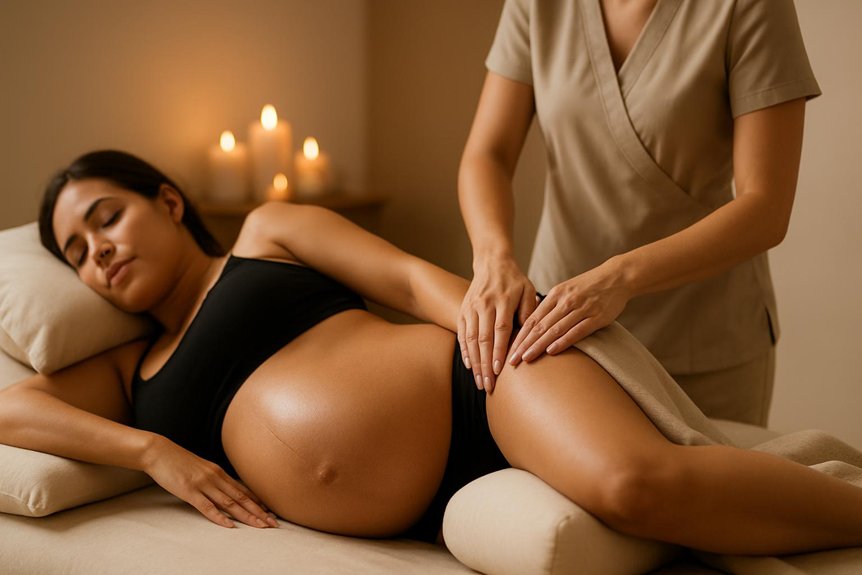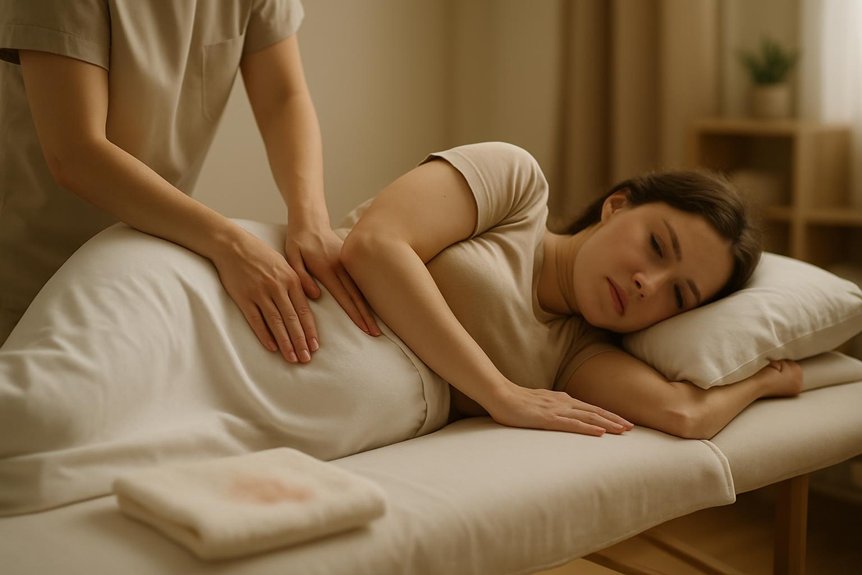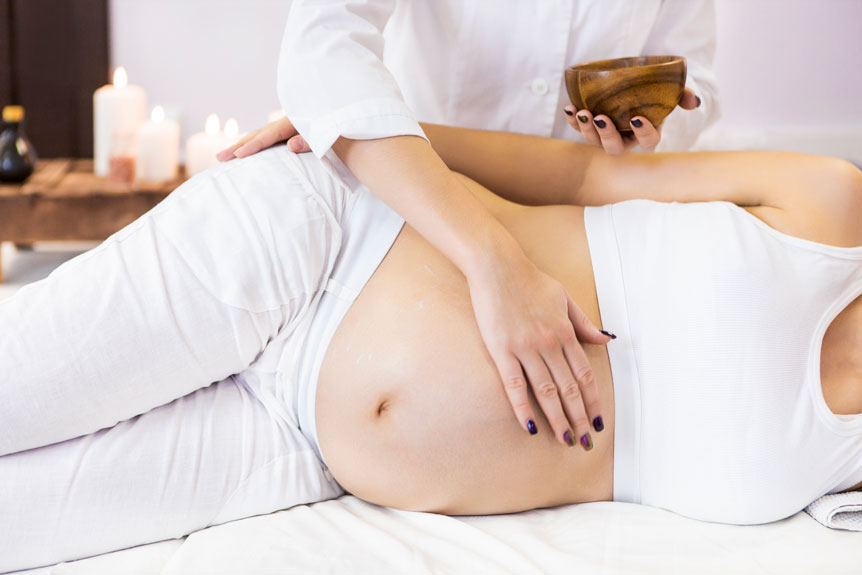
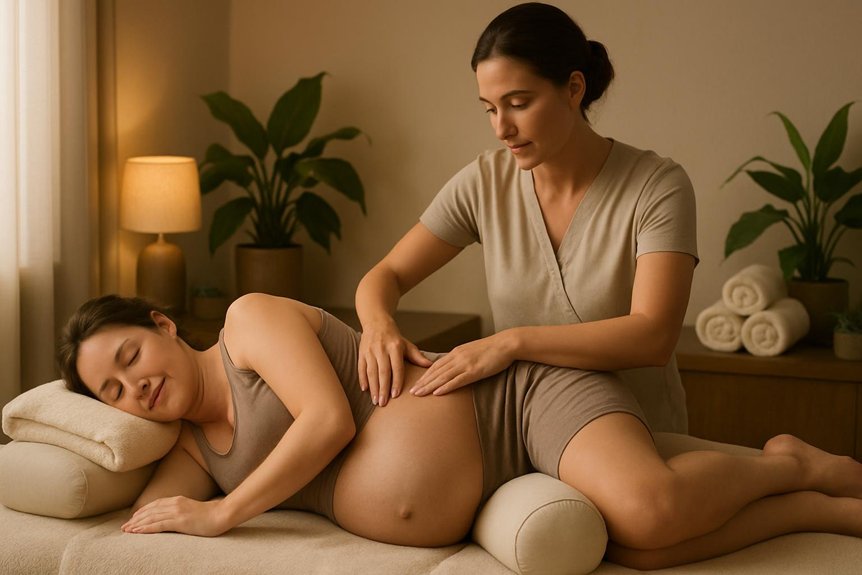
A back massage is generally safe during pregnancy when performed by a therapist trained in prenatal care using gentle techniques and appropriate positioning, such as side-lying with support. Therapists avoid deep pressure, certain acupressure points, and unsafe oils to reduce risks. Massage should be avoided if the client has specific complications, such as preeclampsia or unexplained pain. Ongoing communication and individualized care enhance both safety and comfort. More on precautions, benefits, and best practices follows below.
Understanding the Safety of Back Massage in Pregnancy
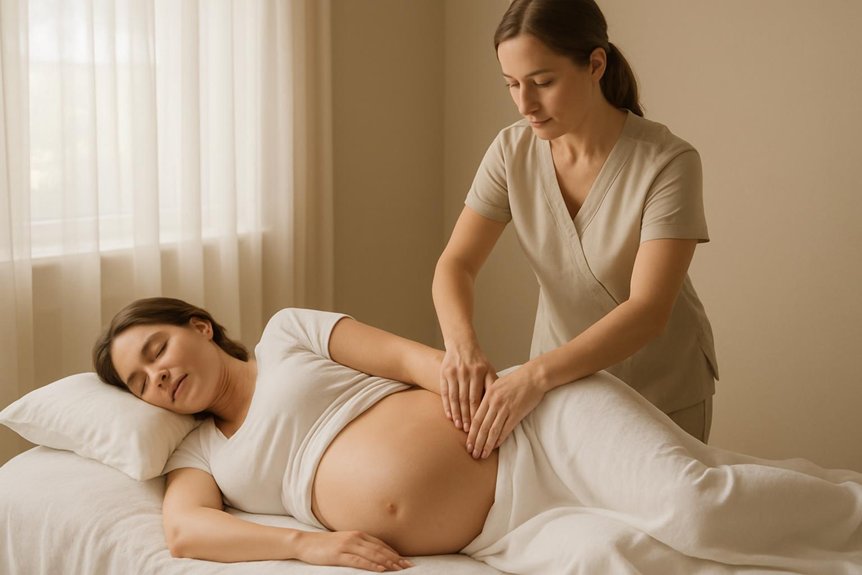
When considering the safety of back massage during pregnancy, it is essential to rely on evidence-based practices and professional expertise. Clinical studies suggest that, when performed by qualified therapists with specific prenatal training, back massage is generally safe for most expectant mothers.
At Spa & Massage, therapists conduct thorough consultations to understand each client’s medical history and stage of pregnancy, ensuring that only appropriate techniques and positions are employed. Pressure is adjusted to comfort levels, and certain areas—such as the abdomen or specific acupressure points—are carefully avoided to minimise risk.
Constant communication is encouraged, allowing mothers to express their needs and concerns. Ultimately, prioritising individual safety helps create a supportive, nurturing environment, in line with best practices and Spa & Massage’s own standards of care. Massage therapies such as reflexology have also been shown to offer healing benefits and relaxation during pregnancy when appropriately administered.
Key Benefits of Back Massage for Expectant Mothers
Back massage during pregnancy may help to ease muscular tension, support the release of relaxation hormones, and contribute to improved sleep quality.
Clinical experience at Spa & Massage suggests that these benefits, when achieved through appropriately tailored techniques, can enhance overall comfort for expectant mothers.
It is important that such treatments are performed by therapists trained in pregnancy massage to guarantee safety and effectiveness.
Easing Muscular Tension
How does pregnancy impact muscular comfort and function?
As the body adapts to accommodate a growing baby, significant postural changes and increased weight place additional strain on the back, hips, and shoulders. Muscles may tighten or spasm, often resulting in persistent discomfort—particularly in the lower back region.
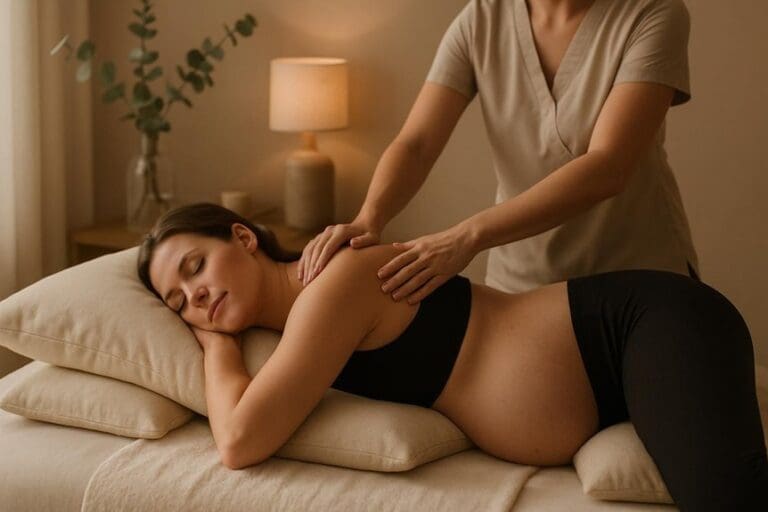
At Spa & Massage, therapists observe that targeted back massage, when performed by practitioners trained in pregnancy techniques, can ease this muscular tension safely. Gentle, carefully applied pressure promotes circulation and helps release knots, allowing muscles to soften and lengthen.
Many expectant mothers find that regular sessions contribute to improved mobility and comfort in daily activities. However, therapists always assess each client’s needs and medical history, adapting their approach to guarantee safety and maximum benefit throughout pregnancy.
Promoting Relaxation Hormones
Why does therapeutic touch have such a profound effect on emotional wellbeing during pregnancy? Scientific studies indicate that gentle, skilled massage increases the production of relaxation hormones such as oxytocin and serotonin.
At the same time, it helps to lower stress hormones like cortisol. This hormonal shift can foster a sense of calm, emotional security, and connection—key elements for expectant mothers steering through physical and emotional changes.
At Spa & Massage, therapists are trained to use safe, nurturing techniques and carefully chosen oils that support this process, always adapting to individual comfort levels.
Improving Sleep Quality
Many expectant mothers experience disrupted sleep due to hormonal changes, physical discomfort, and emotional stress associated with pregnancy.
Clinical evidence suggests that back massage can play a supportive role in improving sleep quality during this period.
Gentle, targeted massage techniques—such as those provided by therapists at Spa & Massage—may help reduce muscle tension, alleviate back pain, and decrease anxiety, all of which are commonly linked to sleep disturbances in pregnancy.
In our clinics, therapists use carefully selected, pregnancy-safe oils and adopt positioning that prioritises comfort and safety.
Clients frequently report falling asleep more easily and experiencing deeper rest after sessions.
While individual results vary, incorporating professional back massage into a self-care routine offers a safe, non-pharmacological option for enhancing restorative sleep in expectant mothers.
Precautions Our Therapists Take With Pregnant Clients
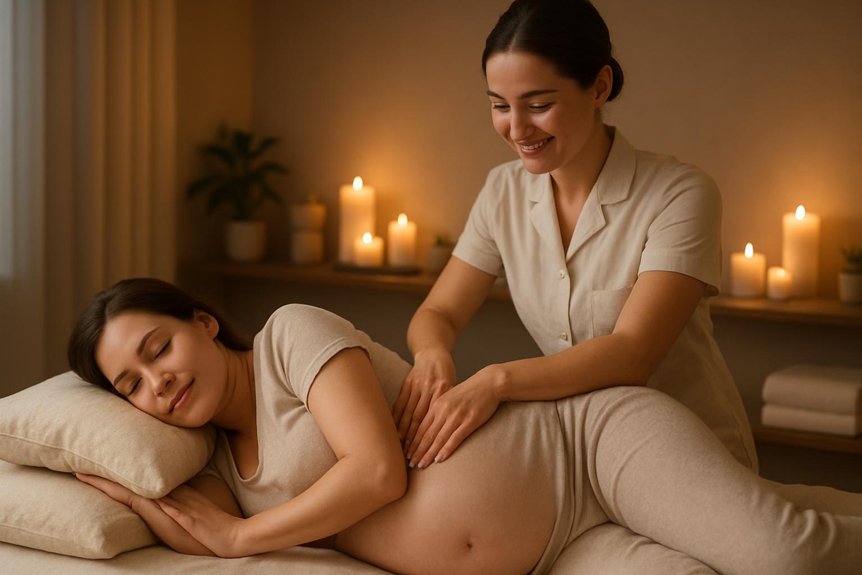
At Spa & Massage, therapists follow strict protocols to guarantee the safety and comfort of pregnant clients. These protocols include the use of specialised positioning techniques to prevent strain.
Only pregnancy-safe oils are selected to minimise any risk of skin sensitivity or adverse reactions.
All therapists receive targeted training in prenatal massage to address the unique needs and health considerations of expectant mothers.
Special Pregnancy Positioning Techniques
Recognising the unique physiological changes that occur during pregnancy, Spa & Massage therapists employ specialised positioning techniques to guarantee safety and comfort throughout each session.
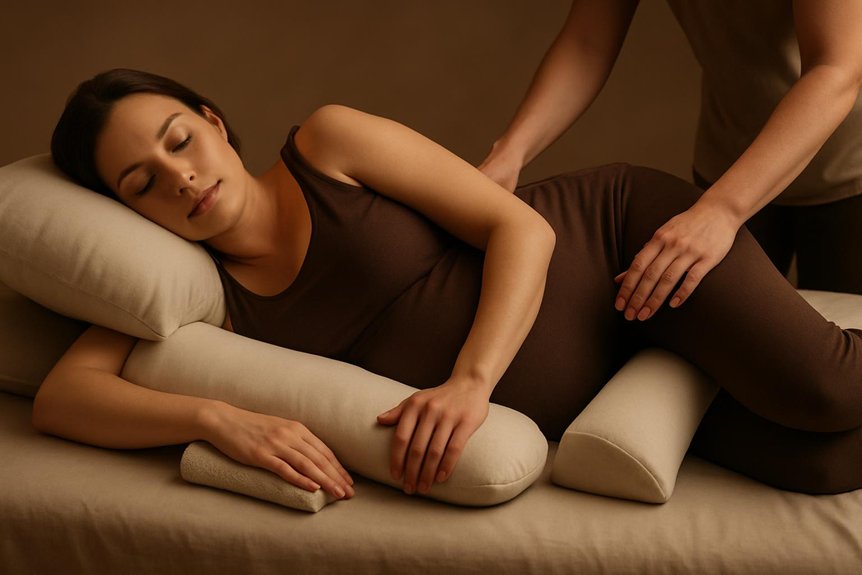
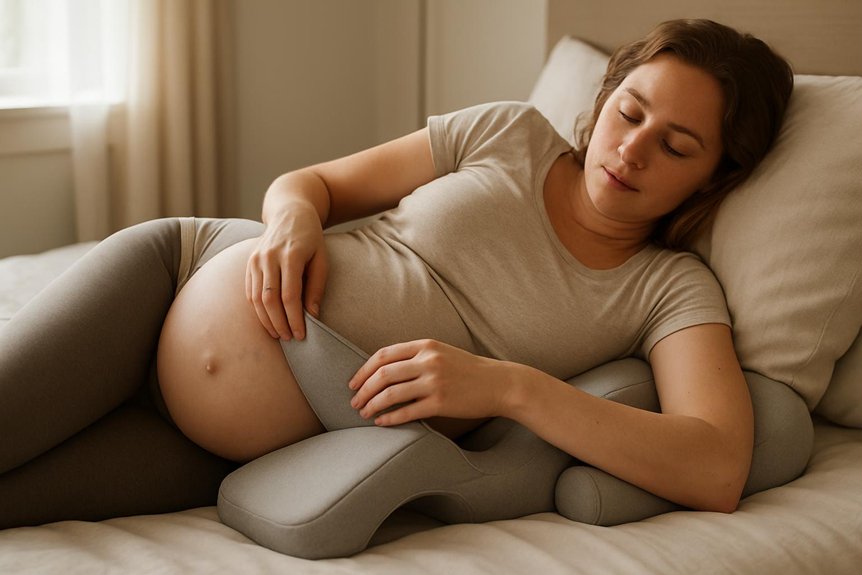
Side-lying positions, supported by firm pillows and bolsters, are most frequently used. This allows for ideal spinal alignment and minimises pressure on the abdomen and lower back.
This approach also facilitates improved blood flow and reduces the risk of postural hypotension, which can occur if a pregnant client lies flat on her back.
Therapists at Spa & Massage are trained to adjust all supports meticulously, ensuring that each client feels both nurtured and secure.
Continuous verbal check-ins help therapists respond quickly to any discomfort.
These evidence-based strategies reflect a commitment to both maternal wellbeing and intimate, attentive care at every stage.
Selection of Safe Oils
Alongside specialised positioning techniques, the careful selection of massage oils forms a critical component of safe prenatal massage practices at Spa & Massage.
Therapists avoid oils known to be contraindicated during pregnancy, such as those containing certain essential oils that may trigger uterine contractions or skin sensitivities.
Instead, they opt for hypoallergenic, unscented base oils, prioritising client comfort and safety.
All products used are selected for their gentle properties, minimising the risk of irritation or allergic response.
Prior to each session, therapists consult with clients regarding allergies, sensitivities, and personal preferences, ensuring an individualised approach.
This meticulous selection process reflects Spa & Massage’s commitment to both nurturing care and clinical safety, creating an environment where expectant mothers can experience relaxation with peace of mind.
Therapist Pregnancy Training
While prenatal massage offers significant benefits, its safe administration hinges on the expertise and training of the therapist. At Spa & Massage, therapists undergo specialised training focused on anatomical changes during pregnancy, contraindications, and appropriate positioning to ensure client safety and comfort.
Training emphasises gentle, targeted techniques that avoid areas or pressures that could cause discomfort or risk. Therapists are skilled in recognising signs when massage should be modified or deferred, such as swelling, pain, or underlying medical concerns.
Each session begins with a careful assessment of the client’s trimester, health history, and individual needs. By adhering to established protocols and maintaining open communication, Spa & Massage therapists provide reassurance and attentive care, supporting both physical wellbeing and emotional comfort for pregnant clients throughout their journey.
Recommended Techniques for Pregnancy Back Massage
How can massage safely address the unique needs of expectant mothers? Clinical evidence supports gentle, targeted techniques to relieve back tension during pregnancy.
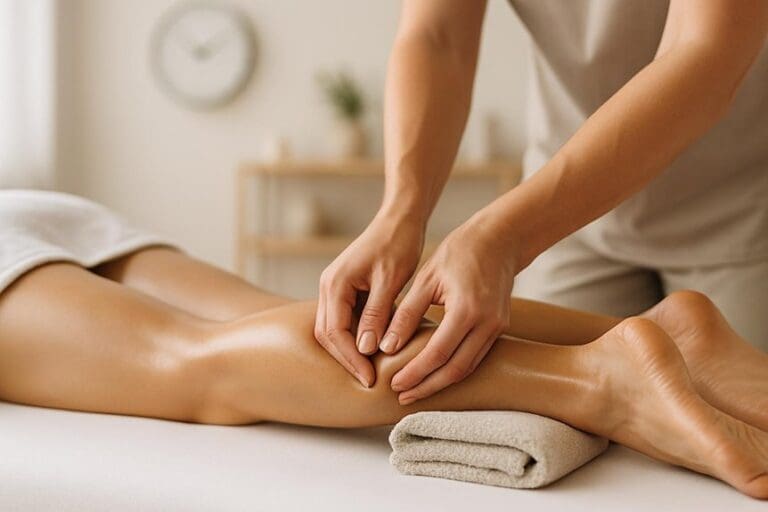
At Spa & Massage, therapists utilise light effleurage, long gliding strokes, and gentle kneading to soothe muscle discomfort without deep pressure. Particular attention is paid to the lower back, where strain is common.
Therapists avoid any abrupt or forceful movements, focusing instead on slow, rhythmic motions that foster relaxation and connection.
Incorporating hypoallergenic oils, as practiced in our clinics, supports skin comfort and reduces irritation risks.
Communication remains central; therapists encourage feedback to ensure each stroke matches the client’s comfort level.
The Importance of Positioning and Comfort
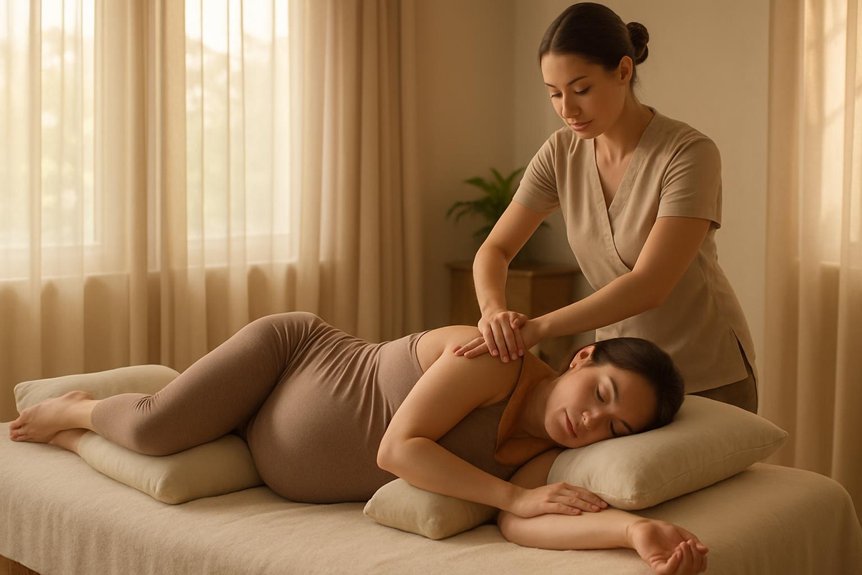
In addition to carefully selected massage techniques, maintaining proper positioning and comfort throughout the session is fundamental for the safety of expectant mothers.
Clinical evidence supports the use of side-lying or semi-reclined positions to avoid pressure on the abdomen and reduce strain on the lower back and hips.
At Spa & Massage, therapists use supportive cushions and bolsters to guarantee the spine remains aligned and weight is evenly distributed.
This approach helps prevent vascular compression, particularly in the later trimesters, and fosters a sense of gentle security.
Continuous communication between client and therapist is encouraged, allowing for immediate adjustments if discomfort arises.
Choosing the Right Massage Oils During Pregnancy
Selecting appropriate massage oils during pregnancy requires careful consideration of both safety and efficacy. Not all oils are suitable, as certain essential oils may be contraindicated or trigger sensitivities.
At Spa & Massage, therapists prioritise mild, hypoallergenic carrier oils—such as grapeseed or sweet almond—chosen for their gentle properties and low risk of allergic reaction. Essential oils, if used, are selected with meticulous caution and in very low concentrations, avoiding those not recommended during pregnancy.
Before each session, therapists consult with clients regarding allergies and personal preferences, ensuring the oil supports both comfort and well-being. This evidence-based approach offers reassurance and peace of mind, allowing clients to experience soothing touch while minimising risk.
Thoughtful oil selection is an integral aspect of safe, nurturing prenatal massage at Spa & Massage.
When to Avoid Back Massage While Pregnant
Although back massage can provide significant relief during pregnancy, there are specific situations when it should be prevented to guarantee maternal and fetal safety.
Spa & Massage therapists advise avoiding massage during the first trimester due to the higher risk of miscarriage. Additionally, massage is contraindicated if a pregnant client experiences unexplained abdominal pain, vaginal bleeding, severe swelling, preeclampsia, or signs of preterm labor.
Infections, fever, or blood clotting disorders also necessitate caution, as massage may exacerbate these conditions.
Therapists at Spa & Massage carefully screen each client and recommend postponing treatment if any of these concerns are present.
Prioritising safety ensures that both mother and baby are protected, and that massage remains a nurturing, supportive experience throughout pregnancy.
Aftercare Tips for Pregnant Clients Following a Massage
Once safety considerations have been thoroughly evaluated, proper aftercare becomes an important aspect of supporting wellbeing following a prenatal massage.
At Spa & Massage, therapists advise clients to rise slowly from the massage table to minimise light-headedness, allowing the body to adjust gently. Hydration is emphasised to help flush metabolic byproducts released during treatment. Rest is recommended, as the body may feel relaxed or slightly fatigued.
Gentle movement, such as short walks, can enhance circulation while maintaining comfort. Any persistent discomfort, dizziness, or unexpected symptoms should be reported promptly to a healthcare provider.
In our clinics, therapists provide tailored aftercare guidance, reinforcing the value of attentive self-care. This evidence-based approach ensures pregnant clients feel cared for beyond the session, supporting both physical and emotional wellbeing.
Conclusion
Like a gentle anchor in turbulent waters, a well-administered back massage during pregnancy can provide stability and comfort when approached with clinical care. Evidence suggests that, when performed by qualified therapists who follow tailored precautions, back massage is generally safe and beneficial for most expectant mothers. However, individual circumstances vary, and consultation with healthcare professionals remains essential. With informed choices and professional guidance, massage can safely support maternal wellbeing throughout the unique journey of pregnancy.