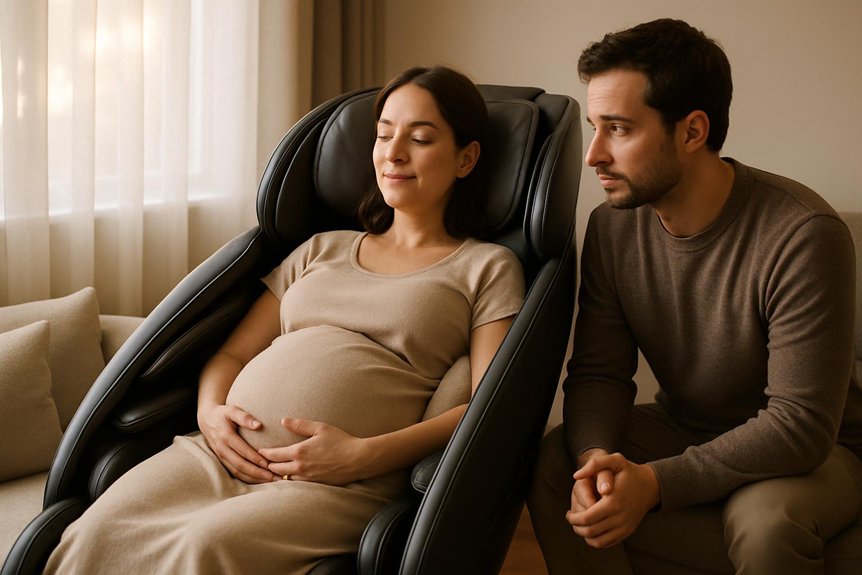
Massage chairs may be safe during pregnancy if used cautiously, for short sessions, and with low intensity. Pregnant individuals should avoid deep pressure, heat, and vibrations over the abdomen. Consulting with a healthcare provider beforehand is essential to account for personal risk factors and the body’s changing needs during pregnancy. Hands-on prenatal massage by qualified therapists is often safer. Important safety considerations, chair features, alternative techniques, and tips for expectant mothers are outlined below for further guidance.
Understanding Pregnancy and the Body’s Changes
During pregnancy, the body undergoes significant physiological and hormonal changes that can affect musculoskeletal structure, circulation, and overall comfort. Increased levels of relaxin and progesterone soften ligaments, resulting in joint instability and altered posture.
The growing uterus shifts the centre of gravity, often creating tension in the lower back, hips, and legs. Circulatory adaptations cause increased blood volume and a greater demand on the cardiovascular system, sometimes leading to swelling in the extremities.
These changes may heighten sensitivity to pressure and temperature. At Spa & Massage, therapists are trained to recognise and accommodate these evolving needs, using gentle techniques and carefully chosen oils to support relaxation and well-being.
Understanding these adaptations is essential for making informed, safe choices regarding any form of massage therapy during pregnancy. Pregnancy massage can provide numerous benefits for expecting mothers, supporting both physical comfort and emotional well-being throughout this transformative time.
Common Concerns About Massage Chairs During Pregnancy
Individuals frequently express concerns about the effects of massage chair pressure points and the safety of heat and vibration settings during pregnancy. Clinical guidance emphasizes careful consideration of these factors, as certain pressure points and high heat may not be recommended for expectant mothers.
At Spa & Massage, therapists advise clients to consult healthcare providers before using massage chairs. They also recommend seeking tailored, hands-on care when pregnant.
Pressure Points and Safety
Although massage chairs are often marketed as a source of relaxation and relief, their use during pregnancy raises important safety considerations, particularly regarding pressure points.
Certain areas, such as the lower back, ankles, and wrists, are sensitive during pregnancy and are traditionally approached with caution by experienced therapists.
In Spa & Massage clinics, therapists are trained to avoid sustained or intense pressure on points linked to uterine stimulation or discomfort.
Massage chairs, however, cannot adjust their technique based on an individual’s needs or stage of pregnancy.
This lack of adaptability increases the risk of inadvertently triggering sensitive points.
For individuals seeking relief, consulting a qualified therapist can provide a safer, more personalized experience, ensuring pressure is applied safely and appropriately for each stage of pregnancy.
Heat and Vibration Effects
While massage chairs frequently offer features such as heat and vibration to enhance comfort, these elements present specific concerns for pregnant individuals. Prolonged exposure to localized heat may raise core body temperature, which has been linked to potential risks during pregnancy, especially in the first trimester.
Vibration, particularly at high intensities or over sensitive abdominal regions, might cause discomfort or unintended stimulation.
At Spa & Massage, therapists exercise caution with heat application during pregnancy, opting for gentle warmth and avoiding direct abdominal contact. Similarly, manual techniques are favored over mechanical vibration to ensure both safety and tailored pressure.
Individuals considering massage chairs during pregnancy are advised to consult their healthcare provider and prioritize professionally guided in-person treatments, where care can be adapted to their unique needs and stage of pregnancy.
Key Safety Features to Look For in a Massage Chair
When considering massage chair use during pregnancy, it is essential to prioritise safety by evaluating specific features designed to minimise risk.
Adjustable intensity controls are vital, allowing gentle, customisable pressure that avoids overstimulation. Chairs with an automatic shut-off function can help prevent excessive use, reducing the chance of overheating or discomfort.
Adequate lumbar and neck support is important to maintain healthy alignment and relieve pressure on sensitive areas. Look for chairs with easily accessible emergency stop buttons, which can offer reassurance if discomfort arises.
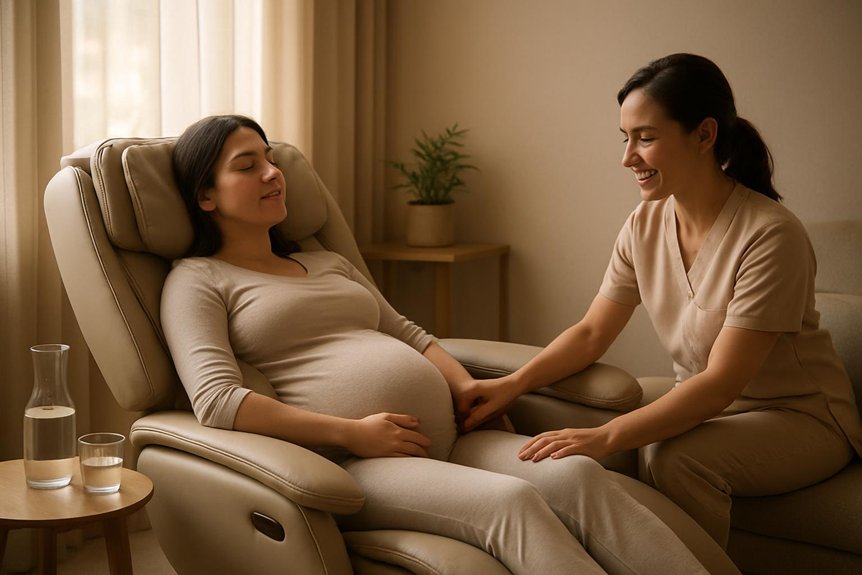
At Spa & Massage, therapists recommend avoiding intense, deep-tissue settings and selecting chairs that allow side-lying or semi-reclined positioning to support circulation. Prioritising these features fosters a nurturing, secure environment while addressing the unique needs of pregnancy.
Types of Massage Functions and Their Impact on Pregnant Bodies
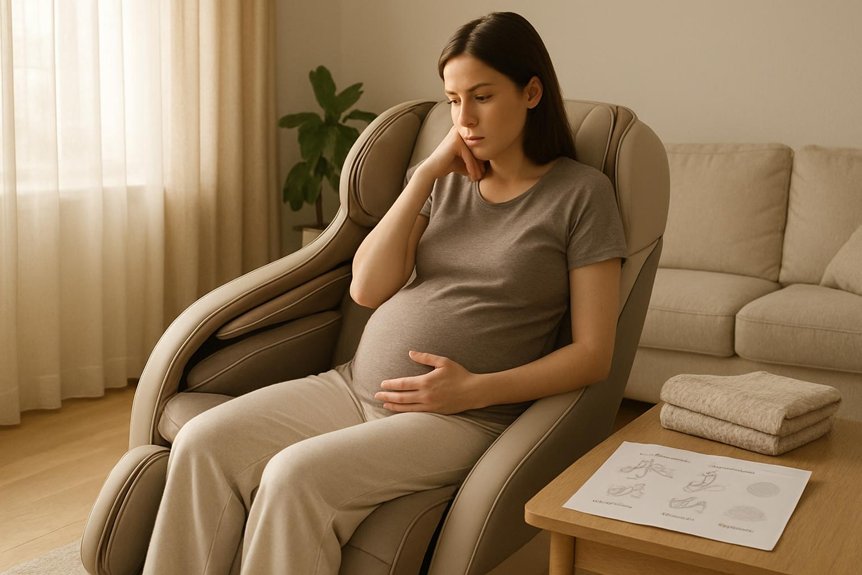
Certain massage chair functions—such as rolling, kneading, tapping, and vibration—produce distinct mechanical effects on muscle and soft tissue, which can interact differently with the physiological changes of pregnancy.
During pregnancy, increased blood flow, joint laxity, and heightened sensitivity in certain areas require special caution.
Strong rolling and kneading actions may place undue pressure on the lower back or abdomen, potentially provoking discomfort or even dizziness.
Vibrational settings, while sometimes soothing, could lead to overstimulation if applied for prolonged periods.
In Spa & Massage’s professional experience, gentle, surface-level techniques are better tolerated by most pregnant clients.
It is advised that individuals select massage chair programs with adjustable intensity and avoid functions targeting the abdomen or lower back, prioritising comfort and safety above all.
Comparing Massage Chairs to Hands-On Prenatal Massage
Building on an understanding of how massage chair functions interact with the pregnant body, it becomes important to compare the safety and effectiveness of massage chairs to hands-on prenatal massage.
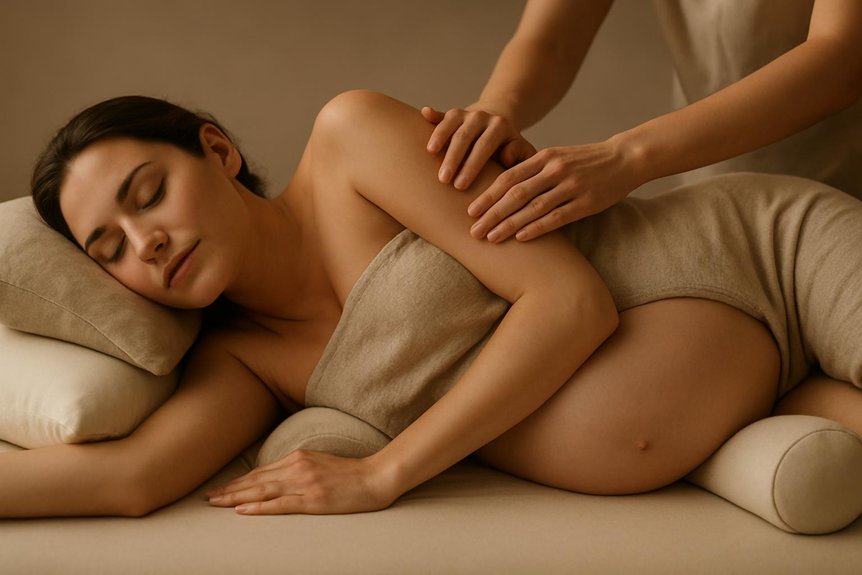
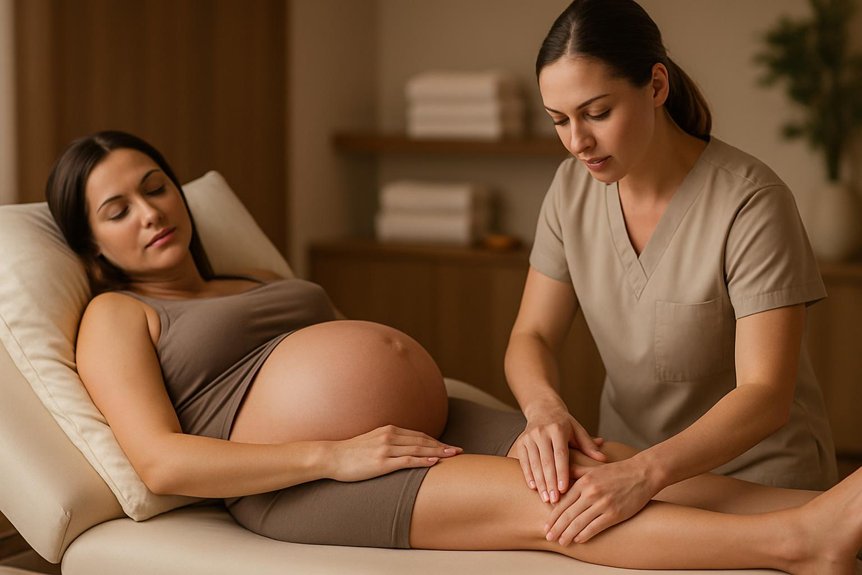
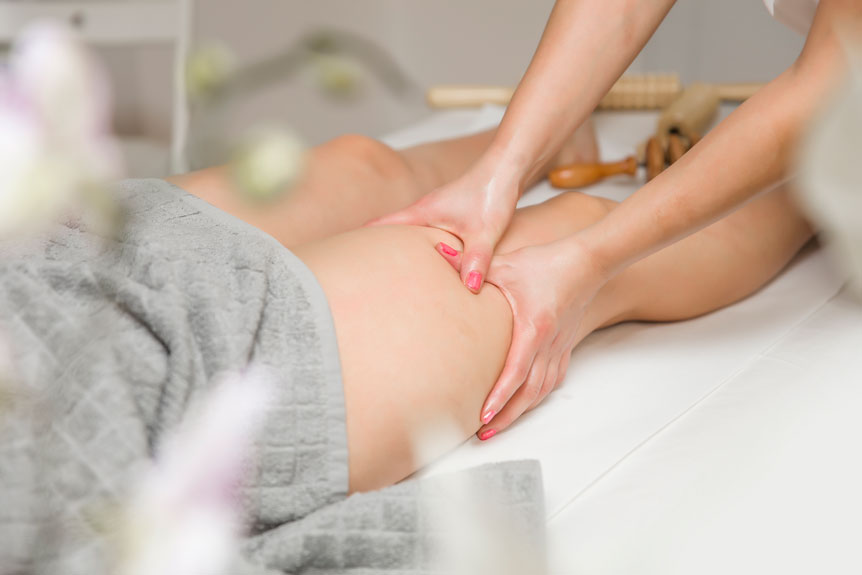
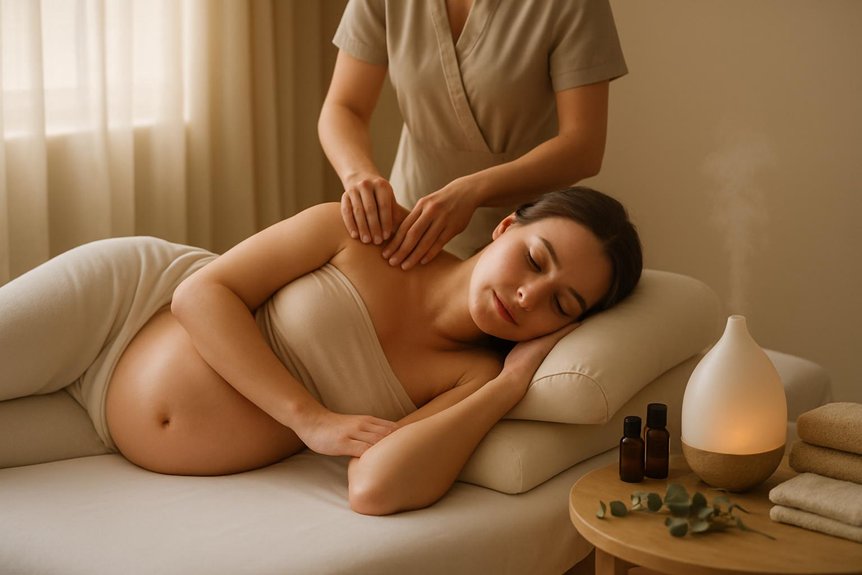
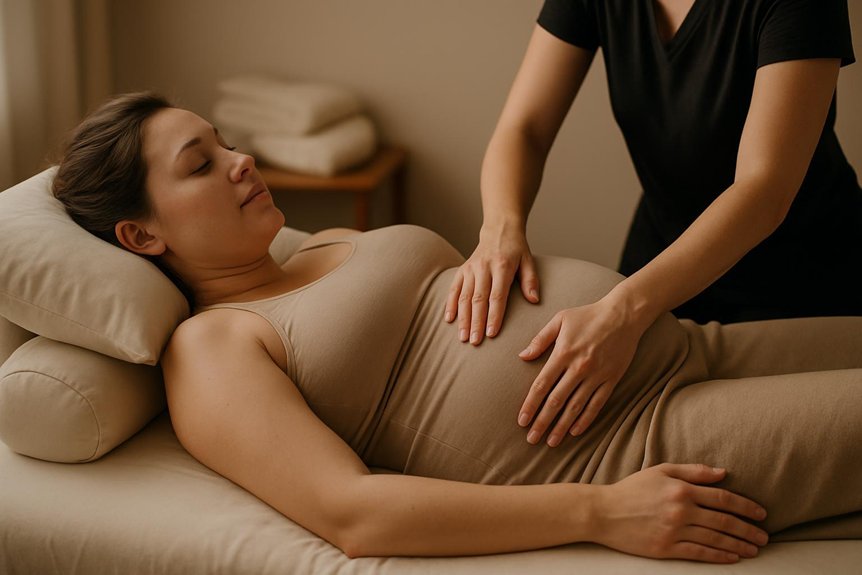
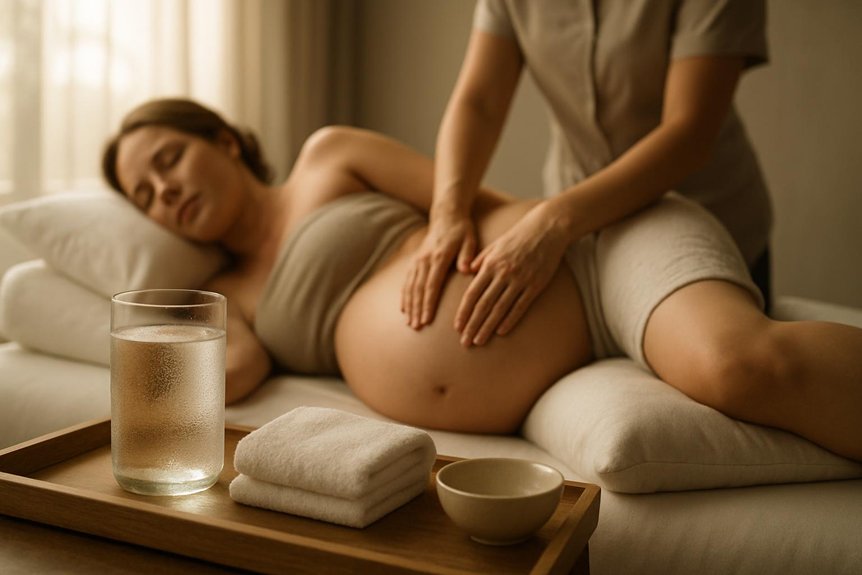
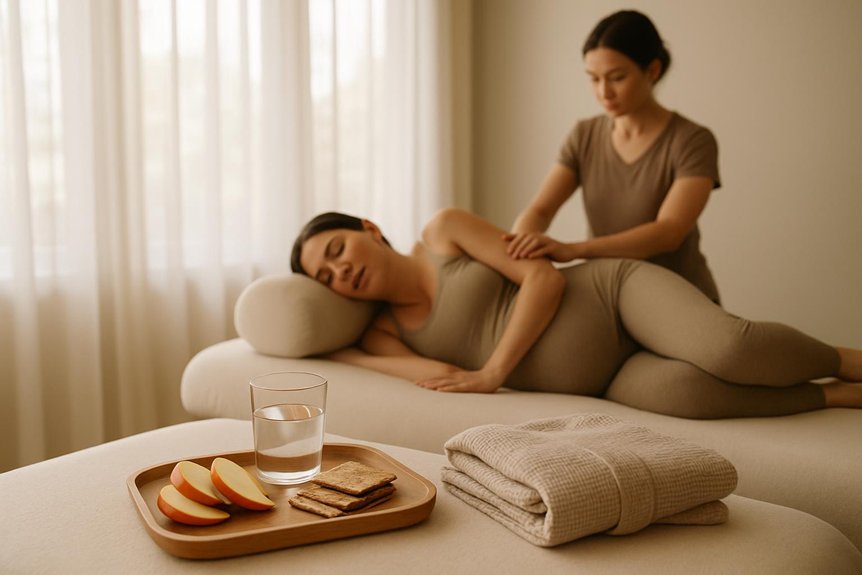
At Spa & Massage, therapists are specially trained to adapt techniques to the physical and emotional needs of expectant mothers. Hands-on massage allows for real-time adjustments, gentle pressure, and careful positioning, reducing risks associated with automated chair movements.
Evidence suggests that personalised touch enhances relaxation and addresses specific discomforts, such as lower back pain or swelling, with greater precision.
In contrast, massage chairs offer convenience but may deliver uniform pressure, lacking the sensitivity and adaptiveness of human touch.
For those seeking a nurturing, responsive experience, professional hands-on prenatal massage remains the recommended approach.
Tips for Safe Use of Massage Chairs While Expecting
Although massage chairs can provide temporary relief from muscle tension, their use during pregnancy requires careful consideration to guarantee maternal and fetal safety.
Spa & Massage therapists emphasize the importance of consulting a healthcare provider before using any massage chair, particularly during the first trimester and late-stage pregnancy.
It is advisable to select chairs with adjustable intensity and avoid features such as deep tissue settings, strong vibrations, or heated components, which may pose risks.
Sessions should be brief, ideally under 15 minutes, and always use a comfortable, upright position to prevent pressure on the abdomen.
Clients are encouraged to listen closely to their bodies, discontinuing use if they experience discomfort, dizziness, or contractions.
Individual assessment and professional guidance remain paramount for expectant clients.
Alternative Relaxation Techniques Recommended by Our Therapists
When evaluating relaxation options for expectant individuals, Spa & Massage therapists highlight several evidence-based alternatives to massage chairs that prioritise both safety and effectiveness.
Gentle manual therapies, such as prenatal massage performed by qualified professionals, are frequently recommended due to their tailored approach and precise application. Techniques like aromatherapy—using pregnancy-safe essential oils—and guided breathing exercises foster deep relaxation and emotional comfort.
Warm compresses applied to areas of muscle tension can provide soothing relief, while mindful stretching, under professional guidance, supports flexibility and circulation without undue risk.
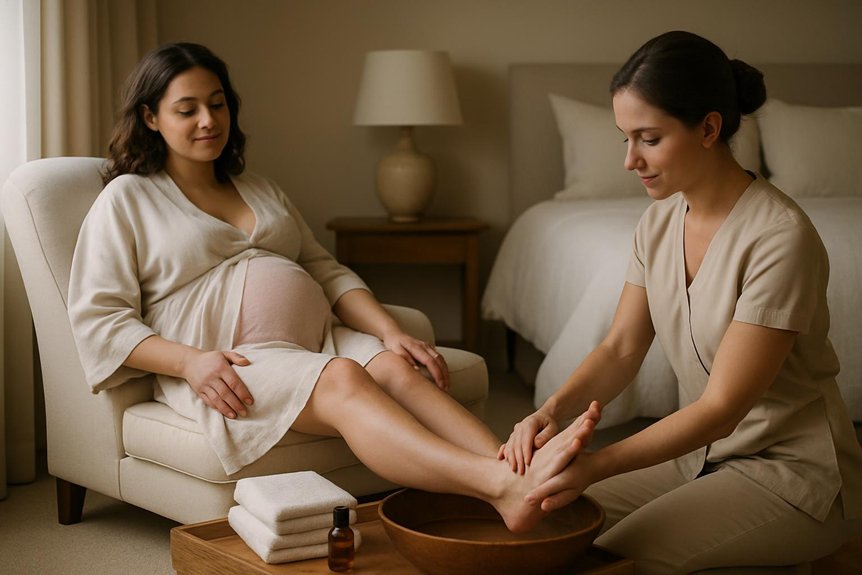
Reflexology, conducted by therapists experienced in prenatal care, further complements these options.
Each technique is selected with careful consideration of the client’s trimester and individual health profile, ensuring an intimate yet clinically sound path to relaxation.
When to Seek Professional Advice Before Using a Massage Chair
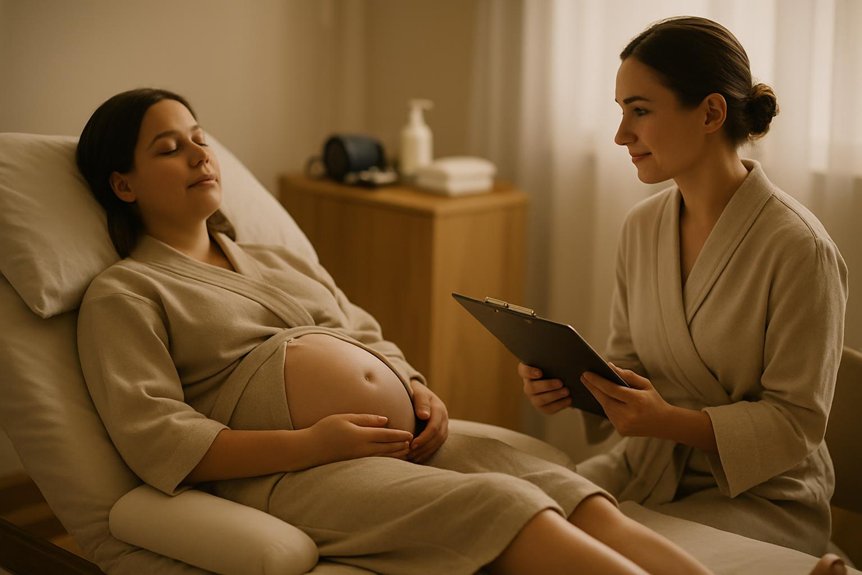
Prior to contemplating the use of a massage chair during pregnancy, it is essential to consult a qualified healthcare provider, particularly if there are existing health conditions or pregnancy-related complications.
Conditions such as high blood pressure, placenta previa, preterm labor risk, or a history of miscarriage may require additional caution. A healthcare professional can evaluate personal risk factors and provide individualized guidance based on the stage of pregnancy and overall health status.
At Spa & Massage, therapists often emphasize that safety should always guarantee over convenience. They recommend an open dialogue between expectant mothers and medical providers to ensure that any chosen relaxation method, including massage chairs, aligns with their unique needs.
Professional advice helps foster peace of mind and supports a safe, nurturing pregnancy experience.
Conclusion
Like a gentle harbour for weary travellers, massage chairs can offer comfort to expectant mothers when chosen and used with care. Clinical evidence suggests that, while not universally contraindicated, massage chairs require cautious consideration of intensity, duration, and chair features. Consulting healthcare professionals before use remains essential, as tailored guidance ensures the safety of both mother and child. Ultimately, informed choices and professional support are the cornerstones of wellbeing throughout the pregnancy journey.