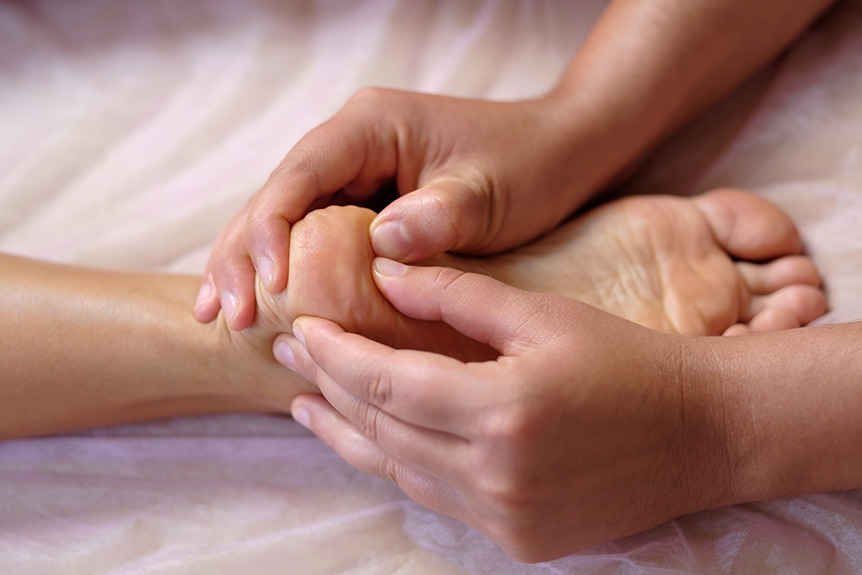
Foot reflex therapy is generally safe, but some people may experience mild, temporary reactions such as fatigue, nausea, headache, or increased thirst as the body adjusts and detoxifies. These symptoms are usually short-lived and reflect natural physiological responses. Proper hydration, rest, and aftercare help manage discomfort. However, those with certain conditions—like circulatory problems or pregnancy—should consult a healthcare provider before treatment. Exploring further can clarify typical reactions, contraindications, and how therapists ensure client safety and comfort.
Understanding Foot Reflex Therapy and How It Works
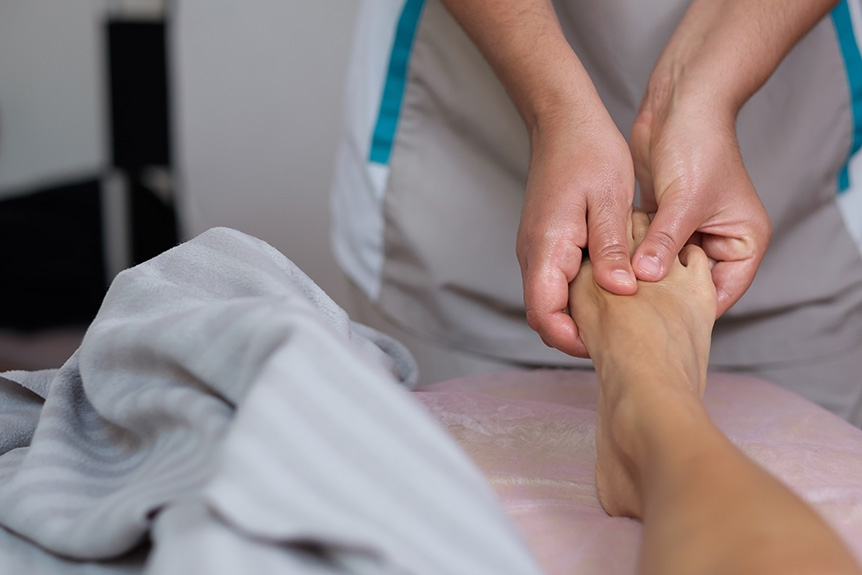
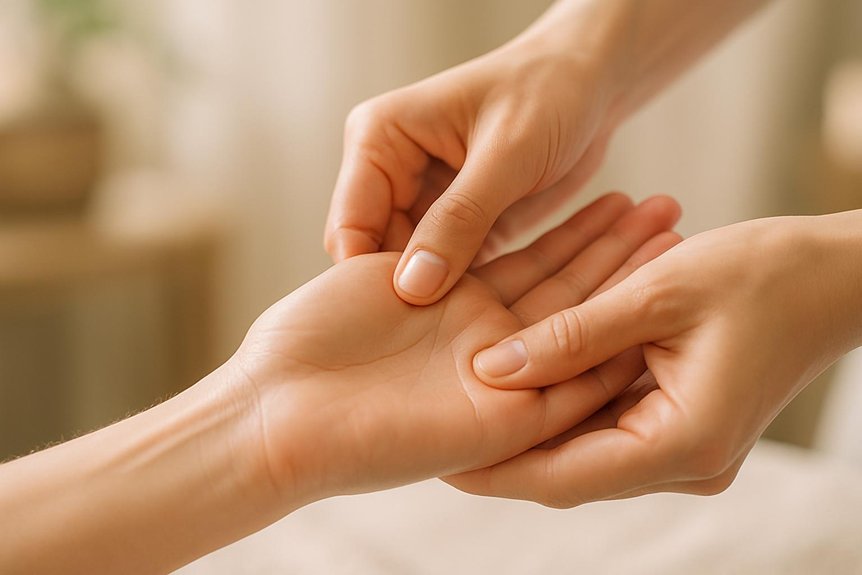
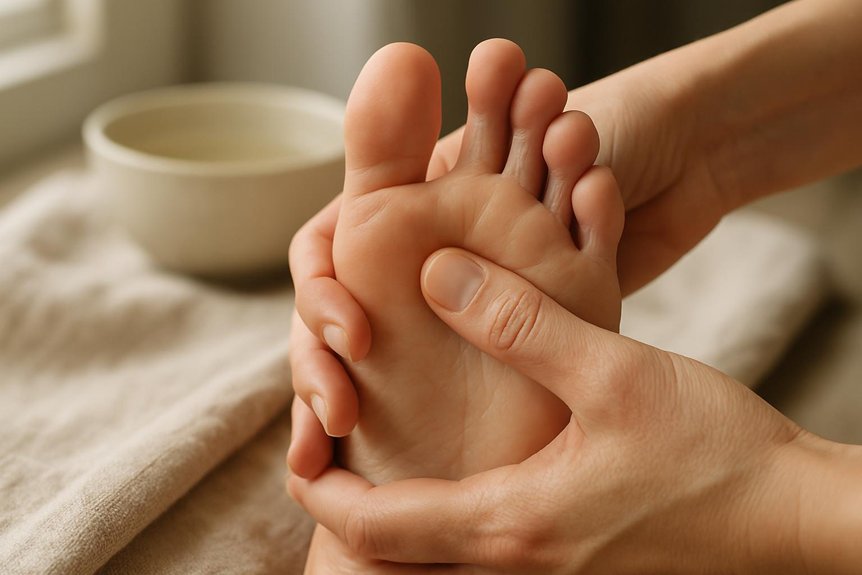
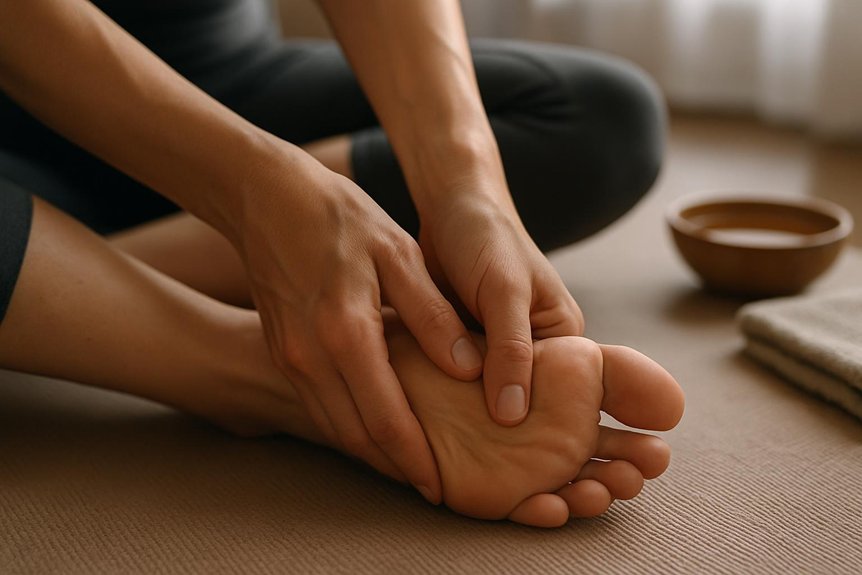
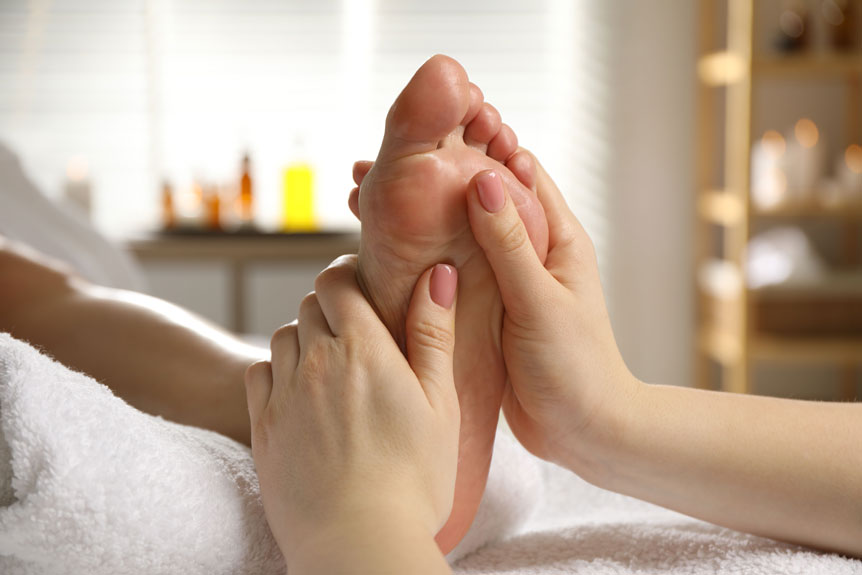
It is a therapeutic technique based on the principle that specific points on the feet correspond to organs and systems throughout the body.
By applying precise pressure to these reflex zones, trained therapists at Spa & Massage aim to encourage relaxation, promote circulation, and support the body’s natural healing processes.
Research suggests that reflex therapy may help reduce stress, enhance mood, and foster a sense of deep comfort and connection—benefits that align with Spa & Massage’s holistic philosophy.
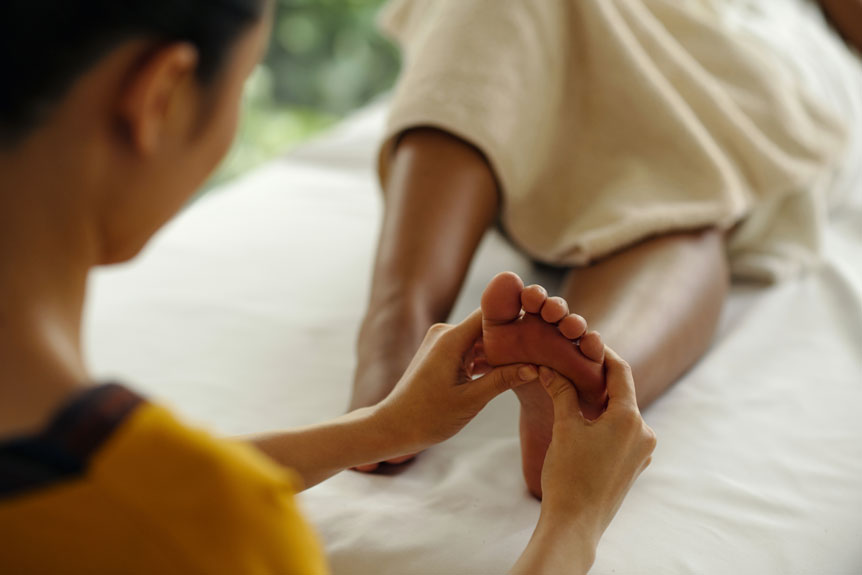
During a session, therapists use gentle, targeted techniques tailored to each individual’s unique needs, creating an intimate and nurturing environment.
This mindful approach helps clients feel cared for, supporting their journey toward greater balance and overall wellness.
Additionally, many individuals are drawn to reflex therapy to discover the healing power that comes from combining ancient tradition with modern therapeutic care.
Common Reactions After a Massage Session
After a reflex therapy session, individuals may notice a range of common reactions, including mild detoxification symptoms such as increased urination or slight fatigue.
Some clients also experience emotional release or temporary shifts in mood, which can be a natural part of the body’s response to treatment.
Physical sensations like tingling or light soreness in the feet are typically short-lived and reflect the therapeutic effects of the session.
Temporary Detoxification Symptoms
When individuals receive a foot reflex therapy session, it is common to experience temporary detoxification symptoms as the body responds to stimulated pressure points. These reactions may include mild headache, increased thirst, fatigue, or changes in urination and bowel movements.
Such symptoms are typically short-lived and reflect the body’s natural effort to process and eliminate metabolic waste. Spa & Massage therapists inform clients that these responses are usually a sign of the body’s adjustment and not cause for concern.
Hydration and rest are recommended after reflex therapy to support the body’s recovery.
At Spa & Massage, clients are encouraged to listen to their bodies and communicate any concerns.
These temporary effects generally resolve within 24 to 48 hours, paving the way for greater relaxation and overall wellness.
Emotional Release Experiences
Although primarily known for its physical effects, foot reflexology can also prompt emotional responses as the body relaxes and tension is released.
At Spa & Massage, therapists frequently observe that clients may experience unexpected feelings, such as sadness, relief, or even joy, during or after a session. This phenomenon, often referred to as “emotional release,” occurs as the nervous system shifts from a state of stress to deeper relaxation.
Emotional responses are normal and may reflect the release of long-held tension or memories stored within the body. Spa & Massage therapists approach these experiences with sensitivity, providing a supportive space and encouraging clients to acknowledge their emotions.
Many find that this emotional release contributes to an overall sense of wellbeing and renewal following reflex therapy.
Physical Sensations Post-Treatment
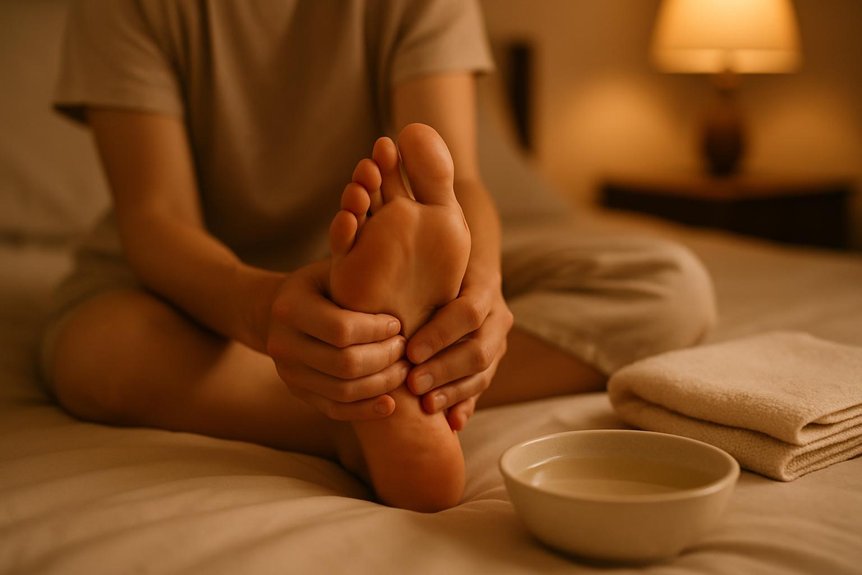
Following a reflex therapy session, clients may notice a variety of physical sensations as the body responds to the treatment. Common experiences include a sense of deep relaxation, tingling in the feet or legs, mild fatigue, and heightened warmth or circulation.
Some individuals report feeling temporarily light-headed or thirsty, which reflects the body’s adjustment and increased blood flow. At Spa & Massage, therapists advise clients to drink water after treatment to support the body’s natural detoxification processes.
Mild soreness or tenderness in the feet can occur, especially if areas of tension were addressed. These sensations are generally short-lived and regarded as normal physiological responses.
Understanding these reactions helps clients appreciate how reflex therapy encourages balance and supports the body’s own restorative capabilities.
Why Some People May Feel Unwell After Reflex Therapy
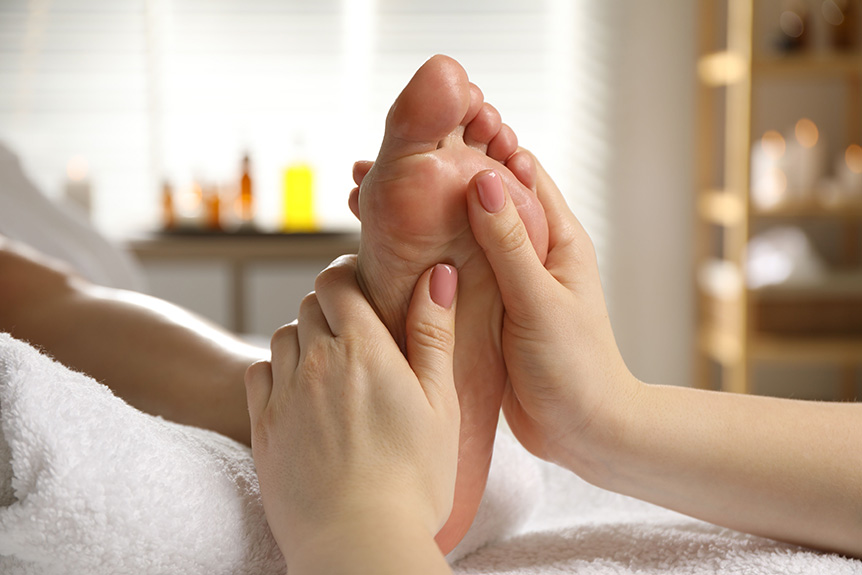
Some individuals may experience temporary discomfort after reflex therapy due to the body’s natural response to detoxification, shifts in circulation, and the release of emotional tension. These reactions are generally mild and reflect the body’s adjustment to increased energy flow and improved balance.
At Spa & Massage, therapists are trained to recognize and support clients through these normal responses to treatment.
Detoxification and Body Response
A natural response of the body to foot reflex therapy can involve temporary sensations of discomfort or mild unwellness. This reaction is sometimes attributed to the body’s process of detoxification.
At Spa & Massage, therapists explain that reflex therapy may stimulate circulation and lymphatic flow, encouraging the body to process metabolic waste more efficiently.
While scientific evidence is still developing, some clients report feeling tired, slightly nauseous, or experiencing mild headaches following a session. These effects are typically short-lived and may indicate the body’s adjustment to the treatment.
Spa & Massage therapists recommend drinking plenty of water after reflex therapy to support natural detoxification pathways.
Such guidance helps clients understand that these sensations are generally temporary, and often part of the body’s healing response following professional reflex therapy.
Release of Emotional Tension
During foot reflex therapy, the stimulation of pressure points can sometimes prompt an emotional release, leading to temporary feelings of unease or mild discomfort. This response is not uncommon, as the feet are believed to hold connections to various parts of the body, including pathways linked to emotional well-being.
At Spa & Massage, therapists are trained to recognise and support clients experiencing these reactions with empathy and professionalism.
Emotional tension that has been held subconsciously may surface, sometimes resulting in sensations such as sadness, irritability, or unexpected tears. These responses are typically short-lived and considered a natural part of the healing process.
Clients are encouraged to communicate openly with their therapist, allowing for a supportive environment where emotional and physical well-being are addressed together.
Circulation and Energy Shifts
Following a massage session, it is not unusual for individuals to notice subtle physical sensations such as light-headedness, mild nausea, or fatigue. These reactions may be linked to shifts in circulation and energy flow within the body, which are often stimulated during reflex therapy.
From a professional perspective at Spa & Massage, therapists understand that increased blood flow and the release of accumulated tension can temporarily alter how clients feel. Such sensations are generally short-lived and are considered positive signs that the body is adjusting and rebalancing.
Clients are encouraged to rest, hydrate, and allow these effects to pass naturally.
At Spa & Massage clinics, therapists monitor client responses closely, providing supportive aftercare advice to make certain of comfort and promote a smooth transition back to daily activities.
When It Is Not Recommended
Occasionally, specific health conditions or situations can make reflex therapy unsuitable or even potentially harmful.
For example, individuals with acute infections, open wounds on the feet, severe circulatory problems, or a history of deep vein thrombosis should avoid reflex therapy.
Pregnant individuals, particularly in the first trimester, are also advised to consult their healthcare provider before seeking this treatment.
People with certain heart conditions, uncontrolled diabetes, or recent foot surgeries may experience complications if it is applied inappropriately.
At Spa & Massage, therapists prioritize client safety and always recommend discussing any underlying medical conditions prior to booking a session.
This careful approach guarantees that the therapy remains both enjoyable and beneficial, while respecting each individual’s unique health needs and circumstances.
How Our Therapists Ensure a Safe Experience

Spa & Massage maintains the highest standards of client care by implementing thorough health assessments before every reflex therapy session. Each client’s medical history, current health conditions, and specific wellness goals are reviewed to identify any contraindications or sensitivities.
Therapists at Spa & Massage are trained to adapt reflex therapy techniques, adjusting pressure and duration to match individual comfort and safety needs.
Cleanliness and hygiene are strictly observed, with sanitized equipment and fresh linens provided for every appointment.
The environment is designed to foster relaxation and trust, ensuring clients feel secure and nurtured.
Continuous professional development enables therapists to stay informed about the latest research and best practices, reinforcing their commitment to safe, effective treatments.
This extensive approach supports a positive, risk-aware experience for every client.
Tips for Aftercare and Managing Mild Side Effects
Although foot reflex therapy is generally well-tolerated, some individuals may experience mild side effects such as temporary fatigue, slight dizziness, or increased thirst after a session.
Spa & Massage therapists recommend drinking plenty of water post-treatment to support the body’s natural detoxification and rehydration processes.
Taking time to rest, especially in the hours following reflex therapy, allows the body to integrate the therapeutic effects more fully.
Gentle stretching or a short walk can help alleviate any residual lightheadedness.
If discomfort persists, clients are encouraged to communicate with their therapist for tailored advice.
At Spa & Massage, aftercare guidance is integral to each client’s experience, ensuring that sessions are both relaxing and supportive of overall well-being, even when mild side effects arise.
Conclusion
In summary, while foot reflex therapy is generally a well-tolerated and restorative practice, individuals may occasionally experience temporary discomfort as the body adjusts to subtle shifts in balance. These gentle reminders of the body’s ongoing dialogue with itself are often fleeting and can be managed with proper aftercare. With professional guidance and open communication, clients can confidently begin their wellness journey, embracing the benefits of reflex therapy while steering through any minor ripples along the way.