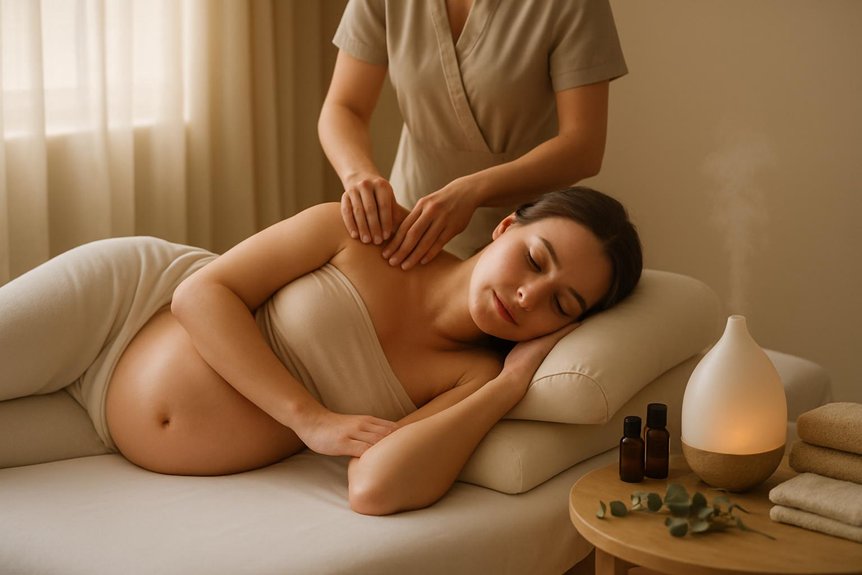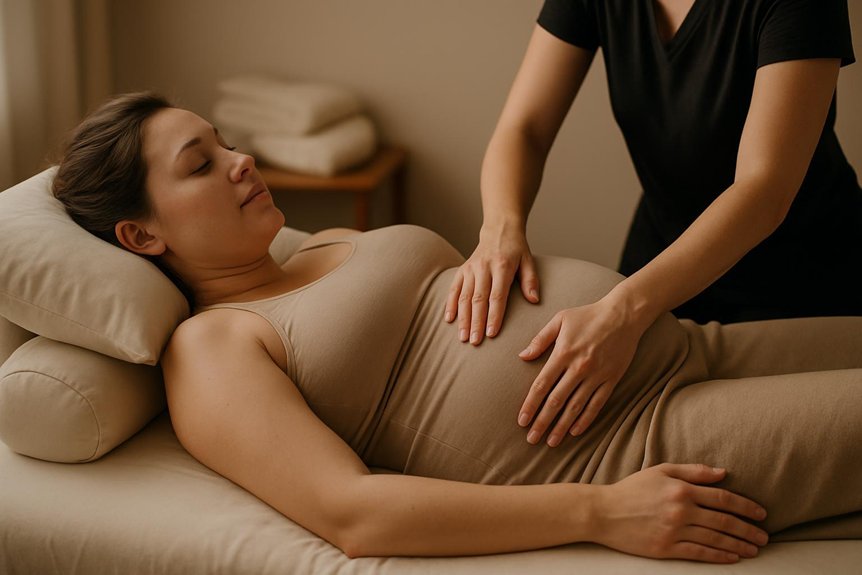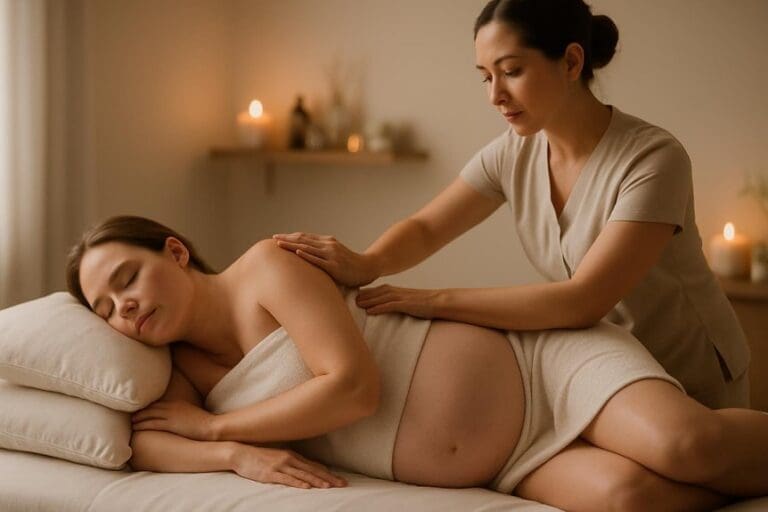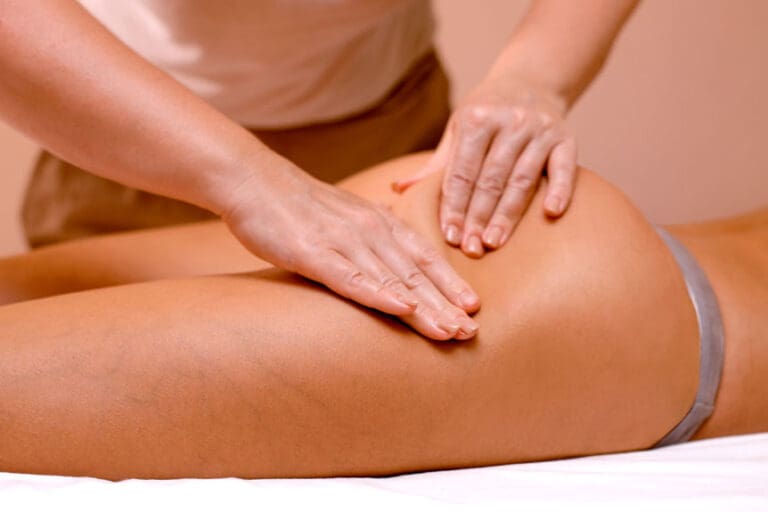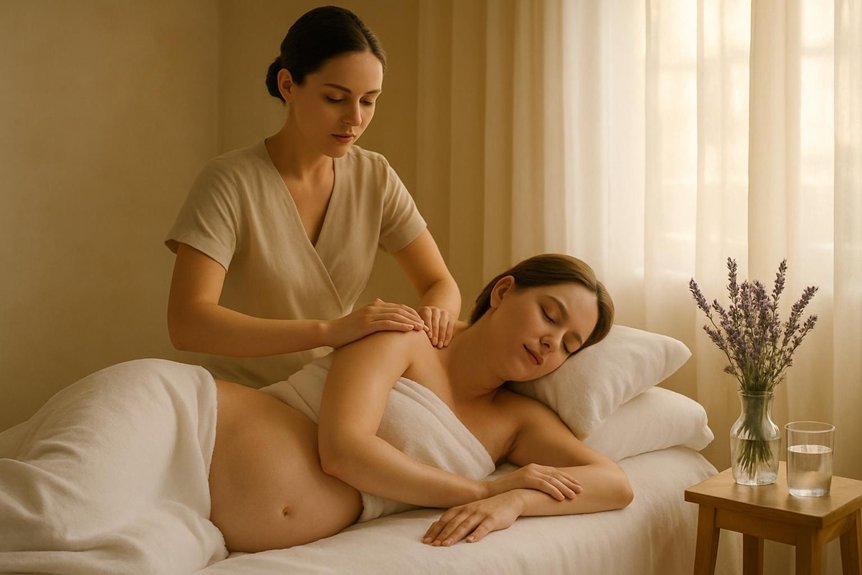
Massage in early pregnancy is generally considered safe when performed by a trained, certified therapist who uses gentle, pregnancy-specific techniques and careful positioning to avoid deep abdominal or lower back pressure. Proper precautions, such as hypoallergenic oils and supportive cushions, further minimize risks. However, those with high-risk pregnancies or certain health concerns should seek medical clearance first. Understanding common myths, benefits, and individualized care will help expectant mothers make more informed decisions about massage during this stage.
Understanding Massage Safety During the First Trimester
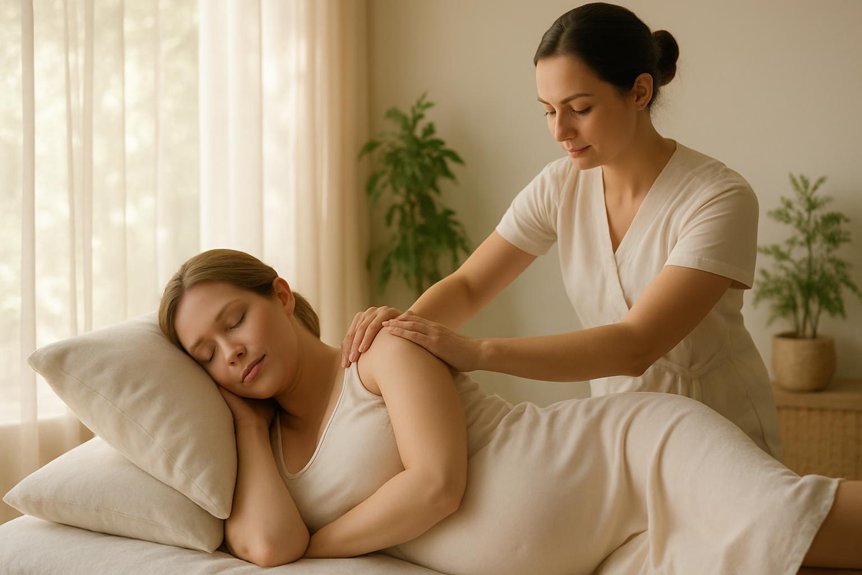
Although many expectant individuals seek relief from early pregnancy discomforts, understanding the safety of massage during the first trimester is essential. During these earliest weeks, the body undergoes significant hormonal and physiological changes.
Medical guidance generally considers massage safe in early pregnancy when performed by qualified, experienced therapists using appropriate techniques.
At Spa & Massage, therapists are trained to adapt their approach, avoiding deep pressure on the abdomen and using gentle strokes to support comfort and safety.
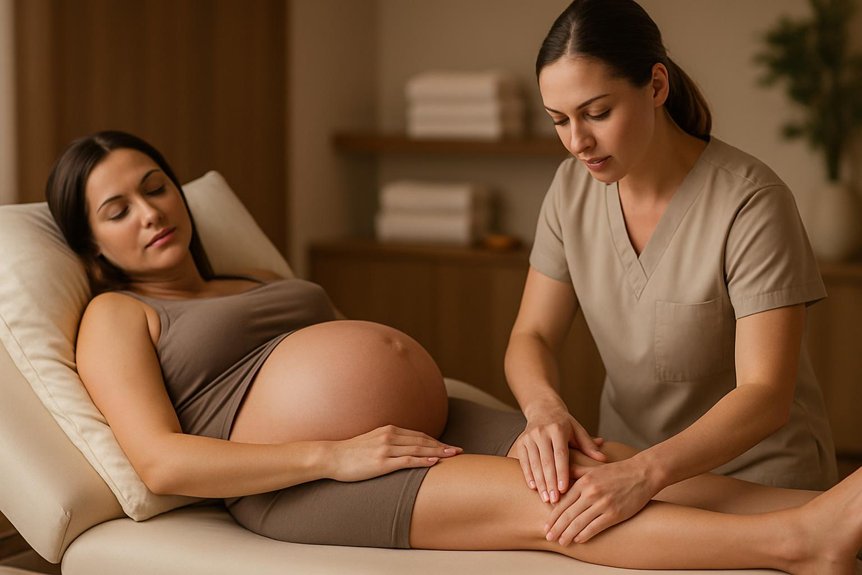
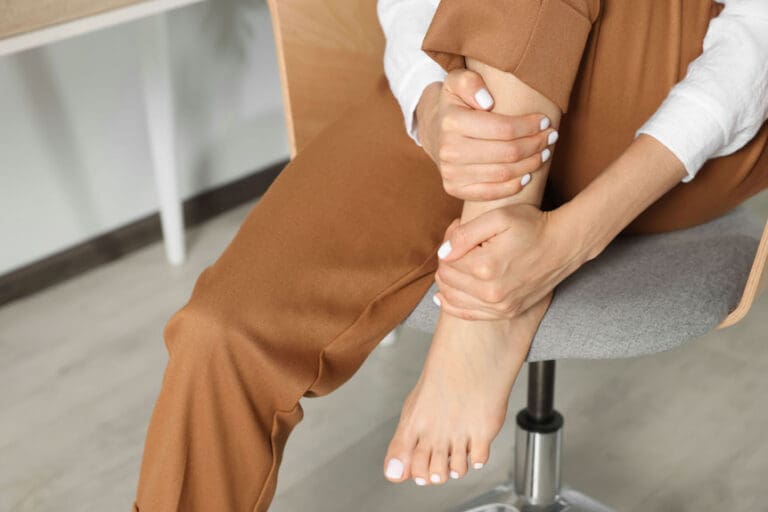
Certain areas, such as the lower back and legs, may require special attention to minimise risk.
Open communication about medical history and pregnancy progression ensures tailored care.
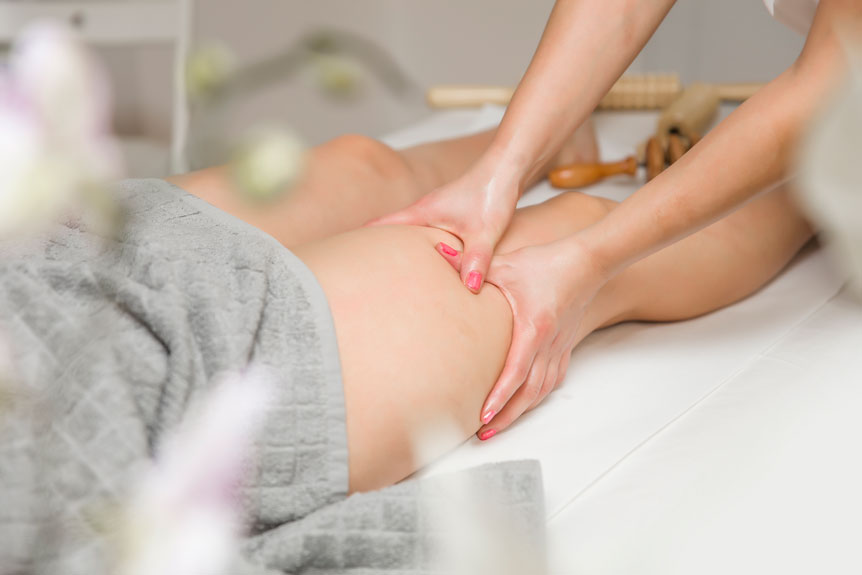
For those considering massage, it’s important to understand that practices such as deep tissue massage involve firmer pressure and may not be appropriate during early pregnancy without professional assessment and adaptation of technique.
Ultimately, early pregnancy massage should always prioritise relaxation, safety, and the unique needs of each individual.
Key Benefits of Prenatal Massage in Early Pregnancy
Prenatal massage during early pregnancy can help alleviate common discomforts such as muscle tension and fatigue.
Evidence suggests it may also promote emotional wellbeing and reduce anxiety, contributing to a more positive pregnancy experience.
Additionally, many individuals report improved sleep quality following sessions with experienced therapists at Spa & Massage.
Easing Early Pregnancy Discomfort
During the early stages of pregnancy, many individuals experience a range of physical and emotional changes that can lead to discomfort, including fatigue, muscle tension, and heightened stress. Targeted prenatal massage, as practiced by therapists at Spa & Massage, can provide significant relief from these common symptoms.
Gentle techniques help ease muscular aches—especially in the lower back, hips, and shoulders—by promoting circulation and reducing swelling. Fatigue and general discomfort often decrease as the body’s natural relaxation response is activated.
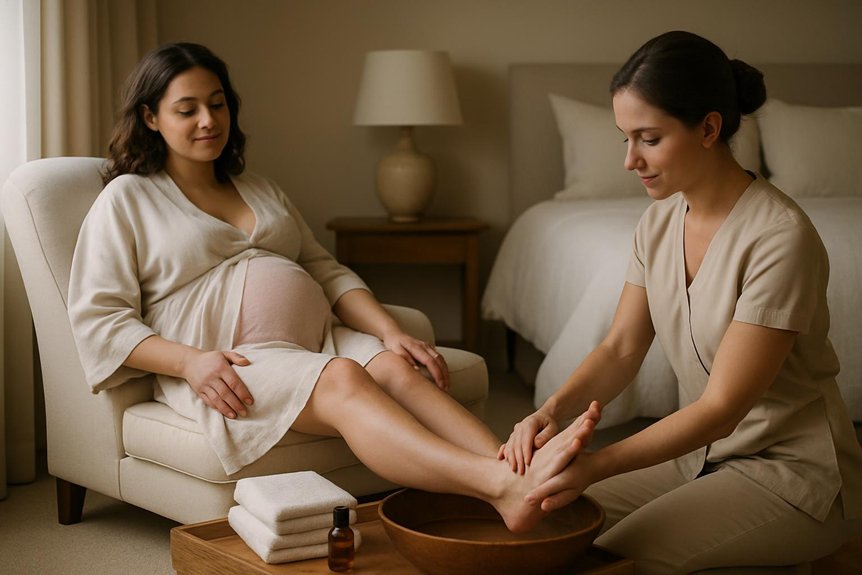
Special attention is given to positioning and support, ensuring safety and comfort throughout each session. Many clients at Spa & Massage report improved rest and a greater sense of physical ease following treatment, making massage a valued part of their early pregnancy care.
Supporting Emotional Wellbeing
How can early prenatal massage positively influence emotional wellbeing? During early pregnancy, many individuals experience heightened emotions, anxiety, and mood fluctuations due to hormonal changes.
Evidence suggests that gentle prenatal massage, when performed by trained therapists such as those at Spa & Massage, can reduce levels of cortisol (the stress hormone) and support the release of endorphins, which foster calmness and emotional balance.
In our clinics, therapists create a nurturing environment where clients feel listened to and respected—a critical element in emotional support. The comforting touch and individualized attention can help clients feel more connected to their changing bodies, while also alleviating feelings of isolation or overwhelm.
Improving Sleep Quality
Beyond supporting emotional wellbeing, massage in early pregnancy has been shown to play a significant role in improving sleep quality. Disrupted sleep is common during early pregnancy due to hormonal changes, physical discomfort, and heightened anxiety.
Evidence suggests that gentle, targeted massage can lower cortisol levels and promote the release of serotonin, facilitating deeper and more restful sleep. At Spa & Massage, therapists use safe positioning and nurturing touch to ease muscular tension and calm the nervous system.
Clients often report falling asleep more easily and experiencing fewer nighttime disturbances. By enhancing relaxation and reducing physical discomfort, prenatal massage becomes a valuable tool for restoring natural sleep patterns.
For many, this restorative rest supports both maternal health and the emotional connection with their developing baby.
Common Myths and Misconceptions About Early Prenatal Massage
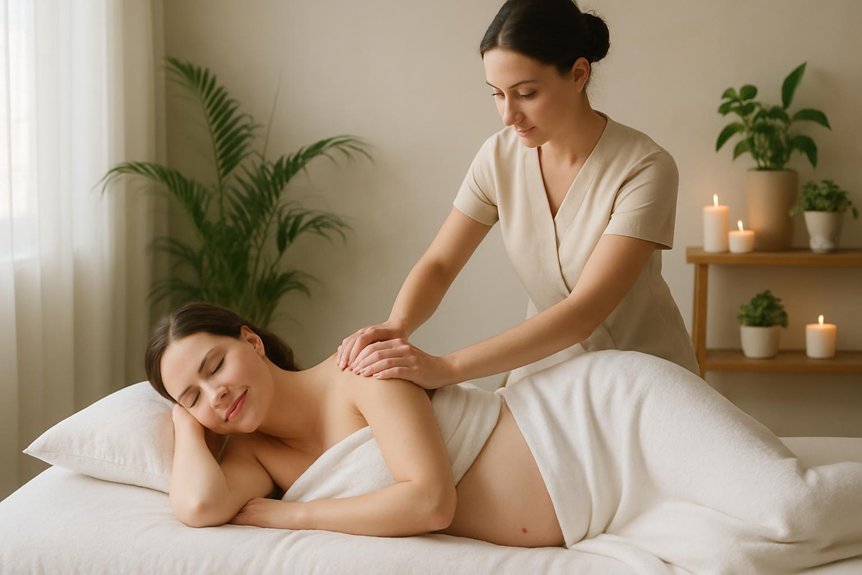
There are several persistent myths about the safety of massage in early pregnancy, particularly regarding supposed risks and the use of certain pressure points.
Evidence shows that, when performed by trained professionals such as those at Spa & Massage, prenatal massage is safe and tailored to avoid any areas of concern.
It is important for expecting mothers to understand which claims are unfounded and which practices are supported by current guidelines.
Misunderstandings About Massage Risks
Frequently, myths surrounding massage during early pregnancy lead to unnecessary worry and confusion among expectant mothers. Many believe that massage might trigger miscarriage or adversely affect the developing baby, yet current medical evidence does not support these claims when massage is performed by a qualified professional.
At Spa & Massage, therapists are specially trained to adapt their techniques, ensuring gentle, safe, and nurturing care for those in early pregnancy. It is important to distinguish between unfounded fears and clinically recognized precautions.
The use of appropriate positioning, pressure, and oils—standard practice in our clinics—further minimizes any risks.
Open communication with therapists and disclosure of pregnancy status allows for a tailored approach, providing reassurance and comfort throughout the session.
Accurate information empowers expectant mothers to make informed wellness choices.
Truth About Pressure Points
Despite persistent myths, scientific evidence does not support the idea that stimulating specific pressure points during early pregnancy will induce miscarriage or cause harm when massage is performed by a trained professional.
At Spa & Massage, therapists are highly trained to adapt their techniques for each stage of pregnancy, avoiding unnecessary pressure and always prioritising client comfort and safety.
Misconceptions about “forbidden” points, such as those around the ankles or wrists, often create unnecessary anxiety.
In reality, the gentle, nurturing approach used in prenatal massage is designed to soothe rather than activate.
Clients are encouraged to communicate openly about their comfort and preferences.
This intimate dialogue ensures that every session remains both safe and deeply relaxing, supporting wellbeing throughout early pregnancy while dispelling unfounded fears.
How Our Therapists Tailor Treatments for Expectant Mothers
With a deep understanding of the unique physiological changes and sensitivities experienced during pregnancy, therapists at Spa & Massage use specialised techniques to guarantee both safety and comfort for expectant mothers.
Each session begins with a thorough consultation, allowing therapists to tailor the massage to the client’s trimester, personal health, and areas of concern.
Gentle, nurturing strokes are favoured, avoiding deep pressure and focusing on alleviating common discomforts such as lower back pain and leg swelling.
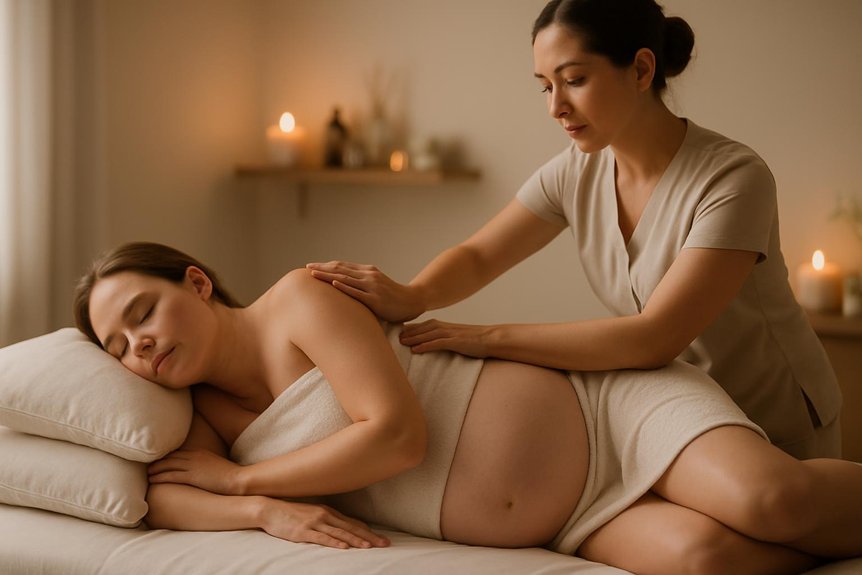
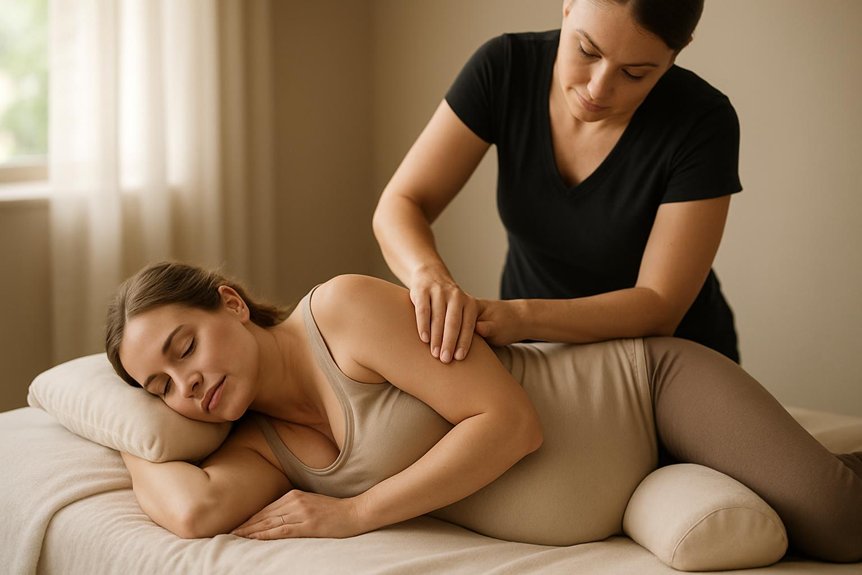
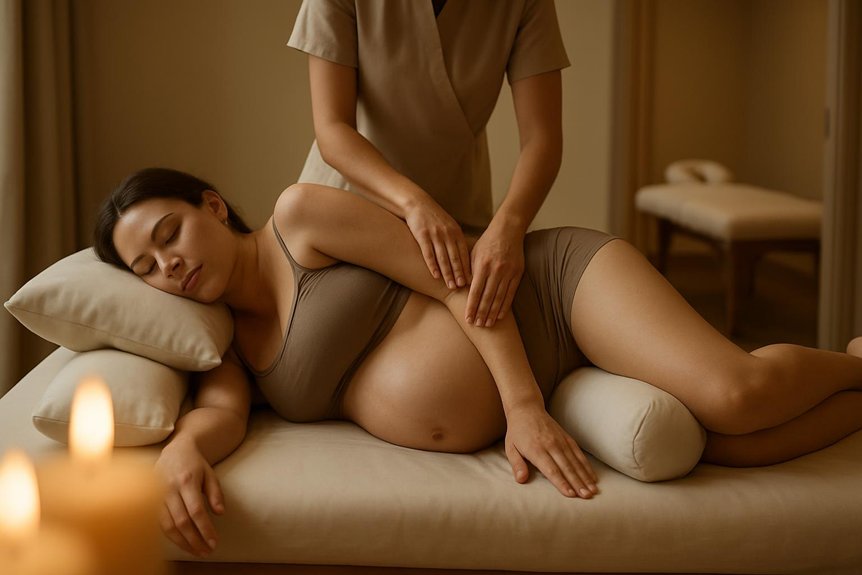
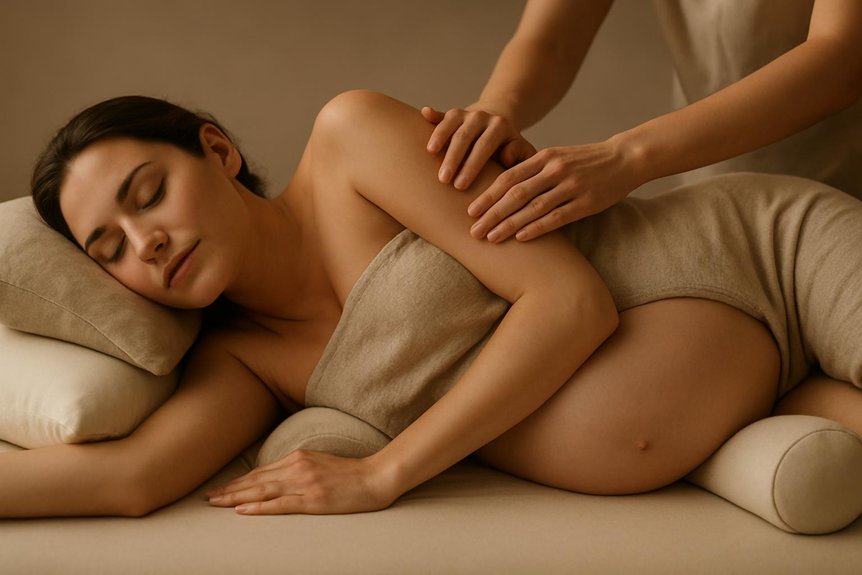
Safe positioning, such as side-lying support with pillows, is always prioritised to protect both mother and baby.
Only pregnancy-safe oils are used, selected for their hypoallergenic properties.
This patient-centred approach ensures every expectant mother feels cared for, respected, and deeply relaxed throughout her massage experience.
Precautions and Contraindications to Consider
While individualised care is at the heart of every prenatal massage at Spa & Massage, certain precautions and contraindications must always be considered to protect the health of both mother and baby.
During the first trimester, therapists carefully avoid deep abdominal work and strong pressure on the lower back or legs, as these areas may be more sensitive and vulnerable to circulatory changes.
Special attention is given to clients with a history of miscarriage, high-risk pregnancies, severe morning sickness, or bleeding; in such cases, massage may be postponed until medical clearance is obtained.
Therapists at Spa & Massage also select hypoallergenic oils and maintain open communication to monitor comfort and safety throughout the session, ensuring a nurturing experience without compromising maternal or foetal wellbeing.
Tips for Maximising Comfort and Wellbeing During Your Session
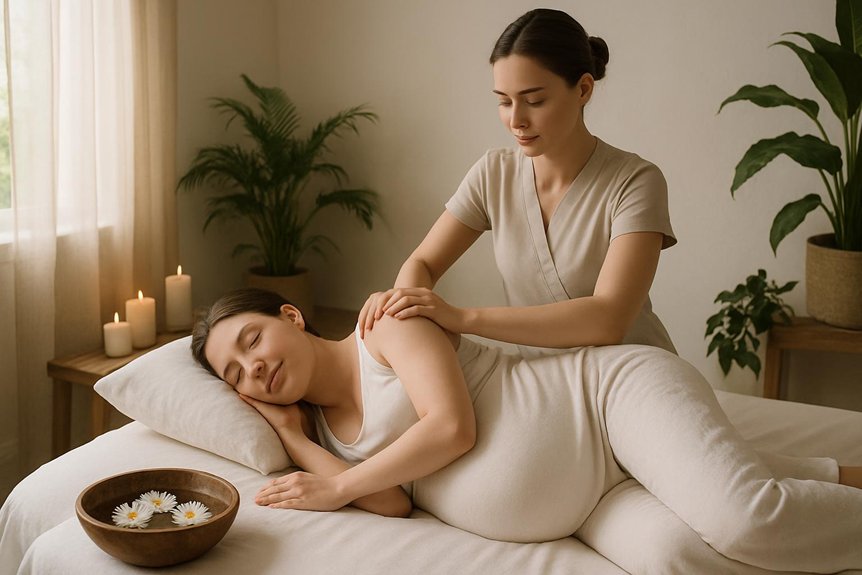
To promote ideal comfort and wellbeing during a prenatal massage session, careful attention to positioning, communication, and environment is essential.
At Spa & Massage, therapists use supportive cushions and side-lying positioning to alleviate pressure on the abdomen and lower back, ensuring safety and relaxation.
Open communication is encouraged; clients are invited to share preferences, sensitivities, or concerns before and during the session.
Therapists select gentle, unscented oils commonly recommended for pregnancy, prioritising skin sensitivity and avoiding any contraindicated ingredients.
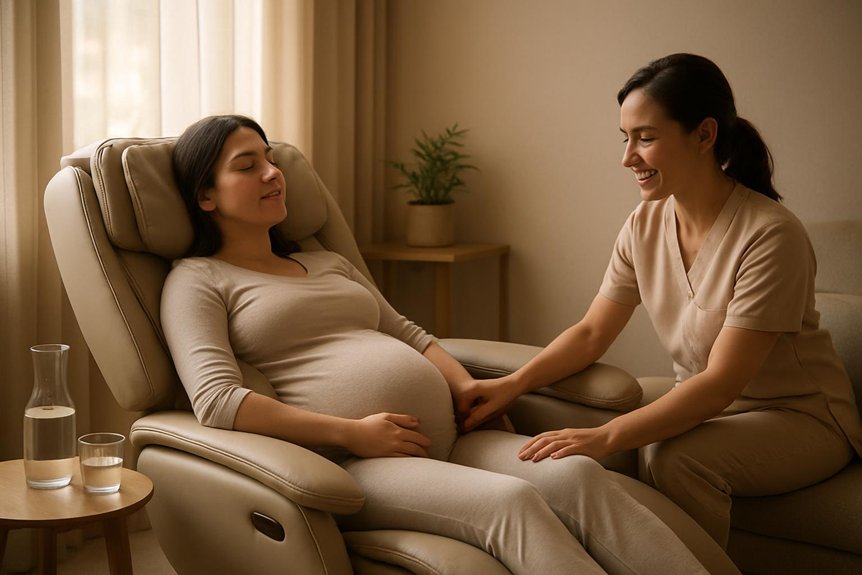
The tranquil clinic environment, with soothing lighting and calming music, further enhances relaxation.
Regular hydration and mindful breathing are advised, both before and after massage, to maximise benefits.
These measures, guided by Spa & Massage expertise, help foster a secure, nurturing experience for expectant mothers.
Conclusion
Like a gentle harbour in a shifting tide, professionally guided massage during early pregnancy can offer safe shelter and calm for expectant mothers. When tailored by skilled therapists and grounded in evidence-based practice, prenatal massage addresses both physical discomfort and emotional turbulence. With appropriate precautions, expert care transforms each session into a nurturing bridge between mother and baby—supporting wellbeing and fostering a tranquil journey through the delicate first trimester. Always consult qualified professionals for personalised guidance.