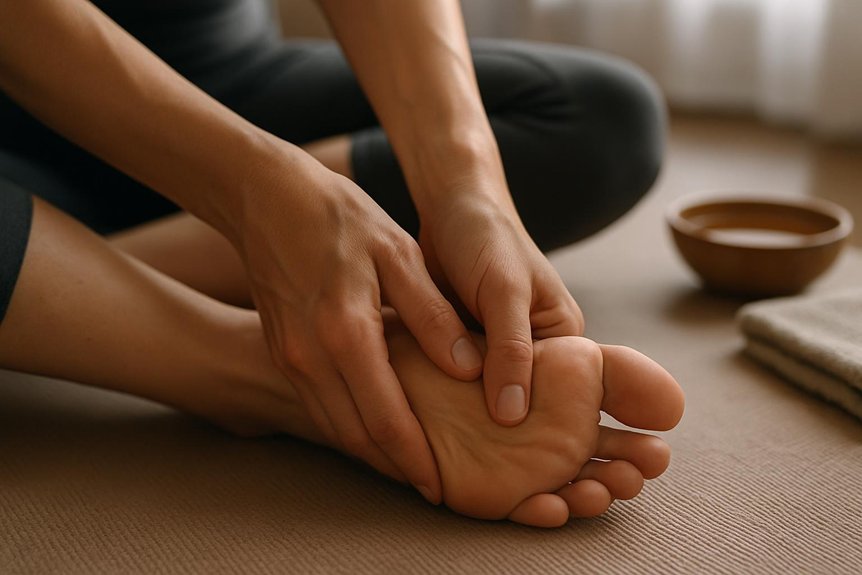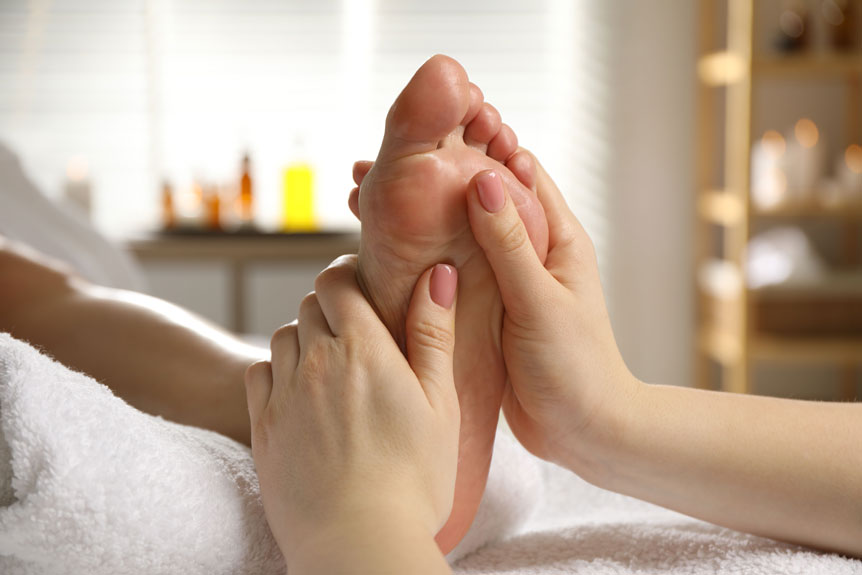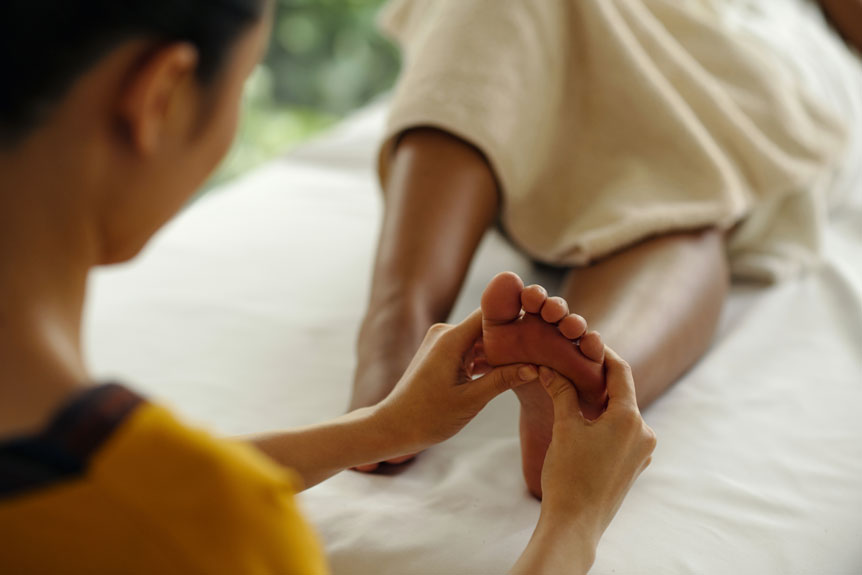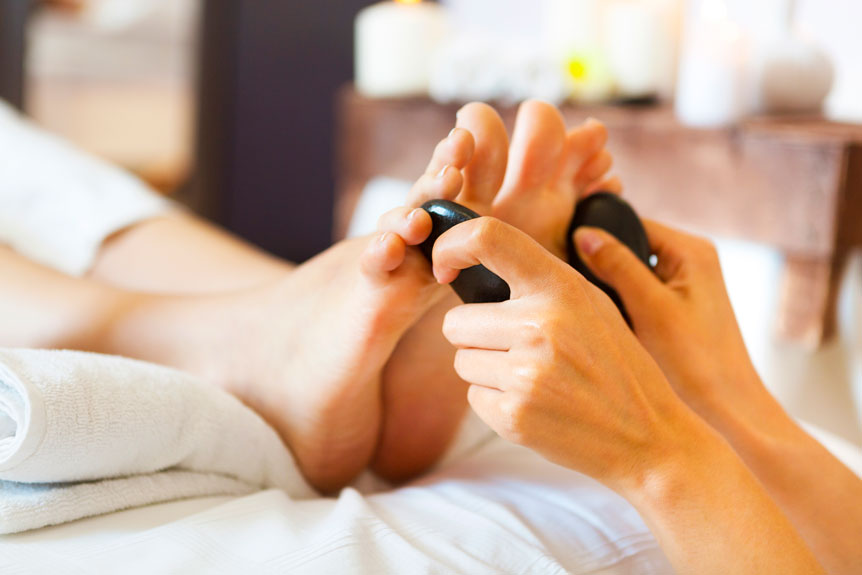
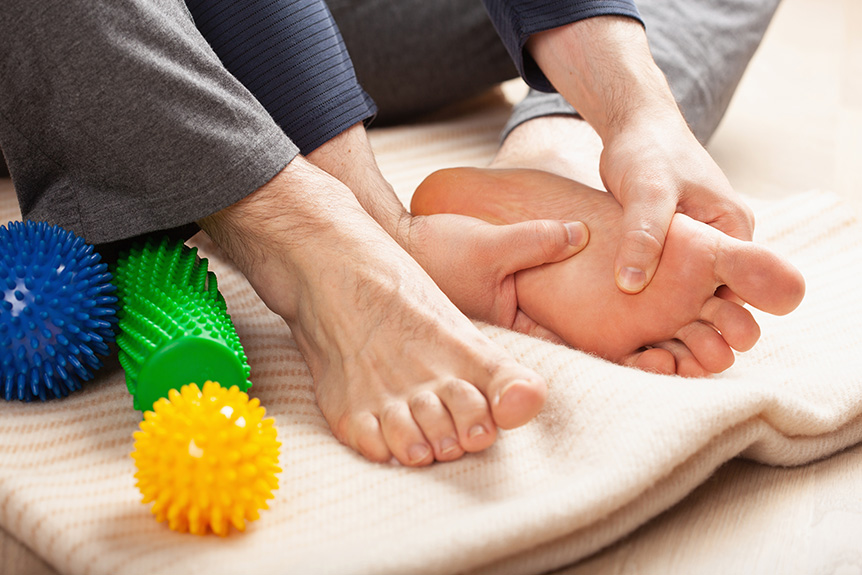
Yes, individuals can perform zone therapy on themselves by stimulating reflex zones located on their own hands and feet. This self-care technique uses gentle, targeted pressure and circular motions to promote relaxation, circulation, and general well-being. It is important to avoid sensitive or injured areas, use appropriate pressure, and incorporate tools or massage oils for ideal results. Self-reflex therapy complements, but does not replace, professional treatments. Further guidance is available on safe methods and enhanced benefits.
Understanding the Principles of Reflex Therapy
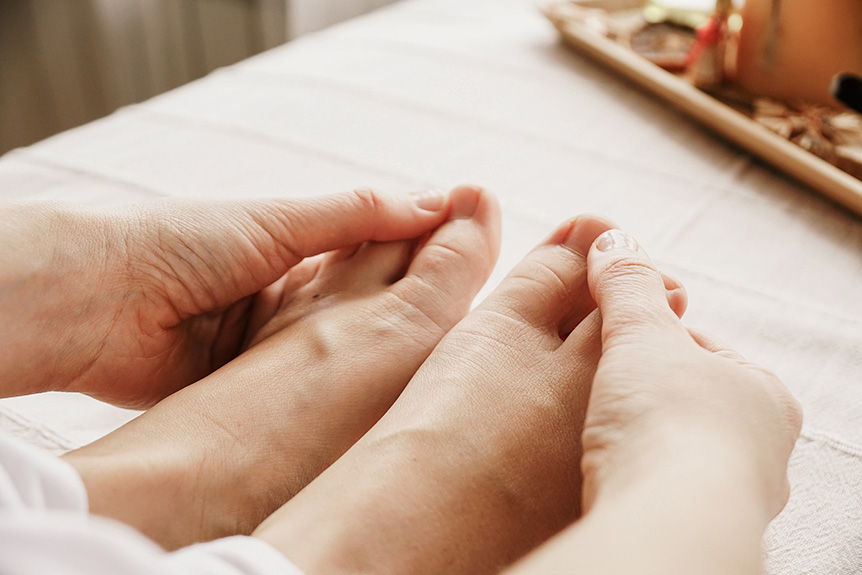
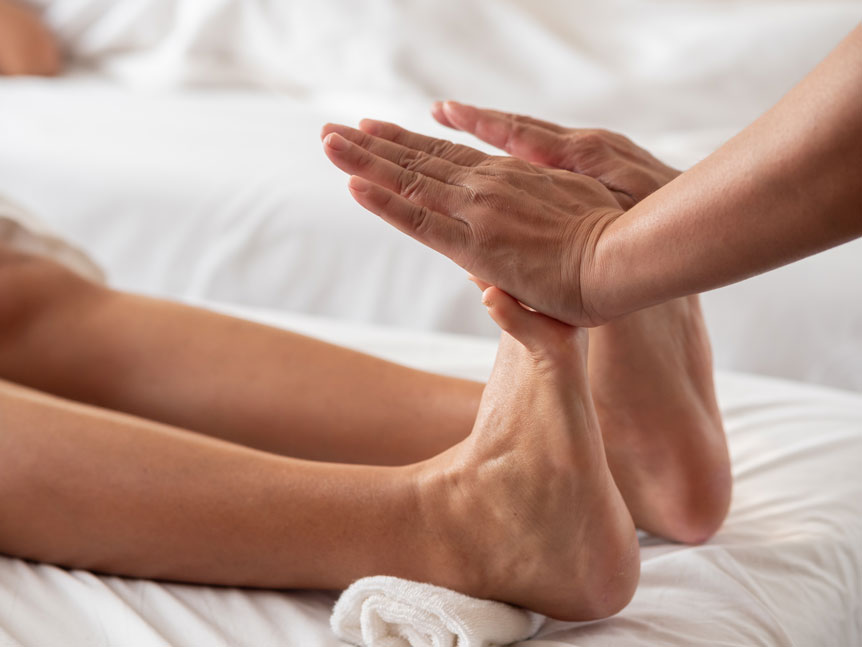
How does it achieve its therapeutic effects? It is grounded in the principle that specific areas of the feet, hands, and ears correspond to organs and systems within the body. By applying deliberate pressure to these reflex points, practitioners aim to stimulate neural pathways, promote circulation, and facilitate the body’s natural homeostasis. At Spa & Massage, therapists are trained to map these reflex zones with precision, ensuring targeted stimulation that aligns with each client’s unique needs. It is not merely a foot rub; it is a systematic approach that seeks to encourage balance and relaxation through carefully modulated touch. The practice requires an understanding of anatomical relationships and sensitivity to subtle physiological responses, fostering a deeply personal yet technically sound experience for each recipient. Many people discover the healing power of reflex therapy through tailored sessions designed to support overall wellness and relaxation.
The Potential Benefits of Self-Reflexology
Building on the foundational principles of this therapy, self-reflex therapy offers individuals the opportunity to directly engage with their own health and well-being.
When performed with mindful attention, self-reflex therapy can facilitate relaxation, support improved circulation, and foster a heightened sense of body awareness.
Spa & Massage frequently observes that clients who practice self-reflex therapy between sessions report reduced tension and enhanced emotional balance.
By stimulating specific reflex zones, individuals may help modulate stress responses and encourage the body’s natural restorative processes.
Moreover, self-reflex therapy empowers individuals to develop a deeper connection with their own physical and emotional states, complementing professional treatments.
While it is not a substitute for the expertise of a trained therapist, self-reflex therapy can play a meaningful role in a holistic self-care routine.
Areas of the Body You Can Safely Work On
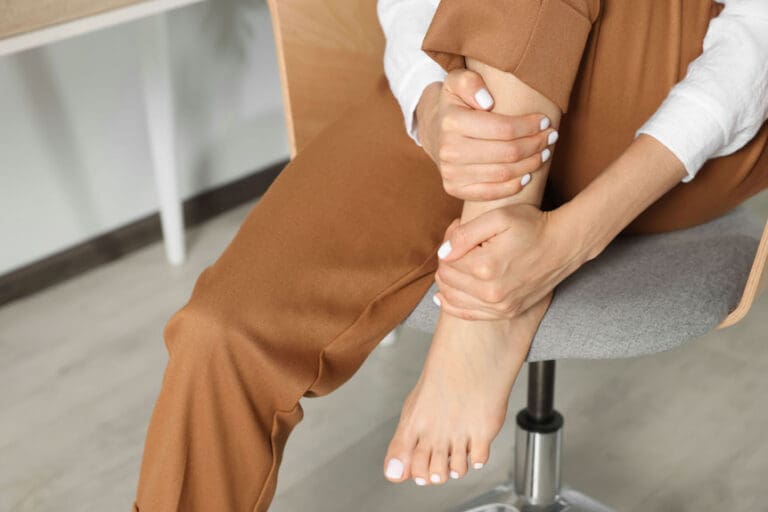
When practising self-reflex therapy, individuals should focus on the hands and feet, where reflex zones are clearly mapped and accessible.
These areas allow for effective stimulation without significant risk when appropriate pressure is used.
Sensitive body regions, such as the face, neck, and torso, should be avoided to minimise the potential for discomfort or unintended effects.
Hands and Foot Reflex Zones
Although it encompasses the entire body, the hands and feet contain the most accessible and significant reflex zones suitable for self-treatment. These regions house distinct nerve pathways and pressure points that correspond to various organs and systems.
Within the Spa & Massage philosophy, each area of the hands and feet is mapped with precision—soles, arches, toes, and fingers all reflecting internal functions. By applying gentle, targeted pressure, individuals can stimulate circulation, encourage relaxation, and create a sense of connection with their own well-being.
Therapists at Spa & Massage often guide clients in recognising these zones, empowering them to continue beneficial practices at home. Regular attention to these reflex zones can enhance vital, reduce tension, and support the holistic wellness journey initiated in our clinics.
Avoiding Sensitive Body Areas
How can individuals guarantee safety while practising reflex therapy on themselves? Spa & Massage advises focusing exclusively on the hands and feet, as these areas contain well-mapped reflex zones, minimising risk.
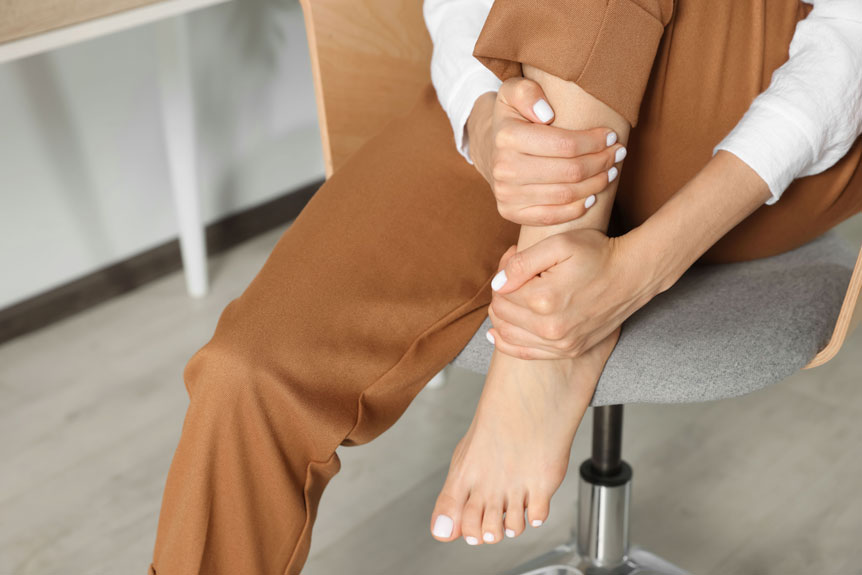
Delicate body parts—such as the face, abdomen, and areas with varicose veins or recent injuries—should be strictly avoided to prevent unintended discomfort or complications.
Applying gentle yet purposeful pressure is essential, especially if self-massaging for the first time.
At Spa & Massage, therapists always assess the client’s skin condition and sensitivity before beginning any technique, and self-practitioners should do the same.
Use a neutral, hypoallergenic oil if desired, as recommended in our clinics, to guarantee a smooth, comfortable touch.
Prioritising these guidelines supports both safety and effective self-care.
Basic Self-Reflex Therapy Techniques
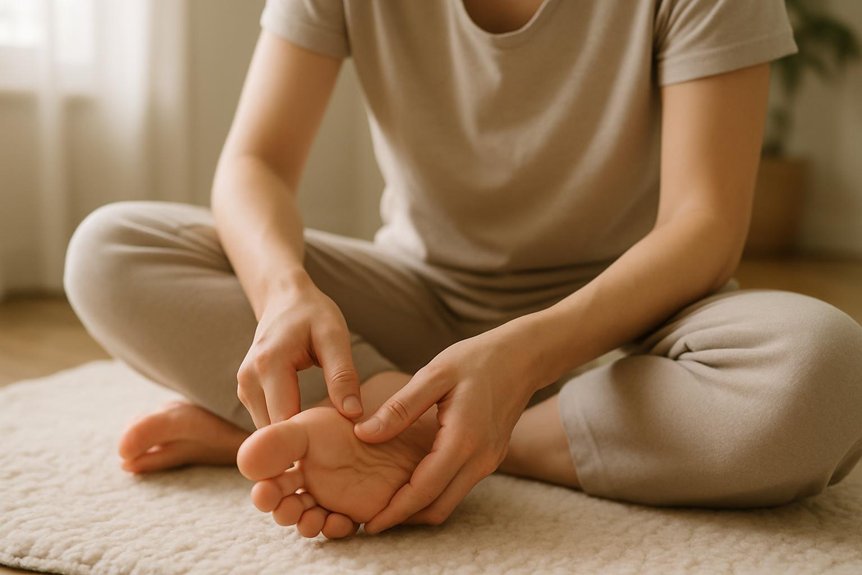
Basic self-reflex therapy begins with structured foot massage steps designed to stimulate specific reflex points.
Applying consistent, moderate pressure—using thumbs or fingertips—ensures effective activation without causing discomfort.
Spa & Massage therapists emphasize the importance of controlled technique to maximize therapeutic benefits and promote relaxation.
Simple Foot Massage Steps
When performed with careful attention, self-reflex therapy can provide targeted relief and promote overall wellbeing by stimulating specific points on the feet.
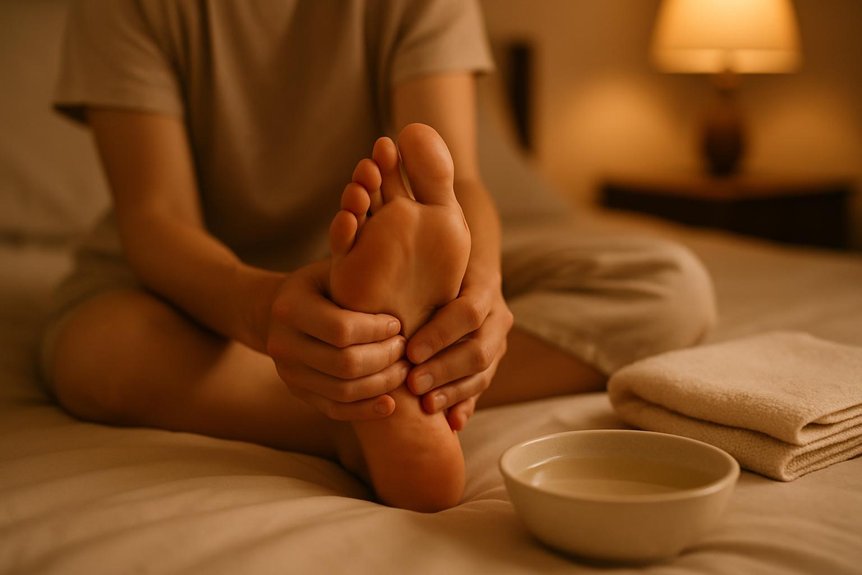
Begin by washing and drying the feet thoroughly to prepare the skin and enhance tactile sensitivity.
In Spa & Massage clinics, therapists often recommend starting with gentle, circular strokes across the entire sole to warm the tissue and increase circulation.
Next, use the thumbs to apply broad, sweeping motions from the heel to the toes, following the natural contours of the foot.
Focus on the arch and ball, using slow, methodical movements to address areas of tension.
Each step should be deliberate, allowing the individual to connect with their own physical sensations and establish a mindful rhythm.
This fosters a deeper sense of relaxation and self-awareness.
Applying Correct Pressure
After establishing relaxation and warming the foot tissue, attention turns to the application of pressure—a fundamental aspect of effective self-reflex therapy. Precision is essential: pressure should be firm enough to stimulate reflex points without causing discomfort.
In Spa & Massage clinics, therapists recommend using the thumb or knuckle to apply slow, deliberate pressure to each area, holding for three to five seconds before releasing. The motion should be steady and controlled, allowing the individual to sense subtle feedback from the tissue.
If tenderness is encountered, pressure may be reduced, yet maintained consistently to promote release. Alternating between gentle circular motions and static holds mirrors professional techniques, ensuring *ideal* results.
This mindful approach aligns with Spa & Massage’s emphasis on both efficacy and client comfort.
Tools and Products to Enhance Your Practice
Selecting the appropriate tools and products can substantially improve the efficacy and comfort of self-administered reflex therapy.
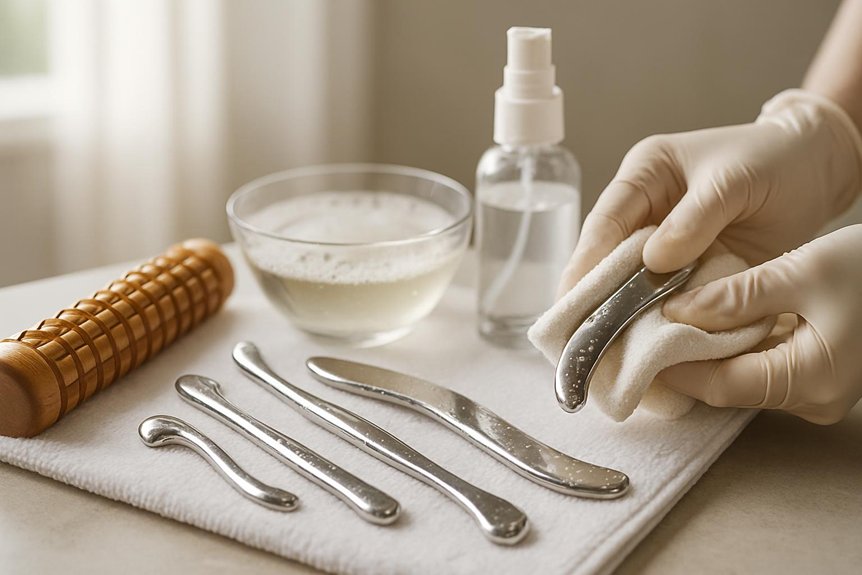
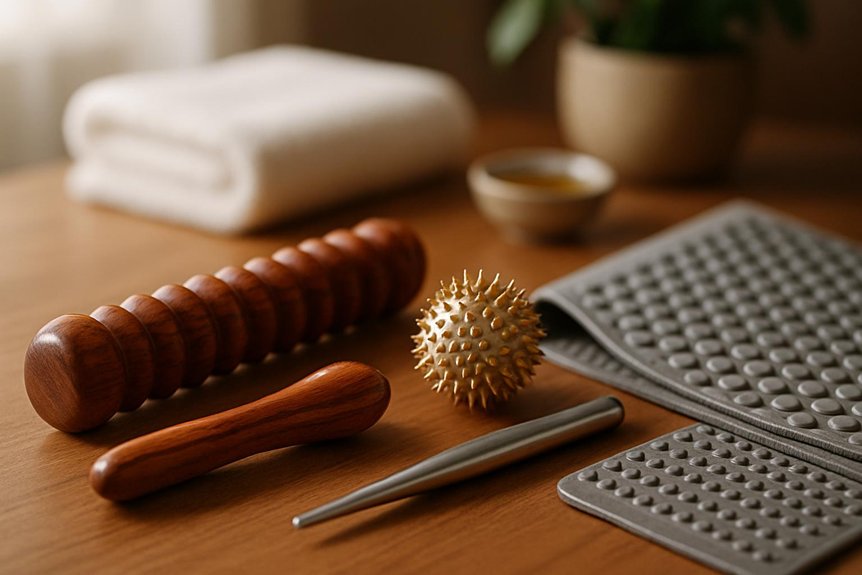
At Spa & Massage, therapists recommend using a firm, smooth reflex therapy tool—such as a wooden stick or massage roller—to target specific pressure points with precision, reducing hand fatigue during extended sessions.
For enhanced tactile sensitivity and glide, a nourishing massage oil or lotion is suggested. In our clinics, natural plant-based oils are preferred for their skin-soothing properties and gentle aromatherapy effects.
A soft towel or cushion can support the feet or hands, promoting relaxation and proper positioning.
Maintaining a clean, tranquil environment mirrors professional standards and fosters deeper connection with the practice.
These enhancements allow individuals to replicate the soothing, effective touch characteristic of Spa & Massage treatments.
When to Seek Professional Therapist
A self-administered reflex therapy routine offers numerous benefits, yet there are distinct circumstances where professional intervention is warranted. Individuals experiencing persistent discomfort, complex health conditions, or limited mobility may find the expertise of a trained therapist essential.
At Spa & Massage, therapists possess advanced anatomical knowledge, enabling them to identify subtle imbalances and tailor techniques with precision. Professional sessions integrate in-depth assessment, customized pressure, and a tranquil environment—facilitating deeper relaxation and therapeutic outcomes.
If self-reflex therapy yields minimal improvement, or if pain, swelling, or unusual symptoms occur, immediate consultation with a reflexologist is advised.
For those seeking ongoing support or enhanced well-being, regular professional treatments offer a level of care and insight unattainable through self-practice, nurturing both body and mind with greater intimacy.
Common Mistakes to Avoid During Self-Reflex Therapy
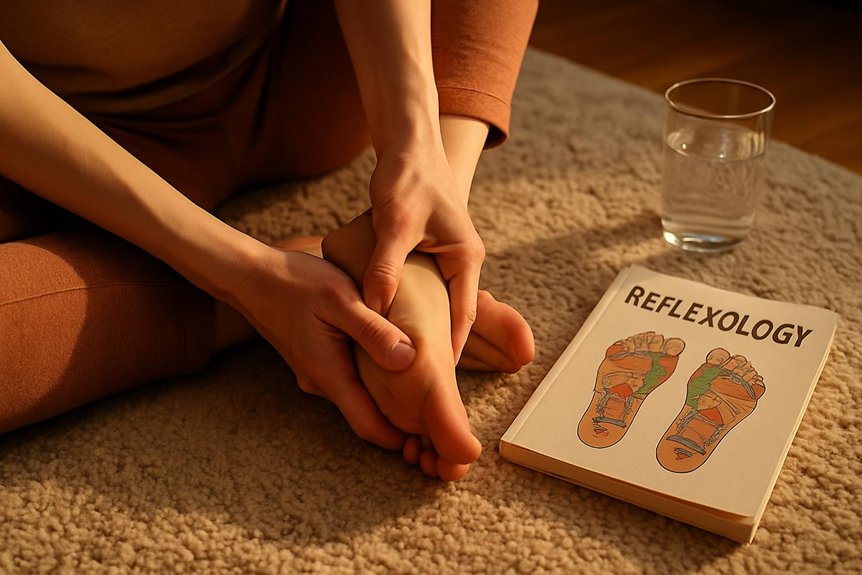
While professional reflex therapy offers thorough assessment and tailored care, effective self-practice requires careful attention to technique and safety.
One common mistake is applying excessive pressure, which can cause discomfort or bruising rather than therapeutic benefit. Inconsistent or rushed movements may also reduce efficacy and prevent relaxation.
Skipping essential steps—such as warming the feet, using suitable massage oils, or following a logical sequence—can limit the session’s effectiveness.
At Spa & Massage, therapists emphasize the importance of attentiveness to one’s own pain threshold and response, avoiding reflex points that feel acutely tender or inflamed.
Neglecting aftercare, such as adequate hydration and rest, may also impede positive outcomes.
Precision, patience, and respect for the body’s signals underpin safe and rewarding self-reflex therapy practice.
Incorporating Self-Reflex Therapy Into Your Wellness Routine
Integrating self-reflex therapy into a structured wellness routine enhances both physical and mental resilience by supporting the body’s natural restorative processes.
At Spa & Massage, clients are encouraged to view self-reflex therapy as a complementary practice to professional treatments. Establishing a consistent schedule—such as a brief morning or evening session—ensures cumulative benefits, including improved circulation, reduced stress levels, and heightened body awareness.
Techniques may involve gentle, intentional pressure to specific reflex points, mirroring those used in clinical sessions. For ideal results, individuals are advised to create a tranquil space, use nourishing massage oils, and focus on slow, mindful breathing.
This self-care ritual not only reinforces relaxation between appointments but also fosters a deeper connection with one’s wellbeing, aligning with Spa & Massage’s holistic philosophy.
How Our Therapists Personalise Each Sessions
Every session at Spa & Massage is meticulously tailored to the client’s unique health profile and wellness goals. Therapists begin with a thorough consultation, carefully evaluating lifestyle factors, medical history, and current symptoms.
This foundational information informs the selection of specific reflex points and pressure techniques, ensuring that each treatment directly addresses individual needs—be it stress relief, pain management, or enhanced energy flow.
The therapists’ nuanced understanding of anatomy and reflex therapy maps enables them to adapt pressure, rhythm, and duration for maximum therapeutic effect. They also integrate client feedback throughout the session, adjusting their approach to achieve the ideal balance between relaxation and targeted relief.
This bespoke methodology fosters a sense of trust and intimacy, elevating every treatment into a truly personalised experience.
Conclusion
In conclusion, self-reflex therapy offers accessible relief and relaxation, though it cannot fully replicate the tailored expertise of a professional therapist. Particularly, a 2022 survey found that 68% of individuals practicing self-reflex therapy reported reduced stress levels. For ideal wellness, individuals should employ proper techniques, remain mindful of limitations, and integrate self-care between professional sessions. Spa & Massage encourages a balanced approach, recognising both the convenience of self-reflex therapy and the unique benefits of expert-guided treatments.