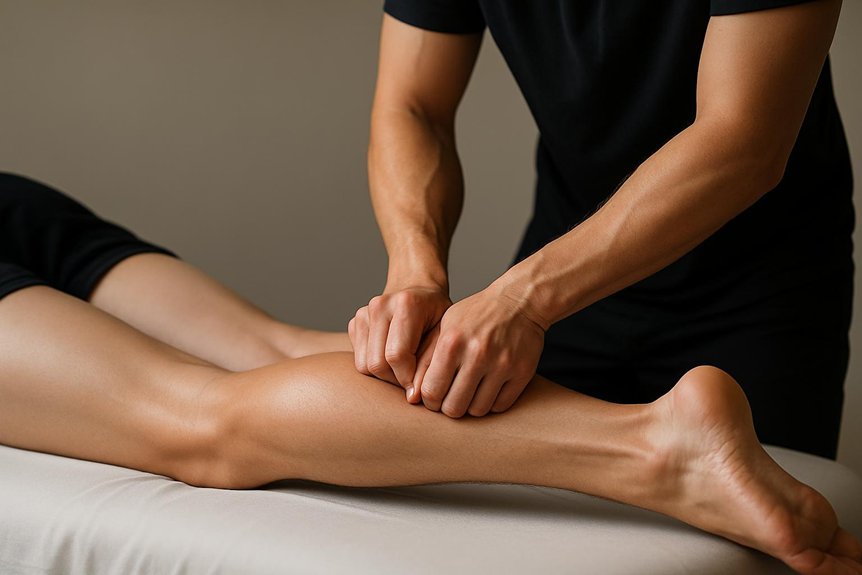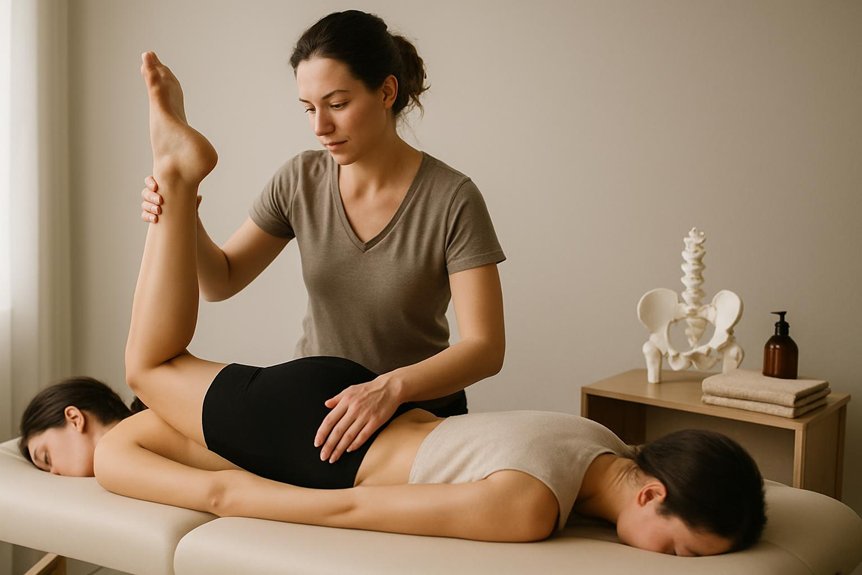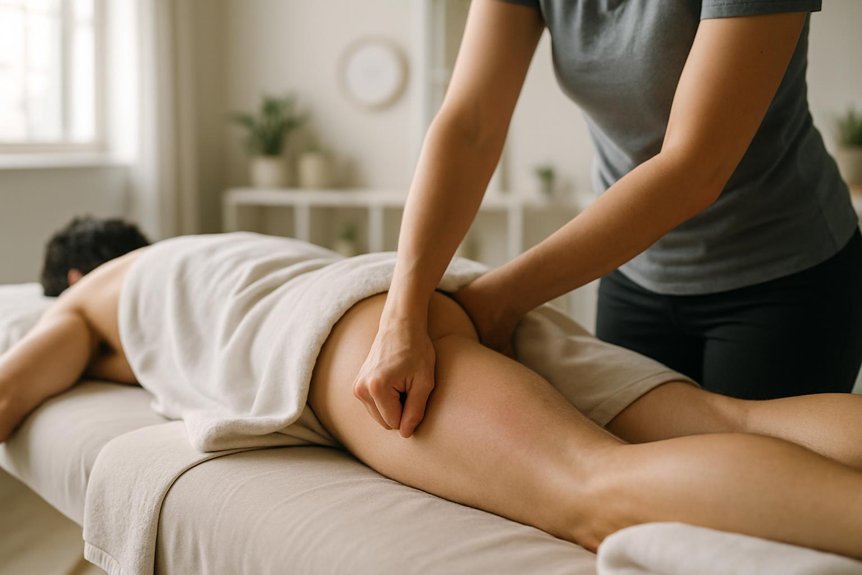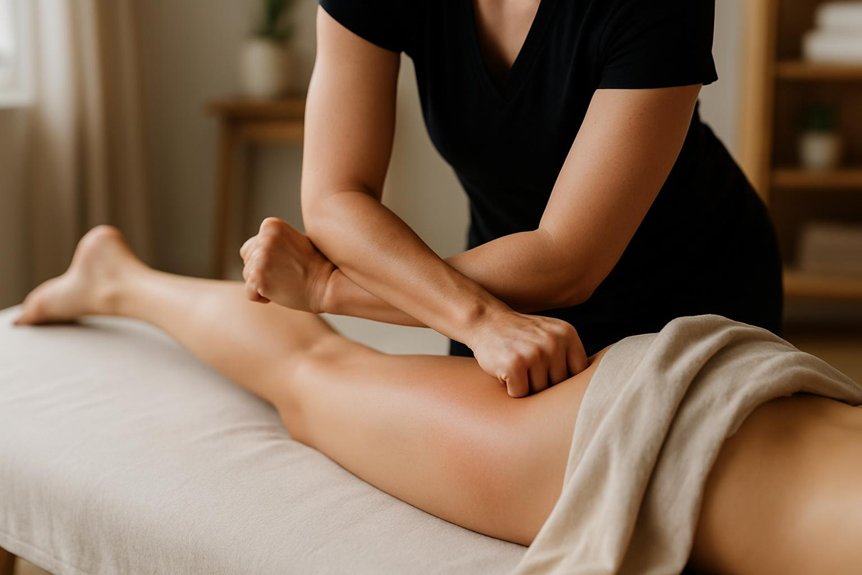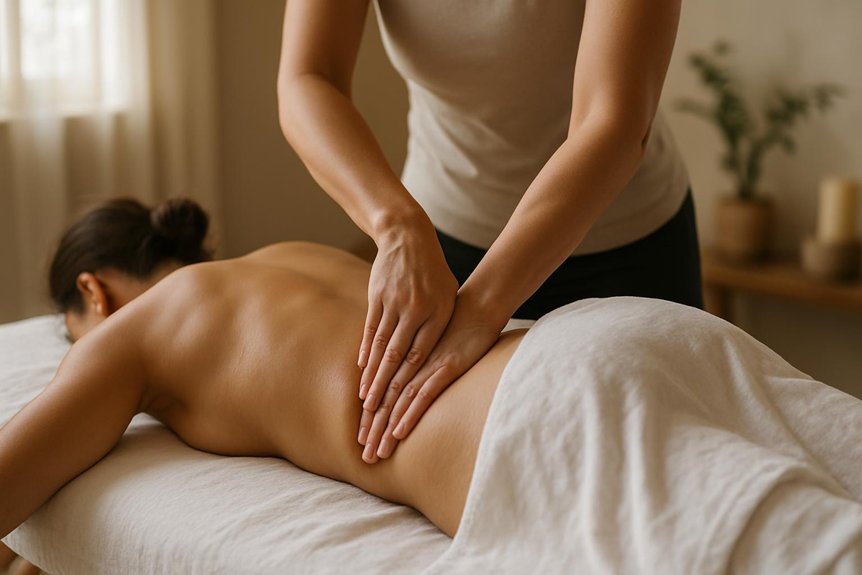
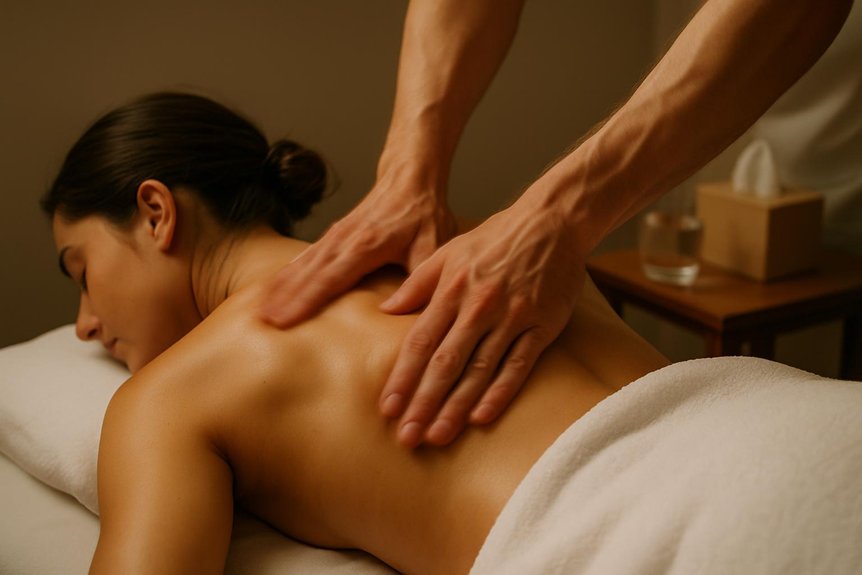
Some individuals may experience mild, temporary symptoms resembling illness after a intensive tissue massage. These can include fatigue, headache, muscle soreness, or a slight feeling of malaise, arising from increased lymphatic activity and metabolic waste release. Such reactions are typically part of the body’s physiological response as tissues adjust to manipulation. Severe or lasting symptoms are uncommon and should prompt further evaluation. More details about symptoms, aftercare, and prevention strategies are available to support client well-being.
Understanding Intensive Tissue Massage and Its Effects
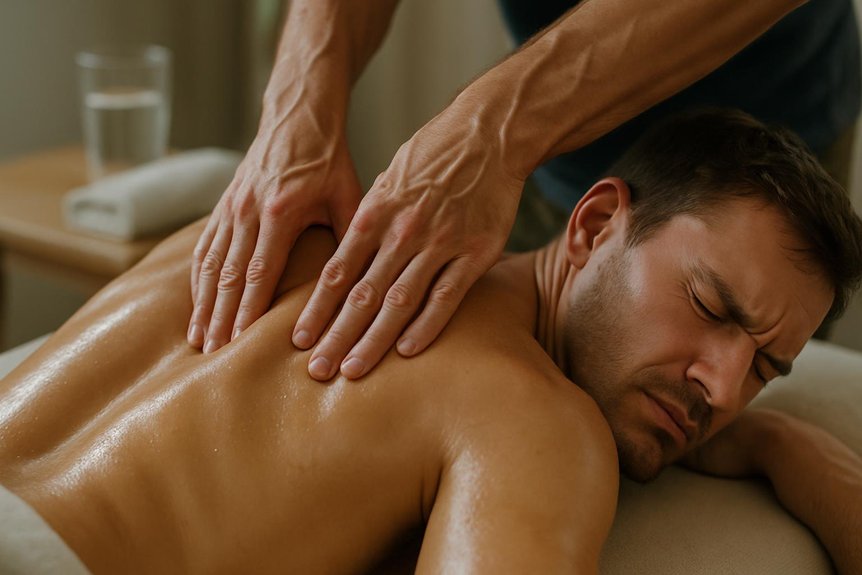
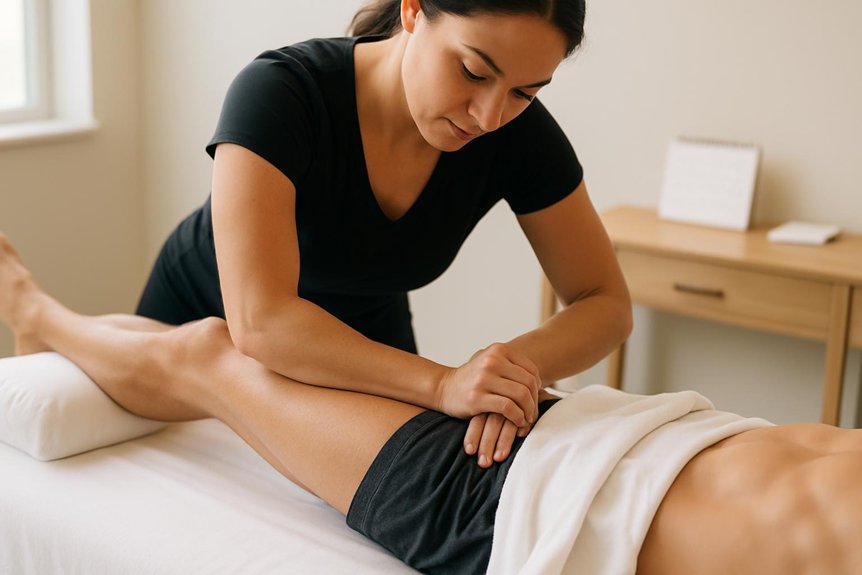
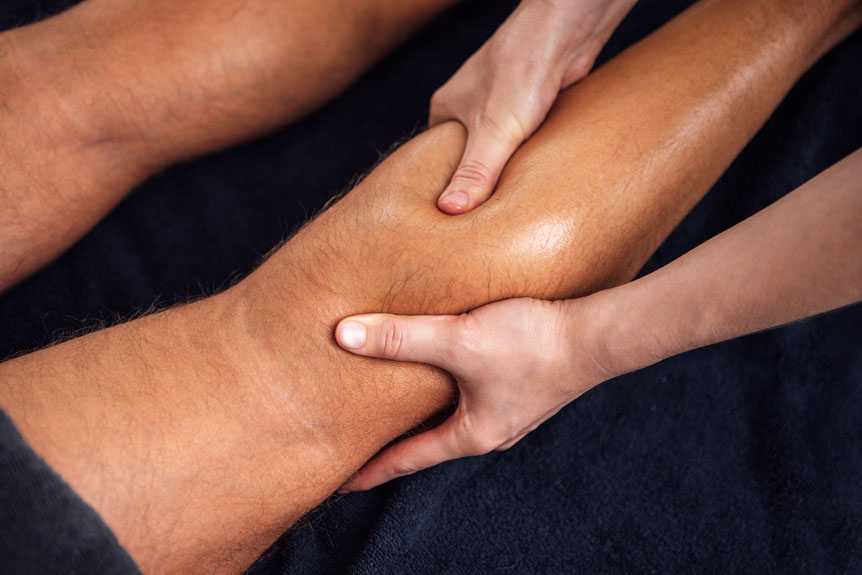
It targets the deeper layers of muscles and connective tissue, employing sustained pressure and slow, purposeful strokes. This technique, expertly delivered by therapists at Spa & Massage, is designed to address chronic tension, knots, and areas of discomfort.
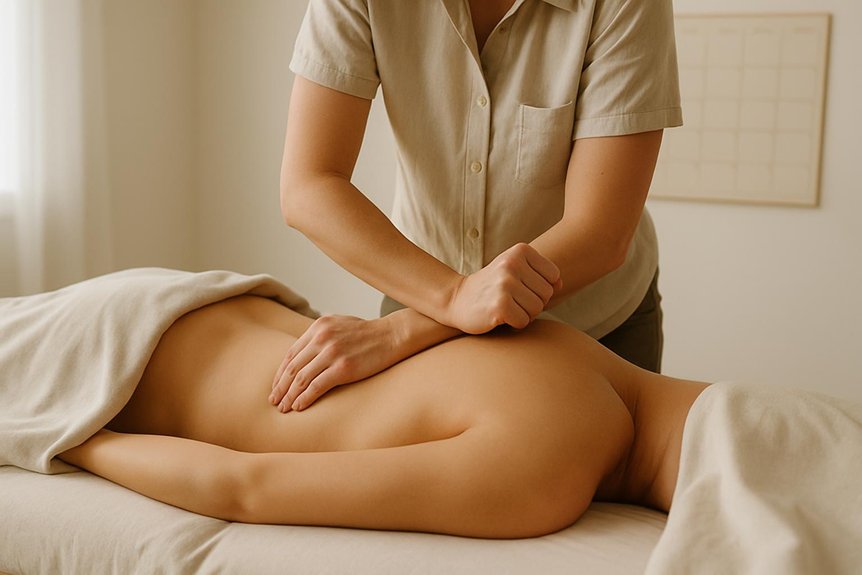
By manipulating muscle fibers and fascia, the massage promotes increased blood flow, encourages the release of metabolic waste, and stimulates the body’s natural healing processes.
For clients seeking profound relief, this approach can restore flexibility, ease muscular adhesions, and foster a sense of physical intimacy and well-being.
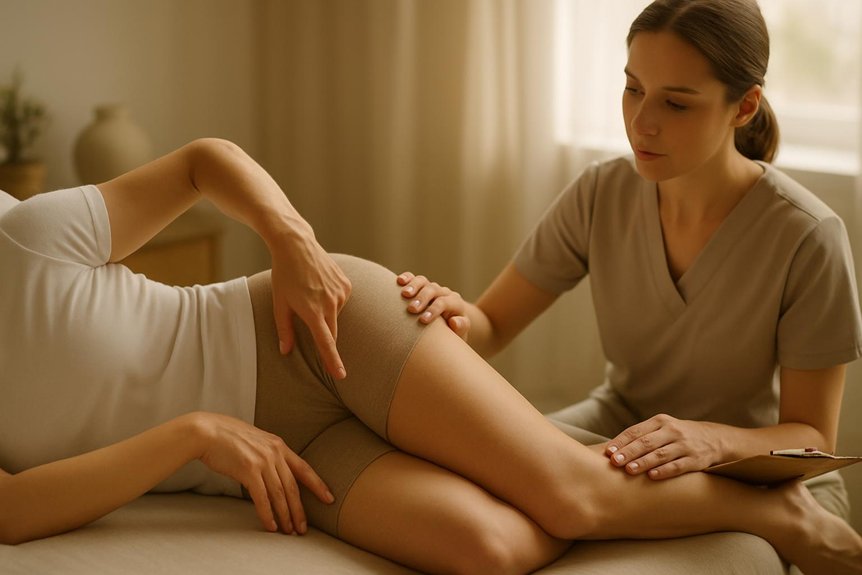
Each session is carefully tailored to individual needs, ensuring that clients feel supported, safe, and nurtured throughout their therapeutic journey at Spa & Massage.
In addition to these benefits, some clients may find value in exploring the healing power of reflexology as a complementary approach to their massage therapy, potentially enhancing overall wellness and balance.
Common Reactions After a Deep Tissue Massage
Following a intensive tissue massage, it is common for clients to experience a range of physiological responses as the body adjusts to the therapeutic work performed.
Mild muscular soreness, localized tenderness, and a sensation of fatigue are frequent, reflecting the release of tension and increased circulation within deep muscle layers.
At Spa & Massage, therapists frequently observe temporary erythema, or skin redness, and a gentle warmth in massaged areas due to enhanced blood flow.
Some clients notice increased urination or thirst, as metabolic byproducts are mobilized and processed.
Emotional shifts, such as calmness or a subtle sense of vulnerability, may also arise.
These responses are natural and typically resolve within 24–48 hours, signaling the body’s ongoing healing and adaptation following professional deep tissue therapy.
Why You Might Feel Unwell Post-Massage
Some individuals may experience mild discomfort after a intensive tissue massage due to the release of metabolic waste products from soft tissues. This response is part of the body’s natural healing process as it adjusts to increased circulation and tissue manipulation.
Maintaining proper hydration and following recommended aftercare protocols at Spa & Massage can support recovery and help alleviate these temporary sensations.
Release of Toxins
Occasionally, clients may notice mild discomfort or flu-like symptoms after a intensive tissue massage, prompting questions about the physiological changes occurring within the body.
During a session at Spa & Massage, deep strokes and sustained pressure target the fascia and underlying muscle layers, increasing local circulation and encouraging metabolic exchange. This enhanced movement may mobilise metabolic waste and by-products that accumulate in soft tissues, sometimes referred to as “toxins.”
As these substances enter the bloodstream for elimination, individuals may perceive transient malaise, headaches, or fatigue.
While this response is generally mild and temporary, it highlights the importance of adequate hydration post-massage, a recommendation consistently made by Spa & Massage therapists.
Proper fluid intake supports renal clearance and assists the body’s natural processes, facilitating a gentle shift back to balance.
Body’s Natural Response
A intensive tissue massage initiates a cascade of physiological adjustments as the body adapts to the therapeutic pressure and manipulation of muscle fibres.
During and after a session at Spa & Massage, increased circulation and lymphatic activity are common as tissues respond to the release of tension and adhesions.
This heightened activity may temporarily lead to sensations such as mild fatigue, slight headache, or general malaise.
These responses are the body’s way of recalibrating after deep muscular work and are not uncommon among clients seeking profound relief.
The autonomic nervous system may shift, resulting in a sense of vulnerability or emotional release.
Spa & Massage therapists ensure clients feel supported through these natural responses, encouraging open communication about sensations experienced both during and after treatment.
Hydration and Recovery
Following the body’s natural physiological response to intensive tissue massage, hydration emerges as a key factor in supporting recovery and overall well-being.
Deep tissue techniques stimulate circulation and lymphatic flow, which can mobilise metabolic waste products within the body’s tissues. Without adequate fluid intake, these byproducts may linger, potentially leading to sensations of fatigue, mild headache, or general malaise after the session.
At Spa & Massage, therapists recommend clients drink water both before and after treatment, facilitating ideal cellular function and efficient removal of released toxins. Proper hydration also aids in reducing post-massage muscle soreness and supports tissue repair.
The Role of Toxins and Lymphatic Flow
While receiving a intensive tissue massage, the manipulation of muscle fibers and connective tissue can stimulate an increase in lymphatic circulation. The lymphatic system, responsible for clearing metabolic waste and supporting immune function, benefits from this enhanced movement.
At Spa & Massage, therapists use precise techniques to facilitate the natural flow of lymph, encouraging the removal of cellular byproducts. As lymphatic flow improves, accumulated waste products and excess fluids are more efficiently transported toward elimination pathways.
Many clients express curiosity about the idea of “toxins” being released during massage. Scientifically, this term refers more accurately to metabolic waste—substances generated by normal cellular processes.
The expertise of Spa & Massage therapists ensures that each session supports the body’s innate ability to cleanse and restore balance, fostering a sense of renewal and wellbeing.
Typical Symptoms to Watch For
As the body responds to enhanced lymphatic activity and the release of metabolic byproducts during a intensive tissue massage, certain temporary symptoms may arise.
Many clients at Spa & Massage report sensations such as mild fatigue, transient headache, or muscular soreness after their session.
Occasionally, there may be minor flu-like symptoms—such as chills, low-grade fever, or increased thirst—reflecting the body’s natural detoxification process.
Some individuals notice heightened urination or digestive changes as the system processes released substances.
These responses are typically short-lived and represent the body’s adjustment to the therapeutic effects of massage.
Awareness of these symptoms allows clients to recognise their body’s natural healing response, fostering a sense of trust and intimacy in the self-care journey that intensive tissue massage supports.
How Spa & Massage Therapists Minimise Discomfort
To minimise discomfort and support ideal outcomes, Spa & Massage therapists employ a combination of precise anatomical knowledge and client-centred techniques throughout every intensive tissue massage session.
By carefully evaluating each client’s musculature and identifying areas of tension, therapists can tailor pressure and technique to suit individual thresholds.
Communication remains central; therapists regularly check in with clients, encouraging feedback to ensure the experience remains within comfortable limits.
Slow, deliberate strokes and gradual deepening allow tissues to adapt, reducing the risk of post-massage soreness or adverse reactions.
The use of high-quality massage oils further enhances comfort and promotes a smooth, nurturing touch.
This attentive, personalised approach is fundamental at Spa & Massage, fostering both physical relief and a profound sense of emotional trust and relaxation.
Aftercare Tips Recommended by Our Experts
Following a intensive tissue massage, Spa & Massage therapists emphasise the importance of adequate hydration to support metabolic waste elimination.
Clients are also encouraged to incorporate gentle movement and sufficient rest to aid musculoskeletal recovery.
Nutritional guidance, focusing on balanced and nourishing foods, is provided to further promote ideal tissue repair and overall wellbeing.
Hydration for Optimal Recovery
While intensive tissue massage provides significant therapeutic benefits, ideal recovery relies heavily on proper aftercare—especially maintaining adequate hydration. At Spa & Massage, therapists emphasize that the best fluid intake supports the body’s natural detoxification processes.
During a deep tissue session, metabolic byproducts may be released from muscle tissue into the bloodstream. Sufficient water consumption assists renal and lymphatic systems in flushing these substances, helping to minimize potential post-massage discomfort such as headache or fatigue.
Clients are advised to drink water both prior to and following their session. This not only aids circulatory efficiency but also supports tissue repair and cellular function.
Our therapists often recommend bringing a water bottle to each appointment, nurturing hydration as a ritual of self-care and deepening the restorative effects of every massage experience.
Gentle Movement and Rest
Beyond hydration, Spa & Massage therapists highlight the importance of balancing gentle movement with adequate rest after a intensive tissue massage.
Following a session, muscle fibers and connective tissues experience microtrauma as adhesions are released. Engaging in light activity—such as slow, mindful stretching or short walks—encourages healthy circulation, supporting lymphatic drainage and the removal of metabolic waste.
However, overexertion immediately after treatment can impede the healing process and intensify post-massage soreness. Our practitioners recommend listening closely to bodily cues, granting oneself permission to pause and recover.
A tranquil environment enhances the reparative response, allowing tissues to adapt and recalibrate. At Spa & Massage, clients are guided to integrate gentle movement and restorative stillness, cultivating a harmonious *shift* from therapeutic touch to daily life.
Nourishing Post-Massage Nutrition
Ideal recovery after a intensive tissue massage is supported by mindful nutritional choices that facilitate tissue repair and metabolic balance. Spa & Massage therapists recommend hydrating thoroughly with water or herbal teas to aid in the elimination of metabolic byproducts released during massage.
Consuming nutrient-rich foods—such as lean proteins, leafy greens, and fresh fruits—provides essential amino acids, vitamins, and antioxidants necessary for cellular regeneration and immune support.
Foods high in magnesium, like nuts and seeds, support muscle relaxation and nerve function.
Avoiding excessive caffeine, alcohol, and processed foods helps maintain homeostasis and reduces inflammation.
When to Seek Medical Advice
Although mild soreness or fatigue may occur after a intensive tissue massage, certain symptoms warrant prompt medical evaluation.
Persistent or intense pain, pronounced swelling, or numbness that does not resolve within 48 hours may indicate underlying tissue damage or nerve involvement.
Additional warning signs include fever, chills, shortness of breath, or the appearance of significant bruising beyond typical post-massage responses.
At Spa & Massage, therapists emphasize the importance of listening to your body and recognizing when discomfort exceeds expected limits.
Clients with pre-existing conditions—such as cardiovascular disease, clotting disorders, or recent injuries—should be especially vigilant.
If uncertainty arises regarding any post-treatment symptom, seeking timely advice from a healthcare provider supports wellbeing and peace of mind, ensuring your massage experience remains safe and restorative.
Supporting Your Body’s Recovery After Treatment
Proper aftercare plays a significant role in maximising the therapeutic benefits of a intensive tissue massage and minimising post-treatment discomfort. Following a session at Spa & Massage, clients are encouraged to hydrate thoroughly, as increased fluid intake aids lymphatic drainage and assists in the removal of metabolic waste mobilised during massage.
Gentle stretching and light movement help maintain myofascial flexibility and reduce delayed onset muscle soreness. Applying a warm compress can soothe residual muscular tension, while adequate rest supports the body’s natural repair mechanisms.
Therapists at Spa & Massage often recommend mindful breathing exercises to promote relaxation and support parasympathetic nervous system activation. By adhering to these aftercare practices, clients enhance recovery, reduce post-massage malaise, and prolong the sense of well-being achieved during their treatment.
Conclusion
In essence, experiencing mild, flu-like symptoms after a intensive tissue massage is not uncommon, as the body recalibrates like a finely tuned instrument responding to a new melody. While such reactions are generally transient and reflect underlying physiological adjustments, attentive aftercare and clear communication with therapists at Spa & Massage can help clients navigate any discomfort. Ultimately, understanding these responses empowers individuals to harmonize their health and optimize the therapeutic benefits of intensive tissue massage.