In the UK, it is not subject to statutory licensing; however, practitioners must follow local council requirements, health and safety laws, and maintain professional certification. Unlicensed practice without qualifications or council approval may violate regulations, compromise client safety, and invalidate insurance. Certification verifies knowledge of contraindications, hygiene protocols, and client care standards. Adhering to these guidelines ensures both legal and ethical responsibility. Further information explores how professional standards protect clients and support therapeutic efficacy.
Understanding It and Its Principles
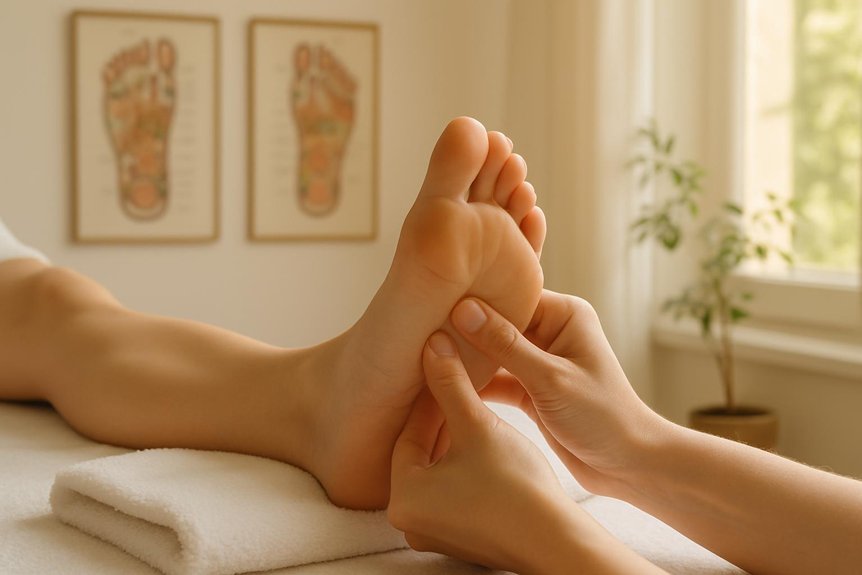
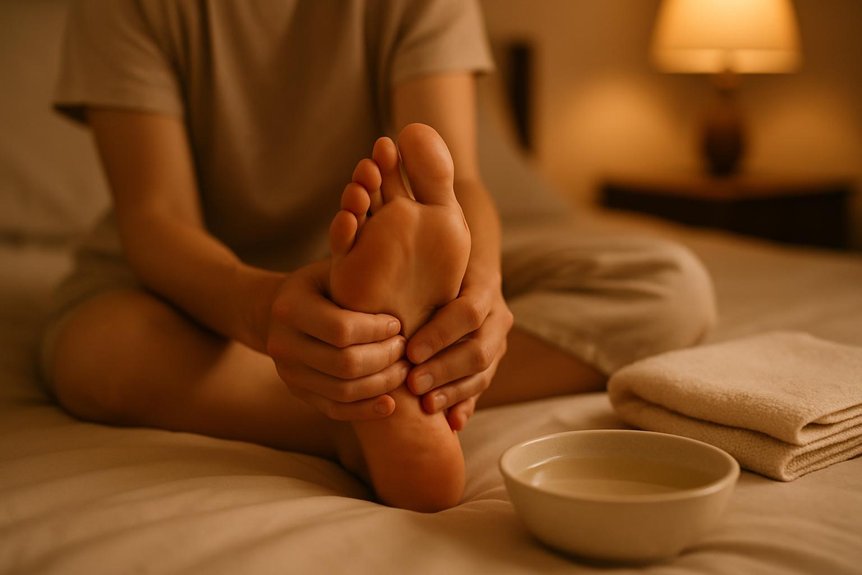
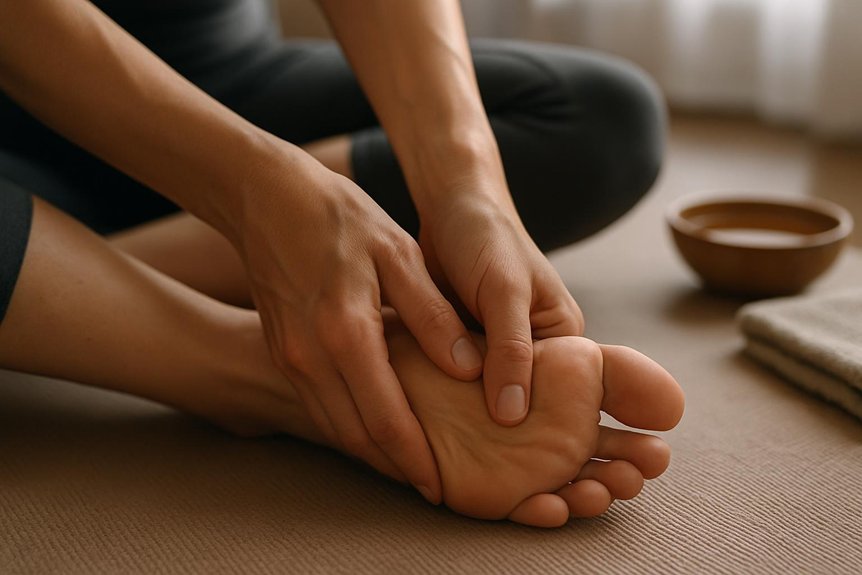
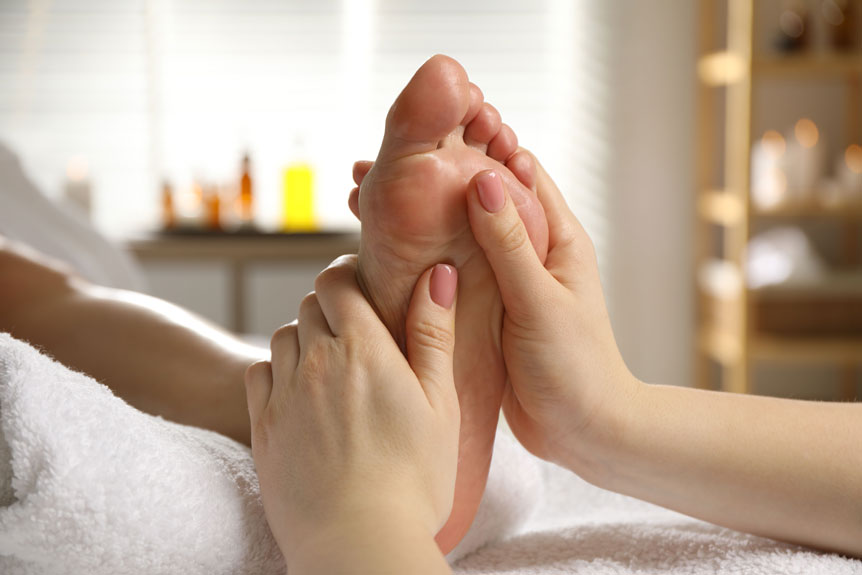
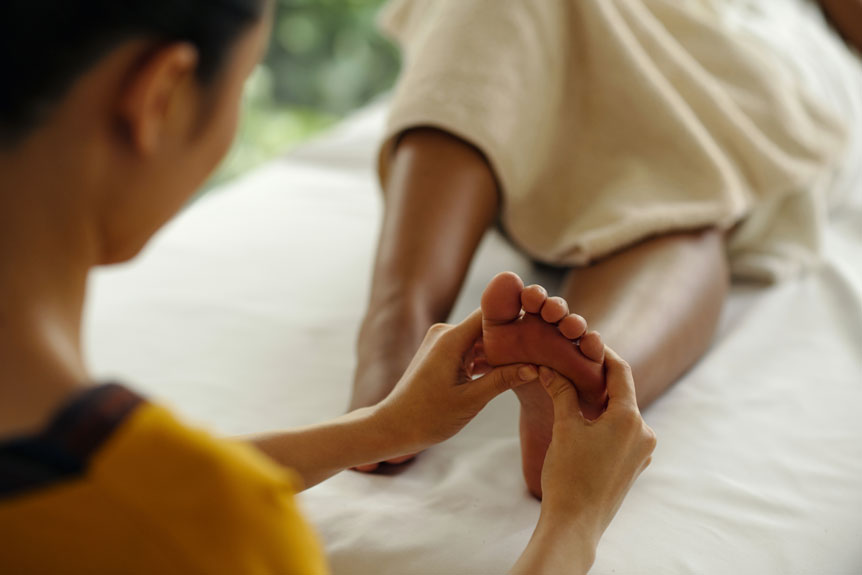
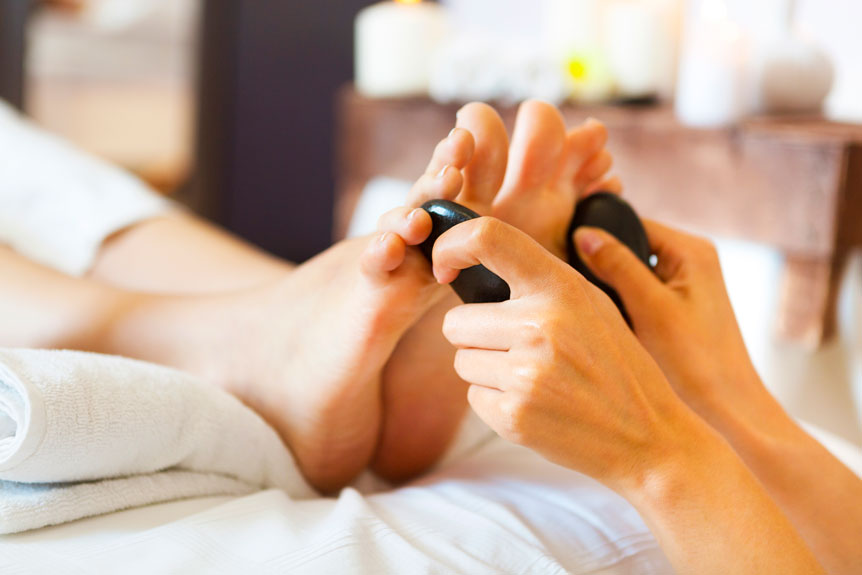
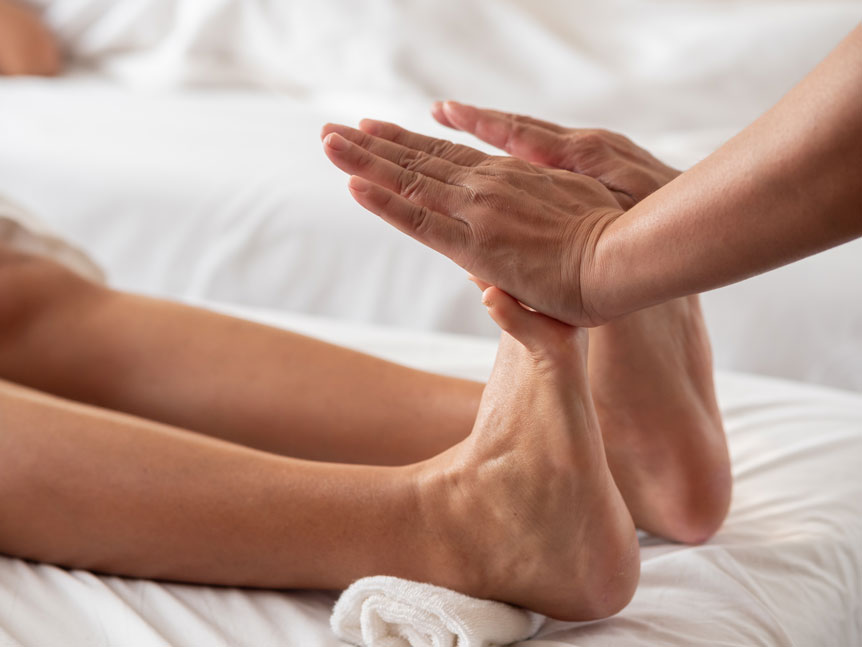
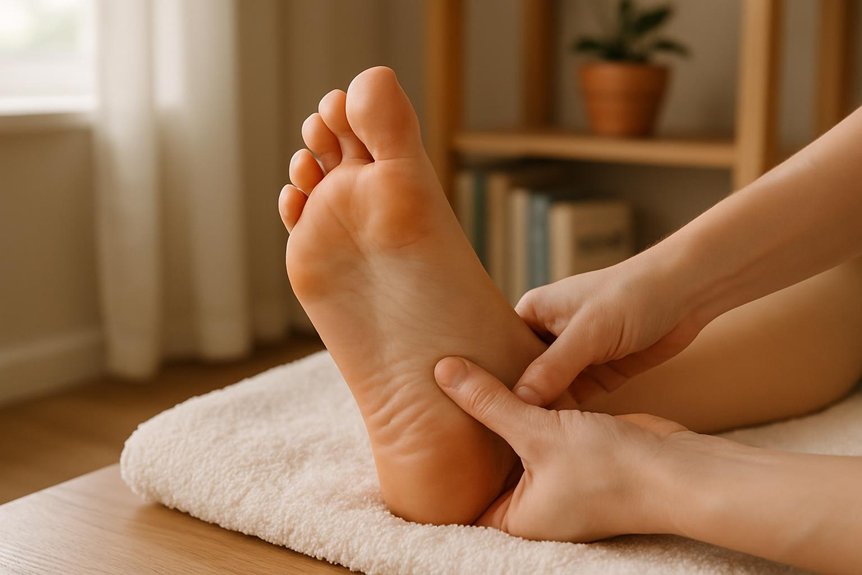
How does it work to promote wellness? It is a structured, non-invasive complementary therapy based on the principle that specific points on the feet, hands, and ears correspond to organs and systems within the body.
By applying precise pressure to these reflex points, reflexologists aim to stimulate nerve pathways, encouraging equilibrium and enhancing the body’s natural healing processes.
At Spa & Massage, trained therapists employ methodical techniques, using regulated pressure and mapped reflex zones to guarantee safety and efficacy. Each session is tailored to individual needs, addressing areas of imbalance and promoting deep relaxation.
It is practiced within a professional framework, upholding standards of hygiene and client care. This approach underlines Spa & Massage’s commitment to delivering evidence-based, client-centred wellness treatments in a secure, supportive environment.
Many people turn to this therapy because healing power has been attributed to this therapy, making it a sought-after option for those pursuing natural methods of well-being.
Legal Considerations for Practicing Reflexology in the UK
While it offers significant therapeutic benefits when delivered by trained professionals, its practice within the UK is governed by specific legal and regulatory frameworks.
It is not a statutorily regulated profession in the UK; however, practitioners must adhere to laws concerning health, safety, and consumer protection.
Local councils may require reflexologists to obtain a special treatments licence, particularly in London boroughs, before offering services to the public. Additionally, therapists are expected to maintain thorough insurance and comply with data protection regulations when handling client information.
At Spa & Massage, diligent attention is given to these legal requirements to ensure client safety and professional integrity.
Practitioners are also guided by established industry standards, which underpin responsible and ethical zone therapy practice in all our London clinics.
Training and Qualifications Recommended by Spa & Massage
Spa & Massage maintains that practitioners should complete thorough zone therapy training aligned with nationally recognized standards to ensure both competence and client safety.
The clinic further emphasizes the importance of ongoing professional development, including regular skills updates and advanced workshops.
Adhering to these training and qualification protocols supports best practice and regulatory compliance within the field.
Essential Zone Therapy Training Standards
Although zone therapy is widely sought for its therapeutic benefits, professional practice in this field necessitates rigorous training and adherence to recognised standards. Practitioners at Spa & Massage undergo thorough instruction comprising anatomy, physiology, and precise zone therapy techniques, ensuring clients’ safety and ideal outcomes.
Training standards emphasise a detailed understanding of pressure points, contraindications, hygiene protocols, and client communication. Formal qualifications—such as diplomas or certificates—are strongly recommended, serving as tangible proof of competence and professionalism.
In addition, Spa & Massage requires therapists to demonstrate practical proficiency through supervised practice before independent client work. These standards not only protect client wellbeing but also elevate the profession’s credibility.
Clients seeking zone therapy are encouraged to verify their therapist’s credentials, fostering trust and intimacy within every session.
Ongoing Professional Development
Recognising the dynamic nature of zone therapy and evolving industry standards, ongoing professional development is regarded as essential for therapists at Spa & Massage.
Therapists are encouraged to engage in continuous learning through accredited workshops, advanced courses, and regular skills assessments.
This approach ensures practitioners remain current with regulatory updates, new research, and best practices in zone therapy.
At Spa & Massage, commitment to ongoing education not only enhances treatment quality but also fosters client trust and safety.
Therapists routinely update their knowledge of anatomy, contraindications, and hygiene protocols, aligning with both internal standards and recognised industry guidelines.
Through structured professional development, Spa & Massage cultivates a skilled, compliant team, underscoring its dedication to excellence in client care and regulatory adherence within the zone therapy field.
Potential Risks of Unlicensed Zone Therapy Practice
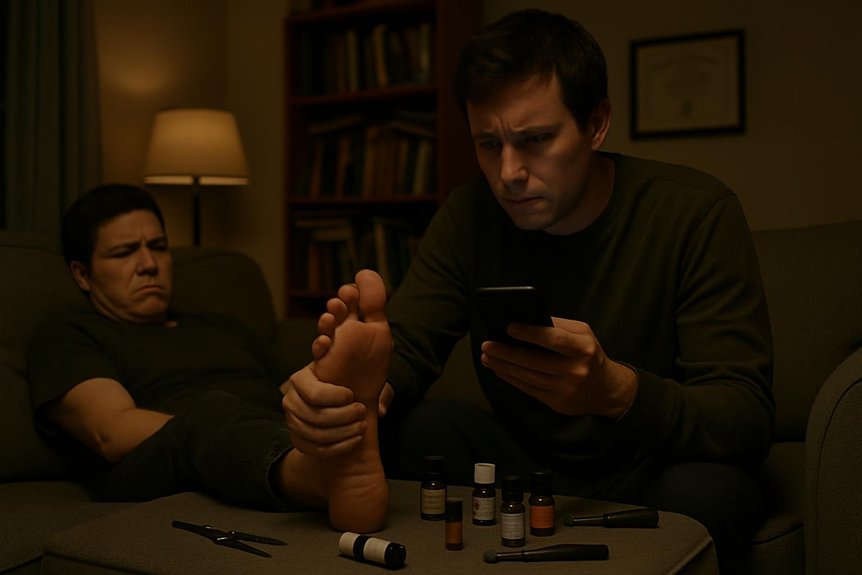
Why is proper licensing critical in this therapy? Licensing guarantees practitioners possess thorough knowledge of anatomy, physiology, and contraindications—elements essential for client safety and effective outcomes. Without formal certification, individuals may lack the technical proficiency to identify underlying health issues or adapt treatments for specific medical conditions.
This can result in inappropriate pressure application, missed warning signs, or even exacerbation of existing ailments. At Spa & Massage, adherence to strict regulatory standards is fundamental, safeguarding clients from potential harm and legal complications.
Unlicensed practice risks breaching local health regulations, invalidating insurance, and undermining public trust in complementary therapies. Ultimately, licensing forms the backbone of professional accountability, ensuring practitioners meet established industry benchmarks for both skill and ethical conduct in every client interaction.
Benefits of Receiving Zone Therapy From Certified Therapists
Receiving zone therapy from certified therapists guarantees adherence to established safety and hygiene protocols, reducing the risk of adverse effects.
Certified practitioners, such as those at Spa & Massage, apply evidence-based techniques that enhance treatment effectiveness and client outcomes.
Additionally, regulated training enables therapists to provide personalised wellness recommendations tailored to individual health profiles.
Enhanced Treatment Effectiveness
A certified reflexologist applies not only technical expertise but also a thorough understanding of anatomy, physiology, and the regulatory standards that govern safe practice. This depth of knowledge enables the practitioner to identify subtle muscular or nervous system cues and tailor each session to the client’s unique needs.
At Spa & Massage, certified therapists employ evidence-based techniques designed to maximize therapeutic outcomes, ensuring that each zone therapy session is both precise and effective. Their advanced training allows them to map reflex points accurately and apply pressure with appropriate intensity, resulting in deeper relaxation and targeted relief.
Clients benefit from a bespoke approach, where every touch is intentional and informed by a commitment to both efficacy and professional integrity, fostering a genuine sense of wellbeing and trust in the therapeutic process.
Safety and Hygiene Standards
Certified zone therapy therapists adhere to strict safety and hygiene protocols, ensuring each session meets regulatory standards for client protection and clinical cleanliness.
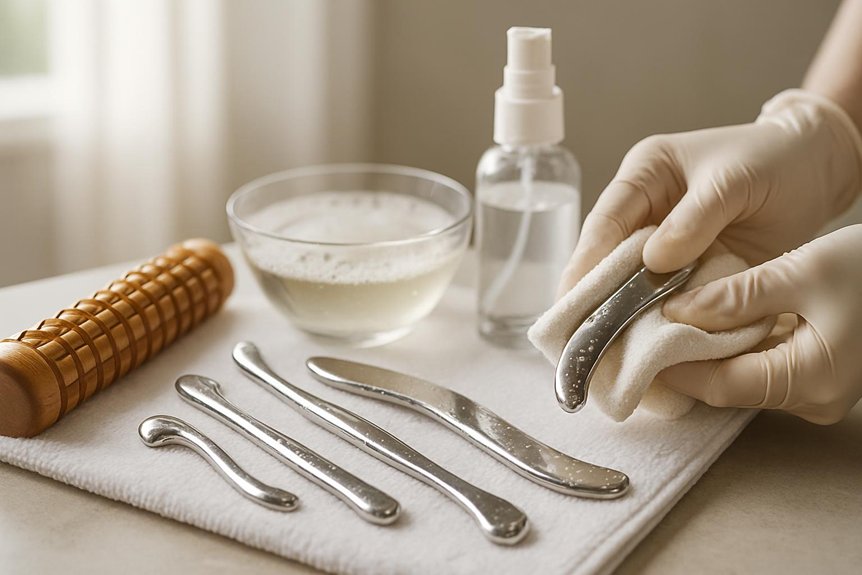
At Spa & Massage, all therapists are rigorously trained to follow infection prevention measures, including proper hand hygiene, thorough disinfection of treatment areas, and the use of fresh linens for every client.
Instruments and equipment are regularly sanitized to eliminate cross-contamination risks.
Therapists are required to assess for contraindications before treatment, prioritizing client health and safety.
These protocols are not simply best practices—they are mandatory for maintaining the trust and wellbeing of everyone who enters the clinic.
Personalised Wellness Recommendations
Beyond strict safety and hygiene standards, the expertise of certified zone therapy therapists enables the development of personalised wellness plans tailored to each client’s specific needs.
At Spa & Massage clinics, therapists conduct thorough consultations, identifying individual health concerns, lifestyle factors, and wellness goals before recommending targeted zone therapy protocols.
This client-centred approach ensures that each session is adapted to optimise therapeutic outcomes, whether addressing stress, chronic pain, or specific conditions such as poor circulation or fatigue.
Certified practitioners are trained to recognise contraindications and provide evidence-based recommendations—including aftercare and complementary therapies—while adhering to regulatory guidelines.
Clients benefit from extensive care that extends beyond the session, receiving practical advice for ongoing self-care.
This level of personalisation, combined with clinical expertise, supports both immediate relief and long-term wellbeing.
How Spa & Massage Ensures Safe and Effective Zone Therapy
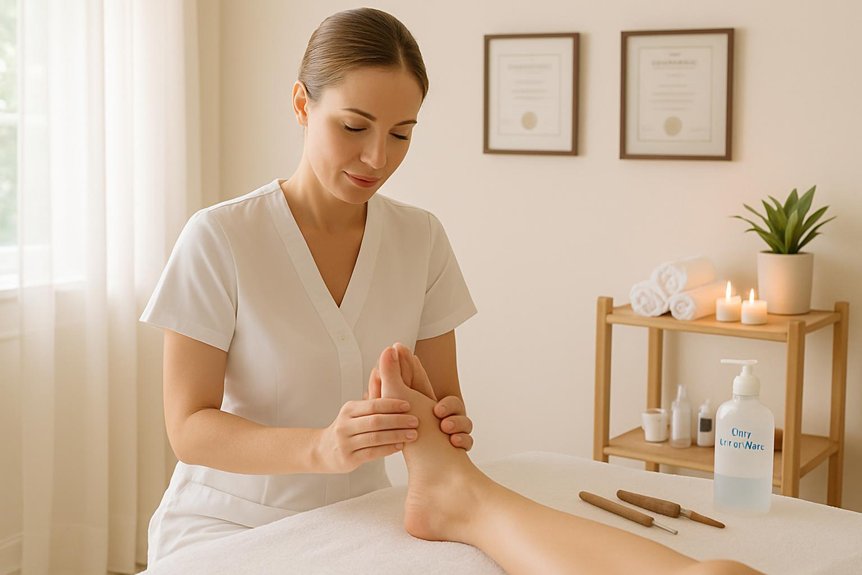
Ensuring client safety and the effectiveness of zone therapy treatments is central to the standards upheld at Spa & Massage. Every therapist undergoes rigorous training and continuous professional development, ensuring adherence to industry best practices and strict hygiene protocols.
Before each session, a detailed consultation is performed to assess individual health needs, potential contraindications, and client expectations.
Sterile equipment, fresh linens, and high-quality, hypoallergenic oils are standard in every treatment room, reducing the risk of adverse reactions.
Therapists document each client’s progress, enabling tailored adjustments and ideal outcomes over time.
Spa & Massage also maintains compliance with local regulatory requirements, upholding public health standards and professional accountability.
This meticulous approach fosters trust, comfort, and safety, ensuring every zone therapy session is both effective and secure.
Conclusion
Steering the world of zone therapy without a license can be likened to treading on thin ice—what may seem stable at first can quickly give way beneath regulatory scrutiny. While legal requirements in the UK may vary, upholding rigorous training and professional standards, as exemplified by Spa & Massage, remains paramount. Ultimately, choosing the certified path ensures both practitioners and clients alike enjoy a practice grounded in safety, expertise, and the solid footing of ethical compliance.