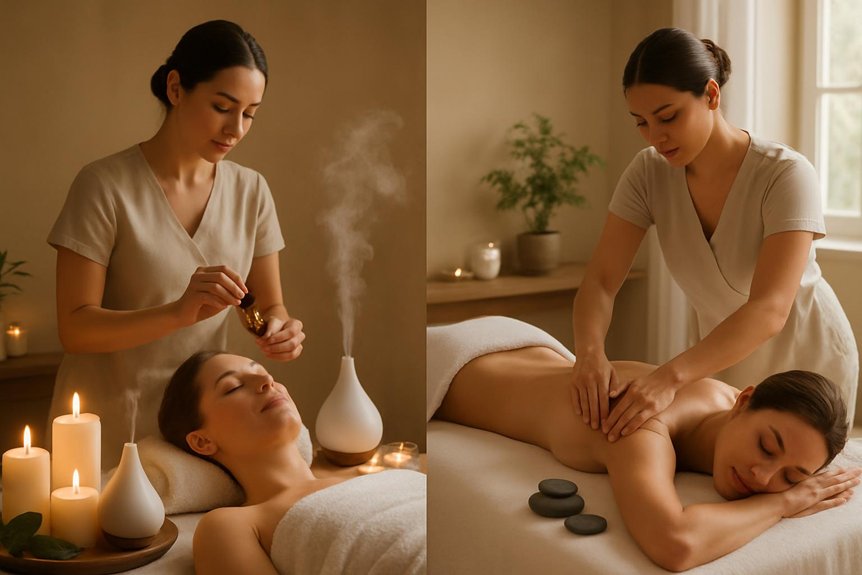
The choice between aromatherapy and Swedish massage depends on individual wellness objectives. Aromatherapy integrates essential oils to support emotional balance, mood improvement, and multisensory relaxation. Swedish massage uses structured manual techniques to alleviate muscle tension, enhance circulation, and induce physical relaxation. Both modalities yield evidence-based benefits, with aromatherapy focused on psychological wellbeing and Swedish massage targeting somatic relief. Understanding personal goals and physiological needs facilitates ideal selection. Further insight can clarify which approach may best align with specific preferences and outcomes.
Understanding Aromatherapy Massage
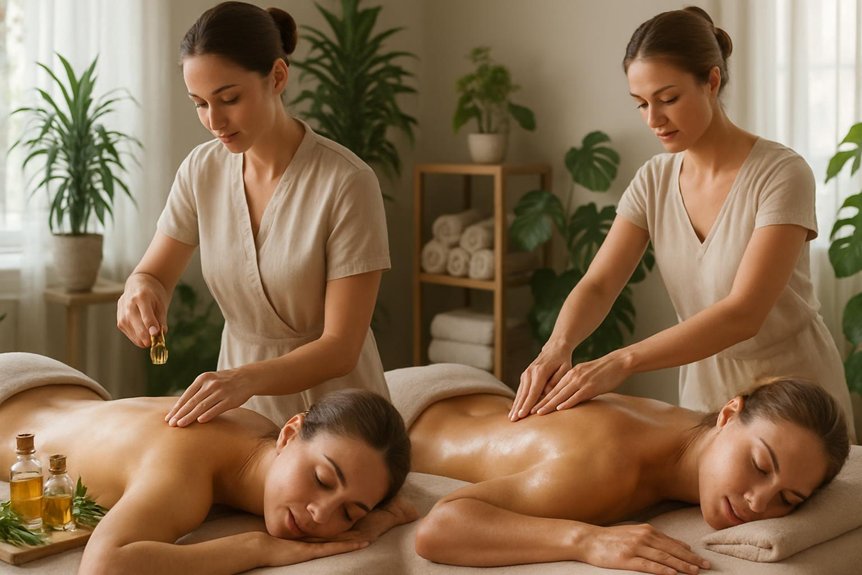
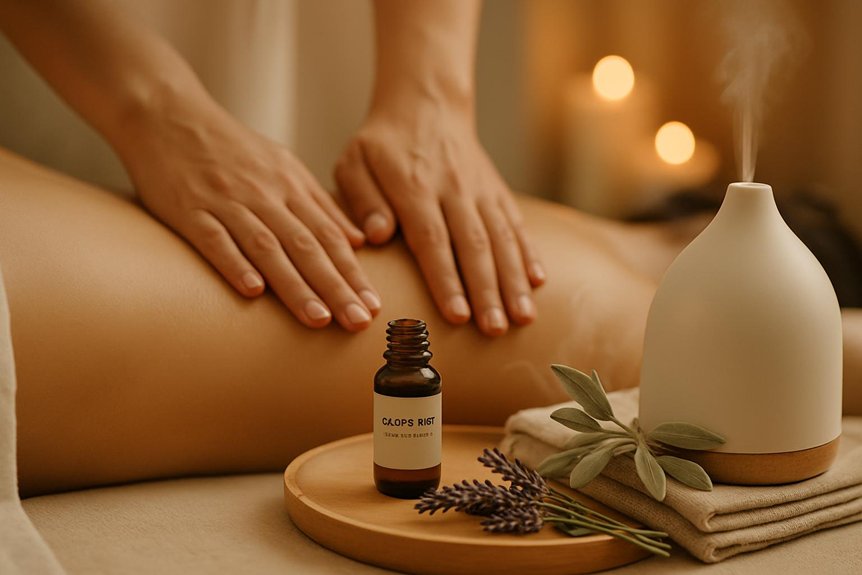
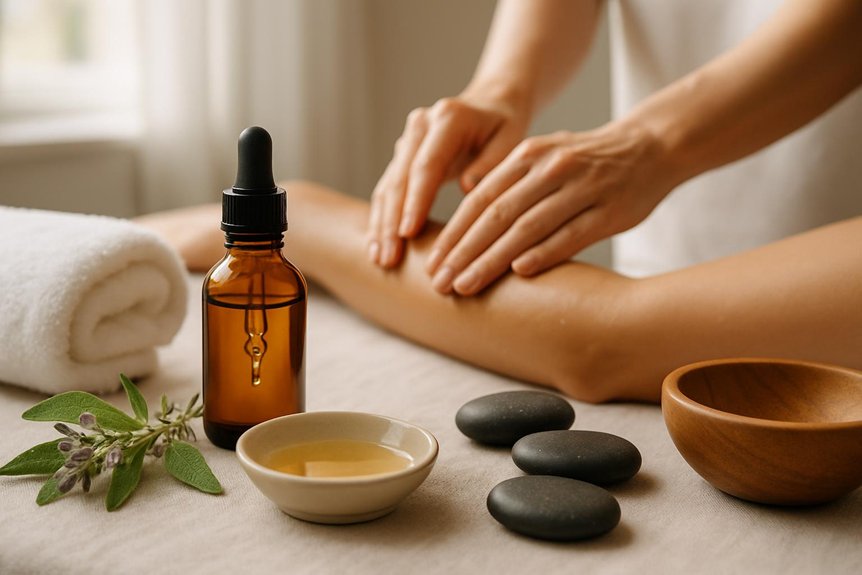
How does essential oil massage differ from other modalities? It integrates the therapeutic use of essential oils with skilled manual techniques to address both physical and psychological well-being.
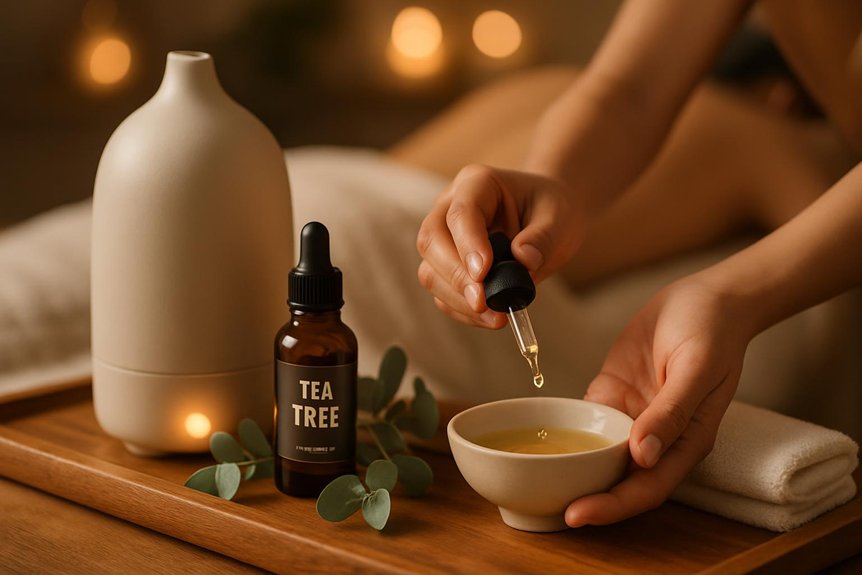
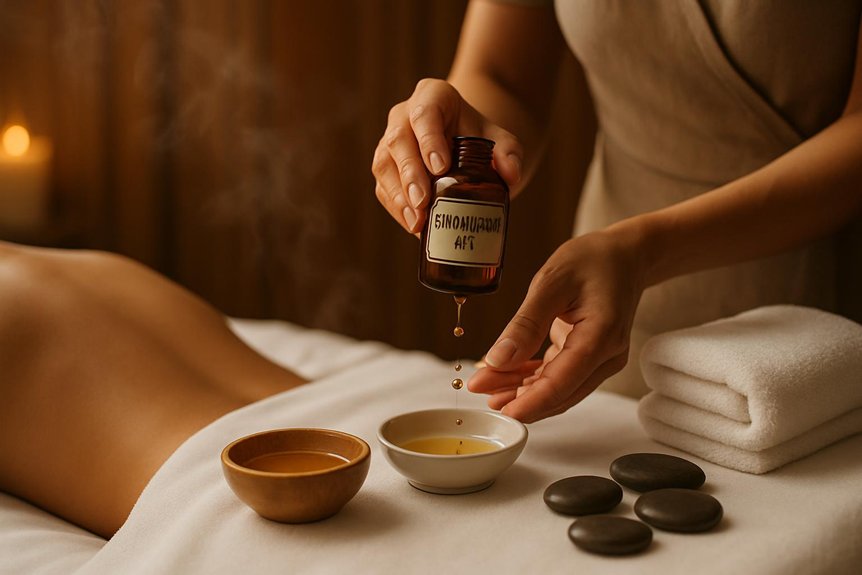
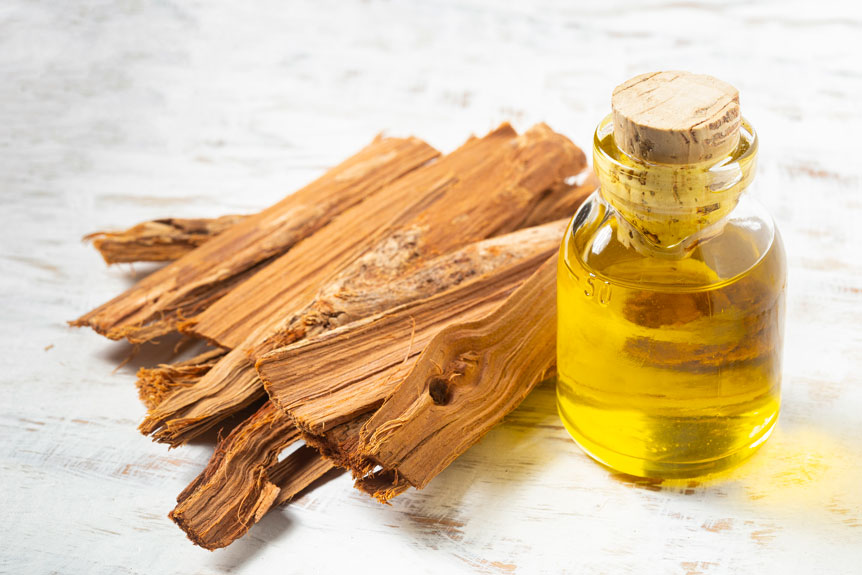
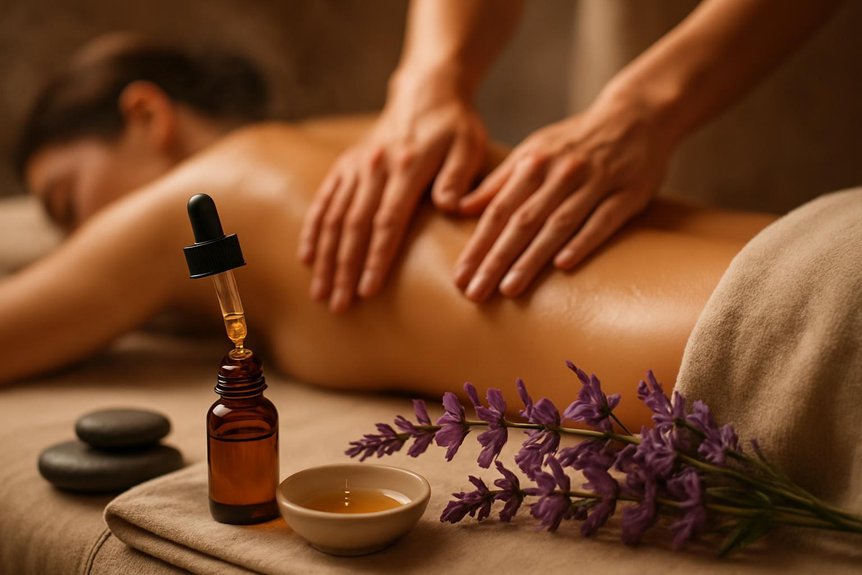
At Spa & Massage clinics, therapists blend pure essential oils tailored to the client’s desired outcome, whether relaxation, emotional uplift, or physical relief. The oils’ volatile compounds are absorbed through the skin and inhaled, influencing the limbic system and autonomic nervous function.
This dual-action approach distinguishes aromatherapy from conventional massage methods, providing effects beyond musculoskeletal manipulation. Clinical literature suggests that it can enhance mood, reduce stress hormones, and foster a profound sense of connection and comfort.
Many clients at Spa & Massage value this treatment for its subtle, multisensory support in nurturing intimacy and emotional balance. Relaxation and healing are often achieved by combining essential oil massage tips with personalized essential oil blends, maximizing both emotional and physical benefits.
What to Expect From Swedish Massage
When seeking a foundational approach to therapeutic massage, many individuals turn to Swedish massage for its proven efficacy in promoting relaxation and muscular relief.
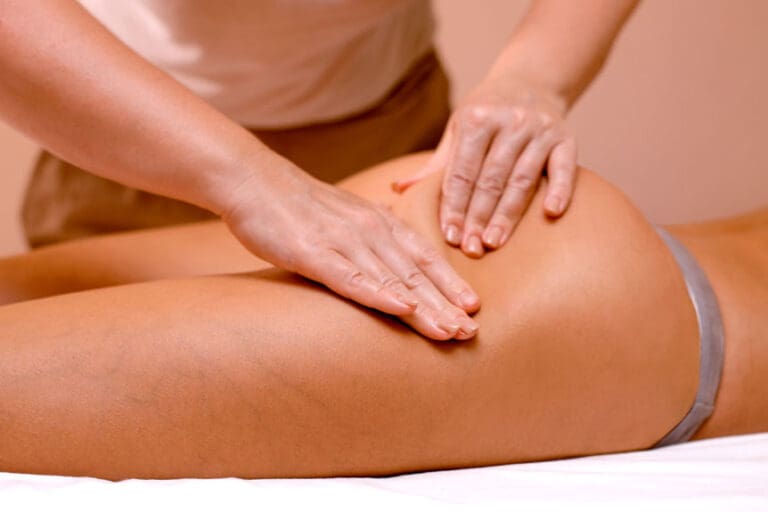
At Spa & Massage clinics, clients can expect a structured session involving a combination of effleurage (long, gliding strokes), petrissage (kneading), friction, tapotement (rhythmic tapping), and gentle stretching.
These evidence-based techniques are designed to enhance circulation, reduce muscle tension, and foster a sense of calm connection.
Therapists tailor pressure and rhythm to each individual’s comfort level, creating a deeply nurturing environment.
High-quality massage oils are selected to support smooth movements and skin nourishment.
The overall experience is one of unhurried care, where expert hands guide the body toward a balanced state of ease and intimate relaxation.
Key Benefits of Essential Oil Massage
It combines therapeutic touch with the clinical application of essential oils, offering measurable improvements in mood and relaxation.
Evidence suggests that specific aromatic compounds can help modulate stress responses and promote psychological well-being.
At Spa & Massage, therapists carefully select and blend oils to target individual client needs, enhancing both physiological and emotional outcomes.
Enhanced Mood and Relaxation
While various massage modalities offer physical benefits, the integration of essential oils in essential oil massage provides distinct enhancement of mood and relaxation.
Evidence suggests that aromatic compounds, when inhaled or absorbed transdermally during massage, can modulate neurotransmitter activity, supporting emotional equilibrium and reduced anxiety levels.
At Spa & Massage, therapists tailor each session by selecting essential oils aligned with the client’s emotional needs, ensuring a highly personalized experience.
This approach encourages a deeper sense of tranquility and fosters an intimate, restorative atmosphere.
Clients frequently report a profound shift in their emotional state, describing sensations of calm, warmth, and overall wellbeing.
Targeted Aromatic Oil Benefits
An array of essential oils, each with distinct therapeutic properties, underpins the efficacy of essential oil massage at Spa & Massage.
Clinical studies indicate that oils like lavender promote anxiolytic effects, while eucalyptus may enhance respiratory function and reduce muscular tension.
At Spa & Massage, therapists select oils based on individual client needs, ensuring a highly personalized approach for best physiological and emotional benefit.
The application of carefully chosen oils, combined with expert massage techniques, fosters deep tissue absorption, enabling targeted relief from stress, fatigue, or localized discomfort.
Clients frequently report improved sleep quality, heightened emotional balance, and enhanced intimacy with their own body’s responses.
This tailored methodology reflects Spa & Massage’s commitment to evidence-based, client-centered care, supporting holistic wellness and deep relaxation.
Unique Advantages of Swedish Massage
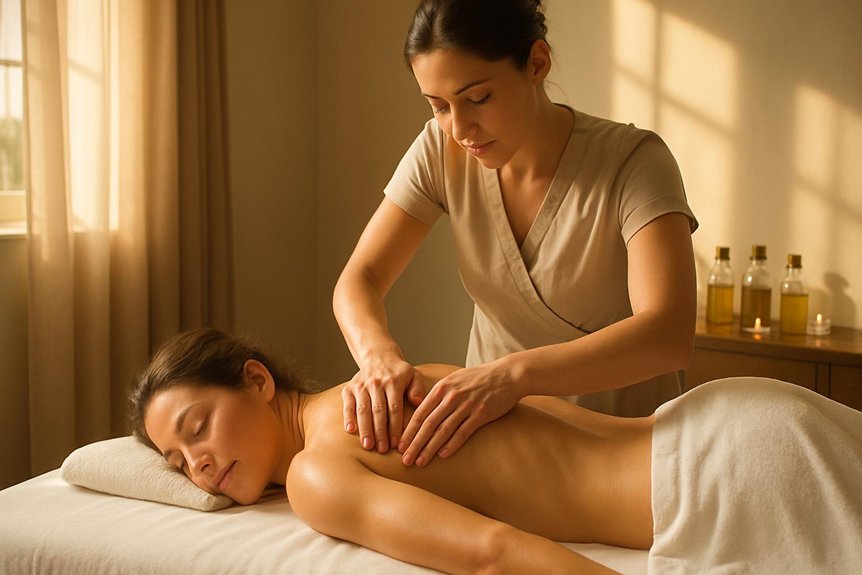
Swedish massage is distinguished by its use of specific muscle relaxation techniques, such as effleurage and petrissage, which are clinically shown to reduce muscular tension and promote overall flexibility.
The methodical application of these techniques enhances local and systemic circulation, supporting oxygen delivery and metabolic waste removal.
Additionally, the structured approach to stress relief in Swedish massage has demonstrated efficacy in reducing physiological markers of stress, making it a preferred choice for clients seeking thorough relaxation at Spa & Massage clinics.
Muscle Relaxation Techniques
Through the application of systematic, flowing movements such as effleurage, petrissage, and tapotement, Swedish massage offers distinct advantages for muscle relaxation. Each technique is designed to address muscular tension at both superficial and deep layers, promoting ideal tissue pliability and reduction of stress-induced tightness.
Effleurage involves gentle stroking that warms the tissues, encouraging the initial release of tension, while petrissage kneads and compresses muscles to facilitate deeper relaxation and improved elasticity.
Tapotement introduces rhythmic percussion, stimulating neuromuscular responses and further easing residual tension.
At Spa & Massage, therapists skillfully tailor each session to the client’s unique needs, employing clinical expertise to create a deeply nurturing environment. These evidence-based techniques foster not only physical relaxation but also a profound sense of comfort and connection.
Improved Circulation Benefits
How does targeted manual therapy facilitate ideal vascular function? Swedish massage employs systematic techniques—such as effleurage and petrissage—to stimulate peripheral circulation and venous return. Through these carefully directed strokes, the manipulation of soft tissue enhances capillary dilation, increasing blood flow to superficial and deeper tissues.
Improved circulation supports ideal oxygen and nutrient delivery, fostering cellular repair and metabolic efficiency, which is especially valued in Spa & Massage’s holistic approach.
Clients at Spa & Massage frequently report warmth radiating through the limbs, a sensation rooted in enhanced microcirculation. Our therapists tailor pressure and rhythm to each individual, maximizing vascular benefit while maintaining a comforting, intimate experience.
These effects can foster greater connection to one’s body, encouraging a deeper awareness of internal rhythms and holistic well-being.
Stress Relief Approach
Why does systematic manual therapy exert such a profound influence on psychological and physiological stress? Swedish massage, through its structured sequence of effleurage, petrissage, and friction techniques, activates the parasympathetic nervous system, resulting in measurable decreases in cortisol and heart rate.
This reduction in sympathetic nervous system activity fosters a deep sense of relaxation and mental clarity. At Spa & Massage, therapists employ gentle yet purposeful strokes designed to release muscle tension and promote endorphin release. This evidence-based approach contributes to diminished anxiety and promotes balanced mood states.
Clients frequently report not only immediate relief but also cumulative benefits with regular sessions. The intimate, nurturing environment at Spa & Massage further amplifies these effects, supporting both emotional security and physiological recovery from daily stressors.
How to Choose Based on Your Wellness Goals
Determining the most suitable massage modality depends largely on a client’s specific wellness objectives.
For individuals seeking emotional balance, enhanced mood, or support with anxiety, essential oil massage is often recommended at Spa & Massage clinics due to the therapeutic use of essential oils, which may influence limbic system activity and promote psychological wellbeing.
Conversely, those prioritizing physical relaxation, improved circulation, or relief from muscular tension may benefit more from Swedish massage, which utilizes systematic effleurage and petrissage techniques to target somatic stress.
During consultations, Spa & Massage therapists carefully assess each client’s desired outcomes, medical history, and lifestyle factors.
This personalized approach ensures that the selected treatment—whether aromatherapy or Swedish—aligns with the client’s holistic wellness goals, fostering a profound sense of connection and restoration.
Aromatherapy vs. Swedish: The Sensory Experience
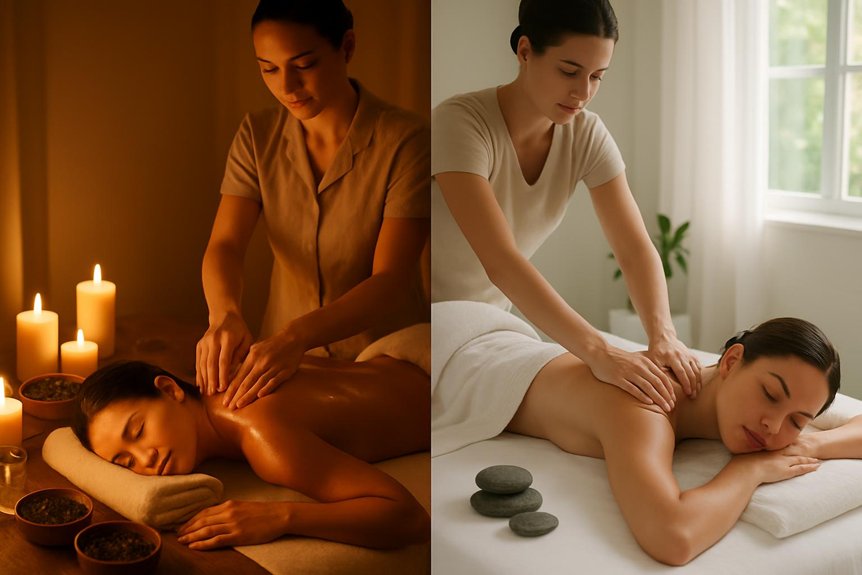
Aromatherapy and Swedish massage each deliver distinct sensory experiences, shaped by their unique therapeutic components and techniques.
At Spa & Massage integrates essential oils, selected for their olfactory and psychophysiological effects. The inhalation and topical absorption of these botanicals engage the limbic system, enhancing emotional modulation and deepening relaxation. The ambient scent creates a cocooning atmosphere, heightening the sense of intimacy and personal sanctuary.
In contrast, Swedish massage emphasises tactile engagement through systematic effleurage, petrissage, and tapotement. The focus here is on proprioceptive feedback, muscular relaxation, and circulation enhancement.
Clients experience a sense of nurturance through sustained contact and rhythmic motion. Both modalities are delivered by skilled therapists, tailored to foster comfort and mindful presence, aligning with Spa & Massage’s holistic, client-centred philosophy.
Common Client Preferences at Spa & Massage
How do individual wellness goals influence treatment selection?
At Spa & Massage, client preferences commonly reflect their unique wellness aspirations. Those seeking profound relaxation and emotional balance frequently choose essential oil massage, appreciating the integration of essential oils tailored to mood or stress levels.
Swedish massage, conversely, is favored by clients desiring muscular relief, improved circulation, or general tension reduction, owing to its structured, rhythmic techniques.
Clinical observations show that individuals with chronic stress, anxiety, or sleep disturbances often gravitate toward the sensory immersion of aromatherapy. In contrast, those experiencing muscular fatigue or seeking postural improvement pick Swedish massage.
The expertise of Spa & Massage therapists ensures each session is precisely aligned with client intentions, facilitating a sense of trust, connection, and personalized care within an intimate therapeutic environment.
Aftercare Tips for Your Chosen Treatment
Following selection of the most suitable massage modality at Spa & Massage, appropriate aftercare plays a pivotal role in maximising therapeutic outcomes and sustaining benefits.
Post-treatment, clients are encouraged to increase fluid intake to facilitate metabolic waste elimination. This process is enhanced by both aromatherapy and Swedish massage.
Gentle movement and rest are recommended to prolong neuromuscular relaxation and promote circulatory efficiency.
At Spa & Massage, therapists advise clients to avoid strenuous activities and excessive heat exposure immediately following treatment, preserving the integrity of physiological changes induced during the session.
For those receiving essential oil massage, allowing essential oils to remain on the skin for several hours further augments absorption and therapeutic efficacy.
Individualised aftercare guidance is provided, ensuring that each client experiences ideal recovery and ongoing comfort.
Conclusion
Ultimately, selecting between aromatherapy and Swedish massage mirrors Odysseus’ journey—each path offers distinct restorative promises. While aromatherapy enlists olfactory pathways to modulate mood and stress physiology, Swedish massage relies on mechanoreceptor stimulation to alleviate musculoskeletal tension. Both modalities, grounded in empirical research, yield measurable benefits. At Spa & Massage, a skilled therapist can help clients navigate this therapeutic crossroads, ensuring the chosen intervention aligns with individual health objectives and fosters a sense of holistic well-being.