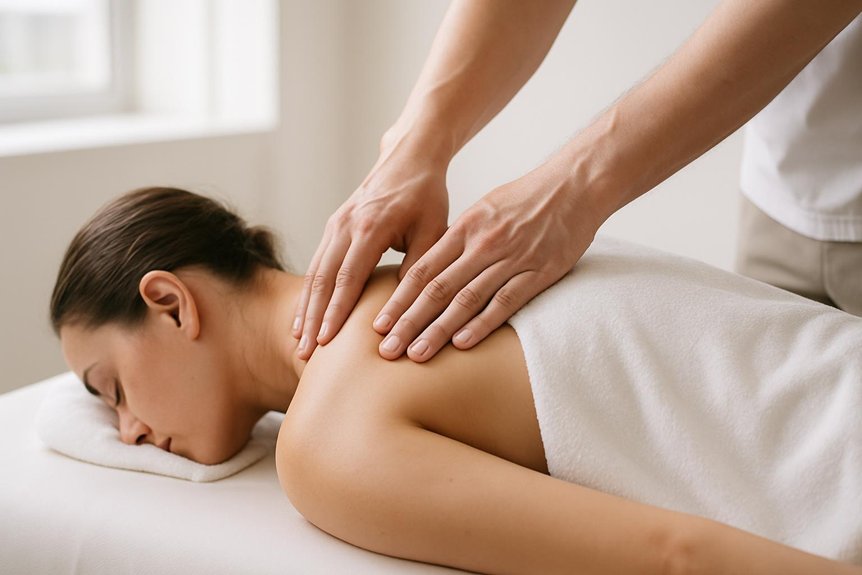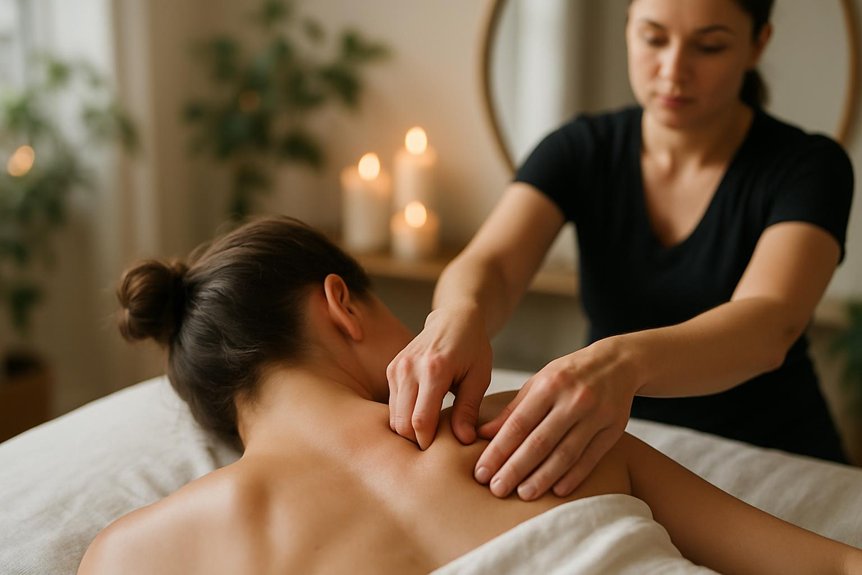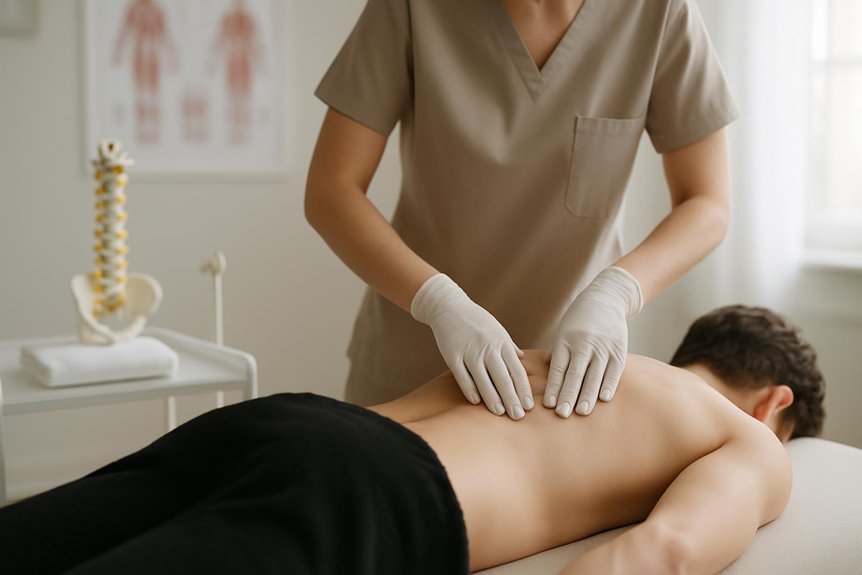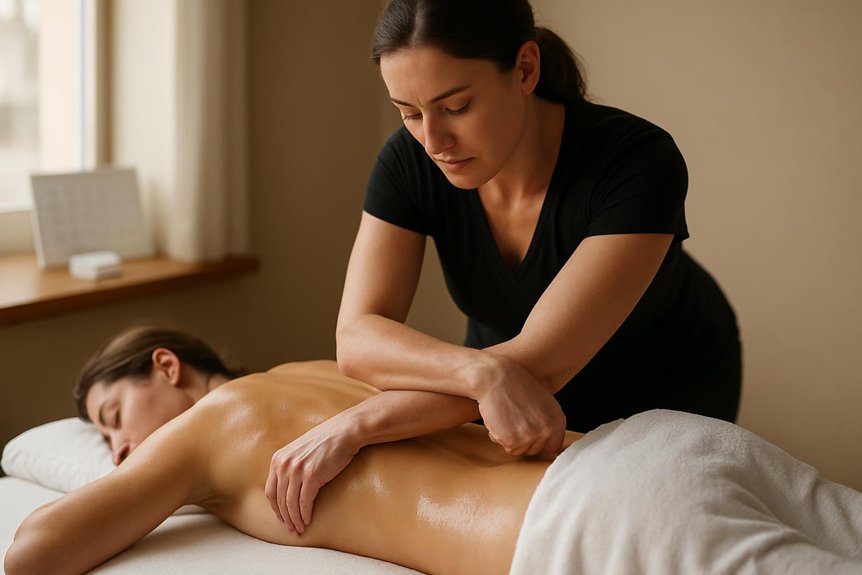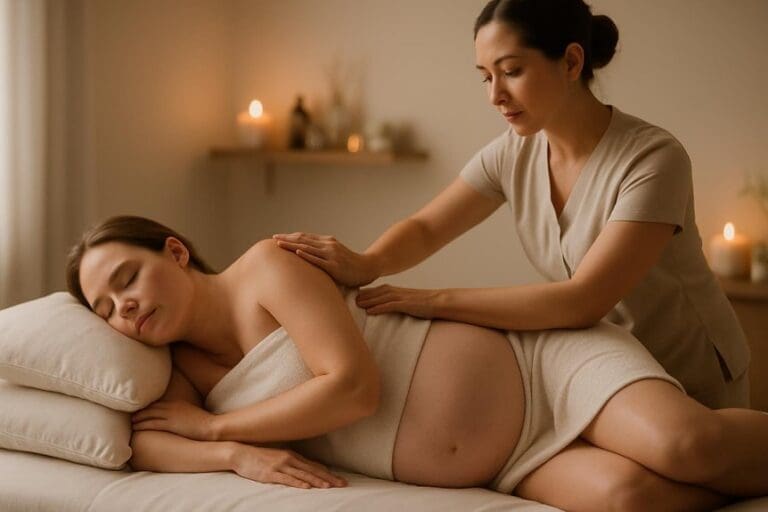
It is generally not recommended during pregnancy. Intense pressure can risk overstressing sensitive tissues, which are affected by hormonal changes and increased blood flow. There is heightened susceptibility to complications, especially in the first trimester or with high-risk conditions. Medical professionals advise gentler, pregnancy-specific massage techniques, with appropriate positioning and informed consent. Consultation with a healthcare provider before any massage therapy is essential. Additional information reveals safer alternatives and adaptations for expectant mothers.
Understanding Deep Tissue Massage
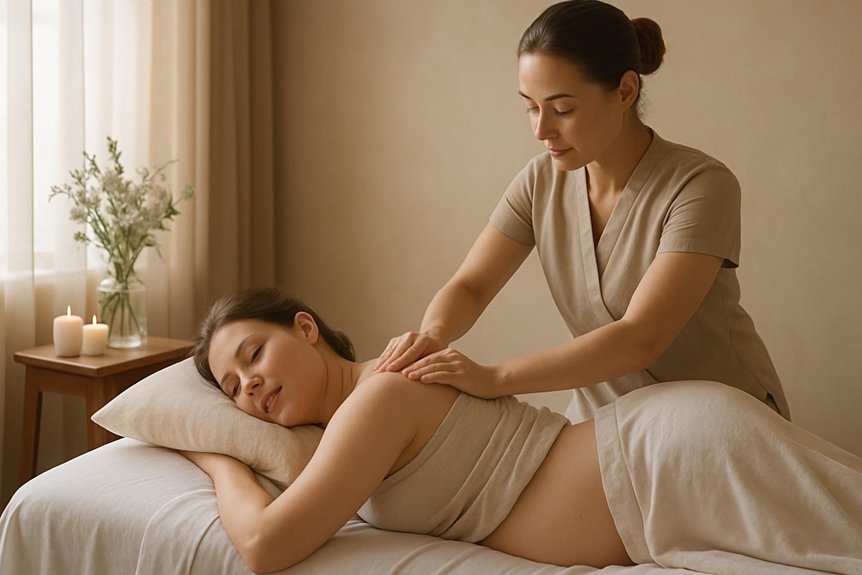
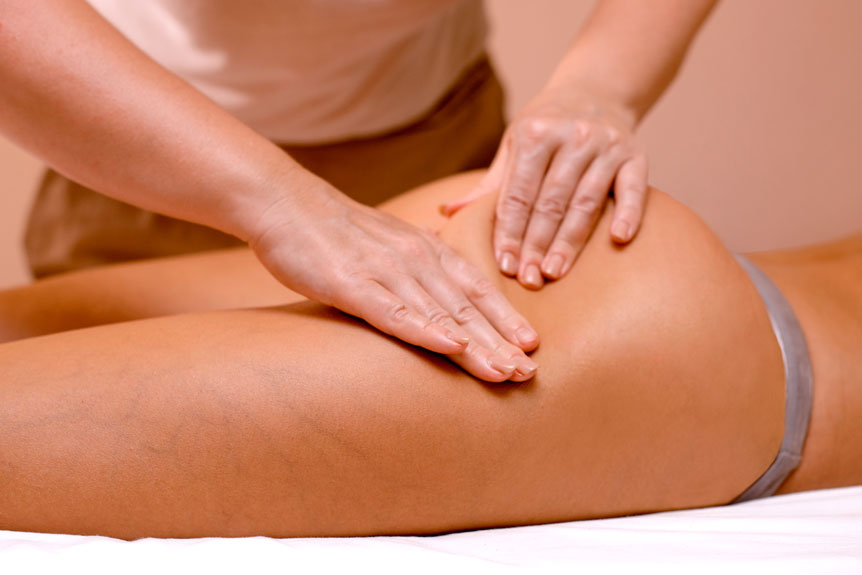
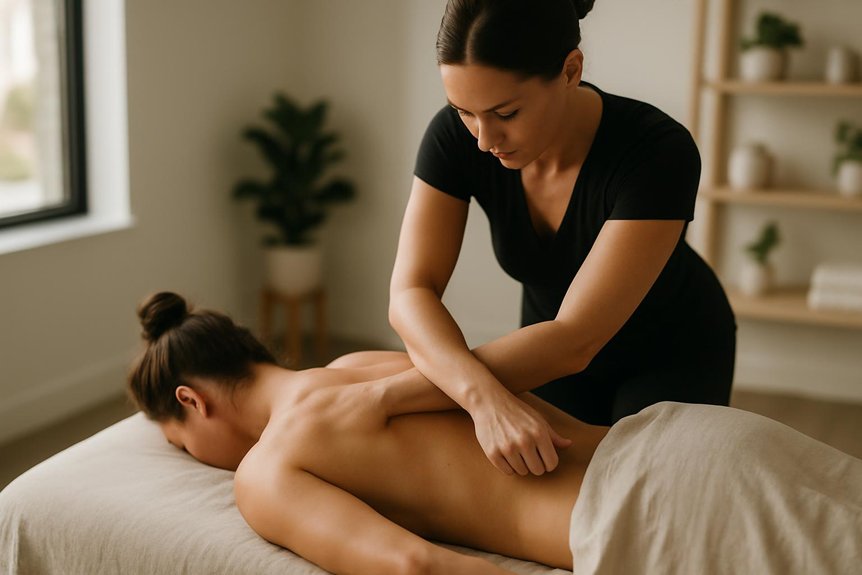
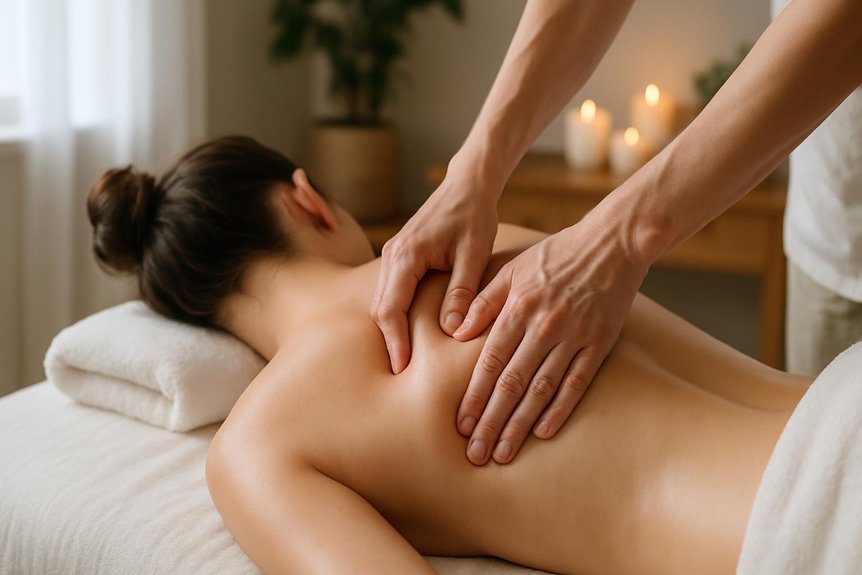
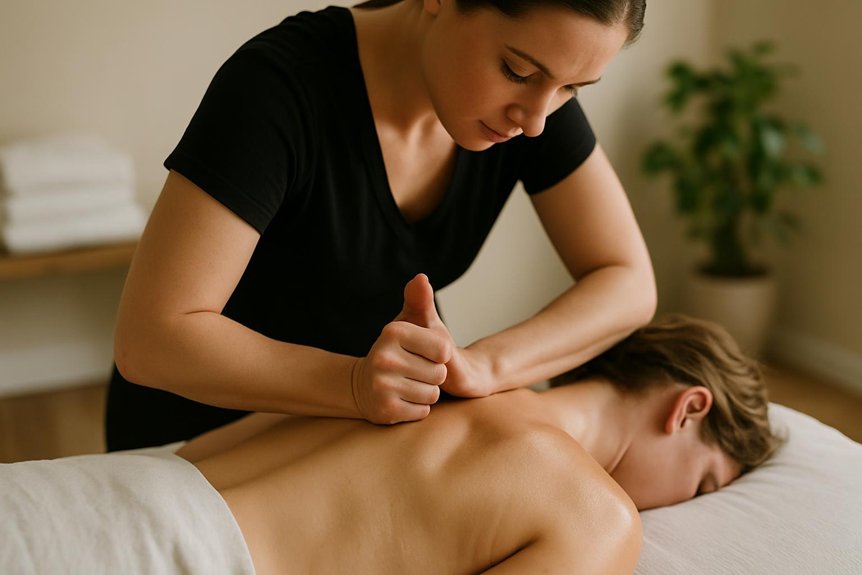
What distinguishes this massage therapy from other modalities is its targeted approach to manipulating deeper layers of muscle and connective tissue. This technique utilizes slow, deliberate strokes and sustained pressure, aiming to address chronic muscular tension and adhesions.
At Spa & Massage clinics, therapists employ specialized methods to reach sub-layer musculature, often focusing on specific areas of discomfort or tension identified during an initial assessment.
Evidence suggests that well-administered intensive tissue massage can reduce localized pain, improve range of motion, and enhance relaxation.
Another key benefit is that intensive tissue massage techniques are especially effective in addressing chronic muscular tension compared to lighter massage modalities.
However, due to the intensity of pressure, it may not be suitable for everyone. Individuals are encouraged to communicate openly with their therapist regarding comfort thresholds.
Spa & Massage recommends tailored sessions, always prioritizing client safety, consent, and the nurturing of a trusting therapeutic relationship.
Pregnancy and Physical Changes
During pregnancy, individuals experience significant hormonal fluctuations that can impact muscle tone and ligament flexibility. These changes, combined with alterations in posture and increased fluid retention, may contribute to discomfort or musculoskeletal strain.
At Spa & Massage, therapists carefully assess these physiological adaptations when recommending and administering massage therapies.
Hormonal Shifts and Muscles
Pregnancy induces significant hormonal changes, especially increased levels of relaxin, progesterone, and estrogen, which directly influence musculoskeletal structure and function. Elevated relaxin promotes ligamentous laxity, increasing joint mobility and decreasing tissue stability.
Progesterone and estrogen contribute to altered muscle tone and fluid retention, which can exacerbate muscular discomfort and tension. These adaptations, while essential for fetal development and delivery, heighten susceptibility to muscle strains and soft tissue irritation.
At Spa & Massage, therapists are trained to recognise these hormonal influences when providing care. Deep tissue techniques are modified to account for increased tissue sensitivity and reduced structural support.
Evidence supports gentle, targeted massage to alleviate discomfort, always with cautious pressure adjustments. Individualised assessments are essential to ensure safety and comfort, reflecting Spa & Massage’s commitment to ideal maternal wellbeing.
Postural Adjustments During Pregnancy
In addition to hormonal influences on muscle and connective tissue, significant physical adaptations occur as the body accommodates fetal growth. Progressive uterine enlargement alters the center of gravity, leading to compensatory changes such as lumbar lordosis, anterior pelvic tilt, and increased stress on paraspinal musculature.
These biomechanical adjustments may contribute to discomfort, muscle tension, and postural instability. At Spa & Massage, therapists recognize the importance of supporting spinal alignment and musculoskeletal balance during pregnancy.
When delivering massage, therapists carefully adapt positioning and bolster support to reduce strain on the lower back and hips, promoting relaxation and safety. Evidence suggests that tailored bodywork may alleviate musculoskeletal discomfort associated with gestational postural shifts.
Cautiously applied techniques, guided by clinical experience, are recommended to nurture comfort while minimizing risk.
Circulation and Fluid Retention
As gestation advances, maternal physiology undergoes substantial cardiovascular adaptations, including increased blood volume, reduced vascular resistance, and altered venous return. These changes, though essential for fetal development, often result in peripheral edema and heightened fluid retention. This is particularly common in the lower extremities.
At Spa & Massage, therapists recognise that gentle, targeted massage techniques can promote lymphatic drainage and support venous return, providing comfort and relief from swelling. However, deep tissue pressure should be cautiously applied or avoided in areas vulnerable to vascular congestion.
Evidence suggests that appropriately modified massage may alleviate mild circulatory discomfort, but any persistent or severe swelling requires prompt medical evaluation.
Spa & Massage therapists are trained to assess each client’s needs, ensuring protocols prioritise maternal well-being and safety throughout pregnancy.
Safety Considerations for Pregnancy Massage
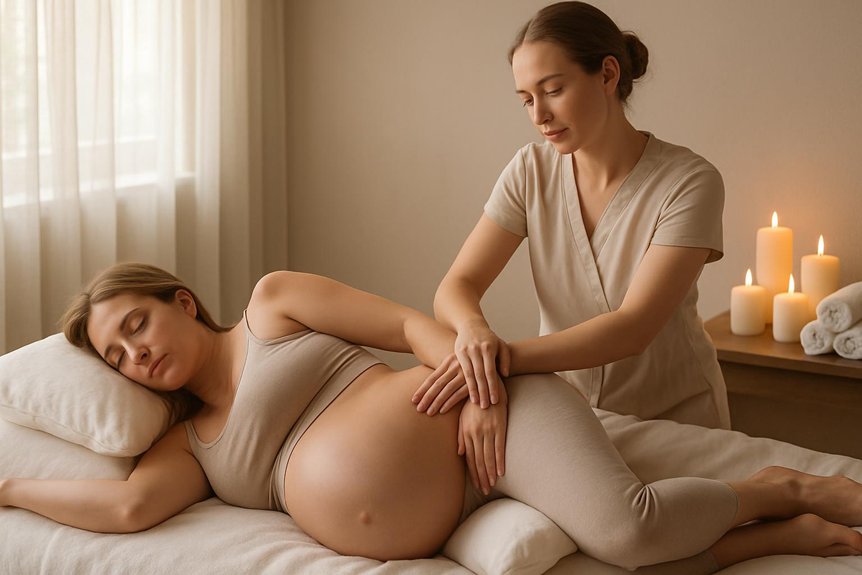
Ensuring the safety of pregnancy massage requires therapists with specialised training in prenatal care and the application of modified techniques. It also involves vigilant attention to maternal positioning.
At Spa & Massage, therapists employ evidence-based protocols to accommodate physiological changes and minimise risk.
Clinical guidelines support the use of side-lying or semi-reclined positions with appropriate bolstering. These positions help to enhance maternal comfort and fetal safety.
Qualified Pregnancy Massage Therapists
Although massage therapy offers significant benefits during pregnancy, treatment must only be performed by therapists with advanced training in prenatal care.
A qualified pregnancy massage therapist possesses a thorough understanding of maternal anatomy, contraindications, and physiological changes occurring throughout gestation.
At Spa & Massage, all therapists providing pregnancy massage are rigorously trained to identify risk factors and adapt their approach to each client’s trimester and medical history.
Clinical evidence underscores the importance of avoiding unqualified practitioners, as improper techniques may inadvertently stimulate uterine activity or compromise maternal-fetal circulation.
Clients are encouraged to disclose all relevant health information during consultation, enabling therapists to deliver safe, personalised care.
Ultimately, the expertise and sensitivity of a certified therapist ensures peace of mind and nurtures a safe, intimate experience for expectant mothers.
Appropriate Massage Techniques Used
Proper technique selection is fundamental to the safety and effectiveness of pregnancy massage. During pregnancy, therapists at Spa & Massage employ specialised, evidence-based methods that prioritise both maternal and fetal well-being.
Deep tissue pressure is modified, focusing on gentle, rhythmic strokes rather than intense, targeted manipulation. Myofascial release and light mobilisations are commonly used to relieve tension without compromising safety.
Trigger points are addressed with cautious, sustained pressure, avoiding known contraindicated areas such as the abdomen and specific lower limb zones.
All techniques are adapted to accommodate physiological changes in pregnancy, minimising risk of vascular complications or overstimulation.
Therapists maintain ongoing communication, encouraging expectant clients to express preferences and sensitivities, ensuring each session fosters deep relaxation, trust, and therapeutic intimacy within safe clinical boundaries.
Safe Positioning and Support
How does ideal positioning influence the safety of pregnancy massage? Proper maternal positioning is critical to minimizing physiological risks during massage, particularly after the first trimester.
Evidence supports avoiding supine placement to reduce aortocaval compression, which can compromise uteroplacental blood flow.
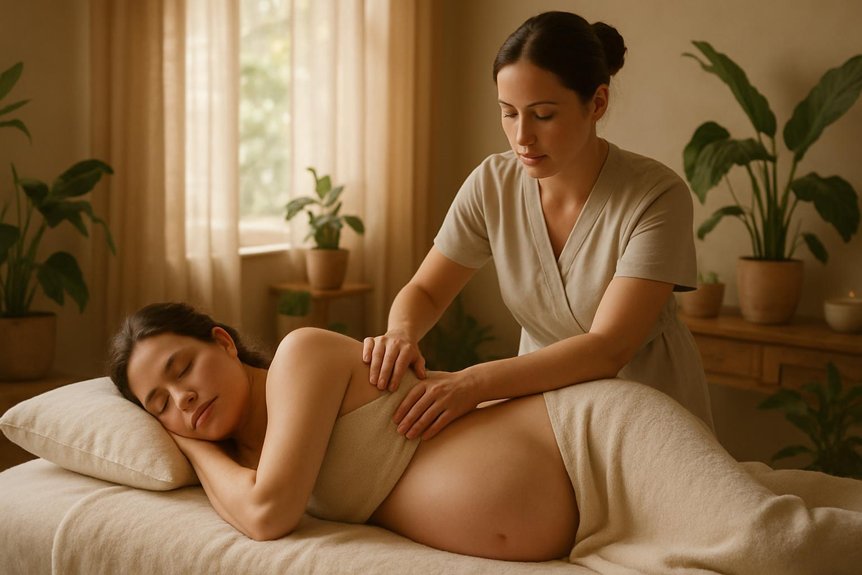
At Spa & Massage, therapists employ side-lying or semi-reclined positions, utilizing supportive bolsters and pillows to maintain spinal alignment and comfort.
These techniques decrease musculoskeletal strain and reduce the likelihood of hypotensive episodes.
Individualized adjustments accommodate body changes and assure both physical safety and emotional security.
Continuous assessment of client comfort and regular communication are essential, promoting a sense of intimacy and trust.
This approach aligns with best practice guidelines for prenatal massage, offering ideal safety and relaxation for expectant clients.
When Is It Not Recommended During Pregnancy?
Certain medical conditions and stages of pregnancy necessitate caution or contraindicate the use of intensive tissue massage. At Spa & Massage, therapists advise against intensive tissue massage during the first trimester due to increased risk of miscarriage and heightened sensitivity.
Additionally, conditions such as preeclampsia, deep vein thrombosis (DVT), placenta previa, or unexplained vaginal bleeding require strict avoidance, as vigorous pressure may exacerbate symptoms or pose maternal-fetal risks.
Clients experiencing persistent headaches, severe swelling, or high-risk pregnancies benefit from medical clearance before booking any massage.
The presence of fever, infections, or abdominal pain also signals the need to postpone treatment.
Spa & Massage’s therapists carefully review each client’s health history to ensure safety, prioritising gentle, nurturing approaches when contraindications are present.
Benefits of Massage for Expectant Mothers
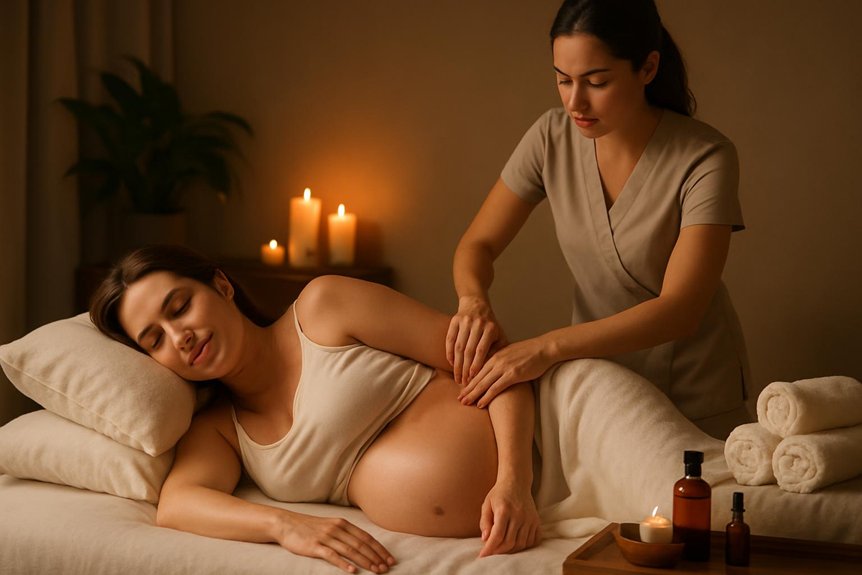
A growing body of clinical evidence supports the role of massage therapy in alleviating common physical and psychological discomforts associated with pregnancy.
Therapeutic massage may contribute to the reduction of lower back pain, pelvic discomfort, and muscle tension—symptoms frequently reported by expectant mothers.
Studies indicate that gentle, appropriately modified massage can also decrease stress hormone levels, enhance sleep quality, and promote a sense of well-being during this transformative time.
At Spa & Massage, practitioners employ evidence-based techniques to optimise comfort and safety, with a focus on nurturing touch and communication.
While massage is not a substitute for medical care, it can serve as a valuable adjunct to prenatal wellness, fostering relaxation, easing anxiety, and providing moments of calm that support the maternal experience.
How Our Therapists Adapt Techniques for Pregnant Clients
Recognising the unique physiological changes that accompany pregnancy, therapists at Spa & Massage implement evidence-based modifications to standard massage protocols to guarantee maternal and fetal safety.
Clinical guidelines direct the avoidance of deep pressure, particularly over the abdomen, lower back, and legs, to reduce the risk of vascular complications or uterine stimulation. Therapists are trained to utilise side-lying or semi-reclined positioning with supportive bolsters, minimising aortocaval compression and enhancing comfort.
Gentle, targeted techniques are prioritised, focusing on relieving musculoskeletal tension without exceeding safe pressure thresholds. Each treatment is preceded by a thorough consultation, evaluating gestational age, medical history, and specific needs.
This personalised, cautious approach ensures that every expectant client receives nurturing, therapeutic touch aligned with best practices in prenatal care, reflecting Spa & Massage’s commitment to client wellbeing.
Safe Alternatives to This Massage in Pregnancy
While intensive tissue massage offers therapeutic benefits in many contexts, it is not recommended during pregnancy due to potential risks such as increased vascular pressure and uterine stimulation.
Instead, gentle modalities like pregnancy massage are endorsed by Spa & Massage therapists as safe alternatives. These techniques employ lighter pressure, focus on areas of tension, and accommodate the physiological changes associated with pregnancy.
Evidence supports the use of side-lying positioning, soft tissue manipulation, and careful attention to circulation and comfort. Aromatherapy massage, using pregnancy-safe essential oils, and reflexology may also provide symptom relief and relaxation.
All interventions are carefully tailored, with therapists modifying pressure and techniques to enhance maternal well-being.
Consultation with healthcare providers is always advised before commencing any new therapeutic modality during pregnancy.
What to Expect During a Pregnancy Massage at Spa & Massage
Designed to prioritise maternal safety and comfort, pregnancy massage sessions at Spa & Massage are delivered by therapists with specialised training in prenatal care. The environment is calm and nurturing, with careful attention to ideal positioning—side-lying or semi-reclined—to avoid uterine pressure and support circulatory health.
Therapists gently utilise light-to-moderate pressure, focusing on areas commonly affected by pregnancy-related discomfort, such as the lower back, hips, and legs. Hypoallergenic, unscented oils are selected to minimise risk of irritation, in accordance with best practices.
Each session begins with a thorough health screening to identify contraindications, ensuring a tailored approach. Communication is highly encouraged, allowing the client to express preferences and sensitivities.
The overall experience is therapeutic, seeking to alleviate tension while respecting the unique physiological changes of pregnancy.
Aftercare Tips for Pregnant Clients Receiving Massage
Following a pregnancy massage at Spa & Massage, appropriate aftercare is important to maximise therapeutic benefits and minimise potential discomfort. Clients are advised to maintain adequate hydration, as this facilitates metabolic waste removal and supports tissue recovery.
Gentle mobilisation and rest are recommended to allow the body time to integrate physiological changes induced by massage.
In Spa & Massage clinics, therapists encourage clients to monitor for unusual symptoms, such as persistent dizziness, swelling, or pain, and to seek medical evaluation if these arise.
A warm—not hot—shower may aid relaxation of musculature without increasing cardiovascular strain.
Light, nutritious snacks are beneficial, especially if hypoglycaemia is a concern.
Attention to personal comfort and ongoing communication with care providers supports ideal outcomes for both maternal wellbeing and fetal health.
Conclusion
In conclusion, while intensive tissue massage can be a double-edged sword during pregnancy, expert guidance is essential. Evidence suggests that with proper modifications and clinical judgment, massage provides significant comfort, yet certain risks remain, especially in the first trimester or high-risk pregnancies. Spa & Massage therapists use tailored, evidence-based techniques to prioritize maternal and fetal safety. Ultimately, consultation with a healthcare provider is the gold standard for determining the safest path to prenatal wellness.