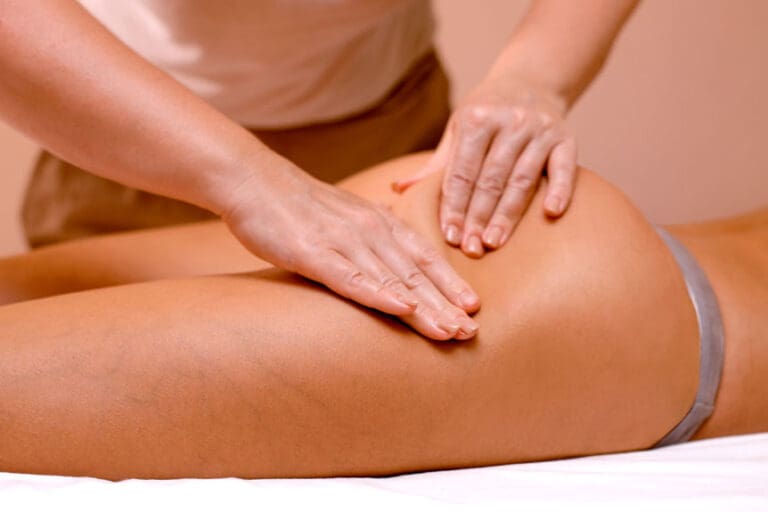
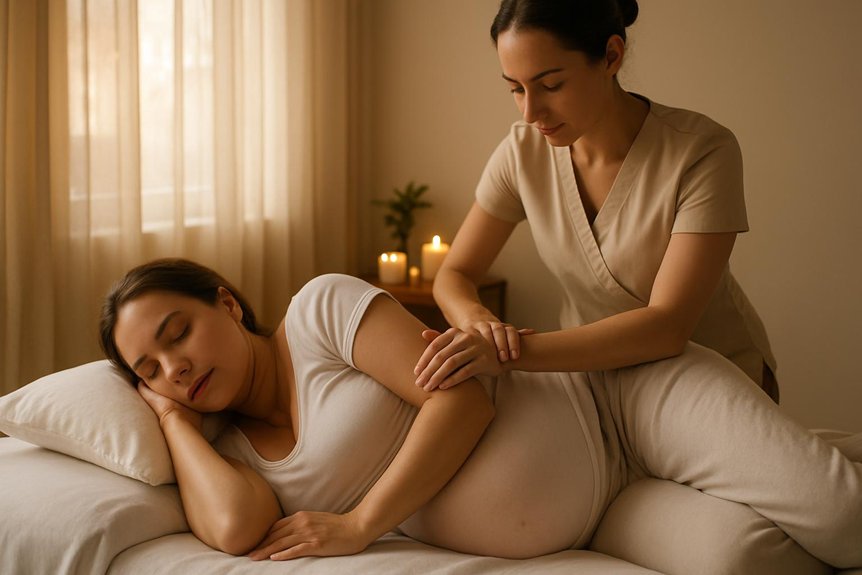
Back massage is generally considered safe during pregnancy when performed by a trained therapist who uses suitable techniques and positions, such as side-lying with supportive cushions. Care is taken to avoid deep pressure and certain sensitive areas, especially as pregnancy progresses. Evidence indicates that proper massage can relieve discomfort without risk to the mother or baby. Individual health factors and pregnancy stage should always be considered. More details about the benefits, techniques, and safety measures are available below.
Understanding Pregnancy-Related Back Pain
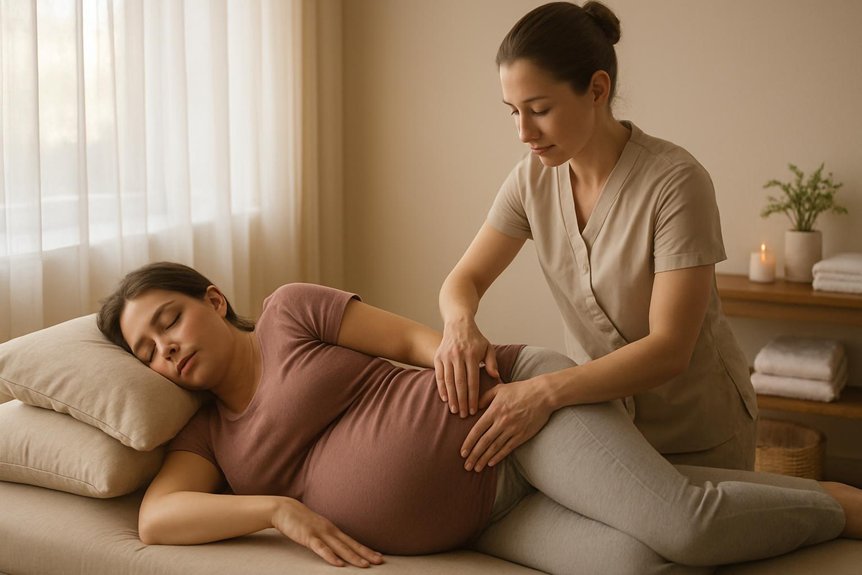
During pregnancy, physiological changes such as weight gain, hormonal fluctuations, and altered posture often contribute to back pain, particularly in the lower lumbar region.
The growing uterus shifts the centre of gravity, placing additional strain on spinal muscles and ligaments. Hormones like relaxin can further loosen joints and connective tissues, resulting in increased vulnerability to discomfort.
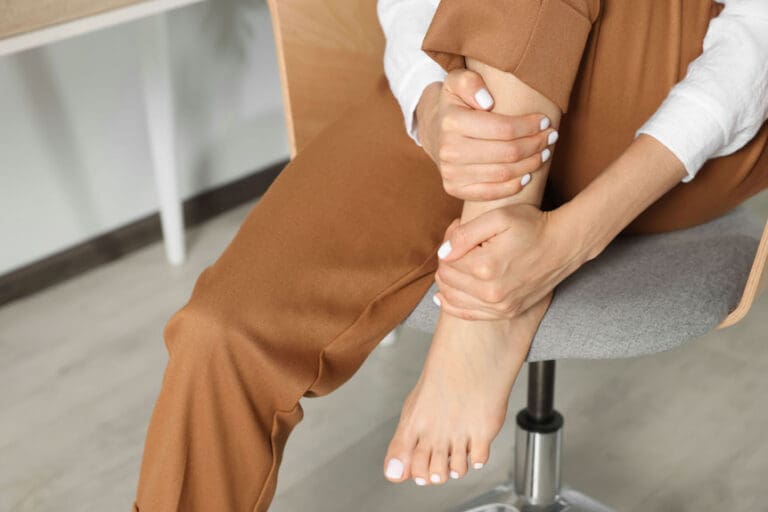
Many individuals experience muscle tightness, aching, or fatigue in the lower back, hips, or pelvis. As the body adapts, these sensations can fluctuate in intensity, sometimes interfering with rest or daily movement.
At Spa & Massage, therapists often hear expectant clients describe these challenges.
Understanding the complex, multifactorial origins of pregnancy-related back pain helps inform our approach, fostering care that is both compassionate and tailored to each unique journey. In some cases, deep tissue massage techniques may be considered beneficial for alleviating chronic muscle tension associated with back pain.
Safety Considerations for Back Massage During Pregnancy
When considering back massage during pregnancy, careful attention to therapist qualifications and appropriate techniques is essential.
Evidence suggests that trained prenatal massage therapists, such as those at Spa & Massage, are best equipped to adapt positioning and methods to each stage of pregnancy.
Safe practice relies on both expertise and adherence to guidelines that prioritise maternal and fetal wellbeing.
Qualified Pregnancy Massage Therapists
A qualified prenatal massage therapist possesses specialised training to understand the unique physiological changes and safety considerations associated with pregnancy. This expertise is essential for recognising contraindications, adapting massage pressure, and selecting appropriate areas for treatment.
In Spa & Massage clinics, therapists undergo rigorous education to make sure they are equipped to address the evolving needs of expectant mothers with sensitivity and professionalism.
Evidence suggests that, when performed by a knowledgeable practitioner, massage during pregnancy can offer comfort and relaxation without compromising safety.
Therapists at Spa & Massage create a supportive environment, carefully monitoring for signs of discomfort or risk.
Clients are encouraged to share their medical history and any concerns, allowing for an individualised approach that prioritises both emotional reassurance and physical wellbeing.
Safe Positioning and Techniques
In clinical practice at Spa & Massage, careful attention is given to positioning and technique to support the wellbeing of pregnant clients receiving back massage.
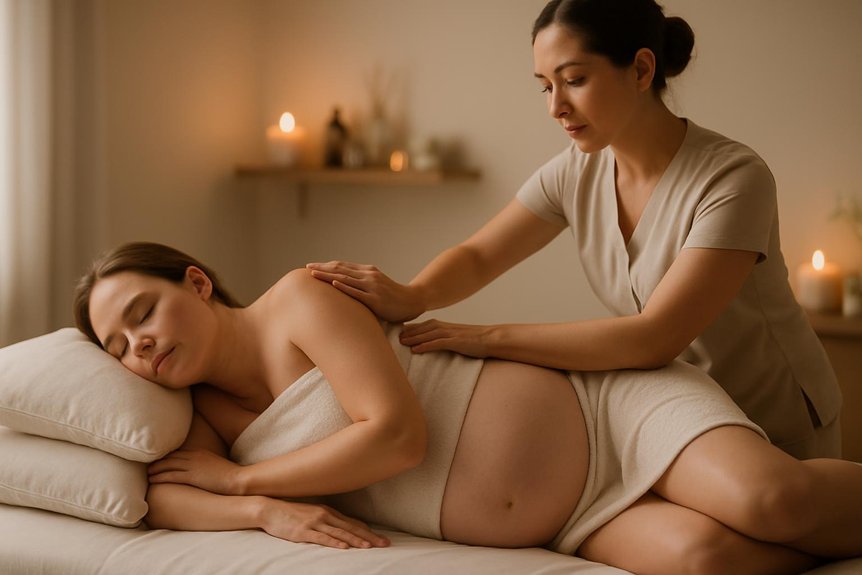
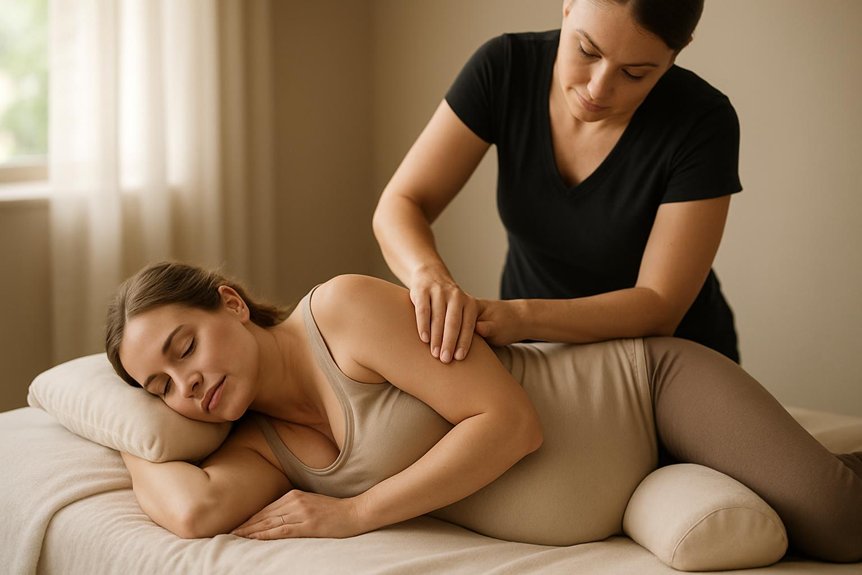
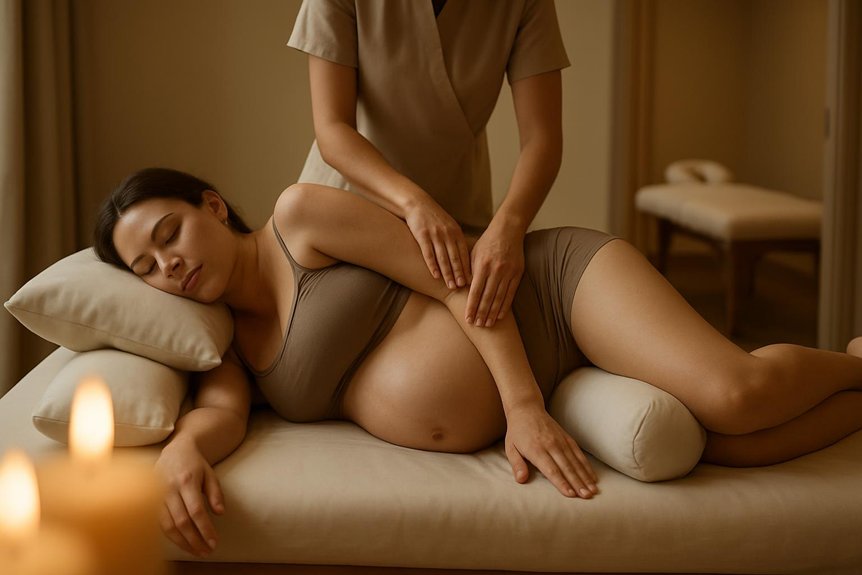
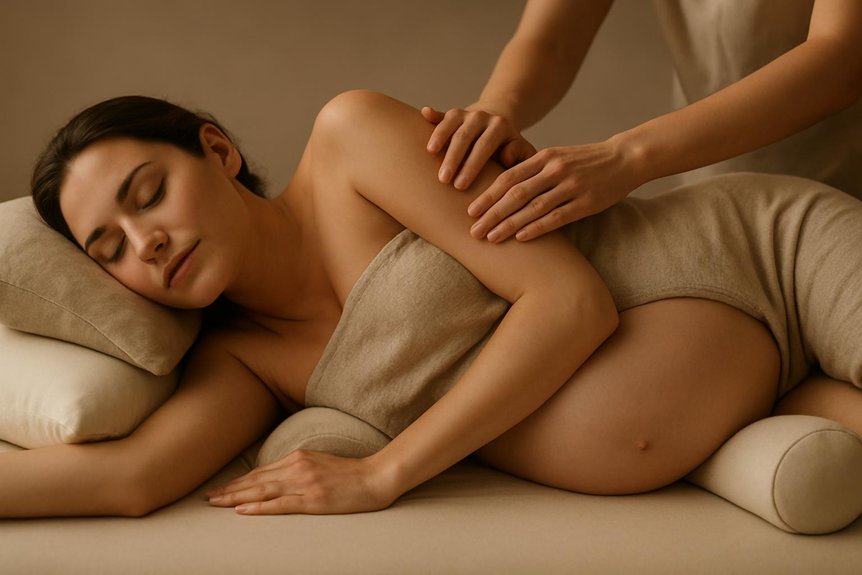
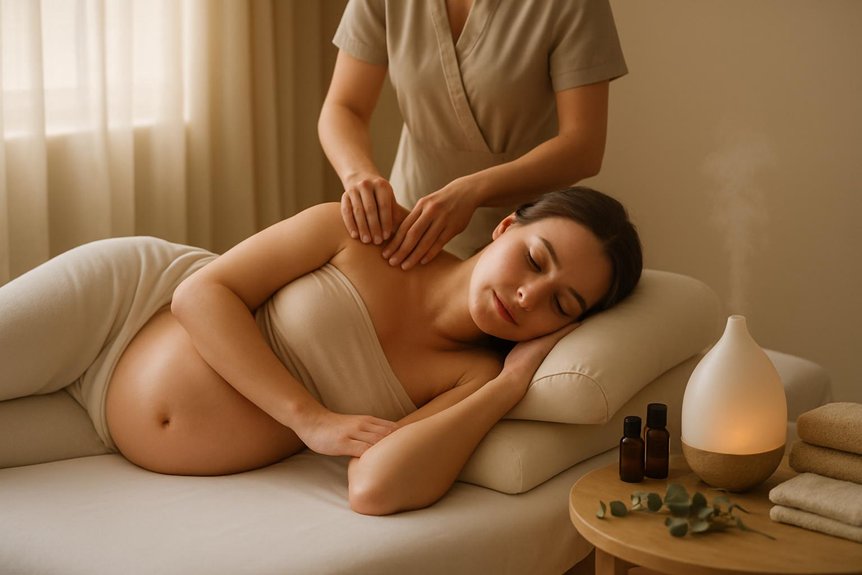
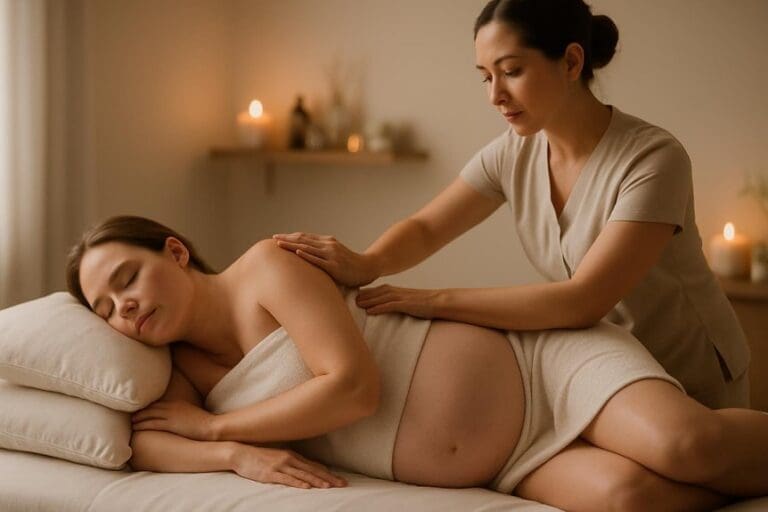
Side-lying positions, supported by pillows, are routinely used beyond the first trimester to avoid pressure on the abdomen and to promote ideal circulation.
Therapists employ gentle, targeted strokes that avoid deep pressure on the lower back and sacrum, areas sensitive during pregnancy.
Caution is also exercised to avoid acupressure points linked to uterine stimulation.
Light to moderate pressure, combined with slow, rhythmic movements, is considered safest and most soothing.
In all cases, therapists encourage clients to communicate openly about comfort and sensation, adjusting positioning or technique promptly to foster a nurturing and secure environment throughout the session.
How Prenatal Massage Differs From Regular Massage
It is specifically adapted to address the unique physiological changes and safety considerations associated with pregnancy, distinguishing it from regular massage.
During pregnancy, a woman’s body undergoes significant anatomical and hormonal shifts, such as increased joint laxity, altered posture, and heightened sensitivity in certain areas.
At Spa & Massage, therapists are trained to recognize these changes, modifying pressure, and avoiding areas that may present risk, like deep abdominal work or intense lower back manipulation.
The focus remains on promoting relaxation and alleviating discomfort while minimising any potential complications.
In practice, therapists routinely consult with clients about their health history and current symptoms, ensuring each session is both nurturing and safe.
This tailored, cautious approach reflects best practices supported by current evidence and clinical experience.
Techniques and Positions Used at Spa & Massage
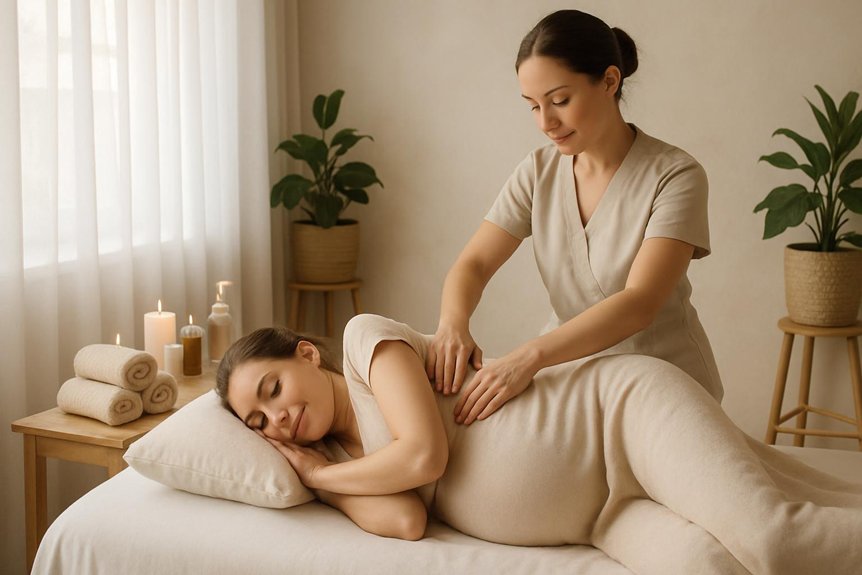
At Spa & Massage, therapists employ pregnancy-safe techniques that are specifically adapted to support maternal comfort and well-being.
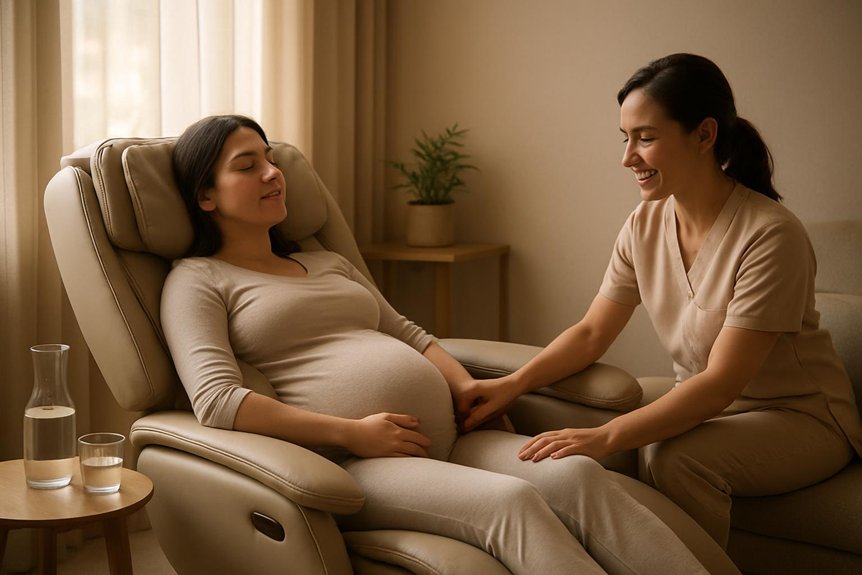
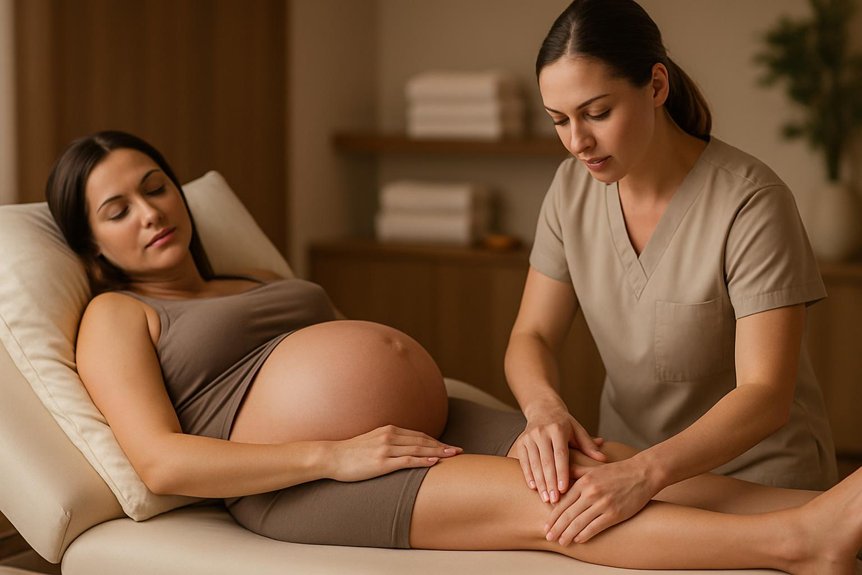
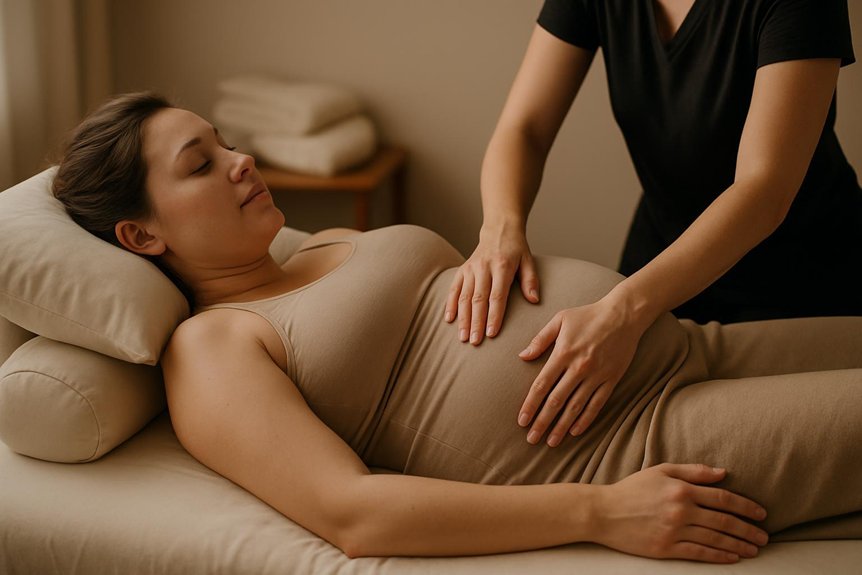
Side-lying and semi-reclined positions are typically recommended to minimise pressure on the abdomen and optimise circulation.
These approaches are selected based on current best practices and are regularly reviewed to guarantee safety for both mother and baby.
Pregnancy-Safe Massage Techniques
While massage therapy can offer significant relief and relaxation during pregnancy, it is essential that only specialised, pregnancy-safe techniques are employed.
At Spa & Massage, therapists use gentle, slow strokes and light-to-moderate pressure, avoiding deep tissue work or vigorous kneading, particularly over the lower back and abdomen.
Techniques are carefully adjusted to respect the physiological changes of pregnancy, focusing instead on soothing muscle tension, supporting circulation, and reducing stress.
Only hypoallergenic, unscented oils are used to minimise any risk of skin sensitivity.
Therapists are vigilant in avoiding known acupressure points that could potentially stimulate uterine contractions.
Comfortable Positioning for Mums
Recognising the importance of maternal comfort and safety, Spa & Massage employs specific positioning techniques during prenatal massage sessions to minimise strain and support wellbeing.
Therapists avoid the prone (face-down) position after the first trimester, instead recommending side-lying with supportive pillows or a semi-reclined posture. This approach helps reduce pressure on the abdomen and lower back, while enhancing circulation and promoting relaxation.
Adjustable bolsters and soft cushions are carefully arranged to support the hips, knees, and upper body, ensuring each client feels secure and at ease.
Such positioning is guided by both clinical guidelines and individual comfort, with adjustments made as pregnancy progresses.
Spa & Massage therapists regularly check in with clients, encouraging open communication to maintain a nurturing, safe, and soothing environment throughout every session.
Benefits of Back Massage for Expectant Mothers
How can back massage contribute to the wellbeing of expectant mothers?
Evidence suggests that gentle, expertly applied back massage may alleviate common discomforts of pregnancy, such as lower back pain, muscle tension, and mild swelling.
At Spa & Massage clinics, therapists are trained to customise techniques, ensuring each session is safe and supportive for both mother and baby. Many expectant mothers report that massage encourages deep relaxation, which may help manage stress and promote restful sleep—both essential during pregnancy.
Moreover, enhanced circulation and lymphatic flow are potential benefits, possibly reducing fatigue and supporting a sense of emotional balance. While individual responses vary, these outcomes reflect the careful, nurturing approach that guides every prenatal massage session at Spa & Massage, always prioritising safety and comfort.
Tips for Maximising Comfort and Safety During Your Session
To promote comfort and safety during a pregnancy back massage, careful attention to positioning, communication, and technique is essential.
At Spa & Massage, therapists recommend side-lying positions with supportive cushions to alleviate pressure on the abdomen and lower back.
Gentle, slow strokes are prioritised, avoiding deep pressure or techniques that could cause discomfort.
Open communication between client and therapist is encouraged throughout the session to ensure all sensations are pleasant and no adverse effects occur.
Only pregnancy-safe oils, such as those used in Spa & Massage clinics, are applied to reduce the risk of skin sensitivity.
Clients are advised to remain hydrated and take their time standing after the session.
These evidence-based practices help create an environment of trust, safety, and nurturing connection.
Conclusion
In the soft glow of a tranquil spa room, an expectant mother finds gentle relief as skilled hands ease the burden from her aching back. When performed with medical expertise and careful adaptation, back massage can become a safe haven during pregnancy—soothing tension while supporting maternal well-being. With appropriate precautions and professional guidance, this nurturing touch offers a moment of respite, fostering comfort and calm on the remarkable journey toward welcoming new life.