
After a intensive tissue massage, it is clinically advised to wait at least 24 hours before engaging in strenuous exercise. The deep manipulation of muscles and connective tissues leads to microtrauma, inflammation, and increased metabolic activity, all of which need time for proper recovery. Exercising too soon may increase soreness, exacerbate inflammation, or delay healing processes. Monitoring for lingering tenderness or reduced mobility is essential before resuming workouts. Further information clarifies the safest approach and recovery guidelines.
What Happens to Your Muscles During a Deep Tissue Massage
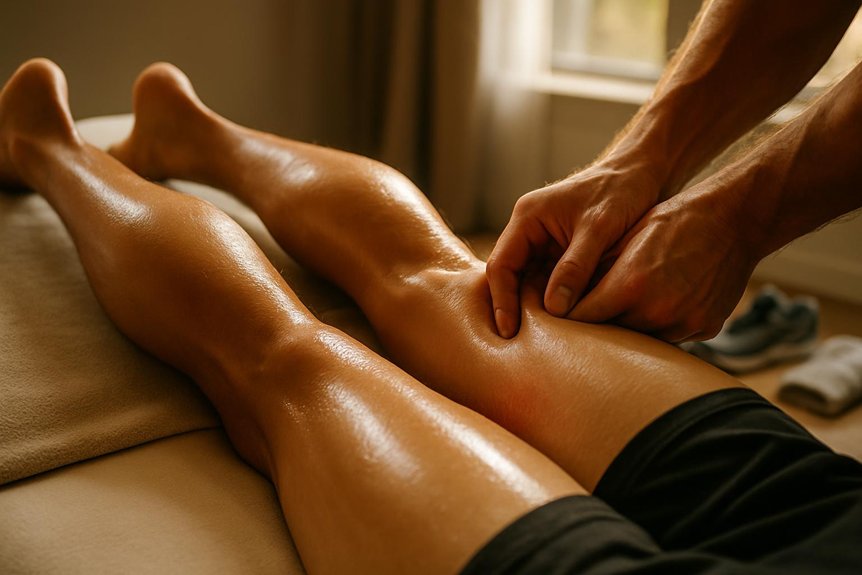
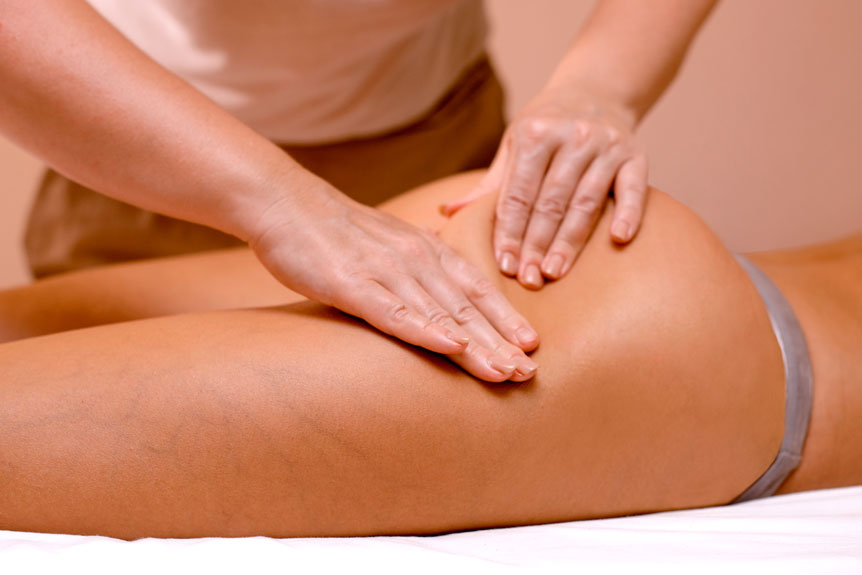
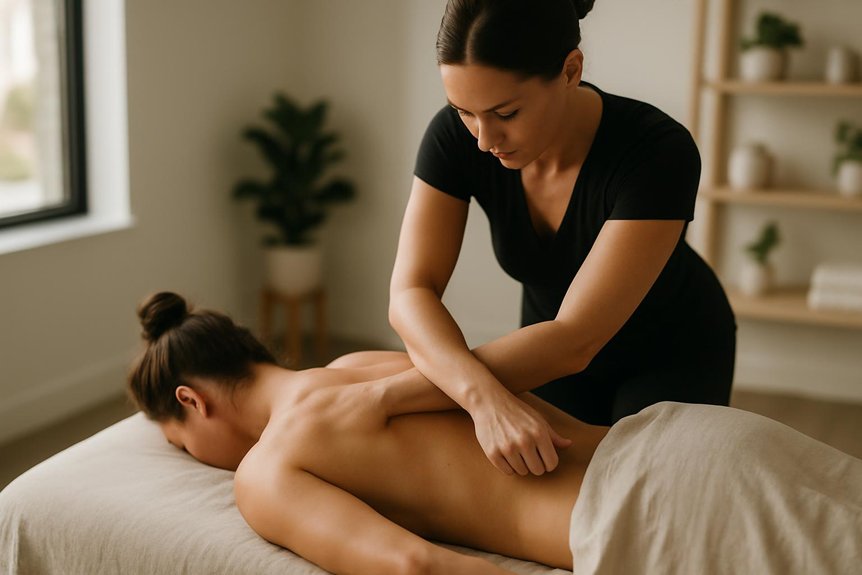
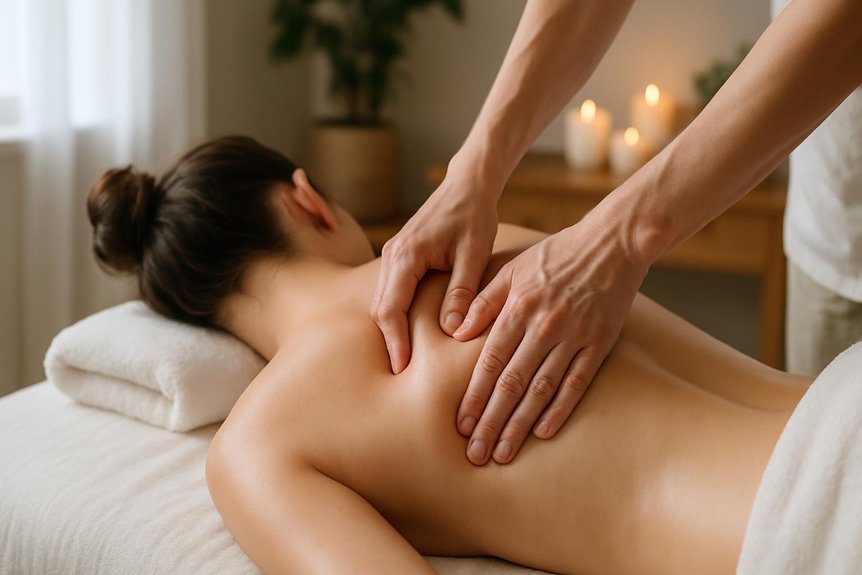
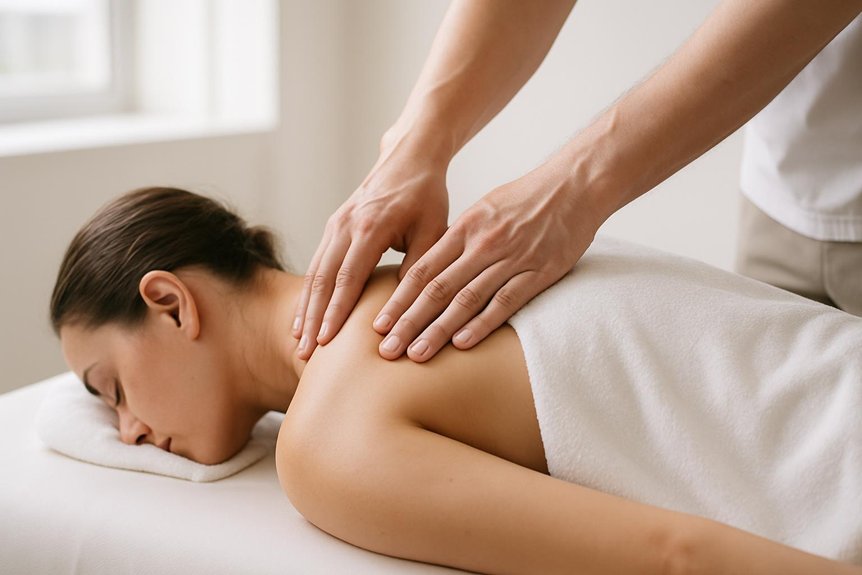
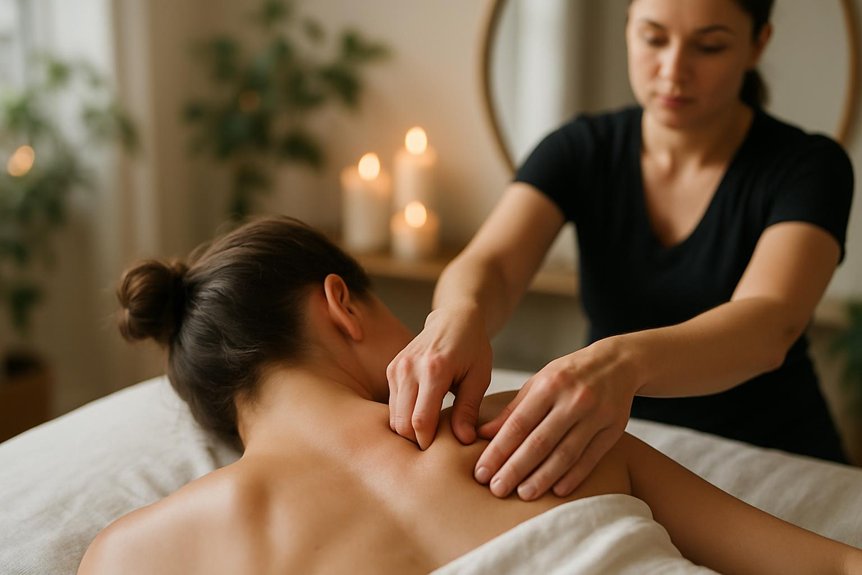
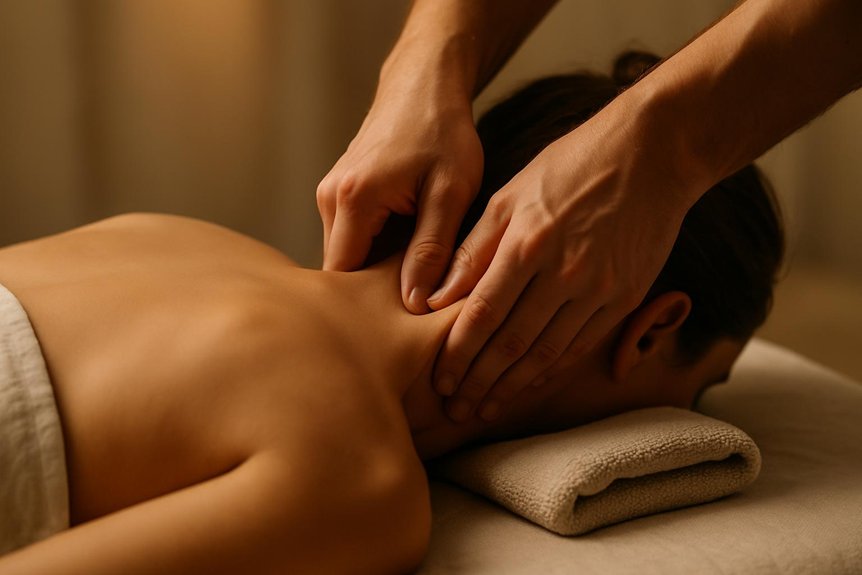
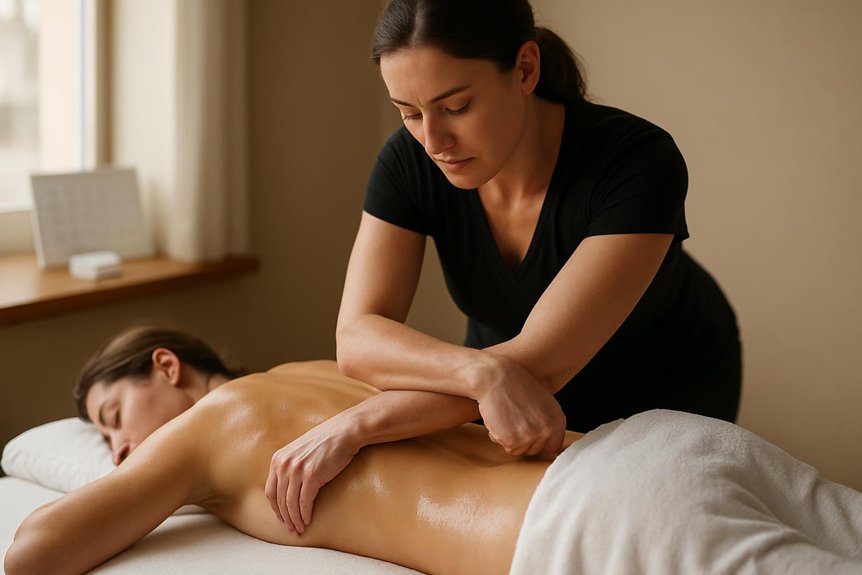
During a intensive tissue massage, targeted pressure is applied to the deeper layers of muscle and connective tissue. This results in the mechanical breakdown of adhesions and chronic muscle tension.
This focused manipulation encourages increased blood flow and oxygenation to affected areas, facilitating the removal of metabolic waste and promoting cellular repair.
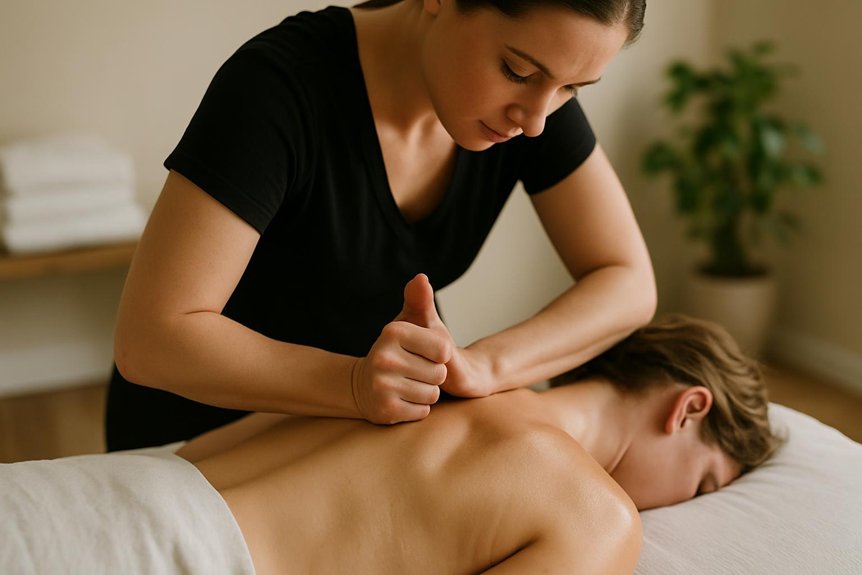
At Spa & Massage, therapists employ slow, deliberate strokes and sustained pressure to address persistent knots and areas of discomfort.
These actions can cause microtrauma—tiny, controlled tears within muscle fibers—that initiate the body’s natural healing response, enhancing tissue elasticity and resilience.
Clients may experience a profound sense of release and intimacy with their own bodies, as the massage restores mobility, alleviates discomfort, and fosters greater connection with physical sensations.
Incorporating intensive tissue massage techniques can offer additional benefits such as long-term relief from tension and improved muscular function.
How Soon Is It Safe to Exercise After a Intensive Tissue Massage
Following a intensive tissue massage, immediate post-massage recovery is essential to allow muscle fibers to adapt and inflammation to subside.
Spa & Massage therapists advise clients to wait at least 24 hours before resuming strenuous exercise, as this timing supports most favorable tissue healing and reduces the risk of injury.
Individual factors such as the intensity of treatment and personal recovery rates may influence the safest interval before returning to physical activity.
Immediate Post-Massage Recovery
Although intensive tissue massage promotes muscular recovery and alleviates tension, the body often requires a period of adjustment prior to resuming strenuous physical activity.
Immediately following a session, the tissues remain in a state of increased circulation and metabolic exchange, with microtrauma and lactic acid breakdown products still being processed.
At Spa & Massage, therapists observe that clients frequently experience transient soreness, fatigue, or mild dehydration post-treatment, reflecting the physiological impact of targeted pressure techniques.
Expert guidance suggests focusing on gentle hydration, rest, and passive movement during this window.
Allowing the body to recalibrate ensures the therapeutic benefits are integrated, while reducing the risk of strain or injury.
Clients are encouraged to listen to subtle cues—tightness, lingering discomfort, or heaviness—before considering any intense exercise.
Optimal Exercise Timing
Professional observation at Spa & Massage indicates that the timing of post-massage exercise should be determined by both physiological response and the intensity of the planned activity.
Clinical evidence suggests that intensive tissue massage can cause transient muscle soreness, increased blood flow, and localized tissue remodeling. As such, a minimum window of 24 hours is generally recommended before engaging in vigorous or high-impact exercise.
For light activity, such as walking or gentle stretching, 12 to 24 hours may be sufficient, provided the individual feels no discomfort.
Therapists at Spa & Massage emphasize the importance of self-assessment—monitoring for lingering tenderness, fatigue, or reduced range of motion.
This individualized approach ensures suitable recovery, supporting both musculoskeletal health and the therapeutic benefits of massage.
Potential Risks of Working Out Too Soon
Engaging in physical activity immediately after a intensive tissue massage can elevate the risk of increased muscle soreness and diminish the intended recovery benefits.
At Spa & Massage, therapists observe that premature exercise may exacerbate tissue inflammation and interfere with the natural healing process facilitated by massage.
Evidence suggests that adequate rest post-treatment optimizes muscle repair and supports the therapeutic outcomes of deep tissue work.
Increased Muscle Soreness
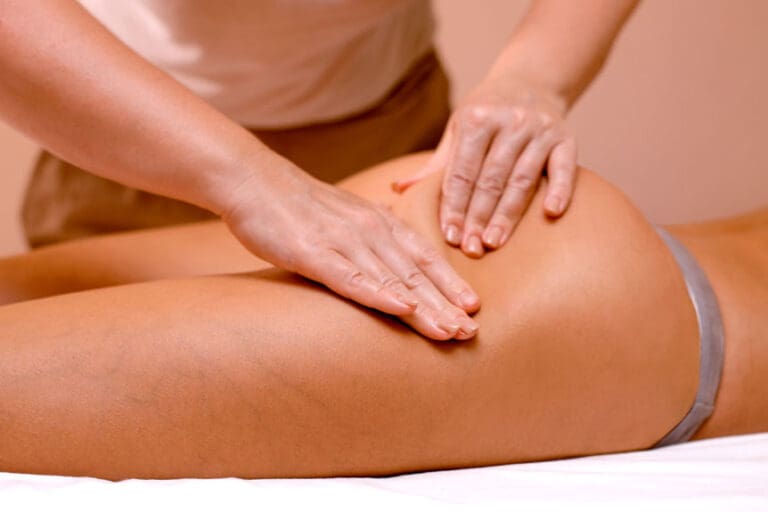
Following a intensive tissue massage, the muscular system undergoes significant manipulation, which can temporarily increase circulation and disrupt adhesions within muscle fibres. This process, while beneficial, can also render the muscles more sensitive and susceptible to soreness.
Engaging in intense physical activity immediately after such treatment may exacerbate this sensitivity, amplifying the natural inflammatory response and resulting in heightened discomfort.
At Spa & Massage, therapists often observe that clients who exercise too soon after a session report greater tenderness and delayed-onset muscle soreness.
The body requires time to adapt to the changes induced by deep tissue techniques; premature exertion may overload already stressed tissues.
For ideal comfort and recovery, a period of rest is recommended, allowing muscles to settle and recalibrate post-massage.
Reduced Recovery Benefits
Although intensive tissue massage promotes muscular recovery by improving circulation and facilitating the breakdown of adhesions, premature exercise can undermine these restorative effects.
The tissues remain in a vulnerable state immediately after treatment, as metabolic waste removal and nutrient delivery are still in progress.
Engaging in physical activity during this delicate window may interrupt these essential processes, diminishing the intended benefits of the massage.
At Spa & Massage, therapists emphasise the importance of allowing adequate time for recovery to maximise each session’s therapeutic value.
Clients are encouraged to prioritise rest, gentle stretching, and hydration post-massage, as these practices support ideal tissue repair and relaxation.
Rushing into strenuous activity may counteract the positive outcomes, delaying recovery and potentially reducing the long-term effectiveness of regular massage therapy.
Signs Your Body Needs More Recovery Time
After a intensive tissue massage, certain physiological indicators may signal that the body requires additional recovery before resuming intense physical activity.
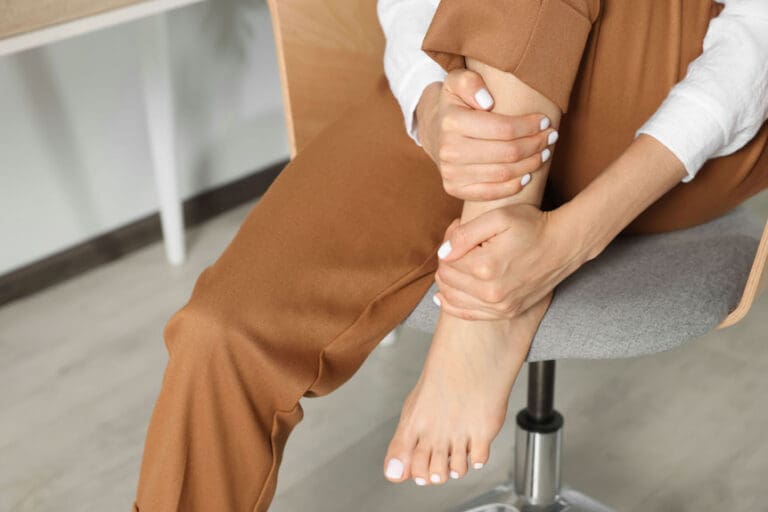
Common signs include lingering muscle soreness, localized tenderness, fatigue, or mild swelling in the treated areas.
Some individuals may notice decreased range of motion, subtle joint stiffness, or a sensation of heaviness.
At Spa & Massage, therapists advise observing for any residual discomfort or sensitivity, as these responses suggest ongoing tissue adaptation.
If symptoms such as mild headache, low energy, or delayed muscle relaxation are present, further rest is warranted.
Clients are encouraged to listen to their bodies and communicate any concerns.
These signs reflect the body’s natural healing processes and the importance of honoring individual recovery needs after therapeutic interventions.
Types of Exercise to Avoid or Modify Post-Massage
Persistent signs of muscle tenderness or fatigue, as outlined previously, indicate a heightened need for selective activity post-massage.
Evidence suggests that high-intensity, high-impact exercises—such as heavy weightlifting, plyometrics, or intense cardiovascular training—should be avoided immediately following a intensive tissue massage. These activities can exacerbate microtrauma within muscle fibers that have already been manipulated and may delay the body’s natural recovery processes.
Additionally, dynamic stretching or prolonged static holds that place direct stress on recently treated areas should be modified or temporarily omitted.
At Spa & Massage, therapists advise clients to refrain from activities that provoke discomfort, swelling, or excessive strain. Instead, gentle movement and mindful awareness of bodily sensations are emphasized to support the ideal integration of therapeutic benefits and prevent overexertion.
Best Practices for Easing Back Into Physical Activity
Gradual reintroduction of physical activity is essential to optimise recovery and sustain the therapeutic effects of a intensive tissue massage. Evidence-based guidelines recommend beginning with gentle movement within 24-48 hours, such as walking or light stretching, to maintain circulation and support tissue healing.
Clients at Spa & Massage are advised to monitor their bodies closely, paying attention to areas of residual tenderness or reduced range of motion. Hydration should be prioritised to facilitate metabolic waste removal, while avoiding high-intensity or high-impact exercise until any post-massage soreness subsides.
Incorporating mindful breathing and mobility exercises can further ease the progression, nurturing the body’s adaptive response. Such a considered, stepwise approach allows therapeutic gains to integrate, fostering both immediate comfort and longer-term resilience.
How Our Therapists at Spa & Massage Support Your Recovery
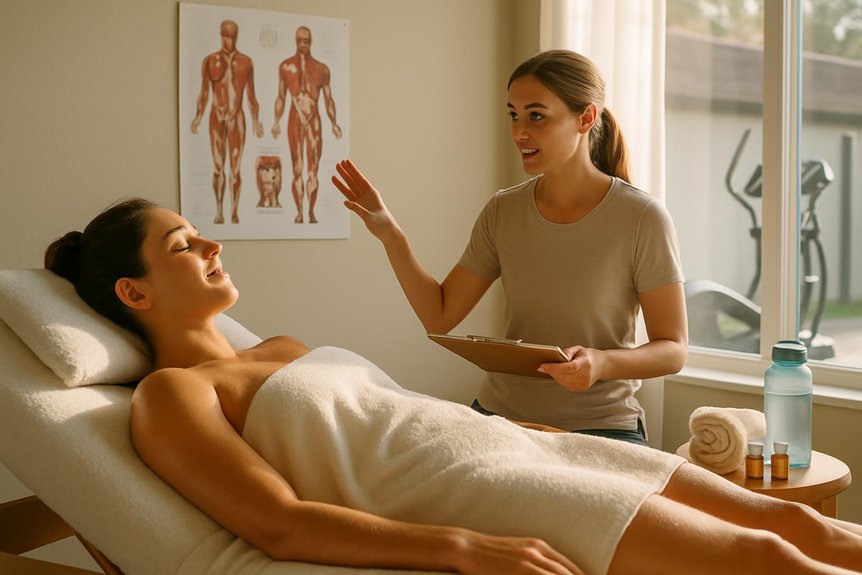
How do therapists at Spa & Massage facilitate ideal recovery following a intensive tissue massage? Their clinical approach emphasizes individualized aftercare, precise guidance, and evidence-based recommendations.
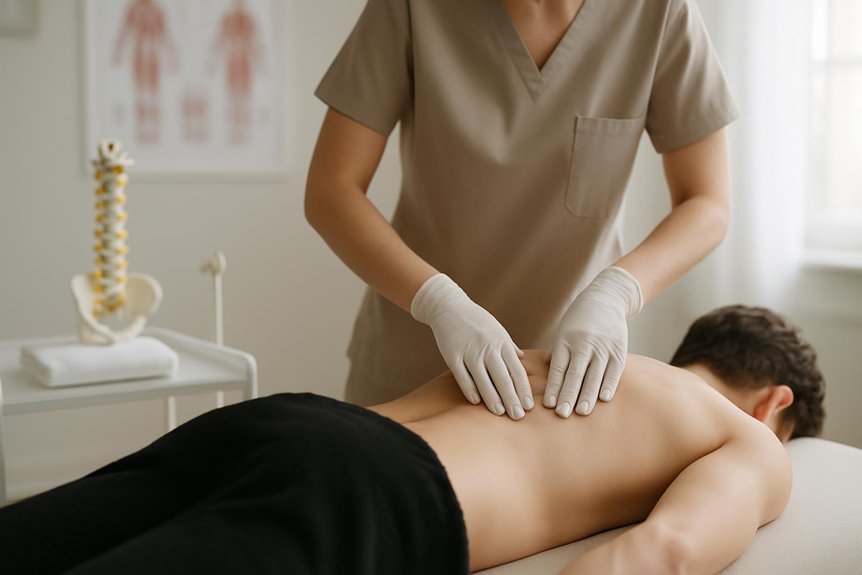
Therapists assess each client’s musculoskeletal condition before and after treatment, identifying areas of tension, inflammation, or restricted mobility.
Post-massage, they provide tailored advice regarding hydration, gentle stretching, and specific rest intervals to optimize tissue repair and minimize discomfort.
At Spa & Massage, therapists recommend postponing strenuous activity for at least 24 hours, allowing the body’s natural recovery mechanisms to function efficiently.
Clients receive guidance on self-care, such as heat or cold applications, to further support recovery.
This attentive, supportive process guarantees clients feel cared for and empowered, fostering trust and enhancing the intimacy of the therapeutic relationship.
Conclusion
To sum up, resuming exercise post-intensive tissue massage requires a judicious approach, allowing the body to fully embrace its recalibrated state. While the temptation to return to vigorous activity may be strong, evidence underscores the importance of strategic rest to avert minor inconveniences such as delayed onset muscle tenderness. Adhering to professional guidelines and heeding subtle physiological cues ensures individuals can harmonise their recovery with their fitness ambitions, optimising both therapeutic outcomes and physical performance.