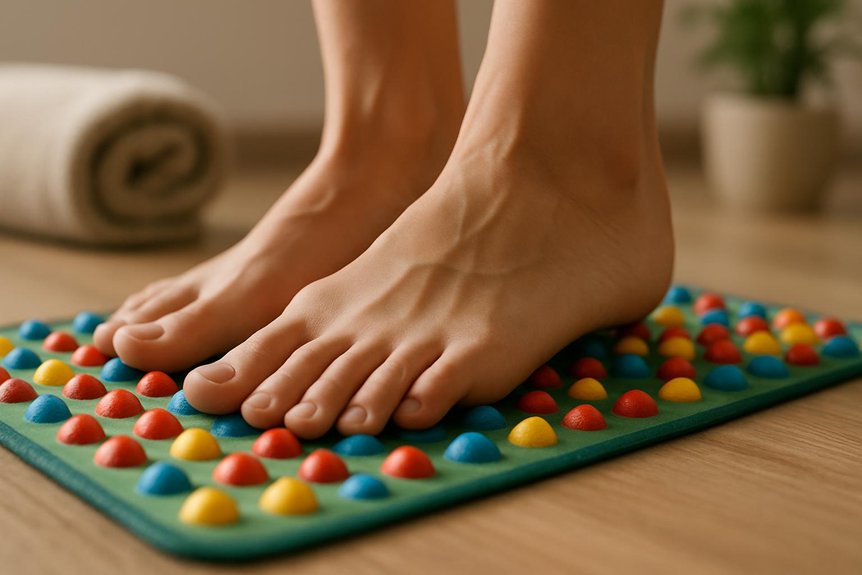
Massage mats use textured nodules to stimulate pressure points on the feet, aiming to promote relaxation and localized circulation by mimicking acupressure zones. Evidence supporting their effectiveness is largely anecdotal, with limited clinical research substantiating therapeutic claims. Most users report temporary relief of foot discomfort and enhanced relaxation. Massage mats differ from individualized professional treatments by offering general rather than targeted stimulation. Additional details explore clinical perspectives, safe use, and strategies for integrating foot pressure point mats into wellness routines.
Understanding It and Its Principles
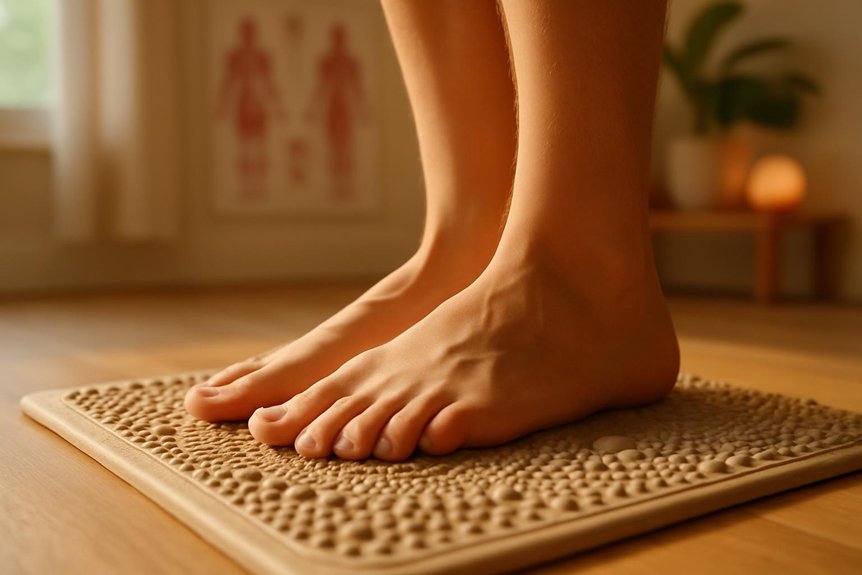
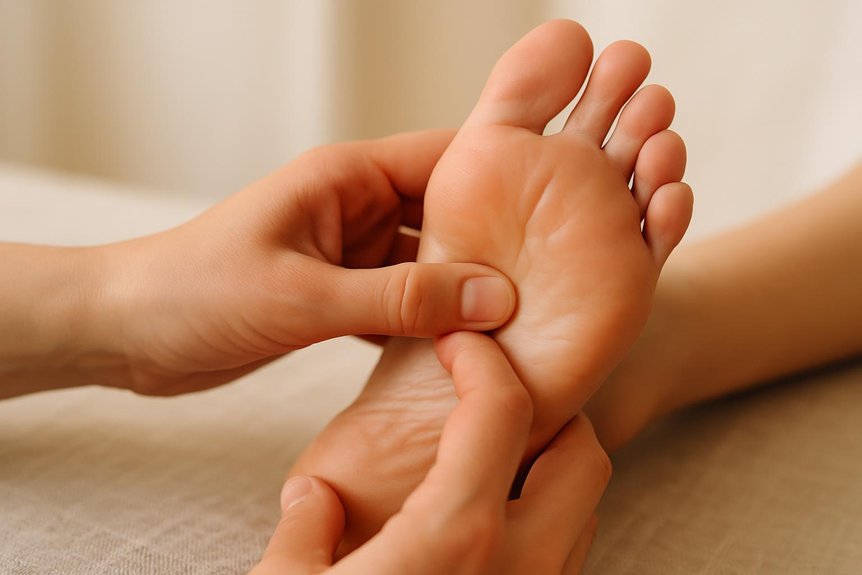
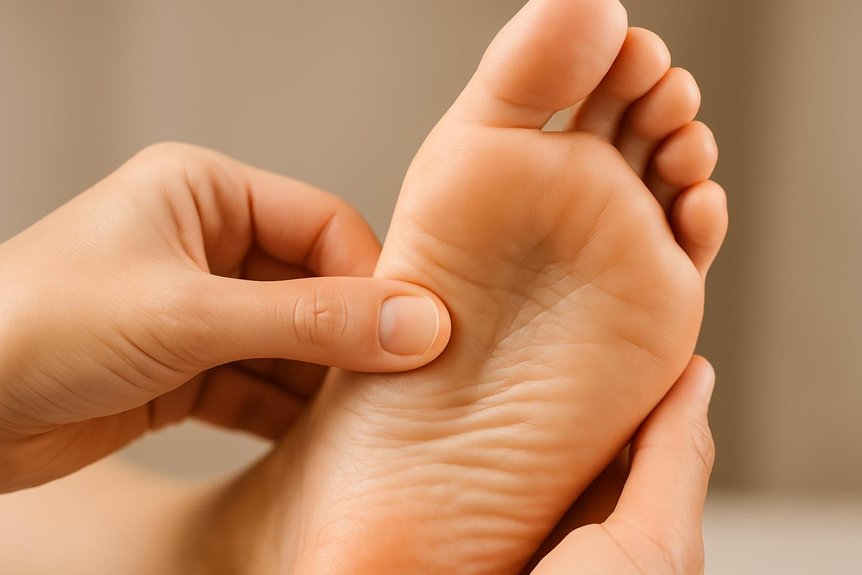
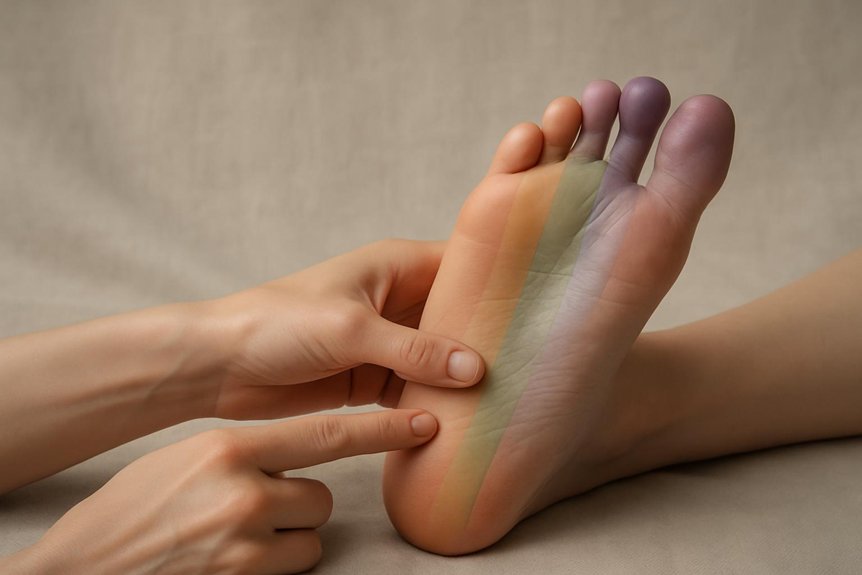
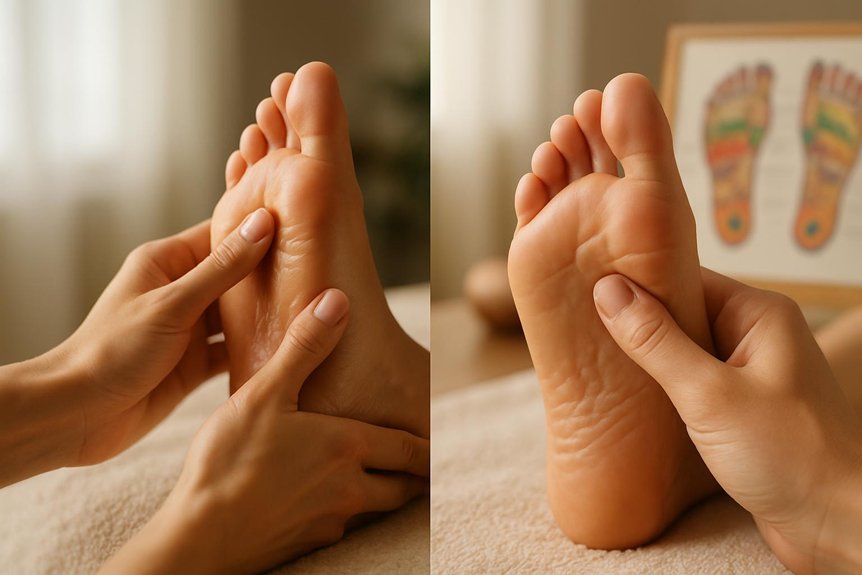
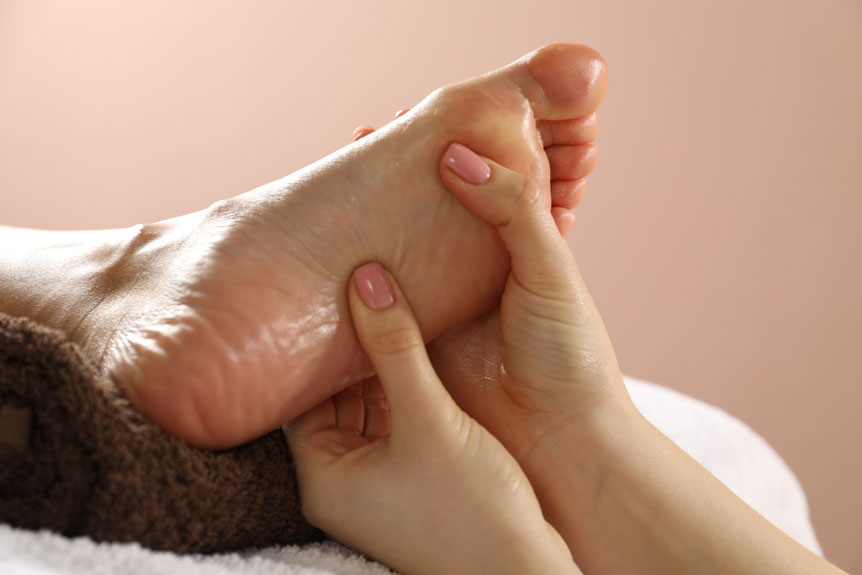
How does reflexology exert its effects on the body? It is based on the principle that specific points on the feet, hands, and ears correspond to organs and systems throughout the body. Stimulation of these reflex points is theorized to promote physiological balance and encourage homeostasis. Mechanistically, foot pressure point mat may modulate neural pathways through pressure applied to these zones, enhancing relaxation, improving circulation, and potentially reducing perceived stress. Evidence suggests this technique can activate the parasympathetic nervous system, thereby supporting the body’s innate healing processes. At Spa & Massage, therapists employ precise touch to target these reflex areas, aiming to provide tailored relief and foster a sense of connection between body and mind. This approach prioritizes trust, comfort, and individualized care for each client. Many people have discovered the healing power of foot pressure point mat through professional treatments and self-care tools like mats, which are designed to stimulate reflex points for overall well-being.
How Massage Mats Are Designed to Work
Building upon the foundational principles of zone therapy, foot pressure point mats are engineered to stimulate specific pressure points on the soles of the feet through strategically placed nodules or textured surfaces. These mats are designed to mirror the arrangement of acupressure zones corresponding to various organ systems, aiming to elicit a physiological response via mechanical stimulation.
The nodules vary in height, width, and firmness, targeting distinct reflex zones and intending to promote local circulation, nerve stimulation, and relaxation. Clinical observations suggest that this targeted pressure can facilitate a sense of well-being and alleviate mild tension.
At Spa & Massage, therapists emphasise that while such mats may offer a convenient, self-administered method for daily stimulation, their design favours consistent, gentle use rather than deep pressure or prolonged sessions.
Comparing Zone Therapy Mats to Professional Zone Therapy Treatments
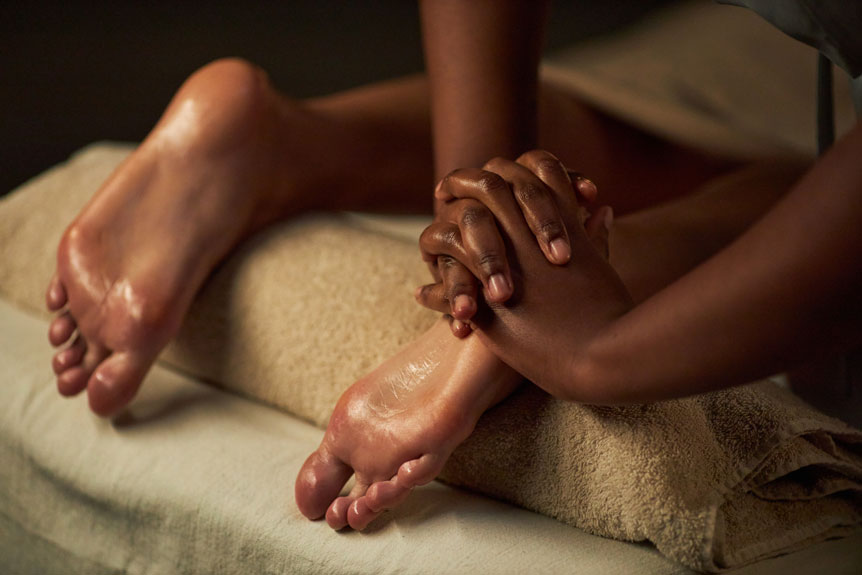
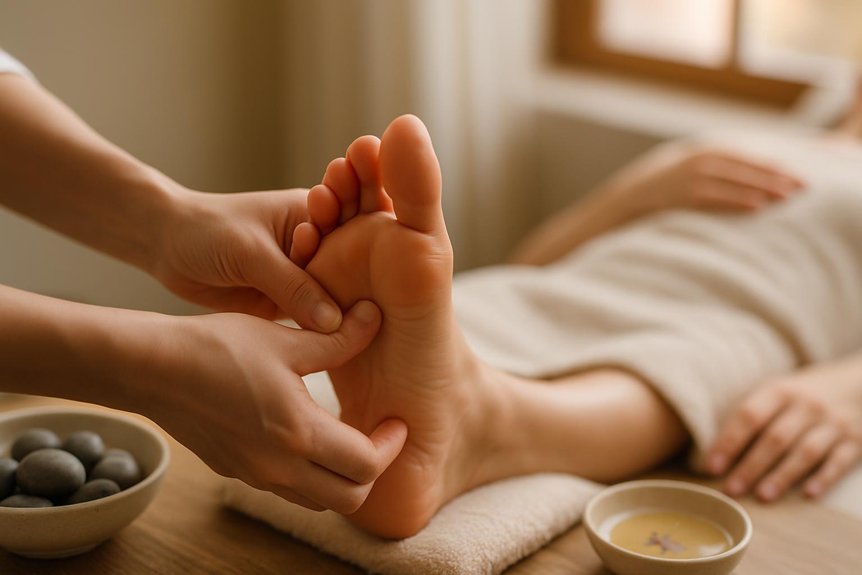
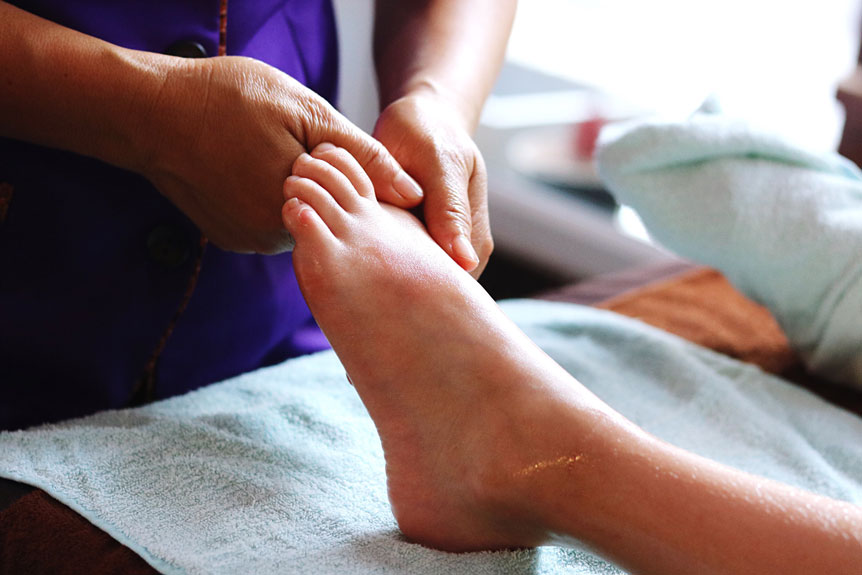
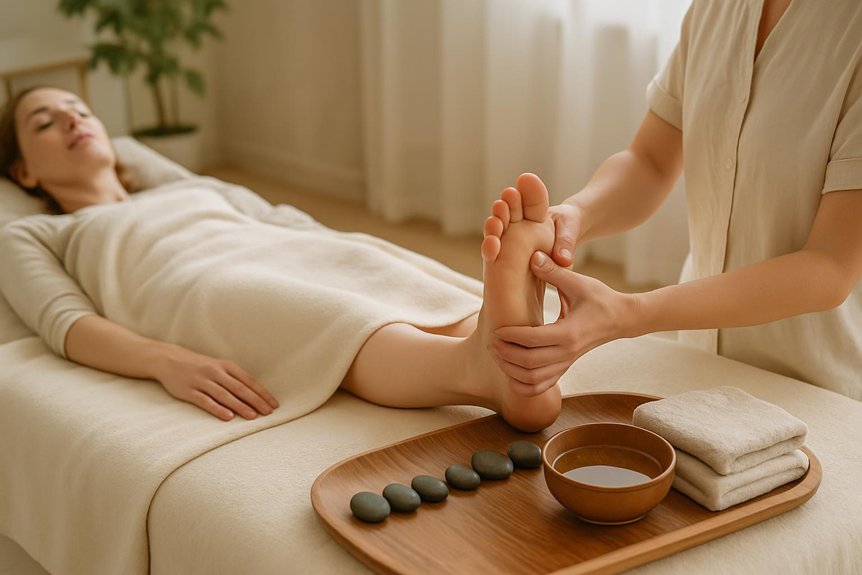
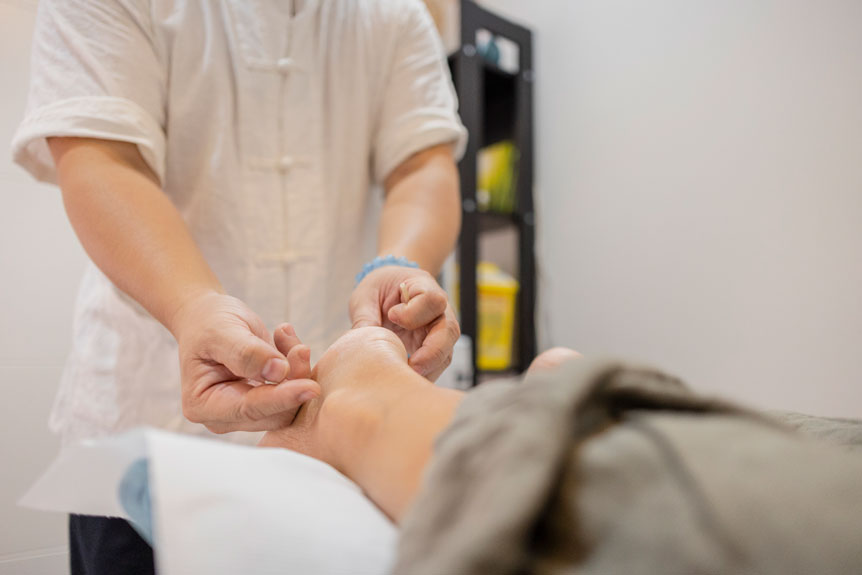
While foot pressure point mats provide a form of mechanical stimulation to the plantar surface, professional zone therapy treatments conducted by qualified therapists at Spa & Massage offer a more nuanced and individualised approach.
Foot pressure point mats employ uniform pressure through textured nodes, delivering non-specific sensory input to the feet. In contrast, therapists assess each client’s unique presentation—adapting pressure, technique, and focus areas in real time to maximise therapeutic effect.
This hands-on methodology facilitates precise targeting of reflex zones, accommodates anatomical variations, and enables immediate adjustment based on verbal and non-verbal client feedback.
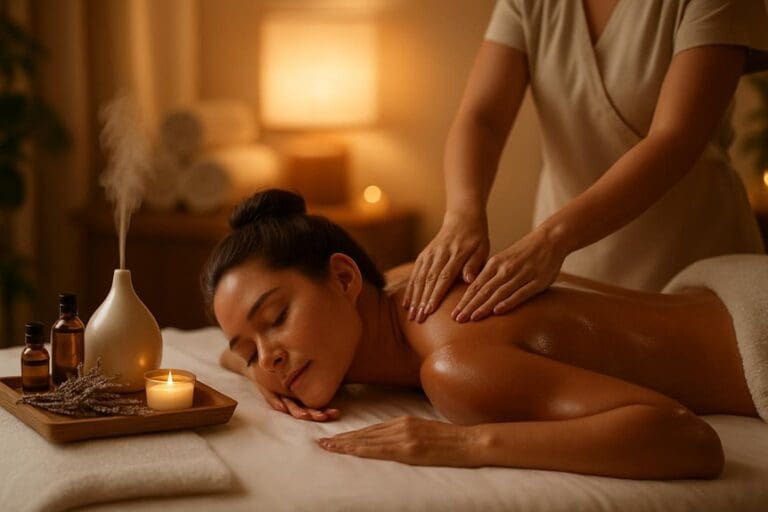
The therapeutic environment at Spa & Massage further enhances relaxation and trust, fostering a sense of connection and care.
Accordingly, while mats may offer generalised stimulation, professional zone therapy provides a tailored, responsive, and holistic intervention.
Reported Benefits and Limitations of Foot Wellness Mats
Zone therapy mats are associated with reported benefits such as temporary relief of mild discomfort, enhanced circulation, and relaxation.
However, clinical evidence supporting their efficacy remains limited, and users may experience adverse effects including skin irritation or exacerbation of certain foot conditions.
It is essential to contemplate both the potential health advantages and recognised risks when evaluating the use of zone therapy mats in self-care routines.
Potential Health Advantages
How do zone therapy mats contribute to perceived health outcomes? Zone therapy mats are designed to stimulate specific pressure points on the soles of the feet, drawing upon principles similar to those used in traditional zone therapy. Users frequently report subjective improvements in relaxation, stress reduction, and a general sense of well-being following use.
Some clinical studies suggest that mechanical stimulation of plantar surfaces may enhance local circulation, modulate autonomic nervous system activity, and decrease muscular tension.
At Spa & Massage, clients often describe enhanced mood and reduced discomfort after incorporating zone therapy mat sessions into their self-care routines.
However, it is important to note that most evidence remains anecdotal, and large-scale, controlled studies are limited. Zone therapy mats may offer complementary support for holistic wellness within a broader therapeutic context.
Recognised Drawbacks and Risks
Despite reported subjective benefits, use of zone therapy mats is associated with certain limitations and potential risks. Adverse reactions such as skin irritation, discomfort, or bruising may occur, particularly with prolonged or improper use.
Individuals with neuropathy, diabetes, circulatory disorders, or open wounds are at increased risk of complications and should exercise caution or seek medical advice before use.
Clinical evidence supporting the efficacy of zone therapy mats remains limited; most benefits are anecdotal rather than conclusively demonstrated in peer-reviewed studies.
At Spa & Massage, professional zone therapy treatments are tailored to individual needs, ensuring client safety and efficacy through therapist expertise and direct feedback.
For those considering self-care tools like mats, it is advisable to approach with mindfulness and awareness of one’s own health status.
Expert Recommendations for Using Foot Wellness Mats Safely
Spa & Massage advises that ideal outcomes with foot wellness mats depend on correct placement on a stable, non-slip surface and limiting initial use to short intervals, such as 5–10 minutes.
Clinical guidance emphasizes monitoring for discomfort or adverse reactions, adjusting duration accordingly.
Individuals are encouraged to remain attentive to their physiological responses and discontinue use if pain or skin irritation occurs.
Proper Placement and Duration
When incorporating foot wellness mats into a wellness routine, correct placement and appropriate duration are critical to guarantee both safety and therapeutic benefit. Clinical guidelines suggest positioning the mat on a flat, stable surface to ensure even pressure distribution across the soles.
Practitioners at Spa & Massage recommend using the mat while seated or standing, depending on comfort and experience level, to minimize risk of instability. Initial sessions should be brief, typically five to ten minutes, allowing gradual acclimatization of the plantar surface to stimulation.
Over time, users may extend sessions to twenty minutes as tolerated. This measured approach mirrors the gradual pressure techniques used in professional zone therapy treatments at Spa & Massage, where controlled application fosters relaxation and encourages ideal physiological response without discomfort.
Listening to Your Body
How can individuals maximize the benefits of zone therapy mats while minimizing potential risks?
Clinical experience at Spa & Massage underscores the importance of attentive self-monitoring during mat use. Users are encouraged to observe their own physical responses—such as pain, tenderness, or numbness—and adjust duration or pressure accordingly.
Evidence indicates that overexposure or excessive intensity can cause discomfort or minor injury, particularly in individuals with sensitive skin or circulatory conditions.
Spa & Massage therapists recommend starting with short sessions, gradually increasing exposure only if well-tolerated.
Hydration and post-session gentle stretching, as often advised in our clinics, may enhance recovery.
Should persistent discomfort or adverse symptoms occur, individuals are advised to discontinue use and seek professional guidance.
Listening to one’s body guarantees a safe, tailored approach to zone therapy.
Enhancing Your Wellness Routine at Spa & Massage
An integrative wellness routine incorporates targeted therapies that address both physical and mental health, promoting peak functioning of the body’s systems.
At Spa & Massage, clinicians recommend combining zone therapy with professional massage modalities—such as deep tissue, sports, or aromatherapy massage—to enhance physiological balance and support nervous system regulation.
Evidence suggests that sequential application of these therapies may facilitate improved circulation, reduce musculoskeletal discomfort, and optimize stress response through neuromodulation.
Personalized consultations at Spa & Massage enable clients to discuss individual goals, allowing therapists to tailor sessions that integrate zone therapy with other evidence-based interventions.
This holistic approach, delivered in a tranquil environment, fosters restoration and attunement.
Clients are encouraged to continue self-care practices at home, reinforcing therapeutic outcomes and cultivating a sustained sense of wellbeing.
Conclusion
Much like a well-tended garden thrives with both sunlight and expert care, foot wellness mats offer accessible stimulation but may lack the precision of a professional’s touch. Clinical evidence suggests mats can foster relaxation and mild symptom relief, yet their benefits are limited compared to tailored treatments. For those exploring the landscape of wellness, foot wellness mats serve as useful stepping stones, but expert-guided therapies at Spa & Massage cultivate the most thorough, individualised outcomes for holistic well-being.