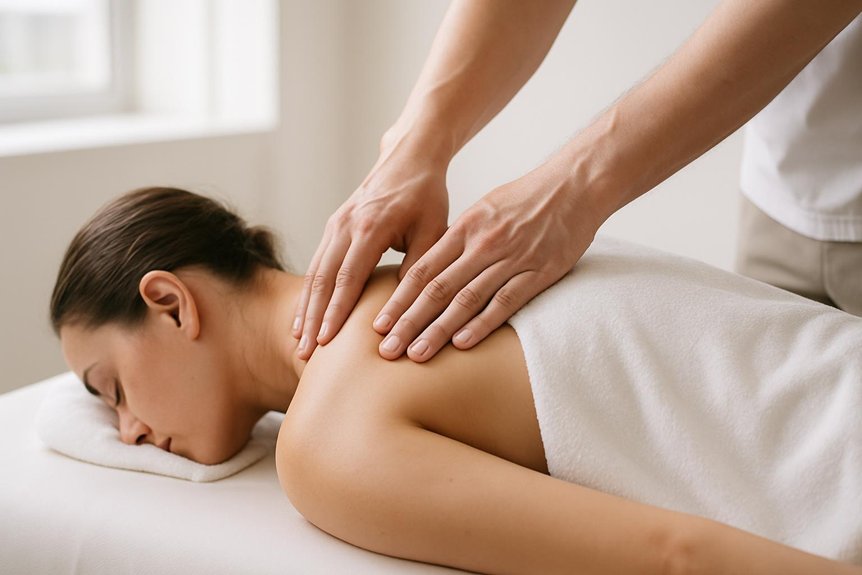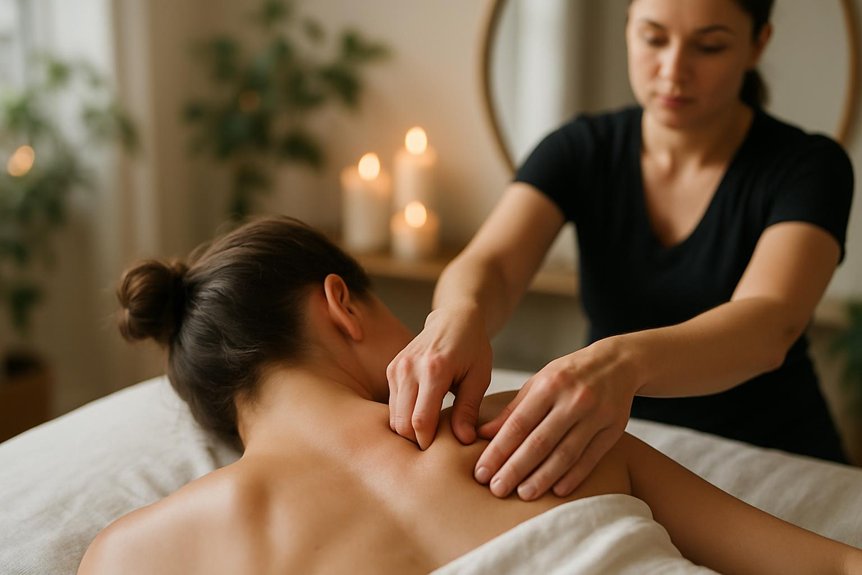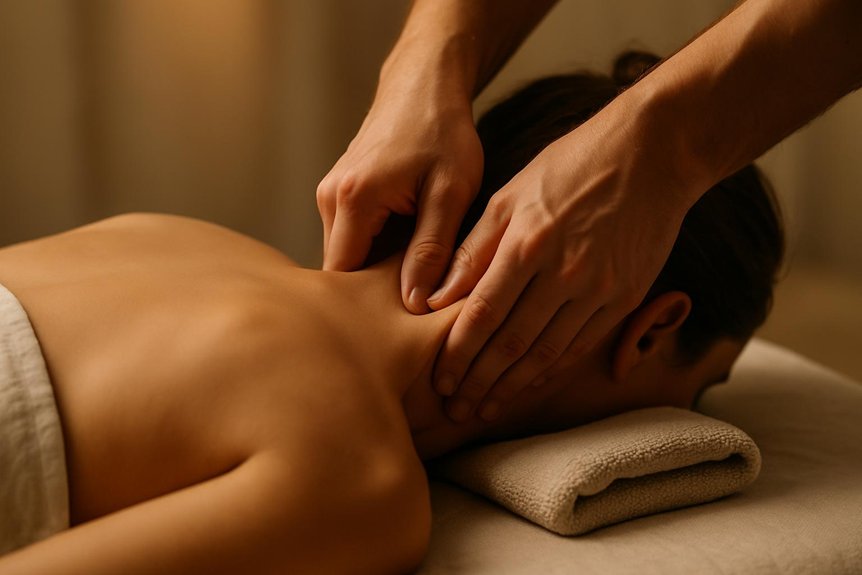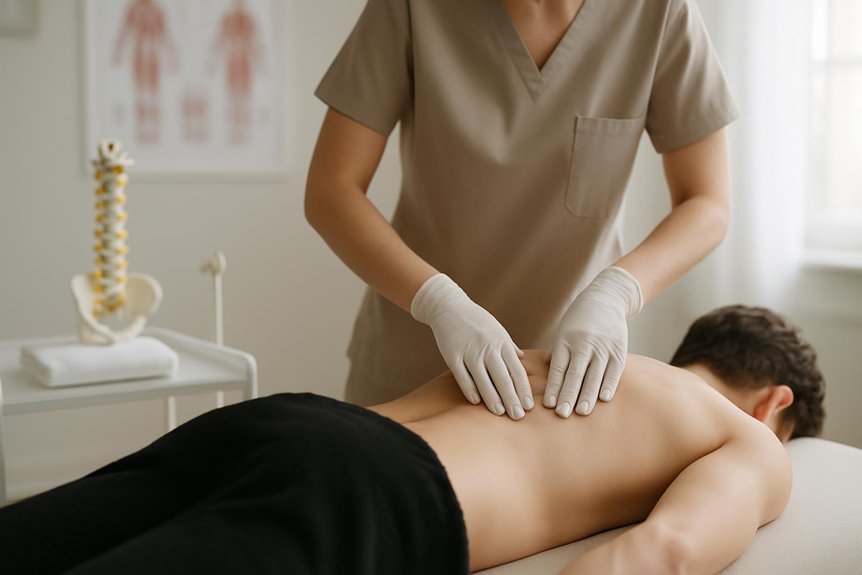

Difficulty sleeping after a intensive tissue massage is often due to increased nervous system activity and enhanced circulation, which can temporarily heighten alertness and delay sleep onset. The release of metabolic byproducts and stored muscular or emotional tension may also cause mild restlessness. Proper hydration, calming routines, and gradual recovery aid in restoring sleep patterns. These physiological responses are generally short-lived, and practical strategies can promote restful sleep following massage; further information reveals effective aftercare and ideal timing.
Understanding Your Body’s Response to Intensive Tissue Massage

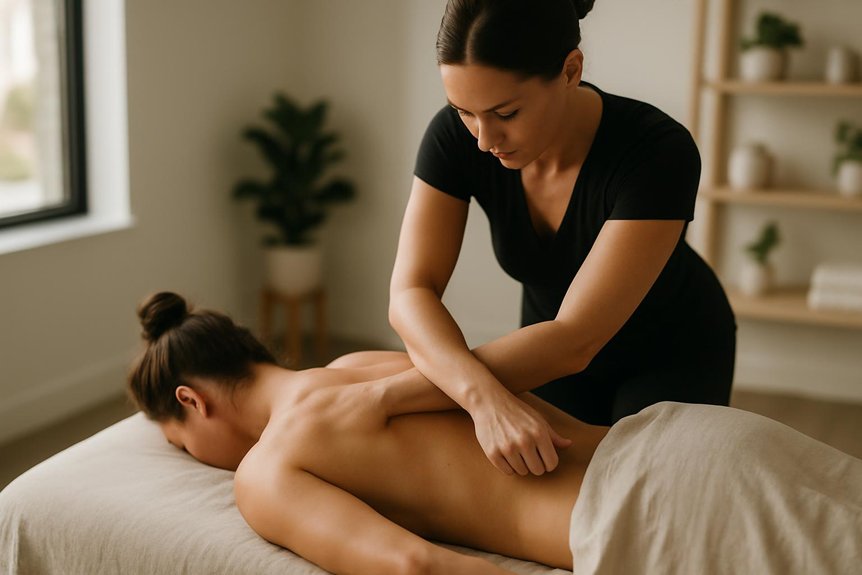
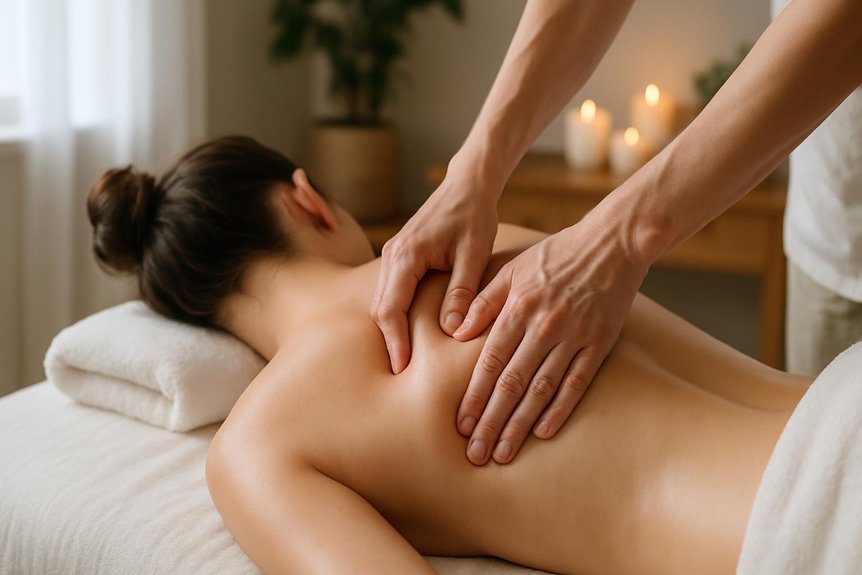
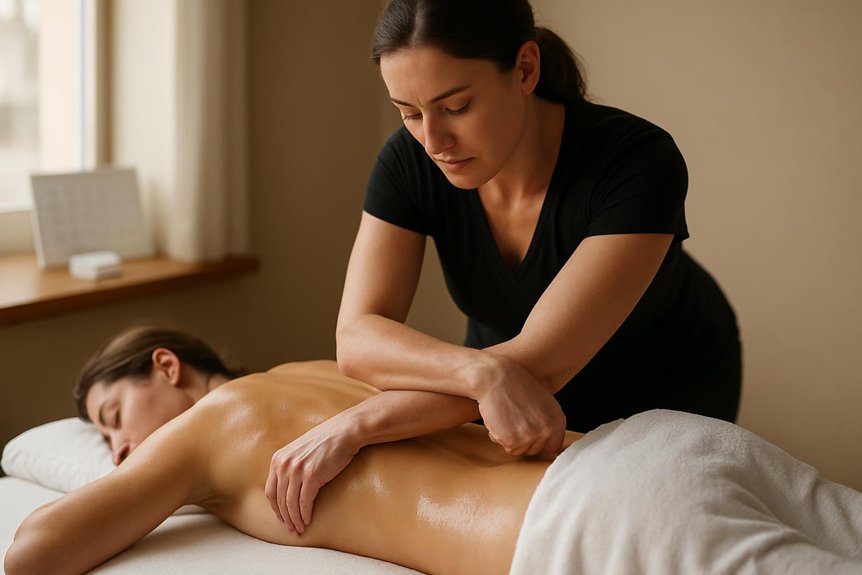
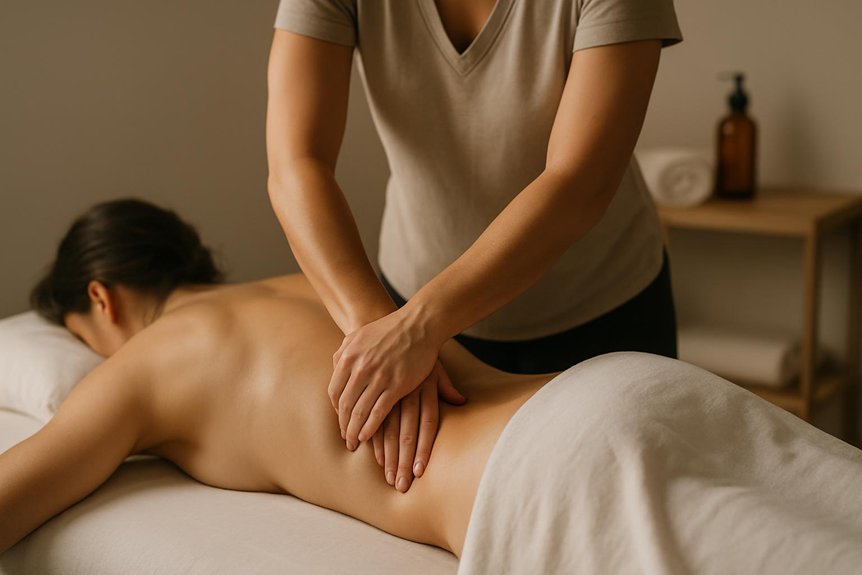
Although it is widely recognized for its therapeutic benefits, the body’s physiological response can sometimes be complex. During a session at Spa & Massage, sustained pressure targets the deeper layers of musculature and fascia.
This intentional manipulation disrupts adhesions, increases local circulation, and stimulates the parasympathetic nervous system. In response, clients might experience heightened blood flow, metabolic byproduct release, and a temporary inflammatory reaction as tissues repair.
Neuromuscular relaxation can elicit a sense of profound calm, while fluctuating levels of endorphins and stress hormones may influence mood and alertness.
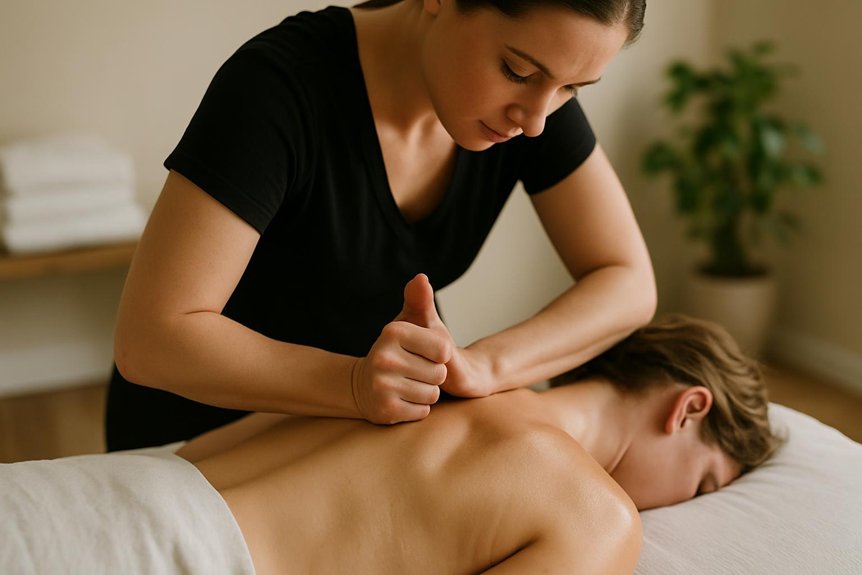
Understanding these nuanced responses allows clients to embrace the unique intimacy of healing touch, recognizing that each individual’s recovery and adaptation to deep tissue techniques, expertly delivered by our therapists, may unfold differently. Deep tissue massage often utilizes specific techniques that target chronic muscle tension and provide long-term relief.
Common Reasons for Post-Massage Sleep Disruption
Following a intensive tissue massage, some individuals experience difficulty sleeping due to increased autonomic nervous system activity and the release of accumulated muscular tension.
The stimulation of deeper muscle layers can temporarily elevate alertness and disrupt usual relaxation patterns.
At Spa & Massage, therapists observe that these physiological responses are common and generally resolve as the body adapts.
Heightened Nervous System Activity
During and after a intensive tissue massage, the body may experience a temporary increase in nervous system activity, particularly within the sympathetic branch. This sympathetic arousal, sometimes referred to as the “fight or flight” response, is a natural physiological reaction to intense manual stimulation of the muscles and connective tissues.
At Spa & Massage, therapists are trained to recognize that deep, sustained pressure can activate sensory nerve endings, increasing heart rate, alertness, and circulating stress hormones such as adrenaline.
For some individuals, this heightened state may linger for hours post-treatment, making it more difficult to shift into restful sleep.
Awareness of this response allows clients to appreciate the body’s intricate balance between deep relaxation and alertness, and informs Spa & Massage’s approach to aftercare and personalized recommendations.
Release of Stored Tension
When intensive tissue massage targets areas of chronic muscular tension, the mechanical pressure and manipulation can facilitate the release of long-held physical and emotional stress from the body’s soft tissues. This process often involves the fascia, muscles, and associated connective tissues, where stress can accumulate over time.
Releasing these stored tensions may elicit a transient increase in somatic awareness or emotional reactivity, which some individuals experience as restlessness or difficulty sleeping after treatment.
At Spa & Massage, therapists are trained to recognise these responses and provide supportive aftercare advice. Hydration, gentle stretching, and mindful breathing—recommended in our clinics—can assist in calming the nervous system post-massage.
Understanding these physiological reactions can help clients navigate post-massage sleep disruption and embrace the therapeutic benefits of deep tissue work.
The Role of Toxins and Increased Circulation
While intensive tissue massage is designed to manipulate the deeper layers of muscle and connective tissue, this technique also stimulates blood flow and may promote the mobilization of metabolic waste products, commonly referred to as “toxins.”
Enhanced circulation assists in delivering oxygen and nutrients to tissues, while simultaneously encouraging the removal of cellular byproducts through the lymphatic and circulatory systems.
At Spa & Massage, therapists are trained to facilitate this physiological response, using precise pressure and gradual techniques that maximize vascular and lymphatic return.
The resultant increase in metabolic activity can sometimes lead to sensations of restlessness or heightened alertness after a session.
These effects, though temporary, are a testament to the body’s active recovery and repair processes.
Adequate hydration and gentle movement are advised to support ideal post-massage recovery.
Emotional Release and Its Impact on Sleep

Beyond physiological changes such as increased circulation and metabolic activity, intensive tissue massage frequently initiates an emotional response rooted in the release of tension held within muscle and connective tissue. This phenomenon, often known as emotional release, occurs when chronic stress, trauma, or anxiety stored in myofascial structures is addressed through therapeutic touch.
At Spa & Massage, therapists are trained to recognise subtle shifts in breath, muscle tone, and nonverbal cues that may indicate emotional processing. While many clients report profound relaxation, others may experience temporary restlessness, vivid dreams, or heightened emotional sensitivity post-treatment.
Such responses can momentarily disrupt sleep patterns as the nervous system recalibrates. Understanding this process helps individuals normalise their experience, fostering trust in both their bodies and therapeutic care.
Timing Your Massage for Optimal Rest
Scheduling a intensive tissue massage in the evening can influence the body’s autonomic nervous system, potentially affecting sleep onset and quality.
Allowing adequate recovery time post-massage, along with engaging in calming pre-bedtime rituals recommended by Spa & Massage therapists, may help enhance restorative rest.
Understanding the impact of massage timing is essential for optimizing both musculoskeletal recovery and sleep hygiene.
Evening Massage Considerations
Although intensive tissue massage can be profoundly relaxing for the musculoskeletal system, its stimulating effects on circulation and the nervous system require careful consideration of timing, particularly for those seeking ideal sleep quality.
In the evening, the body is naturally preparing for rest through decreased sympathetic activity and the onset of melatonin release. Scheduling a intensive tissue massage too close to bedtime may disrupt this progression.
This is because increased blood flow, endorphin release, and neuromuscular stimulation can heighten alertness.
At Spa & Massage, therapists recommend allowing a buffer of several hours between an evening session and intended sleep.
This approach encourages the body to integrate the treatment’s benefits while supporting a gentle shift into the parasympathetic state necessary for restorative sleep, consequently optimizing both relaxation and nocturnal restfulness.
Allowing Recovery Time
When planning a intensive tissue massage, adequate recovery time is essential to facilitate the body’s physiological adaptation and promote ideal rest. Deep tissue techniques systematically manipulate the fascia, musculature, and connective tissue, often initiating a cascade of microtrauma repair and increased circulation.
These responses, while therapeutic, may temporarily heighten sympathetic nervous system activity and delay the onset of sleep. At Spa & Massage, therapists advise clients to schedule sessions with a buffer of several hours before sleep.
This interval allows the autonomic nervous system to recalibrate and for metabolic byproducts released during massage to be processed. By respecting this recovery period, individuals maximize relaxation benefits and help guarantee post-massage tranquility.
Thoughtful timing, informed by anatomical understanding, forms a cornerstone of our holistic approach to restorative care.
Pre-Bedtime Relaxation Rituals
Recognising the body’s need for a gradual shift into rest, Spa & Massage therapists emphasize the importance of pre-bedtime relaxation rituals following intensive tissue massage.
Post-massage, the sympathetic nervous system may remain activated, delaying the onset of restorative sleep. Evidence suggests that incorporating calming routines—such as diaphragmatic breathing, gentle stretching, or a warm bath—facilitates parasympathetic activation, promoting homeostasis.
At Spa & Massage clinics, clients are encouraged to dim lights, limit screen exposure, and hydrate with herbal infusions to support the relaxation response.
These rituals help transition muscular and neural systems from heightened stimulation to a state of repose. By timing intensive tissue massage earlier in the evening and following with intentional winding-down practices, individuals foster a serene environment conducive to intimate, restorative sleep.
Hydration and Post-Massage Aftercare

Why is hydration emphasised as a key element of post-massage aftercare? Following a intensive tissue massage, the body’s lymphatic and circulatory systems are stimulated, increasing the mobilization of metabolic byproducts from soft tissues.
Adequate water intake supports renal clearance, facilitating the efficient removal of these substances and reducing the likelihood of residual soreness or fatigue.
At Spa & Massage, therapists consistently advise clients to drink water post-session, as this practice replenishes intravascular fluid volume and aids tissue recovery.
Proper hydration also supports ideal muscle elasticity and joint lubrication, enhancing the benefits of manual therapy.
Additionally, gentle aftercare—such as rest, warm showers, and avoiding strenuous activity—helps maintain the relaxation achieved during treatment, nurturing the body’s innate ability to restore equilibrium after deep tissue manipulation.
Relaxation Techniques to Promote Sleep
Although intensive tissue massage is intended to induce physiological relaxation and muscular release, some individuals may experience heightened alertness or difficulty sleeping afterward due to increased circulation and nervous system stimulation. To counteract this, implementing targeted relaxation techniques can support the shift to restful sleep.
Diaphragmatic breathing, practiced by inhaling deeply and exhaling slowly, activates the parasympathetic nervous system and reduces heart rate.
Progressive muscle relaxation, where each muscle group is tensed then released, can further lower sympathetic activity.
In Spa & Massage clinics, therapists recommend establishing a calming bedtime environment, utilizing dim lighting, and gentle aromatherapy with lavender or chamomile essential oils.
Mindfulness meditation also aids in quieting cognitive arousal, promoting tranquility at the end of the day and supporting restorative sleep.
When to Seek Professional Advice
Persistent sleep disturbances following intensive tissue massage, particularly when accompanied by additional symptoms such as sustained muscle soreness, heightened anxiety, palpitations, or exacerbation of pre-existing medical conditions, may indicate the need for professional evaluation.
While transient discomfort or temporary changes in sleep patterns can be normal physiological responses to myofascial release and increased circulation, prolonged or escalating symptoms suggest a more complex underlying issue.
Individuals with cardiovascular, neurological, or metabolic concerns should be especially vigilant.
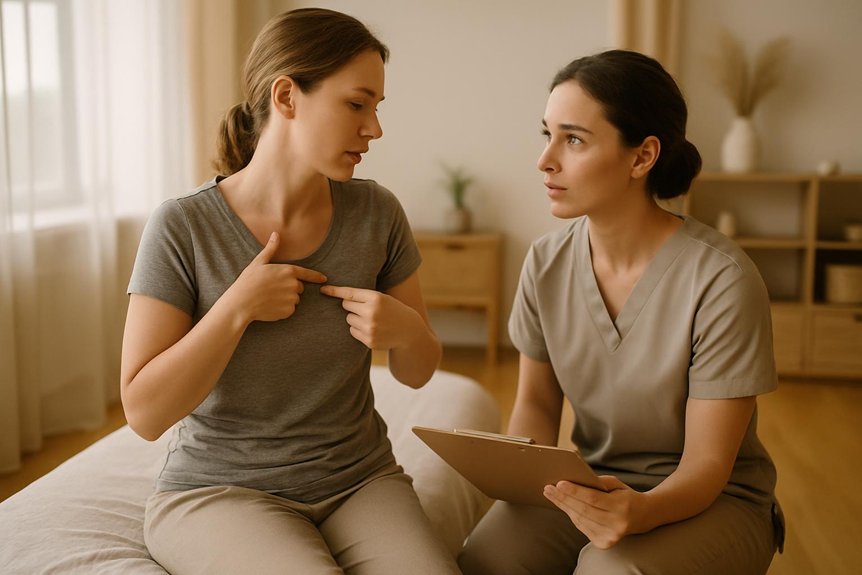
At Spa & Massage, therapists adhere to thorough assessment protocols and encourage open communication regarding post-treatment experiences.
If adverse reactions persist or intensify beyond 48 hours, consulting a primary care provider or relevant specialist is recommended.
Prompt attention ensures client safety and supports ideal therapeutic outcomes.
How Spa & Massage Supports Your Recovery
Recognising that individual responses to intensive tissue massage can vary, Spa & Massage prioritises extensive aftercare to optimise client recovery and well-being. Their therapists provide tailored guidance based on each client’s musculoskeletal assessment, considering factors such as tissue reactivity, postural patterns, and personal health history.
After treatment, clients receive evidence-based recommendations encompassing hydration, gentle stretching, and progressive relaxation techniques to facilitate the parasympathetic nervous system’s engagement and support tissue homeostasis.
Spa & Massage’s approach emphasises client education, empowering individuals to understand physiological responses—such as transient muscle soreness or temporary sleep disruption—following intensive manual therapy.
Conclusion
Steering post-massage sleeplessness can feel like drifting through uncharted waters, yet understanding the body’s intricate responses lays a compass for smoother journeys ahead. With expert guidance and mindful aftercare, clients can transform temporary turbulence into restorative calm. Spa & Massage stands as a steadfast lighthouse, illuminating the path to ideal recovery and restful nights. By embracing anatomical insights and evidence-based practices, every massage can become both a renewal for the body and a sanctuary for the mind.