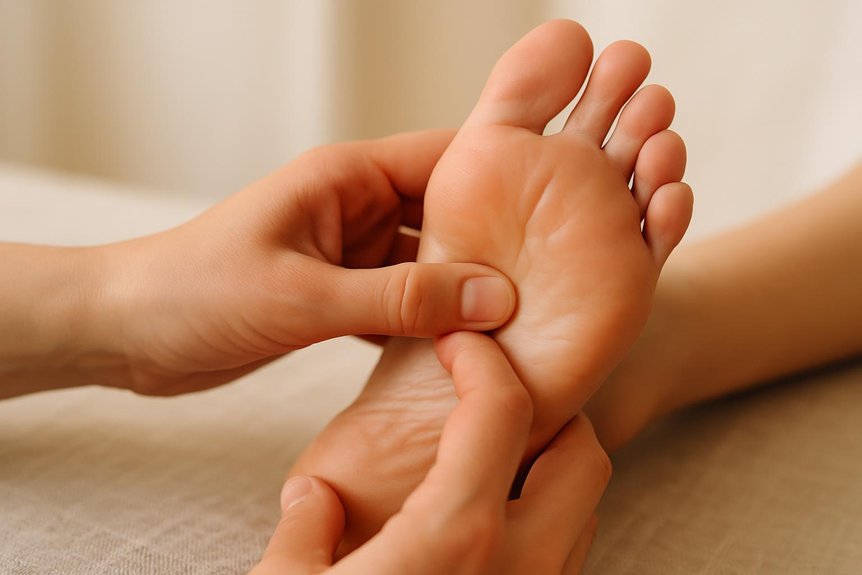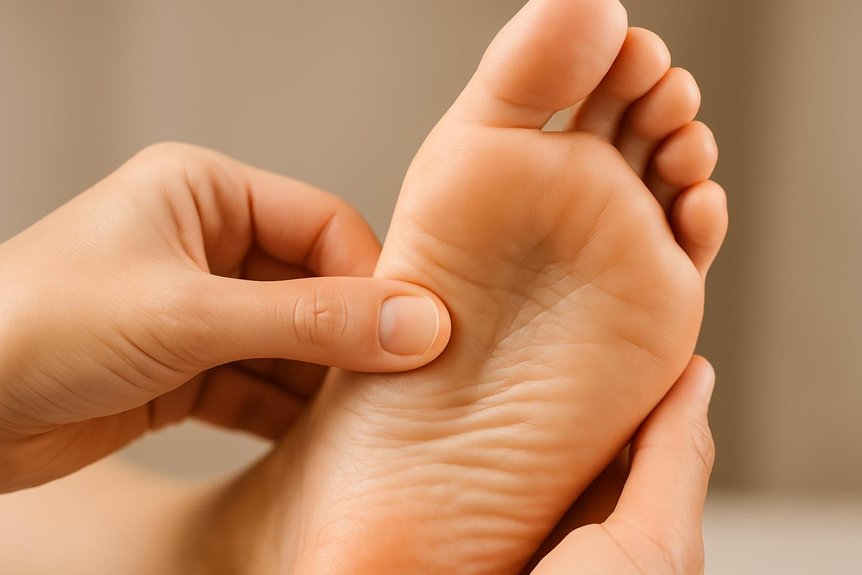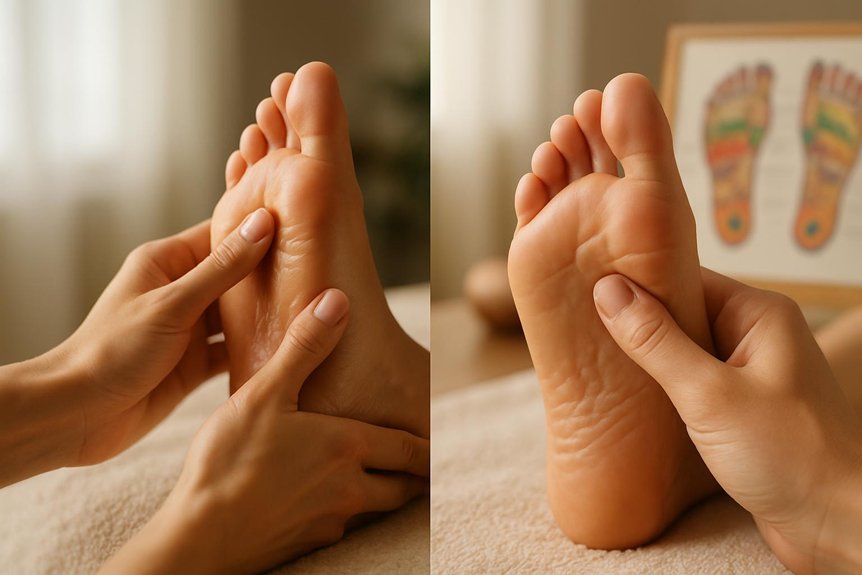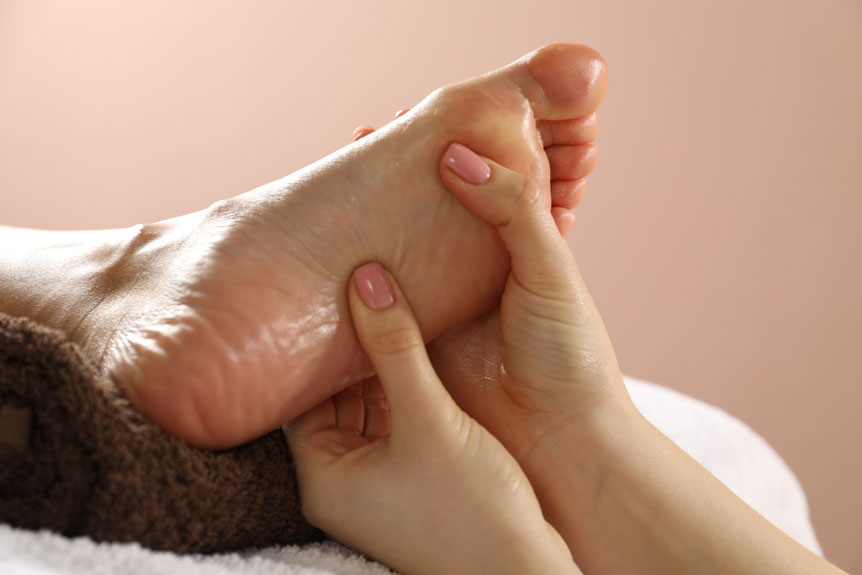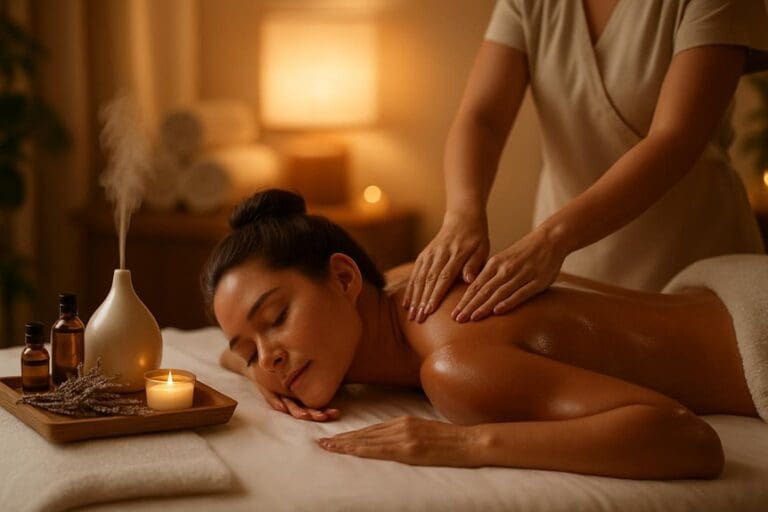
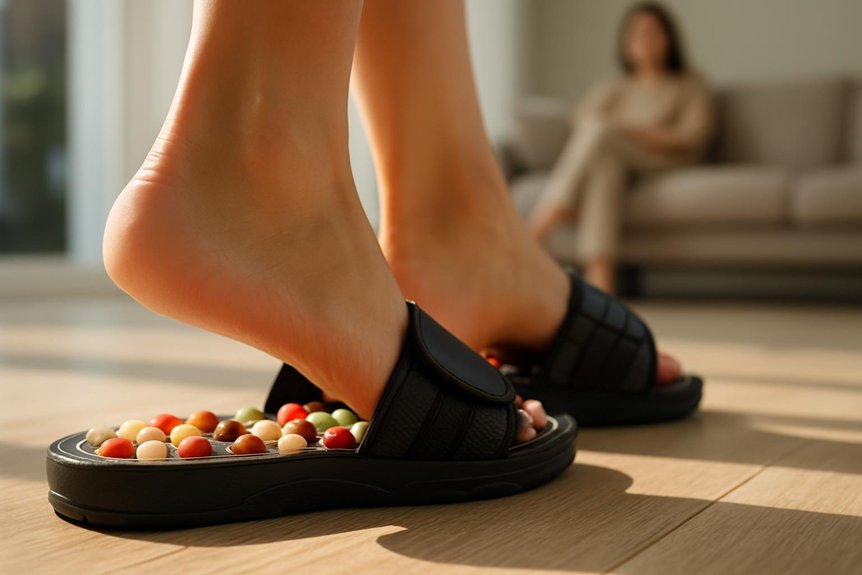
Zone therapy slippers are designed to stimulate plantar reflex zones through textured nodules, offering superficial acupressure intended to promote relaxation and transient relief from foot fatigue. Current scientific evidence supports only subjective effects such as localized comfort; there is limited empirical validation for broader therapeutic or systemic outcomes. Unlike professional zone therapy, slippers provide uniform, non-personalized pressure and cannot dynamically adapt to anatomical variation. Those interested may discover more about efficacy, safety, and complementary approaches beyond these initial findings.
Understanding It and Its Principles
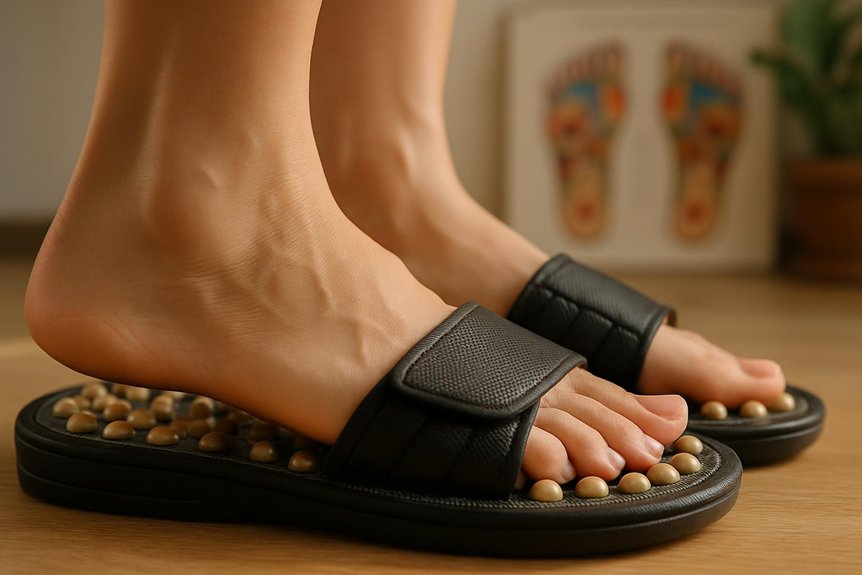
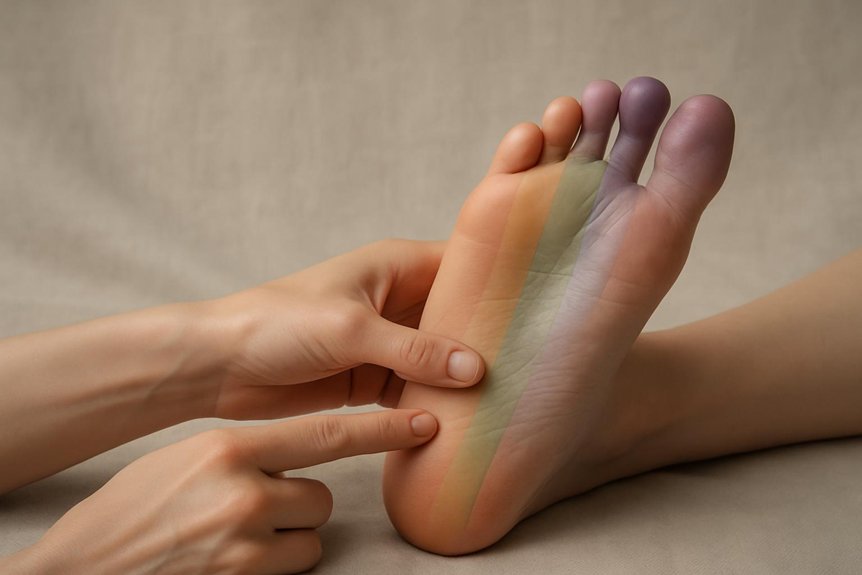
Although frequently associated with relaxation and wellness, it is grounded in the anatomical concept that specific points on the feet correspond to distinct organs and systems within the body. This principle, known as zone therapy, proposes that the foot contains mapped reflex areas which, when stimulated, can influence physiological function elsewhere.
Zone therapy practitioners apply targeted pressure to these points, using techniques informed by an understanding of dermatomes, nerve pathways, and circulatory dynamics. Clinical studies investigating zone therapy demonstrate measurable effects on autonomic nervous system activity, such as changes in heart rate variability and perceived stress.
At Spa & Massage, therapists integrate evidence-based approaches, ensuring each session is tailored not only to anatomical knowledge but also to clients’ unique wellness goals, fostering trust and therapeutic intimacy throughout care delivery. Many believe that exploring the healing power of zone therapy can support both relaxation and health through these targeted methods.
How Reflexology Slippers Are Designed
Zone therapy slippers are engineered with nodules or raised elements strategically positioned to correspond with specific plantar reflex zones, targeting key anatomical regions such as the metatarsal heads and heel.
Construction materials are selected for durability and hygienic properties, often incorporating firm polymers or natural fibers to provide consistent and controlled pressure stimulation.
This design approach aims to replicate manual zone therapy techniques by delivering targeted mechanical input to nerve endings in the foot.
Pressure Point Placement
Designed to target specific reflex zones mapped on the soles of the feet, zone therapy slippers incorporate strategically placed nodules or raised areas that correspond to anatomical pressure points. These locations are based on zone therapy charts, which associate regions of the plantar surface with organs and physiological systems.
The nodules are positioned to stimulate the medial longitudinal arch, metatarsal heads, and heel—areas believed to influence tension, circulation, and neural pathways throughout the body. In Spa & Massage’s professional practice, therapists use manual techniques to apply precise pressure to these zones, calibrating intensity to each client’s sensitivity.
Zone therapy slippers seek to replicate this approach, but the static design may lack the nuanced responsiveness of a skilled therapist’s touch, which is tailored to individual anatomy and comfort.
Materials and Construction
The effectiveness of pressure point stimulation in zone therapy slippers relies considerably on the materials and structural design of the footwear. High-quality zone therapy slippers are typically constructed with firm, anatomically arranged nodules or beads embedded in the insole, targeting specific plantar zones corresponding to major organ systems.
Materials such as medical-grade silicone or durable thermoplastic elastomers are commonly used, ensuring both resilience and comfort during use. The slipper base should offer sufficient arch support and a non-slip sole for safety and alignment.
At Spa & Massage, therapists emphasize that proper material selection reduces irritation and enhances targeted acupressure. For clients seeking at-home zone therapy, understanding the slipper’s construction can help maximize therapeutic outcomes and comfort, supporting the holistic approach to wellness promoted in our clinics.
Common Claims About Zone Therapy Slippers
How do zone therapy slippers purportedly benefit foot health and overall wellbeing? Proponents claim these slippers stimulate specific plantar reflex points aligned with organ systems, based on traditional zone therapy maps.
The slippers’ raised nodules are said to apply intermittent pressure to the sole, potentially enhancing peripheral circulation, reducing muscular tension, and alleviating perceived stress.
Some users report temporary relief from foot fatigue, improvement in proprioception, and a sense of relaxation after use.
Claims also extend to systemic benefits—such as supporting immune function, optimizing digestion, and promoting restorative sleep—by targeting nerve endings connected to the autonomic nervous system.
In Spa & Massage clinics, therapists emphasize the importance of evidence-based therapies while acknowledging that many clients seek out adjunctive modalities for comfort, relaxation, and self-care within their wellness routines.
Scientific Evidence and Research Findings
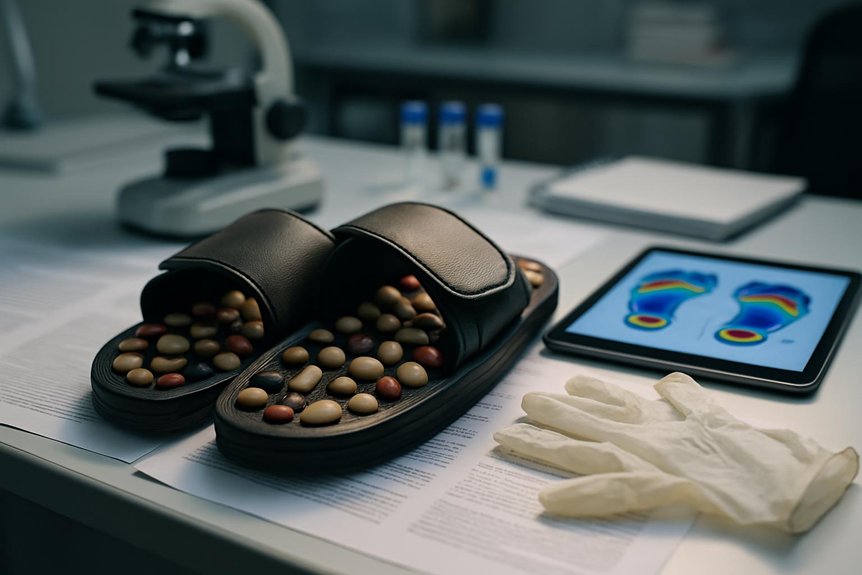
Although zone therapy slippers are widely marketed with claims of therapeutic benefit, current scientific literature offers limited empirical support for their efficacy in modulating physiological or systemic health outcomes.
Most available studies examining acupressure or zone therapy devices focus on subjective parameters, such as perceived pain relief or relaxation, rather than objective biomarkers.
Anatomically, while stimulation of the plantar surface can enhance local circulation and provide sensory feedback, robust evidence linking this to broader organ function or long-term health improvement remains inconclusive.
In Spa & Massage clinics, practitioners recognise the value of touch and focused attention on the feet, yet emphasise that the mechanisms underlying zone therapy involve complex neural and circulatory interactions not easily replicated by mass-produced footwear.
Direct, skilled human application remains distinct in technique and effect.
Comparing Zone Therapy Slippers to Professional Zone Therapy
While zone therapy slippers provide mechanical stimulation to plantar surfaces, their effectiveness is limited by uniform pressure and lack of individualized adjustment.
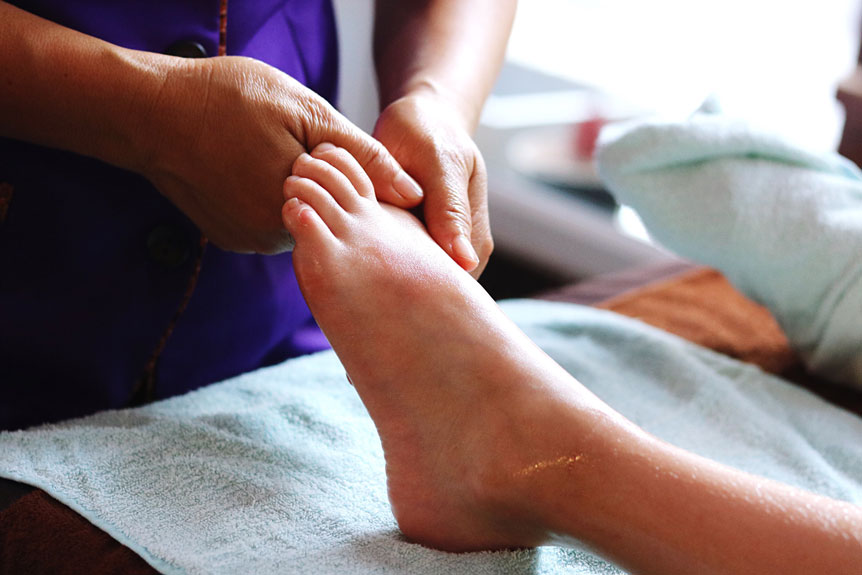
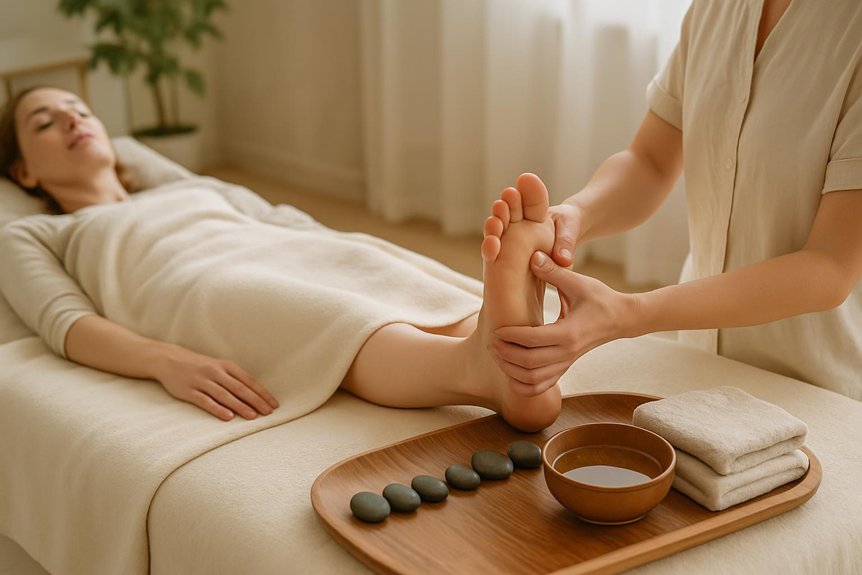
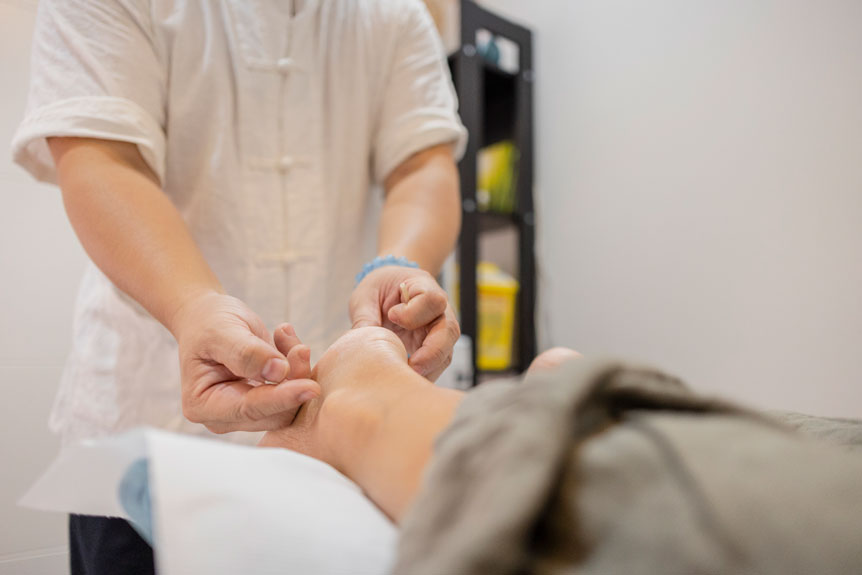
In contrast, professional zone therapy at Spa & Massage employs precise palpation techniques, targeting specific reflex zones based on the client’s presentation and tissue response.
This hands-on approach allows experienced therapists to assess and adapt treatment, potentially enhancing therapeutic outcomes.
Effectiveness of Pressure Point Slippers
Despite their popularity as a home wellness tool, pressure point slippers provide only superficial stimulation to the plantar surface of the feet. They target general acupressure points through fixed nodules or textured soles.
The mechanical pressure applied by these slippers is uniform and lacks adaptability, limiting its capacity to address the distinct anatomical features and pressure tolerances of individual users.
While some individuals may experience transient sensations of relaxation or reduced foot fatigue, there is limited clinical evidence supporting the efficacy of these devices in eliciting systemic therapeutic effects.
In contrast, the nuanced, targeted techniques applied in a clinical setting—such as those employed by Spa & Massage therapists—engage the reflex zones of the feet with precision, offering a more tailored and potentially beneficial approach to holistic wellness.
Expertise in Hands-On Zone Therapy
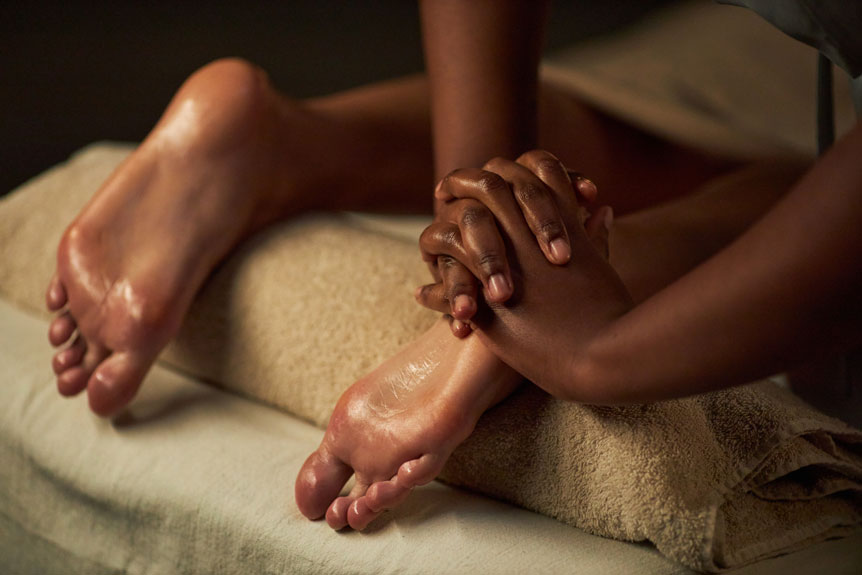
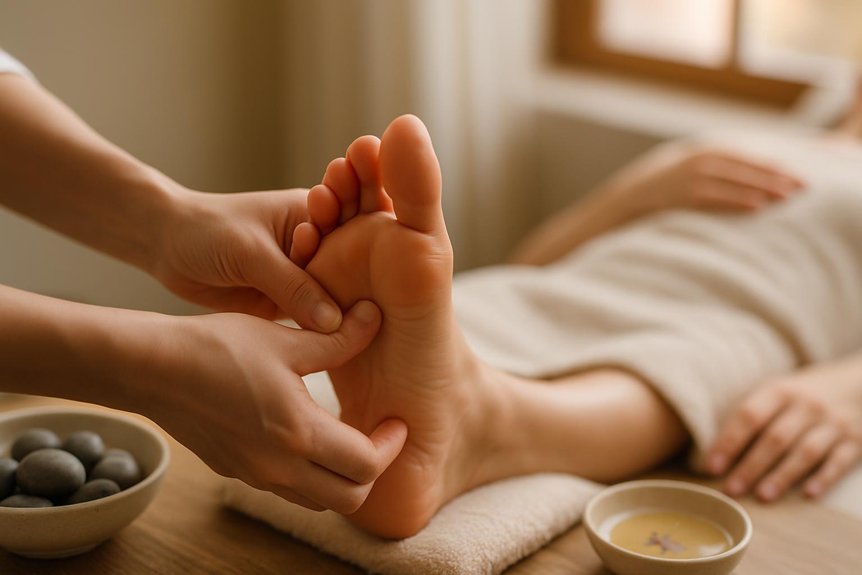
Professional zone therapy, as practiced by the therapists at Spa & Massage, employs manual techniques that adapt to the unique contours and sensitivities of each client’s feet. This hands-on approach facilitates precise palpation of reflex zones, allowing practitioners to assess tissue texture, detect areas of tension, and modulate pressure according to individual feedback.
The human touch enables dynamic response to subtle muscular or neural cues, which static zone therapy slippers cannot replicate. Evidence suggests that targeted manual stimulation of plantar reflex points may influence autonomic balance and promote relaxation.
In contrast, pressure point slippers deliver uniform, non-specific pressure, lacking the anatomical discernment of skilled therapists.
Intimate engagement with the client’s physiology guarantees that treatments are both therapeutic and uniquely responsive to personal well-being needs.
Insights From Spa & Massage Therapists
Through extensive hands-on experience, Spa & Massage therapists observe that pressure point slippers primarily stimulate mechanoreceptors and pressure points located on the plantar surface of the feet.
These mechanoreceptors, including Merkel cells and Meissner’s corpuscles, respond to tactile pressure, producing localized sensations. Therapists note that the textured nodules incorporated within these slippers engage specific zones corresponding to zone therapy maps, promoting sensory input to the somatosensory cortex.
While the stimulation is consistent with principles used in manual zone therapy, it lacks the fine-tuned palpation and anatomical precision therapists provide during individualized treatments in the clinic.
Spa & Massage therapists emphasize that, although pressure point slippers facilitate non-invasive sensory engagement, their effect depends on consistent use and individual sensitivity.
The slippers offer a passive approach compared to tailored therapeutic sessions.
Potential Benefits and Limitations
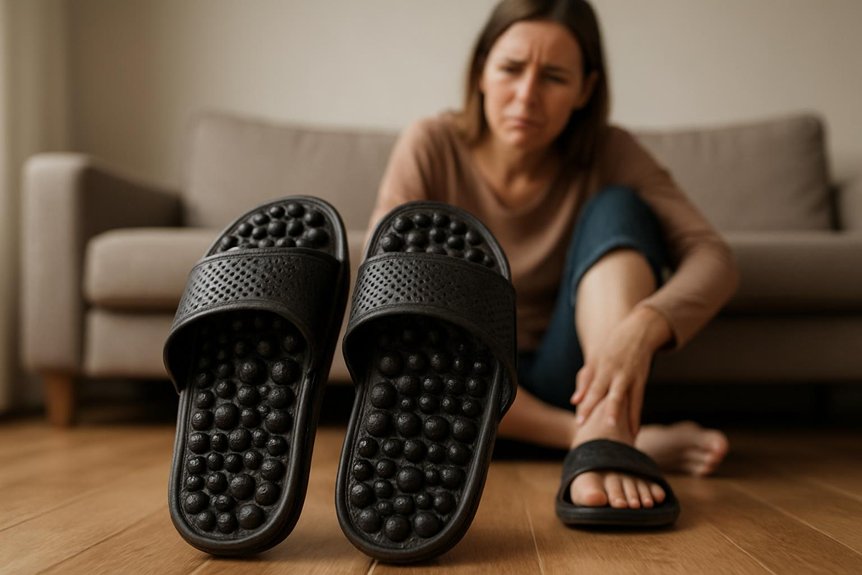
Pressure point slippers exert localized mechanical stimulation on the plantar aspect of the feet, targeting cutaneous and subcutaneous mechanoreceptors aligned with mapped reflex zones.
This targeted pressure may facilitate temporary relief from mild discomfort, promote relaxation, and encourage peripheral circulation.
Some users report reduced feelings of tension and a sense of gentle invigoration in daily use.
However, clinical evidence supporting substantial therapeutic outcomes remains limited.
Unlike hands-on zone therapy at Spa & Massage, slippers lack the nuanced adaptation and anatomical sensitivity provided by trained therapists.
Variability in individual foot anatomy and pressure tolerance may influence perceived effectiveness.
Consequently, while pressure point slippers can offer a convenient adjunct for self-care, they should not be considered a substitute for professional assessment, tailored treatment, or extensive wellness strategies provided by experienced practitioners.
Safety Considerations and Proper Use
Although pressure point slippers are widely marketed for their ease of use, appropriate application and awareness of contraindications are essential to minimize adverse effects.
Individuals with peripheral neuropathy, plantar wounds, or circulatory compromise should exercise caution, as mechanical stimulation may exacerbate symptoms or delay healing.
At Spa & Massage, therapists advise incremental use, beginning with short periods to allow the dermal and subcutaneous tissues of the plantar surface to adapt.
Excessive or prolonged pressure on sensitive reflex zones can lead to discomfort, erythema, or even bruising.
It is *vital* to monitor for persistent pain, altered sensation, or skin changes.
For those with underlying medical conditions or recent foot trauma, consultation with a qualified healthcare provider or experienced therapist is recommended prior to use.
Recommendations for Enhancing Foot Wellness
While the intrinsic musculature and connective tissues of the foot are subject to significant daily mechanical load, targeted interventions can promote ideal plantar health and functional resilience. Evidence supports the efficacy of regular myofascial release, gentle stretching of the plantar fascia, and intrinsic muscle strengthening to optimize foot biomechanics.
At Spa & Massage, therapists encourage daily exercises such as toe spreading, heel raises, and controlled dorsiflexion to maintain joint mobility and neuromuscular coordination. Incorporating manual therapies—such as deep tissue massage or zone therapy—facilitates circulatory enhancement and alleviates tension within the plantar aponeurosis.
Hydration, use of supportive footwear, and periods of barefoot ambulation on soft surfaces are also recommended. These integrated strategies, when personalized, support enduring comfort and mitigate overuse syndromes, fostering a foundation for holistic foot wellness.
Conclusion
Ironically, while pressure point slippers promise to activate precise plantar reflex zones and foster systemic equilibrium, empirical literature remains inconclusive regarding their efficacy beyond mechanical stimulation of cutaneous receptors. Unlike manual zone therapy, which tailors pressure to anatomical landmarks and individual needs, slippers offer a one-size-fits-all approach—hardly the gold standard for homeostasis. Therefore, for those seeking genuine somatic or psychological benefits, the path to ideal foot health still appears to pass through the hands of skilled practitioners.