

Coconut oil is generally considered safe for prenatal massage due to its hypoallergenic profile, skin barrier support, and effective lubrication. Clinical best practices recommend screening for sensitivities, patch testing, and selecting pure formulations to minimize risk of irritation or allergic reactions. During pregnancy, heightened dermal reactivity and individual risk factors necessitate careful product selection, ongoing assessment, and collaboration with healthcare providers. Further exploration reveals key comparisons with other oils and practical approaches for optimizing maternal safety and comfort.
Understanding This Massage at Spa & Massage
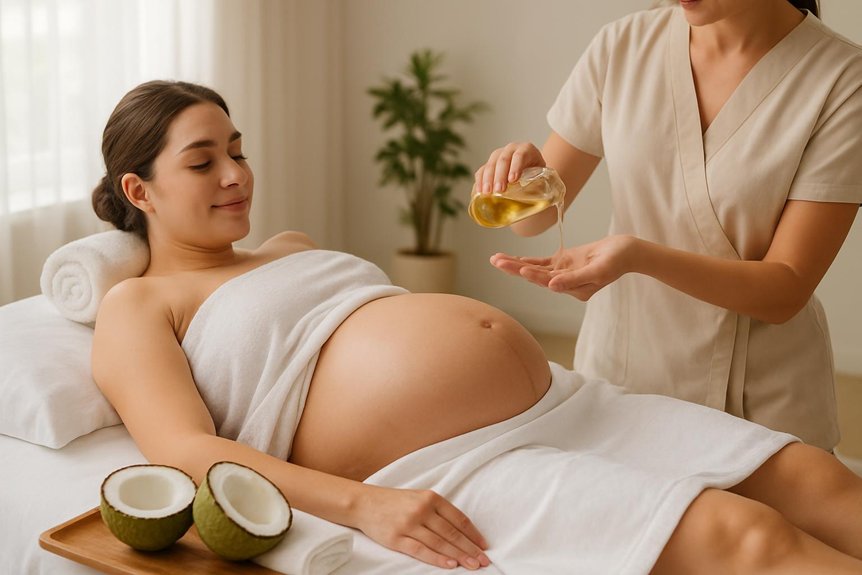
How does prenatal massage differ from standard massage modalities? At Spa & Massage, it is meticulously adapted to address the unique physiological and psychological changes experienced during gestation.
Therapists employ specialized positioning—such as side-lying or semi-reclined—to minimize venous pressure and protect the developing fetus.
Techniques are modified to avoid deep pressure on the lower back and abdomen, mitigating the risk of vascular compromise and uterine stimulation.
Clinical protocols emphasize the avoidance of certain acupressure points linked to preterm labor.
Enhanced communication between therapist and client guarantees individual comfort and emotional reassurance, fostering a sense of intimacy and safety.
Clients benefit from targeted support for musculoskeletal discomfort, edema, and stress, while risk is carefully managed through evidence-based practice and thorough consultation at every session.
Additionally, both pregnancy and sports massage share a focus on tailored techniques designed to maximize safety, comfort, and therapeutic benefit for specific populations.
The Properties and Benefits of Coconut Oil
Following the careful adaptations required in pregnancy massage, the selection of massage oils becomes a critical consideration for maternal safety and therapeutic efficacy.
Coconut oil is frequently highlighted for its hypoallergenic profile, emollient properties, and high content of medium-chain fatty acids, chiefly lauric acid. Its natural composition supports skin barrier integrity and provides effective lubrication for gentle, nurturing touch—an essential aspect of the intimate, trust-based environment cultivated at Spa & Massage clinics.
The oil’s lightweight texture allows for smooth gliding and minimizes friction, aiding in the delivery of consistent, comforting strokes. Many clients appreciate coconut oil’s subtle aroma and non-greasy finish, which may enhance relaxation.
Therapists at Spa & Massage assess each client’s preferences and sensitivities, ensuring an individualized, clinically sound approach to massage.
Safety Considerations for Expectant Mothers
While coconut oil is widely regarded for its hypoallergenic and emollient properties, careful evaluation of individual sensitivities remains paramount during prenatal massage.
Spa & Massage therapists emphasize that, although adverse reactions are rare, the physiological changes in pregnancy can heighten dermal reactivity.
Patch testing is recommended before full application to mitigate the risk of contact dermatitis or unexpected irritation.
Additionally, the purity of coconut oil used in Spa & Massage clinics is prioritized, ensuring minimal additives or contaminants that could compromise maternal or fetal wellbeing.
Attention is given to the risk of clogged pores or folliculitis in clients with predisposed skin types.
Ultimately, personalized consultation and ongoing communication between client and therapist foster a secure, nurturing environment throughout each prenatal massage session.
How Coconut Oil Compares to Other Massage Oils
Although coconut oil is favoured for its emollient and mildly antimicrobial properties, its use in prenatal massage must be evaluated alongside other commonly employed oils such as grapeseed, sweet almond, and jojoba.
Each oil presents distinct characteristics: coconut oil offers a thicker consistency and is less likely to oxidise, providing a protective barrier over the skin. Grapeseed oil is lighter and readily absorbed, reducing residue. Sweet almond delivers a smooth glide but may pose a higher risk of sensitisation. Jojoba closely mimics natural sebum, supporting skin hydration without clogging pores.
At Spa & Massage, therapists select oils based on skin type, comfort, and specific pregnancy needs, always prioritising hypoallergenic options and client preferences. This customised approach enhances relaxation while minimising potential irritants during intimate, nurturing treatments.
Allergies and Skin Sensitivities in Pregnancy
During pregnancy, physiological skin changes such as increased sensitivity, dryness, and pruritus are frequently observed.
Coconut oil, while generally well-tolerated, can present a risk of allergic reactions or irritation, particularly in individuals predisposed to sensitivities.
At Spa & Massage, therapists conduct a thorough skin assessment and recommend patch testing to mitigate potential adverse effects during prenatal massage treatments.
Common Pregnancy Skin Changes
As pregnancy progresses, hormonal fluctuations frequently alter the skin’s structure and immune response, increasing the risk of developing allergies and heightened sensitivities.
Common dermatological manifestations during gestation include increased vascularity, hyperpigmentation, and pruritus. Eczema, urticaria, and contact dermatitis may also emerge or intensify due to these physiological changes.
Many expectant individuals notice heightened reactivity to previously tolerated products, including massage oils and topical agents.
In Spa & Massage clinics, therapists observe that skin often becomes more delicate, with a reduced barrier function, leading to greater susceptibility to irritants.
This evolving skin profile calls for vigilant product selection and gentle application techniques during prenatal massage.
Our team prioritizes hypoallergenic, non-comedogenic options, responding to the unique needs and sensitivities that accompany this intimate stage of life.
Coconut Oil Sensitivity Risks
Given the heightened skin sensitivity common in pregnancy, the potential for adverse reactions to massage oils, including coconut oil, warrants careful consideration.
Hypersensitivity may manifest as localised erythema, pruritus, or contact dermatitis, particularly in individuals with a predisposition to allergies or atopic skin conditions.
Although coconut oil is generally regarded as hypoallergenic, rare cases of allergic responses—including urticaria and angioedema—have been documented.
At Spa & Massage, therapists conduct thorough consultations to identify any history of sensitivities or allergies before selecting massage oils.
Patch testing on a small skin area is recommended for those with uncertain tolerance.
This risk-mitigation approach ensures client comfort and safety, supporting a nurturing experience during prenatal massage while minimising the potential for adverse dermatological reactions.
Spa & Massage’s Approach to Oil Selection
At Spa & Massage, oil selection for prenatal massage is guided by strict quality standards, prioritising hypoallergenic ingredients and purity to minimise risk.
Therapists conduct thorough assessments for sensitivity and known allergies before treatment.
Customisation of oils is standard practice, ensuring best comfort and safety for each expectant client.
Ingredient Quality Standards
While ensuring client safety and therapeutic efficacy, Spa & Massage adheres to rigorous ingredient quality standards when selecting oils for treatments, including prenatal massage.
The clinic prioritises cold-pressed, unrefined, and minimally processed oils, reducing exposure to potential contaminants and retaining ideal nutrient profiles. Each batch is scrutinised for purity, absence of additives, and compliance with established cosmetic safety regulations.
For prenatal massage, only oils with a low risk of dermal irritation or systemic absorption are considered. Traceability and verified sourcing from reputable suppliers further mitigate risks associated with adulterated or compromised ingredients.
Spa & Massage’s approach reflects a commitment to transparency and informed client care, fostering trust through evidence-based selection.
This meticulous process ensures that every touch delivers therapeutic benefit while upholding the highest safety standards.
Sensitivity and Allergy Considerations
A thorough evaluation of sensitivity and allergy risks forms a cornerstone of oil selection for prenatal massage at Spa & Massage. Pregnancy often heightens dermal reactivity, necessitating careful assessment of potential allergens and irritants in any massage medium, including coconut oil.
Spa & Massage therapists routinely conduct detailed client consultations to identify personal and familial allergy histories, ensuring tailored risk mitigation.
Cold-pressed coconut oil, though generally hypoallergenic, may still provoke adverse reactions in individuals with pre-existing sensitivities to tree nuts or coconut derivatives.
Patch testing on a small skin area prior to full application is standard clinical practice in our clinics, safeguarding intimate client trust and comfort.
This evidence-based diligence underpins a nurturing yet vigilant environment for expectant mothers seeking therapeutic touch.
Customising Oils for Comfort
Individualised oil selection is a critical component in prenatal massage at Spa & Massage, with clinical emphasis placed on maximising comfort while minimising dermatological and systemic risks.
Therapists systematically assess each client’s skin sensitivity, allergy history, and olfactory preferences before recommending a suitable massage oil.
Coconut oil, when considered, undergoes additional scrutiny due to its potential for both skin hydration and rare allergic reactions.
Spa & Massage prioritises hypoallergenic, non-comedogenic oils, often favouring blends containing coconut oil only if clinically appropriate.
All oils are patch-tested on a small skin area to further mitigate adverse responses.
This evidence-based, client-centred approach guarantees that each massage is both physically soothing and emotionally reassuring, fostering a sense of safety and intimacy throughout the pregnancy journey.
Aftercare Tips for Prenatal Massage
Following a prenatal massage, adherence to specific aftercare protocols is essential to optimise therapeutic benefits and minimise potential adverse reactions.
At Spa & Massage, therapists recommend clients remain well-hydrated to facilitate metabolic waste elimination.
Rest is advised post-treatment to allow physiological relaxation responses to persist.
Clients are encouraged to monitor for any dermatological sensitivities, particularly when coconut oil is used, as individual responses may vary.
Gentle stretching and mindful body awareness can prolong the sense of connection fostered during treatment.
Avoiding strenuous activity for several hours post-massage helps reduce musculoskeletal strain and supports ongoing comfort.
Should any discomfort, oedema, or unusual symptoms arise, prompt communication with a healthcare professional is warranted.
These aftercare measures are designed to nurture intimacy, safety, and holistic wellbeing throughout pregnancy.
Conclusion
Ultimately, coconut oil is generally considered safe for prenatal massage, with studies indicating that up to 95% of individuals tolerate it well without adverse reactions. However, clinicians at Spa & Massage emphasize careful screening for allergies and sensitivities, as hormonal changes in pregnancy can alter skin reactivity. By selecting hypoallergenic oils and adhering to evidence-based protocols, therapists can optimize maternal comfort and minimize risks, supporting a safe and effective massage experience for expectant mothers.