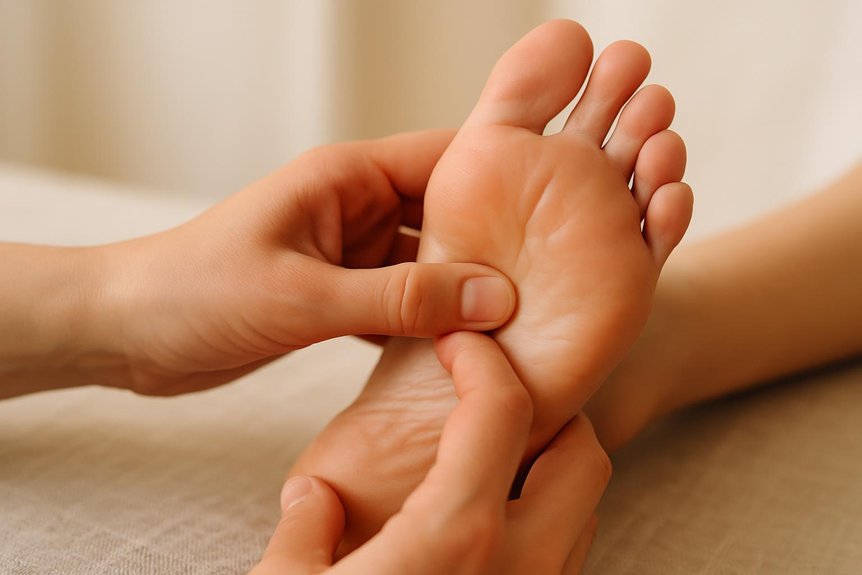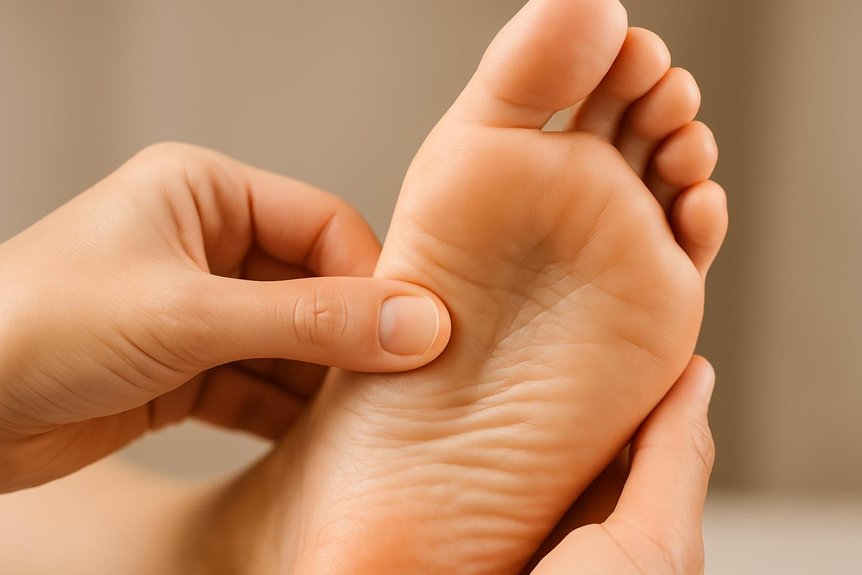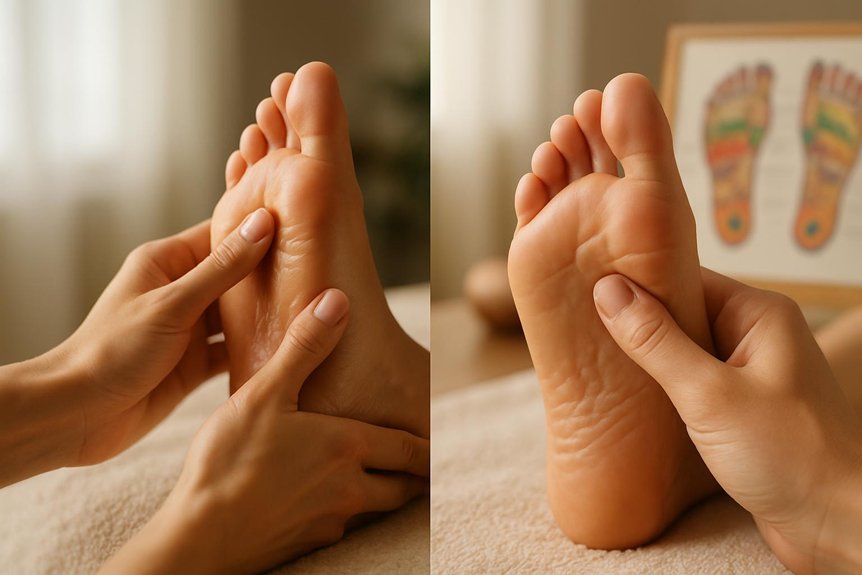
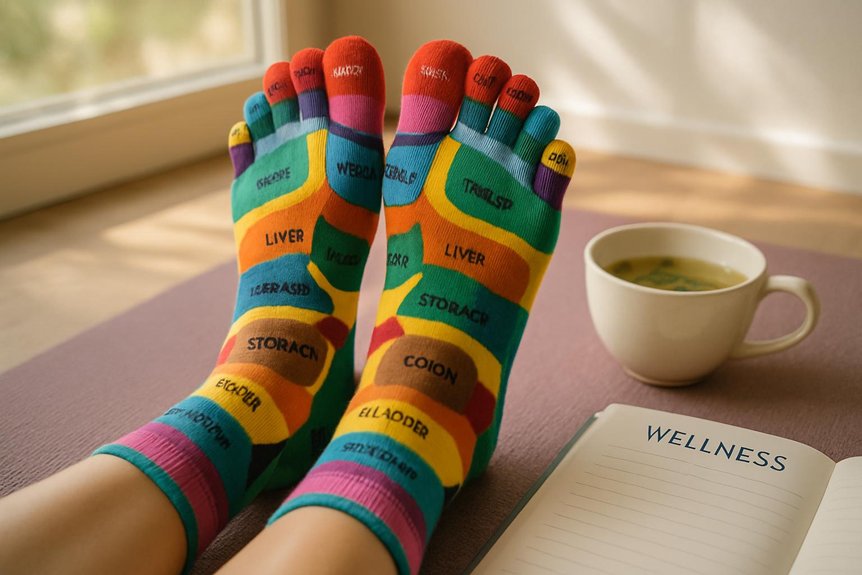
Reflex point socks display anatomical maps of reflex zones on the feet, serving as visual guides for at-home self-care rather than delivering targeted physiological stimulation. Unlike professional zone therapy, which employs precise manual techniques to influence nerve pathways and organ function, these socks do not activate mechanoreceptors or change local blood flow considerably. Clinical evidence supporting their efficacy is limited, though users sometimes report relaxation. Further exploration clarifies how hands-on treatments compare and outlines ideal self-care strategies.
What Are Reflex Point Socks and How Do They Claim to Work?
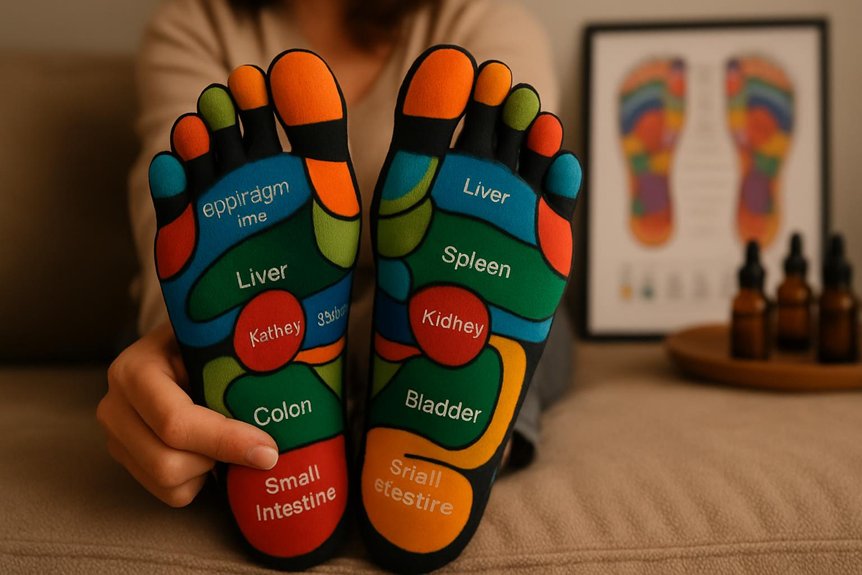
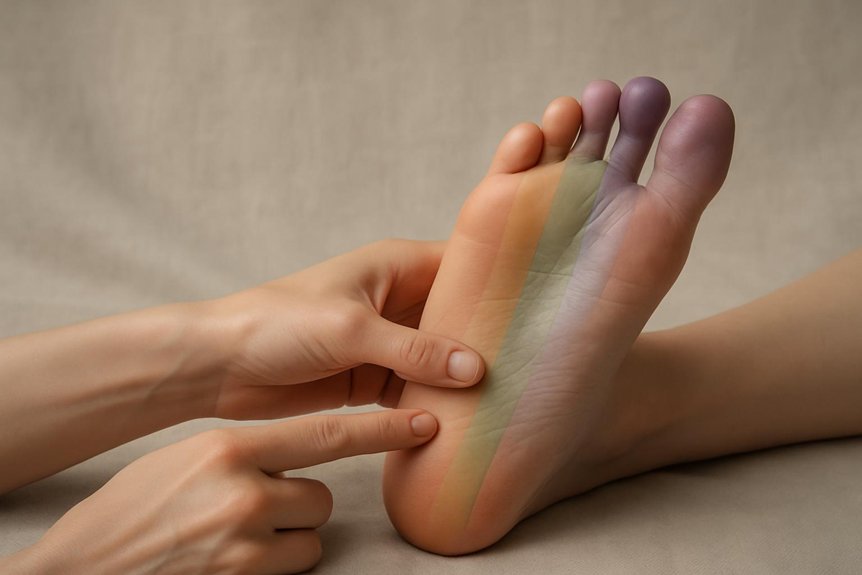
Reflex point socks are wearable garments printed with anatomical maps of reflex zones corresponding to specific organs and systems of the body, chiefly located on the soles, tops, and sides of the feet. Each zone is labeled to represent areas such as the lungs, liver, heart, and digestive organs, following traditional zone therapy charts.
The premise is that gentle stimulation or pressure on these marked areas may influence corresponding internal systems, encouraging balance and wellness. While zone therapy as a practice is well-established, reflex point socks offer a visual and tactile guide for self-care at home.
At Spa & Massage, therapists acknowledge the educational value of these socks, as they help individuals locate reflex zones with precision, supporting a deeper, more meaningful connection to their own anatomy and wellbeing. Many people turn to reflex point socks to discover the healing power of reflex point and explore its potential benefits in the comfort of their own homes.
How Does Reflexology Work in Professional Practice?
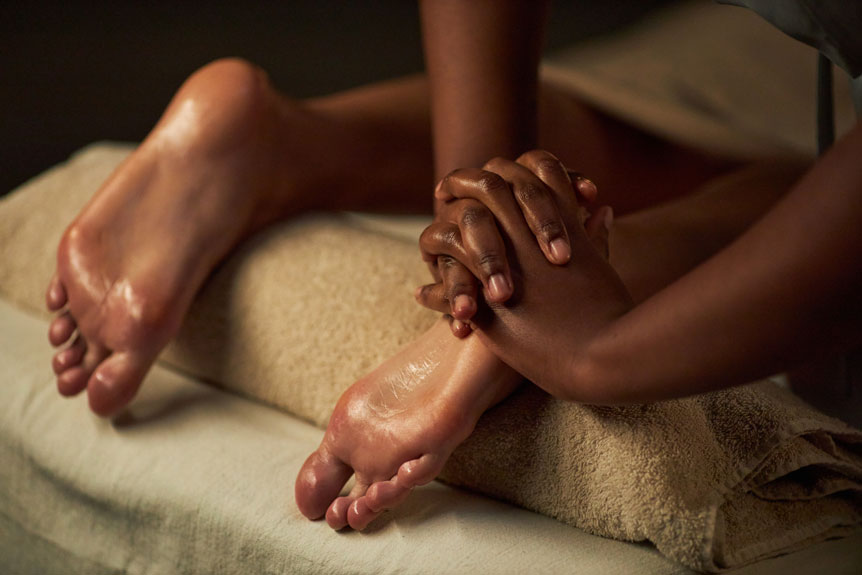
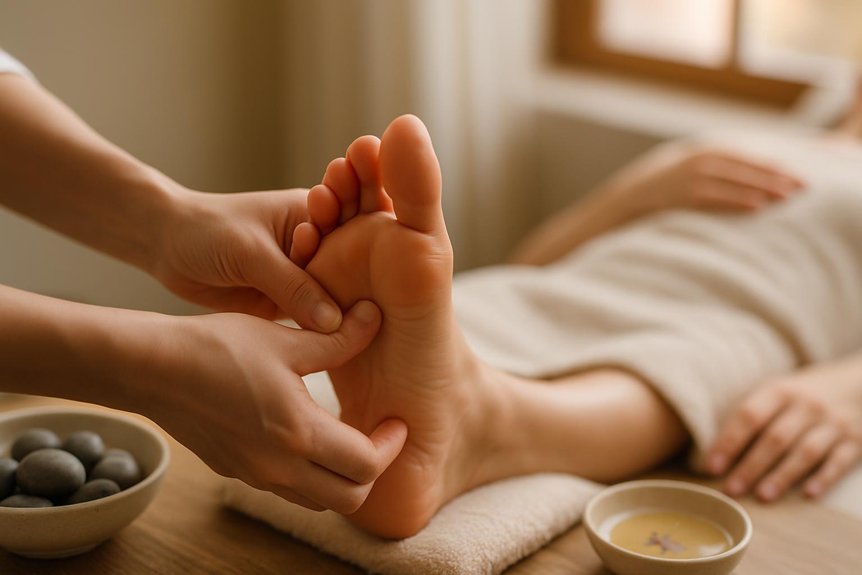
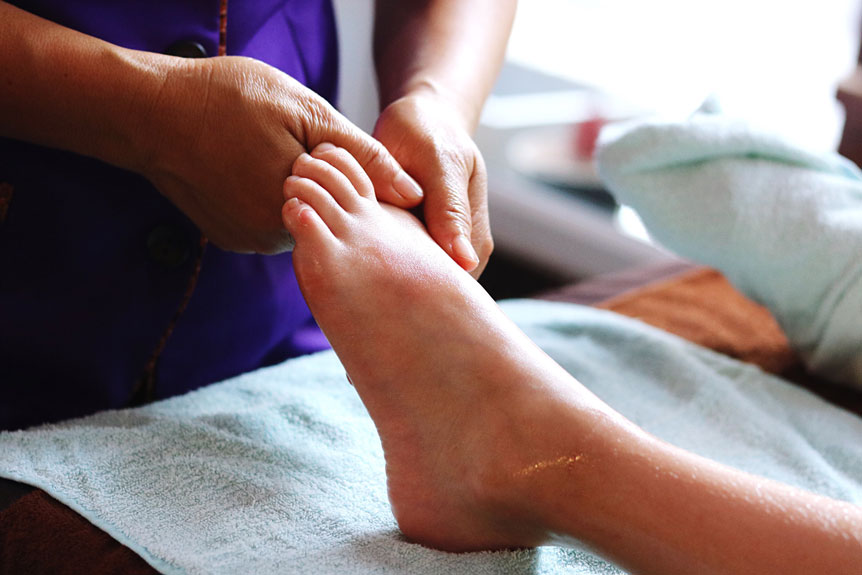
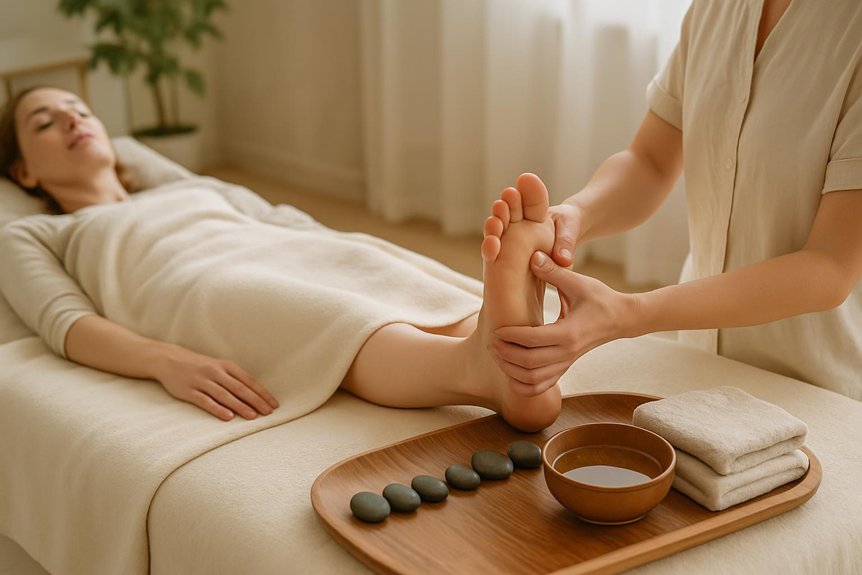
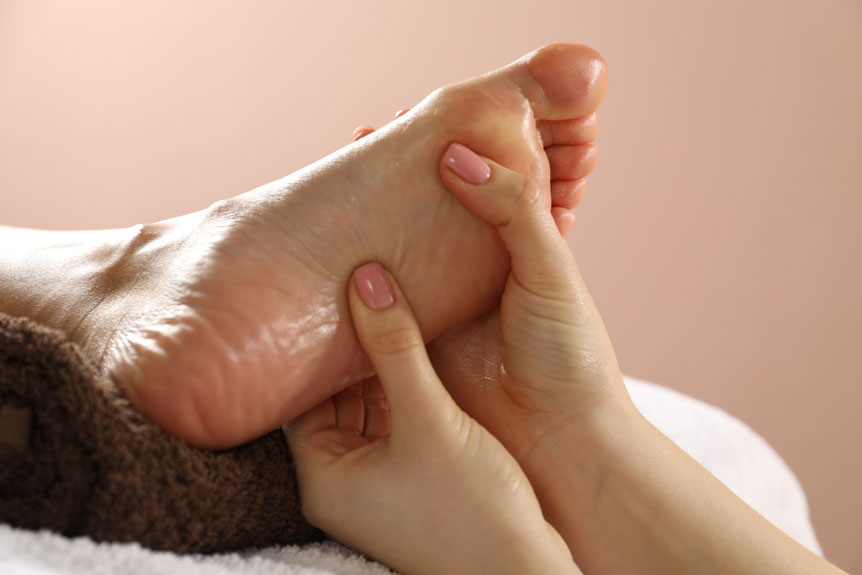
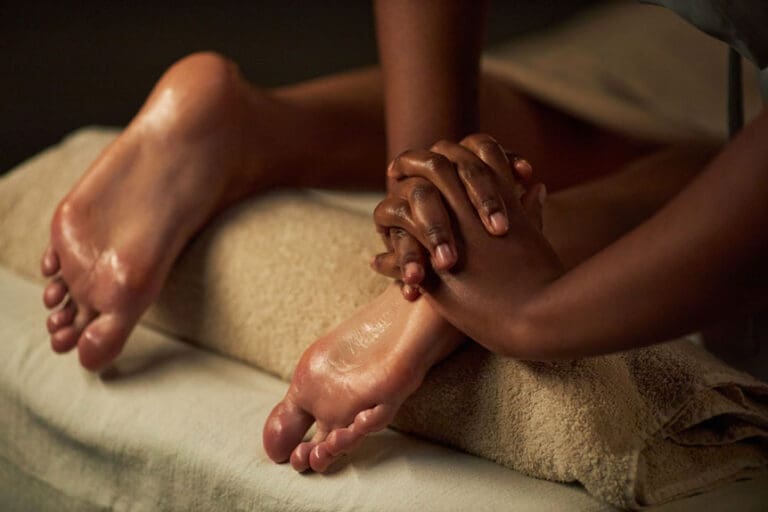
Within a clinical setting, targeted manual pressure is systematically applied to specific reflex points on the feet, hands, or ears, each corresponding to anatomical organs and physiological systems. Professional reflexologists use precise palpation techniques, guided by anatomical charts, to stimulate nerve pathways believed to influence organ function and homeostasis.
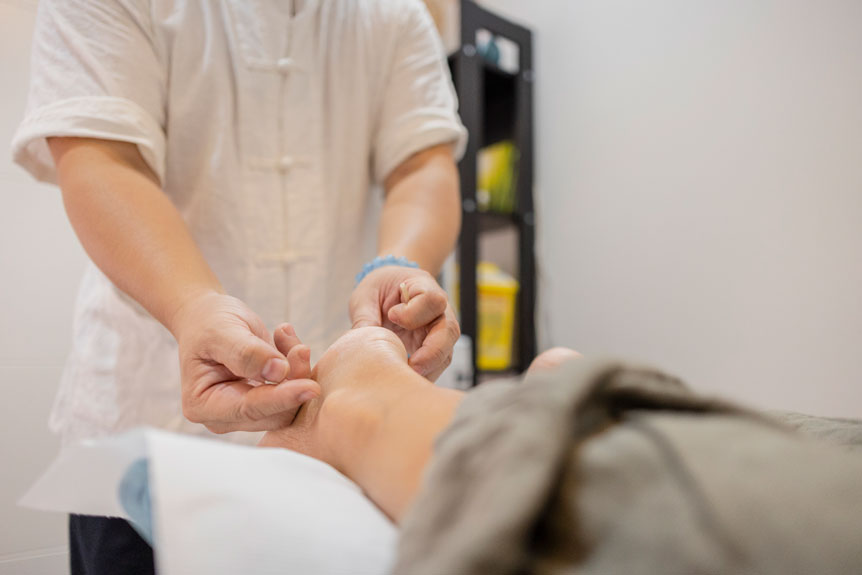
At Spa & Massage clinics, trained therapists assess individual needs before initiating treatment, ensuring pressure and technique are adjusted for comfort and therapeutic efficacy.
Evidence suggests that reflex therapy may modulate autonomic nervous system responses, potentially reducing stress and promoting physiological balance.
The therapist’s touch is intentional, focused, and responsive, fostering a sense of relaxation and trust.
Every session aims to integrate anatomical knowledge with an attentive, nurturing approach, reflecting Spa & Massage’s commitment to personalised wellness for each client.
Comparing Reflex Point Socks to Hands-On Reflex Therapy Treatments
How do reflex point socks compare to traditional hands-on reflex therapy treatments from a physiological perspective? Reflex point socks display anatomical maps, visually guiding users to pressure points associated with various organ systems. However, socks do not deliver targeted mechanical stimulation to the foot’s soft tissues, nerves, and meridians. In contrast, hands-on reflex therapy—such as that practiced at Spa & Massage clinics—employs tailored pressure, palpation, and technique to modulate local blood flow, stimulate mechanoreceptors, and potentially activate the parasympathetic nervous system. The nuanced feedback between a skilled therapist’s hands and the client’s tissue response is absent with socks. Therefore, while reflex point socks provide educational value and encourage self-awareness, hands-on treatments engage physiological pathways more directly, fostering a unique sense of connection and therapeutic intimacy for many individuals.
Common Experiences and Potential Benefits of Reflex Point Socks
A visual map of foot reflex zones, as seen on reflex point socks, aims to facilitate targeted stimulation by guiding users to specific anatomical locations. Users commonly report sensations of relaxation and localized warmth when pressure is applied to mapped zones, with some describing a subtle sense of release in corresponding body regions.
While robust clinical evidence remains limited, some studies suggest that structured foot pressure may temporarily reduce subjective stress and enhance overall comfort.
Reflex point socks provide a tactile prompt for those seeking to establish mindful foot care routines, encouraging gentle self-massage or partner involvement.
At Spa & Massage, therapists recognize that such self-directed practices may augment awareness of tension patterns, though they do not replicate the nuanced, adaptive techniques offered by professional reflex therapy sessions.
Expert Recommendations for Effective Foot Care and Zone Therapy
Guided by the anatomical mapping of reflex zones, foot care routines benefit from evidence-based strategies that address both structural and sensory functions. Spa & Massage therapists recommend regular assessment of the plantar fascia, metatarsal heads, and intrinsic foot musculature to detect tension or imbalance.
Gentle stretching, targeted manual therapy, and proper hydration of the skin are foundational for maintaining ideal foot health.
When performed by trained professionals, can stimulate neural pathways associated with relaxation and circulatory enhancement.
For individuals seeking self-care at home, using a firm massage ball or gentle self-massage along reflex points may complement professional treatments.
Consistent care, attentive to individual anatomical differences, contributes to improved comfort and function—inviting a sense of connection and well-being that extends beyond the feet.
Conclusion
Ironically, while reflex point socks provide a visually compelling anatomical roadmap and promise effortless stimulation of plantar reflex points, current evidence does not equate their effects with the nuanced proprioceptive input delivered by trained hands. Users may experience subjective relaxation—perhaps due to the placebo effect or increased foot awareness. consequently, for those seeking genuine neurophysiological modulation and therapeutic benefit, the ultimate irony may be that the best results still reside in the hands of skilled practitioners, not printed polyester.