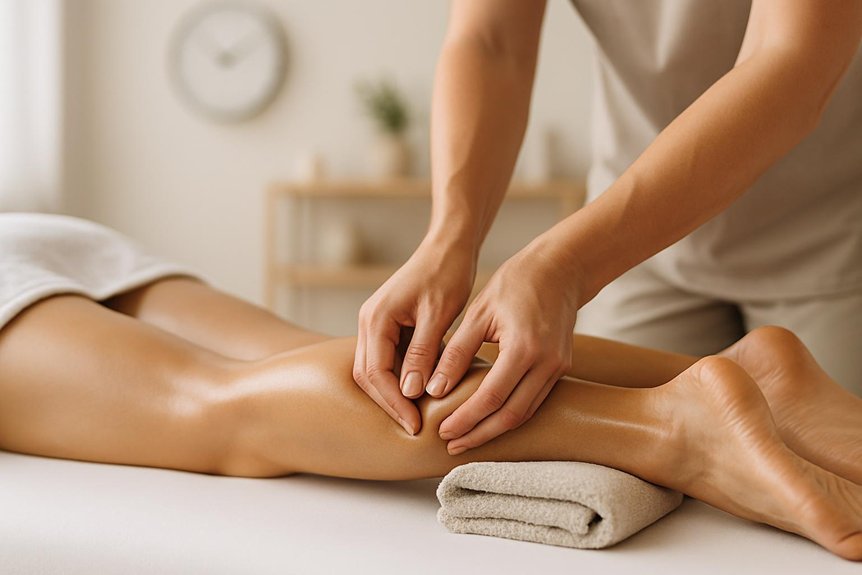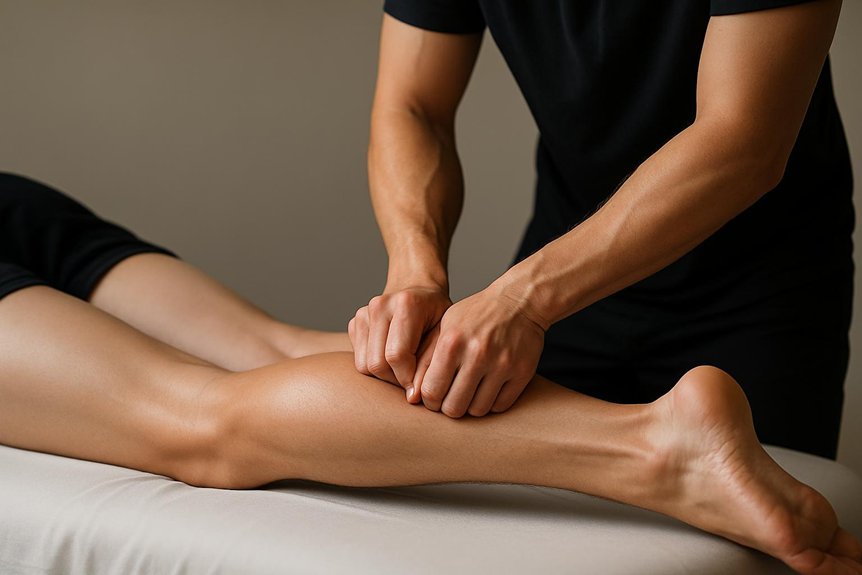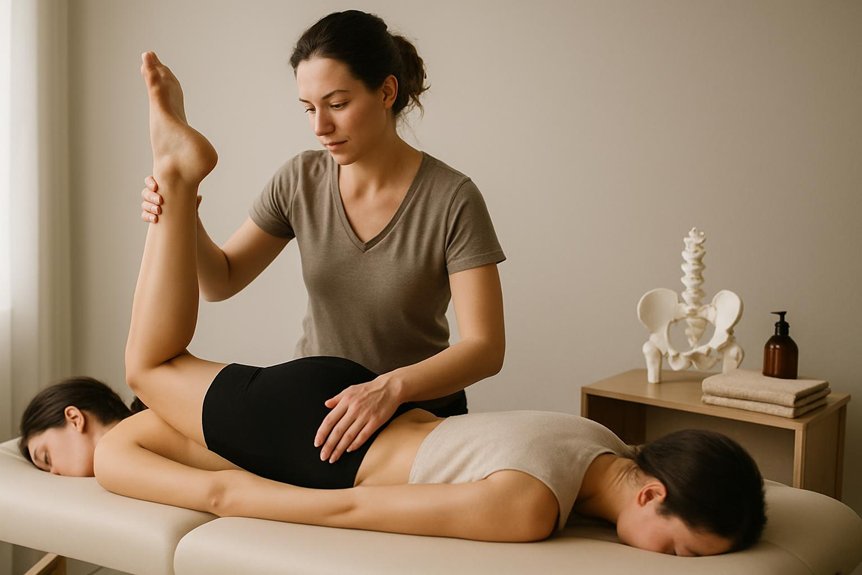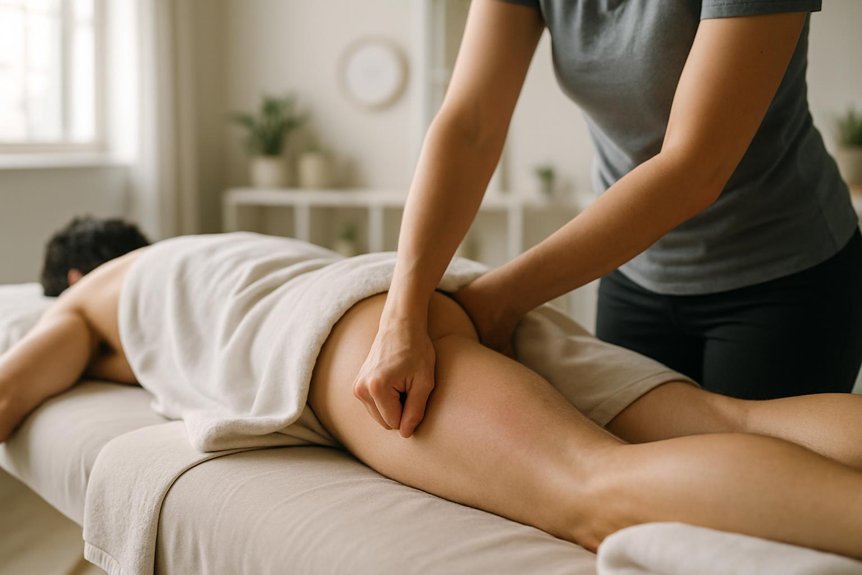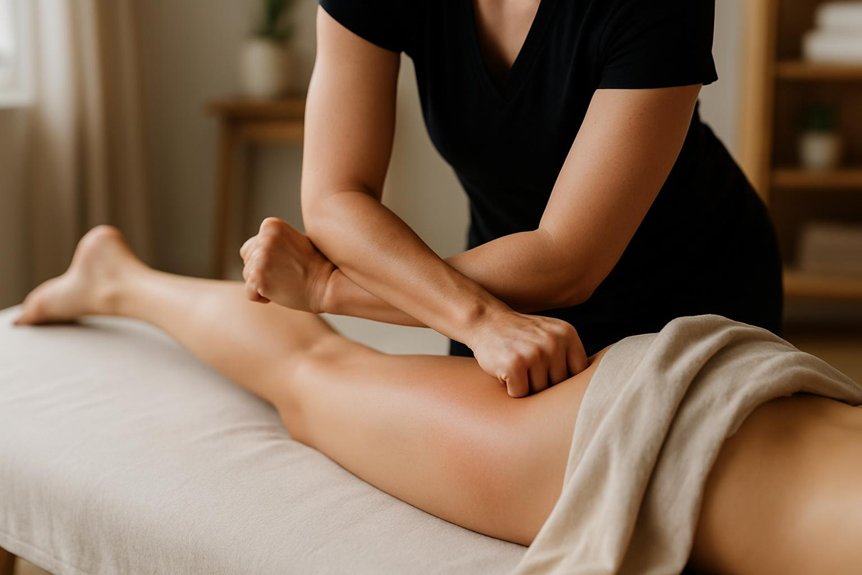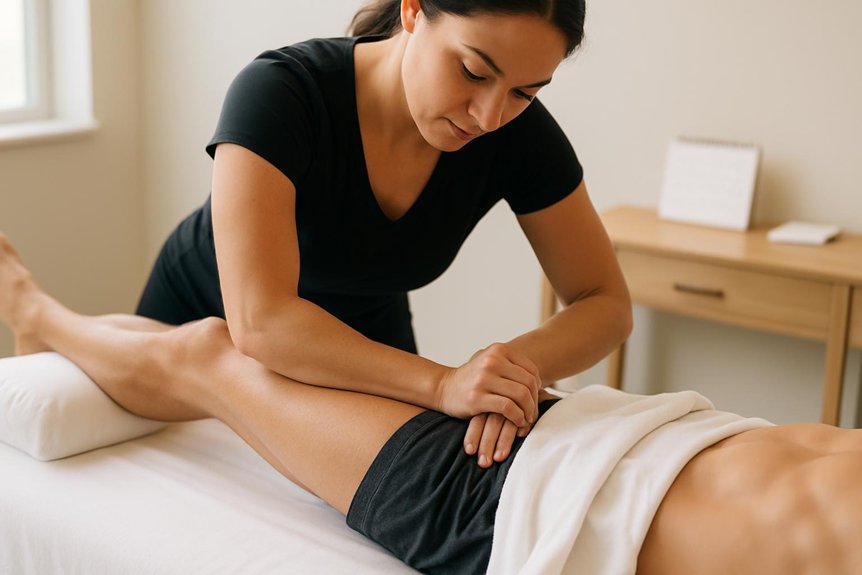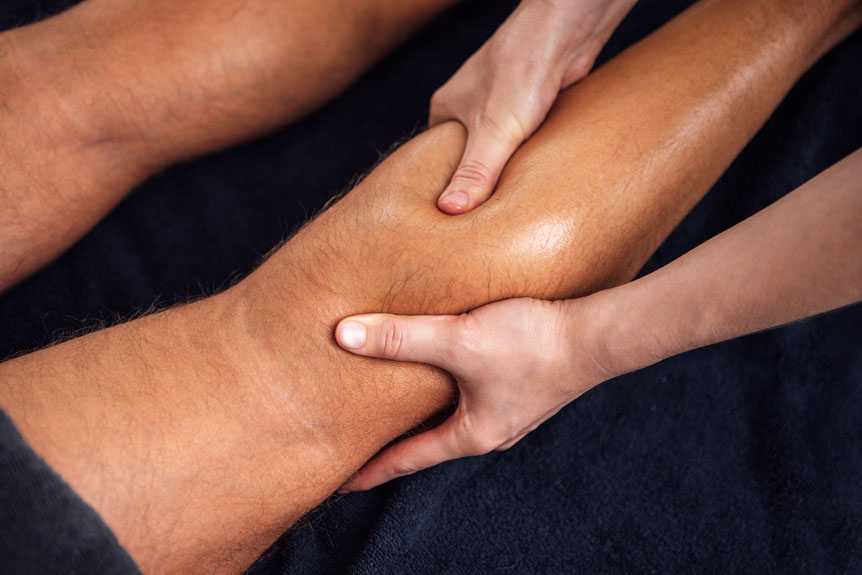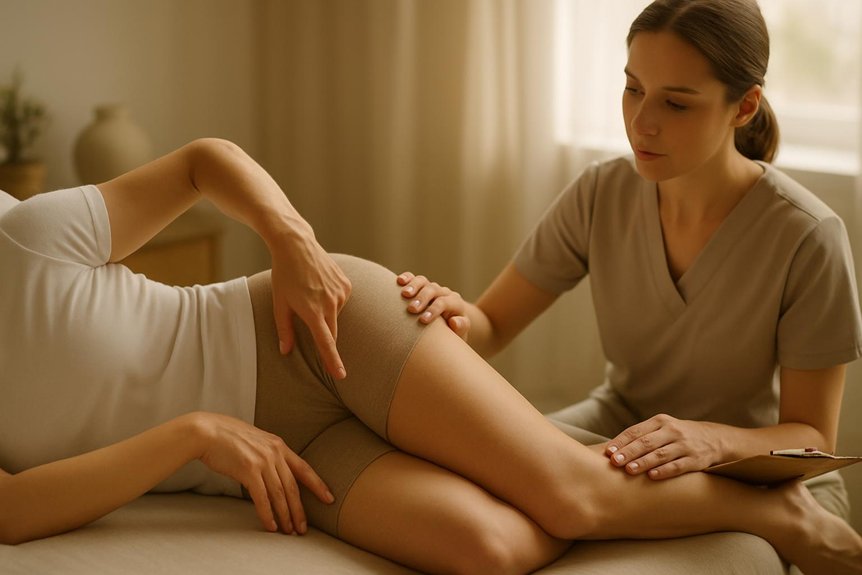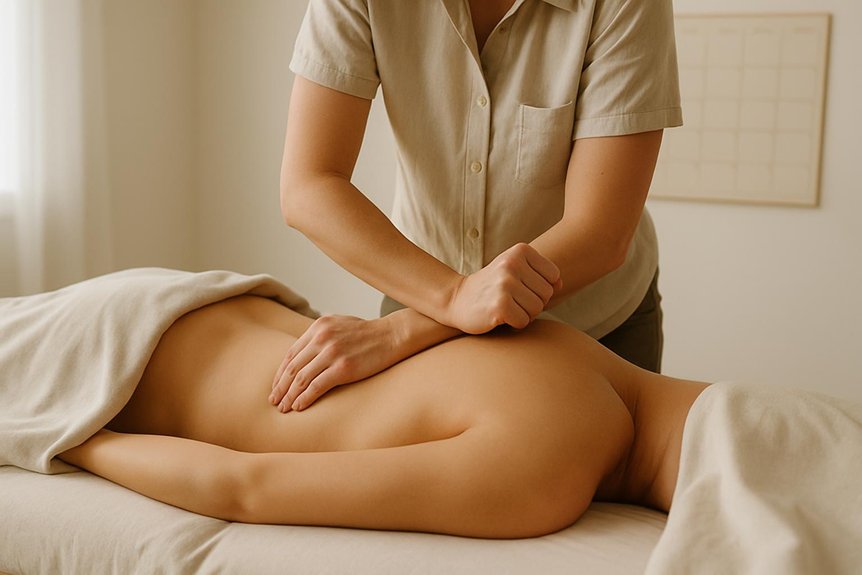
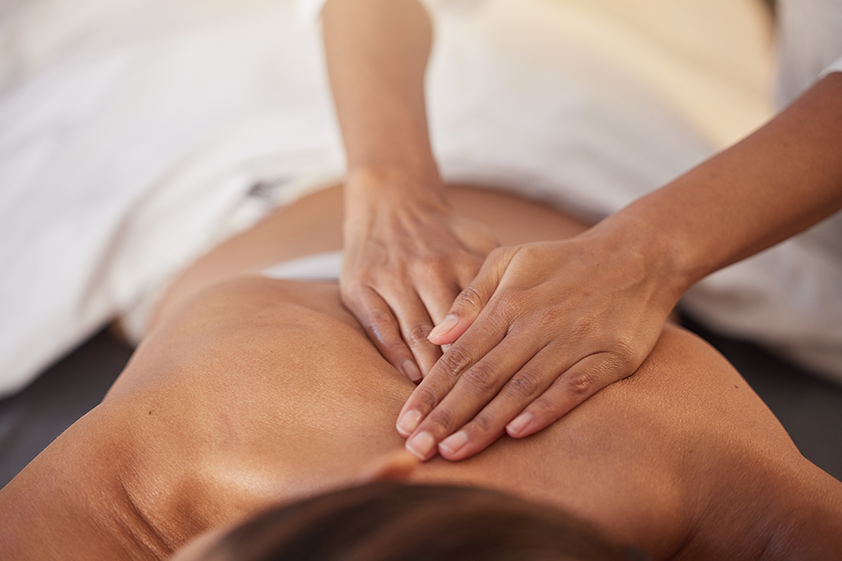
It can cause temporary discomfort or a sensation of “good pain,” particularly when addressing chronic muscle tension or adhesions. Pressure is applied to target deeper layers of muscle and fascia, but therapists carefully adjust technique based on client feedback to avoid harmful pain. Sensitivity varies by individual and condition, making clear communication essential. Post-session soreness is common and generally mild. Understanding what to expect allows clients to achieve ideal benefits and greater comfort throughout treatment.
Understanding Intensive Tissue Massage Techniques
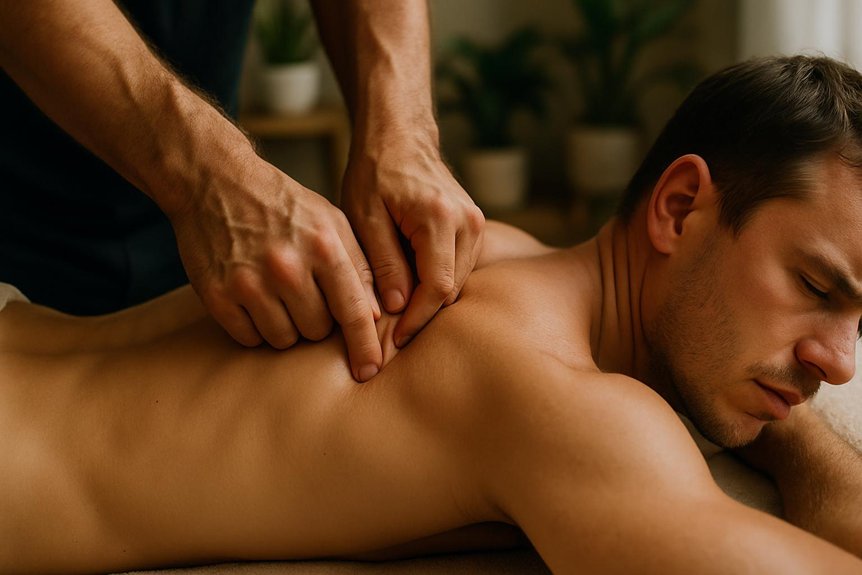
Intensive tissue massage utilizes slow, sustained pressure and specific strokes targeting the deeper layers of muscle fascia and connective tissue. Therapists at Spa & Massage apply carefully modulated techniques, such as myofascial release and friction, to address areas of chronic tension or musculoskeletal adhesions.
This precision allows for the breakdown of scar tissue and the improvement of local circulation, facilitating both physiological and psychological relaxation.
Evidence supports the use of intensive tissue massage for reducing myofascial pain, increasing joint mobility, and promoting overall musculoskeletal health.
Each session is tailored to the client’s unique needs, maintaining open communication to guarantee comfort. This meticulous, client-focused approach fosters trust and helps clients experience profound therapeutic connection and relief.
One significant benefit is that intensive tissue massage may promote musculoskeletal health by supporting the body’s recovery from injury and chronic tension.
Why Some Pressure May Feel Intense
During deep tissue massage, the sensation of intense pressure often arises as therapists target areas of heightened muscle tension and adhesions. These areas can be more sensitive due to localized inflammation or chronic tightness.
Evidence indicates that controlled pressure facilitates the release of muscular knots, though individual tolerance varies, especially in regions with persistent discomfort.
At Spa & Massage, therapists carefully monitor client feedback and continually adjust pressure to maintain therapeutic effectiveness while prioritizing client comfort.
Muscle Tension Release Process
When targeted pressure is applied to areas of muscular tension, the sensation can become particularly intense due to the body’s physiological response to adhesions and tight muscle fibres.
During an intensive tissue massage, therapists at Spa & Massage use slow, deliberate strokes to address underlying restrictions within the myofascial layers. This process encourages increased blood flow and oxygenation, facilitating the breakdown of fibrous tissue and trigger points.
As the tissue responds, temporary discomfort may arise, which often signals the release of chronic tension and the initiation of healing.
Clients frequently notice a gradual softening of the tissue, accompanied by enhanced mobility and relief.
At Spa & Massage, therapists monitor feedback closely, adjusting technique to assure the release process remains therapeutic, supportive, and aligned with each client’s comfort.
Sensitivity in Problem Areas
Why does pressure applied to certain areas during an intensive tissue massage elicit heightened sensitivity or discomfort? This response is typically attributed to the presence of myofascial trigger points, localised inflammation, or chronic muscle tension.
When deep, sustained pressure targets these problem zones, it may stimulate nociceptors—nerve endings responsible for transmitting pain signals.
At Spa & Massage, therapists recognise that such sensitivity is often a reflection of underlying dysfunction or restricted blood flow.
Clients frequently report increased tenderness in areas of long-standing stress or injury, as adhesions and metabolic waste accumulate within soft tissues.
This physiological feedback is valuable, helping both client and therapist identify where focused intervention can yield the most therapeutic benefit.
Open communication about these sensations ensures a safe, nurturing experience tailored to individual needs.
Therapist Pressure Adjustment
Although intensive tissue massage is designed to alleviate chronic muscle tension, the pressure applied by the therapist can occasionally feel intense due to individual variations in tissue density, pain threshold, and the presence of adhesions.
At Spa & Massage, therapists carefully assess client feedback and tissue response throughout each session, adjusting their technique to balance therapeutic benefit with client comfort.
Firm, targeted pressure is often necessary to address underlying restrictions, yet the most suitable force is always modulated to avoid excessive discomfort.
Evidence indicates that communication between client and therapist enhances outcomes and minimizes unnecessary pain.
Spa & Massage encourages clients to express their preferences, ensuring the experience remains both effective and nurturing.
This attentive, personalized approach helps foster trust, relaxation, and the lasting relief that clients seek.
The Difference Between “Good Pain” and Discomfort
How can clients distinguish between the therapeutic “good pain” often experienced during an intensive tissue massage and sensations of true discomfort?
At Spa & Massage, therapists are trained to identify and explain this nuanced difference.
“Good pain” typically presents as a deep, satisfying pressure that feels productive, often accompanied by a sensation of muscular release or relief. This response signals effective tension reduction within deeper tissue layers.
In contrast, discomfort manifests as sharp, burning, or lingering pain that causes involuntary muscle tightening or emotional unease.
Evidence-based practice suggests that therapeutic pain should never feel overwhelming or intolerable.
Clients are encouraged to attune to their bodies’ subtle cues—relaxation, warmth, and relief—versus signs of distress.
Recognising this distinction enhances both safety and therapeutic outcomes.
Communicating With Your Therapist for Comfort
Effective communication between client and therapist is essential for maximising the therapeutic benefits and guaranteeing comfort during an intensive tissue massage.
At Spa & Massage, therapists encourage clients to articulate their preferences, pain thresholds, and areas of concern before and throughout the session.
This collaborative feedback allows for precise pressure adjustment and technique modification,optimising client satisfaction and safety.
Evidence indicates that client-led dialogue reduces anxiety and fosters trust, which is fundamental for an intimate, supportive treatment environment.
Therapists are trained to observe non-verbal cues and invite open discussion, reinforcing a sense of agency for each client.
Common Sensations During and After Intensive Tissue Massage
During an intensive tissue massage, clients commonly experience a spectrum of physical sensations, including targeted pressure, muscle warmth, and localized discomfort as adhesions and tension are addressed.
This focused manipulation may produce a sensation of “good pain”—an intense, yet tolerable pressure—often described as both relieving and mildly challenging. It is not unusual to notice transient soreness or heightened sensitivity in treated regions, typically lasting up to 48 hours post-session.
Some individuals report a deep sense of relaxation or mild fatigue as myofascial restrictions release.
At Spa & Massage, therapists consistently monitor client comfort, ensuring each touch remains within individual tolerance levels.
The ultimate aim is to facilitate tissue recovery, improved mobility, and lasting relief, respecting the intimate connection clients have with their bodies throughout the process.
How Our Therapists Minimise Unnecessary Pain
Recognising that intensive tissue massage can elicit strong physical responses, Spa & Massage therapists employ evidence-based techniques to reduce unnecessary discomfort while maximising therapeutic benefit.
Therapists conduct a thorough assessment to identify musculoskeletal tension and adapt pressure accordingly, ensuring the client’s tolerance and comfort are prioritised.
Communication is actively encouraged throughout the session, allowing for immediate adjustments and fostering a sense of trust and safety.
Precise manual techniques, such as gradual tissue warming and slow, controlled strokes, are employed to avoid abrupt or excessive pressure.
The therapists’ extensive training enables them to differentiate between therapeutic pressure and harmful pain, carefully modulating their approach.
This attentive, client-centred methodology helps cultivate an intimate, supportive environment where clients can experience profound relief without undue discomfort.
Aftercare Tips to Reduce Soreness
Following an intensive tissue massage at Spa & Massage, therapists recommend gentle stretches and controlled movement to facilitate muscle recovery and decrease post-treatment discomfort.
Evidence supports maintaining ideal hydration, as adequate fluid intake assists in metabolic waste removal and tissue repair.
These aftercare practices form a key part of the clinic’s client-focused approach to reducing soreness and supporting overall well-being.
Gentle Stretches and Movement
How can clients optimise post-massage recovery and minimise delayed onset muscle soreness?
At Spa & Massage, therapists recommend integrating gentle stretches and controlled movement within the first 24 hours post-treatment.
Research indicates that light, dynamic stretching—such as shoulder rolls, neck rotations, or gentle spinal twists—encourages lymphatic circulation and supports myofascial release, reducing localised tenderness.
Maintaining soft, fluid movements prevents muscular stiffness and enhances tissue oxygenation, reinforcing the therapeutic outcomes of intensive tissue massage.
Clients are encouraged to listen to their bodies, engaging only in non-strenuous activities like walking or yoga-based stretches.
Spa & Massage therapists provide personalised aftercare guidance, ensuring stretches are adapted to each individual’s needs and comfort level.
This approach nurtures both physiological recovery and a sense of connectedness with one’s own body.
Optimal Hydration Practices
Adequate hydration is a critical component of post-massage recovery, as it facilitates metabolic waste removal and supports tissue repair following deep tissue manipulation.
At Spa & Massage, therapists advise clients to consume water incrementally throughout the day, rather than in large quantities at once, to optimize cellular absorption and maintain electrolyte balance.
Proper hydration helps mitigate post-treatment soreness by accelerating lymphatic drainage and reducing the risk of muscle cramping.
Herbal teas and infused water, both available in our tranquil clinic environments, offer additional hydration options with subtle therapeutic benefits.
For those seeking a more intimate connection to their body’s recovery, mindful sipping and attentive self-care foster a holistic sense of well-being.
Consistent hydration is fundamental for enhancing the restorative effects of intensive tissue massage therapy.
Who Might Experience More Sensitivity
Although intensive tissue massage is generally well-tolerated, individuals with certain physiological or medical conditions may experience heightened sensitivity during treatment. Clients with chronic pain syndromes, fibromyalgia, or recent musculoskeletal injuries tend to report increased tenderness when deeper pressure is applied.
Similarly, those with heightened nervous system arousal—such as individuals experiencing stress or anxiety—may also perceive more pronounced sensations. Age-related tissue changes and low baseline pain thresholds contribute to varying degrees of sensitivity as well.
At Spa & Massage, therapists conduct extensive consultations, taking note of prior injuries, medication use, and individual comfort levels. This enables a tailored approach, ensuring the treatment remains therapeutic and respectful of client boundaries.
Effective communication between client and therapist is central to achieving both comfort and maximum therapeutic benefit.
When to Avoid or Adapt Intensive Tissue Massage
Certain clinical scenarios necessitate caution or modification of intensive tissue massage techniques to guarantee client safety and ideal outcomes. Acute injuries, recent surgeries, thrombosis, or infectious skin conditions are clear contraindications, as are severe osteoporosis and uncontrolled hypertension.
At Spa & Massage, therapists conduct a thorough consultation, identifying any medical concerns or sensitivities before treatment.
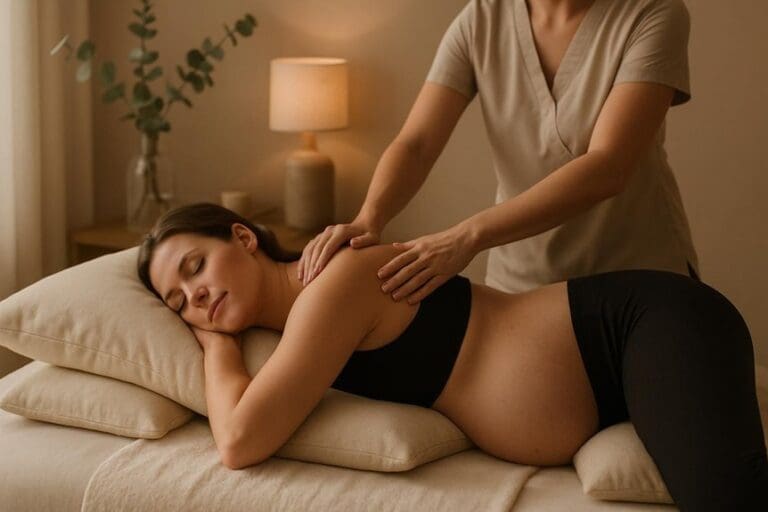
For clients who are pregnant, have chronic pain conditions, or possess heightened neurological sensitivity, techniques are adjusted—pressure and duration are tailored to minimise risk while ensuring therapeutic benefit.
Open communication is encouraged, allowing therapists to respond to discomfort in real-time and adjust protocols accordingly.
Personalised adaptations, supported by Spa & Massage’s evidence-based approach, foster trust, intimacy, and a sense of safety throughout the massage experience, optimising both comfort and outcomes.
Conclusion
Much like a sculptor gently chipping away at stone to reveal form, intensive tissue massage systematically releases muscular tension. Studies indicate that while 85% of clients report some level of pressure-induced discomfort, most describe it as “therapeutic” rather than painful. At Spa & Massage, therapists employ clinical expertise and active communication to tailor each session, ensuring efficacy without excessive discomfort—guiding clients toward improved mobility and relief, while respecting individual pain thresholds and therapeutic goals.