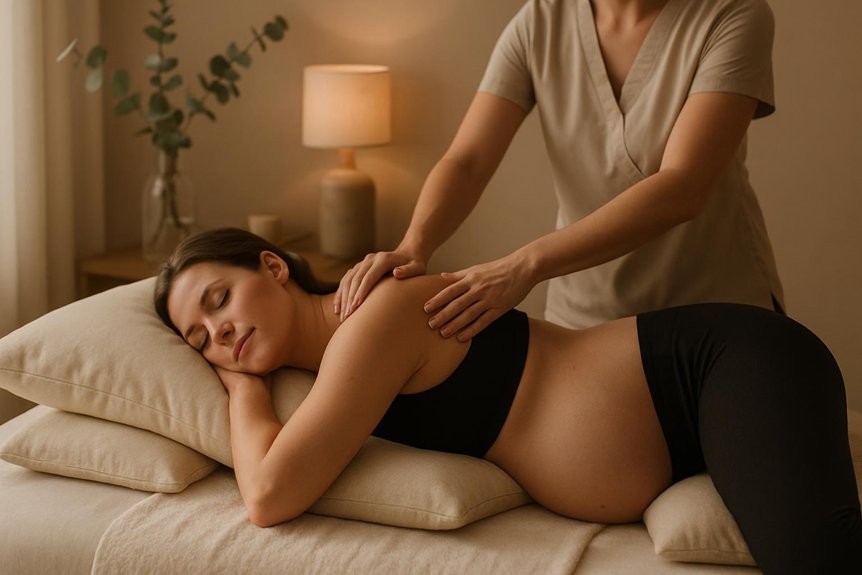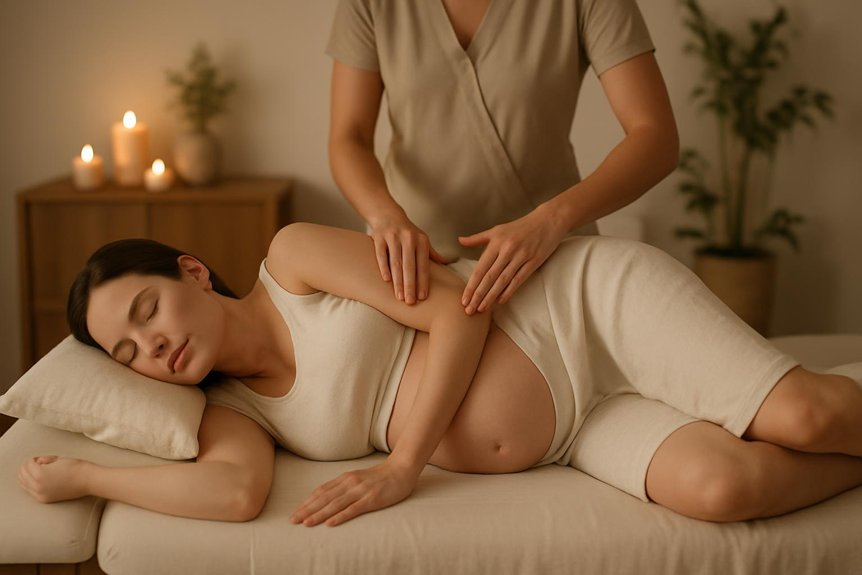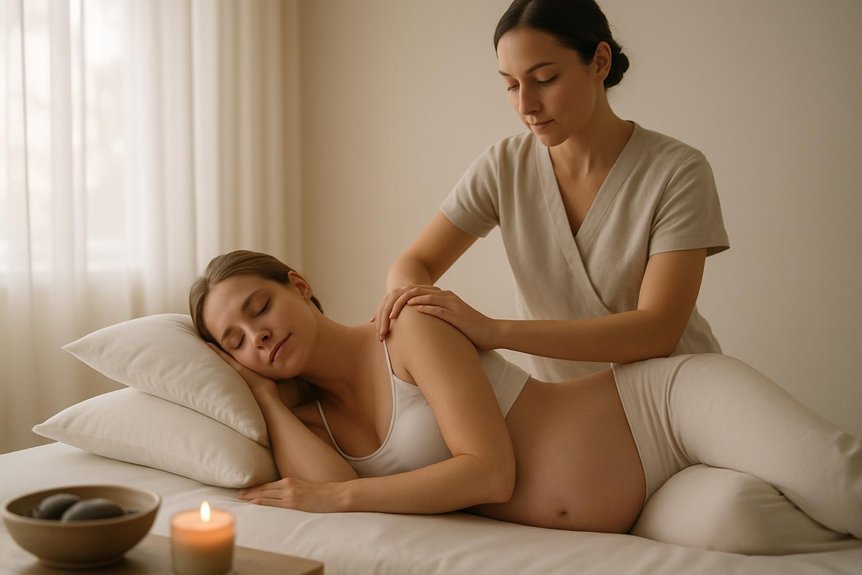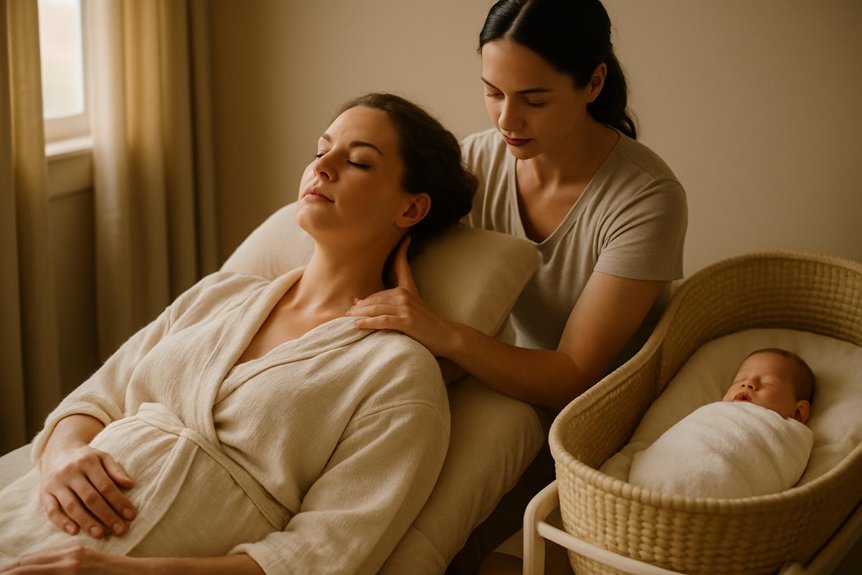
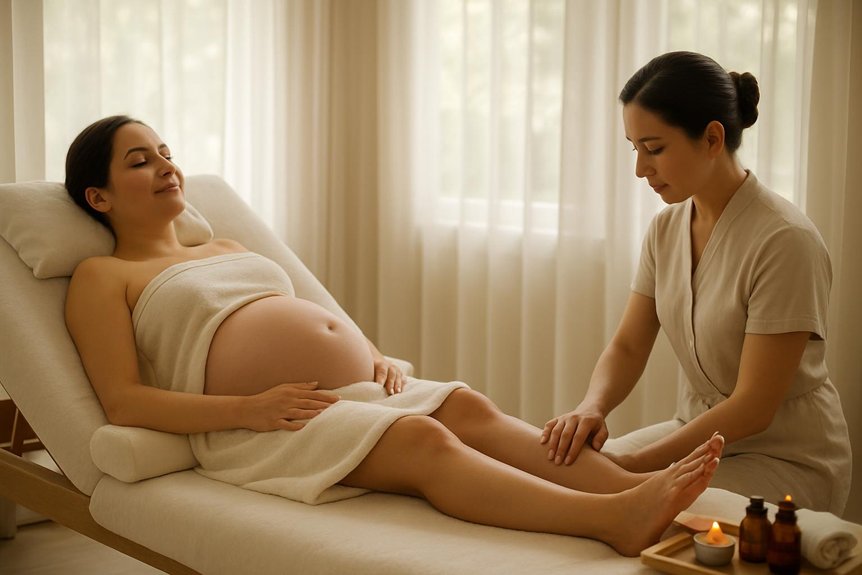
When performed by trained professionals with attention to pregnancy-specific precautions, foot massage is generally safe and may offer benefits such as reduced swelling, improved circulation, and relaxation. Techniques are adapted to avoid sensitive areas and excessive pressure. However, deep massage, high-risk pregnancies, or existing medical concerns necessitate medical advice before proceeding. Contraindications include severe swelling, unexplained pain, or conditions like preeclampsia. Safe practice guidelines and therapist adjustments are essential; further details clarify when massage is appropriate.
Understanding Foot Massage During Pregnancy
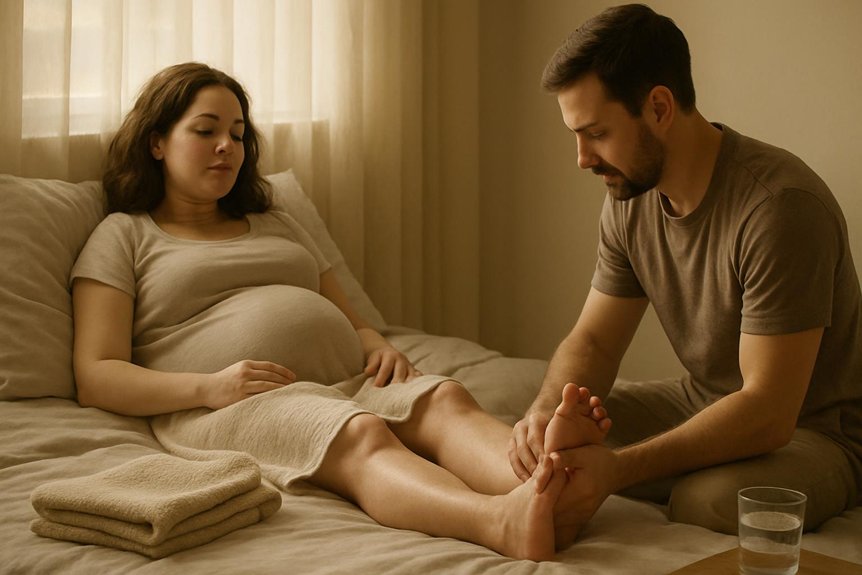
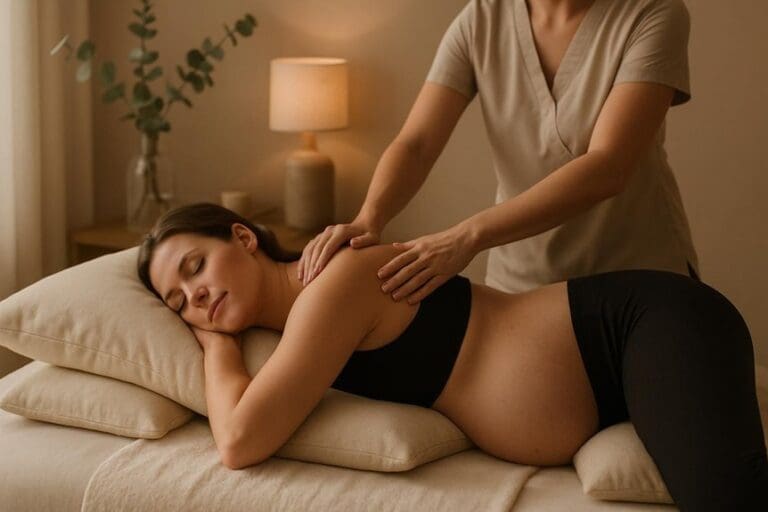
While pregnancy brings significant physiological changes, foot massage during this period can offer targeted relief for common discomforts such as swelling, muscle tension, and fatigue.
At Spa & Massage, therapists approach pregnancy massage with careful attention to anatomical and hormonal changes that occur as the body adapts to support new life.
Techniques are adapted to avoid undue pressure on sensitive areas, particularly around the ankles and inner legs, where certain reflex points are believed to correspond with uterine stimulation.
Only gentle, soothing motions are used, and the client’s comfort and safety remain paramount throughout the session.
In clinical practice, these massages are generally considered safe when performed by trained professionals who understand pregnancy-specific contraindications, ensuring a nurturing yet cautious approach tailored to each expectant mother’s unique needs.
Some approaches, such as those used in deep tissue massage, are typically avoided during pregnancy because they involve more intense pressure that may not be suitable for expectant mothers.
Potential Benefits of Foot Massage for Expectant Mothers
A professionally administered foot massage during pregnancy may contribute to the alleviation of common discomforts such as oedema, muscular tension, and general fatigue.
Evidence suggests that gentle, targeted massage performed by experienced therapists can support circulation and reduce swelling in the lower limbs, which are frequent concerns for expectant mothers.
At Spa & Massage, therapists are trained to provide tailored treatments that aim to relieve stress, enhance relaxation, and foster a sense of wellbeing.
Clients often report improved sleep quality and decreased anxiety following sessions.
The use of suitable massage oils and careful pressure application guarantees that the experience remains soothing and supportive.
While individual responses may vary, many clients find that regular, professional foot massage offers a valuable respite during pregnancy’s physical and emotional changes.
Precautions and Safety Considerations
Although foot massage can offer notable benefits during pregnancy, certain precautions are necessary to guarantee safety for both mother and baby.
At Spa & Massage, therapists are trained to avoid deep pressure in areas linked to uterine stimulation, such as specific points around the ankles.
Clients with high-risk pregnancies, preeclampsia, or a history of blood clots are advised to consult their healthcare provider before booking.
Gentle, slow techniques are prioritised to minimise the risk of overstimulation.
Therapists use only pregnancy-safe oils, checking first for sensitivities or allergies.
Open communication is encouraged, so mothers feel comfortable voicing concerns or discomfort.
Each session is tailored to the individual’s stage of pregnancy, ensuring a nurturing yet cautious approach in line with best safety practices.
Techniques Used by Our Therapists for Pregnant Clients
During pregnancy, Spa & Massage therapists employ specialised foot massage techniques designed to promote relaxation and alleviate common discomforts while prioritising maternal and fetal safety.
Each session begins with a detailed consultation to identify any specific concerns or sensitivities.
Therapists use gentle, rhythmic strokes and light acupressure, carefully avoiding areas linked to uterine stimulation.
The pressure is always adjusted based on individual comfort, ensuring a soothing experience without undue strain.
Soft massage oils, chosen for their hypoallergenic properties, are often used to enhance glide and hydration.
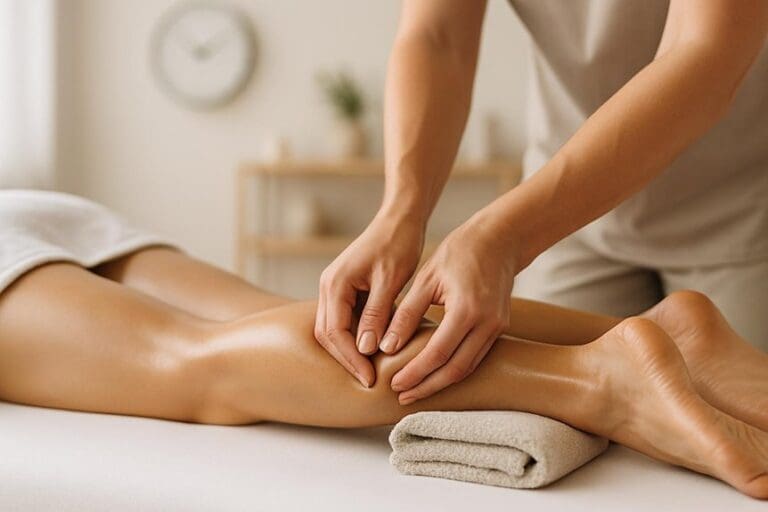
Therapists pay particular attention to swollen ankles and feet, using techniques that support circulation.
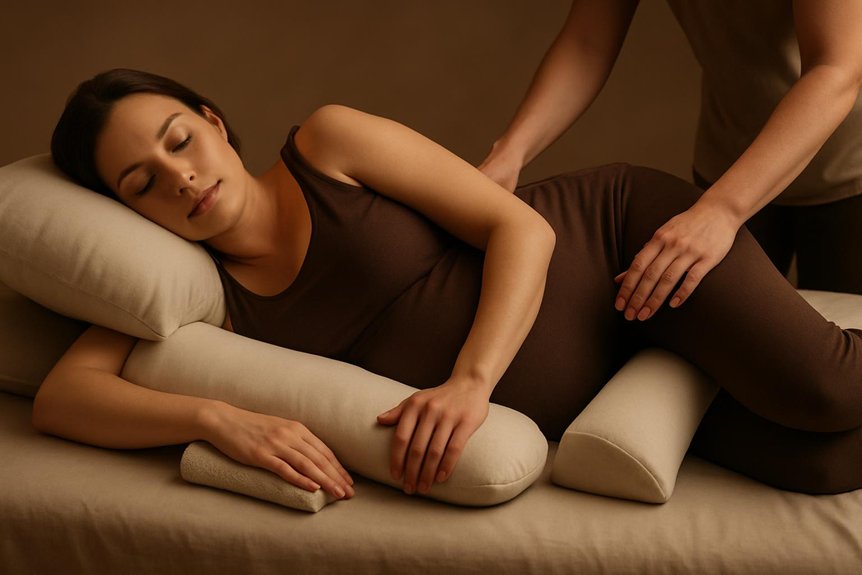
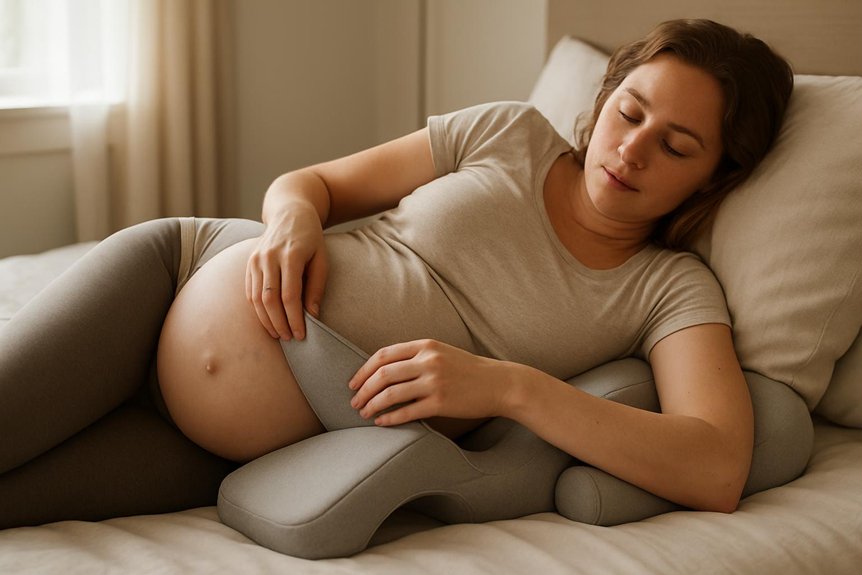
At all times, positioning is adapted for maximum comfort, with supportive cushions provided to minimise stress on the lower back and pelvis.
When to Avoid Foot Massage in Pregnancy
While foot massage can offer notable benefits to many pregnant individuals, there are specific circumstances in which it should be avoided to safeguard both maternal and fetal health. Contraindications include high-risk pregnancies, unexplained vaginal bleeding, preeclampsia, deep vein thrombosis, and significant swelling or pain in the legs.
In such conditions, massage may exacerbate symptoms or increase the risk of complications. At Spa & Massage, therapists carefully review each client’s medical history and consult when any uncertainty arises before proceeding.
Should any unusual discomfort, persistent pain, or changes in pregnancy symptoms occur, immediate medical advice is recommended.
Conclusion
To consider, foot massage during pregnancy can offer comfort and relaxation when performed by trained professionals using appropriate techniques. However, it is crucial to assess individual health conditions and consult with healthcare providers. For instance, a Spa & Massage client in her second trimester found relief from swelling and stress through gentle foot massage, as recommended by her midwife. Ultimately, prioritising safety and open communication ensures expectant mothers can enjoy the benefits of massage with peace of mind.