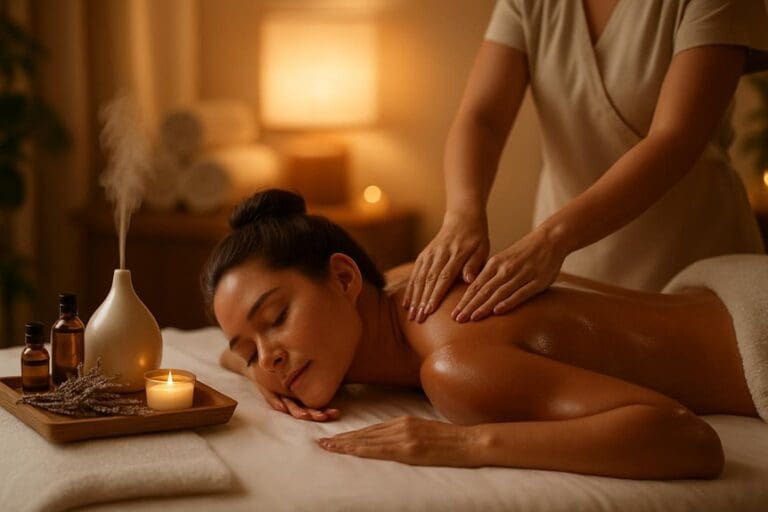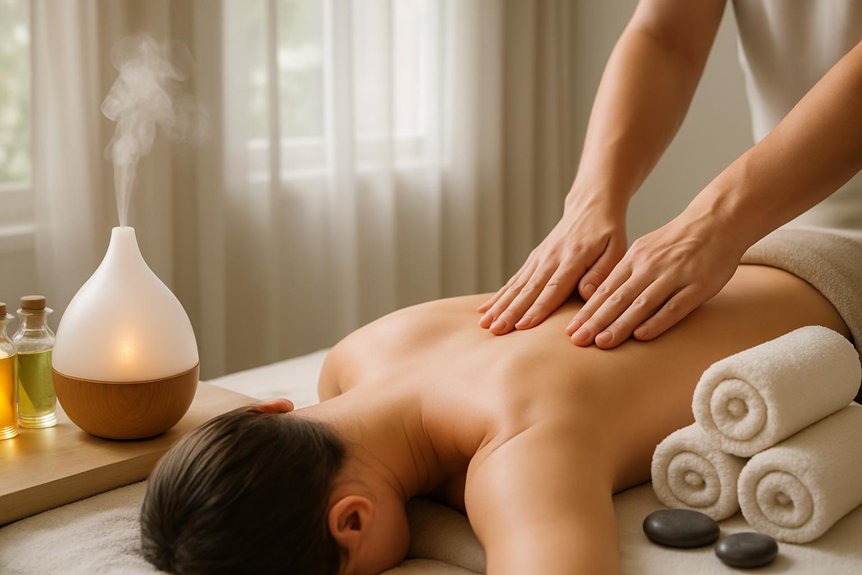
Aromatherapy involves the use of plant-derived essential oils, mainly administered through inhalation or diluted topical application, to influence emotional states and physiological responses. Massage therapy relies on manual manipulation of soft tissues to alleviate tension, enhance circulation, and support musculoskeletal function. While aromatherapy acts via the olfactory and absorption pathways, massage engages the nervous and circulatory systems directly. Safety, individual tailoring, and evidence-based protocols guide both practices. Further exploration reveals how these methods can complement each other.
Understanding Aromatherapy: Essence and Benefits
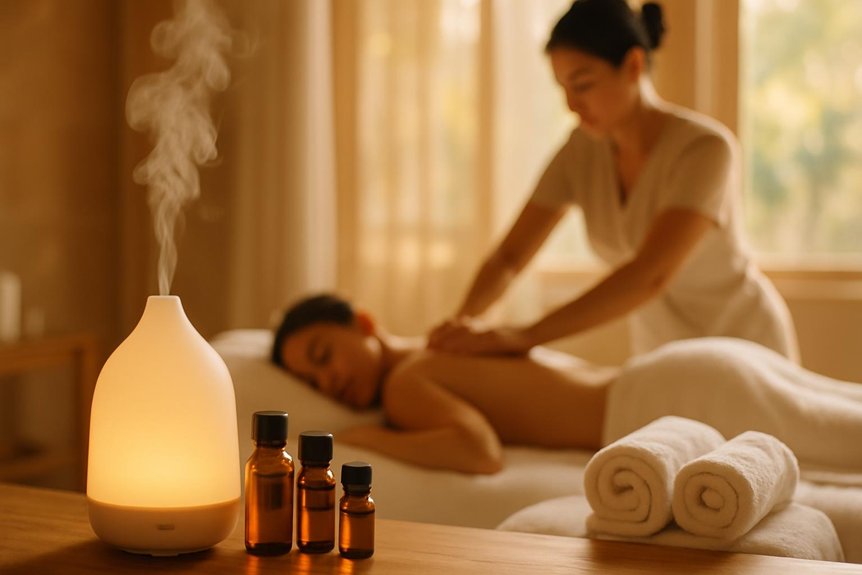
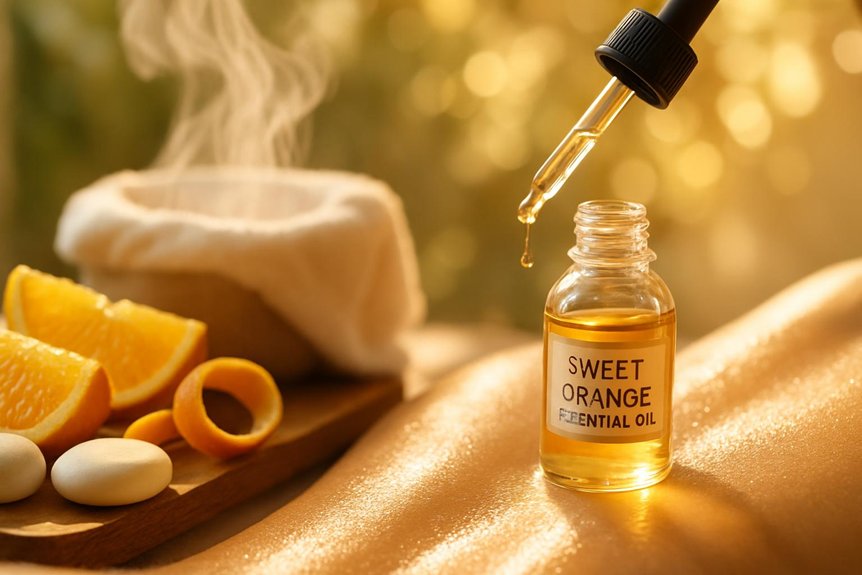
How does aromatherapy achieve its therapeutic effects? Aromatherapy utilises volatile plant-derived essential oils, which interact with the olfactory system upon inhalation or are absorbed through the skin.
Scientific literature suggests that these aromatic compounds influence the limbic system, modulating mood, emotional response, and physiological processes such as heart rate and stress hormone levels.
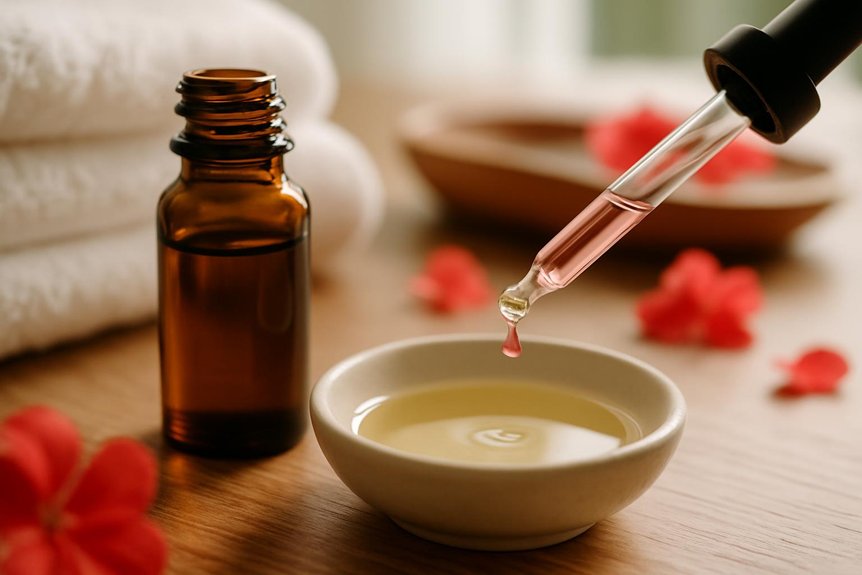
Within Spa & Massage clinics, therapists select oils based on individual client profiles, prioritising both efficacy and safety. Dilution protocols guarantee that essential oils are applied at concentrations unlikely to cause irritation or sensitisation.
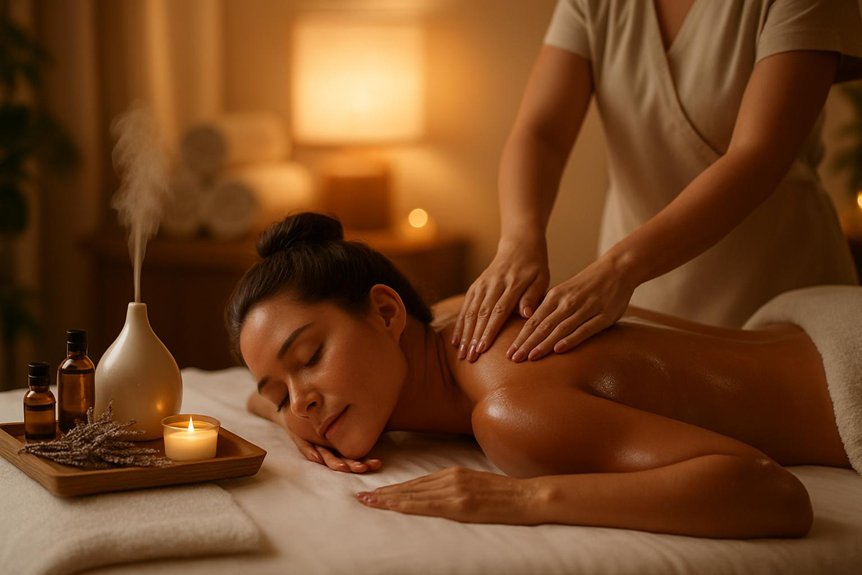
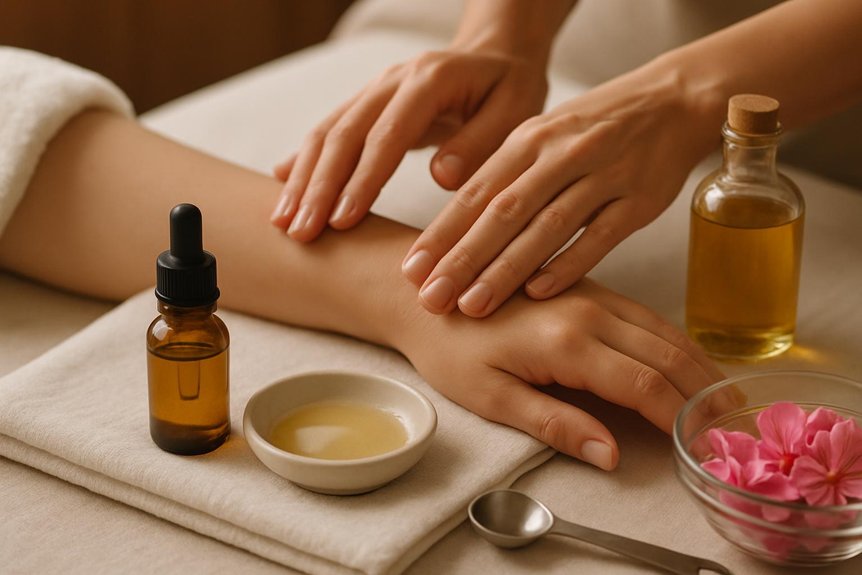
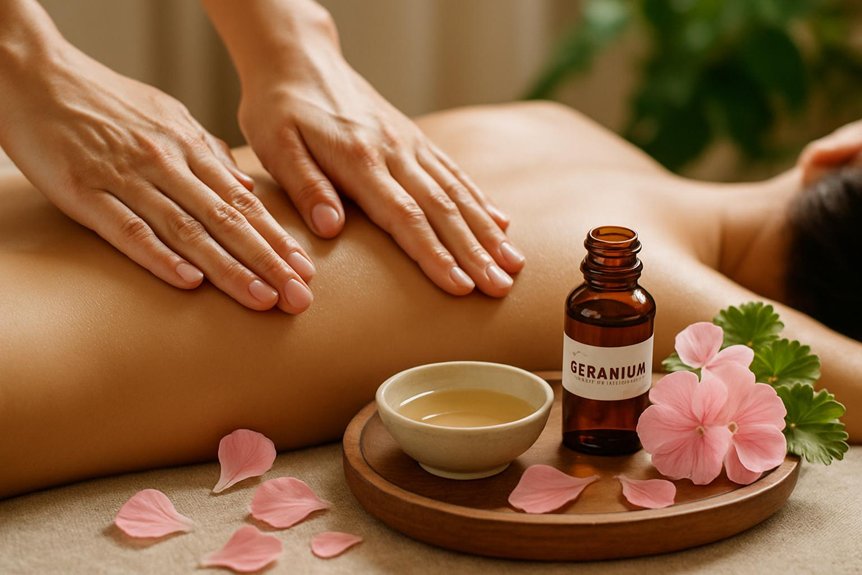
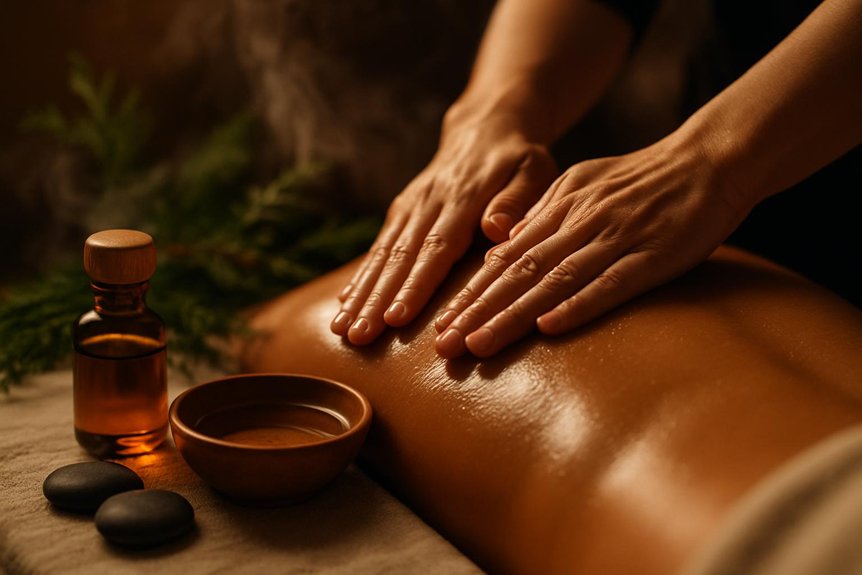
Clients often report enhanced relaxation, reduced anxiety, and uplifted mood following treatments. The practice reflects evidence-based awareness, emphasising personalised experiences while maintaining rigorous standards to foster a sense of well-being and comfort in every session. For those seeking both relaxation and holistic care, the use of aromatherapy massage techniques can significantly support emotional and physical healing.
Exploring Massage Therapy: Techniques and Effects
Massage therapy encompasses a spectrum of manual techniques designed to manipulate soft tissues, aiming to alleviate musculoskeletal tension, improve circulation, and support the body’s natural healing processes.
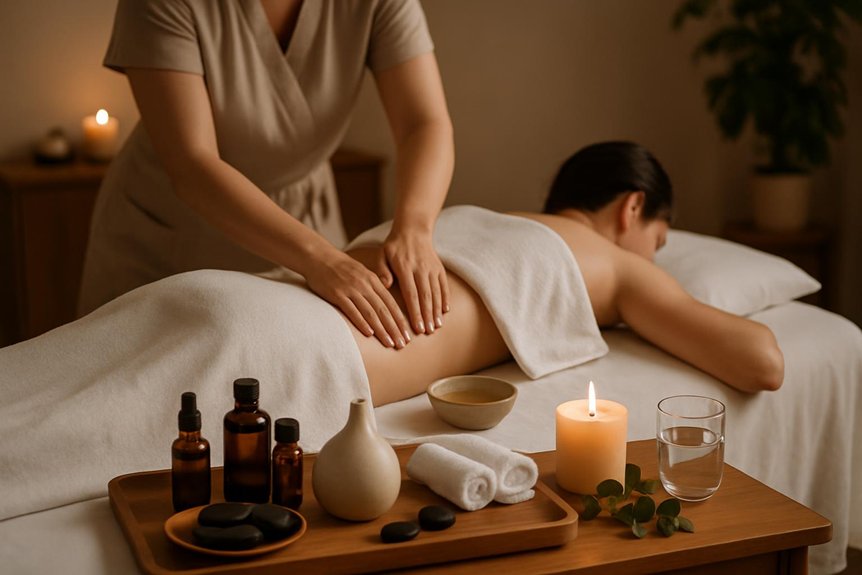
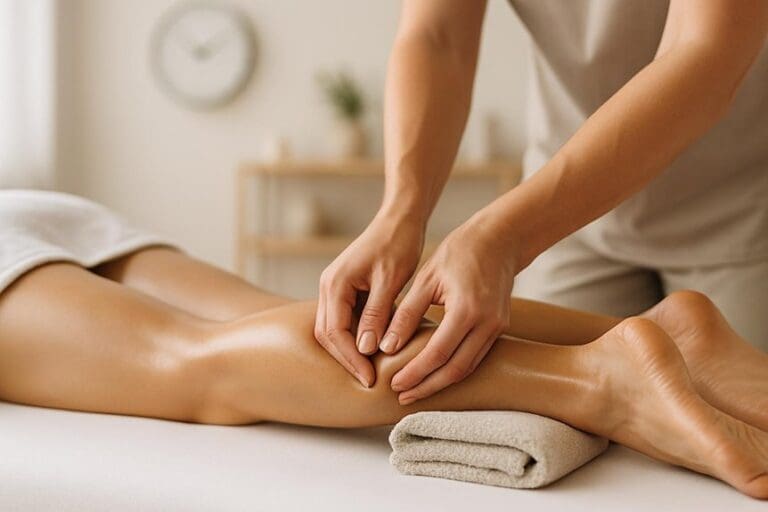
At Spa & Massage, therapists employ evidence-based modalities such as deep tissue, Swedish, and sports massage, carefully adjusting pressure and movements to suit each client’s needs and comfort level.
Research indicates that targeted manipulation of muscles and fascia can reduce pain, enhance lymphatic flow, and promote relaxation through activation of the parasympathetic nervous system.
Therapists emphasize client safety by conducting thorough consultations, screening for contraindications, and maintaining strict hygiene standards.
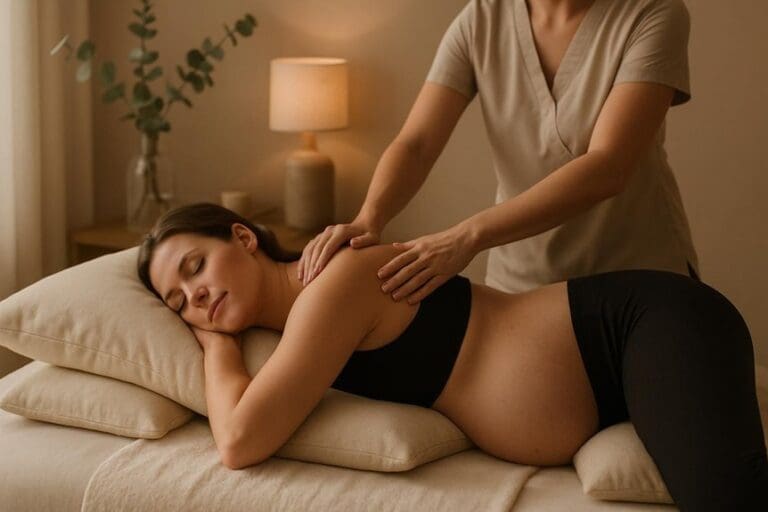
Many individuals report enhanced emotional well-being following sessions, attributing benefits to both the skilled touch and the calming environment provided in Spa & Massage clinics.
How Aromatherapy and Massage Work Separately and Together
Building on the physiological and psychological benefits established through manual therapy, the integration of aromatherapy introduces another dimension to holistic care. Massage therapy primarily employs mechanical manipulation of soft tissues to enhance circulation, reduce muscle tension, and promote relaxation.
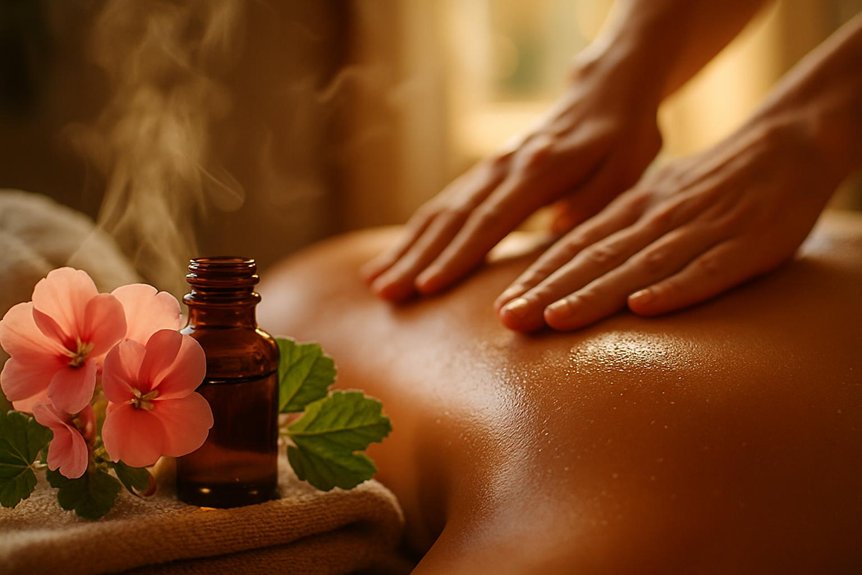
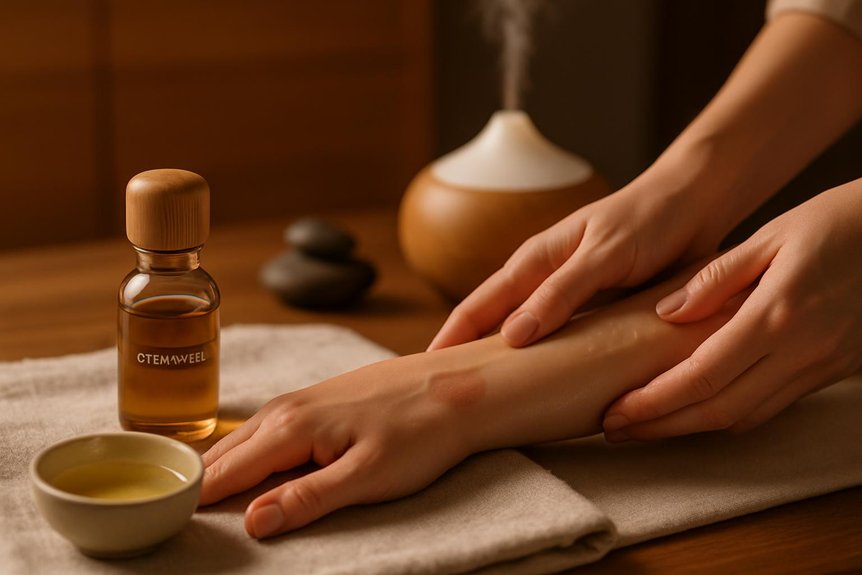
Aromatherapy, in contrast, leverages the inhalation and topical application of essential oils to influence mood, stress response, and overall sense of wellbeing. When combined, as practiced at Spa & Massage clinics, these therapies act synergistically: massage enhances absorption of carefully selected oils, while aromatic compounds may deepen relaxation and emotional connection.
Therapists are trained to match essential oils to individual needs, ensuring both safety and efficacy. This dual approach supports a tailored, intimate experience, fostering profound physical and emotional resonance without compromising clinical safety standards.
Choosing the Right Treatment for Your Needs
Selecting an appropriate treatment hinges on a careful assessment of individual health objectives, current physical condition, and personal preferences.
For those seeking targeted muscular relief or rehabilitation, a massage—such as deep tissue or sports massage, as practiced at Spa & Massage—addresses tension, improves circulation, and supports recovery.
Conversely, individuals prioritizing emotional equilibrium or stress reduction may benefit from aromatherapy, which utilizes essential oils to modulate mood and promote relaxation.
Safety remains paramount; clients should disclose any allergies, sensitivities, or medical concerns prior to treatment.
Therapists at Spa & Massage perform thorough consultations to tailor each session, ensuring both efficacy and comfort.
Ultimately, integrating both modalities may provide synergistic benefits, but the most suitable selection is always guided by each client’s unique wellness goals and sensitivities.
What to Expect at Spa & Massage Clinics
Upon arrival at Spa & Massage clinics, clients undergo a structured intake process designed to assess individual health status, treatment goals, and any contraindications. This process guarantees that each treatment—whether aromatherapy, deep tissue, or reflexology—is tailored to the client’s unique physical and emotional needs.
Therapists at Spa & Massage employ evidence-based protocols, selecting massage techniques and essential oils that are safe, effective, and appropriate for each individual. Clinical-grade hygiene standards are maintained throughout, and therapists provide clear aftercare instructions to optimize therapeutic benefit and minimize adverse reactions.
The tranquil environment, combined with professional consultation, fosters a sense of comfort and trust, allowing clients to experience deep relaxation and connection. This personalized, safety-focused approach underscores Spa & Massage’s commitment to client wellbeing and intimacy.
Conclusion
In conclusion, while aromatherapy entices the olfactory senses with botanical flair and massage appeals to the musculoskeletal system with deliberate kneading, both therapies endorse well-being—assuming one doesn’t anticipate extraordinary insight during the initial appointment. Evidence indicates safety and effectiveness are maximized when certified practitioners follow established procedures, and clients set pragmatic expectations. Ultimately, whether one desires aromatic uplift or tactile reform, an educated, safety-aware methodology is the benchmark—lest relaxation turn into a warning story.