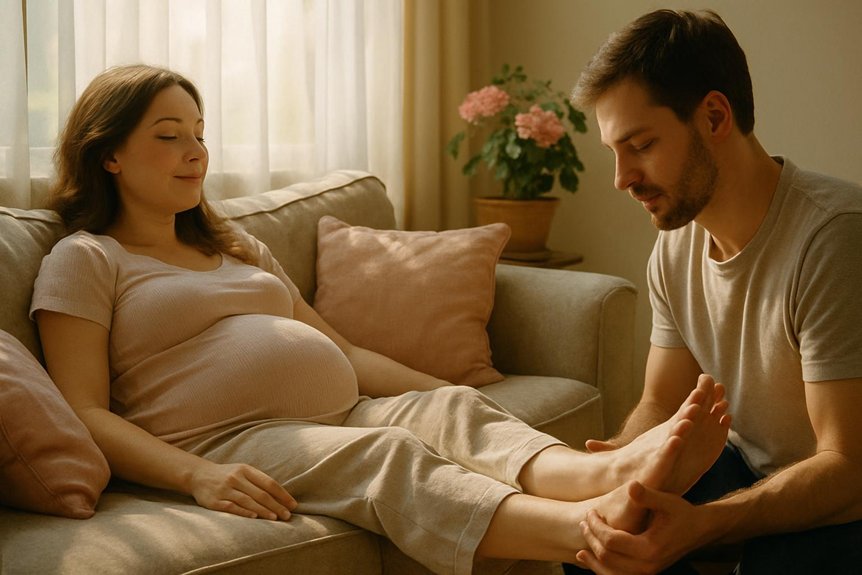
Foot massage during pregnancy is generally safe and beneficial when performed by trained professionals using gentle techniques and following clinical safety guidelines. It can reduce lower limb oedema, enhance venous return, and relieve musculoskeletal discomfort. However, specific precautions—such as avoiding deep pressure on certain reflex zones and consulting healthcare providers for high-risk conditions—are necessary to minimise potential risks. Sessions are usually recommended once or twice weekly, depending on individual needs. More detailed guidance is provided below.
Understanding Foot Massage During Pregnancy
While pregnancy induces significant physiological changes, foot massage can offer targeted relief from common discomforts such as oedema, muscle tension, and fatigue.
Spa & Massage clinics recognize that increased blood volume, hormonal fluctuations, and biomechanical alterations can predispose expectant mothers to swollen feet and heightened sensitivity.
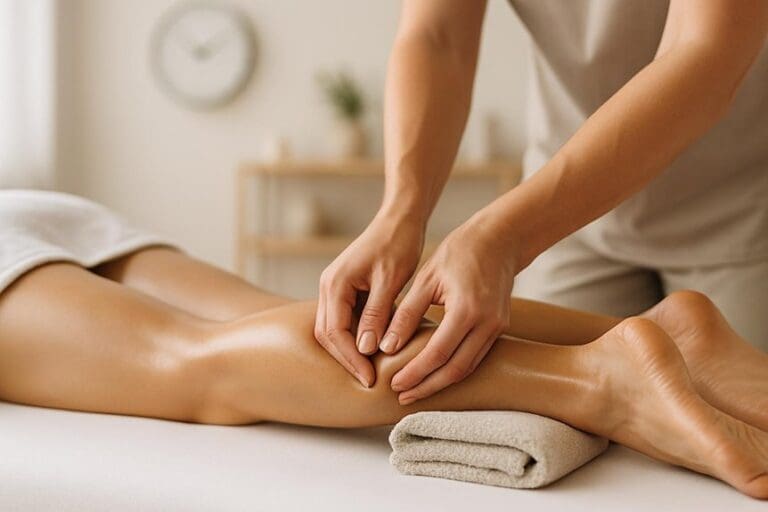
Foot massage, when performed by trained therapists, employs gentle effleurage and light kneading to stimulate local circulation, which may assist in reducing fluid accumulation and alleviating mild discomfort.
However, it is essential to contemplate contraindications, including high-risk pregnancies, preeclampsia, or deep vein thrombosis, as these conditions may necessitate medical clearance prior to treatment.
In our clinics, therapists prioritize client safety and comfort, adapting techniques to individual needs and gestational progression, ensuring a nurturing yet clinically responsible approach.
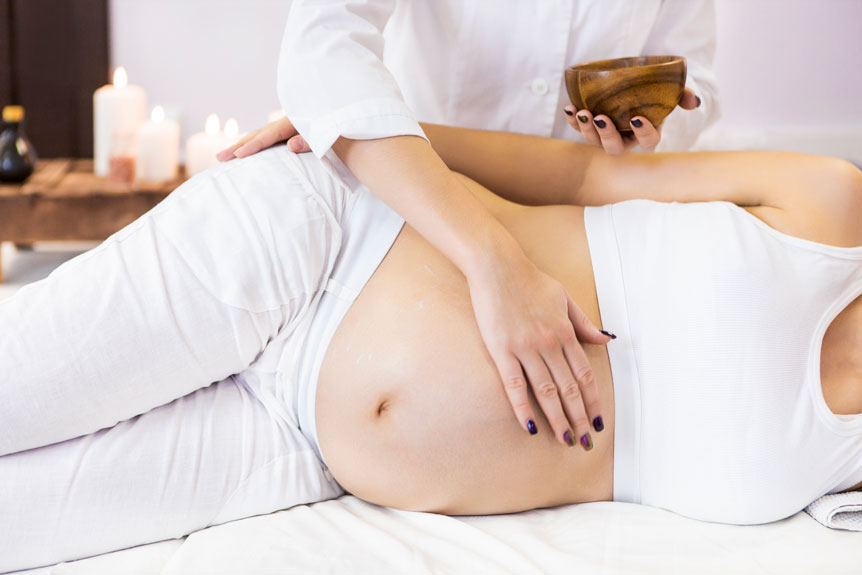
Additionally, incorporating aromatherapy massage into pregnancy foot massage sessions may enhance relaxation and support the healing process through carefully selected essential oils, as highlighted in current best practices.
Key Benefits of Foot Massage for Expectant Mothers
Clinical evidence indicates that professional foot massage during pregnancy may assist in reducing peripheral oedema and associated discomfort, while also supporting venous return and circulation.
Enhanced circulation is particularly important in mitigating risks related to fluid retention and vascular congestion.
Additionally, targeted techniques used at Spa & Massage are designed to promote relaxation and improve sleep quality, both of which are essential for maternal health.
Reducing Swelling and Discomfort
How can targeted foot massage alleviate common pregnancy-related symptoms?
During pregnancy, many individuals experience oedema—swelling in the feet and ankles—caused by increased fluid retention and pressure on blood vessels. Clinical evidence suggests that skilled foot massage, such as that provided at Spa & Massage, can help mobilise interstitial fluid and reduce discomfort.
Gentle effleurage and specific lymphatic drainage techniques, administered by trained therapists, promote comfort while minimising risk to mother and baby.
Careful attention is given to pressure, duration, and client positioning to avoid triggering sensitive reflex points.
Enhancing Circulation Naturally
Why does pregnancy often result in circulatory challenges, particularly in the lower extremities? Increased blood volume, hormonal fluctuations, and uterine pressure on major veins can impede venous return, leading to edema and a sensation of heaviness in the feet and ankles.
At Spa & Massage, therapists employ targeted foot massage techniques to encourage vascular flow and lymphatic drainage. Clinical evidence supports that gentle, rhythmic manipulation of soft tissue can facilitate peripheral circulation and reduce venous stasis, minimizing the risk of complications such as varicosities and deep vein thrombosis.
Therapists at Spa & Massage carefully select pressure and movements suitable for each trimester, prioritizing maternal safety and comfort. Regular sessions can offer a supportive, nurturing approach to optimizing circulatory health during pregnancy, fostering deeper physical connection.
Promoting Relaxation and Sleep
Even as hormonal and physiological changes during pregnancy frequently contribute to insomnia and heightened stress, targeted foot massage offers measurable benefits in modulating autonomic nervous system activity.
Clinical research indicates that gentle, sustained pressure applied to specific reflex zones can reduce sympathetic arousal, promoting parasympathetic dominance associated with relaxation and restorative sleep.
At Spa & Massage, therapists employ carefully selected techniques and hypoallergenic oils to minimise risk while addressing the unique needs of expectant mothers.
By alleviating muscular tension and lowering circulating cortisol levels, foot massage can foster a sense of calm, helping clients shift more easily into restful sleep.
All protocols are tailored to individual presentation, with careful attention to contraindications, ensuring both safety and efficacy throughout the pregnancy journey.
Safety Considerations and Precautions
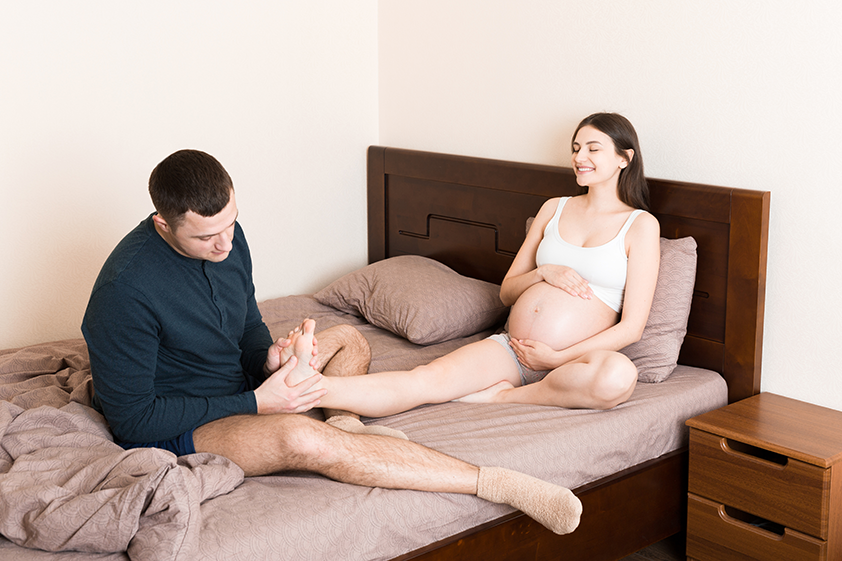
While foot massage can provide significant relief during pregnancy, specific safety considerations must be addressed to minimise risks for both mother and fetus. Clinically, deep pressure should be avoided, especially on certain reflex points believed to stimulate uterine contractions.
At Spa & Massage, therapists are trained to use gentle, targeted techniques, avoiding areas contraindicated during pregnancy, such as the inner ankle and certain pressure points on the feet.
Additionally, clients with complications—such as preeclampsia, gestational diabetes, or a history of preterm labour—should seek medical clearance prior to massage.
Hygiene and hypoallergenic oils are prioritised in our clinics to reduce risk of skin irritation or allergic reactions.
Individualised care, ongoing communication, and professional expertise are essential to ensure a safe, nurturing experience for expectant mothers.
Common Pregnancy Ailments Eased by Foot Massage
A range of pregnancy-related ailments, including oedema, musculoskeletal discomfort, and sleep disturbances, are commonly addressed through targeted foot massage.
Clinical evidence suggests that gentle, professionally administered foot massage may assist in reducing swelling by stimulating lymphatic return and improving peripheral circulation, particularly in the lower extremities.
Musculoskeletal discomfort, often manifesting as lower limb cramps or plantar fasciitis, is alleviated as massage techniques promote muscle relaxation and relieve tension.
Clients experiencing insomnia or disrupted sleep during pregnancy may find that foot massage facilitates parasympathetic nervous system activation, encouraging deep relaxation and improved rest.
At Spa & Massage, therapists prioritise client safety, adapting pressure and avoiding contraindicated zones to minimise risk.
This personalised, attentive care fosters a sense of comfort, helping expectant individuals feel supported throughout pregnancy.
Techniques Used at Spa & Massage for Pregnant Clients
Recognising the physiological changes and heightened sensitivities during pregnancy, therapists at Spa & Massage implement carefully modified foot massage techniques to mitigate risk and optimise therapeutic outcomes.
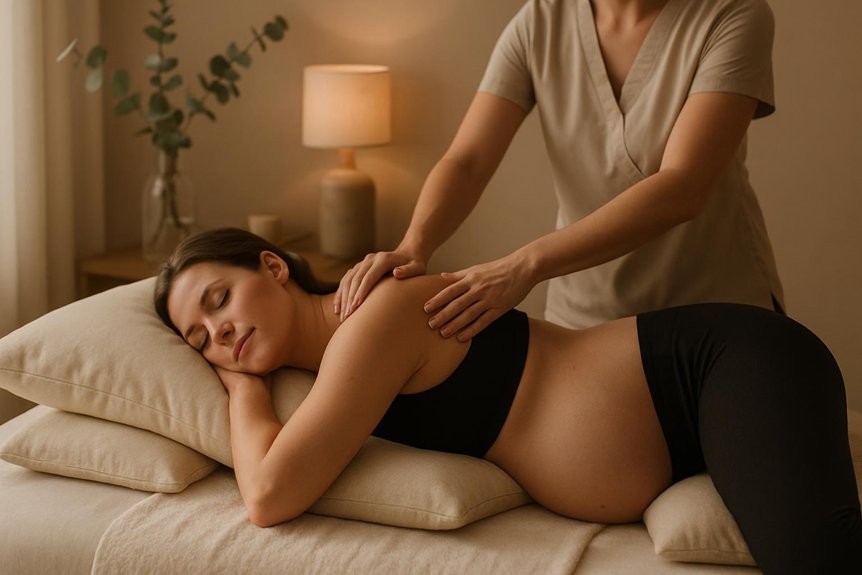
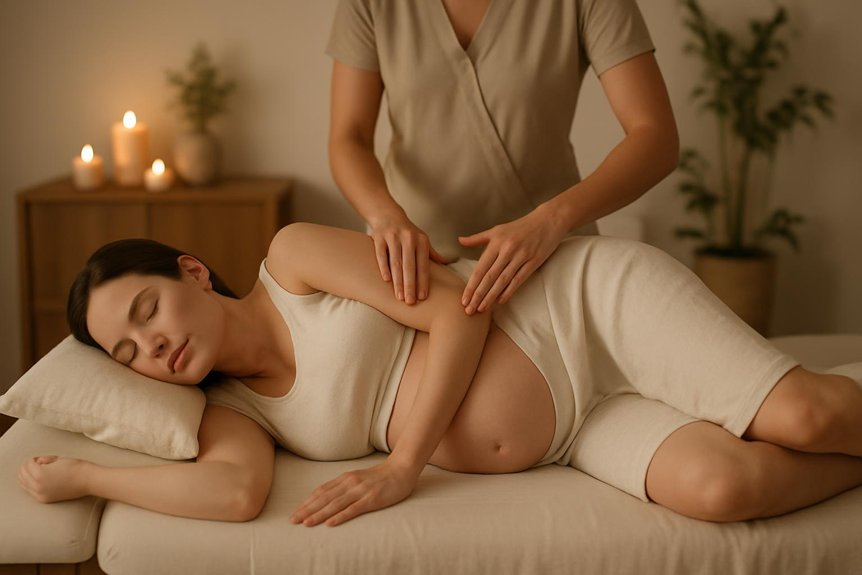
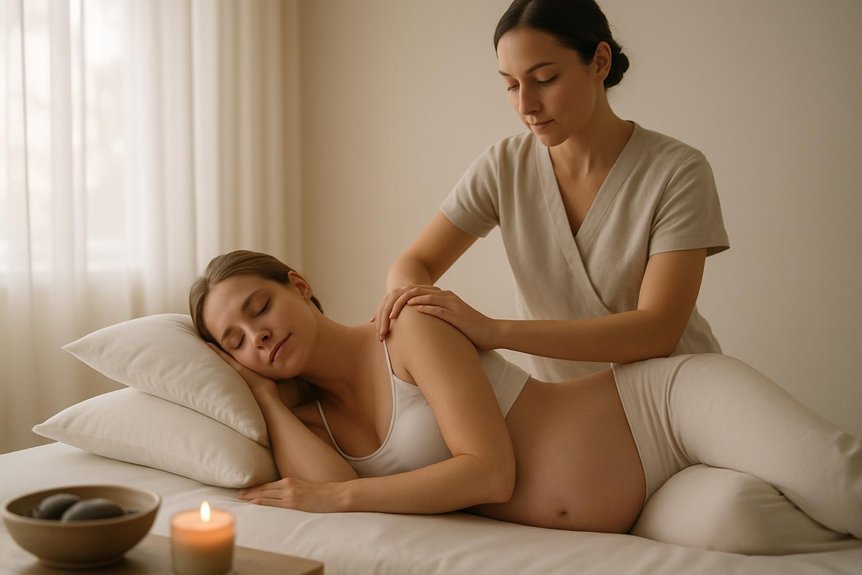
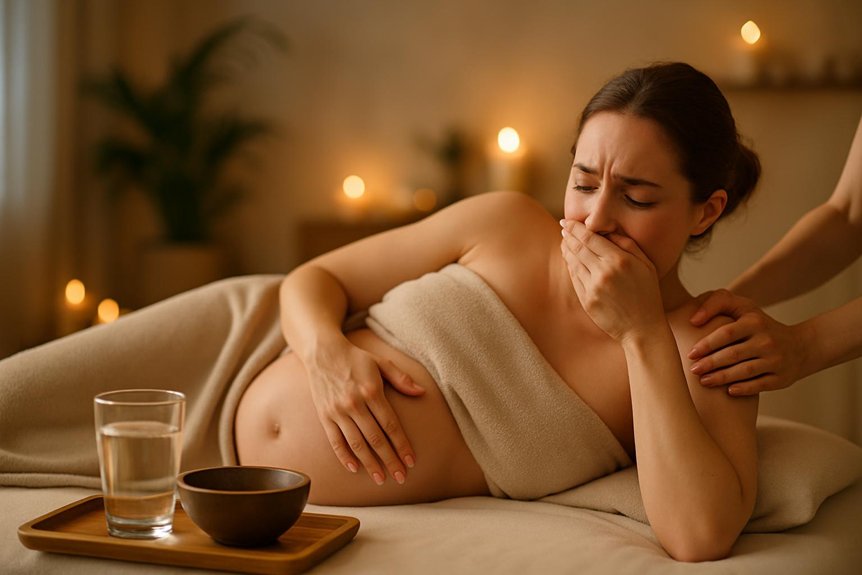
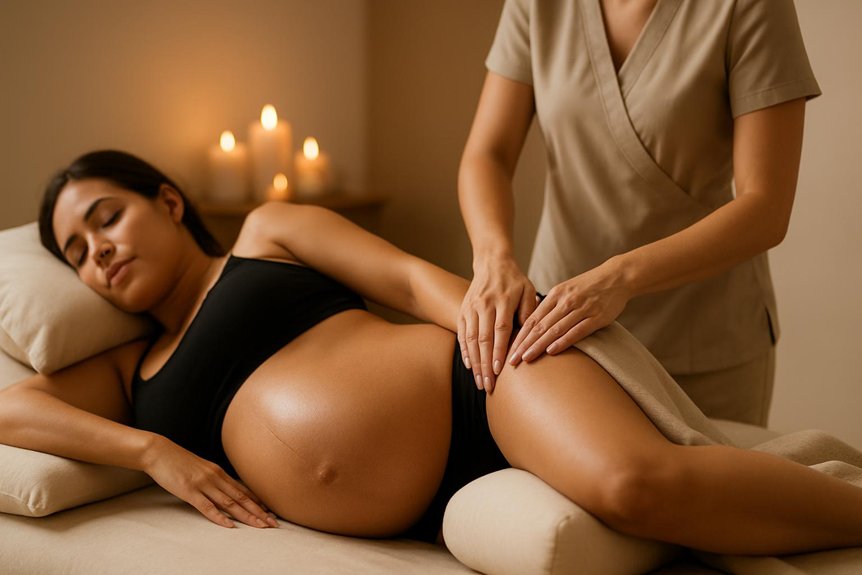
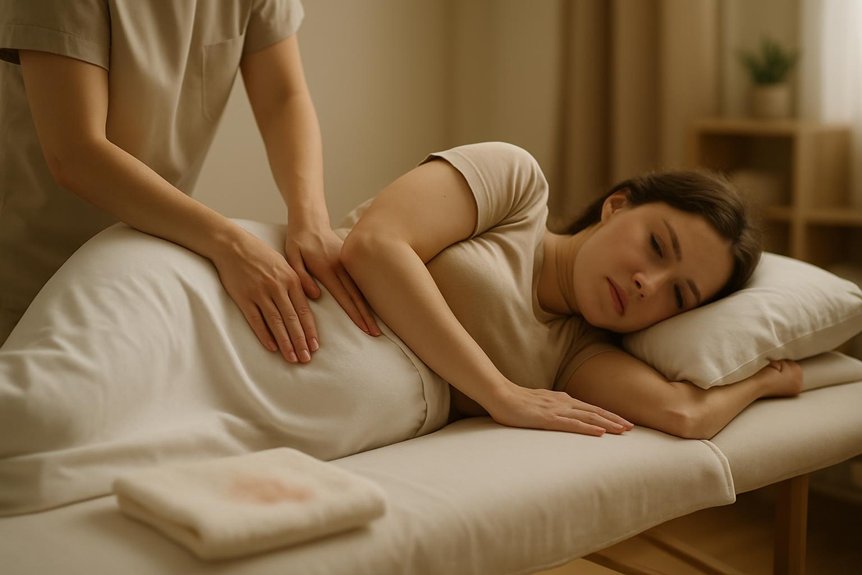
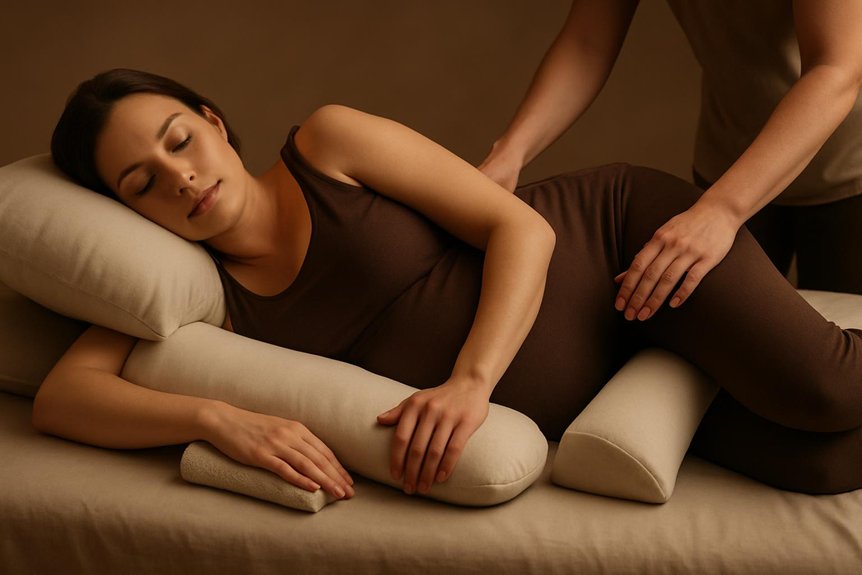
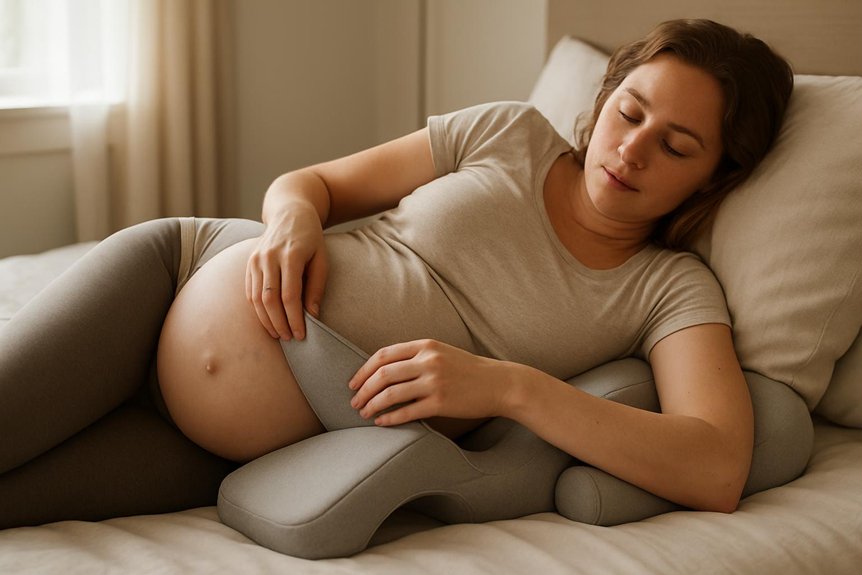
Each session prioritises maternal comfort and safety—clients are positioned with supportive cushions to reduce venous compression and avoid supine hypotensive syndrome.
Therapists employ slow, gentle effleurage and light kneading, consciously avoiding deep pressure or stimulation of contraindicated reflex points, such as those associated with uterine contractions.
Circulatory enhancement is achieved through rhythmic, proximal-to-distal strokes, minimising oedema while monitoring for any discomfort or adverse reactions.
Communication between therapist and client remains central, facilitating continuous assessment of pressure and temperature tolerance.
The Spa & Massage approach reflects evidence-based methodology, ensuring both nurturing touch and clinical vigilance throughout the pregnancy massage experience.
Recommended Oils and Products for Pregnancy Foot Massage
Alongside tailored massage techniques, the selection of oils and topical products plays a significant role in ensuring both efficacy and safety during pregnancy foot massage at Spa & Massage clinics.
Clinicians at Spa & Massage prioritize hypoallergenic, unscented, or lightly fragranced plant-based oils such as sweet almond or grapeseed, minimising exposure to potential allergens and irritants.
Essential oils, particularly those contraindicated in pregnancy (including clary sage, rosemary, and juniper), are strictly avoided to reduce teratogenic and sensitisation risks.
All products used are subject to rigorous safety assessments, with a focus on non-comedogenic and non-toxic formulations.
This careful approach allows clients to experience both comfort and reassurance, fostering trust and intimacy during each session while safeguarding maternal and fetal wellbeing throughout the pregnancy journey.
How Often Should You Have Foot Massage While Pregnant?
Current clinical guidelines suggest that pregnant individuals may benefit from foot massage once or twice weekly, provided there are no contraindications.
It remains essential to observe for any adverse symptoms and modify frequency accordingly, as individual tolerance may vary.
Spa & Massage therapists advise clients to consult their healthcare provider before commencing or increasing massage frequency during pregnancy to ensure safety.
Recommended Frequency Guidelines
While the therapeutic benefits of foot massage during pregnancy are well-documented, establishing an appropriate frequency requires careful consideration of individual health status, gestational stage, and the presence of any contraindications.
Clinical guidelines suggest that, in the absence of high-risk factors, a once-weekly foot massage is generally considered safe throughout most of pregnancy.
At Spa & Massage, therapists meticulously assess each client’s medical history and tailor treatment intervals accordingly, prioritising maternal and fetal well-being.
For those experiencing pronounced oedema or musculoskeletal discomfort, a frequency of up to twice weekly may be recommended under professional supervision.
However, any increase in session regularity should be guided by consultation with a qualified healthcare provider to mitigate risks such as circulatory complications or preterm contractions.
Individualised care remains paramount.
Listening to Your Body
Beyond general frequency guidelines, individual physiological responses during pregnancy must guide the scheduling of foot massage sessions. Each pregnancy presents unique vascular, musculoskeletal, and hormonal changes, which may alter tolerance and benefit from massage.
At Spa & Massage, therapists encourage clients to monitor for signs of discomfort, swelling, or tenderness during and after sessions. Should these arise, the interval between treatments may need adjusting.
Adverse symptoms such as increased edema, pain, or dizziness signal the need to pause or modify frequency. Clients are advised to remain attentive to subtle bodily feedback, prioritising rest and well-being over routine.
This personalised approach, applied at our clinics, guarantees that massage supports comfort and safety, rather than imposing a rigid schedule, allowing for a nurturing, responsive experience.
Consulting Your Healthcare Provider
Prior to establishing a schedule for foot massage during pregnancy, consultation with a healthcare provider is strongly recommended to assess individual medical history, risk factors, and any existing complications.
Medical professionals can determine the safety and best frequency of massage, particularly for those with high-risk pregnancies, preeclampsia, or history of blood clots.
Evidence suggests that while regular massage may alleviate swelling and discomfort, contraindications must be considered on a case-by-case basis.
At Spa & Massage, therapists collaborate with clients to confirm their treatment plans align with medical advice, prioritising maternal and fetal well-being.
Open communication between the client, healthcare provider, and massage therapist enables tailored frequency—often ranging from weekly to biweekly sessions—while safeguarding health throughout pregnancy’s unique progression.
What to Expect During a Pregnancy Foot Massage Session
During a pregnancy foot massage session at Spa & Massage, clients can anticipate a thorough consultation to assess health status, gestational age, and specific concerns such as swelling or discomfort.
Therapists employ evidence-based protocols, focusing on gentle, rhythmic techniques that promote lymphatic drainage and reduce oedema while avoiding contraindicated pressure points, especially around the ankles and inner foot arch.
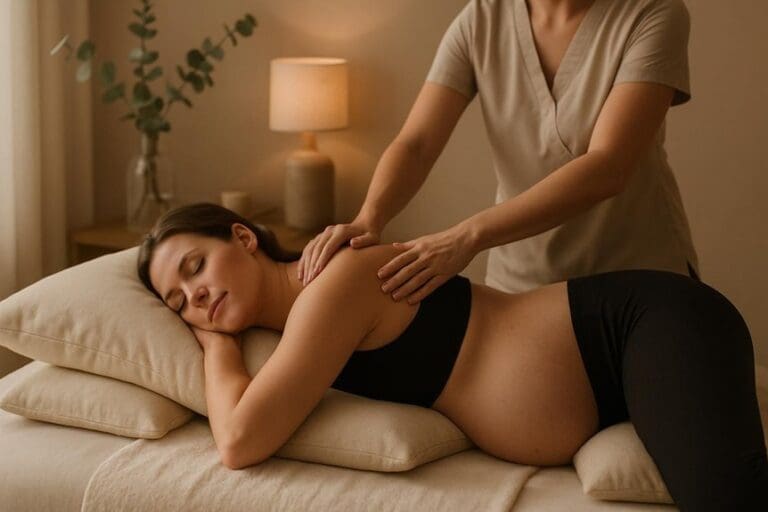
Sessions are conducted in a tranquil environment to encourage relaxation and trust.
Clinical attention is given to client positioning, utilising supportive cushions to maintain ideal maternal circulation and comfort.
Therapists continuously monitor for signs of vascular compromise or abnormal tenderness.
Aftercare advice includes hydration and gentle movement.
This intimate approach ensures the experience is both safe and nurturing, reflecting Spa & Massage’s commitment to maternal wellbeing.
Conclusion
Ultimately, a professionally administered foot massage during pregnancy can be a gentle anchor in the stormy seas of physical change, providing symptom relief and psychological comfort. Clinical evidence suggests benefits such as edema reduction and improved circulation, but it is essential to proceed with caution, adhering to established safety protocols. Consulting qualified therapists and healthcare providers ensures that the risks are minimized and the therapeutic advantages optimized, safeguarding both maternal and fetal well-being.