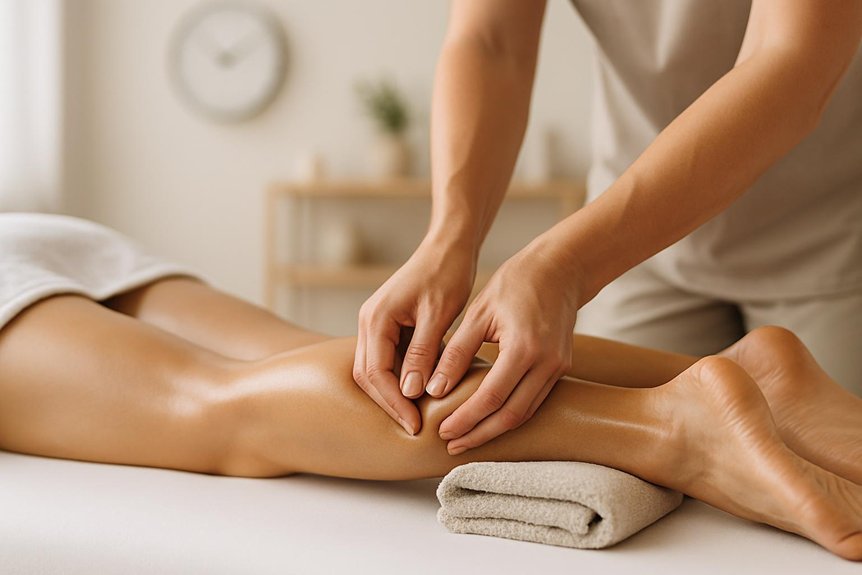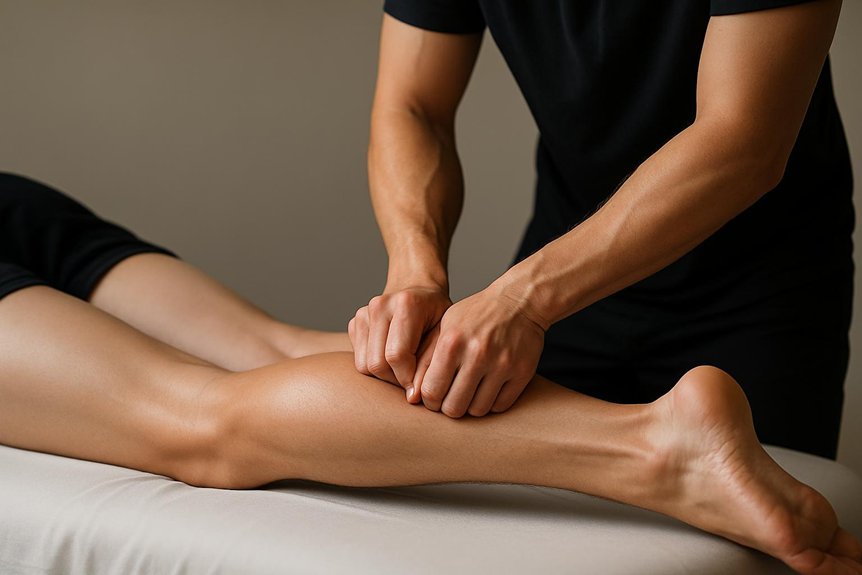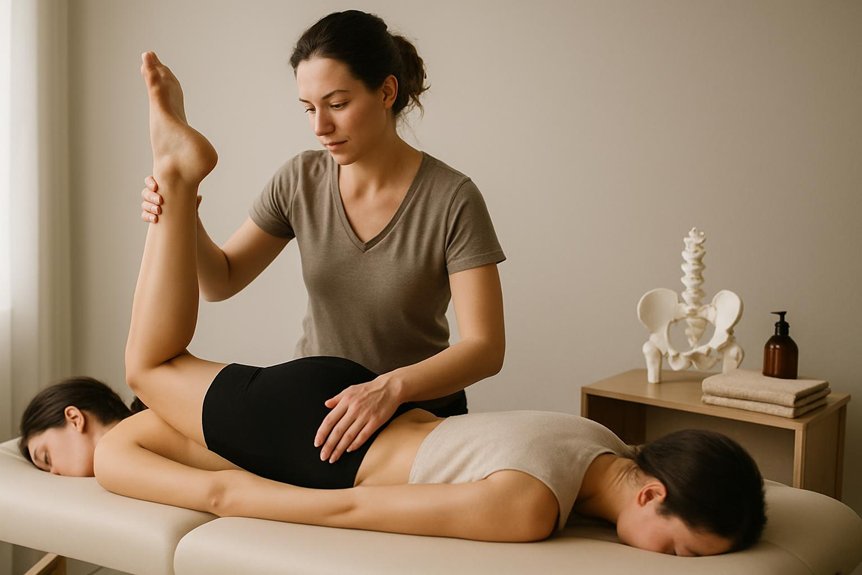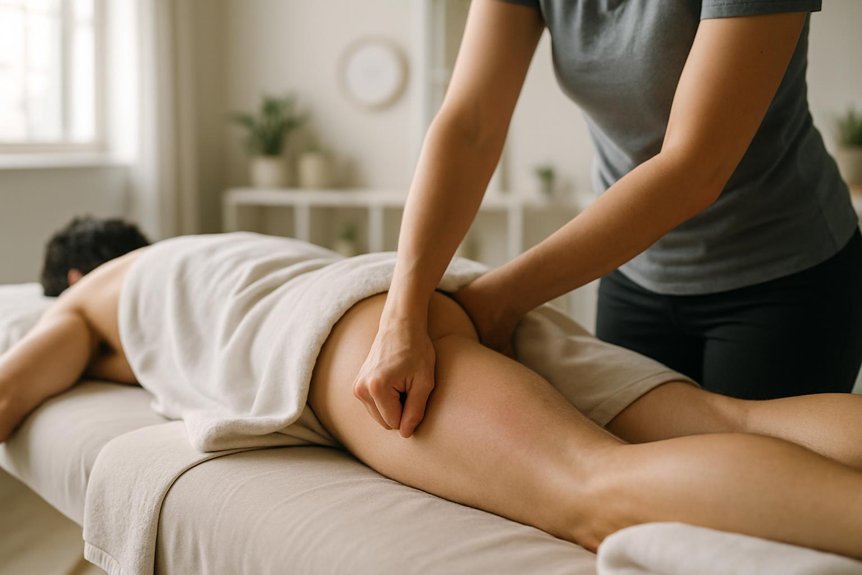
An intensive tissue massage results in a modest calorie expenditure by stimulating circulation, increasing metabolic activity, and promoting tissue repair. The energy demand arises primarily from the manipulation of muscular and connective tissues, which temporarily elevates metabolic rate. However, the overall calorie burn is minor compared to physical exercise, as massage is a passive process. Factors such as session duration, technique, and individual body composition influence this effect. Further information can provide comparative data and additional wellness benefits.
Understanding Deep Tissue Massage
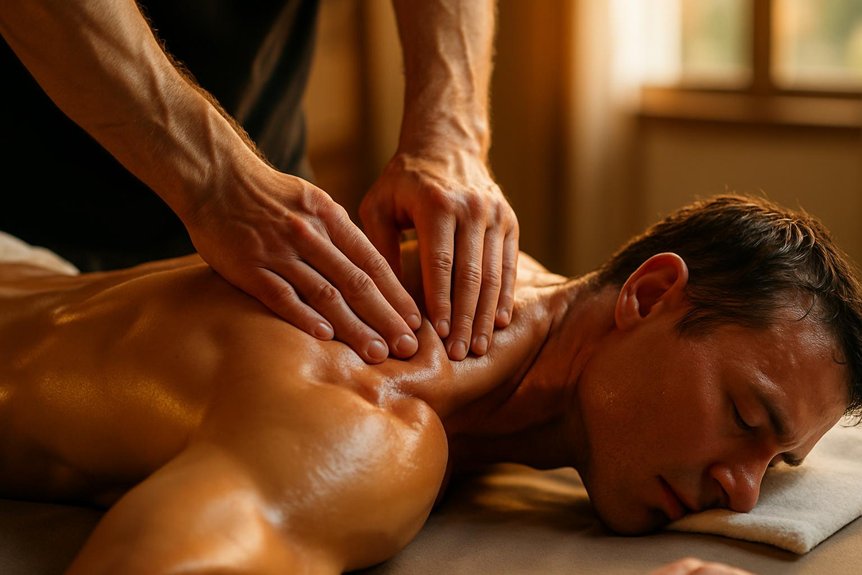
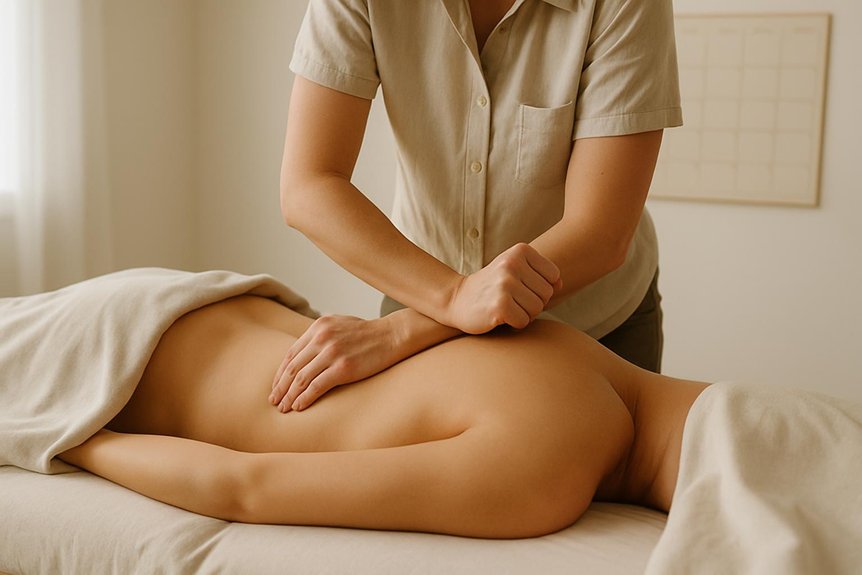
What distinguishes intensive tissue massage from other modalities is its focus on targeting the deeper layers of muscle and connective tissue. This technique employs slow, deliberate strokes and sustained pressure, allowing practitioners to address chronic tension patterns and adhesions beneath superficial musculature.
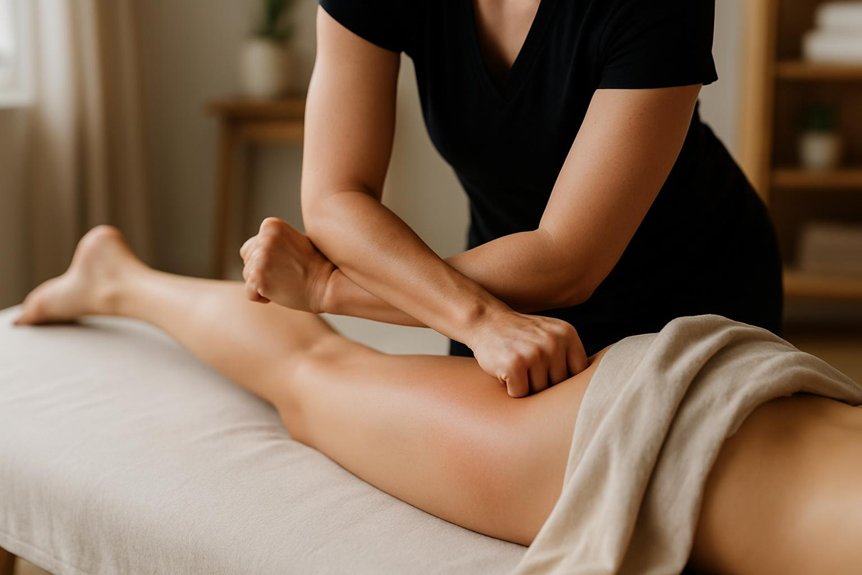
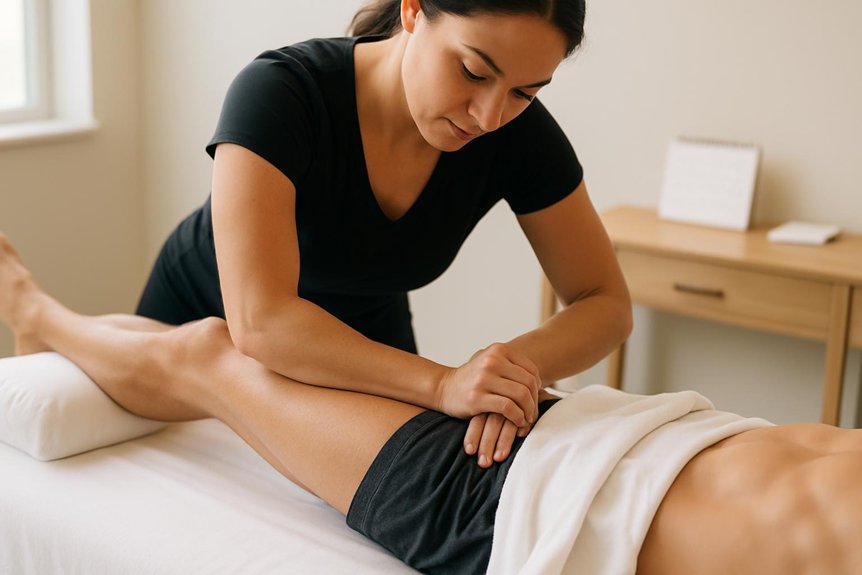
At Spa & Massage, therapists utilize anatomical expertise to locate and manipulate specific myofascial structures, facilitating a profound release of entrenched restrictions. The method often incorporates forearms, elbows, and knuckles, delivering precision while maintaining client comfort.
It is particularly suited for individuals experiencing persistent musculoskeletal discomfort or seeking enhanced somatic awareness. Each session is tailored, respecting the unique physiological and emotional landscape of the recipient.
Through this intentional, intimate engagement, the client experiences a sense of reconnection and therapeutic depth seldom achieved by lighter techniques. Many clients also benefit from the techniques of intensive tissue massage, which can lead to improved range of motion and faster recovery from muscle strain.
How the Body Responds During a Therapeutic Deep Massage
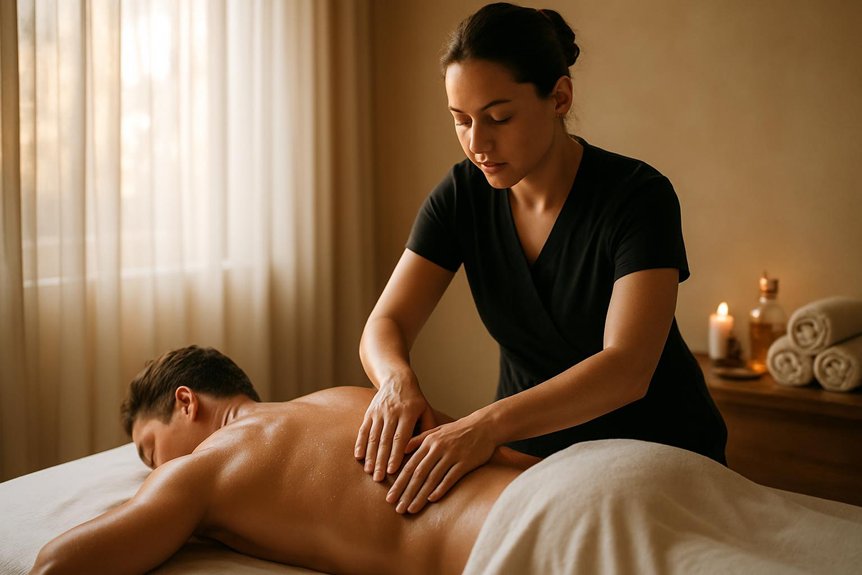
As therapeutic deep massage is administered, the body undergoes a series of physiological responses that extend beyond the immediate area of manual manipulation. Increased local circulation is observed as blood vessels dilate, enhancing tissue oxygenation and nutrient delivery.
The autonomic nervous system shifts toward parasympathetic dominance, resulting in lowered heart rate and reduced muscular tension. Mechanoreceptors within the fascia and muscle fibers are stimulated, contributing to a decrease in pain perception and improved flexibility.
At Spa & Massage, therapists leverage these responses through precise techniques, ensuring each session targets chronic tension while fostering systemic relaxation.
This orchestrated interplay of touch and pressure can also prompt subtle hormonal shifts, such as reduced cortisol levels, inviting a sense of deep calm that lingers well after the treatment concludes.
The Calorie-Burning Potential of Massage Therapy
Although it is primarily sought for its therapeutic and rehabilitative effects, it also induces a modest increase in metabolic activity that can contribute to calorie expenditure.
During a session, physiological processes such as enhanced blood circulation, stimulation of the lymphatic system, and muscle tissue manipulation require energy. This energy expenditure results in a small but measurable number of calories being burned.
At Spa & Massage, therapists use targeted techniques that may elevate heart rate and promote localized muscular response, leading to a transient rise in metabolic rate. While this effect is not equivalent to the calorie burn achieved through vigorous physical exercise, it offers an added dimension of wellness—supporting the body’s natural processes in a restorative and nurturing environment.
Comparing Calorie Burn: Massage Versus Other Activities
When evaluating energy expenditure, therapeutic deep massage produces a modest caloric burn compared to light exercise such as walking or gentle cycling.
The primary distinction lies in passive versus active calorie use: massage recipients experience passive energy expenditure, while exercise requires active muscular engagement.
Understanding these differences is essential for individuals considering massage as part of their broader wellness or weight management strategy.
Massage Versus Light Exercise
While both intensive tissue massage and light exercise contribute to overall wellness, their effects on calorie expenditure differ markedly.
Light exercise, such as brisk walking or gentle cycling, stimulates metabolic activity through active muscle engagement, resulting in a moderate increase in caloric burn—typically ranging from 150 to 250 calories per hour, depending on intensity and individual factors.
In contrast, as practiced at Spa & Massage clinics, prompts only a modest rise in energy expenditure, primarily due to passive tissue manipulation and mild circulatory enhancement.
Although massage facilitates relaxation and recovery, it does not match the thermogenic demands of even low-intensity movement.
Clients seeking to optimise overall health often benefit from integrating both modalities, leveraging massage for musculoskeletal recovery and exercise for cardiovascular and metabolic health.
Passive Versus Active Calorie Use
The physiological distinction between passive and active calorie expenditure is fundamental in understanding the relative impact of different wellness interventions. Passive activities, such as intensive tissue massage at Spa & Massage, induce modest caloric consumption primarily through enhanced circulation, autonomic nervous system modulation, and minor muscular responses.
In contrast, active calorie use—typified by exercise—drives significant energy expenditure via voluntary muscle contractions and increased cardiovascular demand. While an intensive tissue massage session does result in some caloric burn, the magnitude is substantially less than that achieved through physical activity.
However, passive interventions provide unique physiological benefits, including muscle recovery and stress reduction, which can indirectly support an individual’s active lifestyle. At Spa & Massage, therapeutic techniques are tailored to maximize these synergistic wellness effects for each client.
What Factors Influence Calorie Expenditure During Massage
Although intensive tissue massage is primarily recognized for its therapeutic benefits, various physiological and situational factors directly influence the number of calories expended during a session. Individual basal metabolic rate, body mass, and muscle composition are intrinsic determinants of passive caloric expenditure while receiving massage.
The intensity and duration of the session, as well as specific massage techniques employed—such as those targeting larger muscle groups—can subtly increase energy consumption. At Spa & Massage, therapists tailor pressure and technique based on client needs, which may modulate metabolic responses.
Environmental factors, including room temperature and client relaxation levels, also play a role. While calorie burn is generally modest, understanding these influences allows for a more informed perspective on the metabolic effects of professional intensive tissue massage within a holistic wellness context.
Additional Health Benefits Beyond Calorie Burn
Beyond caloric expenditure, intensive tissue massage is associated with enhanced muscle recovery and improved circulation, both supported by clinical research. Targeted manual techniques facilitate the removal of metabolic waste and promote nutrient delivery to soft tissues.
At Spa & Massage clinics, these physiological benefits are integral to our therapeutic approach, contributing to overall musculoskeletal health and client well-being.
Enhanced Muscle Recovery
How does intensive tissue massage facilitate enhanced muscle recovery?
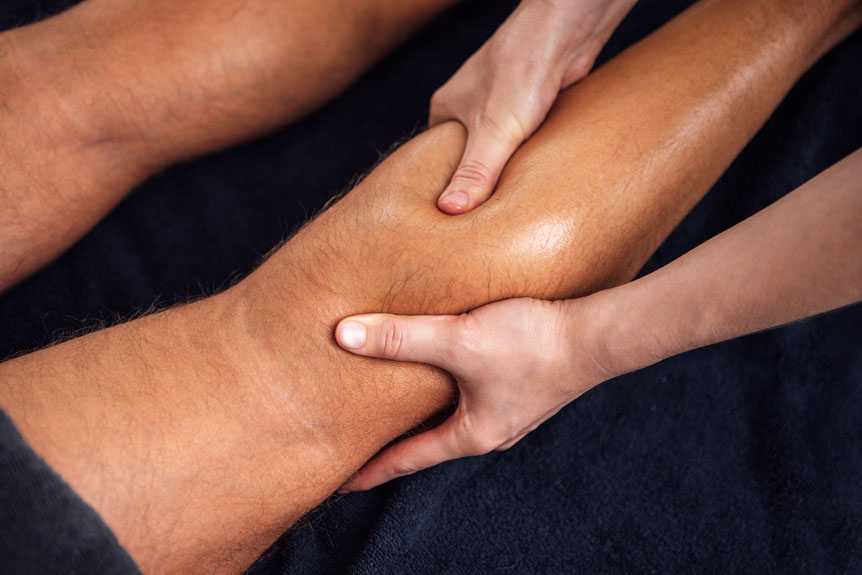
This technique employs targeted pressure to reach deeper muscular and fascial layers, effectively disrupting adhesions and reducing myofascial trigger points. Evidence suggests that such interventions decrease delayed onset muscle soreness and accelerate the restoration of functional tissue integrity.
At Spa & Massage, therapists utilise deliberate strokes and tailored techniques to support the physiological repair process, alleviate accumulated tension, and restore ideal muscle elasticity. This approach not only minimises discomfort but also shortens recovery intervals after intense activity.
Clients often report greater ease of movement and diminished post-exercise fatigue following sessions, reinforcing intensive tissue massage’s value as a complement to active lifestyles.
Professional aftercare recommendations further enhance these restorative outcomes, supporting holistic, sustained recovery.
Improved Circulation Benefits
Efficient vascular function is a cornerstone of overall health, and intensive tissue massage has been shown to enhance circulation by promoting vasodilation and mechanically stimulating local blood flow.
At Spa & Massage clinics, therapists employ targeted pressure and slow strokes, which facilitate the movement of oxygenated blood to muscle tissues and accelerate the removal of metabolic byproducts.
Enhanced circulation supports tissue repair, reduces localized edema, and can improve immune function by optimizing nutrient and waste exchange at the cellular level.
Many clients notice a warming sensation during treatment, reflecting increased peripheral perfusion.
Improved vascular dynamics also contribute to lower blood pressure and decreased muscle fatigue.
Optimising Your Intensive Tissue Massage Experience
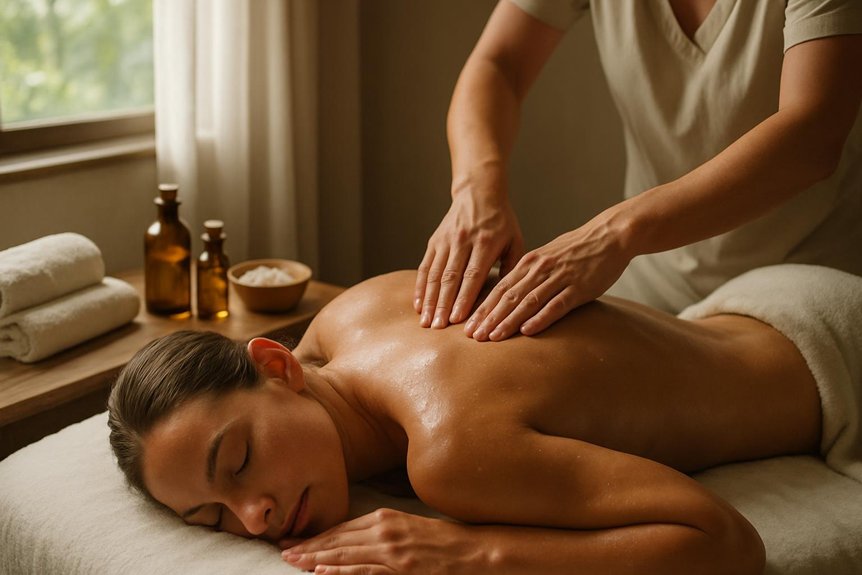
To maximise the therapeutic outcomes of an intensive tissue massage, preparation and informed aftercare are essential. At Spa & Massage, clients are encouraged to arrive well-hydrated, as ideal hydration supports tissue pliability and enhances circulatory response during treatment.
Communicating specific areas of tension or discomfort enables therapists to tailor pressure and technique, ensuring a more personalised and effective session.
The use of high-quality, hypoallergenic oils in our clinics minimises skin irritation and augments glide, facilitating deeper muscle penetration.
Clients are advised to avoid heavy meals or intense physical activity immediately before their appointment to promote relaxation and metabolic efficiency.
These evidence-based practices help create an environment where clients feel both physically and emotionally secure, enhancing the intimate and restorative nature of each session.
Aftercare Tips to Support Wellness Goals
Following an intensive tissue massage, adherence to structured aftercare protocols is critical for optimising therapeutic outcomes and supporting ongoing wellness objectives.
At Spa & Massage, therapists recommend incremental hydration post-session to facilitate metabolic waste elimination and tissue recovery. Gentle mobility exercises, such as light stretching, can enhance circulation and maintain myofascial release benefits.
Clients are advised to avoid strenuous activity or excessive heat exposure within the first 24 hours, supporting musculoskeletal restoration and minimising inflammation.
Nutritionally, a balanced intake of lean proteins and antioxidant-rich foods aids in cellular repair.
Attending to subtle bodily cues—such as localized tenderness or fatigue—enables personalised pacing of self-care.
These evidence-based measures, routinely encouraged in our clinics, reinforce the physiological and psychological gains of intensive tissue massage, nurturing sustained wellness.
Expert Insights From Spa & Massage Therapists
Drawing from extensive clinical experience, Spa & Massage therapists emphasise the multifaceted physiological responses elicited by intensive tissue massage. This modality targets deeper layers of muscle and connective tissue, stimulating localised circulation and triggering the body’s natural repair processes.
According to Spa & Massage practitioners, while intensive tissue massage can marginally elevate metabolic activity and energy expenditure, the primary benefits are observed in enhanced musculoskeletal function, reduced tension, and improved mobility.
Therapists report that clients often experience a sense of physical renewal and increased body awareness post-session. In clinical practice, these outcomes are attributed to the targeted manipulation of muscle fibres, which may indirectly support calorie utilisation through subsequent increased activity or exercise.
Ultimately, Spa & Massage therapists advocate for integrating massage within a holistic wellness strategy.
Conclusion
Much like a skilled gardener tending soil for ideal growth rather than immediate harvest, intensive tissue massage cultivates the body’s internal environment. While calorie expenditure is modest—akin to gentle rainfall nourishing roots—massage’s true value lies in enhancing physiological balance, circulation, and muscular recovery. Evidence from Spa & Massage therapists highlights that, although it cannot substitute active exercise for caloric burn, intensive tissue massage is an essential tool in the holistic garden of overall wellness.