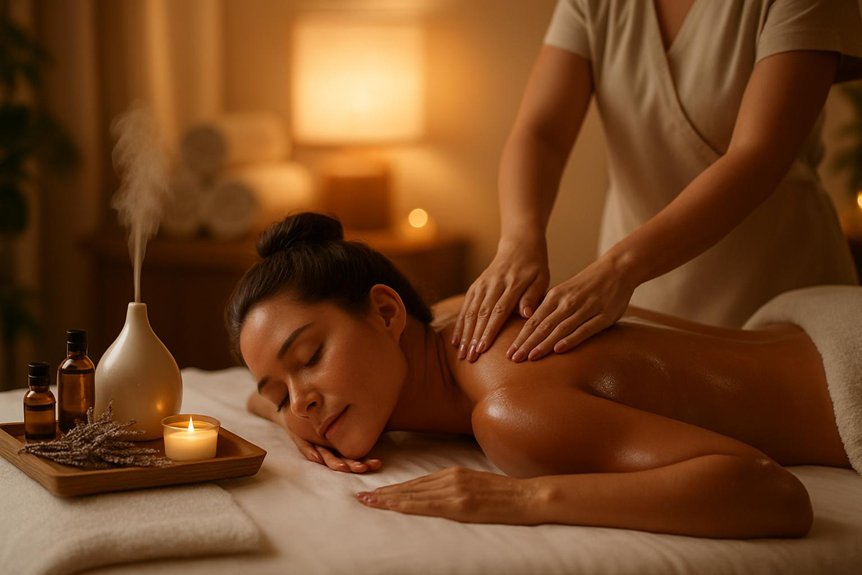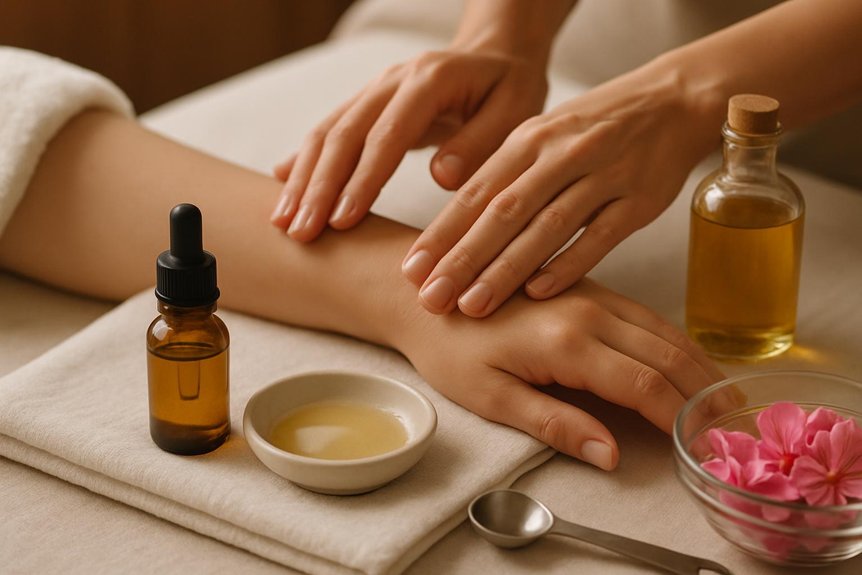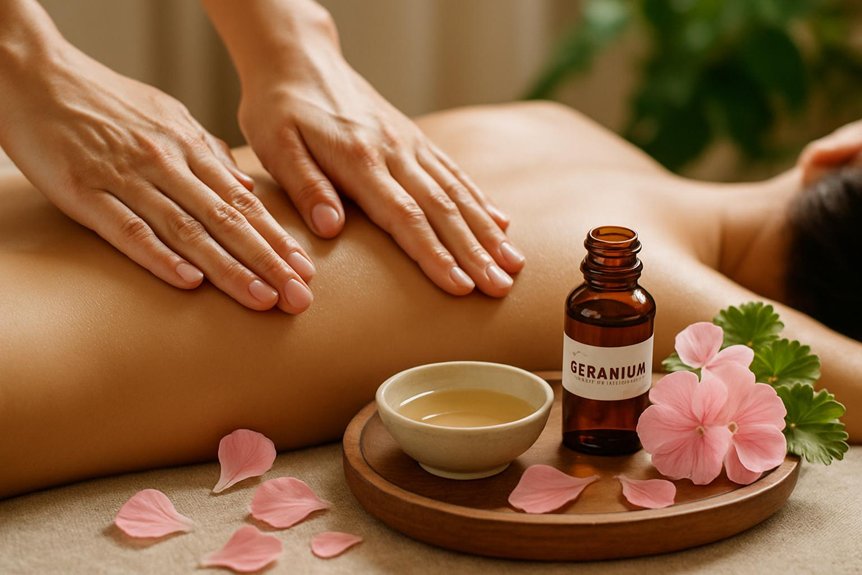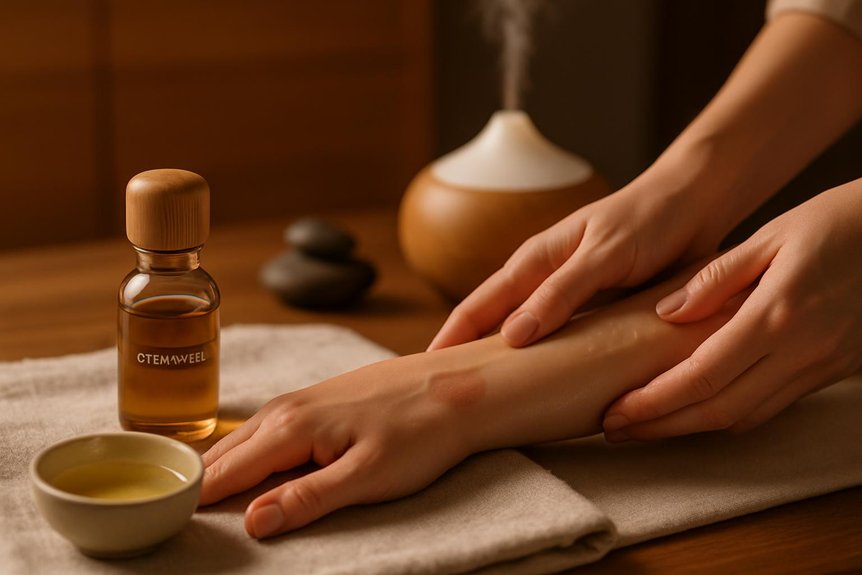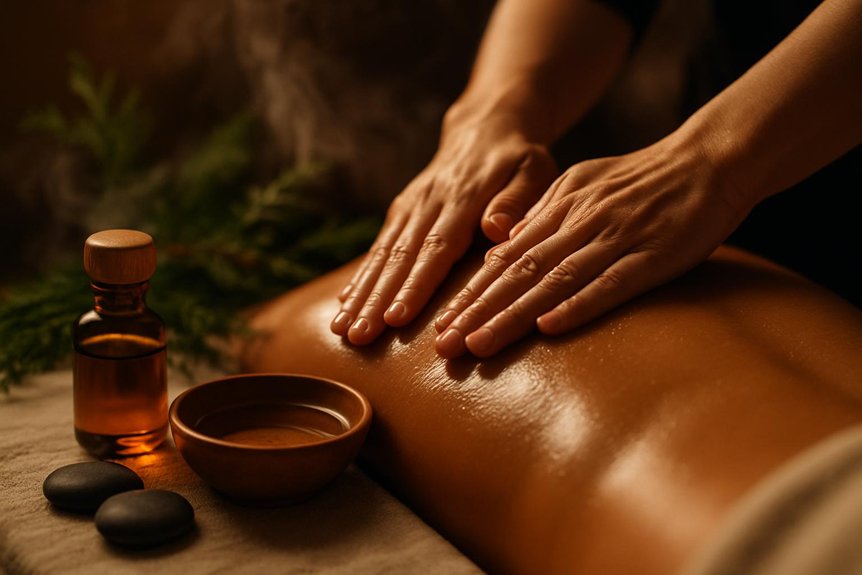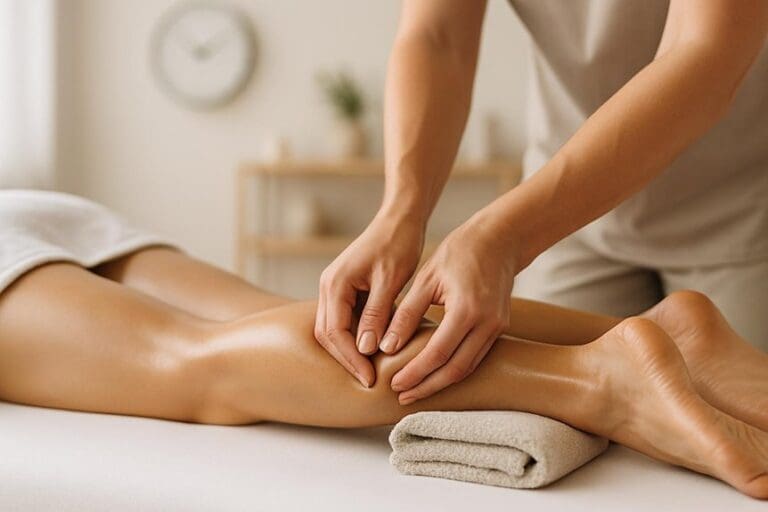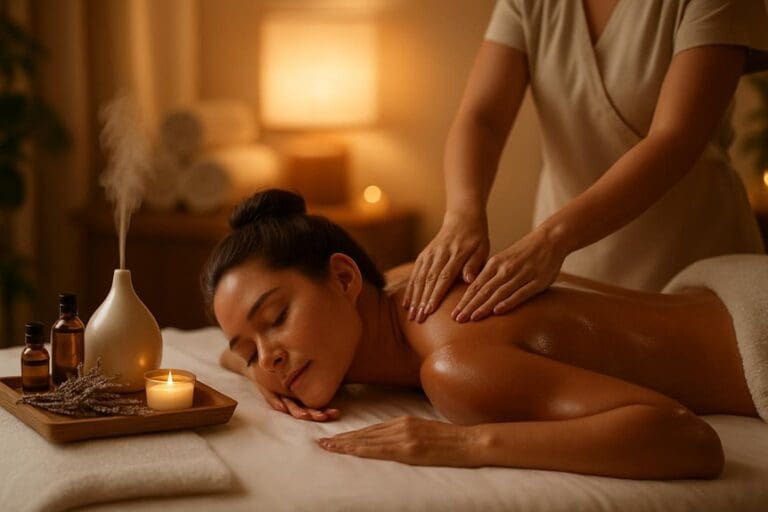
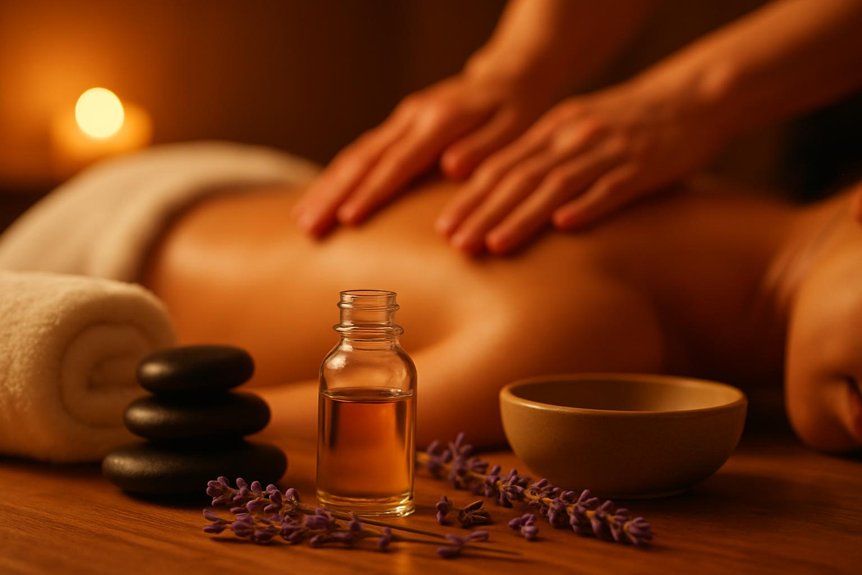
Lavender essential oil in aromatic massage therapy is used to support relaxation and modestly reduce perceived stress and anxiety through calming olfactory stimulation and skin-safe topical application. Key constituents such as linalool and linalyl acetate are associated with shifts toward parasympathetic activity, which may help some people feel calmer and sleep better. It is typically diluted to 1–2% in a carrier oil, with screening and patch testing when indicated to minimise irritation, headaches, or asthma triggers. Further guidance covers selection, contraindications, and aftercare.
What Does Lavender Oil Do in Essential Massage?
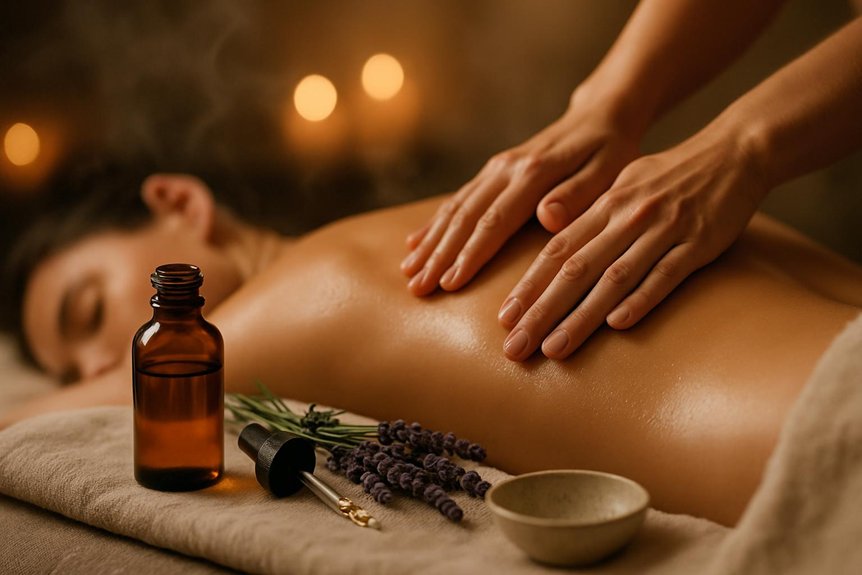
Often selected for its well-characterised scent profile, lavender essential oil in aromatic massage is used primarily to support relaxation and downshift stress responses through olfactory stimulation, while also offering mild, topical comfort benefits when appropriately diluted in a carrier oil. This approach aligns with many aromatherapy massage tips that focus on helping the body relax and heal through calming sensory input.
In Spa & Massage clinics, it is chosen when a client wants calm closeness without heavy sedation; evidence suggests lavender aroma may modestly reduce perceived anxiety and support sleep quality in some people.
Topically, diluted lavender can provide a gentle soothing sensation and may help ease minor tension, though it is not a substitute for medical care.
Safety remains central: essential oils can irritate skin or trigger headaches, asthma symptoms, or allergy. Patch testing, conservative dilution, and avoiding use on broken skin or during sensitivities are recommended.
How Do We Use Lavender Oil in Our Massages?
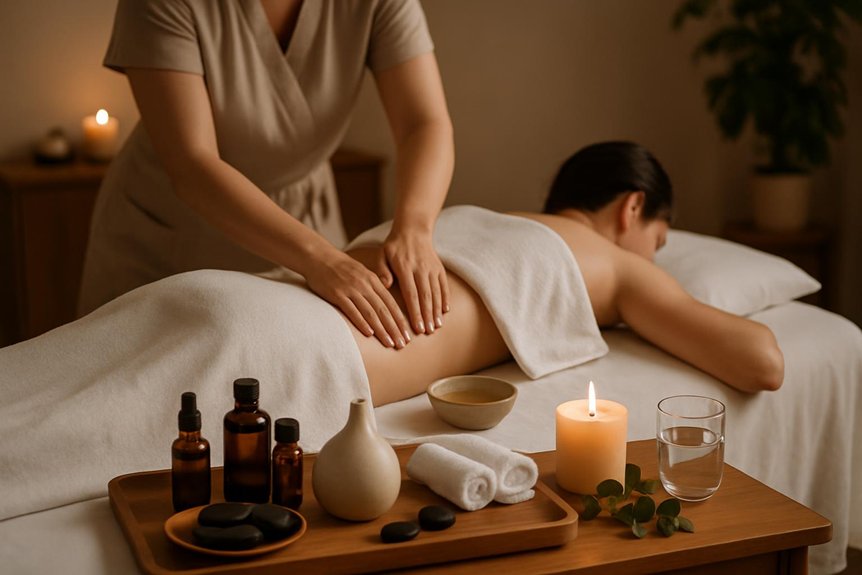
In Spa & Massage clinics, lavender essential oil is incorporated into aromatic massage through a structured process that prioritises client screening, conservative dilution, and controlled exposure to aroma.
Therapists first review allergies, asthma, pregnancy status, migraine triggers, and skin sensitivity, then agree scent preference and boundaries to keep the experience comfortable and intimate.
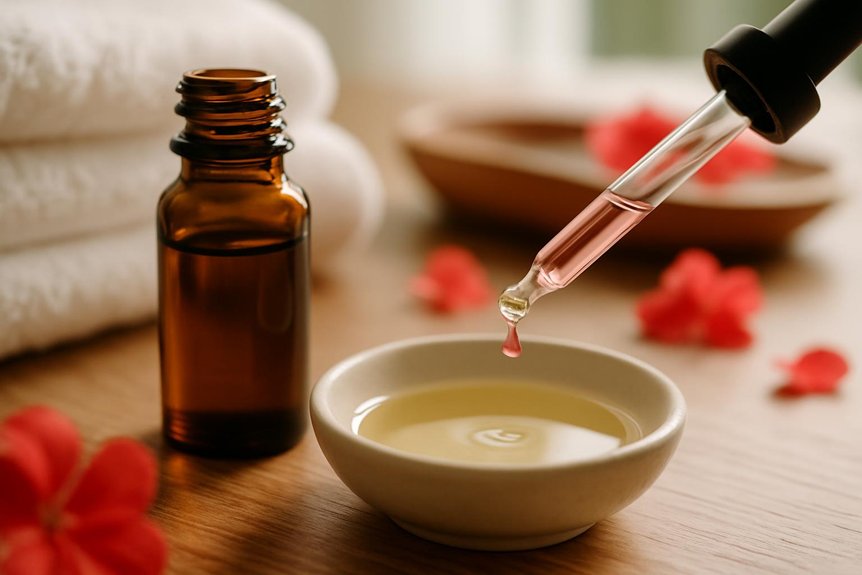
The oil is diluted into a carrier at low concentrations (typically 1–2% for most adults; less for sensitive clients) and patch-tested when indicated.
Application is via warm, measured strokes over larger muscle groups, avoiding eyes, mucosa, and broken skin.
Diffusion is optional and kept brief in ventilated rooms.
Aftercare includes shower timing guidance and monitoring for irritation or headache.
Clients are advised not to ingest oils.
How Does Lavender Oil Help You Feel Calmer?
Lavender essential oil is associated with reduced subjective anxiety and may help downshift sympathetic nervous system activity when used appropriately in aromatic massage.
In Spa & Massage clinics, therapists typically apply properly diluted lavender oil to support relaxation and to help some clients shift into more restful sleep after treatment.
As with all essential oils, safety depends on correct dilution, patch-testing when indicated, and avoiding use where contraindications exist (e.g., pregnancy considerations, asthma triggers, or known sensitivities).
Calms The Nervous System
Through its characteristic aroma and topical use in massage blends, lavender oil is widely used in aromatherapy to support nervous-system settling and perceived stress reduction.
In clinical terms, inhaled constituents (notably linalool and linalyl acetate) are associated with shifts toward parasympathetic activity, which may lower subjective tension and ease “fight-or-flight” reactivity.
When combined with slow, reassuring massage strokes, many clients report a quieter mind and softer breathing, supporting a sense of safety and closeness in the body.
At Spa & Massage, therapists typically dilute lavender in a carrier oil and avoid use on broken skin; a patch test is recommended for sensitive clients.
Caution is advised in pregnancy, asthma, and when using sedating medications; discontinue if irritation occurs.
Promotes Restful Sleep
A calmer nervous system often sets the stage for better sleep, and lavender oil is frequently used in aromatic massage to support this shift toward rest. Evidence suggests lavender’s aroma may reduce perceived anxiety and improve subjective sleep quality, particularly when combined with slow, reassuring touch that cues the body toward parasympathetic dominance.
In Spa & Massage clinics, therapists typically use properly diluted lavender in a carrier oil and apply unhurried strokes over the back, shoulders, neck, and feet, encouraging steady breathing and a sense of safe closeness. For aftercare, clients are advised to hydrate, avoid late caffeine, and keep the room cool and dark.
Patch testing is recommended; lavender should be avoided with known allergies, and pregnancy protocols are followed.
Can Lavender Oil Massage Ease Stress and Improve Sleep?
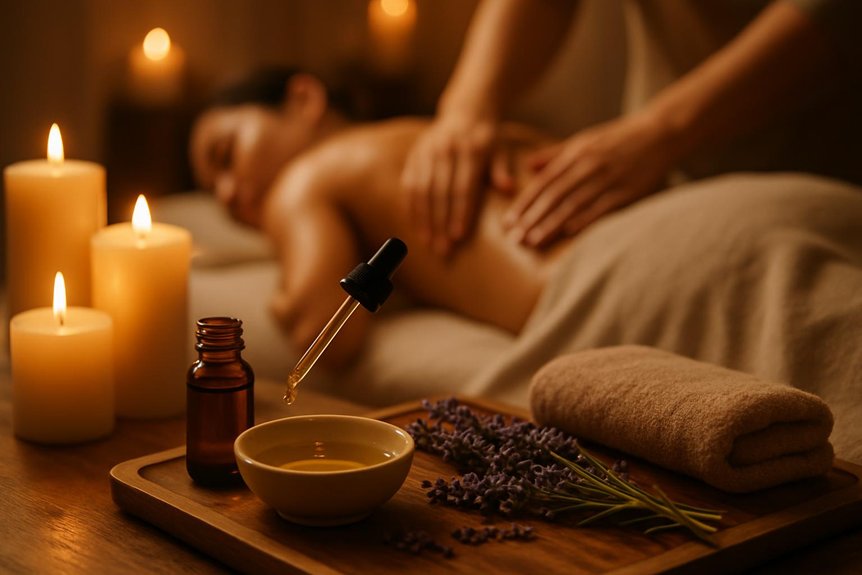
Often used in aromatic massage for its calming profile, lavender essential oil may help reduce perceived stress and support better sleep by modulating autonomic arousal and promoting relaxation before bedtime.
Clinical studies suggest inhaled and topical lavender can lower anxiety scores and improve subjective sleep quality, though effects vary by individual and are not a replacement for medical care.
At Spa & Massage clinics across London, therapists often pair diluted lavender with slow, nurturing effleurage and steady diaphragmatic-breathing cues to encourage a sense of safety and closeness.
For safety, lavender is typically used at low dilution, avoided on broken skin, and patch-tested for sensitive clients; caution is advised in pregnancy, asthma, and with sedatives.
Clients are encouraged to hydrate, keep lighting low, and limit screens afterwards.
Does Lavender Oil Help Sore Muscles After Exercise?
Beyond its calming role in stress and sleep support, lavender oil is also commonly selected in aromatic massage to address post‑exercise muscle soreness (DOMS). Evidence suggests its linalool‑rich aroma may reduce perceived pain and support relaxation, while the massage itself improves circulation and helps settle tight, overworked fibres.
At Spa & Massage clinics across London, therapists often pair lavender in a carrier oil with slow, warming effleurage and targeted sports‑style pressure to ease tenderness without overstretching sensitised tissue. For safety, oil is diluted (typically 1–2%), patch testing is advised, and use is avoided on broken skin; caution applies in pregnancy, asthma, and with known sensitivities.
Aftercare includes hydration, gentle movement, and heat only if swelling is absent.
What Does Lavender Oil Do for Skin During Massage?
During an aromatic massage, lavender essential oil—when correctly diluted in a carrier—primarily supports the skin by improving glide, reducing friction, and offering mild soothing and antimicrobial effects that may help calm transient redness or irritation.
Evidence suggests lavender contains linalool and linalyl acetate, which can contribute to a gentler sensory experience and may reduce the perception of itch or discomfort for some individuals.
In Spa & Massage clinics, therapists use measured dilution and patch-aware practice to minimise irritation, while maintaining a smooth, close-contact stroke that feels nurturing without being abrasive.
The carrier oil also reinforces the skin barrier by reducing transepidermal water loss, leaving skin softer and more supple.
Aftercare typically includes avoiding hot showers immediately and applying fragrance-free moisturiser if needed.
Who Should Avoid a Lavender Oil Massage?
When should lavender oil be avoided in massage? It should be avoided in clients with known allergy to lavender or other Lamiaceae plants, or with a history of fragrance sensitivity, asthma flares, or contact dermatitis.
Use caution with eczema, rosacea, broken skin, or recent shaving, where irritation risk is higher.
Pregnant or breastfeeding clients, and children, should only proceed after clinical approval, as safety data and endocrine effects remain debated.
Clients taking sedatives, sleep aids, or alcohol should avoid lavender aromatherapy immediately before intimate plans that require alertness.
Those with low blood pressure may feel light‑headed.
In Spa & Massage clinics, therapists complete screening and patch testing when indicated, and recommend switching to an unscented carrier oil if any tingling or redness appears.
How to Choose the Right Lavender Oil Massage Blend
Selecting an appropriate lavender oil massage blend begins with verifying purity and source, prioritising clearly labelled botanical identity (Lavandula angustifolia), batch traceability, and reputable testing to reduce adulteration risk.
In Spa & Massage clinics, therapists use clinically informed dilution in a suitable carrier oil and screen for sensitivities so the blend remains skin-safe.
The final blend should then be matched to the client’s goal—such as relaxation, sleep support, or post-exercise recovery—while avoiding unnecessary additives that increase irritation potential.
Check Purity And Source
Ingredient quality-control is the first safeguard in a lavender oil massage blend, because purity and provenance directly influence skin tolerance, therapeutic consistency, and risk of contamination.
Spa & Massage advises selecting 100% Lavandula angustifolia essential oil, clearly labelled with botanical name, plant part, and country of origin. Preference should be given to suppliers providing batch-specific GC/MS reports to verify key constituents and screen for adulteration with synthetic linalool, carrier oils, or cheaper lavender species.
Oils should be free from added fragrance, dyes, and phthalates, as these can increase irritation and undermine a close, comforting treatment. Packaging also matters: dark glass, tight caps, and an expiry date reduce oxidation, which is linked to sensitisation.
In our clinics, oils are stored cool and tracked by batch for accountability.
Match Blend To Needs
How should a lavender oil massage blend be matched to an individual’s needs? It should be selected by goal, skin tolerance, and any medical considerations, then adjusted through therapist feedback.
For relaxation and emotional closeness, many clients choose lavender with gentle carrier oils and slow, continuous strokes to support comfort and bonding.
For muscle recovery, Spa & Massage therapists may pair lavender with deeper work and supportive oils that reduce friction without heavy scent.
During pregnancy, only pregnancy-safe protocols are used; blends are kept low-dose, and contraindicated essential oils are avoided.
For sensitive skin or scent sensitivity, lower dilution and patch testing are recommended.
Evidence supports lavender’s anxiolytic effects; however, dosing and consent remain essential for safe, intimate care.
Aftercare After a Lavender Oil Massage: What to Do
After a lavender oil aromatic massage, appropriate aftercare helps maintain therapeutic effects and reduces the risk of skin irritation or post-treatment dizziness.
At Spa & Massage clinics in London, therapists advise slow changes: sitting up, then standing, and drinking water to support circulation and hydration.
The oil should be left on for 2–4 hours unless skin is sensitive; then a gentle, fragrance-free wash is preferred.
Avoid hot baths, saunas, or intense exercise for the rest of the day to minimise flushing and headache.
Clients are encouraged to keep the body warm, rest, and accept calm, close contact without overstimulation.
If itching, redness, wheeze, or persistent nausea occurs, the area should be washed and medical advice sought immediately.
Conclusion
Lavender oil in aromatic massage is primarily used to support relaxation, reduce perceived stress, and enhance overall treatment comfort. Evidence suggests measurable effects: a 2019 meta-analysis reported lavender aromatherapy reduced anxiety scores by roughly 30% versus controls, providing a clinically relevant signal when used alongside massage. Outcomes vary with dose, dilution, and individual sensitivity. Safe practice requires appropriate carrier dilution, patch-testing when indicated, and avoidance in clients with known fragrance allergy or prior adverse reactions.