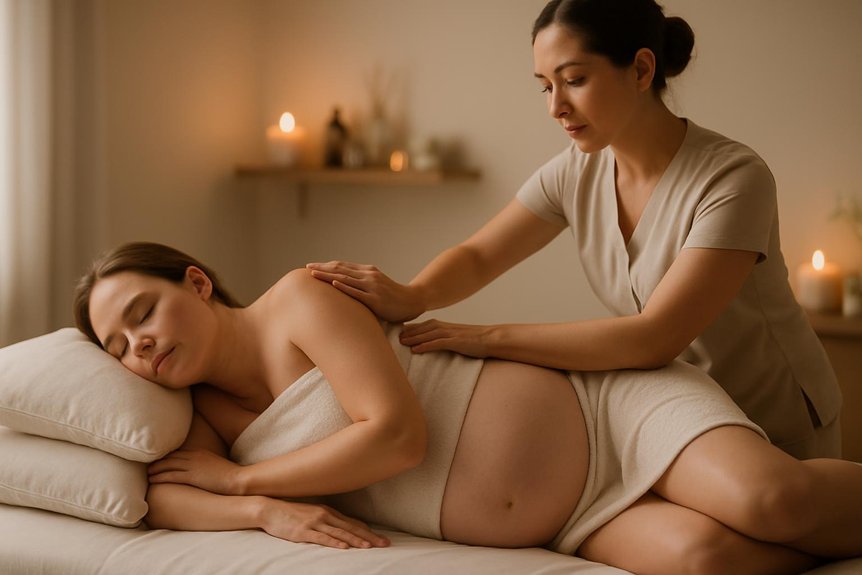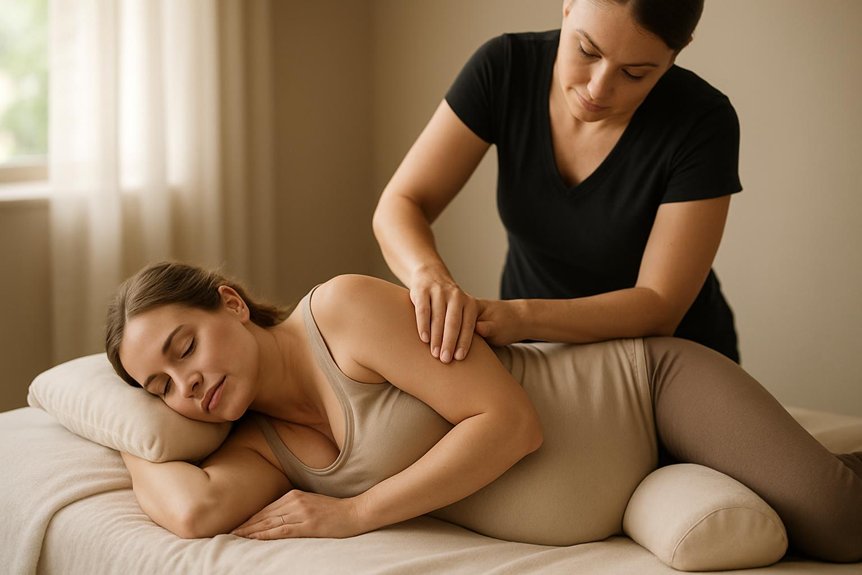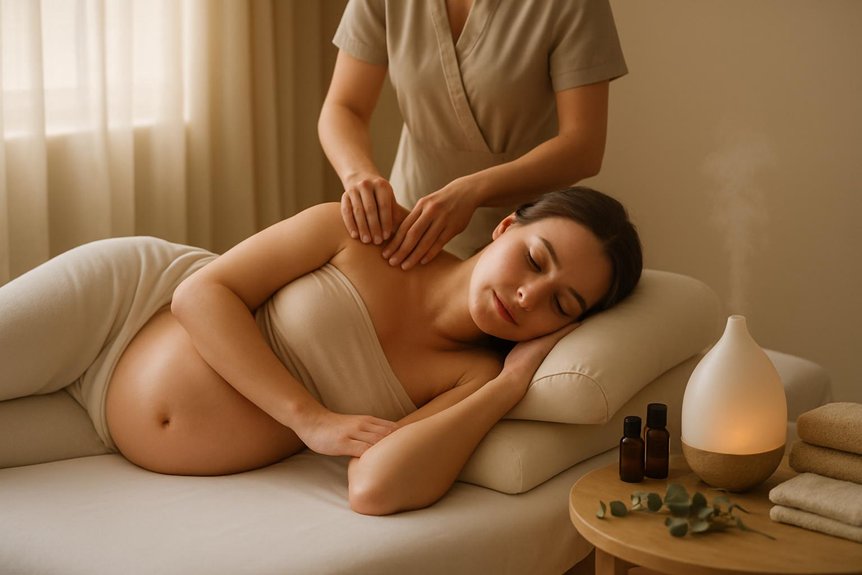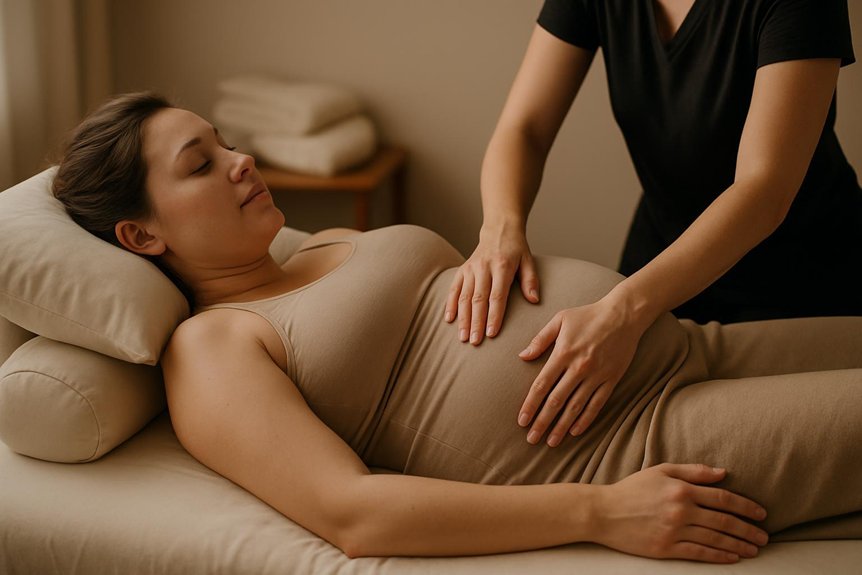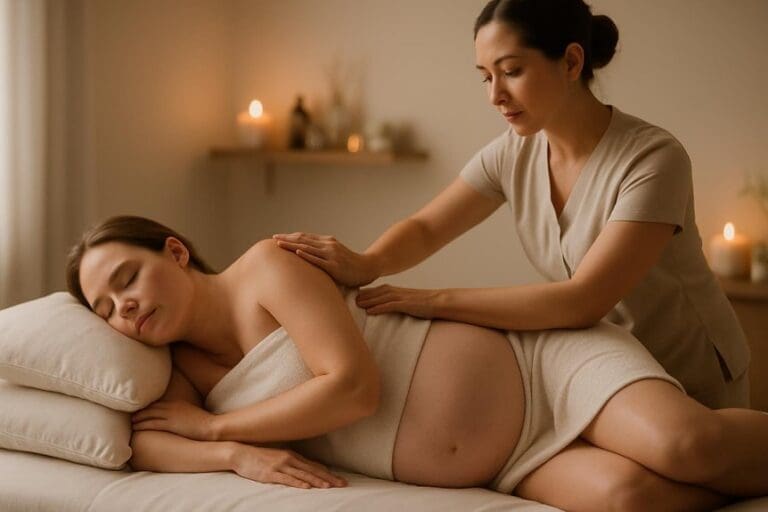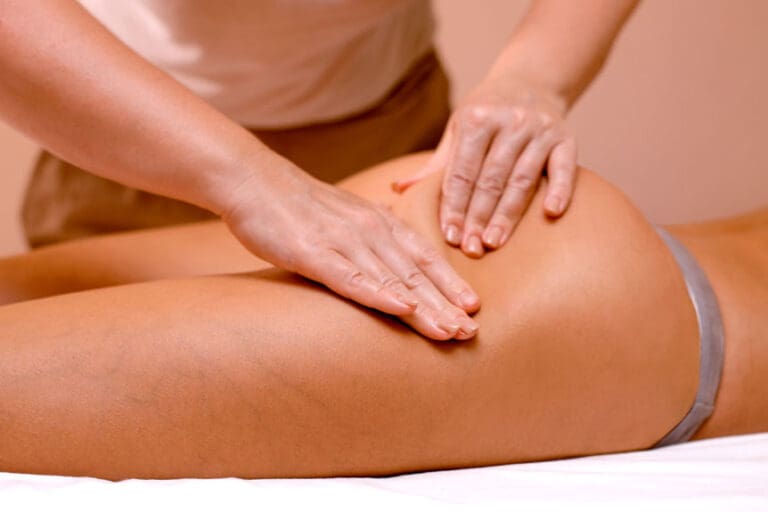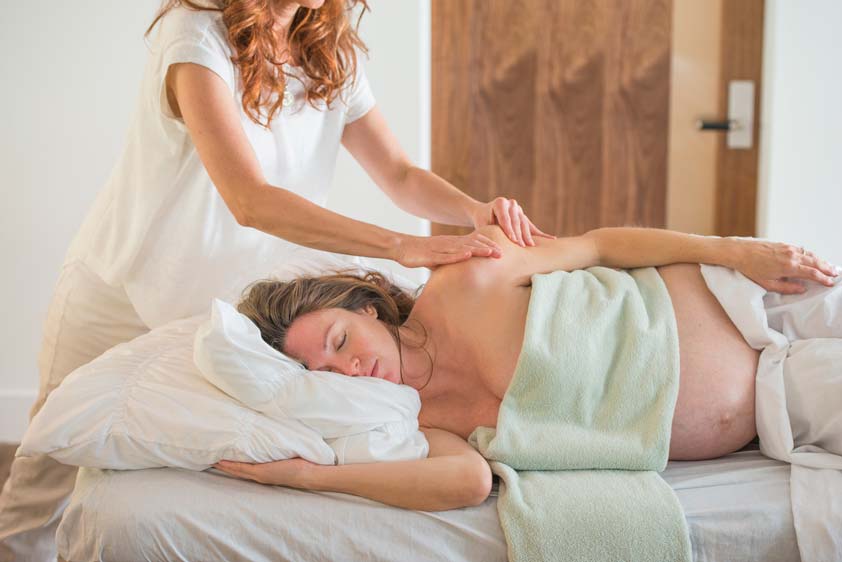
Prenatal massage is a pregnancy-adapted therapeutic massage designed to support comfort and safety as the body changes. It typically uses gentle Swedish-style strokes and careful work on overworked areas such as the low back, hips, neck, shoulders, and legs. What makes it different is modified pressure, supportive side-lying or semi-reclined positioning, and avoidance of prolonged flat-on-back or deep abdominal work. Many people report calmer mood, better sleep, and less heaviness, with clear guidance on timing and precautions ahead.
What Is Prenatal Massage?
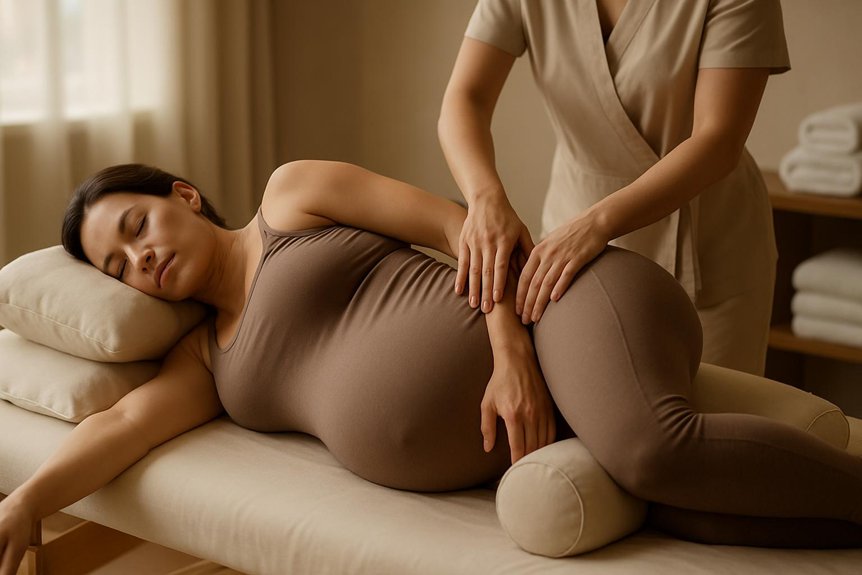
During pregnancy, prenatal massage is a specialised form of therapeutic massage designed to support a pregnant person’s changing body with techniques and positioning adapted for comfort and safety. It focuses on relieving common physical strains—such as lower-back tension, hip tightness, leg heaviness, and neck or shoulder ache—while promoting calm, restorative rest. It’s also valued for the benefits of pregnancy massage that can support overall wellbeing throughout each trimester.
What makes it different is how pressure, pacing, and body mechanics are modified. Therapists use supportive bolsters and side-lying positioning to protect comfort, reduce strain, and encourage steady breathing. In Spa & Massage clinics, treatments are tailored to symptoms, posture, and sleep patterns, and usually blend gentle Swedish-style strokes with careful work around overworked muscles. Many clients find the experience offers a nurturing sense of closeness to their body and baby.
When Is Prenatal Massage Safe in Pregnancy?
Prenatal massage is generally considered safest from the second trimester onward, when early-pregnancy symptoms and miscarriage risk have typically decreased, though comfort and individual circumstances remain central.
At Spa & Massage clinics across London, therapists advise medical clearance first for anyone with complications (such as bleeding, severe swelling, high blood pressure, preeclampsia risk, placenta issues, or a history of preterm labour) and adapt positioning, pressure, and treatment length accordingly.
Clear precautions—including side-lying support, avoidance of deep pressure in sensitive areas, and careful use of pregnancy-appropriate oils—help guarantee the session remains both soothing and clinically prudent.
Best Trimester Timing
When, exactly, is it considered safe—and how does timing affect comfort and risk? For many people, the second trimester is the sweet spot: nausea often settles, energy returns, and positioning is easier, making sessions feel both soothing and secure. At Spa & Massage, many clients begin from around 13 weeks, when they can fully relax into supportive side-lying cushions and slow, grounding touch.
In the first trimester, some prefer to wait because symptoms can be unpredictable and lying still may feel uncomfortable. In the third trimester, massage can still be wonderfully calming, yet pressure and pace typically need to be gentler, with more frequent repositioning to ease breathlessness, swelling, and hip or back strain. Timing should prioritise comfort and emotional ease.
Medical Clearance And Precautions
Trimester timing helps with comfort, but safety ultimately depends on individual medical factors and informed precautions. Prenatal massage is generally appropriate for uncomplicated pregnancies, yet medical clearance is advised with prior miscarriage, bleeding, placenta previa, preeclampsia, hypertension, gestational diabetes, clotting disorders, severe swelling, or signs of preterm labour. Clearance is also prudent after IVF, with multiple pregnancy, or when medication changes occur.
At Spa & Massage clinics across London, therapists begin with a thorough intake and adapt pressure, positioning, and session length to reduce strain and dizziness. Side‑lying support, gentle work around the abdomen, and avoidance of deep pressure over calves are standard precautions. Clients are encouraged to stop immediately if pain, nausea, shortness of breath, or contractions develop.
When Should You Avoid Prenatal Massage?
Prenatal massage is not appropriate in every situation, and evidence-informed practice prioritises caution in early pregnancy, particularly during the first trimester.
It should also be avoided or postponed in high‑risk pregnancies—such as those involving preeclampsia, significant bleeding, placenta complications, or risk of preterm labour—until a midwife or obstetrician confirms it is safe.
At Spa & Massage, therapists advise pausing treatment and seeking medical guidance if new symptoms appear (for example, dizziness, severe headache, abdominal pain, fluid leakage, fever, or reduced fetal movement).
First Trimester Precautions
Although massage can be a valuable support during pregnancy, many clinicians advise extra caution in the first 12 weeks, and Spa & Massage therapists typically recommend postponing or seeking medical clearance if there is a history of miscarriage, current vaginal bleeding or severe cramping, significant nausea/vomiting with dehydration, fever or acute infection, uncontrolled high blood pressure, suspected pre‑eclampsia, or any new or worsening abdominal pain; in these situations, avoiding treatment helps prioritise maternal and fetal safety while ensuring that any underlying issue is assessed promptly.
For uncomplicated early pregnancy, the approach is conservative: shorter sessions, light-to-moderate pressure, careful positioning, and comfort-led pacing.
In Spa & Massage clinics, therapists avoid overheating, intense abdominal work, and strong essential-oil blends, favouring gentle, unscented options. Clients are encouraged to share any tenderness, dizziness, or anxiety so care remains soothing, intimate, and responsive.
High-Risk Pregnancy Conditions
Beyond early‑pregnancy precautions, the decision to proceed with massage should also account for conditions that make a pregnancy medically high risk.
Prenatal massage is typically deferred unless the maternity team explicitly approves when there is pre‑eclampsia or pregnancy‑induced hypertension, placenta praevia, vaginal bleeding, suspected placental abruption, preterm labour risk, cervical insufficiency, ruptured membranes, or a history of recurrent miscarriage.
Deep vein thrombosis, significant clotting disorders, uncontrolled diabetes, severe anaemia, active infection or fever, and serious cardiac or renal disease also warrant medical clearance first.
At Spa & Massage, therapists prioritise gentle, side‑lying positioning and avoid deep pressure and heat; however, when risk is elevated, the safest and most caring choice is to pause and coordinate with the client’s midwife or consultant.
When Symptoms Appear
When new symptoms arise, the safest approach is to pause and reassess whether massage remains appropriate.
Prenatal massage should be avoided until medical guidance is obtained if there is vaginal bleeding, leaking fluid, reduced fetal movement, severe abdominal pain or cramping, fever, sudden swelling, severe headache, visual changes, dizziness, fainting, chest pain, or shortness of breath—signs that may require urgent assessment.
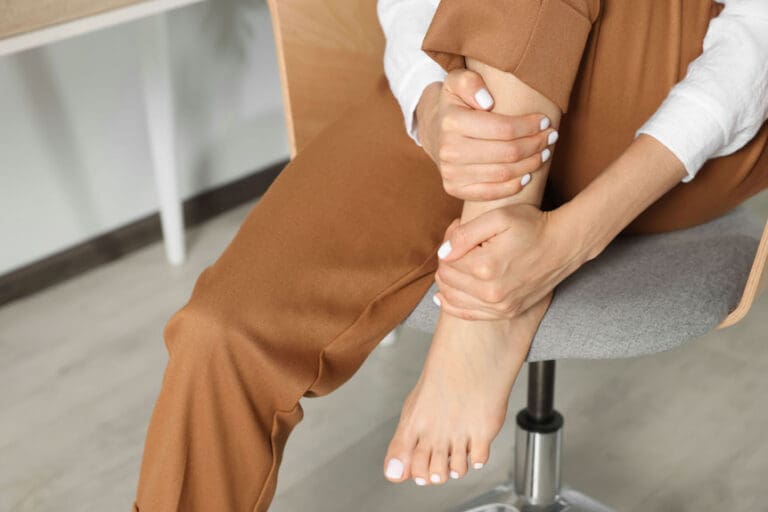
Persistent nausea and vomiting, new calf pain, warmth, or one-sided swelling also warrant caution.
At Spa & Massage clinics in London, therapists screen sensitively at every visit and will postpone treatment if symptoms suggest complications.
If cleared by a midwife or GP, care can resume with gentle pressure, supported side-lying positioning, and fragrance-free options when preferred.
How Is Prenatal Massage Different From Regular Massage?
In pregnancy, prenatal massage differs from regular massage by prioritising maternal–foetal safety through adapted positioning, modified pressure, and careful technique selection.
Therapists screen health history, gestation, and any red flags (bleeding, pre‑eclampsia symptoms, DVT risk) and may request GP or midwife clearance.
Pressure is typically lighter to moderate, avoiding deep work over the abdomen and areas prone to oedema; focus often shifts to neck, back, hips, and legs to ease postural strain.
Product choice also changes: at Spa & Massage, therapists use gentle, pregnancy-appropriate oils and avoid overpowering essential oil blends.
Sessions emphasise comfort, breath, and reassuring communication, supporting relaxation while maintaining clinical vigilance throughout treatment for each client.
What Positions Are Used in Prenatal Massage?
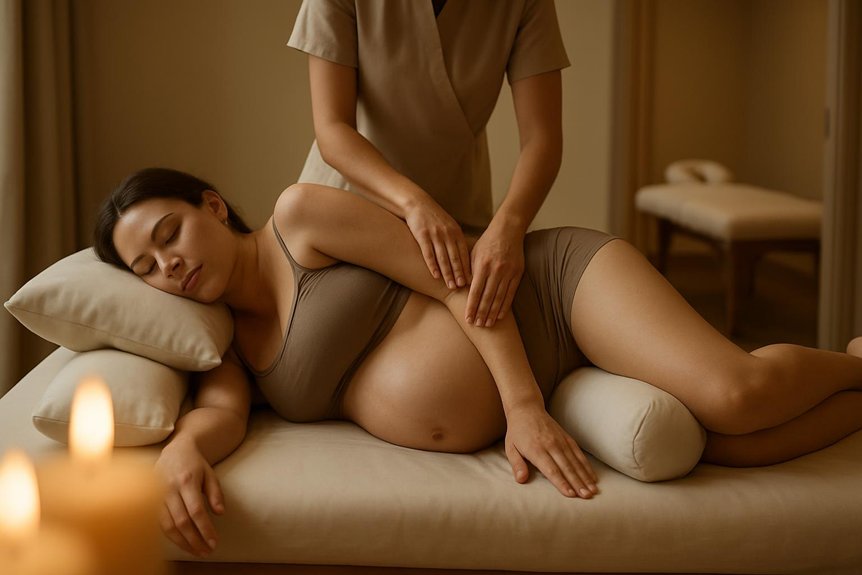
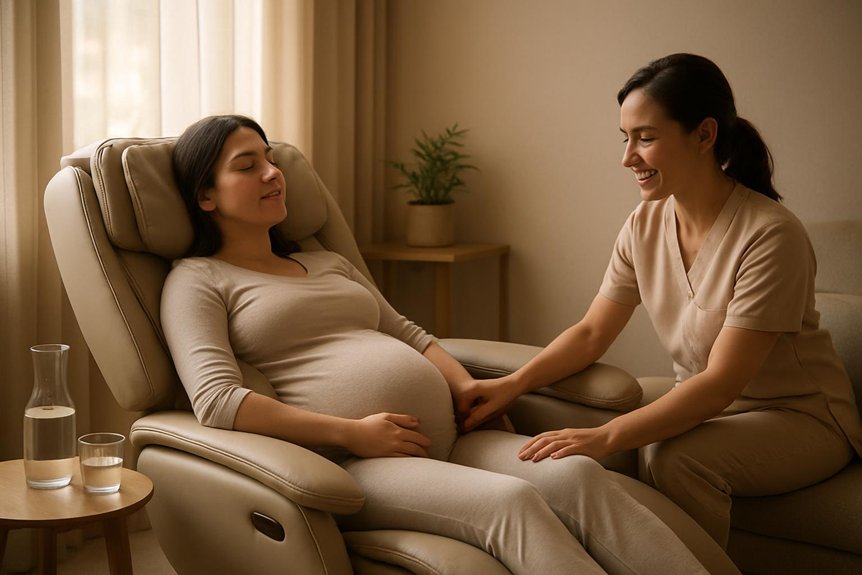
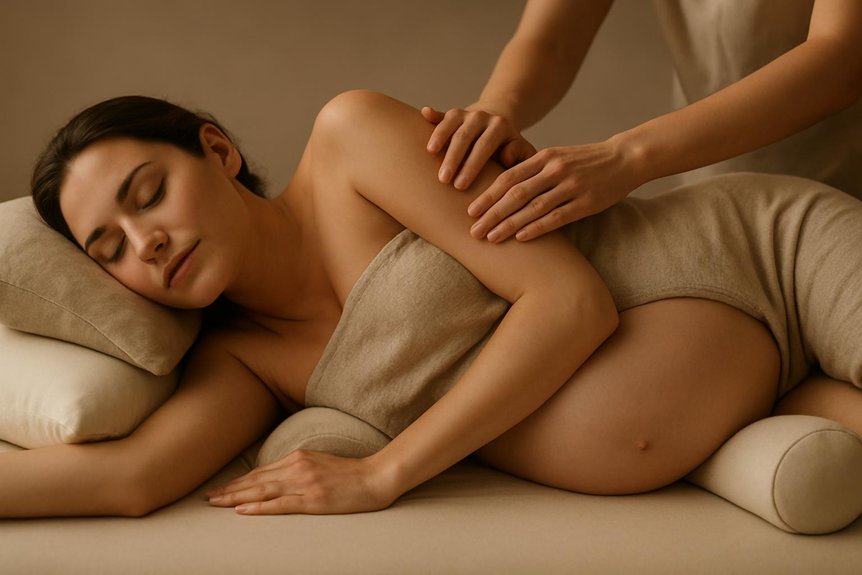
For comfort and safety throughout pregnancy, prenatal massage is typically delivered using side‑lying and semi‑reclined positions rather than prolonged flat‑on‑the‑back or face‑down lying.
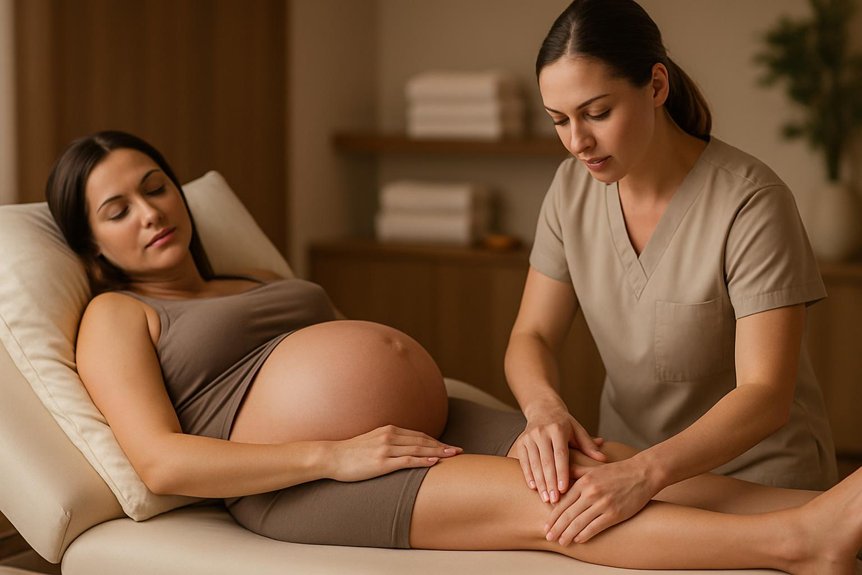
Side‑lying is most common, with pillows supporting the head, bump, knees, and ankles so the spine stays neutral and breathing feels easy. A semi‑reclined posture can be used for upper‑body or scalp work, helping reduce pressure on major blood vessels and easing reflux or shortness of breath.
In Spa & Massage clinics across London, therapists adjust bolsters and draping to maintain warmth, privacy, and a close, nurturing sense of care. Positioning is reviewed throughout the session, with small changes encouraged whenever comfort, circulation, or baby’s movement suggests it.
Which Techniques Are Avoided in Prenatal Massage?
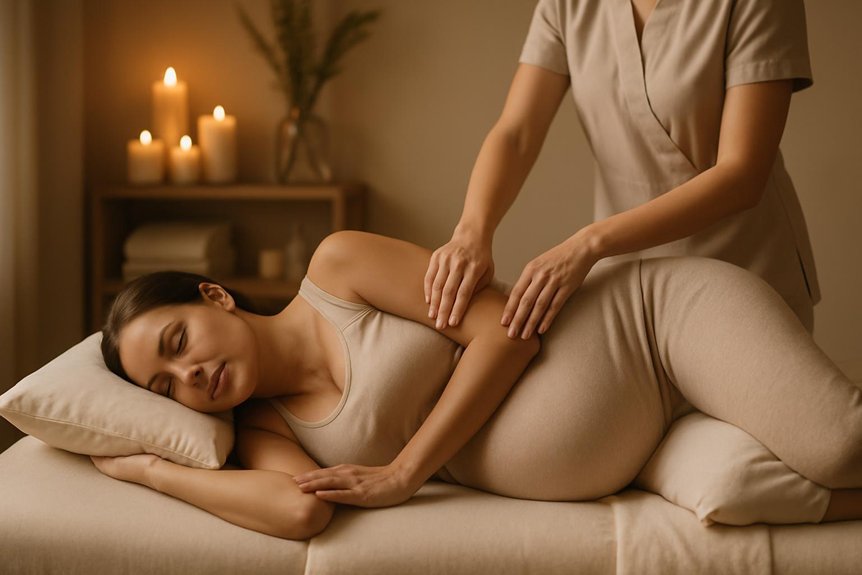
Prioritise safety by knowing that prenatal massage deliberately avoids techniques that could increase discomfort or risk in pregnancy. At Spa & Massage, therapists generally do not use sustained deep pressure over the abdomen, strong compressions across the pelvis, or aggressive work around varicose veins, swollen ankles, or areas of unexplained pain.
High-intensity “deep tissue” styles, rapid percussive tapping, and forceful stretching or joint mobilisation are typically avoided, especially as ligaments soften in pregnancy. Long, flat prone positioning and prolonged supine lying are also avoided, as comfort and circulation matter.
Caution is used with heat, hot stones, and strong essential oils; in clinics, pregnancy-safe blends and light dilution are preferred. The aim is calm, close care without provoking tenderness or dizziness.
What Benefits Can Prenatal Massage Offer?
Avoiding high-risk techniques is only one side of prenatal care; the other is the meaningful relief a well-adapted treatment can provide. Evidence suggests prenatal massage can ease common discomforts such as low-back, hip, and pelvic-girdle tension, reduce leg cramps, and soften neck-and-shoulder strain from postural change.
Many people also report better sleep, calmer mood, and lower perceived stress, likely supported by soothing touch and regulated breathing in a quiet setting. Gentle work may improve circulation and help with fluid return, offering comfort for mild swelling when clinically appropriate.
At Spa & Massage clinics across London, therapists focus on supportive positioning and pressure that respects tender tissues, aiming for a safe, close-to-home sense of ease and connection during pregnancy, without overpromising outcomes.
How Do You Choose a Qualified Prenatal Massage Therapist?
In choosing a prenatal massage therapist, the safest starting point is verified pregnancy-specific training and a clear commitment to clinical screening. Credentials should include recognised prenatal coursework, insurance, and up-to-date safeguarding and hygiene standards. A qualified therapist asks about trimester, medical history, blood pressure concerns, pelvic pain, prior miscarriage, and any advice from a midwife or consultant, and will decline treatment when risk is unclear.
They should demonstrate comfort with pregnancy physiology, adapt pressure appropriately, and communicate boundaries with calm confidence. In Spa & Massage clinics across London, therapists prioritise informed consent, respectful draping, and a quietly reassuring pace that supports closeness without discomfort. Reviews matter most when they mention safety, listening, and consistency. A brief call can confirm training and suitability.
What Happens in a Prenatal Massage Session (Prep and Aftercare)?
Once a suitably trained prenatal massage therapist has been chosen, knowing what to expect before and after the appointment helps clients feel calmer and supports safe, consistent outcomes.
At Spa & Massage, clients are asked about trimester, symptoms, medical guidance, and comfort, then positioned with supportive bolsters, typically side-lying, to protect circulation and ease the bump.
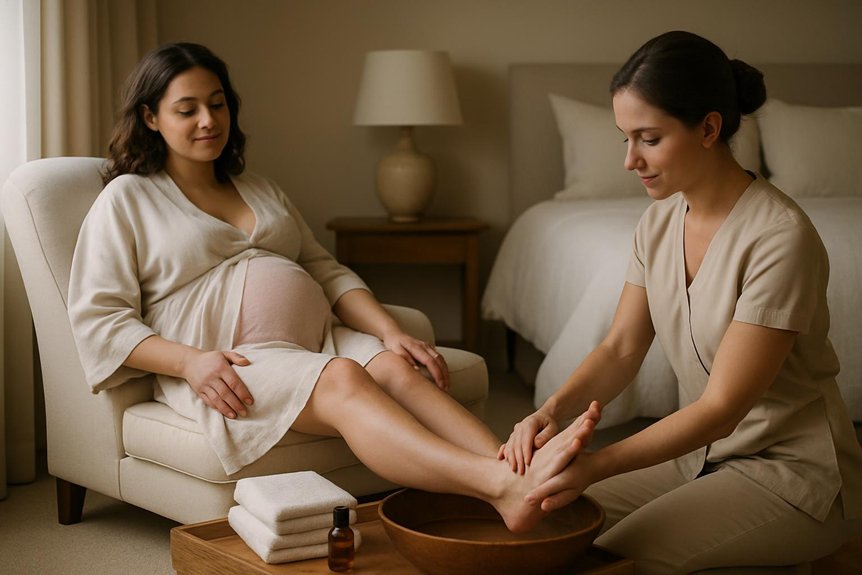
Pressure is kept moderate and responsive; areas such as lower back, hips, legs, shoulders, and hands are addressed with slow, reassuring strokes, while avoiding unsafe techniques and any painful depth.
Unscented or pregnancy-appropriate oils are used if desired.
Aftercare focuses on hydration, gentle walking, and rest, plus noticing any unusual cramping, dizziness, or bleeding and seeking medical advice promptly.
Follow-up helps tailor future sessions safely.
Conclusion
Prenatal massage can be seen as a careful bridge built for two travellers, designed to hold steady as the landscape shifts each trimester. With qualified hands, safe positioning, and adjusted pressure, it aims to ease common strains while respecting clinical cautions and individual health history. When screening is thorough and contraindications are honoured, the journey becomes calmer—less swelling, less tension, more rest. In a reputable London clinic, support is measured, listening is constant, and safety leads.