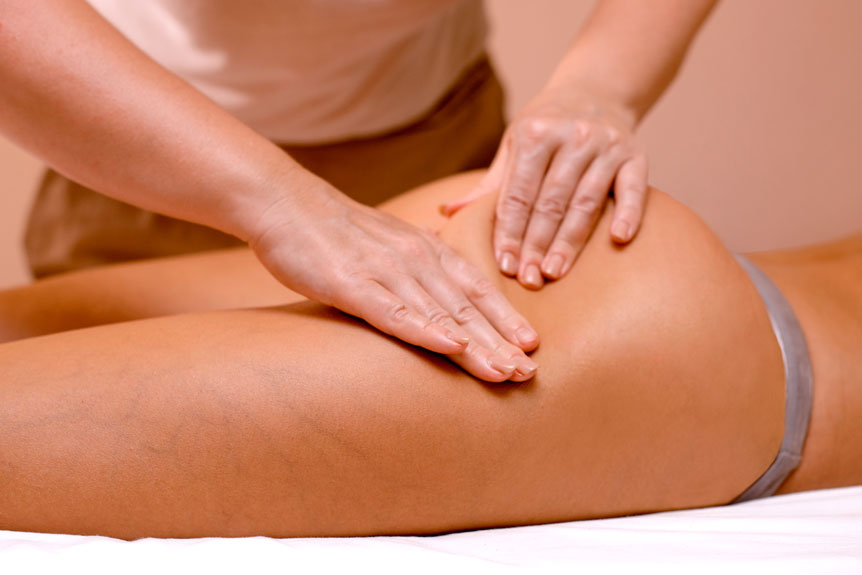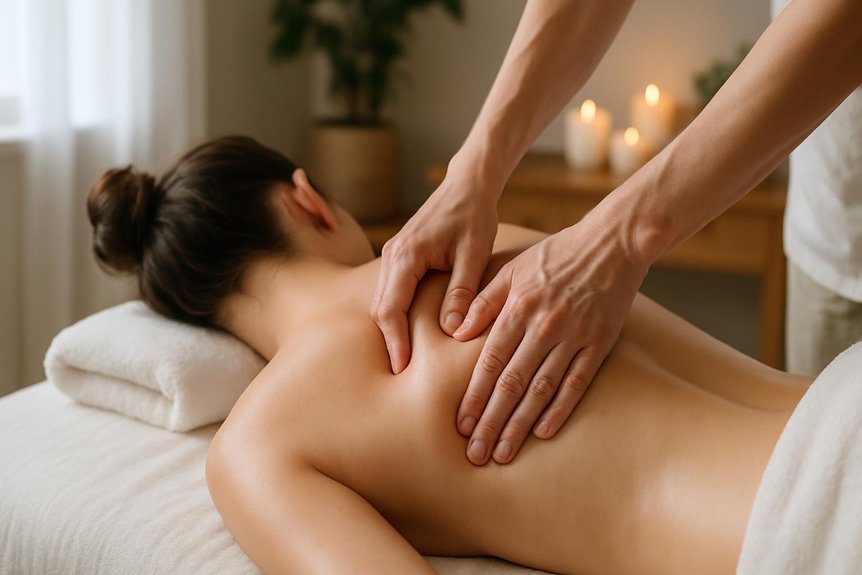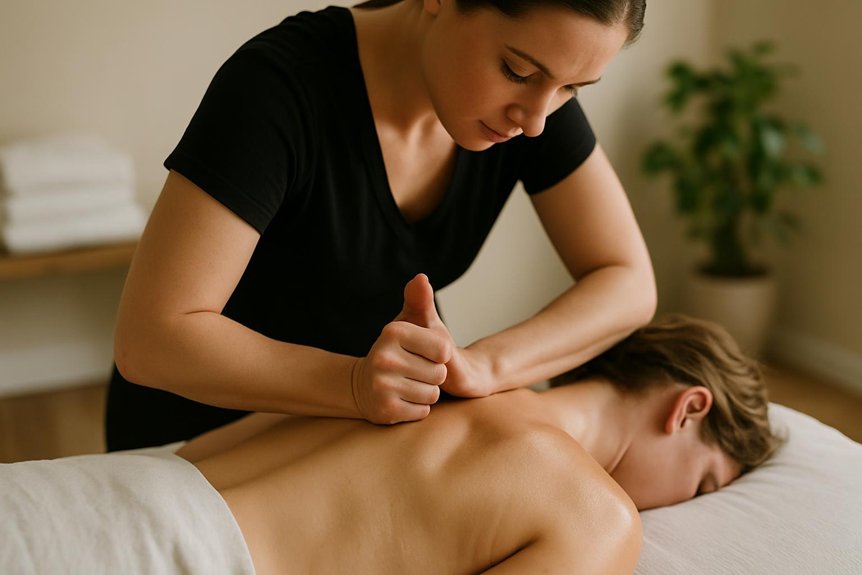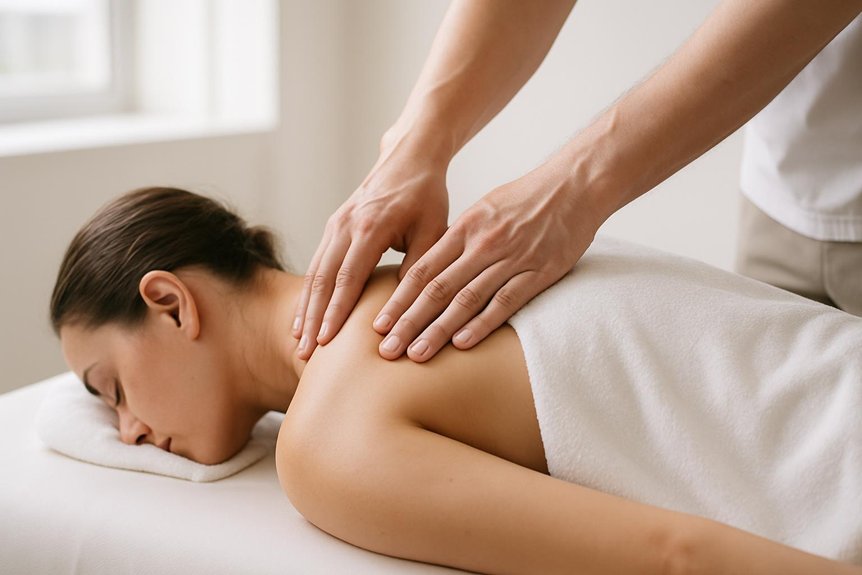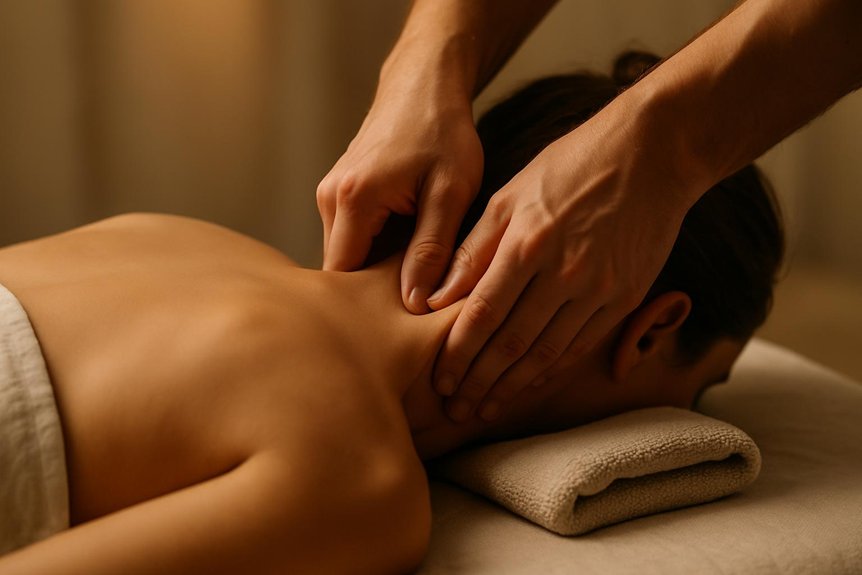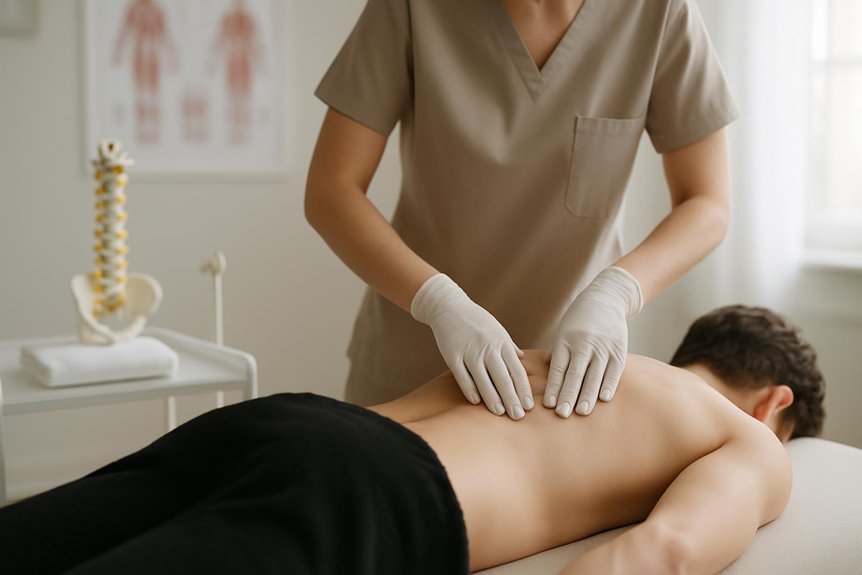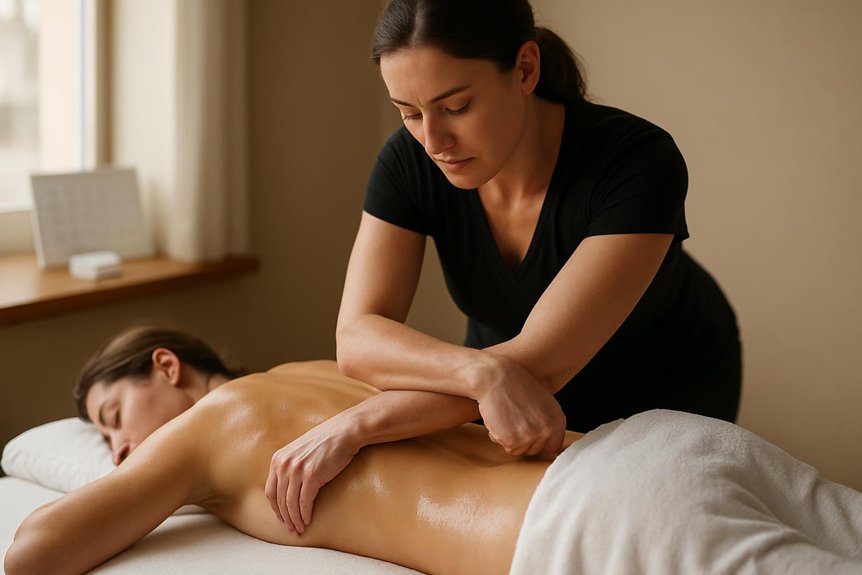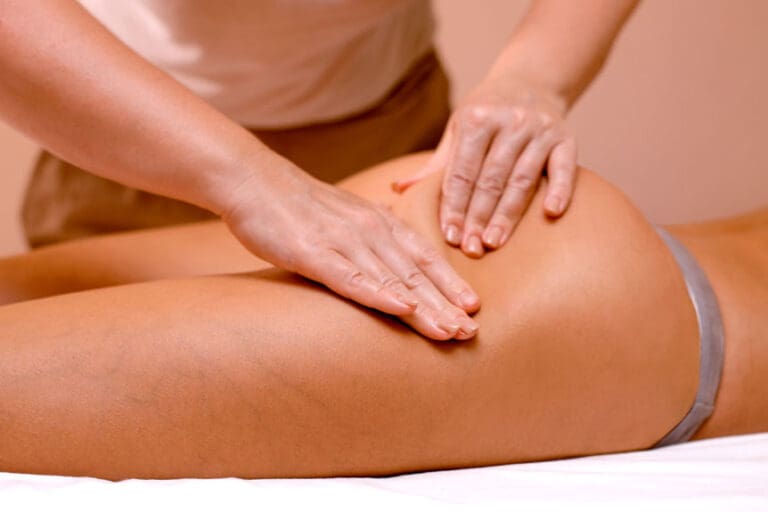
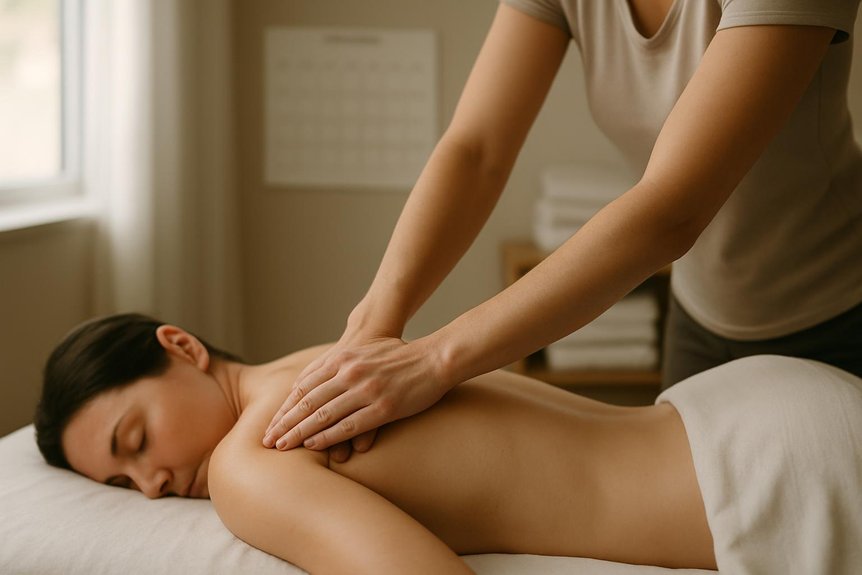
For chronic pain, intensive tissue massage is usually most effective when spaced to match symptom intensity and tissue sensitivity. Many people start with sessions every 7–14 days to allow recovery and nervous-system downregulation, then taper to every 2–4 weeks as pain becomes steadier and self-management improves. Frequency should be reduced if soreness lasts beyond 24–48 hours, sleep worsens, or function drops. Flare-ups may suit a short burst 48–72 hours apart with lighter pressure. Further guidance helps tailor timing safely.
How Often Should You Book an Intensive Tissue Massage?

Often, the appropriate booking frequency for intensive tissue massage depends on pain duration, symptom intensity, tissue sensitivity, and how the individual responds to treatment. In Spa & Massage clinics across London, therapists begin with a structured assessment and agree a plan that balances therapeutic load with recovery time, so the body feels safely held rather than overwhelmed.
For chronic pain, earlier sessions may be closer together to reduce protective guarding and restore movement, then spaced out as symptoms settle. Following treatment, they monitor soreness, sleep, range of motion, and flare patterns; these markers guide when the next visit supports change instead of irritating sensitised tissue. Deep tissue work applies slow, sustained pressure to target deep muscle layers and release long-held tension that can contribute to persistent discomfort. Home care—hydration, gentle mobility, heat, and paced activity—can prolong benefit and reduce the need for frequent sessions.
Weekly, Fortnightly, or Monthly: What’s Best?
Choosing between weekly, fortnightly, or monthly intensive tissue massage is best guided by how stable the symptoms are and how well the body recovers after each session.
Weekly care can suit people in a flare or under high stress, allowing quicker reassessment and gradual load reduction without overwhelming sensitive tissues.
Fortnightly sessions often fit when pain is present but settling, supporting consistent change while leaving time for adaptation.
Monthly maintenance may be appropriate once symptoms are predictable and self-management is working, helping preserve mobility and calm the nervous system.
At Spa & Massage clinics across London, therapists monitor post-treatment soreness, sleep, and day-to-day function, then adjust frequency to keep touch therapeutic, respectful, and safely progressive.
How Often for Tight Muscles vs. Injury Pain?
For tight, overworked muscles, a short course of deep tissue massage is often scheduled more frequently at first, then spaced out as tone and range of motion improve.
For injury-related pain, safer scheduling typically means gentler sessions with longer recovery gaps, guided by symptom response and—when indicated—medical advice; Spa & Massage therapists in London clinics routinely reassess tenderness, swelling, and function before progressing pressure or frequency.
If post-treatment soreness persists beyond 48 hours, pain escalates, or function worsens, frequency should be reduced or paused and the treatment plan adjusted.
Tight Muscles: Ideal Frequency
Tight muscles typically respond best to a shorter, more consistent course of intensive tissue massage than injury-related pain.
For uncomplicated myofascial tightness from posture, desk work, stress, or training load, many clients benefit from 1 session weekly for 2–4 weeks, then tapering to every 2–4 weeks for maintenance as symptoms settle.
Clinical reasoning supports this cadence: frequent early sessions can reduce tone, improve local circulation, and reinforce new movement patterns before tightness re-establishes.
At Spa & Massage clinics across London, therapists reassess each visit—tracking tenderness, range, and sleep quality—and adjust pressure to remain effective yet comfortable.
Between appointments, clients are advised to hydrate, use gentle stretching, and brief heat to keep tissues pliable and calm.
Injury Pain: Safe Scheduling
Once uncomplicated muscle tightness has settled into a steadier maintenance rhythm, injury-related pain calls for a more cautious schedule and clearer clinical guardrails. For acute strains, tendon irritation, or post-training flare-ups, sessions are typically spaced further apart than tight-muscle care—often every 7–14 days—so tissues can settle and inflammatory sensitivity is not repeatedly provoked.
At Spa & Massage clinics across London, therapists begin with a brief assessment, then choose gentler deep-tissue pacing or sports-massage techniques, working within pain-free ranges and prioritising circulation and neuromuscular down-regulation over force. The client should feel safely held: pressure stays communicative, breathing stays easy, and tenderness should soften during treatment, not escalate. When medical clearance is advised, it is sought before booking a series.
When To Scale Back
Often, the clearest sign to scale back intensive tissue massage is when post-treatment soreness persists beyond 24–48 hours or symptoms feel sharper rather than looser. That pattern can indicate excessive load on sensitised tissue or a flare of injury-related inflammation, warranting lighter pressure, shorter sessions, or longer intervals.
For tight muscles without injury, many do well with weekly sessions initially, then tapering to every 2–4 weeks once range of motion and comfort stabilise. For injury pain, Spa & Massage therapists typically space treatments further apart (often 10–14 days) and prioritise gentle, pain-free work, avoiding aggressive stripping or trigger-point pressure over acute areas.
Scale back immediately if bruising, radiating pain, numbness, sleep disruption, or reduced function appears, and seek clinical review if symptoms escalate.
What Schedule Works During Pain Flare-Ups?
During a pain flare-up, a short-term schedule of intensive tissue massage is often most effective when it is more frequent but carefully moderated—commonly one session every 5–7 days for one to three weeks, adjusted to symptom response.
At Spa & Massage, therapists typically reduce intensity and prioritise gentle, targeted work to avoid post-treatment soreness that can exacerbate sensitised tissues. Sessions are usually tapered once pain and irritability settle—such as moving to every 2–4 weeks—especially if soreness lasts beyond 24–48 hours or function is declining.
Short-Term Flare-Up Frequency
For acute flare-ups of chronic pain, a short, structured burst of intensive tissue massage is sometimes the most effective way to calm protective muscle guarding and restore tolerable movement.
In these windows, many clients respond best to 2 sessions in the first week (spaced 48–72 hours apart), then 1 session the following week, adjusting to pain and fatigue.
Sessions are usually 45–60 minutes, with pressure kept “productive, not punishing,” prioritising breath-led release, slower strokes, and careful work around sensitised tissues.
At Spa & Massage clinics across London, therapists also combine targeted trigger-point work with gentle mobility guidance to support nervous-system downshifting.
Aftercare is simple: warmth, hydration, and unhurried walking to maintain softness without provoking rebound soreness.
When To Reduce Sessions
After the initial short burst of treatment used to settle an acute flare-up, session frequency should usually be reduced once pain sensitivity and post-treatment soreness begin to rise faster than function improves.
At that point, many clients do best moving from 2–3 sessions weekly to weekly, then every 10–14 days, while monitoring sleep, range of motion, and daily activity tolerance. Evidence supports spacing manual therapy to allow tissue recovery and nervous-system downregulation, rather than repeatedly provoking guarding.
At Spa & Massage clinics across London, therapists adjust pressure, pace, and focus, and may switch to slower deep tissue, sports massage elements, or calming aromatherapy, with longer recovery intervals.
Reduction is also advised if bruising, lingering tenderness beyond 48 hours, or worsening pain flares occur.
Maintenance Frequency for Chronic Pain and Posture
Often, chronic pain linked to postural strain responds best to intensive tissue massage when it is scheduled as ongoing maintenance rather than occasional relief, because sustained changes in muscle tone and movement habits typically require repeated input over time.
For many people, a practical maintenance cadence is every 2–4 weeks, adjusted by symptom stability, workload, stress, and ergonomic demands.
Evidence-informed practice suggests consistency supports improved tissue tolerance, calmer protective guarding, and better body awareness, which can help posture feel more effortless.
At Spa & Massage clinics across London, therapists reassess tender points, range of motion, and daily triggers each visit, then tailor pressure and technique to keep progress steady without overworking sensitised areas.
Some clients benefit from weekly care during flare-prone periods, then step down to monthly once steadier.
How to Space Sessions to Reduce Next-Day Soreness
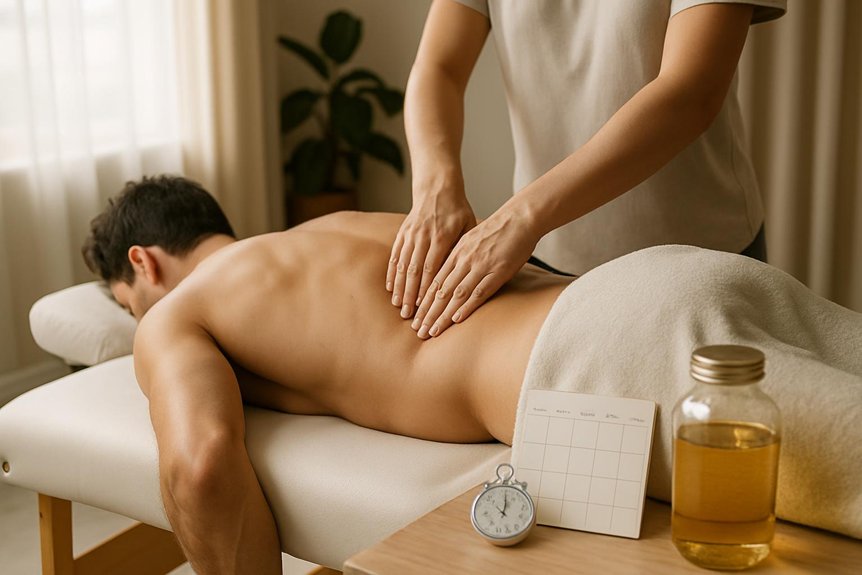
Typically, next-day soreness after intensive tissue massage is reduced when sessions are spaced to match an individual’s recovery capacity rather than scheduled too close together.
For chronic pain, many clients do best starting with 7–14 days between sessions, then adjusting based on tenderness, sleep quality, and function over the following 24–48 hours.
When soreness lasts longer than two days, spacing should widen; when recovery feels smooth and movement improves, intervals can shorten cautiously.
At Spa & Massage clinics across London, therapists reassess pressure and tissue response each visit, aiming for a “therapeutic soreness” that remains mild and resolves quickly.
Alternating deep tissue with gentler modalities may support sensitive clients while still addressing persistent tension. This pacing protects trust and comfort.
How to Extend Deep Tissue Results at Home
Spacing sessions to match recovery helps limit next-day soreness, but day-to-day habits largely determine how long deep tissue benefits last between appointments.
Spa & Massage advises gentle movement every few hours—short walks, hip and chest opening stretches, and diaphragmatic breathing—to maintain circulation and reduce guarding.
Warm showers or a heat pack can soften tissue; ice suits sharp, inflamed flare-ups.
Hydration and protein-rich meals support repair, while consistent sleep reduces pain sensitivity.
Self-massage with a ball or foam roller should stay at a “therapeutic discomfort” level, avoiding numbness, bruising, or radiating pain.
In Spa & Massage clinics, therapists often teach two personalised stretches and a simple breath cue so clients can recreate the same safe, comforting downshift at home daily.
Conclusion
Intensive tissue massage frequency for chronic pain is best individualised, guided by symptom duration, tissue sensitivity, and functional goals. Many plans begin weekly or fortnightly, then taper to monthly maintenance as pain and movement improve. During flare-ups, shorter or gentler sessions may support recovery without excessive soreness. Progress is suggested by longer relief windows, reduced guarding, and better daily tolerance. Like adjusting a dimmer switch rather than flipping a light, spacing and intensity can be calibrated to sustain change.