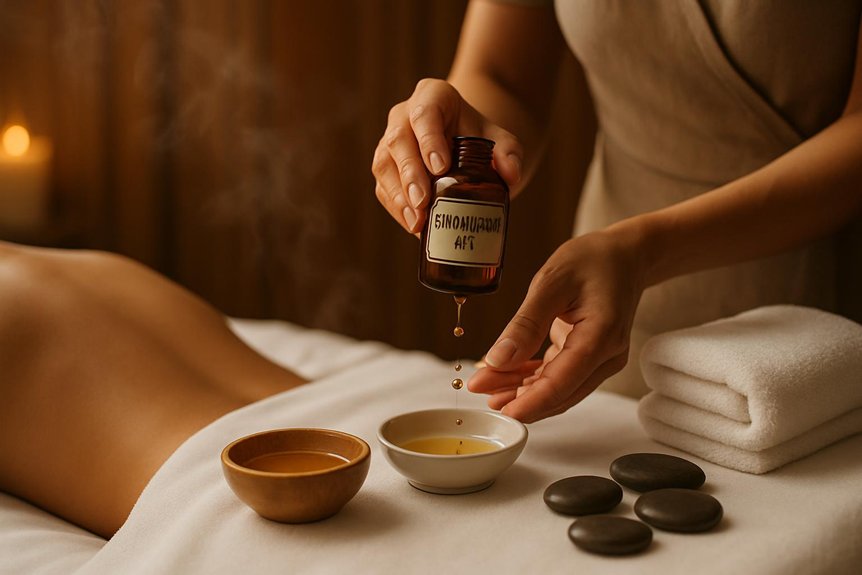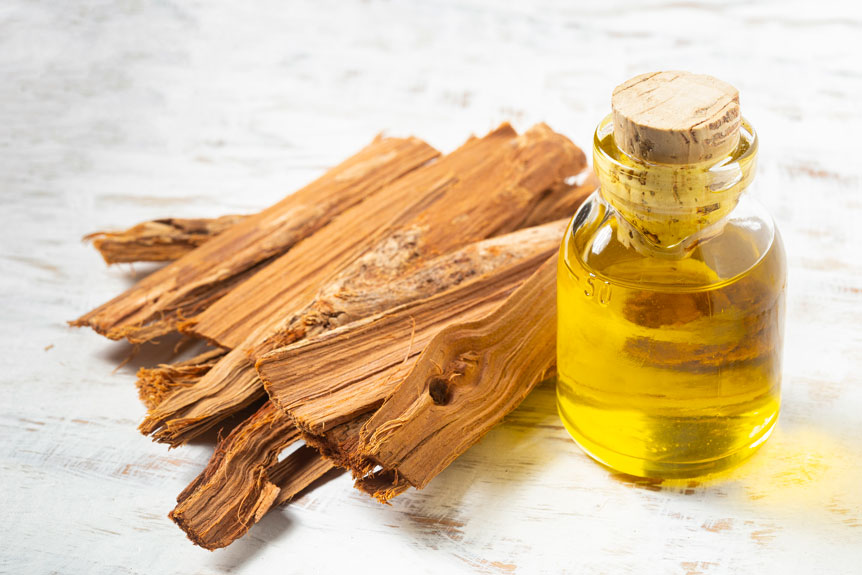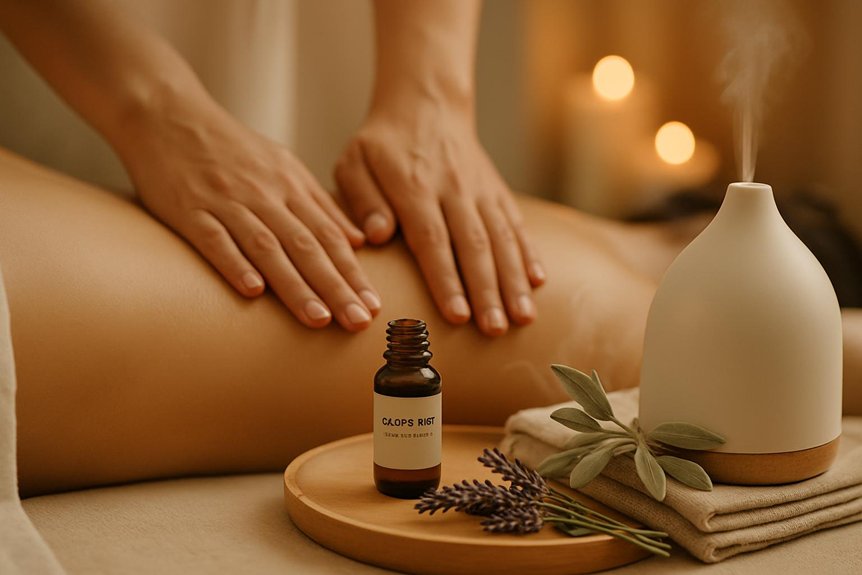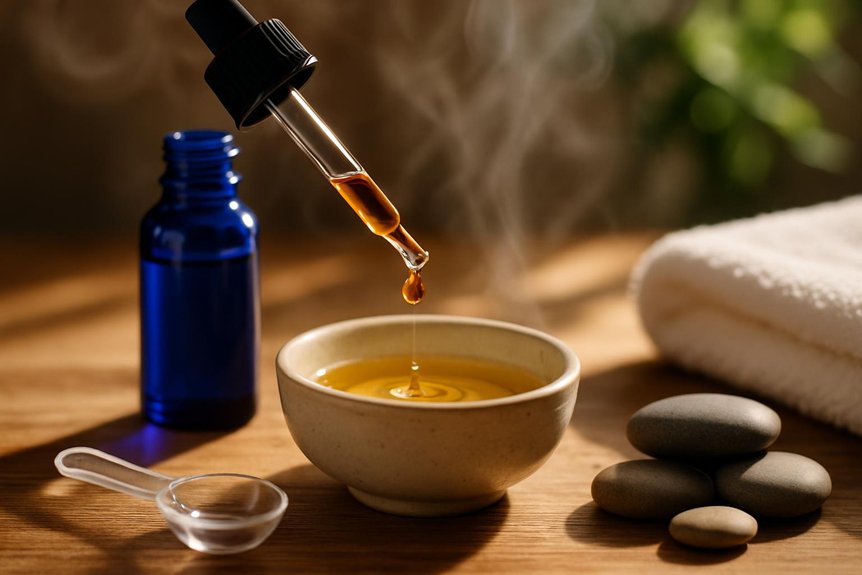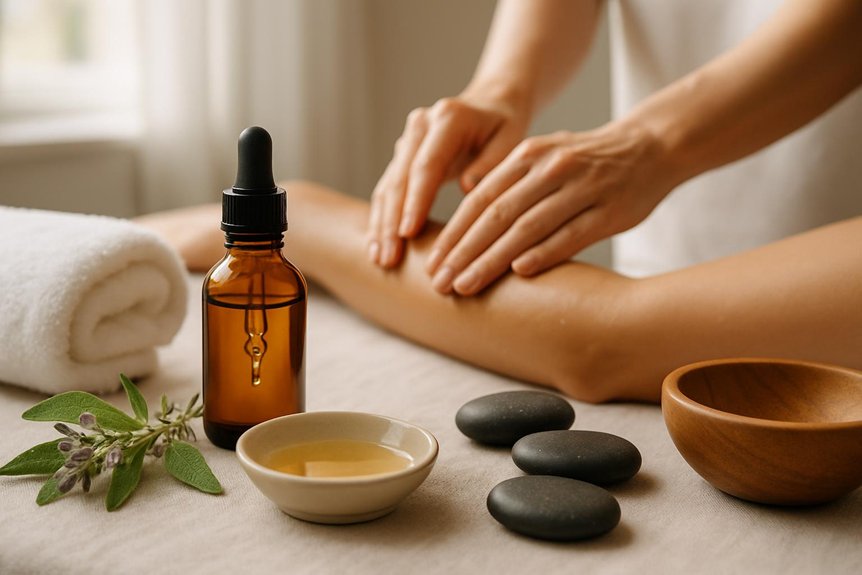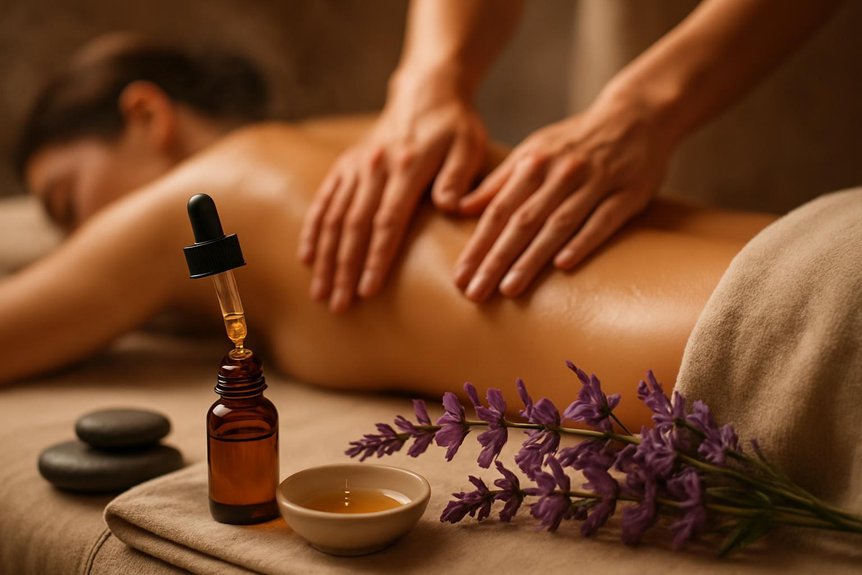
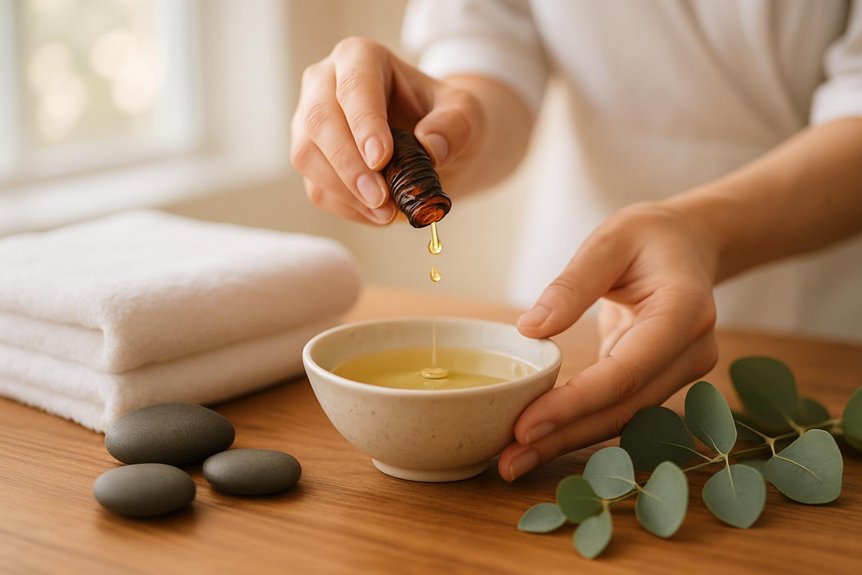
Eucalyptus oil is generally safe for aromatic massage in healthy adults when it is properly diluted in a carrier oil and used by a trained therapist after a brief health screening. Typical full‑body dilution is 0.5–1% (about 3–6 drops per 30 ml), with 2% used only if skin tolerates it well. It can irritate sensitive or broken skin and may trigger coughing or tightness in respiratory conditions. Key precautions and aftercare help reduce risk.
Is Eucalyptus Oil Massage Safe: and for Whom?
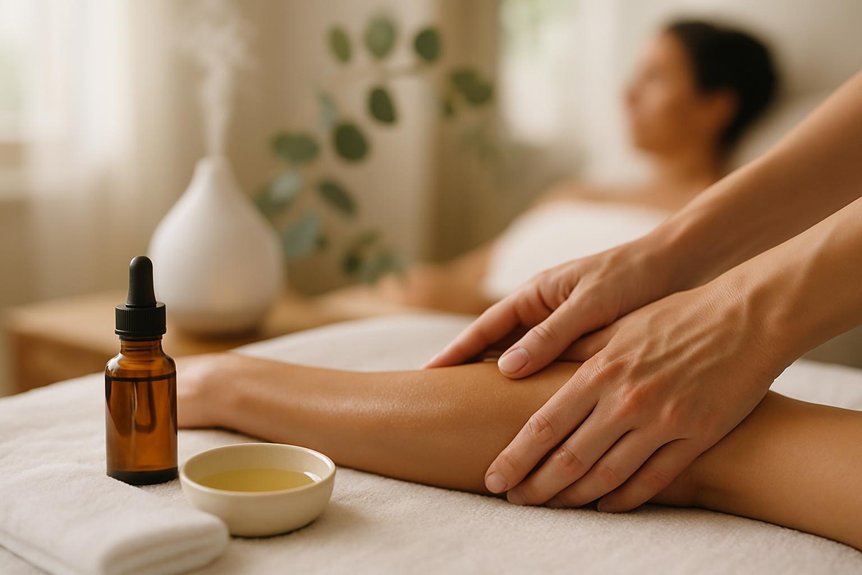
When is eucalyptus oil massage safe—and for whom does it pose avoidable risks? For most healthy adults, it is generally safe when properly diluted in a carrier oil and applied by a trained therapist. At Spa & Massage clinics across London, therapists complete a consultation, check medical history, and tailor aromatherapy blends to client goals and comfort. This approach supports relaxation and recovery using aromatherapy massage techniques.
Avoidable risks rise for pregnant clients, breastfeeding clients, children, and anyone with asthma or significant respiratory disease, epilepsy or seizure history, liver disease, or known sensitivities to essential oils. Caution is also advised for clients taking multiple medications or managing complex conditions, where professional guidance matters. Eucalyptus oil should never be taken internally, and it should be kept away from eyes and mucous membranes. Consent and clear communication support safe, intimate care.
When Can Eucalyptus Oil Massage Irritate Skin or Breathing?
How can a eucalyptus oil massage trigger irritation in some people despite its well-known “clearing” scent? Eucalyptus contains 1,8‑cineole, which can sting compromised skin or provoke contact dermatitis, especially on freshly shaved areas, eczema, rosacea, or after exfoliation.
Heat, occlusion under towels, and vigorous friction may increase penetration and sensitivity. Breathing irritation can occur when vapour rises from the chest, neck, or face during close, slow breathing; sensitive clients may notice coughing, throat tickle, watery eyes, or tightness, particularly with asthma, recent viral illness, or fragrance sensitivity.
In Spa & Massage clinics, therapists screen for these risks, keep essential oils away from mucous membranes, and pause immediately if tingling, wheeze, or burning appears.
How Do We Dilute Eucalyptus Oil for Massage (Typical %)?
Typically, eucalyptus essential oil is diluted to a low concentration in a carrier oil for massage to reduce the risk of skin or airway irritation while still providing a gentle, “clearing” aroma.
In professional practice, a typical range is 0.5–1% for most full‑body treatments, with 2% used only when a client’s skin tolerates essential oils well and the scent is kept soft. That equals about 3–6 drops (0.5–1%) or 12 drops (2%) per 30 ml of carrier oil.
In Spa & Massage clinics, therapists blend fresh for each session and keep eucalyptus away from the face, chest, and hands unless specifically requested.
A patch test and lower starting dose help maintain comfort and closeness.
Who Should Avoid Eucalyptus Oil in Massage Treatments?
Low dilution reduces risk, but eucalyptus oil is not suitable for every massage client, and screening matters as much as dose. At Spa & Massage, it is typically avoided for clients who are pregnant or trying to conceive, breastfeeding, or booking children’s treatments. It is also avoided for those with asthma, chronic cough, or fragrance sensitivity, as inhaled vapour can irritate airways.
Clients with eczema, rosacea, broken skin, recent shaving, or a history of contact dermatitis should avoid it due to higher sting and flare risk. Extra caution is advised for epilepsy or seizure history, and for uncontrolled hypertension. Anyone using multiple medicines, especially for breathing or blood pressure, should disclose this.
When in doubt, therapists recommend a gentler, low-allergen blend instead.
Eucalyptus Oil Massage Aftercare: What to Do Next
After a eucalyptus aromatic massage, what happens in the next few hours can determine whether the treatment feels clearing and restorative or becomes irritating.
Spa & Massage therapists advise drinking water, avoiding alcohol, and keeping the body warm so circulation and lymphatic flow settle gently.
Clients should leave the oil on for at least 2–4 hours, then shower with mild cleanser; hot baths and saunas can amplify tingling and redness.
If eyes feel watery or skin feels prickly, hands should be washed and the area ventilated.
Light stretching and quiet rest support the nervous system, especially after deep tissue work.
Any rash, wheeze, or headache warrants rinsing off and seeking medical advice promptly.
Conclusion
In clinic practice, eucalyptus oil can be safe for aromatic massage when it is properly diluted (typically 1–2%) and chosen after a careful consultation. Yet it is not universally suitable: sensitive skin, asthma, allergies, pregnancy, and young children may warrant avoidance or alternatives. One therapist recalls a client who “breathed easier” after a correctly blended treatment—like opening a window—while an undiluted drop once caused stinging. Safety is the difference between relief and irritation.