Most uncomplicated pregnancies do well with prenatal massage every 2–4 weeks, then adjusted by trimester, symptoms, and risk profile. In the first trimester, many choose occasional, shorter sessions, while the second trimester often suits a steady 2–4 week rhythm. In the third trimester, weekly or fortnightly visits can support comfort and circulation. More frequent sessions may help if back or pelvic pain, swelling, headaches, or sleep disruption returns quickly. High‑risk factors or acute symptoms require medical clearance. More guidance on timing, spacing, and safety follows.
How Often Should You Get a Prenatal Massage?

Often, the most appropriate prenatal massage frequency is guided by trimester, symptom severity, and overall pregnancy risk profile rather than a fixed schedule.
At Spa & Massage, therapists typically suggest starting with occasional sessions and adjusting based on comfort, sleep quality, swelling, back or pelvic ache, and stress levels.
Evidence-informed practice prioritises medical clearance when there is a history of bleeding, pre-eclampsia, clotting disorders, placenta complications, or high-risk pregnancy.
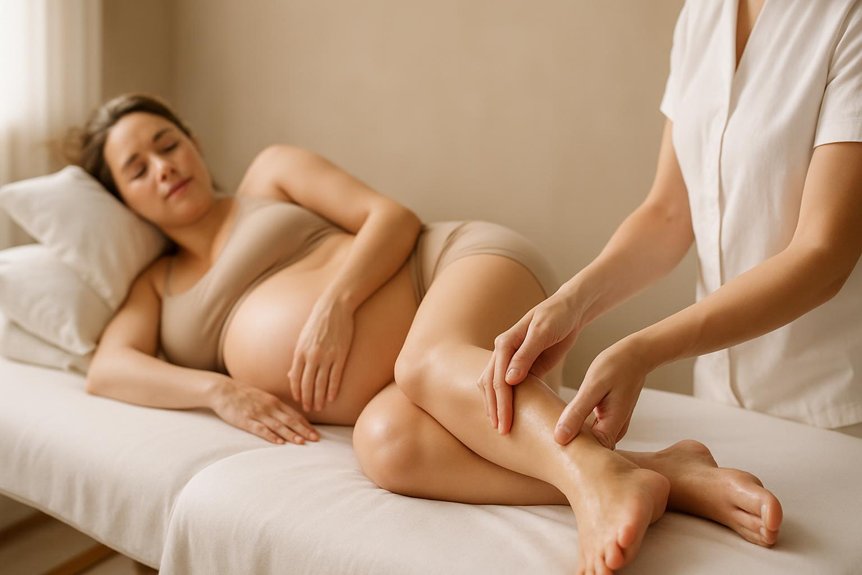
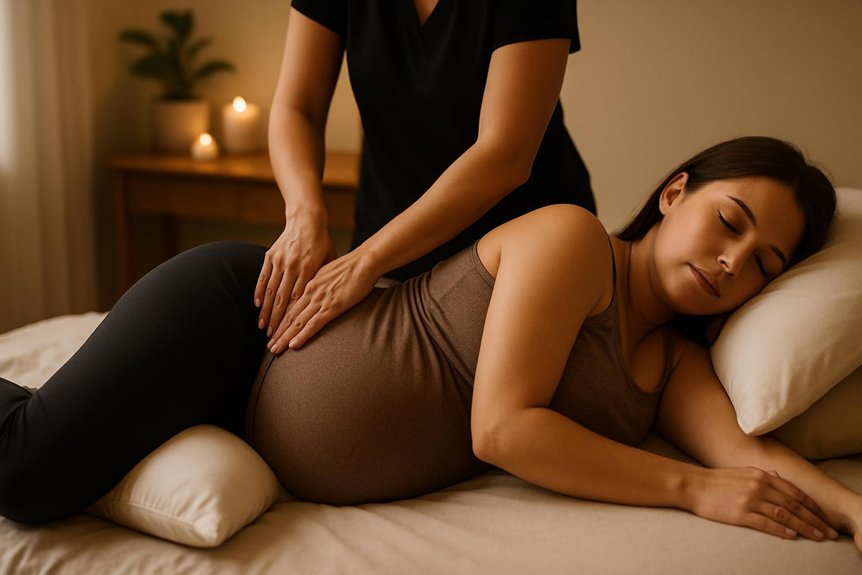
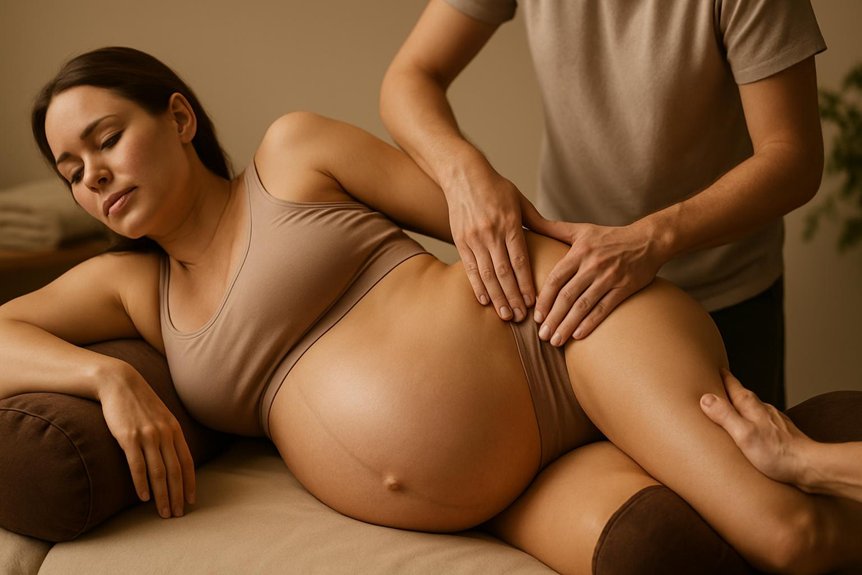
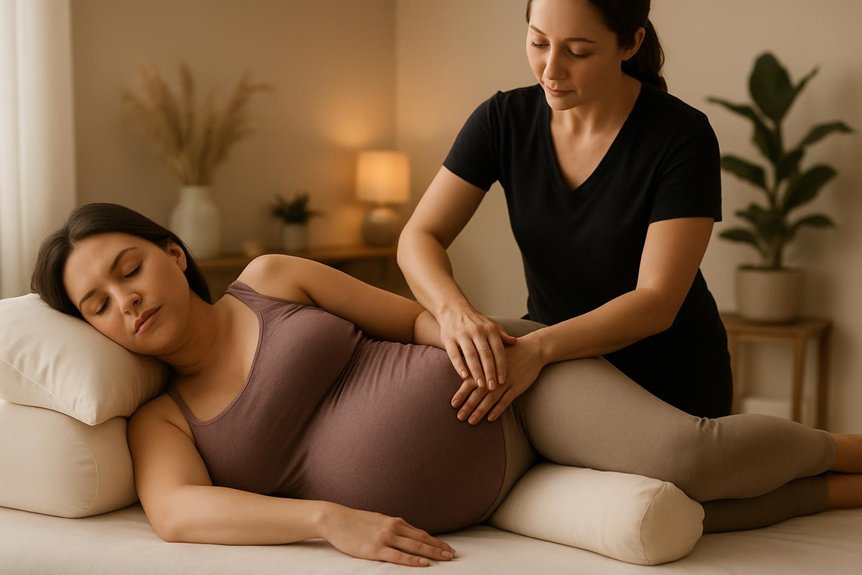
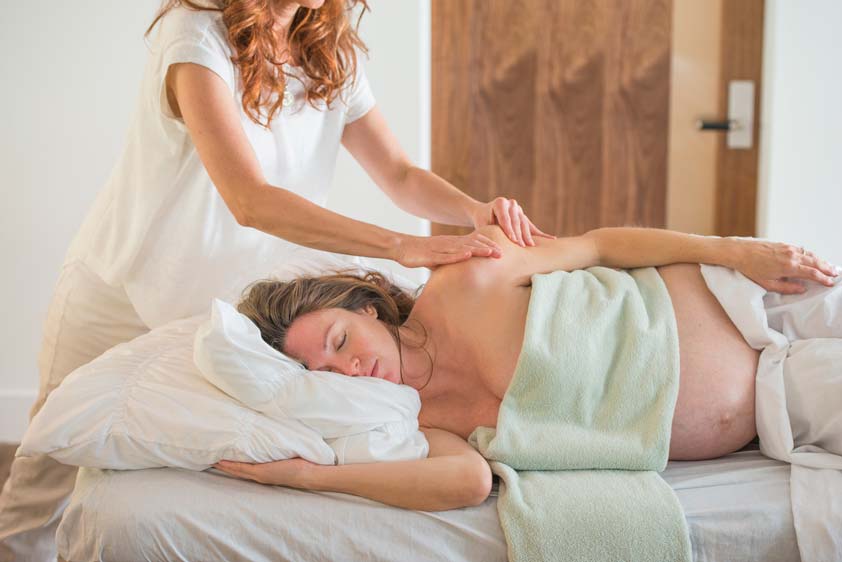
A safer rhythm is one that supports steady relief without provoking soreness: gentler pressure, side-lying positioning, and frequent check-ins help protect joints and circulation.
Because prenatal massage can support maternal comfort and relaxation, many clients find the benefits of pregnancy massage make a consistent, symptom-led schedule easier to maintain.
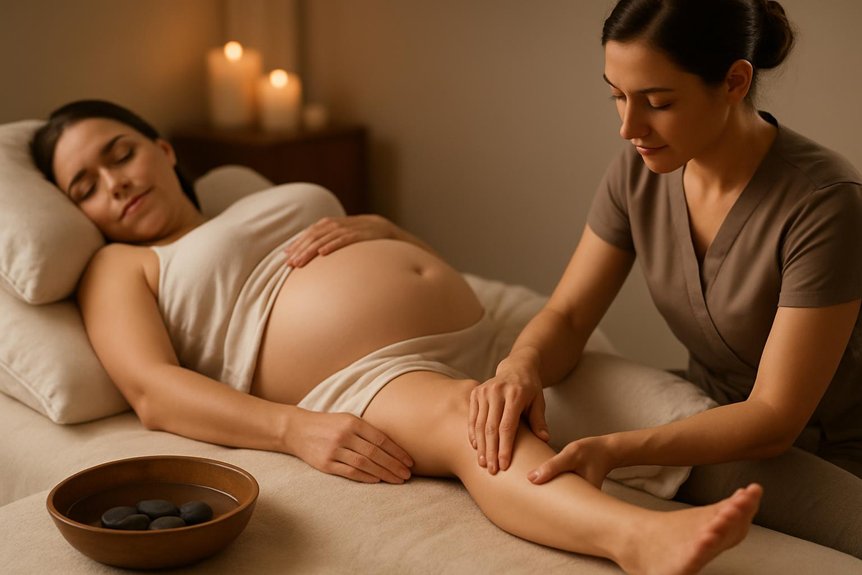
In Spa & Massage clinics across London, unscented or pregnancy-suitable oils are used, and aftercare includes hydration, light movement, and monitoring any unusual symptoms.
How Often Is Prenatal Massage in Each Trimester?
Prenatal massage frequency is typically adjusted as the body’s needs and clinical considerations change across the first, second, and third trimesters, rather than kept on a single fixed schedule.
In the first trimester, many clients choose to wait or book occasional, shorter sessions, prioritising comfort and discussing any nausea, fatigue, or medical history with their clinician and therapist first.
During the second trimester, when many feel steadier, a regular rhythm such as every 2–4 weeks often suits ongoing back, hip, and leg tension.
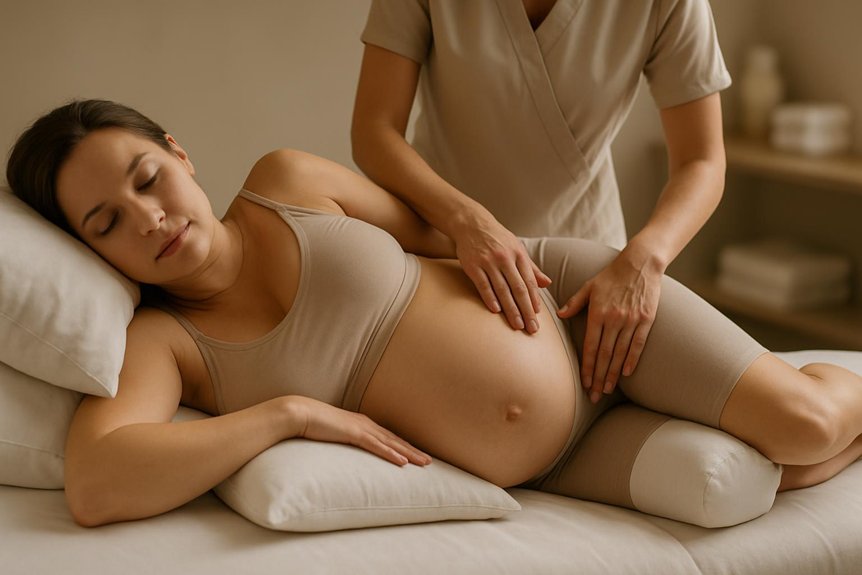
In the third trimester, as weight and sleep disruption increase, weekly or fortnightly appointments can feel most supportive, with side-lying positioning and gentle, circulation-focused work.
At Spa & Massage clinics, therapists tailor pressure and oils, aiming for calm, close-to-home relief.
What Signs Mean You May Need Prenatal Massage More Often?
Sometimes the body gives clear, practical cues that more frequent prenatal massage could be helpful, especially when symptoms begin to interfere with sleep, mobility, or day-to-day comfort.
Common signs include persistent low-back or pelvic aching, tight hips, calf cramping, shoulder and neck tension from postural changes, and swelling that feels heavy by afternoon. Increased headaches linked to muscular tension, restless sleep, or anxiety held in the chest and jaw can also suggest benefit from more regular sessions.
At Spa & Massage clinics, therapists reassess symptoms each visit and may recommend shorter, more frequent appointments when discomfort returns quickly between sessions.
Many clients find this rhythm supports circulation, reduces strain, and creates a calmer, more connected experience with their changing body, without pushing through pain.
When Should You Reduce or Avoid Prenatal Massage Sessions?
Prenatal massage frequency may need to be reduced—or paused—when high‑risk pregnancy factors are present, and Spa & Massage therapists advise clients to obtain midwife or obstetric approval in these situations.
New or worsening symptoms such as bleeding, severe abdominal pain, dizziness, fever, sudden swelling, or reduced fetal movement warrant stopping sessions and seeking prompt medical assessment.
As pregnancy reaches the later stages, sessions are typically adjusted for comfort and circulation (for example, shorter appointments and side‑lying positioning) to keep treatment safe and well‑tolerated.
High-Risk Pregnancy Factors
Even with regular, well‑planned sessions, massage frequency should be reduced—or paused entirely—when a pregnancy is considered high risk, because the priority shifts to minimising avoidable strain and coordinating care with the maternity team.
High‑risk factors can include a history of pregnancy complications, recurrent miscarriage, preterm labour risk, placenta problems, multiple pregnancy, significant hypertension or diabetes, clotting disorders, or being advised to follow activity restrictions.
In these situations, Spa & Massage recommends seeking explicit clearance from the midwife or obstetrician before booking, and sharing any care plan details so the therapist can adapt pressure, positioning, and session length—or defer treatment.
A calmer cadence may still feel nurturing, but the safest intimacy comes from professional alignment, not frequency.
Medical Symptoms And Changes
Most often, the need to reduce or avoid prenatal massage sessions is signalled by new or worsening medical symptoms rather than by gestational age alone.
Anyone experiencing vaginal bleeding, leaking fluid, fever, severe headache, visual changes, chest pain, fainting, sudden facial or hand swelling, or persistent abdominal cramping should pause massage and seek urgent medical advice.
Marked shortness of breath, calf pain or one-sided leg swelling, or unexplained rapid heart rate can indicate clot risk and also warrants medical assessment before continuing.
If dizziness, nausea, or increased uterine irritability appears during treatment, sessions should be shortened, pressure reduced, or stopped.
At Spa & Massage clinics across London, therapists prioritise comfort, use gentle positioning, and request GP or midwife clearance when symptoms change, or intuition says to slow down.
Late-Stage Session Adjustments
As pregnancy moves into the later weeks, the decision to reduce or pause massage tends to be guided by comfort, mobility, and clinical risk factors rather than a specific week number. Sessions are often spaced out if lying on the side becomes tiring, swelling is marked, or there is pelvic girdle pain that flares after touch.
Massage should be avoided or delayed when there is vaginal bleeding, reduced fetal movements, fever, suspected pre-eclampsia symptoms (severe headache, visual changes, sudden swelling), suspected DVT (hot, painful calf), ruptured membranes, or preterm labour signs—until a midwife or doctor advises.
At Spa & Massage, therapists adapt with extra bolstering, shorter timings, gentler pressure, and fragrance-free oils, keeping contact soothing and reassuring.
How Long Should You Wait Between Prenatal Massages?
Typically, a gap of about 1–2 weeks between prenatal massages suits many uncomplicated pregnancies, balancing symptom relief with appropriate recovery time. This interval supports consistent easing of back, hip, and leg tension while reducing the chance of post-treatment soreness or fatigue, especially as circulation and joint laxity change during pregnancy.
Some may benefit from weekly sessions during flare-ups (sleep disruption, sciatica-like discomfort, swelling), while others prefer every 3–4 weeks when symptoms are mild. In higher-risk pregnancies, or with complications such as preeclampsia signs, unexplained bleeding, severe headache, fever, or calf pain, massage should be paused until a midwife or GP confirms it is safe.
At Spa & Massage, therapists encourage listening closely to comfort, hydration, and rest needs.
How to Plan Prenatal Massages With Your Therapist
Often, planning prenatal massages works best when the client and therapist agree a clear framework from the outset: current trimester, symptoms (for example pelvic girdle pain, sciatica-like discomfort, swelling, sleep disruption), relevant medical history, and any guidance from a midwife or GP.
At Spa & Massage, therapists then set goals (comfort, mobility, relaxation) and map frequency around symptom patterns, energy levels, and upcoming milestones. Sessions are timed to allow recovery, with adjustments if tenderness or fatigue lingers.
Positioning is prioritised—side-lying with supportive bolsters—to protect circulation and ease the low back. Pressure is kept responsive, avoiding painful intensity and areas of concern.
Many clients choose unscented or pregnancy-appropriate aromatherapy oils, with patch testing when needed. Aftercare includes hydration, gentle movement, and monitoring any unusual symptoms.
Conclusion
Like a steady tide easing along the shore, a well-timed prenatal massage schedule can help the body meet each trimester’s changing demands. With trimester-appropriate positioning and gentle, responsive pressure, sessions may support comfort, circulation, and calmer sleep—especially when back pain, swelling, or stress begin to build. Frequency is best guided by symptoms, activity level, and clinical advice from a midwife or GP. When warning signs appear, postponing protects both parent and baby.