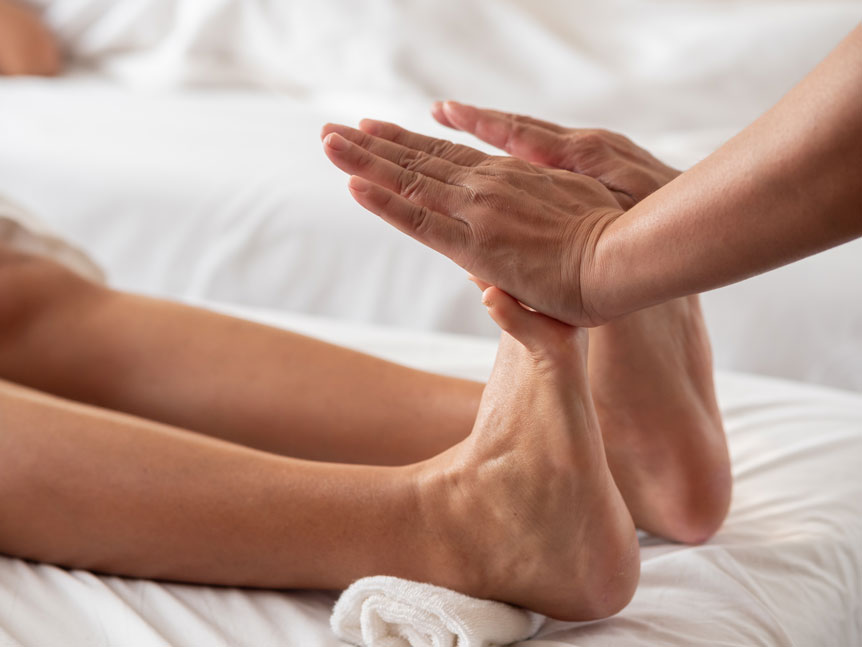
It may provide gentle, short‑term symptom relief for some people with IBS, particularly for abdominal pain, bloating, and stress‑related gut sensitivity, but the evidence is limited and mixed. Systematic reviews generally rate certainty as low, so it is not recommended as a standalone, disease‑modifying treatment in most guidelines. It may be used as a low‑risk adjunct alongside diet, psychological therapies, and subtype‑specific medicines. The sections below outline points used, expected sessions, and safety.
Can It Help IBS Symptoms?

How far can it go in easing IBS symptoms? Evidence remains limited: small studies suggest modest improvements in abdominal pain and quality of life, but results are inconsistent and not strong enough for most clinical guidelines to recommend it as a standalone treatment. It may, however, be used as a low-risk supportive option alongside clinician-led care, particularly when stress-related gut sensitivity is prominent.
Discover the Healing Power of Reflexology as a gentle approach that many people explore for overall wellbeing.
At Spa & Massage clinics across London, it is delivered with gentle, structured pressure to specific foot zones, aiming to downshift the nervous system and reduce discomfort perception. Therapists screen for red flags and adapt pressure to tenderness, creating a calm, private space that supports relaxation. Clients are advised to track symptoms over 4–6 sessions and stop if pain worsens.
What Is IBS: And What Triggers Flare-Ups?
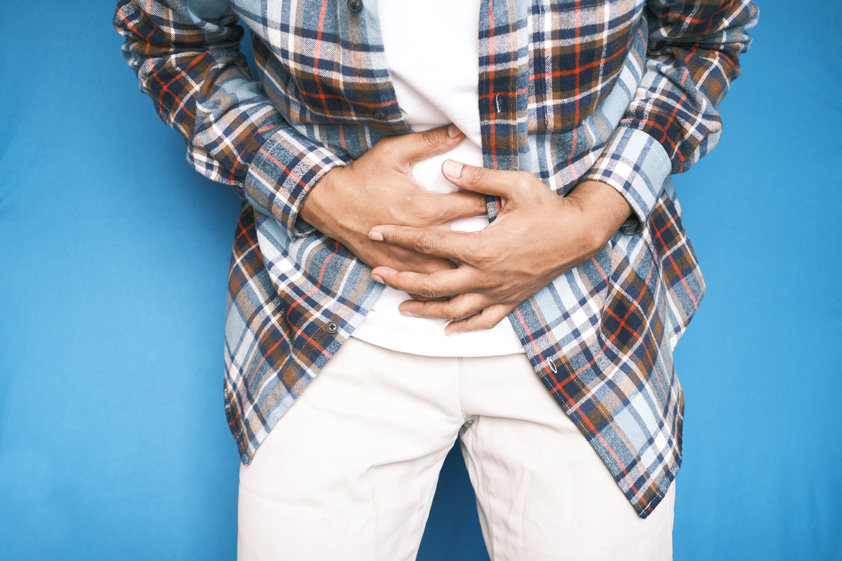
Irritable bowel syndrome (IBS) is a chronic disorder of gut–brain interaction characterised by recurrent abdominal pain associated with changes in bowel habit (diarrhoea, constipation, or mixed), often with bloating and symptoms that fluctuate over time.
Guideline-based management recognises that flare-ups commonly follow identifiable triggers such as specific foods (including fermentable carbohydrates), irregular meals, sleep disruption, intercurrent illness, certain medications, and hormonal variation.
Stress and anxiety are clinically relevant because autonomic and neuroendocrine signalling within the gut–brain axis can amplify visceral sensitivity and motility, informing why Spa & Massage clinics often integrate it within a broader stress-reduction plan.
IBS Symptoms And Patterns
Often characterised by recurrent abdominal pain with altered bowel habits, IBS (irritable bowel syndrome) is a functional gut–brain interaction disorder diagnosed clinically—typically when symptoms persist for at least three months and are associated with changes in stool frequency and/or form, with no evidence of structural disease.
Symptom patterns vary: IBS-D features chiefly loose stools and urgency; IBS-C features infrequent, hard stools and straining; IBS-M alternates both; IBS-U is unclassified.
Bloating, visible distension, excess gas, and a sensation of incomplete evacuation are common and can feel deeply personal and disruptive.
Symptoms often fluctuate, with “good” and “bad” days, and may cluster around stress, meals, or hormonal cycles.
Clinical guidance emphasises screening for alarm features (e.g., rectal bleeding, weight loss, anaemia) and reviewing medications.
Common IBS Flare Triggers
Flare-ups in IBS commonly follow identifiable triggers that amplify gut–brain signalling, alter motility, and heighten visceral sensitivity, even in the absence of structural disease.
Guideline-informed triggers include fermentable carbohydrates (FODMAPs) such as wheat, onions, garlic, certain fruits, and polyols; lactose or excess fructose; high-fat meals; caffeine; alcohol; and carbonated drinks.
Irregular meal timing, large portions, and inadequate soluble fibre can worsen bloating or pain, while sudden fibre increases may provoke gas.
Post-infectious changes after gastroenteritis, antibiotic exposure, and hormonal fluctuations (often around menstruation) also feature.
Some people react to specific food additives or spicy foods.
At Spa & Massage clinics, clients are encouraged to keep a private symptom-and-food diary to identify patterns before adjusting diet with a clinician.
Stress Gut-Brain Connection
In IBS, psychological stress can exacerbate symptoms via dysregulation of the gut–brain axis—altering autonomic balance (increased sympathetic tone, reduced vagal activity), activating the hypothalamic–pituitary–adrenal pathway, and modulating serotonergic signalling, motility, mucosal permeability, and visceral pain processing.
Clinically, this can translate into urgency, bloating, cramping, and fluctuating bowel habits, often during periods of poor sleep, high workload, or emotional strain. Guidelines consequently support stress-targeted strategies alongside diet and medication.
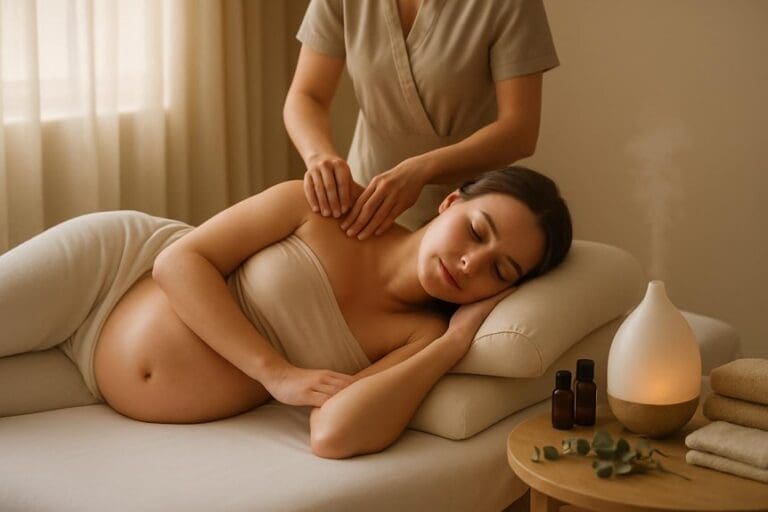
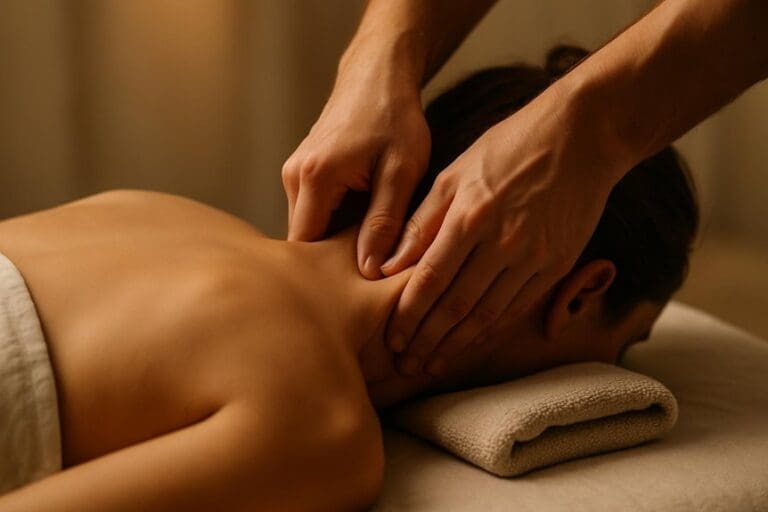
At Spa & Massage clinics across London, reflex therapy and calming massage are used as adjuncts to promote relaxation and downshift arousal, which some clients report as easing symptom intensity.
Care is framed as supportive, not curative; persistent red-flag symptoms warrant medical review.
Reflex Therapy for IBS: What It Can and Can’t Do
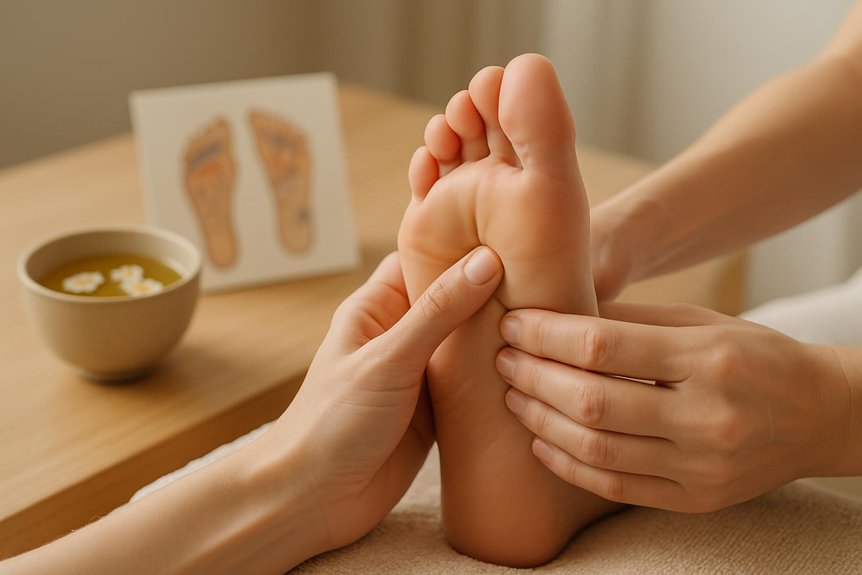
It is sometimes used as a supportive, non-pharmacological option for people with irritable bowel syndrome (IBS), primarily to help modulate stress and symptom perception rather than to treat the underlying condition. Current evidence is limited and mixed; it does not replace guideline-based care such as dietary review, gut-directed pharmacotherapy, and psychological therapies when indicated. It also should not be positioned as a cure or as treatment for inflammation, infection, or structural bowel disease.
At Spa & Massage clinics across London, it is offered as a gentle, person-centred adjunct that may help some clients feel calmer and more in control during flare patterns. It is best considered when symptoms are stable and red flags are absent. New bleeding, weight loss, persistent fever, anaemia, or nocturnal symptoms require medical assessment.
How It May Support IBS via Stress Relief
Often, IBS symptom severity tracks closely with stress-related autonomic arousal and altered gut–brain signalling, so interventions that reliably reduce perceived stress may help soften pain sensitivity, urgency, and bowel habit variability.
It is plausibly supportive by promoting parasympathetic “rest-and-digest” tone and downshifting hypervigilance, which can lower visceral hypersensitivity in some people. Evidence remains mixed, yet guidelines commonly endorse stress-management as part of multimodal IBS care; it may be a practical adjunct when it is soothing and consistent.
At Spa & Massage clinics across London, therapists focus on slow pacing, warm draping, and steady pressure, helping clients feel safe and regulated—conditions associated with calmer breathing and improved sleep.
It should complement, not replace, medical evaluation and dietary or pharmacologic plans.
Which Reflex Therapy Points Are Used for IBS Discomfort?
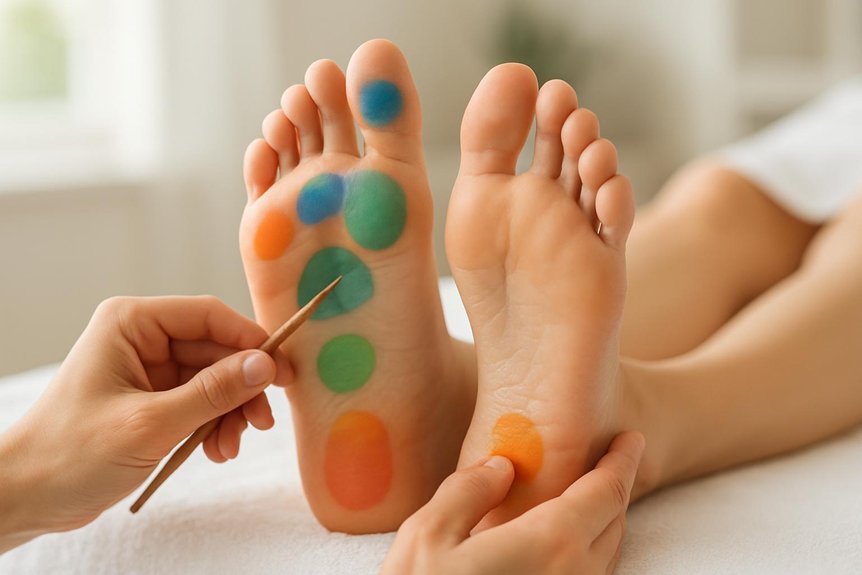
For IBS-related discomfort, reflex therapy protocols typically prioritise key digestive reflex points (e.g., stomach, small intestine, colon) alongside calming stress reflex points (e.g., diaphragm/solar plexus, adrenal, head/brain) to align with guideline emphasis on gut–brain symptom modulation.
In Spa & Massage clinics, therapists apply structured, pressure‑titrated techniques to these areas and monitor client-reported pain, bloating, bowel urgency, and relaxation to guide session focus.
Point selection and intensity should remain individualised, avoid painful stimulation, and be positioned as a complementary approach rather than a replacement for medical IBS management.
Key Digestive Reflex Points
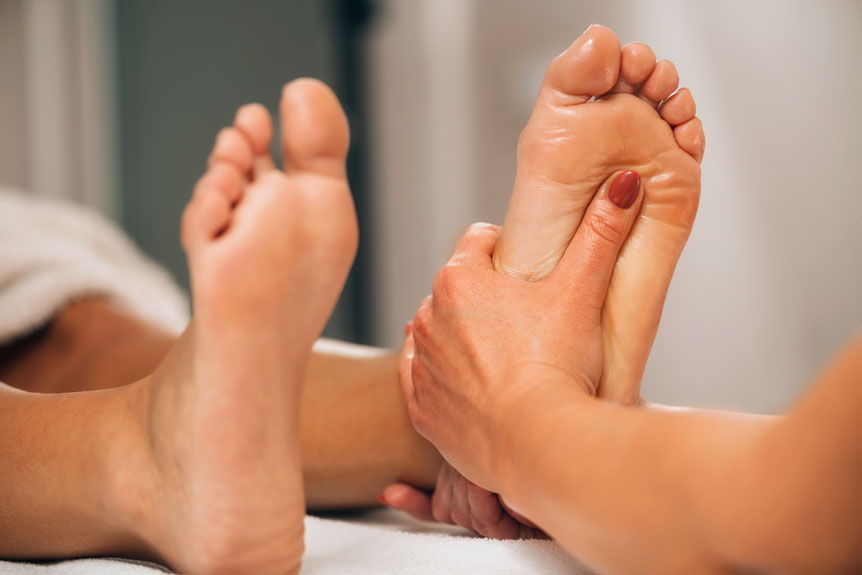
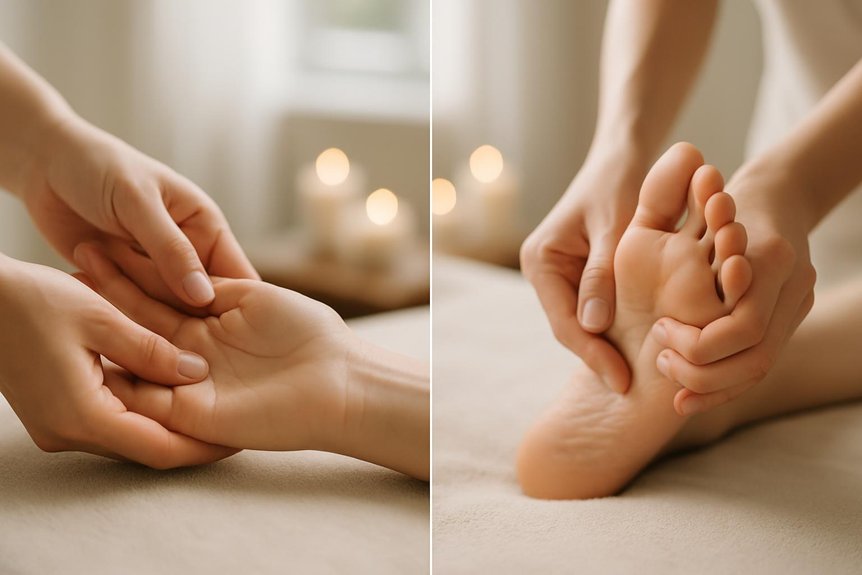
Within clinical reflex therapy practice, IBS-related discomfort is typically addressed by working specific foot zones mapped to digestive function: the solar plexus/diaphragm point (to downshift stress reactivity), the stomach and duodenum area, the pancreas zone, the small and large intestine tracks (including the ileocaecal valve and ascending–transverse–descending colon pathway), and the liver–gallbladder region; at Spa & Massage clinics, therapists prioritise these points using pressure graded to the client’s tolerance, with treatment choices guided by symptom pattern (e.g., cramping, bloating, constipation or urgency) and standard contraindication screening.
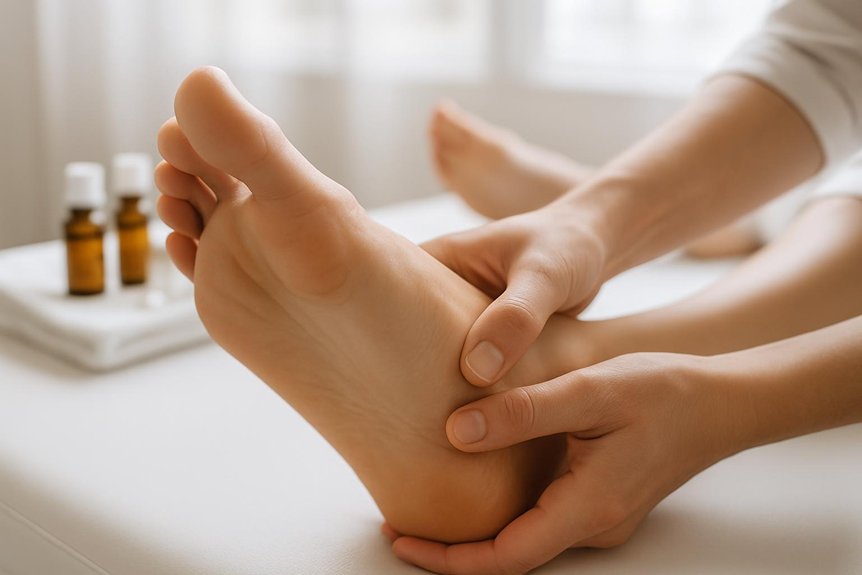
Treatment commonly begins with gentle contact to warm tissue, then sustained, precise pressure along intestinal “tracks” to mirror transit direction, with extra attention to tender nodules. Where constipation predominates, the descending colon and rectum zones are emphasised; for bloating, small-intestine and ileocaecal areas are prioritised. Sessions are documented and adjusted to response.
Calming Stress Reflex Points
Digestive-zone work in it is frequently paired with stress-modulating points because IBS symptoms are closely linked to autonomic arousal and visceral hypersensitivity. Practitioners commonly include the solar plexus reflex (mid-foot diaphragm line) to downshift sympathetic tone, alongside the adrenal reflex (medial arch) and kidney reflex (centre sole) for perceived stress reactivity.
Head/brain and pituitary reflexes (toe pads, great toe) are used to support sleep and tension patterns that can amplify bowel urgency and pain. Many therapists also work the vagal-related neck/throat reflex area (base of toes) with light, steady pressure to encourage slower breathing.
At Spa & Massage clinics across London, pressure is kept comfortable, sessions are paced, and clients are advised to pause if symptoms flare or dehydration occurs.
What Does Research Say About Reflex Therapy for IBS?
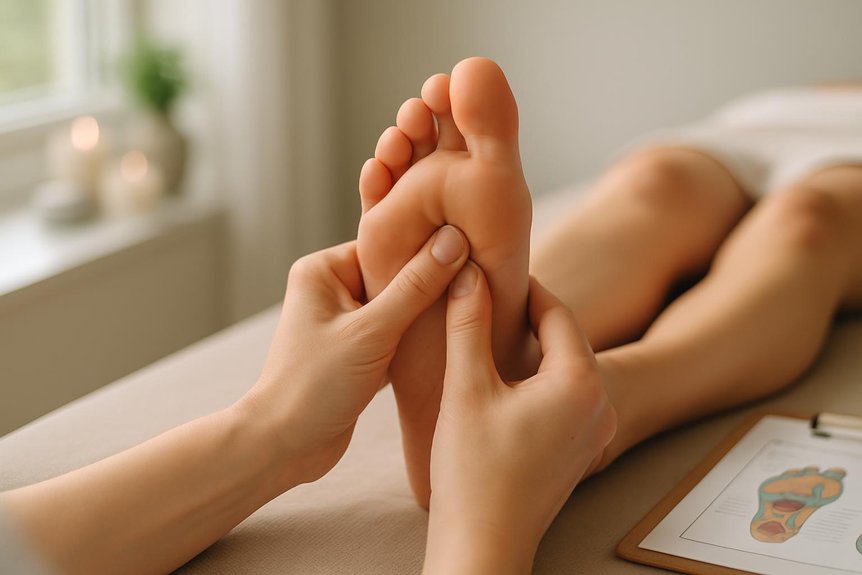
What does the evidence actually show about reflex therapy for irritable bowel syndrome (IBS)? Clinical studies are limited and generally small, with mixed results. Some trials report short‑term improvements in abdominal pain, bloating, and bowel habit, but effects are inconsistent and often confounded by placebo response, expectation, and concurrent lifestyle changes.
Systematic reviews typically rate the overall certainty of evidence as low, meaning reflex therapy cannot be recommended as a standalone, disease‑modifying IBS treatment.
Current IBS guidelines prioritise diet (including low‑FODMAP with supervision), gut‑directed psychological therapies, and targeted medicines based on subtype. It may be considered as an adjunct for stress modulation, relaxation, and symptom coping.
At Spa & Massage, therapists frame it as supportive care alongside medical guidance.
What to Expect in an IBS-Focused Massage Session
Often, an IBS-focused massage session begins with a brief clinical-style intake to clarify symptom pattern (pain, bloating, bowel habit, triggers), relevant diagnoses and red flags, current medications, and ongoing care plans, so the treatment can be positioned as supportive alongside guideline-based management rather than a replacement.
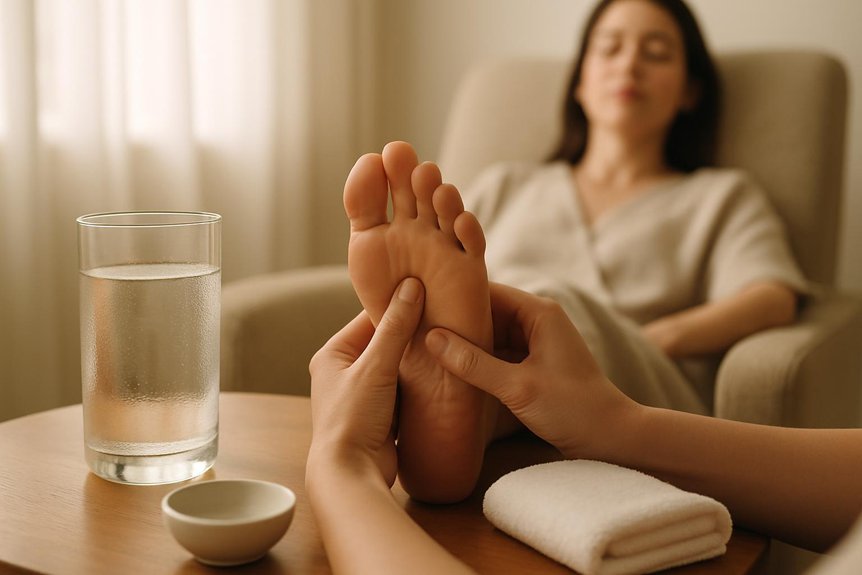
At Spa & Massage clinics, the client is then made comfortable and kept warmly covered while footwear is removed. The therapist uses a gentle-to-moderate, non-painful pressure, adapting to tenderness, anxiety, and fatigue.
Work typically centres on foot zones traditionally associated with the gut and autonomic regulation, with paced breathing cues to downshift stress reactivity.
During and after, changes are monitored (comfort, cramping, urge), and hydration, light meals, and symptom tracking are suggested, with medical review advised if warning signs emerge.
How Many Massage Sessions for IBS Relief?
Following an IBS-focused reflex therapy session and initial symptom tracking, the next practical question is the expected course of care for meaningful relief. Evidence for reflex therapy in IBS is limited and heterogeneous, so Spa & Massage frames planning around measurable outcomes rather than fixed promises.
Many clients begin with 4–6 weekly sessions to assess changes in abdominal pain, bloating, stool pattern, and stress reactivity, then review progress.
If early benefit is reported, a consolidation phase of fortnightly sessions for 4–8 weeks is commonly used, followed by maintenance every 3–6 weeks, tailored to flare frequency. If no clinically meaningful improvement is seen after 6 sessions, the approach is reconsidered.
Session length is typically 45–60 minutes, with gentle pressure.
IBS Reflex Therapy Self-Care: and When to See Your GP
Alongside clinic-based reflex therapy, structured self‑care is typically used to support IBS symptom control, while clear escalation criteria help guarantee potentially serious causes are not missed.
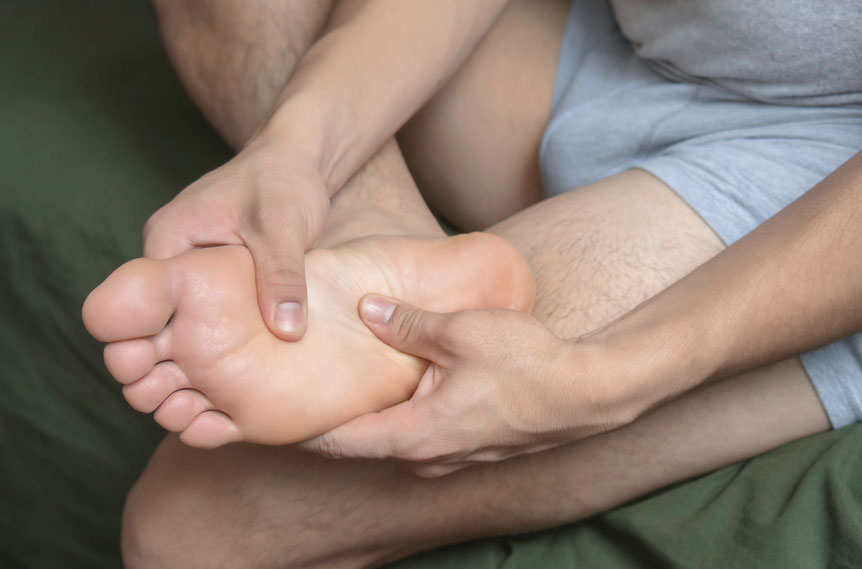
Spa & Massage therapists typically suggest brief home foot sequences (5–10 minutes), gentle pressure, and slow breathing to reduce stress reactivity, plus consistent sleep, hydration, and symptom/food tracking to inform GP-led dietary advice (e.g., low‑FODMAP under dietitian support).
Heat packs, pelvic-floor relaxation, and paced meals may help.
GP review is recommended for red flags: rectal bleeding, unexplained weight loss, persistent fever, nocturnal diarrhoea, anaemia, new symptoms after age 50, family history of bowel cancer/IBD, ongoing vomiting, or severe, escalating pain.
Persistent symptoms despite self‑care also warrant assessment.
Conclusion
Like a stormy sea settling after the wind drops, IBS symptoms may ease when the nervous system is quieter. It is not a cure and should not replace guideline‑based care (dietary therapy, medications, and medical review for red‑flag symptoms). However, as a low‑risk adjunct, it may support relaxation, sleep, and perceived abdominal comfort—pathways linked to gut–brain signalling. For some, regular sessions become a steady anchor, complementing GP‑led assessment and treatment.