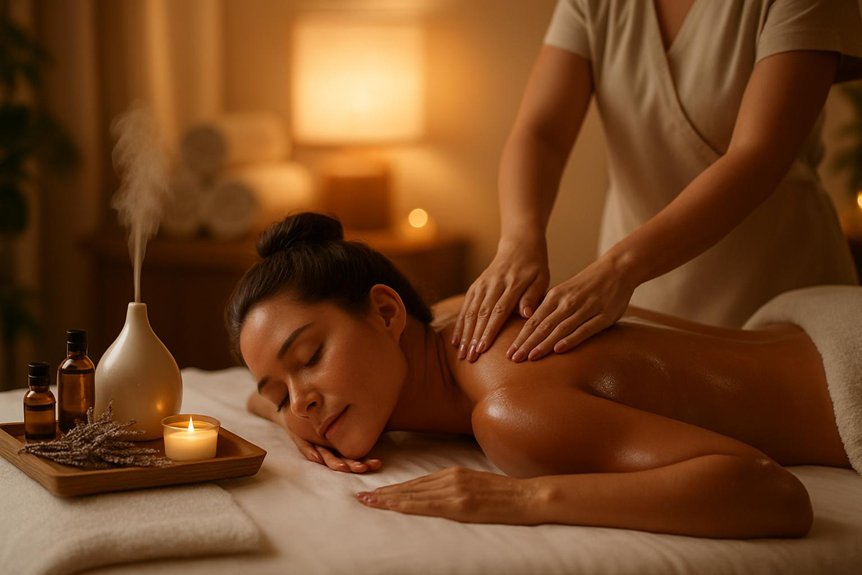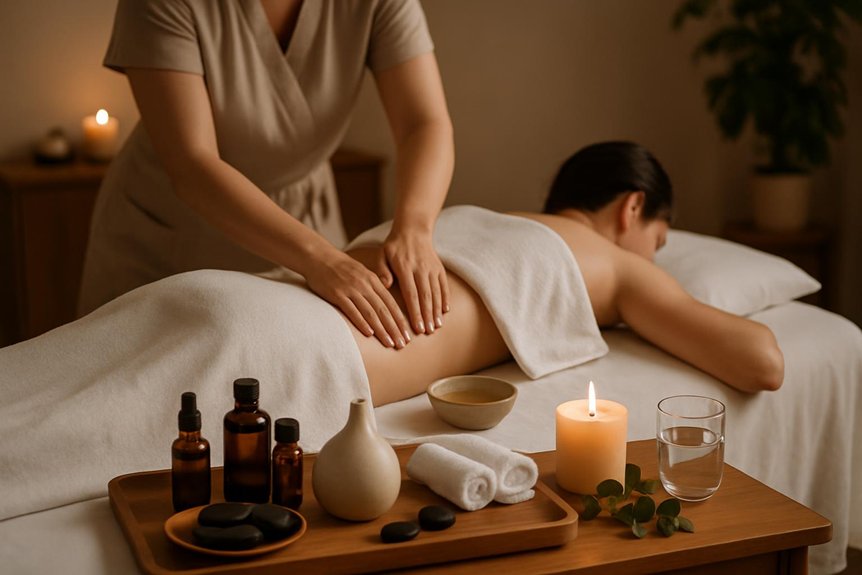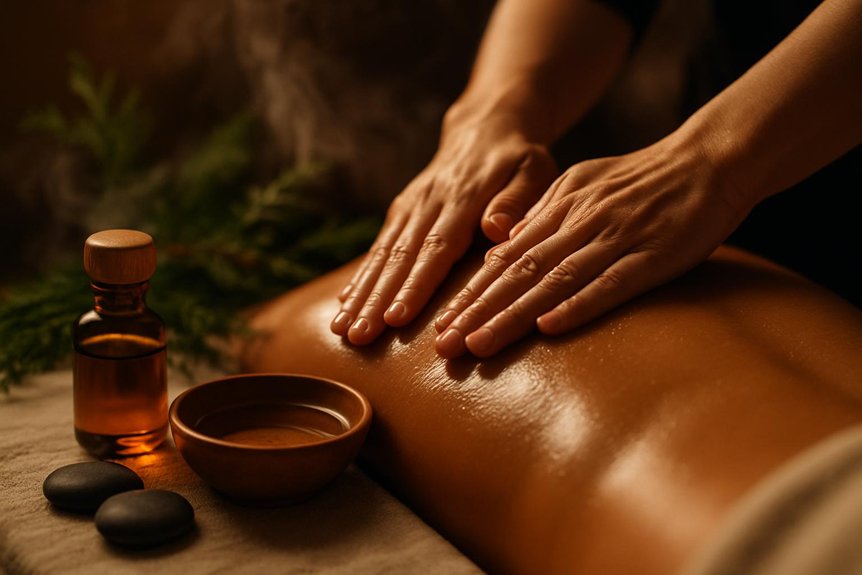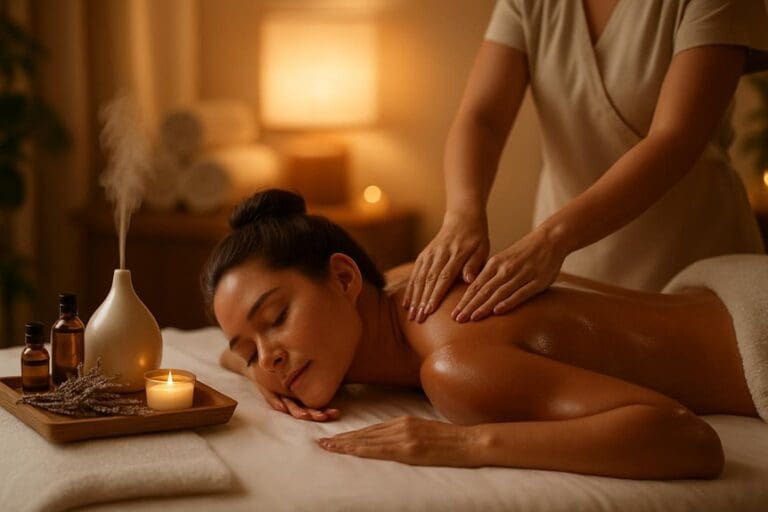
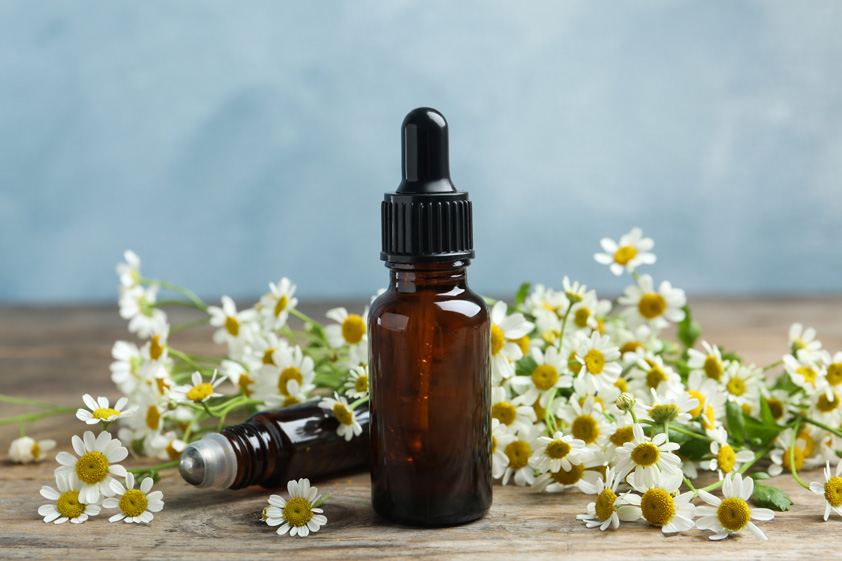
Roman chamomile oil is used in aromatic massage to support relaxation, ease stress-related muscle guarding, and promote calmer breathing, which may help sleep readiness. Its apple-like aroma is often paired with slow, rhythmic Swedish-style strokes and longer holds to encourage parasympathetic settling. When properly diluted, it is also chosen for reactive skin and mild soreness due to soothing, anti-inflammatory and antispasmodic properties. Safety screening and patch testing are advised; next are key uses and precautions.
What Is Roman Chamomile Oil Used For in Massage?
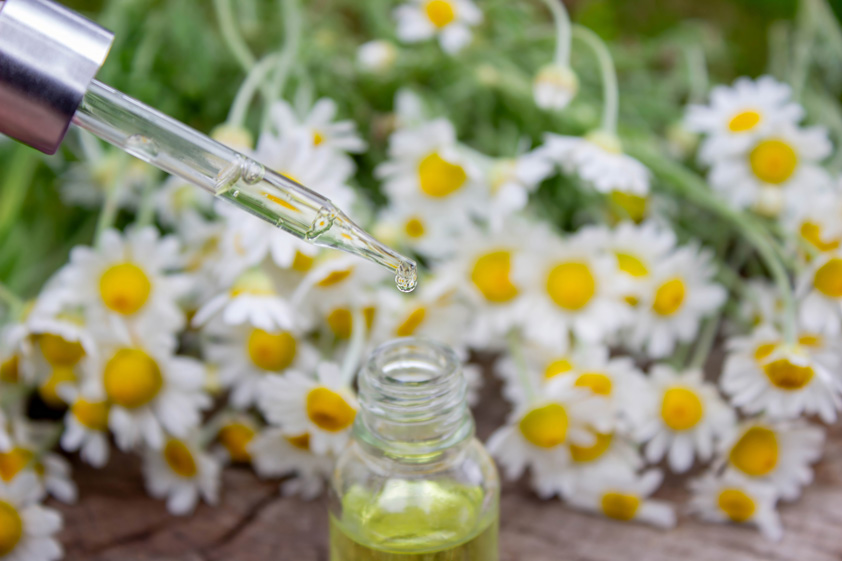
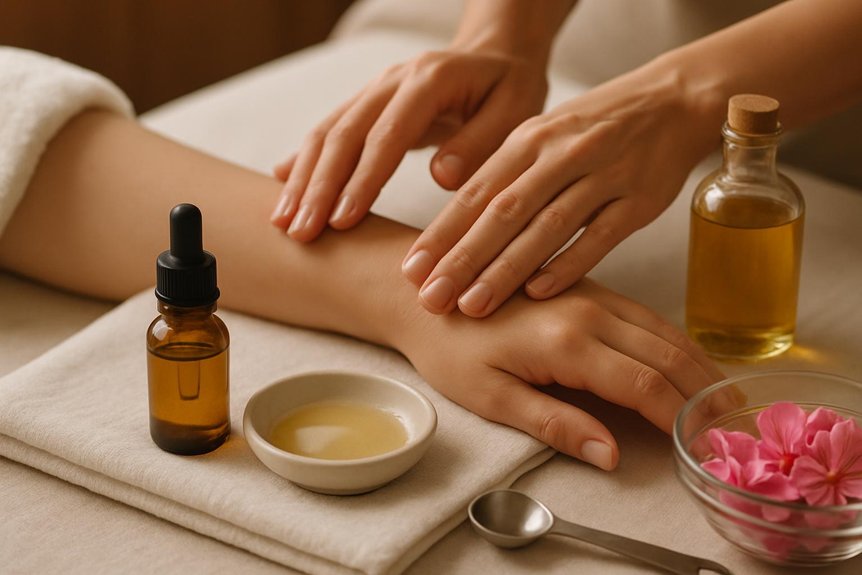
In massage, Roman chamomile oil is primarily used to support relaxation and comfort in clients who present with heightened stress, light muscular tension, or sensitivity to firmer techniques. Its soft, apple-like aroma is associated with calming effects that may help downshift the nervous system, encourage slower breathing, and make touch feel safer and more receptive.
As part of aromatherapy massage, it’s often introduced to help clients relax and heal through scent-led support alongside skilled touch.
At Spa & Massage clinics across London, therapists may choose Roman chamomile within aromatherapy blends for sessions focused on unwinding, sleep readiness, and gentle emotional settling. It can complement lighter-pressure Swedish and pregnancy massage styles, and is often paired with grounding strokes and sustained, intimate contact to reduce guarding.
Many clients report feeling soothed, less restless, and more connected to their body after treatment.
Is Roman Chamomile Oil Safe for Everyone?
Roman chamomile oil is generally well tolerated when properly diluted, but it is not appropriate for everyone, particularly clients with known sensitivity to plants in the Asteraceae (daisy) family or a history of allergic reactions to essential oils.
For pregnancy and breastfeeding, Spa & Massage therapists take a precautionary approach and recommend clinician advice and a tailored consultation before any aromatherapy application.
Patch testing and clear screening for allergies and current medications are standard precautions used in Spa & Massage clinics to minimise the risk of skin irritation or adverse reactions.
Who Should Avoid It
While widely tolerated in professional aromatic massage, Roman chamomile oil is not appropriate for every client and should be screened for safety before use.
Clients with a known allergy to chamomile, ragweed, or other Asteraceae plants should avoid it due to cross-reactivity risk.
It is also unsuitable for anyone with a history of contact dermatitis, fragrance sensitivity, asthma triggered by scents, or a tendency to migraines, as aroma exposure may aggravate symptoms.
Use should be avoided on broken skin, active eczema flares, or infected areas.
Caution is advised for clients taking anticoagulants or sedative medicines, because chamomile constituents may theoretically increase bleeding risk or sedation.
At Spa & Massage, therapists patch-test when indicated and choose unscented alternatives to preserve comfort and trust.
Pregnancy And Breastfeeding
During pregnancy and breastfeeding, essential oil selection is approached with a higher safety threshold because physiological changes can increase skin sensitivity and make strong aromas less tolerable.
Roman chamomile is generally considered a gentle oil, yet safety depends on trimester, health history, and exposure level.
In Spa & Massage clinics, therapists favour conservative dilution and brief, low-intensity diffusion, prioritising comfort, nausea triggers, and sleep quality.
Pregnant clients are advised to disclose any prior pregnancy complications, asthma, migraines, or medication use before choosing aromatherapy.
During breastfeeding, oils are kept away from the chest and hands to reduce inadvertent infant contact or ingestion.
When uncertainty exists, Spa & Massage may recommend an unscented pregnancy massage or reflexology session instead, preserving closeness without adding avoidable chemical exposure.
Patch Testing And Allergies
Sensitivity screening remains a priority after pregnancy- and breastfeeding-related precautions, because even gentle aromatherapy oils can trigger irritation or allergy in susceptible individuals.
Roman chamomile belongs to the Asteraceae family, so clients with ragweed or daisy sensitivities may be at higher risk.
In Spa & Massage clinics, therapists support a patch test when there is a history of eczema, asthma, hay fever, fragrance allergy, or prior reactions to botanicals.
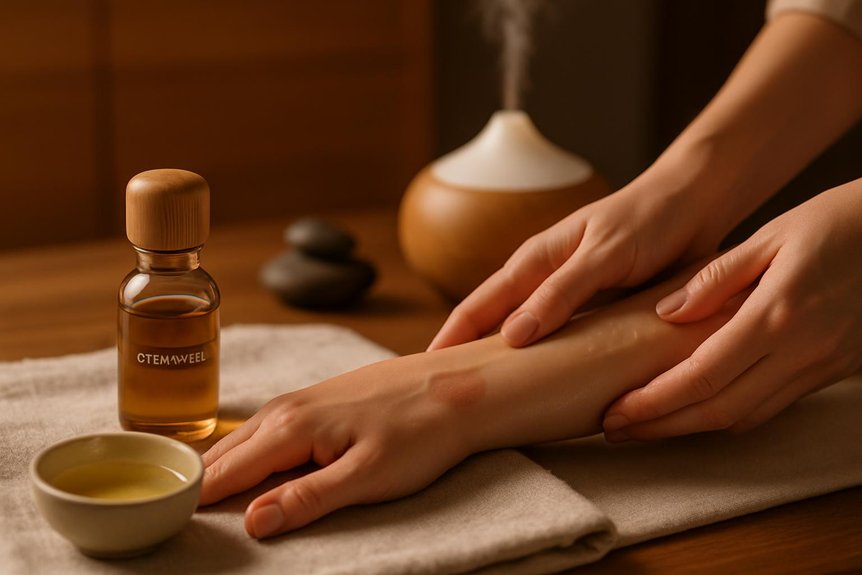
A small amount of properly diluted blend is applied to the inner forearm and observed for 24 hours for redness, itching, swelling, or warmth.
Any reaction means the oil is avoided and a fragrance-free carrier is used instead.
Documentation and ongoing check-ins during treatment help maintain comfort and safety throughout.
How It Helps Stress, Anxiety, and Sleep
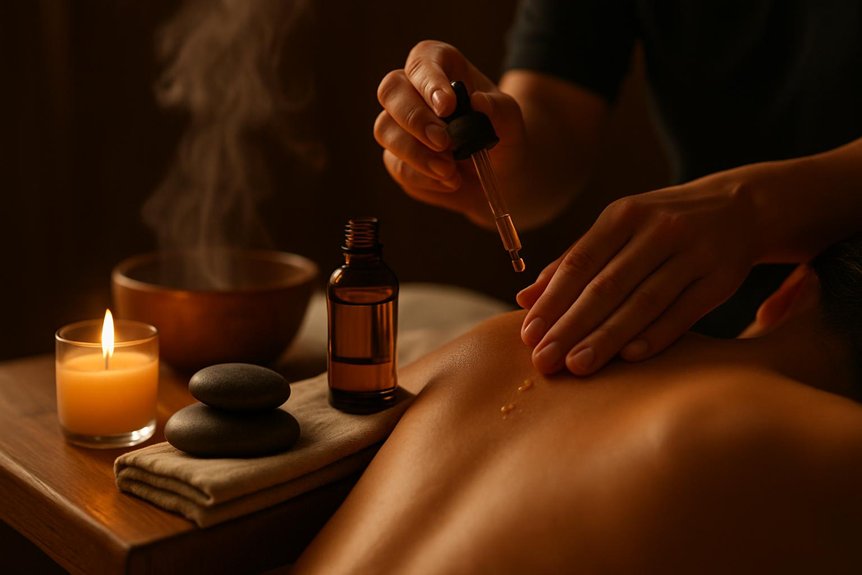
Used in aromatic massage, Roman chamomile oil is commonly selected to support downregulation of the stress response and promote calmer mood and improved sleep quality.
Its sweet, apple-like aroma is associated with reduced perceived tension and gentler breathing patterns, which can help shift clients from vigilance into rest.
Emerging evidence suggests chamomile constituents may influence GABAergic activity, aligning with reports of eased anxiety and improved sleep onset.
In Spa & Massage clinics, therapists typically blend Roman chamomile at low dilution and pair it with slow, rhythmic effleurage and longer holds over the upper back, neck, and jaw—areas where stress is often held.
Clients are guided to inhale softly, feeling safely contained and unhurried.
Aftercare often includes an early night, warm hydration, and reduced screen exposure.
How It Calms Reactive or Sensitive Skin
Beyond its calming effects on mood and sleep, Roman chamomile oil is also frequently chosen in aromatic massage to support clients with reactive or easily irritated skin.
Its key constituents, including esters, are associated with soothing, anti-inflammatory activity, which may help reduce the look and feel of transient redness, tightness, or itch triggered by stress, friction, or environmental change.
At Spa & Massage clinics across London, therapists dilute Roman chamomile appropriately in a neutral carrier oil and use lighter, slower strokes to minimise mechanical irritation while maintaining a close, comforting therapeutic presence.
A patch test and careful intake are recommended for clients with eczema, rosacea, allergies, or pregnancy.
Aftercare typically focuses on hydration, avoiding hot showers, and monitoring any delayed sensitivity response.
How It Eases Muscle Tension and Cramps
Roman chamomile oil is commonly used in aromatic massage to support muscle relaxation, likely through mild anti-inflammatory and antispasmodic effects alongside downregulation of stress-related muscle guarding.
At Spa & Massage, therapists pair it with slow effleurage, sustained compression, and targeted myofascial work to improve local circulation and reduce neuromuscular trigger-point sensitivity that can contribute to cramping.
Technique selection and dilution are adjusted to the client’s symptoms and tolerance, with particular care around acute pain, recent injury, or pregnancy.
Muscle Relaxation Mechanisms
In aromatic massage, Roman chamomile oil is commonly selected for clients presenting with muscle tightness or intermittent cramping because its key constituents are associated with downregulating peripheral irritation and supporting neuromuscular calming.
Esters such as isobutyl angelate are linked to mild antispasmodic activity, while broader anti-inflammatory actions may reduce nociceptor sensitisation that keeps muscles “guarding.”
Inhalation alongside skin application can further shift autonomic tone toward parasympathetic dominance, lowering stress-related muscle holding and supporting smoother breathing patterns.
At Spa & Massage, therapists observe that clients often report a softened, warmer feel in affected areas as tension releases and comfort returns.
This oil is typically considered when cramps are worsened by anxiety, fatigue, or post-exertion soreness, with careful dilution for sensitive skin.
Cramp-Soothing Massage Techniques
Many cramp-presentations respond best to a structured sequence of massage strokes that reduces protective guarding while maintaining comfort and tissue safety.
At Spa & Massage, therapists begin with slow effleurage to warm the area and cue parasympathetic settling, then apply gentle petrissage to improve local circulation and reduce nociceptive input.
When tolerated, sustained compressions and myofascial glides follow the muscle fibres, paired with calm breath coaching to ease holding patterns and support a close, reassuring sense of care.
For acute calf or hamstring cramps, controlled passive lengthening is added only after pain decreases, avoiding aggressive stretching. Roman chamomile oil is used in a diluted blend to support comfort and reduce perceived soreness.
Aftercare includes hydration, heat, and graded activity.
How We Use Roman Chamomile in Our Blends
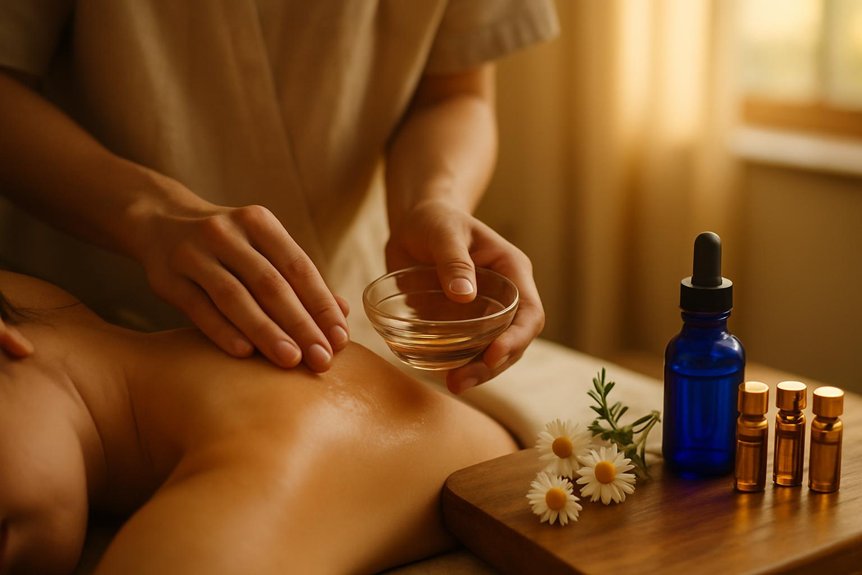
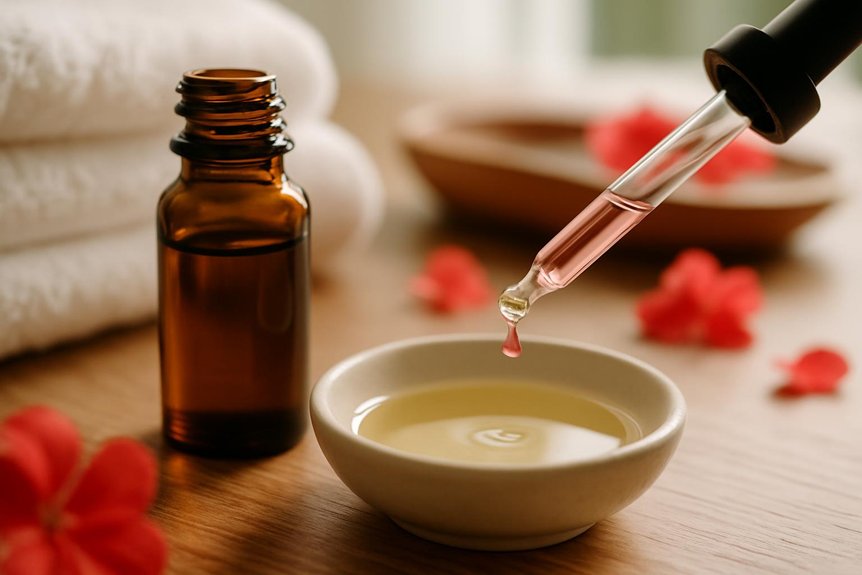
Across Spa & Massage clinics in London, Roman chamomile essential oil is incorporated into selected aromatherapy blends only after a brief consultation to clarify the client’s goals (e.g., relaxation support, stress load, muscle comfort) and screen for sensitivities.
Therapists then prepare a low‑dilution blend in a neutral carrier, selecting complementary oils that support calm breathing and soften tension without overwhelming the senses.
For stress-linked tightness, it is paired with slow, grounding effleurage and measured pressure to encourage parasympathetic settling.
For muscular discomfort, it may be combined with warming strokes, then finished with lighter contact to reduce reactivity.
Patch testing and conservative dosing are used for reactive skin, pregnancy, or allergy history.
Aftercare includes hydration, heat avoidance, and noting any delayed sensitivity.
Conclusion
Roman chamomile oil in aromatic massage is often used to create a calmer “internal climate,” like dimming the lights in a busy room. Its soft, apple-like herbaceous aroma may support relaxation and improved sleep readiness, while gentle anti-inflammatory properties can suit reactive skin when correctly diluted. In blends, it is commonly selected for stress-linked muscle tightness or cramping, helping the body soften and settle. Individual screening and patch testing guide safe, client-centred use.