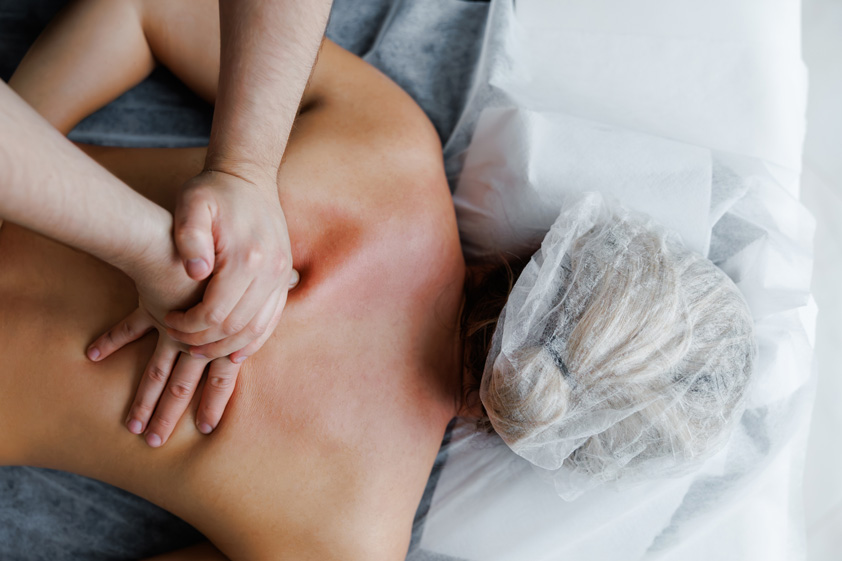
It is usually safe, but it can cause short-term soreness, tenderness, stiffness, fatigue, light-headedness, thirst, and occasional bruising for 24–72 hours. Rarer risks include nerve irritation (sharp, burning, shooting pain, tingling, or numbness) and aggravation of an underlying injury. Urgent assessment is warranted for escalating pain, marked swelling or redness, fever, dark urine, chest pain, shortness of breath, fainting, or new weakness. Further detail clarifies who should avoid it and how to reduce risk.
Normal vs Worrying Reactions After Deep Tissue Massage
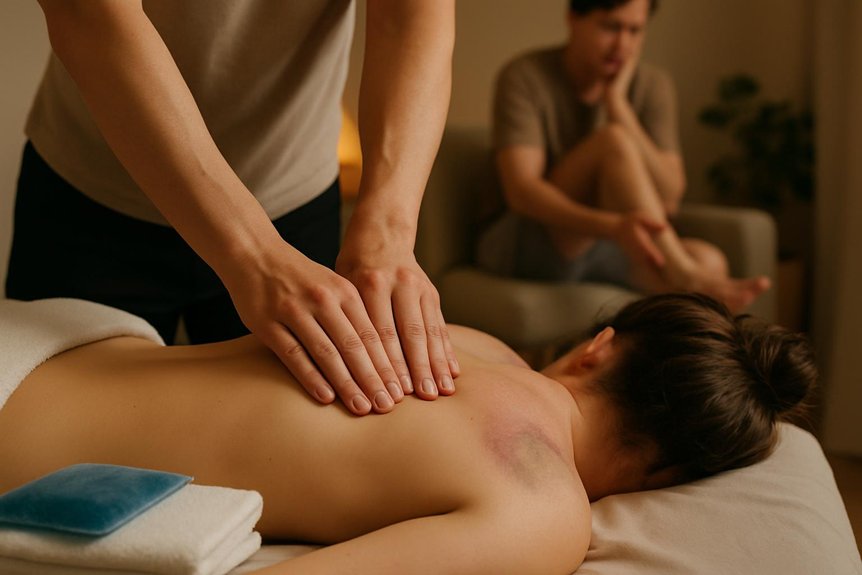
After a intensive tissue massage, what reactions are normal and which should prompt concern? Spa & Massage advises that mild, short-lived tenderness, warmth, and a relaxed, “open” feeling in the treated area can be expected, especially after firm, slow pressure.
Light fatigue or thirst may also occur; clients are encouraged to hydrate and rest.
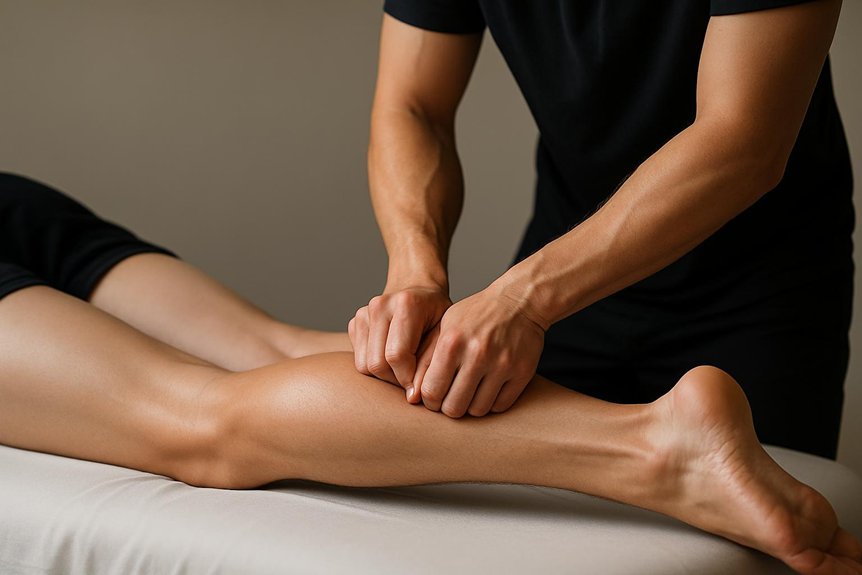
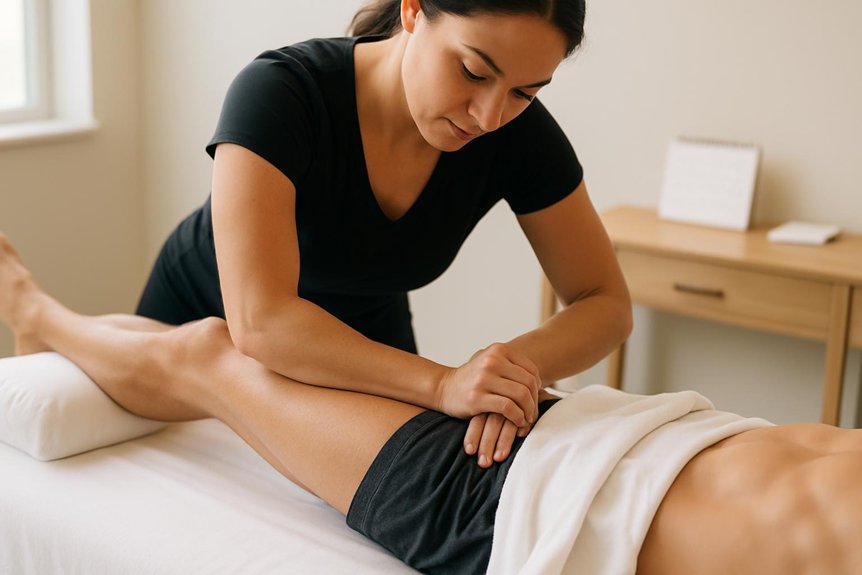
Because it uses sustained pressure to reach deeper muscle and connective layers, some next-day soreness can be part of the deep tissue techniques involved.
Concerning reactions are those that suggest tissue injury or systemic stress: sudden or escalating pain, marked swelling, spreading redness or heat, numbness, weakness, dizziness, fainting, shortness of breath, chest pain, fever, or dark urine.
New bruising that is extensive, rapidly enlarging, or accompanied by severe pain also warrants review.
In Spa & Massage clinics, therapists screen for blood-thinner use, clotting history, and acute inflammation, and recommend prompt medical assessment when red flags appear.
Common Intensive Tissue Massage Side Effects (and How Long They Last)
Often, it is followed by short-term side effects that reflect normal physiological responses to sustained, slow pressure on muscle and connective tissue.
Mild post-treatment soreness or tenderness can appear within hours and typically settles in 24–72 hours.
Temporary fatigue, light-headedness, or a “spaced” feeling may occur the same day as circulation and nervous system tone shift; these usually resolve within several hours with rest.
Increased thirst and urination for 12–24 hours are common, especially after intensive work.
Some clients notice transient stiffness or reduced range of motion for 1–2 days before ease returns.
In Spa & Massage clinics, therapists advise hydration, a warm shower, gentle stretching, and avoiding heavy training for 24 hours to support comfortable recovery.
Bruising or Nerve Pain: Rare Intensive Tissue Massage Risks
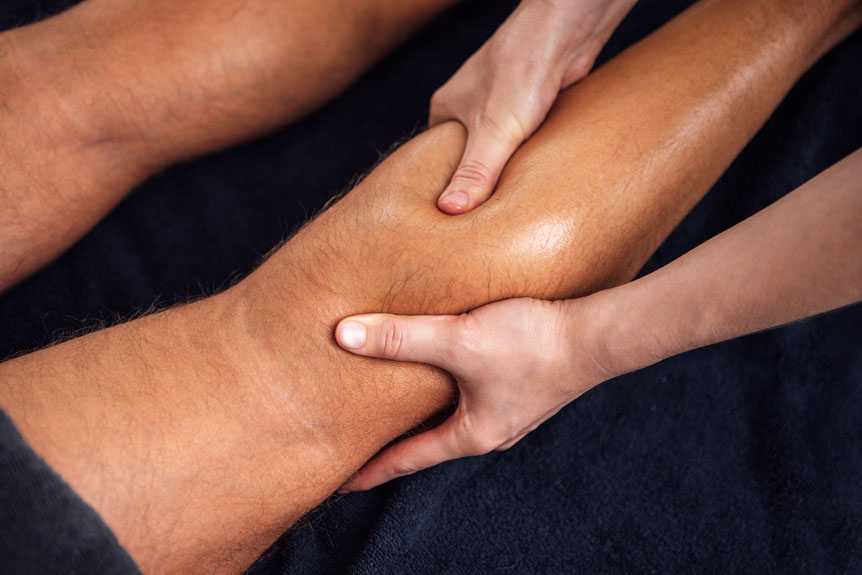
Bruising after intensive tissue massage is uncommon but can occur when sustained pressure is applied over superficial blood vessels, particularly in sensitive areas or in clients with increased bleeding susceptibility.
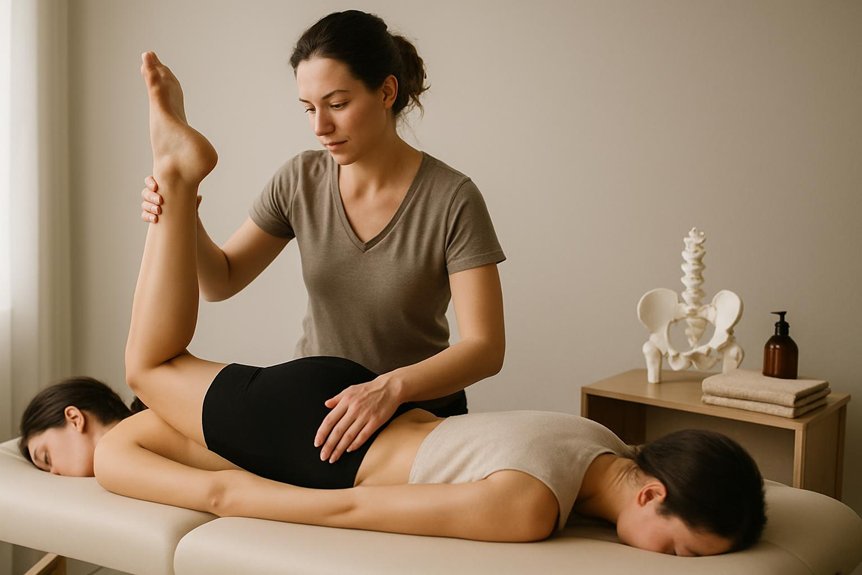
Nerve irritation is rarer and is more likely when firm techniques compress or traction tissues near nerve pathways, so Spa & Massage therapists screen for risk factors and adjust pressure and positioning accordingly.
Warning signs include sharp, shooting, burning, or tingling pain, numbness, or weakness that persists beyond expected post-treatment soreness and warrants prompt clinical review.
Causes Of Bruising
In intensive tissue massage, superficial bruising can occur when sustained, high-pressure techniques compress small blood vessels (capillaries) close to the skin, allowing a minor bleed into surrounding tissue. Risk rises over bony areas, where cushioning is limited, and when strokes are repeated in a small zone without adequate release.
Individual factors also matter: fragile capillaries, dehydration, recent vigorous exercise, alcohol use, or medications/supplements that affect clotting (for example, anticoagulants, aspirin, NSAIDs, fish oil) can lower the threshold for bruising.
In Spa & Massage clinics, therapists reduce risk through careful consultation, gradual pressure building, clear consent, and frequent check-ins that invite honest feedback. Warm tissue, slow pacing, and appropriate aftercare help minimise lingering tenderness while preserving closeness and comfort.
Signs Of Nerve Irritation
How can a client tell when post-treatment discomfort is moving beyond normal soreness into possible nerve irritation? Warning signs include sharp, electric, burning, or shooting pain; tingling, pins-and-needles, or numbness that persists beyond 24–48 hours; and pain radiating down an arm or leg.
New weakness, reduced grip, foot drop, altered balance, or bladder/bowel changes require urgent medical assessment. Symptoms that worsen at night, are provoked by gentle touch, or follow a clear “zinger” during pressure are also concerning.
At Spa & Massage clinics across London, therapists invite clients to speak up immediately if intensity feels too much; pressure is adjusted, and sensitive pathways avoided. Aftercare includes rest, hydration, and monitoring; persistent symptoms warrant GP or physiotherapy review.
When Intensive Tissue Massage Isn’t Safe (Key Contraindications)
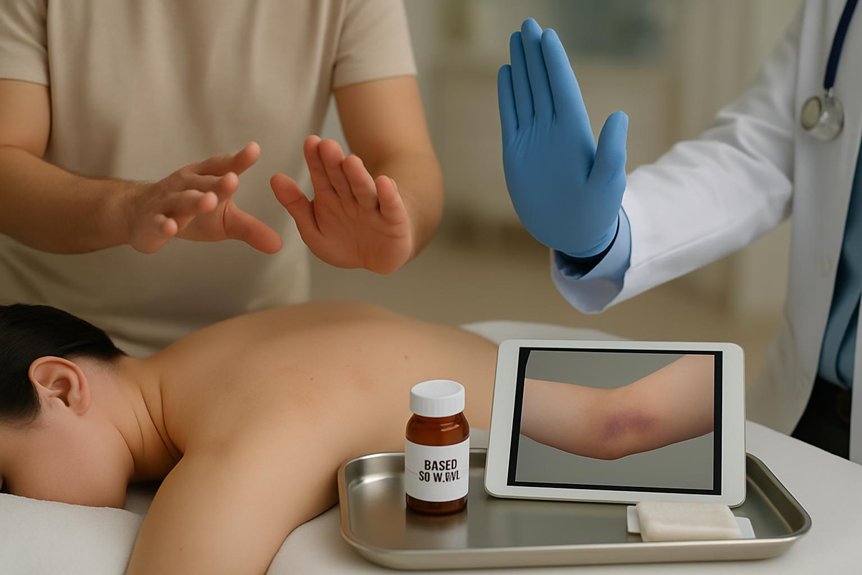
When is intensive tissue massage not appropriate? It is contraindicated with suspected fracture, acute tendon or ligament rupture, uncontrolled bleeding, or immediately after surgery.
It should not be performed over open wounds, burns, active skin infection, or inflamed varicose veins.
Deep pressure is unsafe with acute deep vein thrombosis symptoms (new swelling, warmth, redness, calf pain) due to embolic risk.
It is also avoided during fever, systemic infection, or severe, unexplained pain.
If there is new neurological deficit, loss of bowel or bladder control, or rapidly worsening numbness, urgent medical assessment is required rather than massage.
At Spa & Massage, therapists pause treatment and switch to lighter, supportive touch only when safety is certain, prioritising comfort, consent, and close communication.
Who Should Avoid Intensive Tissue Massage or Get GP Advice
Certain people should avoid intensive tissue massage altogether—or seek GP advice first—because deeper pressure can aggravate underlying medical conditions or increase the risk of bruising, bleeding, clot-related complications, or symptom flare-ups.
This includes anyone pregnant, with a bleeding disorder, taking anticoagulants/antiplatelets, or with a history of DVT, pulmonary embolism, or recent stroke.
Caution is also advised for uncontrolled hypertension, significant varicose veins, osteoporosis, recent fractures, nerve compression, severe diabetes-related neuropathy, active cancer treatment, or immune suppression.
GP input is prudent after recent surgery, during unexplained pain, fever, swelling, or sudden weakness.
At Spa & Massage in London, therapists ask about medications and health history and may recommend a gentler treatment to maintain comfort and safety.
How to Reduce Its Risks Before Your Session
Risk reduction before intensive tissue massage begins with complete disclosure of medical history, including current medications (especially anticoagulants), recent injuries or surgery, pregnancy status, and any bleeding, neurological, or vascular conditions, so the therapist can tailor pressure and technique appropriately.
At Spa & Massage, clients are advised to arrive well hydrated and to avoid heavy meals, alcohol, and strenuous exercise immediately beforehand, as these factors can increase sensitivity, bruising risk, and post-treatment lightheadedness.
Simple preparation—clear communication of symptoms and goals, plus adequate hydration—supports safer treatment planning and more predictable outcomes.
Share Medical History
Sharing a complete medical history is the most effective first step for reducing avoidable complications during intensive tissue massage. At Spa & Massage, therapists rely on accurate disclosures to tailor pressure, pacing, and positioning while preserving a calm, close, and respectful experience.
Clients should report cardiovascular disease, hypertension, clotting disorders, diabetes, osteoporosis, cancer history, recent surgery, fractures, nerve symptoms, and chronic pain diagnoses. They should also disclose pregnancy status, skin infections, fever, bruising tendency, and any history of fainting or dizziness. Medication and supplements matter: anticoagulants, steroids, NSAIDs, opioids, and chemotherapy can change bleeding risk, tissue fragility, and pain response. Relevant imaging, physio plans, or clinician restrictions should be shared. Clear consent about sensitive areas supports comfort, boundaries, and safety throughout.
Prepare Body And Hydrate
Before the session begins, the body should be in a stable, well-hydrated state to reduce post-treatment soreness, dizziness, and exaggerated inflammatory responses. Clients are advised to drink water steadily for several hours beforehand, avoid alcohol, and limit heavy caffeine, which may worsen dehydration and jitteriness. A light meal 1–2 hours prior helps prevent light‑headedness during close, sustained pressure work.
Adequate sleep and gentle movement on the day—such as a short walk—can improve tissue temperature and tolerance to deeper strokes. Skin should be clean and free of irritants; avoid newly shaved or sunburnt areas. In Spa & Massage clinics across London, therapists also recommend arriving early to settle breathing, confirm pressure preferences, and reduce guarding, supporting safer, more comfortable treatment.
Intensive Tissue Massage Aftercare to Minimise Side Effects
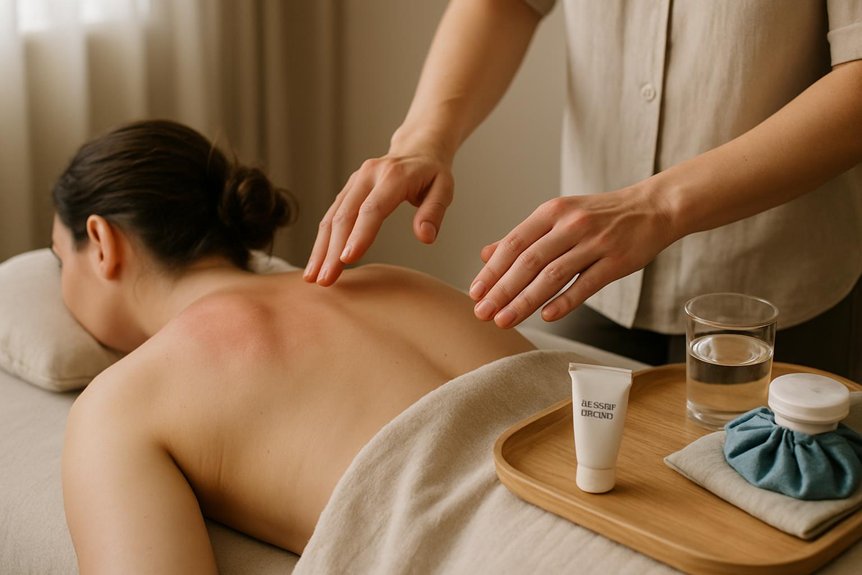
To reduce post-treatment soreness and other transient reactions, intensive tissue massage aftercare should be treated as an integral part of the session rather than an optional add-on.
At Spa & Massage clinics across London, therapists advise gentle movement, heat-free rest, and steady hydration for 24 hours to support circulation and tissue recovery.
Light stretching can maintain comfort, but aggressive exercise, alcohol, and saunas may amplify inflammation and bruising.
If tenderness occurs, a cool compress for 10–15 minutes may help.
Clients are encouraged to notice delayed pain, numbness, dizziness, or unusual swelling, and to seek medical advice promptly if symptoms persist or worsen.
Clear feedback about pressure, sleep, and stress enables safer, more tailored follow-up sessions.
Conclusion
It is generally well tolerated, but transient soreness, fatigue, headache, and mild bruising can occur, and symptoms should settle within 24–72 hours. Reactions that worsen, include numbness, marked swelling, escalating pain, or new neurological symptoms warrant prompt medical review. Screening for contraindications—such as anticoagulant use, clotting disorders, acute inflammation, infection, or recent injury—reduces harm. Importantly, bruising is reported in up to 25% of clients in some surveys, underscoring the need for pressure control.