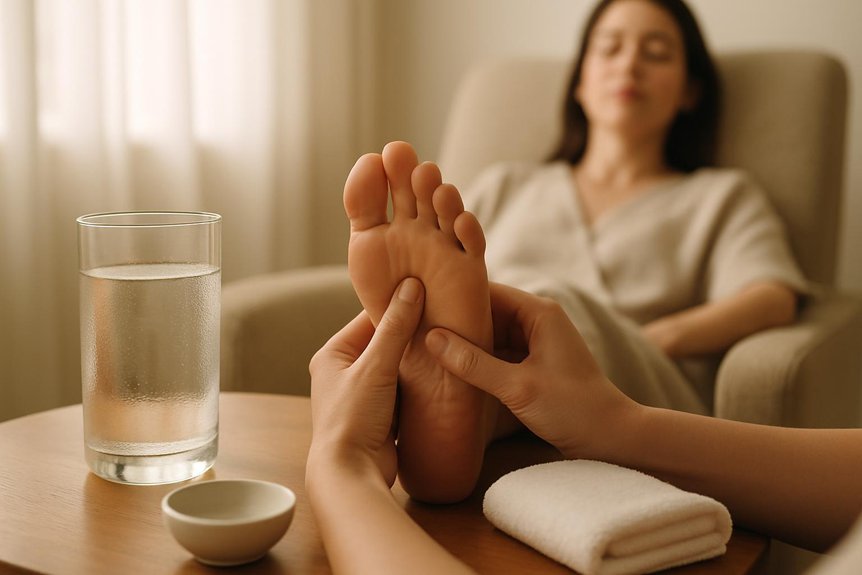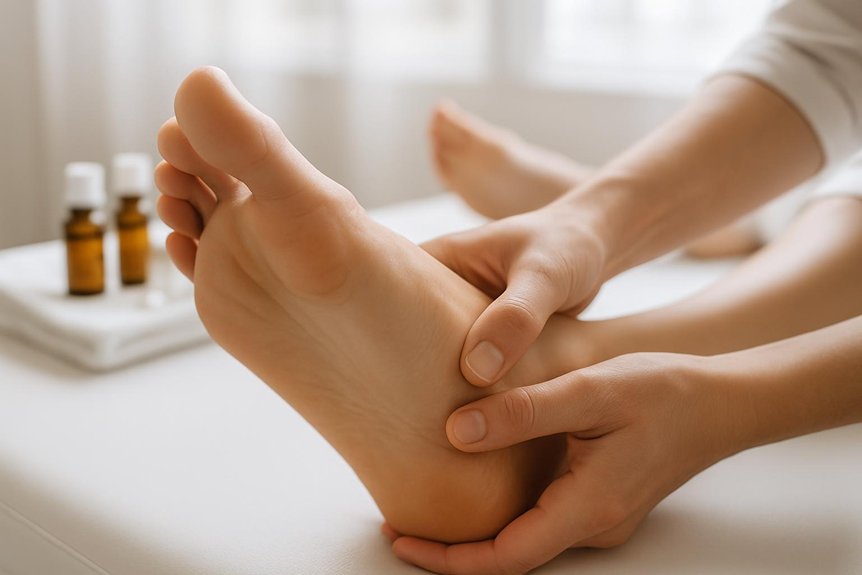

It may reduce perceived nausea for some people, particularly when symptoms are mild, episodic, and linked to stress, motion, or pregnancy, but responses vary and evidence is mixed. It is generally positioned as low-risk supportive care, aiming to downshift stress responses and improve comfort through gentle, rhythmic pressure on foot reflex zones such as the stomach, diaphragm, and solar plexus. It should not replace medical assessment, especially for severe, sudden, persistent, or complicated nausea. Further practical guidance and safety considerations follow.
Can Reflexology Help Nausea, and How Much?
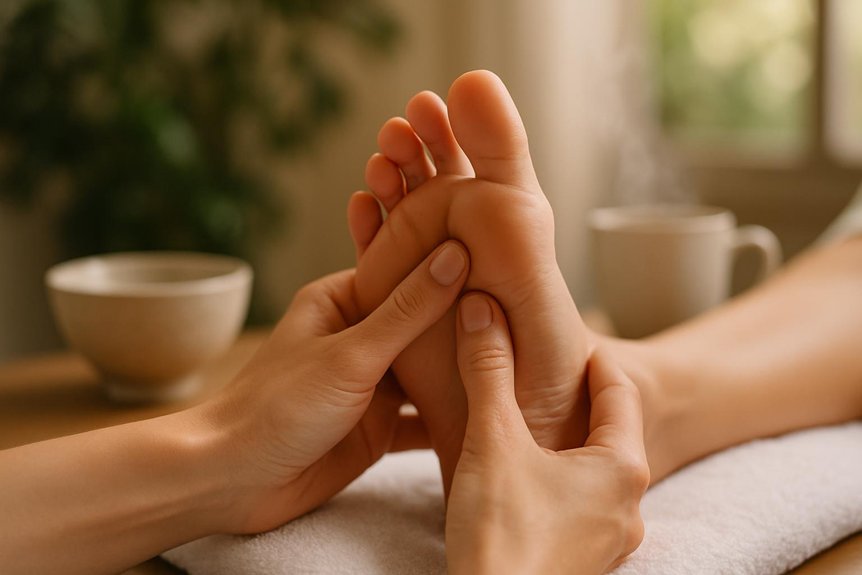
How far can it go in easing nausea? Evidence suggests it may reduce perceived queasiness for some people, especially when stress, motion, or pregnancy-related discomfort is present, though effects vary and it is not a guaranteed remedy.
As part of the broader healing power of zone therapy, some people use it to encourage calm and comfort when nausea is present.
At Spa & Massage clinics across London, therapists use measured, calming pressure to foot and ankle zones linked in reflex therapy maps to the stomach and diaphragm, aiming to support relaxation and vagal tone.
Many clients report gentler stomach sensations, fewer waves of nausea, and easier breathing after 30–60 minutes, sometimes over a short course.
Sessions are kept light, consent-led, and unhurried; intensity is adjusted to remain soothing. Clients are advised to hydrate and rest afterward for best comfort.
What Causes Nausea: and When to Seek Medical Help?
From mild digestive upset to neurological or cardiac illness, nausea is a non-specific symptom with many possible causes, including gastroenteritis or food poisoning, reflux and indigestion, migraine, motion sickness, medication side effects, anxiety and stress responses, pregnancy, and dehydration.
Less common causes include appendicitis, bowel obstruction, pancreatitis, hepatitis, kidney problems, heart attack, and raised intracranial pressure.
Medical advice is recommended if nausea lasts over 24–48 hours, is recurrent, or follows a head injury; or if there is severe abdominal pain, chest pain, shortness of breath, fainting, confusion, stiff neck, high fever, black or bloody vomit, blood in stool, dehydration, or inability to keep fluids down.
In Spa & Massage clinics, therapists screen for these red flags and advise urgent care when appropriate.
How Might Reflex Therapy Relieve Nausea (Stress and Digestion)?
It may help reduce nausea by downshifting the stress response, which can otherwise intensify stomach discomfort and gut sensitivity.
It is also proposed to support digestive function by promoting relaxation and improving perceived gastrointestinal motility, though evidence remains mixed and benefits vary by individual.
At Spa & Massage clinics across London, therapists position reflex therapy as a low-risk supportive option alongside medical care, advising prompt clinical assessment when nausea is severe, persistent, or accompanied by red-flag symptoms.
Stress Response Calming
Why can nausea feel worse during periods of stress? Stress activates sympathetic arousal and alters vagal signalling, which can heighten gut sensitivity and amplify queasiness.
It may help by promoting a calmer autonomic state through steady, reassuring touch, potentially reducing the perceived intensity of nausea. Evidence is mixed, but small studies suggest massage-based therapies can lower self-reported anxiety and support relaxation—factors closely linked to nausea perception.
At Spa & Massage clinics across London, therapists use slow, rhythmic pressure and paced breathing cues to encourage downshifting, always checking comfort and stopping if symptoms worsen.
It is not a substitute for medical assessment; urgent nausea with severe pain, dehydration, fever, chest symptoms, or pregnancy concerns warrants prompt clinical advice promptly.
Digestive Function Support
In the context of nausea that fluctuates with stress, digestive symptoms may be moderated by approaches that support parasympathetic (“rest-and-digest”) activity and reduce visceral hypersensitivity. It is theorised to influence this pathway by promoting relaxation and easing guarding in the abdomen, which can help normalise gastric motility and reduce nausea cues.
At Spa & Massage clinics across London, reflex therapy sessions are delivered with slow, reassuring pressure and paced breathing, often focusing on foot areas traditionally linked with the stomach and diaphragm. While evidence is mixed and mechanism remains uncertain, many clients report a settled stomach and gentler appetite after treatment.
Safety remains central: persistent vomiting, severe abdominal pain, fever, dehydration, pregnancy complications, or medication-related nausea should be assessed medically; reflex therapy is supportive, not curative.
Which Reflex Therapy Points May Help With Nausea?
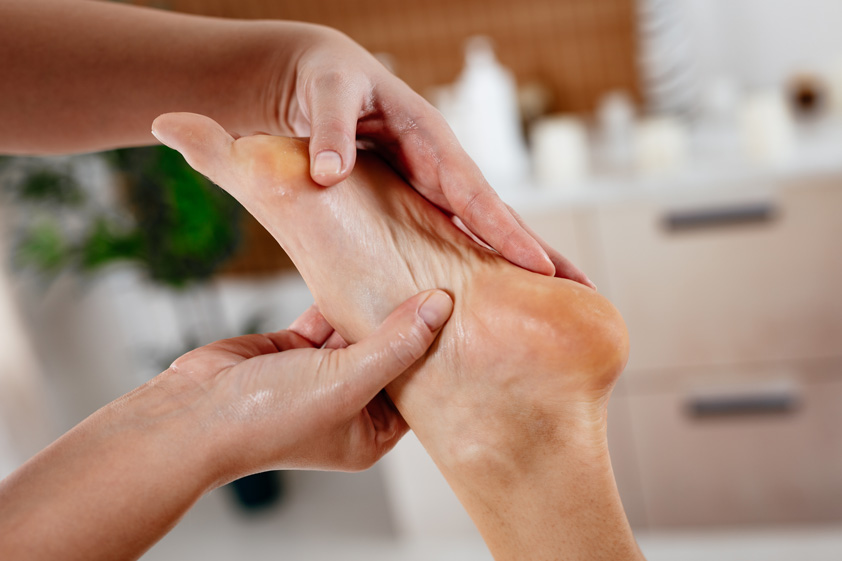
For many people experiencing nausea, targeted pressure to specific reflex areas—most commonly on the feet and hands—may help reduce symptoms by supporting relaxation and modulating the stress response.
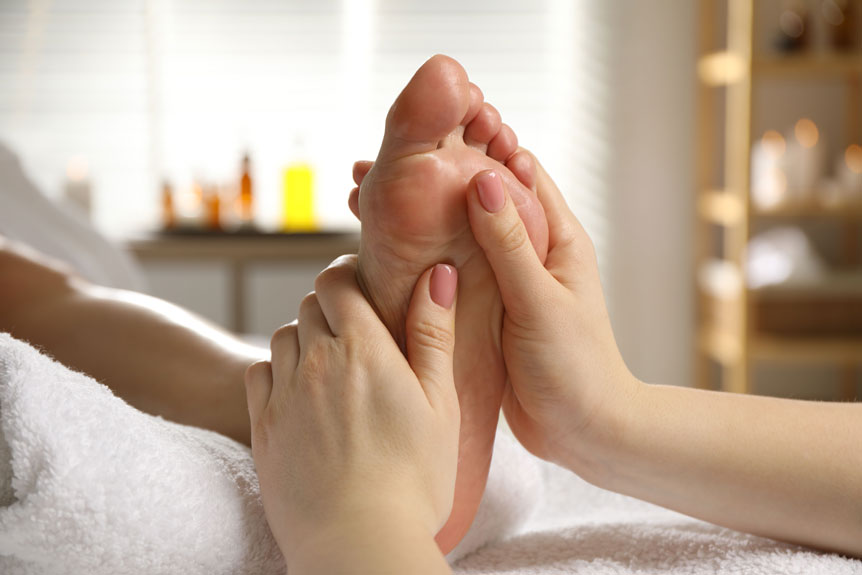
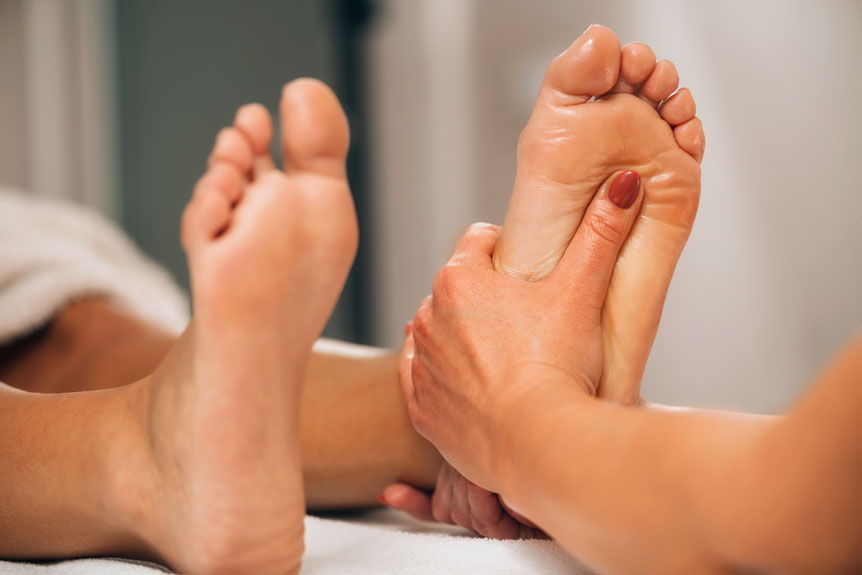
In reflex therapy, therapists often focus on the stomach and diaphragm zones (upper sole, beneath the ball of the foot), the solar plexus point (centre below the ball), and the digestive tract mapping along the arch.
Some protocols also include the inner edge of the big toe (often linked to head/neck tension that can worsen queasiness) and the wrist/hand reflexes associated with calming the autonomic nervous system.
At Spa & Massage clinics, pressure is kept gentle and paced with breathing.
Anyone with severe, persistent, or sudden-onset nausea should seek medical assessment promptly.
What Happens in a Nausea-Focused Reflex Therapy Session?
During a nausea-focused reflex therapy session at Spa & Massage, the therapist begins with a brief screening to clarify symptom pattern (onset, triggers, intensity), relevant medical history and medications, and any red flags that would warrant urgent medical review.
The client is then positioned comfortably, with warm blankets and quiet lighting, and consent is confirmed before touch.
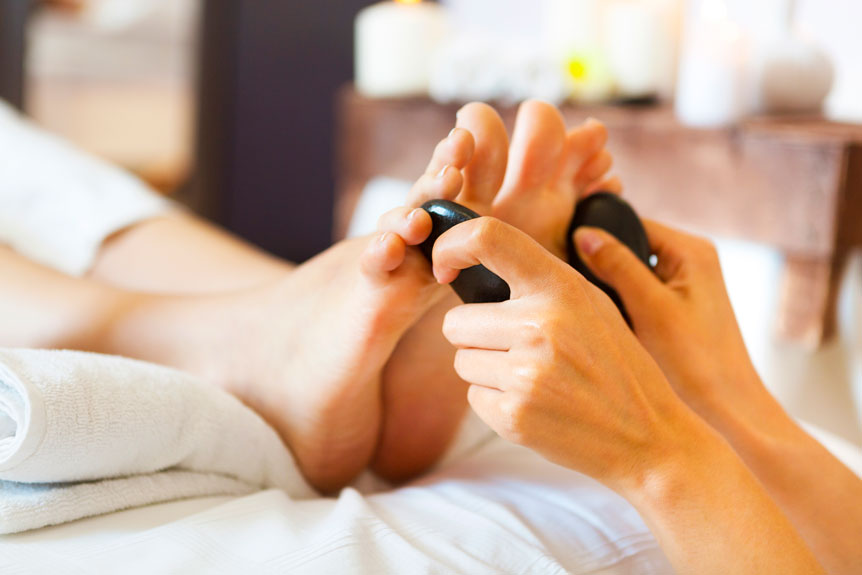
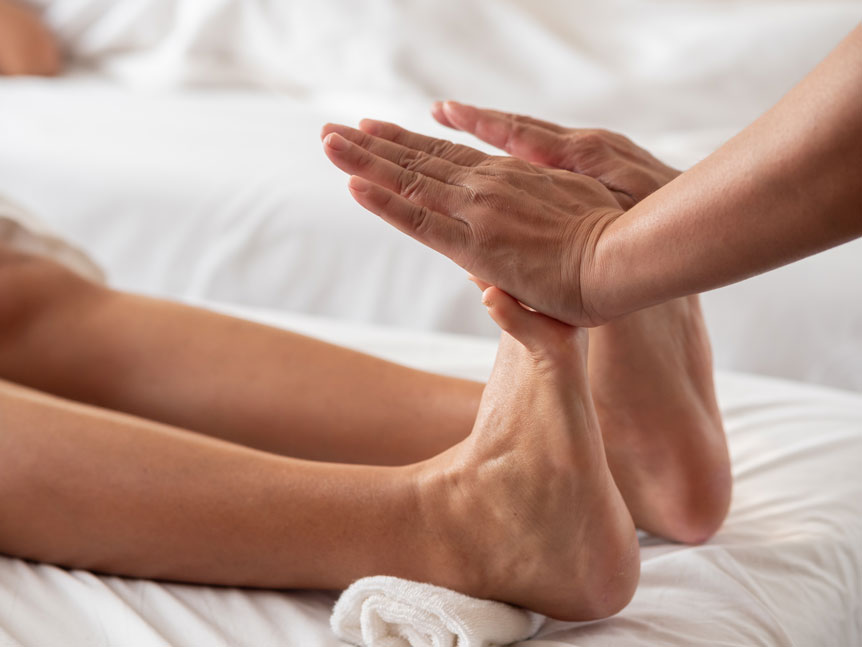
The therapist cleanses the feet, assesses tissue tone, and applies slow, gentle pressure to mapped reflex areas linked to digestive and autonomic regulation, adjusting depth to keep sensations soothing rather than sharp.
Breathing cues may be offered to support settling.
Water is encouraged, and the client is advised to rise slowly.
Post-session notes include symptom changes, self-care guidance, and a plan for follow-up if appropriate.
Which Nausea Types Respond Best to Reflex Therapy?
Certain nausea patterns tend to be the most responsive to reflex therapy —particularly mild to moderate, non-emergency symptoms linked to functional digestive upset (e.g., post‑meal queasiness, bloating-associated nausea), stress or autonomic arousal, motion sensitivity, and early pregnancy nausea when medically uncomplicated; at Spa & Massage, therapists prioritise these presentations because gentle, calming footwork can support relaxation and perceived symptom control, while persistent, severe, sudden-onset, or red-flag nausea (e.g., with chest pain, neurological symptoms, dehydration, blood, high fever, or suspected poisoning) is treated as a prompt for urgent medical assessment rather than a reflex therapy-led approach.
Clinically, these “functional” patterns often fluctuate with stress, sleep, hydration, and food choices, making them amenable to supportive care. Many clients report reduced queasiness when sessions emphasise diaphragmatic breathing, slow pressure, and grounding rhythms. Benefit is typically greatest when nausea is episodic, predictable, and accompanied by tension, rather than constant.
When Is It Not Recommended for Nausea?
It is not recommended as a first-line approach to nausea when symptoms are severe, sudden, persistent, accompanied by chest pain, fainting, fever, blood in vomit, dehydration, or suspected pregnancy complications; medical assessment should come first.
At Spa & Massage clinics, therapists screen for contraindications and apply precautions, including postponing treatment when there is acute infection, uncontrolled medical illness, significant foot/ankle injury, thrombosis risk, or skin conditions that make contact unsafe.
Where it is appropriate, it should be used only as a complementary measure alongside clinically indicated care and within an individualised treatment plan.
Seek Medical Assessment First
A clinical assessment should precede it when nausea may indicate an acute or serious underlying condition.
New, severe, persistent, or rapidly worsening nausea warrants prompt medical review, particularly when paired with fever, severe abdominal or chest pain, shortness of breath, fainting, confusion, blood in vomit or stool, black stools, stiff neck, severe headache, signs of dehydration, or inability to keep fluids down.
Recent head injury, possible poisoning, suspected pregnancy complications, and nausea after starting a new medicine also merit assessment.
At Spa & Massage clinics across London, therapists treat reflex therapy as supportive care, not diagnosis or emergency management.
When medical clearance is obtained, sessions can be planned with comfort, privacy, and gentle pacing.
This protects safety and preserves trust.
Contraindications And Precautions
Once medical red flags have been excluded, suitability for reflex therapy still depends on screening for situations where foot and ankle work may be unsafe or may worsen symptoms. It is not recommended with suspected DVT, acute infection or fever, unexplained swelling, recent fracture/sprain, open wounds, severe neuropathy, or unstable cardiac/respiratory disease.
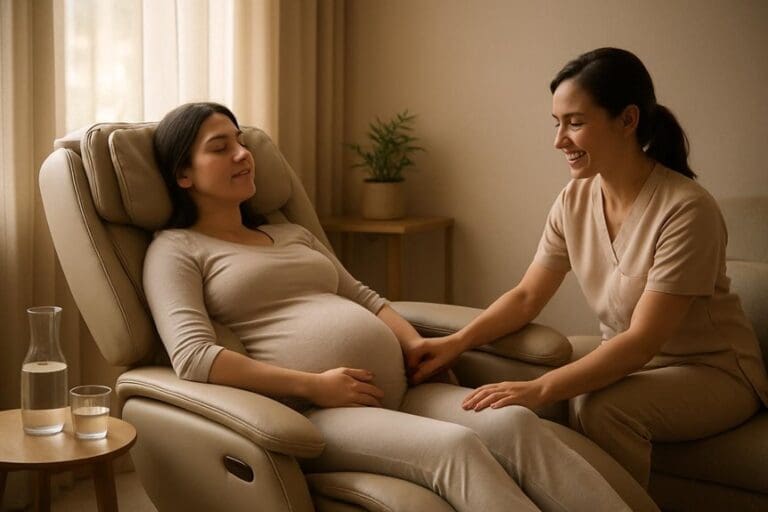
Caution is advised with diabetes, anticoagulants, peripheral vascular disease, and active gout or inflammatory arthritis, where pressure may bruise or flare pain. Pregnancy-related nausea warrants modified work and obstetric clearance, especially in the first trimester or with bleeding, hypertension, or preterm-labour risk.
At Spa & Massage clinics, therapists use gentle, consent-led touch, stop if nausea escalates, and refer for medical review when symptoms persist or change suddenly.
How to Ease Nausea Between Zone Therapy Sessions
Nausea can sometimes persist between reflex therapy appointments, so interim management should prioritise hydration, stable blood glucose, and avoidance of common triggers.
Small, frequent meals, bland foods, ginger or peppermint tea, and slow diaphragmatic breathing may reduce symptoms; strong odours, alcohol, and heavy/fatty meals should be limited.
Many clients find cool, fresh air, a dim room, and upright posture helpful.
At Spa & Massage clinics, therapists often suggest gentle self-pressure on the P6 (inner wrist) point for 60–90 seconds, repeated, and light foot massage only if comfortable.
If nausea is linked to pregnancy, migraine, medication, or reflux, tailored medical advice is recommended.
Urgent review is needed for severe pain, dehydration, blood, fever, confusion, or persistent vomiting.
Conclusion
It may offer modest, short-term nausea relief for some people, mainly by reducing stress and supporting comfort, but it should not replace medical assessment for persistent or severe symptoms. Importantly, nausea affects an estimated 30% of adults each year, highlighting its common impact and the need for practical, low-risk options. A nausea-focused session typically prioritises gentle pressure, monitoring, and aftercare. Urgent review is advised if nausea is accompanied by chest pain, severe dehydration, blood, pregnancy concerns, or neurological signs.