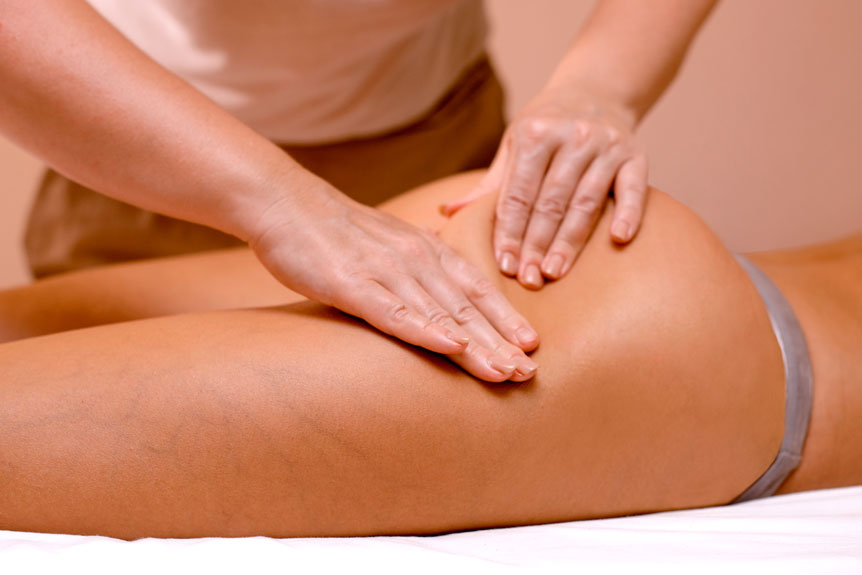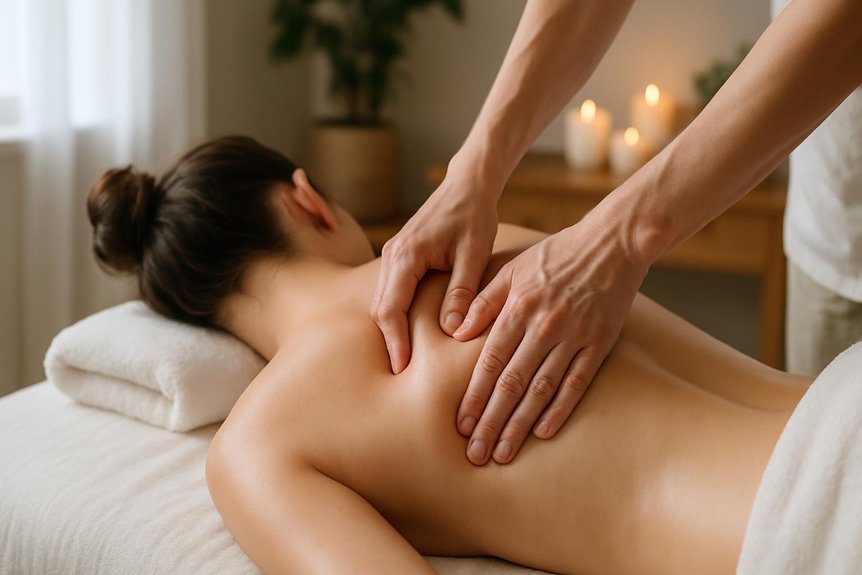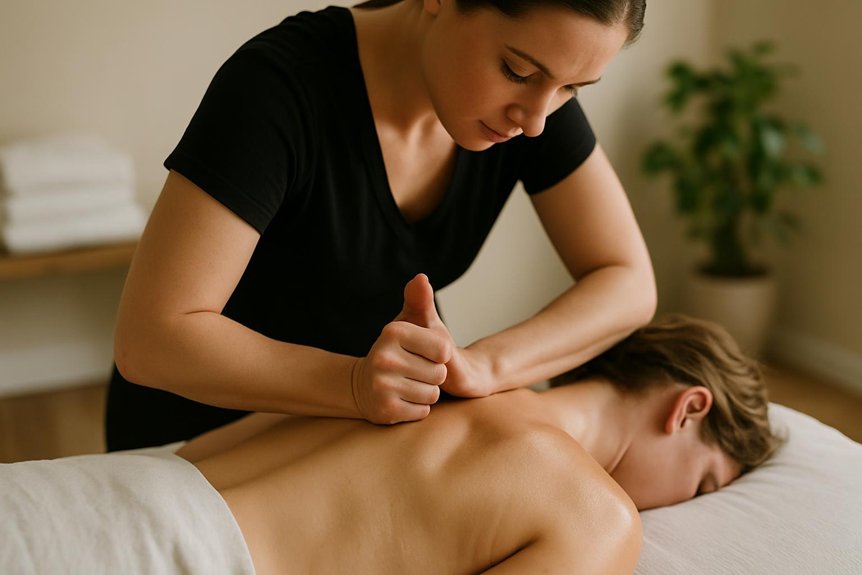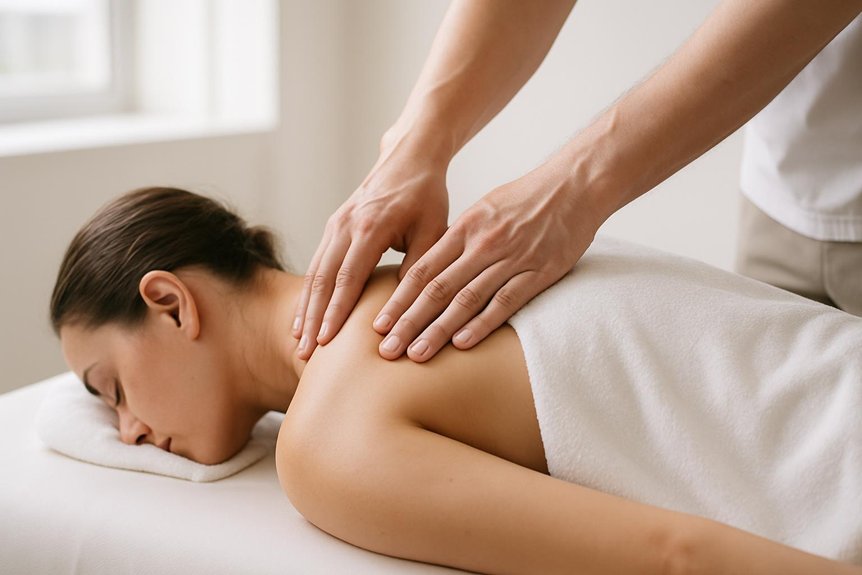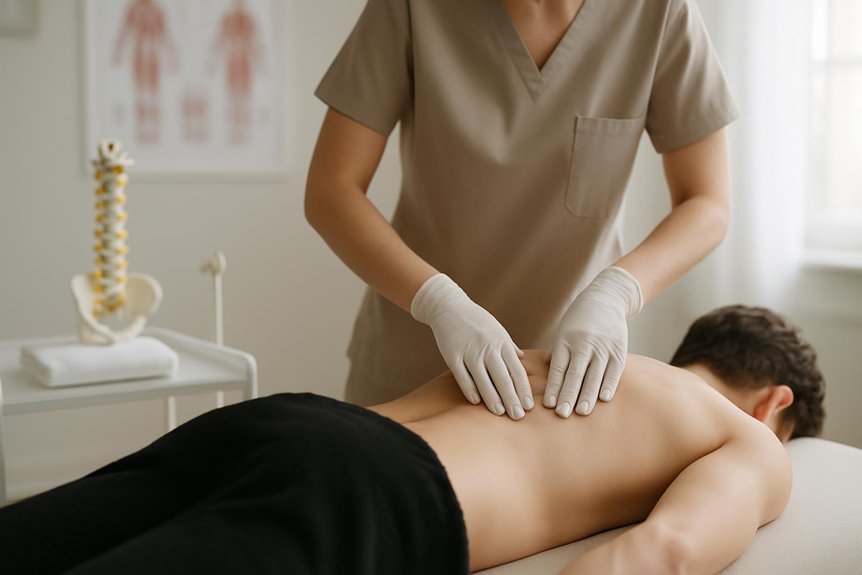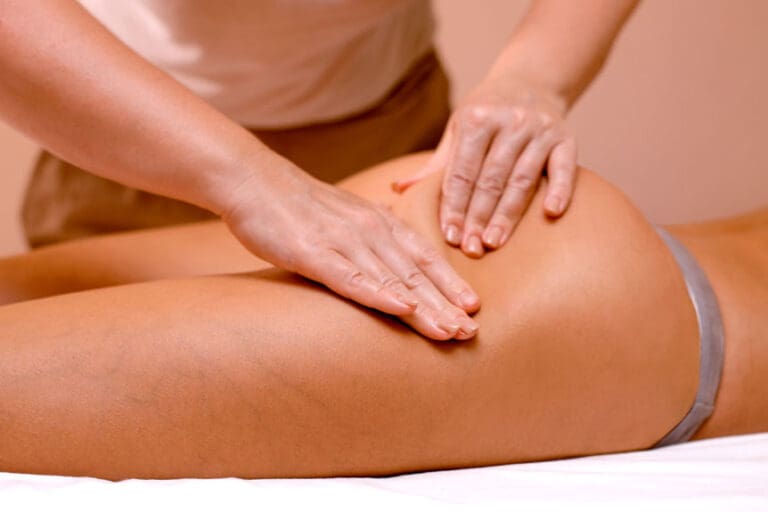

Intensive tissue massage uses slow, firm, muscle-directed pressure to reduce localised tension, trigger points, and short-term range-of-motion limits. It suits clients who prefer specific, intense contact and a clear “worked” feeling. Myofascial release applies sustained, skin-engaging holds along fascial lines to restore glide and ease broad, diffuse restriction or postural guarding. Deep tissue often feels warming and “hurts-good,” while myofascial work feels gentler and melting. Further detail clarifies selection, session flow, and aftercare.
Deep Tissue Vs Myofascial: Quick Chooser
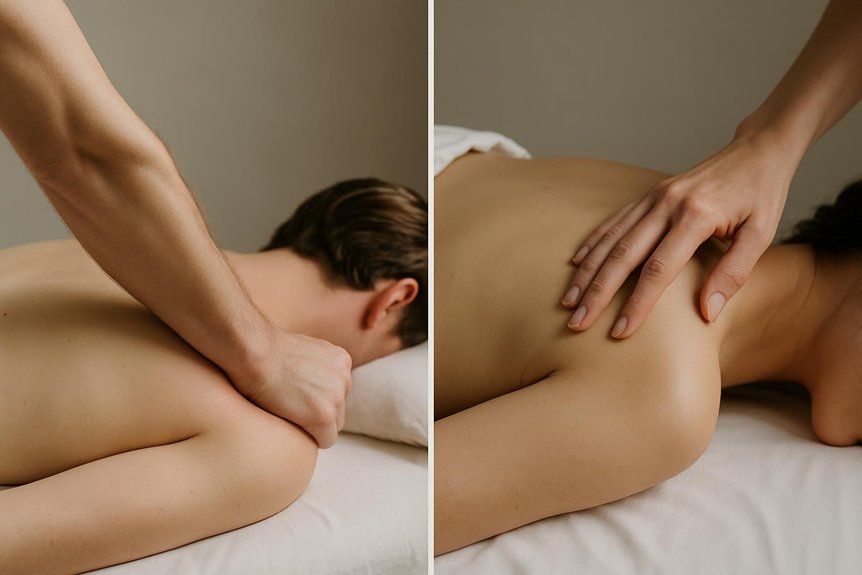
For a rapid, outcome-led decision, deep tissue massage is typically selected when the primary goal is to reduce localised muscle tension, address trigger points, and improve short-term range of motion through slower, deeper, muscle-directed pressure.
It suits clients who prefer firm, specific contact and a clear “worked” feeling afterward. At Spa & Massage clinics across London, this option is often chosen for neck, shoulders, back, hips, and calves when tightness feels concentrated and stubborn.
It can also support recovery by improving comfort in overworked areas through deep tissue techniques that target deeper muscle layers.
Myofascial release is typically selected when the dominant complaint is broad, diffuse restriction, postural holding, or a sense of stiffness that “wraps” the area rather than sits in one knot.
It suits clients who want sustained, attentive touch with gradual softening and breathing-led ease.
Deep Tissue Vs Myofascial: What Happens in the Session?
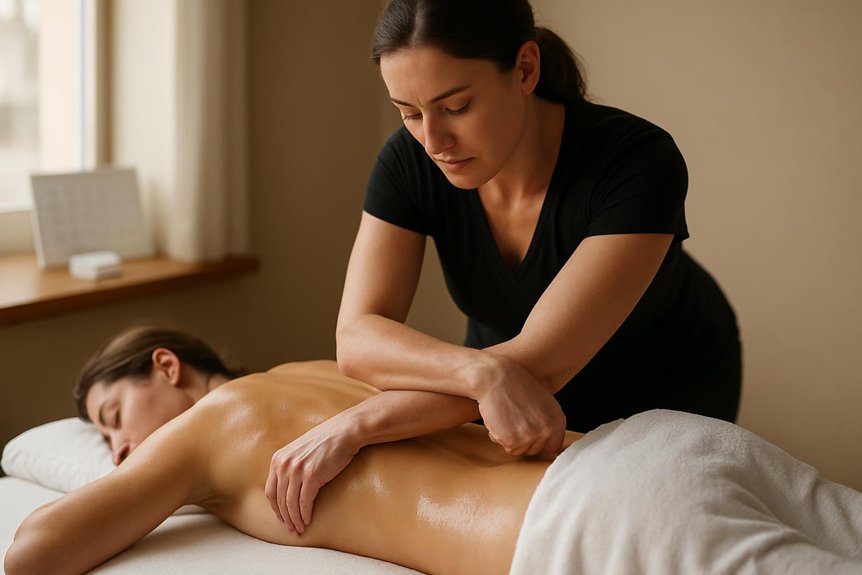
Once the right approach has been chosen, the next practical question is what the appointment feels like on the table, minute to minute. In a deep tissue session at Spa & Massage, the therapist typically warms tissue with slow strokes, then applies sustained pressure through forearms, knuckles, or elbows to targeted layers, checking in frequently on sensation and breath. Expect focused intensity, clear boundaries, and deliberate pace, with pressure adjusted to stay therapeutic rather than bracing.
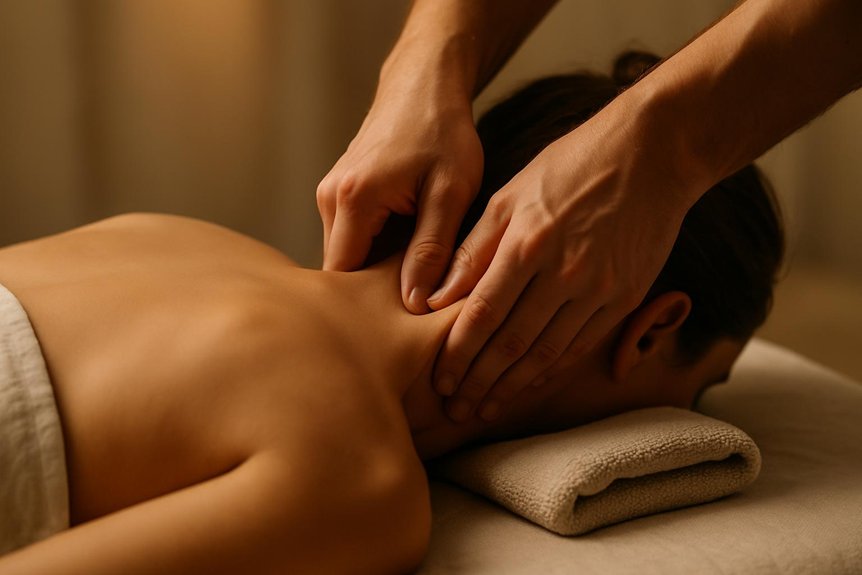
In myofascial release, the touch is lighter yet specific: the therapist engages skin and superficial layers, then holds or gently glides until a softening is felt. There is more stillness, more listening, and more space for small, intimate changes in ease, range, and comfort.
Myofascial Release: How It Works (Fascia Explained Simply)
In simple terms, fascia is a continuous, web-like layer of connective tissue that wraps and links muscles, tendons, nerves, and organs, helping transmit force and allowing smooth, coordinated movement. When it becomes restricted, movement can feel limited or subtly “stuck,” even without clear muscle pain.
Myofascial release targets these restrictions by applying sustained, gentle-to-moderate, skin-engaging contact and following the tissue’s direction of ease, rather than forcing range. The therapist waits for a softening response, then layers in slow, precise stretch to restore glide between fascial planes.
At Spa & Massage clinics across London, therapists assess posture, breathing, and movement patterns, then tailor hands-on work to the client’s comfort and boundaries. The aim is calmer tone, improved mobility, and a sense of spaciousness that supports everyday movement.
Pressure Differences: What You’ll Feel and Why
With the mechanism of fascial restriction and release established, the next practical distinction is pressure—what is applied, how it is perceived, and the tissue response it is intended to produce.
Intensive tissue massage typically uses firmer, more direct compression and slow, gliding strokes to access deeper muscle layers. Sensation is often a “good pain”: intense, specific, and warming, with pressure that follows muscle fibres and trigger points.
Myofascial release tends to feel lighter at first, then sustained and melting, using gentle-to-moderate load held without oil to engage fascia and invite lengthening.
At Spa & Massage clinics, therapists calibrate pressure through continuous consent cues—breath, guarding, and verbal feedback—so intensity stays therapeutic, private, and comfortable while targeting the restriction rather than overwhelming the nervous system for clients.
Aftercare: Soreness, Hydration, and Recovery Time
After an intensive tissue massage or myofascial release session, short-lived soreness and a sense of fatigue can occur as local tissues respond to mechanical load and the nervous system downshifts into recovery. At Spa & Massage clinics, therapists normalise this response and advise clients to keep the area warm, avoid strenuous training for 24 hours, and notice how movement feels rather than forcing stretch.
Hydration supports comfort by maintaining fluid balance; clients are encouraged to sip water regularly and limit alcohol that evening. Light walking, gentle range-of-motion, and a warm shower can ease tenderness. Most clients feel settled within 24–48 hours; more intensive deep work may take 72 hours. Persistent sharp pain, swelling, or numbness warrants contacting the clinic for guidance and modification.
Which Is Better for Pain, Posture, and Tight Muscles?
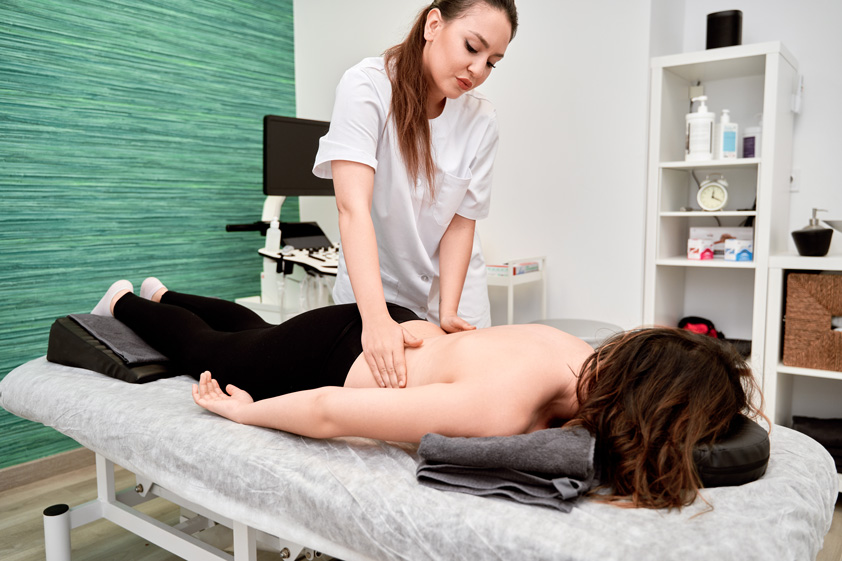
Once post-treatment soreness has settled, the more relevant question becomes treatment selection for ongoing pain patterns, postural strain, and persistent tightness.
Intensive tissue massage is typically chosen when pain is driven by dense, overworked muscle fibres and trigger points; it uses slow, specific pressure to soften guarded layers and restore comfortable range.
Myofascial release is often selected when restriction feels like broad “pulling” or compression across lines of movement; sustained, gentle holds aim to reduce fascial drag and support easier alignment.
For posture, therapists at Spa & Massage assess breathing, pelvic tilt, and shoulder position, then match technique to the dominant restriction.
For tight muscles, many clients respond best to a combined plan: release first, then deeper work, with guided stretching and hydration.
When Myofascial Release Is the Better Option
In cases where restriction presents as diffuse “pulling,” compression, or limited glide across a wider movement pattern rather than a single sore spot, myofascial release is often the better option. It suits clients who feel “stuck” through shoulders, hips, ribs, or neck, where tissue layers do not shear smoothly during breathing or reaching.
At Spa & Massage clinics across London, therapists use sustained, low-load pressure and skin-stretching holds, tracking fascial lines and waiting for softening rather than forcing depth. The pace stays slow and attentive, with continuous consent and clear communication about sensation—firm, specific, never sharp. This approach can ease protective guarding, improve inter-layer slide, and restore comfortable range without leaving the body feeling “bruised.” Aftercare typically includes hydration, gentle mobility, and heat.
When Intensive Tissue Massage Is the Better Option
Intensive tissue massage may be the better option when a client needs targeted work on deep muscle knots, using slow, sustained strokes and specific pressure to address high-tone tissue.
It is also commonly selected for managing post-workout tightness, supporting recovery by reducing protective guarding and improving local mobility.
For chronic tension patterns, Spa & Massage therapists use client-led pressure and focused techniques to relieve persistent discomfort while staying within safe, tolerable intensity.
Targeting Deep Muscle Knots
For persistent, well-localised muscle knots that sit beneath the superficial layers, intensive tissue massage is typically the more appropriate option than myofascial release.
These trigger points often refer sensation into neighbouring areas and respond best to slow, specific pressure applied along the muscle fibres.
At Spa & Massage clinics across London, therapists palpate carefully, then use sustained elbow or forearm contact, stripping strokes, and targeted compression to soften the knot without overwhelming surrounding tissue.
Pressure is titrated to the client’s breath and tolerance, maintaining a sense of safety and closeness while still reaching deeper structures.
When the knot releases, therapists reintroduce length with controlled stretching and soothing effleurage, helping the area feel warmer, freer, and more connected to the rest of the body.
Managing Post-Workout Tightness
After intense training, post-workout tightness that feels dense, localised, and resistant to stretching is often better addressed with intensive tissue massage than myofascial release. The intention is to decompress fatigued fibres and restore glide between muscle layers using slow, specific pressure.
At Spa & Massage clinics across London, therapists typically begin with warming strokes, then apply sustained forearm or elbow work along the affected muscle belly, following the grain before cross-fibre stripping. Pressure is titrated to the client’s breathing and tolerance, keeping the contact close, grounded, and reassuring. Short, targeted friction can reduce residual stiffness around tendons without overstressing tissue.
Aftercare is practical: hydration, gentle mobility, and 24–48 hours before repeating heavy loading, allowing the body to soften and settle.
Chronic Tension Relief
When chronic tension presents as thickened, protective muscle tone that repeatedly returns despite stretching or lighter work, intensive tissue massage is often the more effective option than myofascial release. It targets deeper layers with slow, specific pressure to reduce trigger points, improve local circulation, and restore glide between muscle fibres.
At Spa & Massage clinics across London, therapists typically assess posture, breath, and pain referral, then use sustained forearm strokes, thumbs, and elbow work along the grain, followed by cross-fibre friction where adhesions are palpable. Pressure is graded to stay within a “hurts-good” range, allowing the body to soften without guarding. Clients are guided to breathe and consent throughout, supporting safety and intimacy. Aftercare usually includes hydration, gentle heat, and light mobility for 24 hours.
Can You Combine Both in One Treatment Plan at Spa & Massage?
Often, intensive tissue massage and myofascial release can be combined within a single treatment plan at Spa & Massage, provided the therapist sequences techniques to match the client’s assessment findings and tolerance.
Sessions typically begin with slow, sustained fascial holds to soften superficial restrictions and calm protective guarding. Once tissue glide improves, targeted deep tissue strokes, knuckle or forearm pressure, and cross-fibre techniques can address deeper trigger points and chronic adhesions without overwhelming sensation.
The therapist checks in frequently, keeping pressure intimate yet controlled, and adjusts breath pacing and positioning for comfort.
In London clinics across Crouch End, Bayswater, Chiswick, Earl’s Court, Belsize Park, and Richmond, plans may alternate emphasis week to week, with home hydration and gentle mobility advised.
Conclusion
Intensive tissue massage and myofascial release address restriction through different targets—muscle fibres versus fascial layers. Selection should follow assessment of pain pattern, range-of-motion limits, palpatory findings, and tolerance to pressure. Deep tissue suits dense, overworked tissue and persistent trigger points; myofascial release suits diffuse tightness, tissue “drag,” and movement-related limitation. Like choosing the right lens for a camera, the correct technique improves clarity of outcome. Combined plans can optimise relief, function, and recovery.