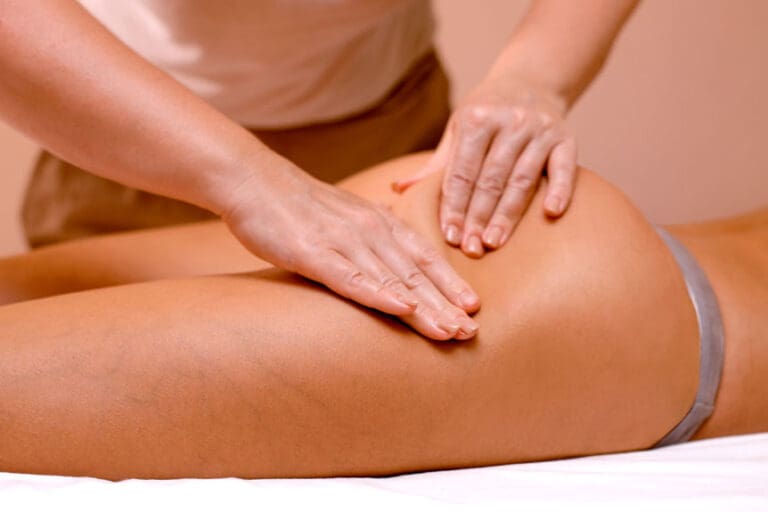
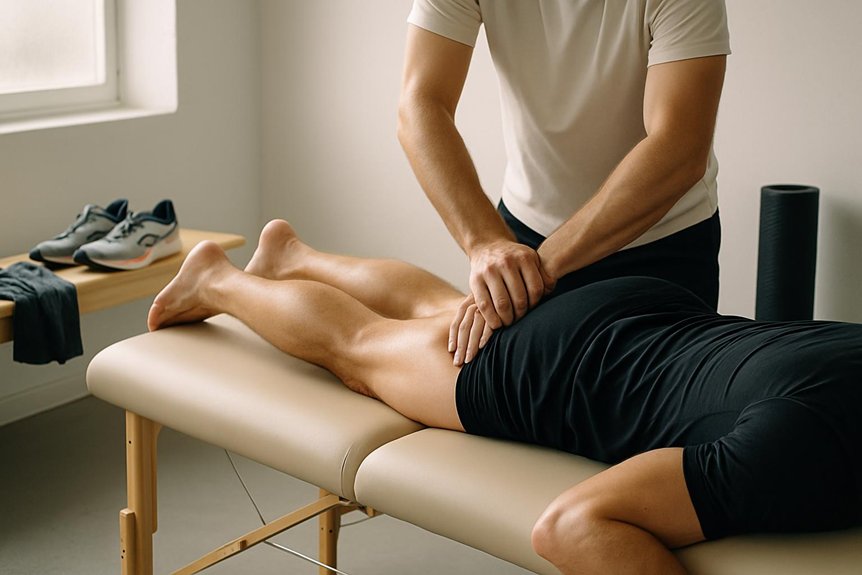
It can benefit runners as an adjunct to training by reducing perceived soreness, improving recovery, and helping maintain consistent mileage when paired with smart loading, sleep, and nutrition. It uses slow, sustained pressure and cross-fibre work to target chronic tension in areas such as the calves–Achilles complex, plantar tissues, shins, hip flexors, glutes, hamstrings, and adductors. Timing matters: brief, targeted work pre-run; deeper sessions 24–48 hours before key efforts or after hard days. Further details clarify ideal pressure, scheduling, and aftercare.
Is Intensive Tissue Massage Good for Runners?
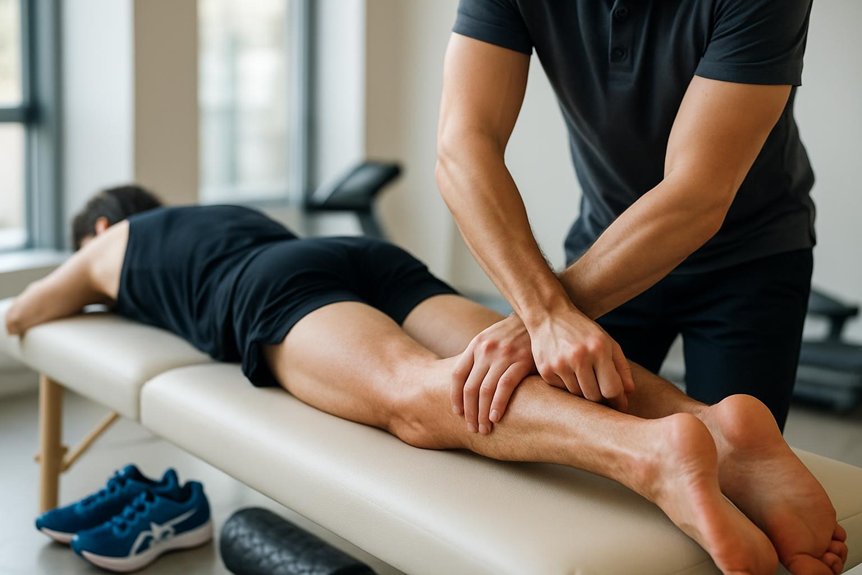
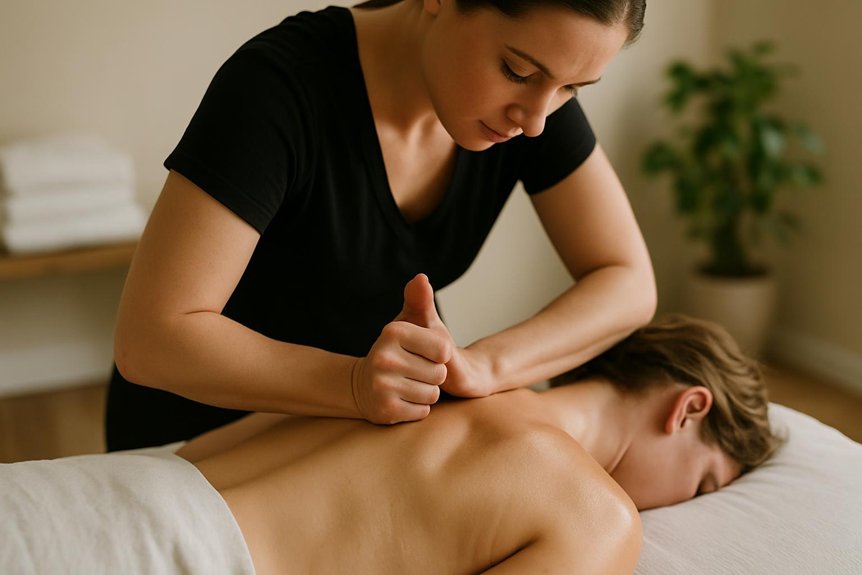
For many runners, deep tissue massage can be a highly effective adjunct to training when it is applied with clear performance goals and appropriate intensity. Evidence suggests it can modulate soreness, improve perceived recovery, and support consistent mileage when paired with smart loading, sleep, and nutrition. It is not a replacement for strength work or rehabilitation; it is a targeted tool within a plan.
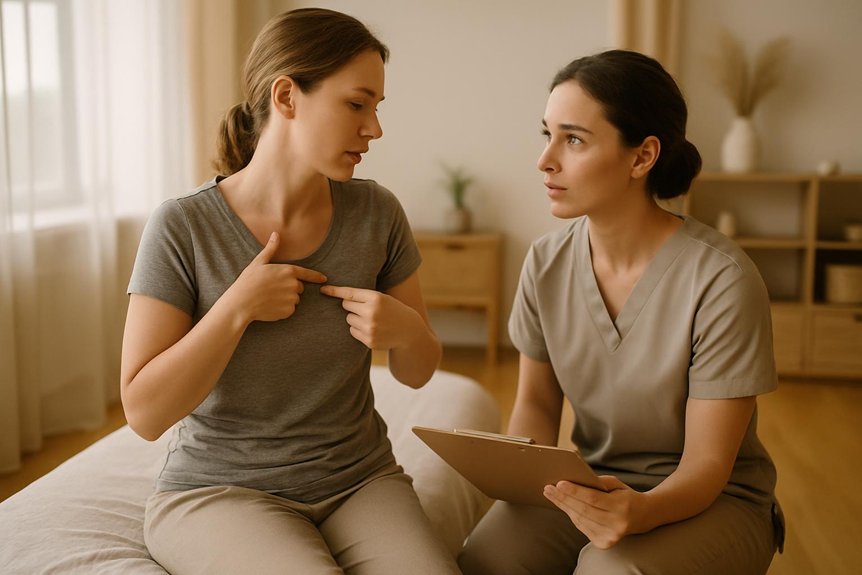
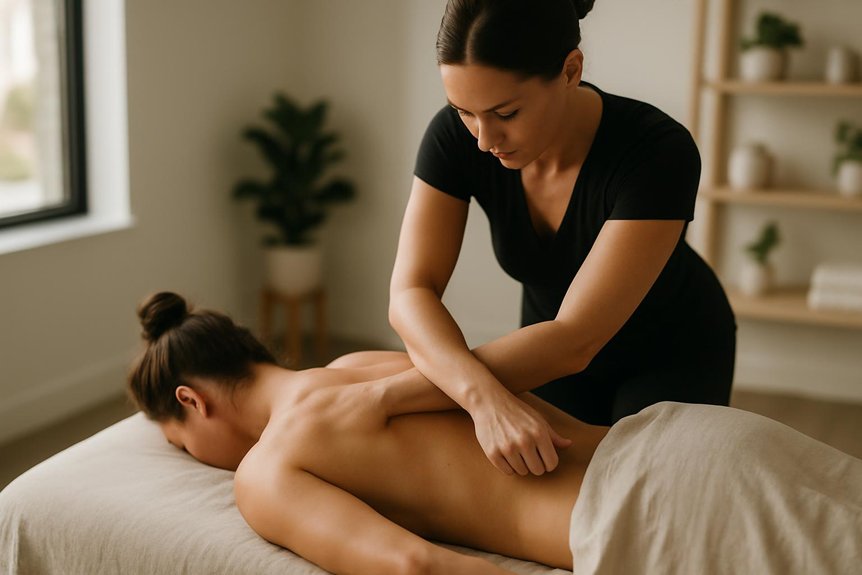
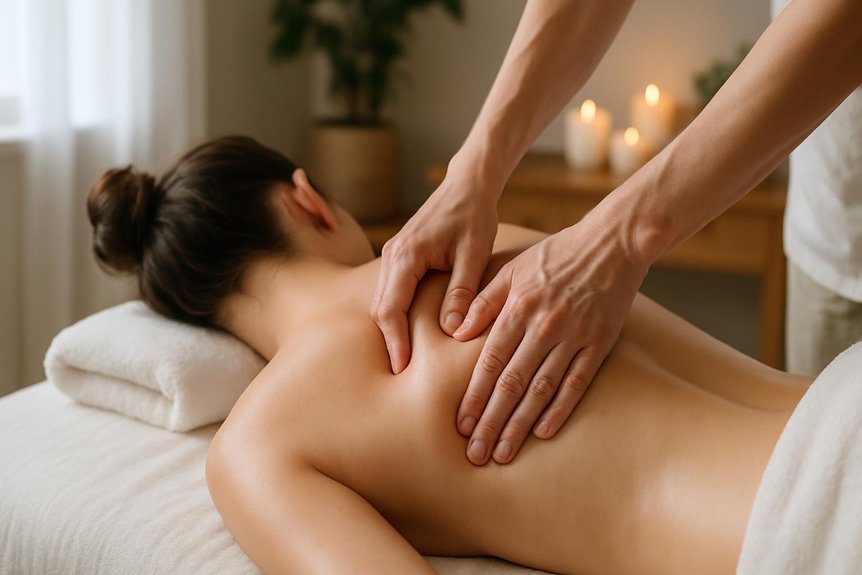
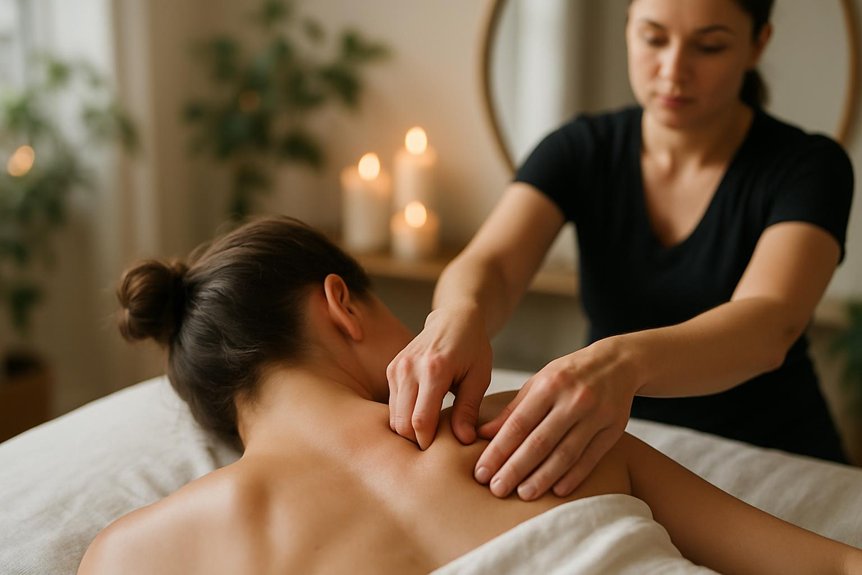
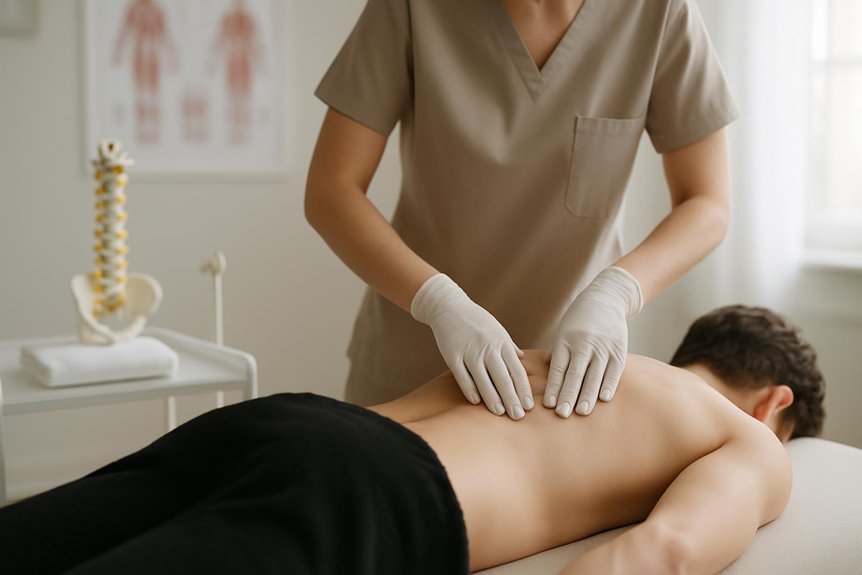
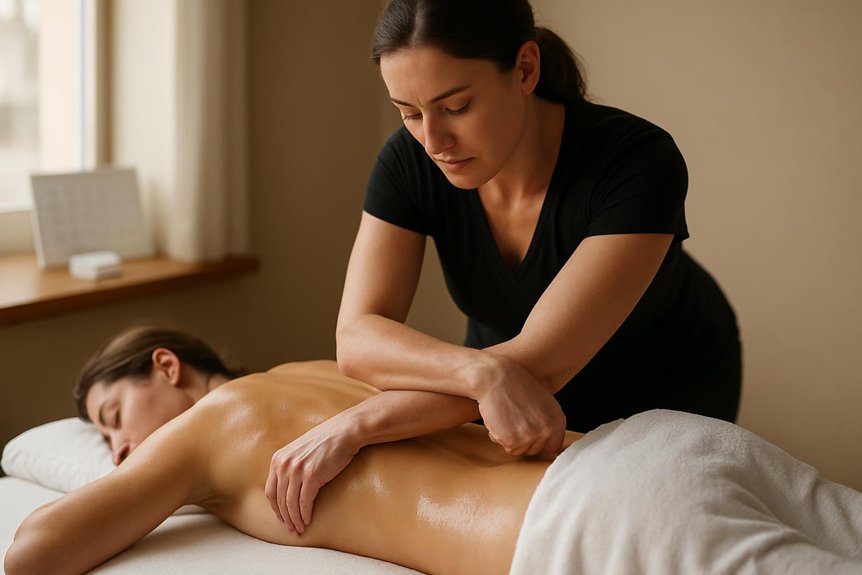
At Spa & Massage clinics across London, therapists use slow, deliberate pressure, sustained holds, and specific friction to address dense layers while tracking breath and guarding. Deep tissue work is often used to target chronic muscle tension by reaching deeper layers with controlled, sustained pressure. Sessions are tailored around the runner’s schedule: lighter, flushing work pre-race; deeper, focused work after harder blocks. Clients are guided to communicate sensation clearly, keeping pressure “intense but safe” to protect performance and comfort.
What Running Issues Can Intensive Tissue Massage Help?
In running, intensive tissue massage is most useful for addressing common overuse patterns—persistent muscle tightness, delayed-onset soreness, and “stuck” areas that limit stride efficiency—by reducing tone in overloaded tissues, improving short-term range of motion, and downshifting pain sensitivity.
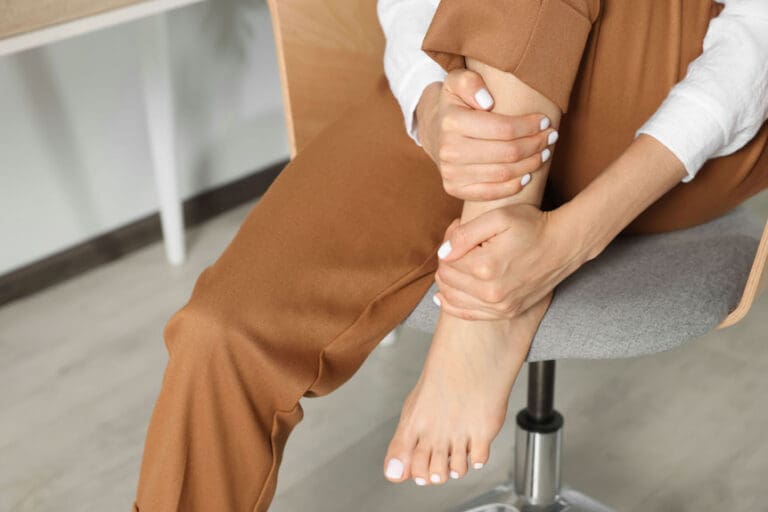
It can help runners with calf–Achilles stiffness, plantar-fascia irritability, and shin splint–type tension by working through the soleus, posterior tibialis, and intrinsic foot tissues.
It often targets hip flexor and glute guarding that drives ITB-related lateral knee discomfort, using slow, sustained pressure and friction along the TFL, vastus lateralis, and deep rotators.
For hamstring or adductor “pull” sensations, therapists at Spa & Massage blend myofascial release, trigger-point work, and breathing cues to soften protective bracing while maintaining comfortable, private communication.
When Should Runners Book Intensive Tissue Massage (Pre- or Post-Run)?
Before deciding on a pre- or post-run deep tissue session, runners should match timing to the goal: neuromuscular readiness versus recovery and tissue load management.
Pre-run, deep work should be brief and targeted—5–15 minutes on high-tone areas (calves, hip flexors) using slow, compressive strokes and pin-and-lengthen, avoiding soreness or reduced power. Many runners instead book 24–48 hours before key sessions to soften adhesions without blunting performance.
Post-run, deeper pressure is best 6–24 hours after hard efforts, when it can downshift guarding, restore glide, and reduce perceived stiffness.
In Spa & Massage London clinics, therapists pace pressure to breath and facial cues, finishing with flushing strokes and recommending hydration, heat, and gentle mobility to keep tissues supple.
Deep Tissue vs Sports Massage for Runners: Which to Choose?
When choosing between deep tissue and sports massage, runners benefit from matching the method to the immediate training objective—tissue tolerance, range of motion, pain modulation, or recovery speed.
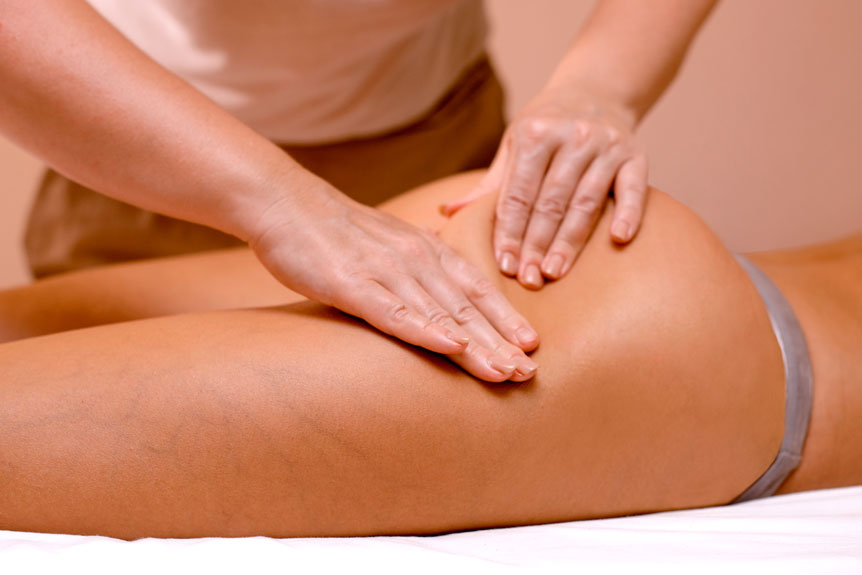
Deep tissue suits persistent, “stuck” areas (glutes, calves, plantar fascia) where slow, sustained pressure and cross-fibre work can reduce tone and improve tissue glide; it is ideal when touch needs to feel deliberate and deeply specific.
Sports massage targets performance readiness: faster strokes, compression, and assisted stretching to prime neuromuscular control and joint mechanics.
For acute niggles, sports massage usually prioritises assessment, circulatory flushing, and targeted trigger-point release.
At Spa & Massage clinics across London, therapists blend both: deep work where adhesions dominate, sports techniques where mobility and snap matter most.
What to Do After Intensive Tissue Massage (Soreness and Training)
Choosing deep tissue versus sports massage sets the intent of the session; the next step is managing the post-treatment window so soreness does not undermine running mechanics or recovery.
At Spa & Massage, therapists advise 24–48 hours of reduced load if tenderness exceeds 3/10 or stride feels altered. Hydration and a protein-rich meal support tissue repair; light walking and gentle mobility keep circulation without re-irritating fibres. Heat can relax guarded areas, while short cold exposure may calm flare-ups; both should feel soothing, not numbing. Runners should avoid maximal speedwork, hills, or long runs the same day; instead choose easy aerobic running or cross-training. A brief self-check—calf, hip, hamstring length and single-leg balance—guides return to intensity.
Conclusion
Intensive tissue massage can be a useful adjunct for runners, acting like a reset button for stubborn tension when training load outpaces tissue capacity. Evidence suggests it may reduce perceived soreness, improve short-term range of motion, and support better movement mechanics when paired with strength work and progressive mileage. It is not a standalone injury-prevention tool, and timing matters—lighter work pre-run, deeper work after key sessions. Expect transient soreness; plan easy training and hydration.