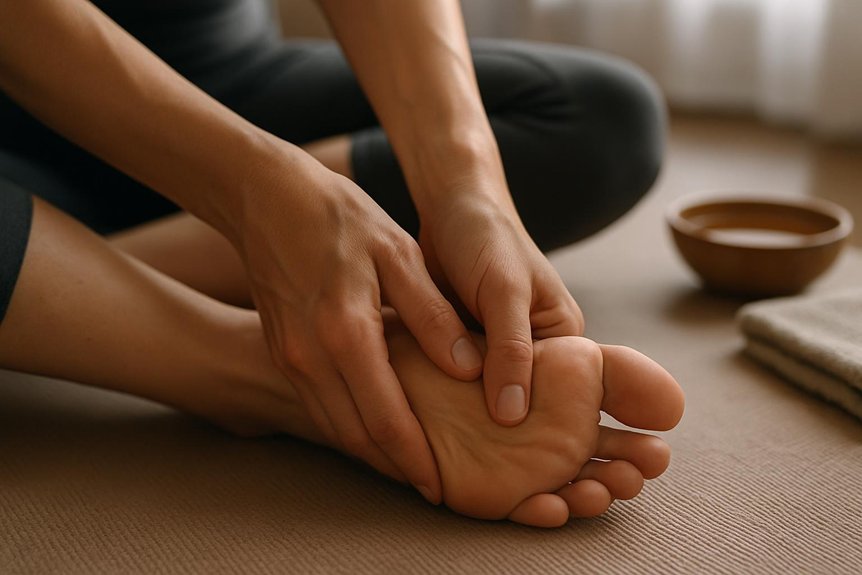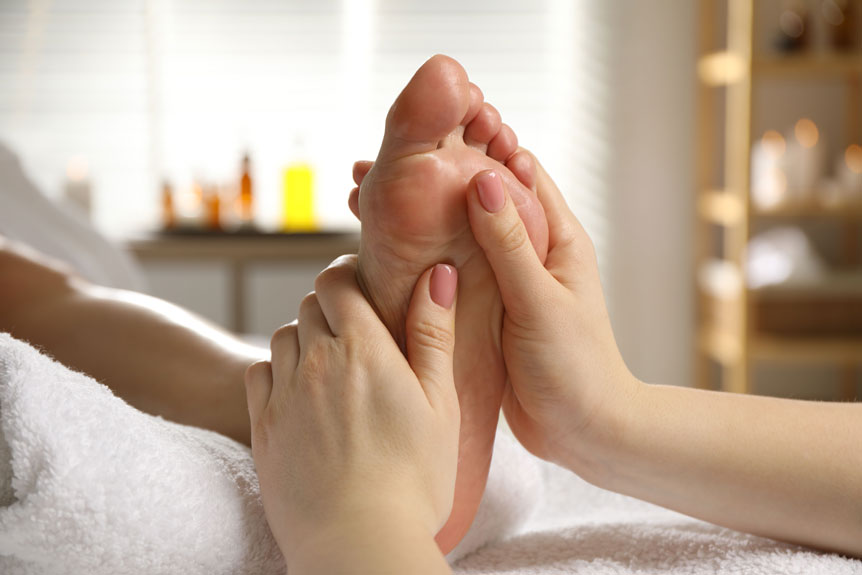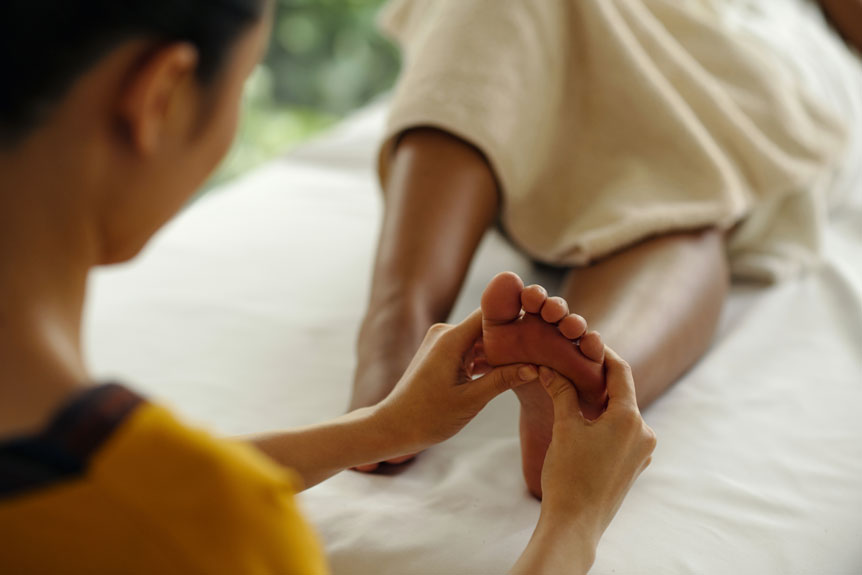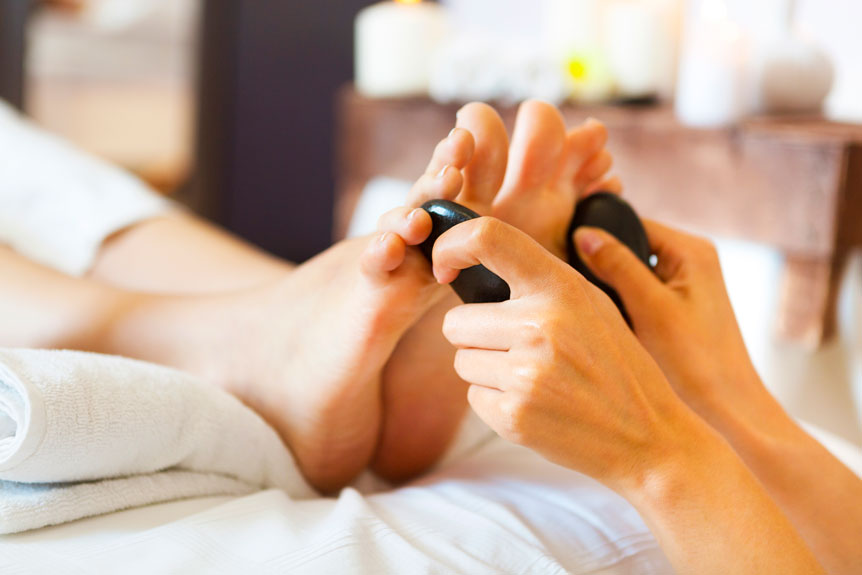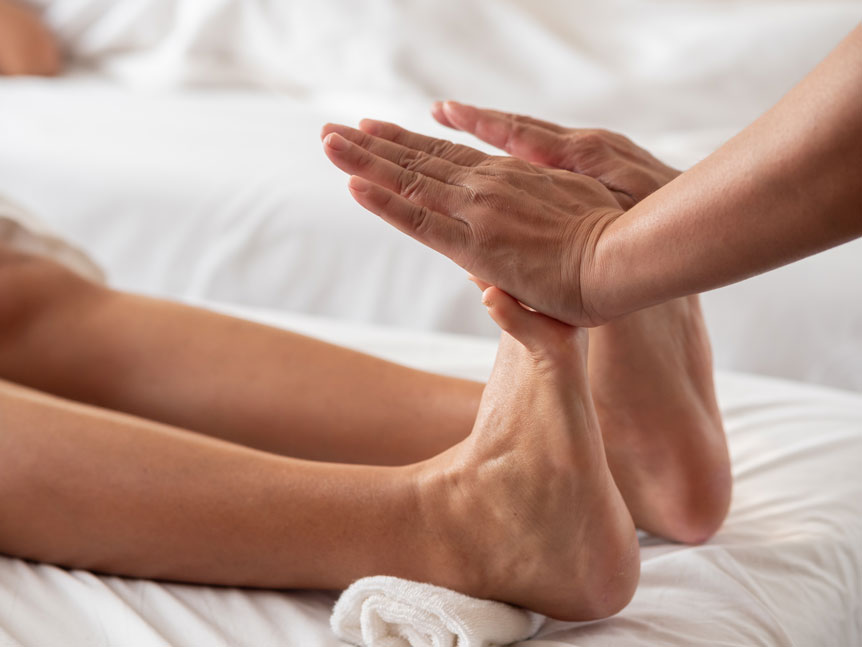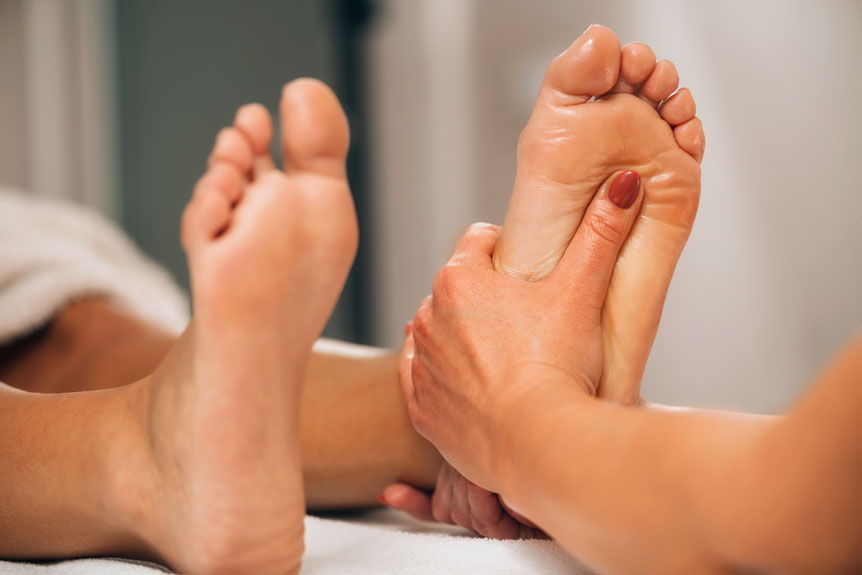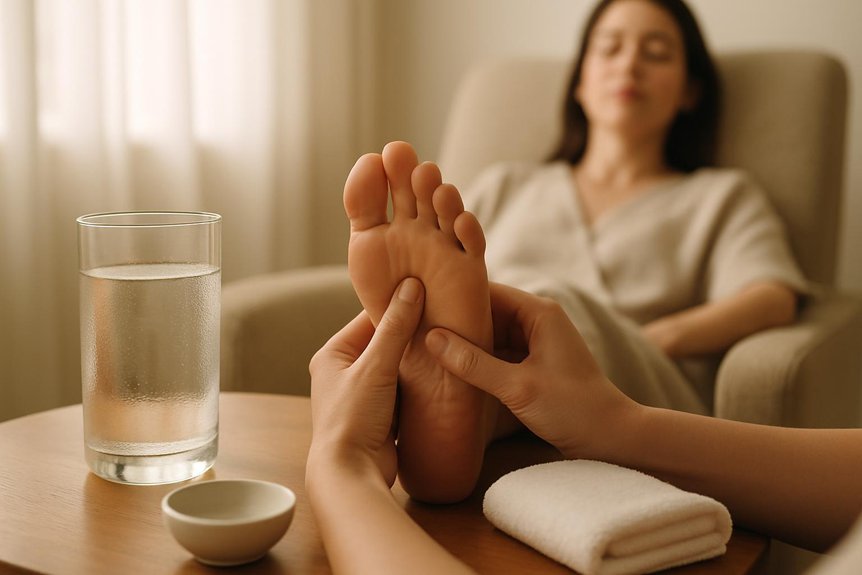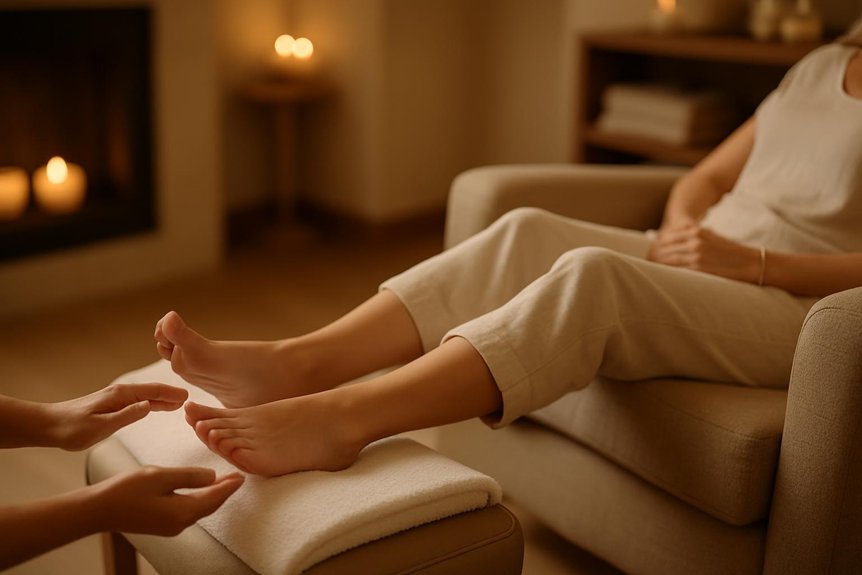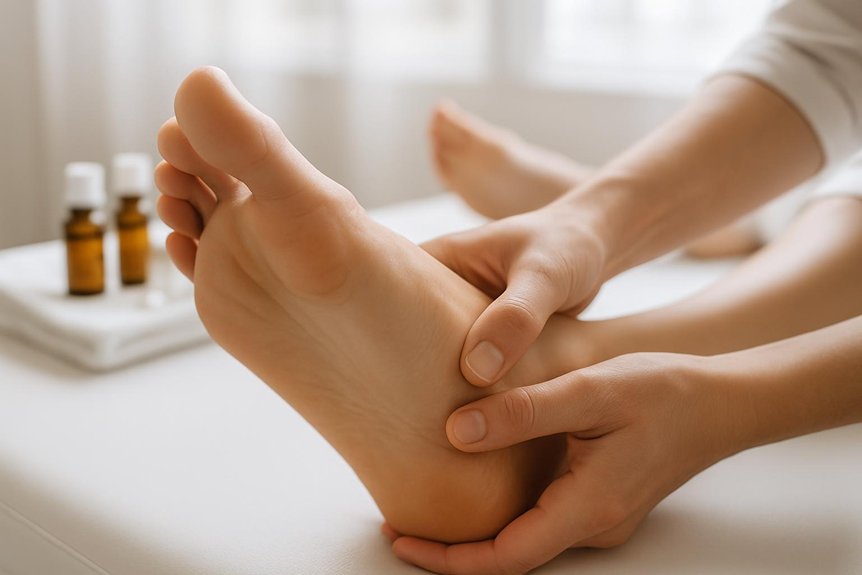
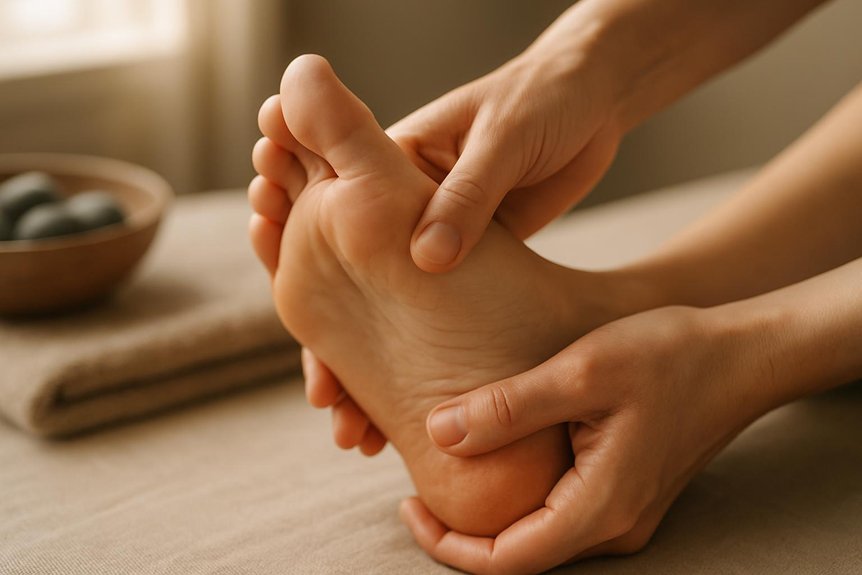
It may help circulation in the feet and lower legs by promoting relaxation and gentle, rhythmic pressure that can increase warmth and reduce feelings of heaviness. Evidence for measurable circulation improvements is mixed: small studies suggest short-term changes in skin temperature, perceived swelling, or comfort, but results are inconsistent and larger trials are limited. It is not a substitute for medical care, especially with diabetes, varicose veins, or clot risk. More details on what to expect follow.
Can It Improve Circulation? What to Expect
For many people, it is considered a practical way to support circulation, particularly in the feet and lower legs.
In Spa & Massage clinics across London, therapists apply measured pressure to specific points, aiming to encourage warmth, ease heaviness, and reduce the “cold feet” feeling that often comes with long days at a desk or frequent travel.
Sessions are tailored: pressure is adjusted, and time is focused on areas that feel congested or tender.
Clients typically notice relaxation first, followed by a gentle sense of flow and comfort in the ankles, calves, and soles.
Many also explore the healing power of reflex therapy as part of a broader wellness approach.
Aftercare is simple: drink water, walk lightly, and avoid tight footwear.
Those with vascular conditions, neuropathy, or pregnancy are advised to discuss suitability beforehand.
What the Evidence Says About Reflexology and Circulation
Although many clients report warmer feet and a lighter feeling in the lower legs after reflex therapy, the scientific evidence linking reflex therapy to measurable improvements in circulation remains mixed.
Small studies have reported short-term changes in markers such as skin temperature, perceived swelling, or comfort, yet results are inconsistent and methods vary, making firm conclusions difficult. Larger, well-controlled trials are still limited, and reflex therapy should not be treated as a substitute for medical care for vascular conditions.
At Spa & Massage clinics across London, therapists frame reflex therapy as a supportive, low-risk option that may help clients feel more at ease in their bodies.
For anyone with diabetes, severe varicose veins, clot risk, or unexplained leg symptoms, referral to a GP is advised.
How It May Support Blood and Lymph Flow
Within a well-structured reflex therapy session, gentle, rhythmic pressure to the feet can support blood and lymph flow indirectly by encouraging relaxation, easing soft-tissue tension, and prompting subtle changes in local circulation.
When the nervous system shifts toward a calmer state, heart rate and vascular tone may normalise, helping the body move fluids more efficiently. Lymph relies on muscle activity and pressure changes rather than a pump, so slow compressions and releases around the feet and lower legs may assist this natural “milking” effect.
At Spa & Massage clinics across London, therapists tailor pressure to comfort, supporting warmth, ease, and lighter-feeling legs without overstimulation. Clients are guided to breathe steadily and hydrate after treatment, which can complement the body’s fluid balance and recovery.
Which Reflex Therapy Points May Support Circulation?
Once the body has shifted into a calmer state and fluid movement feels easier, reflex therapy commonly focuses on specific foot zones traditionally linked with vascular and lymphatic regulation.
Practitioners often begin with the diaphragm line and solar plexus area to encourage relaxed breathing and reduce sympathetic “clamping” that can affect peripheral flow. Attention may then move to the heart and chest reflexes (left and right forefoot), followed by the lymphatic zones around the toes and ankle creases, using gentle, rhythmic pressure to support drainage comfort.
The kidney, adrenal, and bladder reflexes along the inner arch are also commonly worked, reflecting their role in fluid balance.
At Spa & Massage clinics, therapists adjust intensity to sensitivity and warmth, prioritising a safe, close, reassuring pace.
How Many Sessions for Circulation Results?
How quickly might reflex therapy influence circulation-related comfort? Evidence suggests responses vary: some clients notice warmer feet or reduced heaviness after one session, while measurable, sustained change typically requires consistency. At Spa & Massage, therapists often see the best feedback when clients commit to a short course rather than a single visit.
For circulation-focused goals, many clients choose 4–6 weekly sessions to build momentum, then reassess comfort, swelling, and sleep quality. If symptoms are mild, sessions every 1–2 weeks may be sufficient; if long-standing, a longer plan may be needed. Results can be supported by hydration, gentle walking, and keeping warm after treatment. It is not a substitute for medical assessment when pain, sudden swelling, or numbness is present.
How We Tailor It for Circulation at Spa & Massage
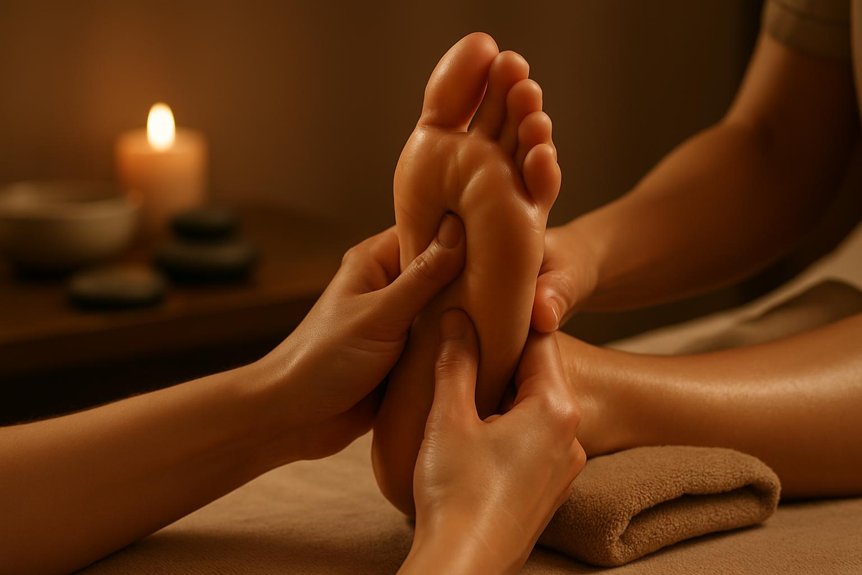
At Spa & Massage, it is for circulation begins with a circulation-focused intake that reviews symptoms, health history, and relevant risk factors to guide safe, effective care.
Therapists then apply targeted reflex points commonly associated with vascular and lymphatic support, using structured, outcome-led sequencing.
Pressure and pace are personalised to comfort and tissue response, helping clients receive a consistent treatment that aligns with their goals and tolerance.
Circulation-Focused Intake
Before any hands-on work begins, Spa & Massage uses a circulation-focused intake to shape each reflex therapy session around the client’s goals, health context, and day-to-day circulation concerns. Therapists ask about cold hands or feet, swelling, heaviness, cramps, varicose veins, desk-bound sitting, exercise patterns, hydration, and sleep, then note what reliably worsens or eases symptoms.
They also screen for relevant medical history and red flags—such as clot risk, vascular disease, diabetes-related neuropathy, pregnancy, recent surgery, or anticoagulant use—so care stays appropriate and safe. Comfort preferences, pressure tolerance, and boundaries are clarified, supporting a sense of trust and ease.
The intake ends with agreed aims, pacing, and aftercare guidance that complements clinical advice and promotes gentle, consistent circulation habits.
Targeted Reflex Points
Point-by-point mapping of reflex zones allows Spa & Massage therapists to tailor circulation-focused reflex therapy with precision, selecting foot and lower-leg areas associated in reflex therapy practice with vascular tone, lymphatic return, and autonomic balance.
In practice, therapists prioritise the arches, heels, and ankle margins, then integrate points traditionally linked with heart, kidney, and lymph pathways to support fluid movement and warmth in the extremities.
Evidence suggests reflex therapy can influence relaxation and perceived symptoms; consequently, sessions are framed as supportive care rather than medical treatment.
Each selection is informed by the client’s intake—such as cold feet, mild swelling, desk-based fatigue, or post-exercise heaviness—so attention feels personal, steady, and respectfully attuned across Spa & Massage’s London clinics.
Personalised Pressure And Pace
Selecting the most relevant reflex zones is only part of circulation-focused reflex therapy; outcomes and comfort also depend on how pressure and pace are matched to the individual.
At Spa & Massage clinics across London, therapists begin with a brief health check-in, noting temperature changes, tenderness, swelling, and client preference, then calibrate touch accordingly. Lighter, slower strokes may suit sensitive feet, pregnancy, anxiety, or those new to reflex therapy, helping the nervous system settle and supporting vascular tone. Deeper, sustained pressure can be used where tissue tolerance is higher, aiming for a grounded warmth rather than pain. Pace is adjusted to breathing and relaxation cues, with pauses to let sensations soften. This personalised approach supports safety, consent, and consistent comfort throughout the session.
Conclusion
It may offer a supportive option for people who feel cold, heavy, or fatigued, particularly when stress and inactivity may be contributing factors. While evidence is mixed and it should not be viewed as a treatment for circulatory disease, sessions can promote relaxation, reduce perceived tension, and encourage comfort in the feet and legs. For many clients, this can be the missing piece of the puzzle alongside movement, hydration, and sleep. Medical advice is recommended for persistent symptoms.