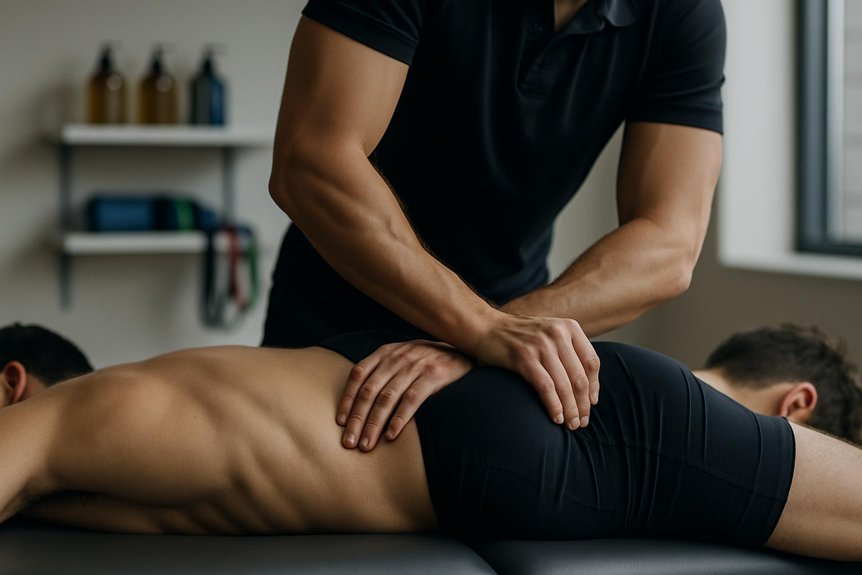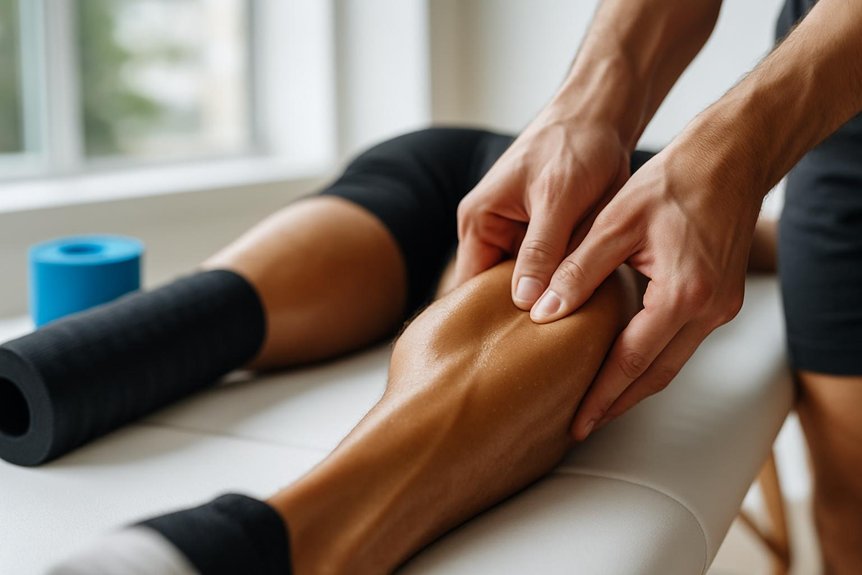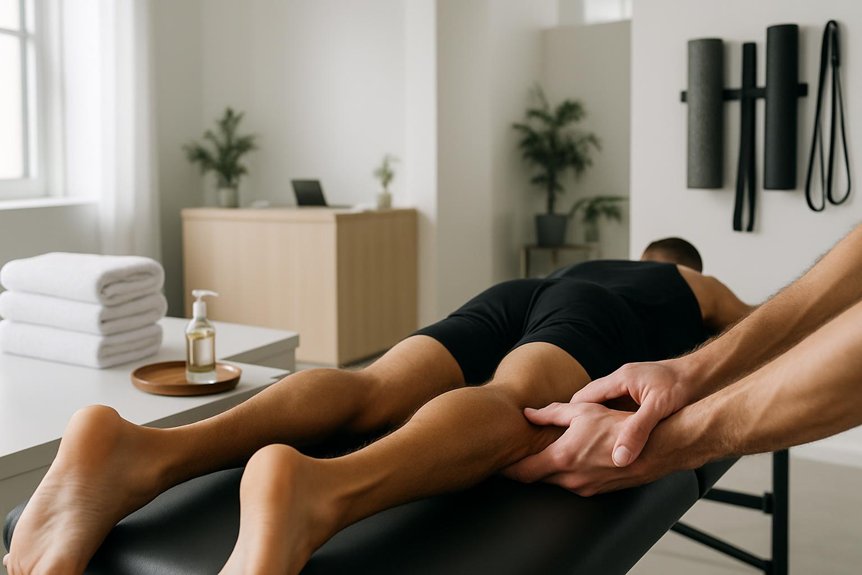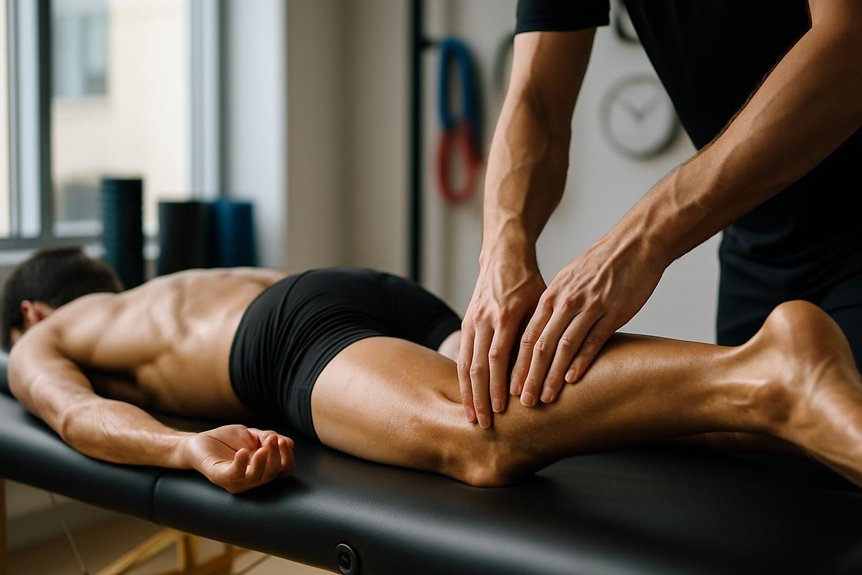
Athletic massage can help calf tightness by reducing protective muscle tone and improving tissue glide in the gastrocnemius–soleus–Achilles complex, especially when symptoms follow training spikes, hills, limited ankle dorsiflexion, or post‑injury gait changes. A typical session uses slow deep‑tissue strokes, myofascial release, trigger‑point compression, and pin‑and‑stretch with ankle mobilisation to restore comfortable range. Sharp pain, swelling, heat, numbness, or weakness needs medical review. Further detail covers causes, expectations, and prevention.
Why Your Calves Feel Tight (Common Causes)
Calf tightness often builds gradually, driven by a combination of training load and day‑to‑day habits.
Common triggers include sudden increases in running volume, hills, faster sessions, or frequent walking in unsupportive shoes. Limited ankle dorsiflexion, prolonged sitting, and high-heel use can keep the calf complex shortened, increasing perceived stiffness. Dehydration, low sleep, and high stress may heighten muscle tone and soreness sensitivity, while inadequate warm‑up or cool‑down can leave tissues less prepared for impact. Previous ankle sprains can alter gait, shifting demand to the calves. For athletes, sports massage can support recovery by helping reduce muscle tension and soreness that can contribute to tight-feeling calves.
At Spa & Massage clinics across London, therapists often note that unilateral tightness links to stride asymmetry, whereas bilateral tightness more often reflects load and recovery imbalance.
How Athletic Massage Relieves Calf Tightness
For many active Londoners, athletic massage can reduce calf tightness by combining targeted soft‑tissue techniques with precise assessment of movement and load.
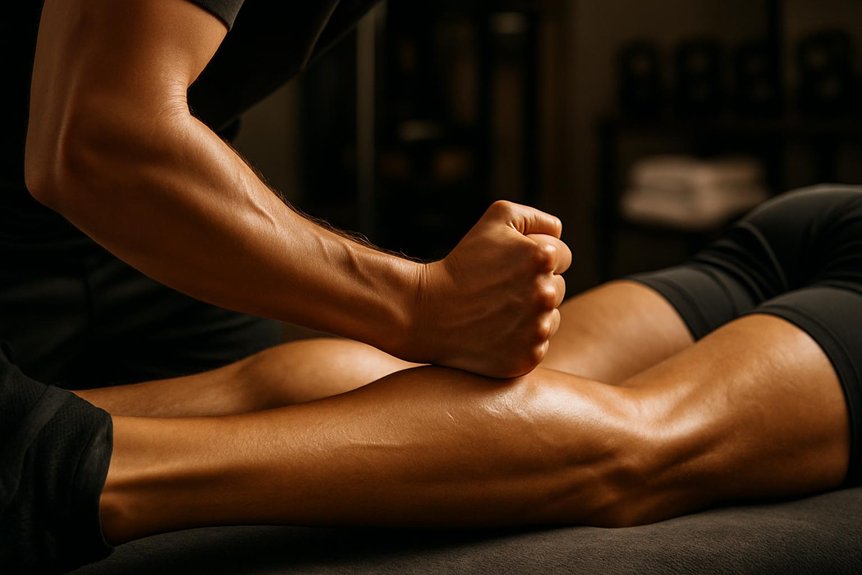
At Spa & Massage, therapists focus on the gastrocnemius, soleus, and Achilles complex, using slow deep‑tissue strokes to decrease protective tone and improve tissue glide.
Sustained compression on trigger points can ease local tenderness and referred discomfort, while myofascial release helps restore length and reduce the “stuck” feeling.
Evidence-informed work also supports circulation and lymphatic return, which may reduce post‑exercise heaviness.
Gentle pin‑and‑stretch and active release techniques are used to integrate new range with the nervous system, helping the calf feel safer to soften.
When needed, adjacent areas—foot, hamstrings, and hip rotators—are treated to reduce recurring overload.
What to Expect in an Athletic Massage for Calves
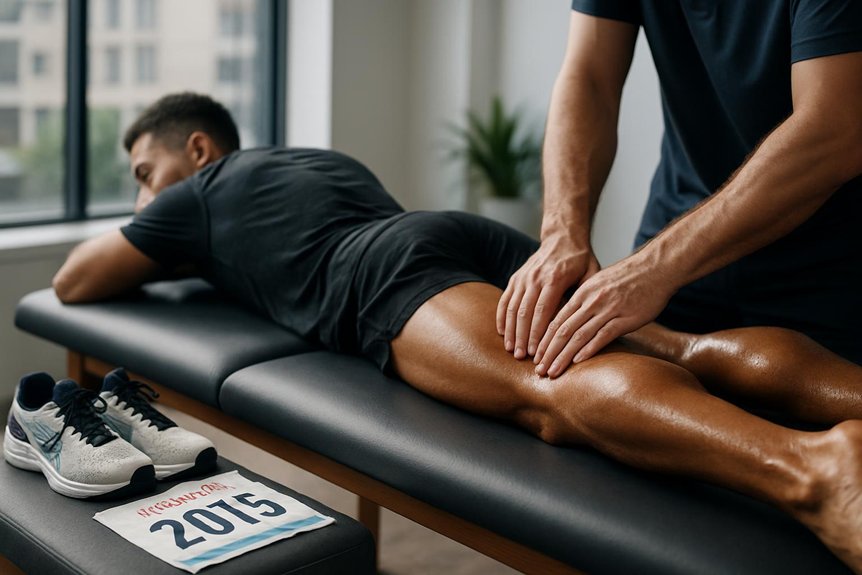
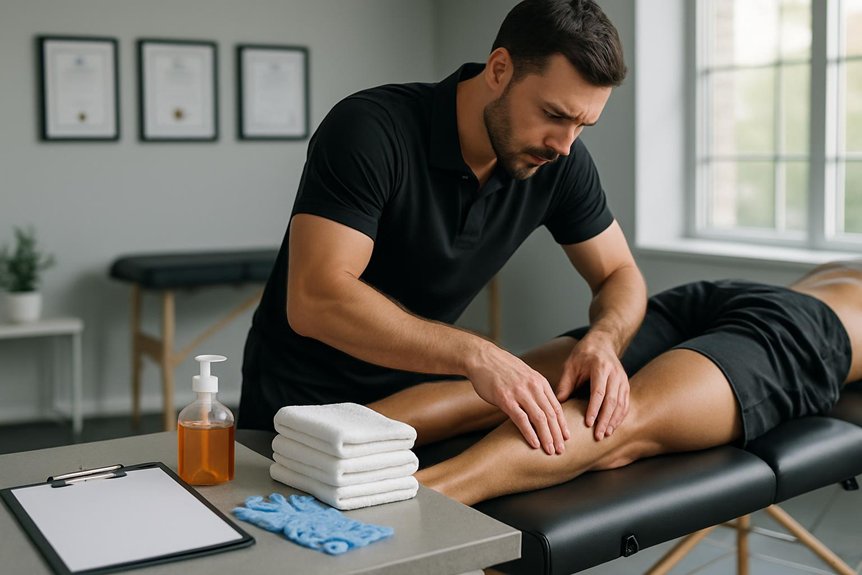
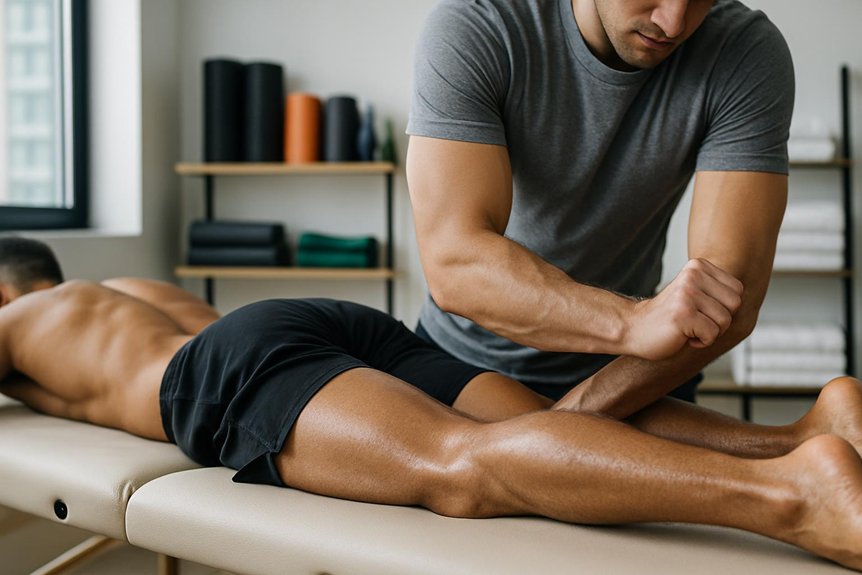
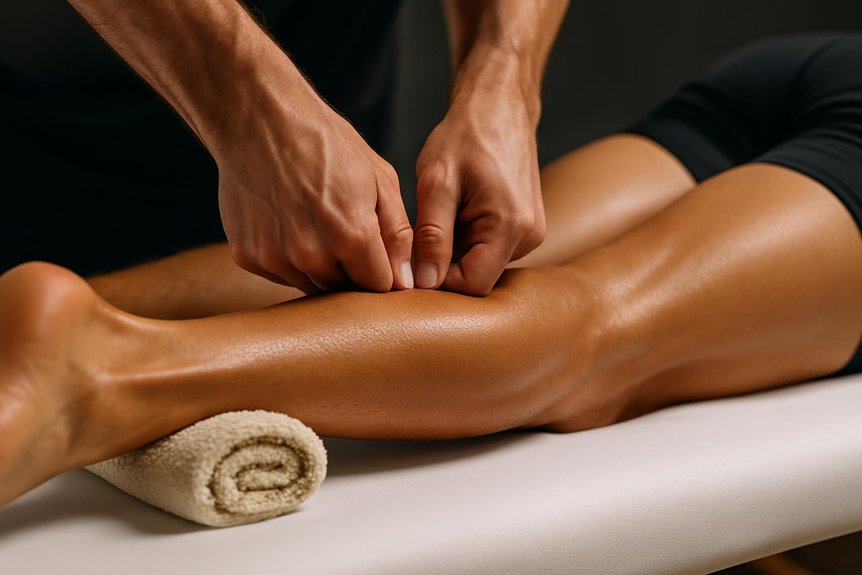
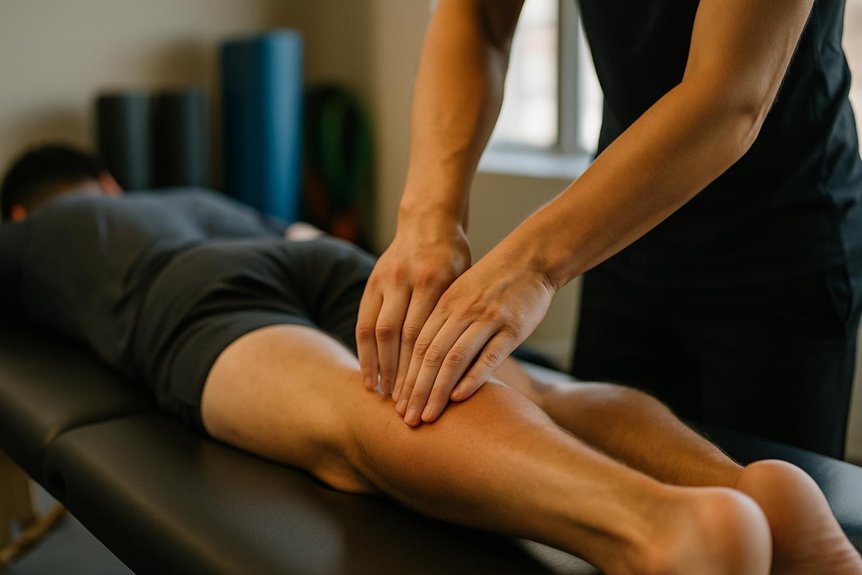
In most sessions, an athletic massage for calf tightness begins with a brief intake and movement check to clarify training load, symptom pattern, and whether the gastrocnemius, soleus, or Achilles complex is most involved. At Spa & Massage, the therapist then positions the client prone with bolsters for comfort, warms tissue with slow effleurage, and applies graded pressure—often a blend of deep tissue strokes, myofascial release, and targeted stripping along the medial and lateral calf.
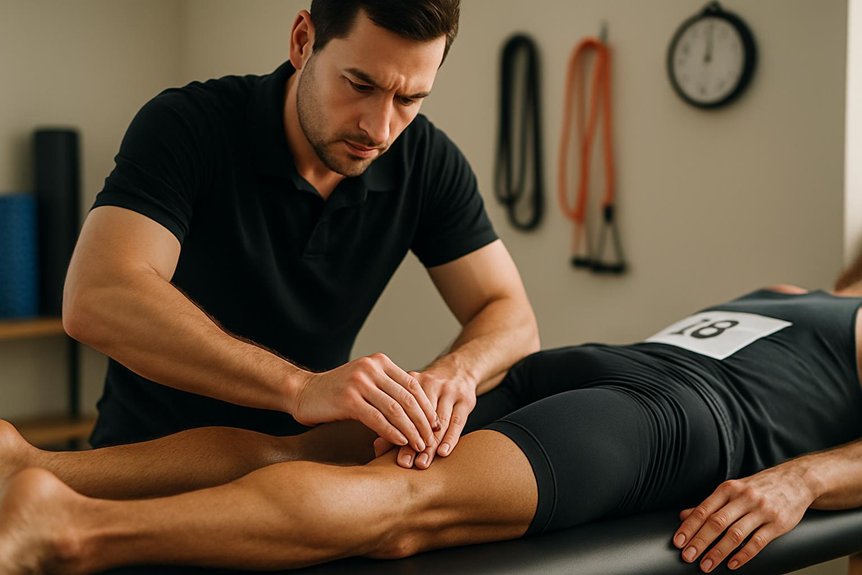
Trigger point work may be used with steady holds to reduce local sensitivity, followed by gentle pin-and-stretch and ankle mobilisation to support range. Throughout, pressure is negotiated in real time, aiming for “strong but safe.” Many sessions end with soothing oil-based strokes and tailored home stretches or load tweaks.
When Calf Tightness Needs More Than Massage
Despite the clear benefits of athletic massage for reducing tone and improving short‑term range, persistent or worsening lower‑leg tightness can signal an underlying issue that requires a broader plan than manual therapy alone.
Red flags include sharp pain, marked swelling, heat, bruising, night pain, numbness, or new weakness; these warrant prompt medical assessment to rule out clot, tear, or nerve involvement.
If tightness returns immediately after treatment, a therapist at Spa & Massage will reassess gait, footwear, training load, and ankle mobility, and screen for tendon or compartment irritation.
Technique is adjusted toward gentle myofascial work, targeted trigger‑point pressure, and calf–Achilles loading tolerance rather than aggressive stripping.
When appropriate, referral to a physiotherapist for imaging, rehab, and graded strengthening is advised.
How to Prevent Calf Tightness Between Athletic Massages
Often, calf tightness between athletic massages reflects a mismatch between training load, ankle mobility, and recovery rather than a single “tight muscle,” so prevention centres on maintaining tissue capacity with regular calf–Achilles loading, daily ankle range-of-motion work, and consistent hydration and sleep.
Spa & Massage therapists typically advise 2–3 weekly sessions of slow heavy calf raises (straight-knee and bent-knee) plus brief soleus isometrics on busy days to keep tone calm.
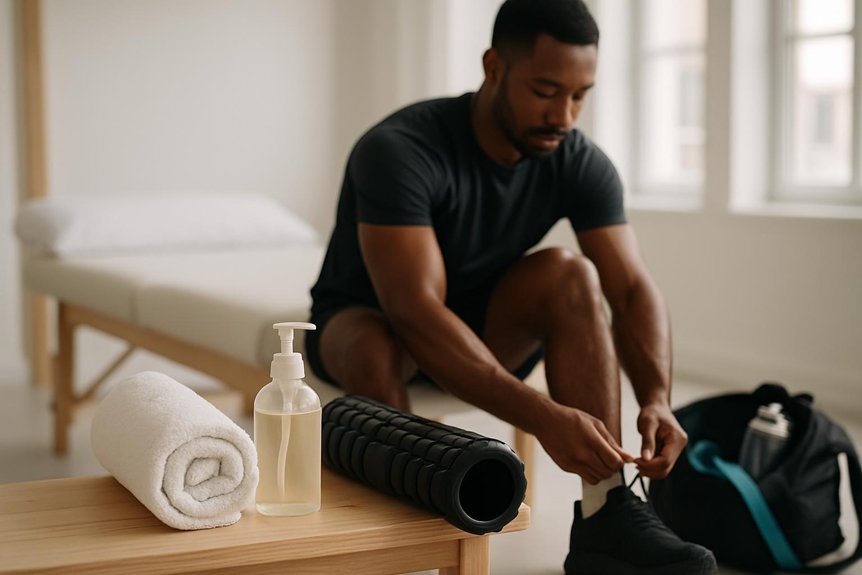
After runs or long walks, gentle self-massage with warm oil and 60–90 seconds of diaphragmatic breathing helps downshift sensitivity without forcing stretch.
Clients are encouraged to progress mileage gradually, rotate shoes, and include short barefoot balance drills for foot control.
Between appointments, a nightly ankle-knee-to-wall glide keeps dorsiflexion available and pain-free.
Conclusion
It can be a useful ally when calves are “overworked” and ankle motion starts to quietly shrink. By combining assessment with targeted effleurage, petrissage, trigger-point release, and myofascial techniques, therapists often reduce tone, improve tissue glide, and support more efficient gait mechanics. Results are strongest when paired with load management, mobility drills, and hydration. If pain, swelling, heat, or sudden weakness appears, calf tightness may be something more serious and should be clinically assessed.