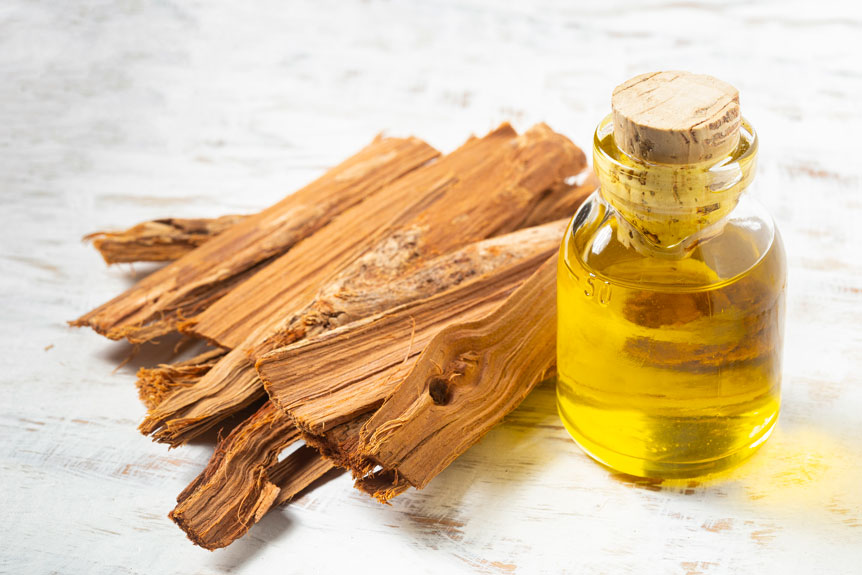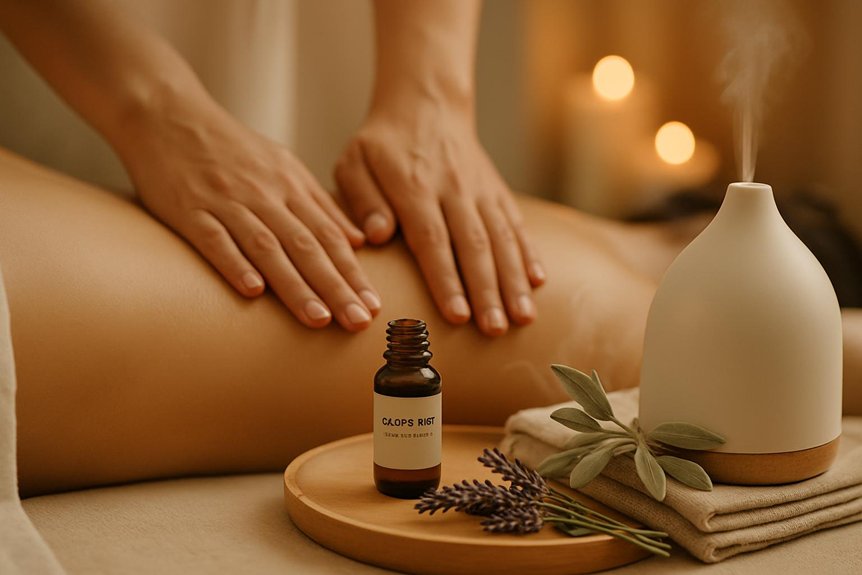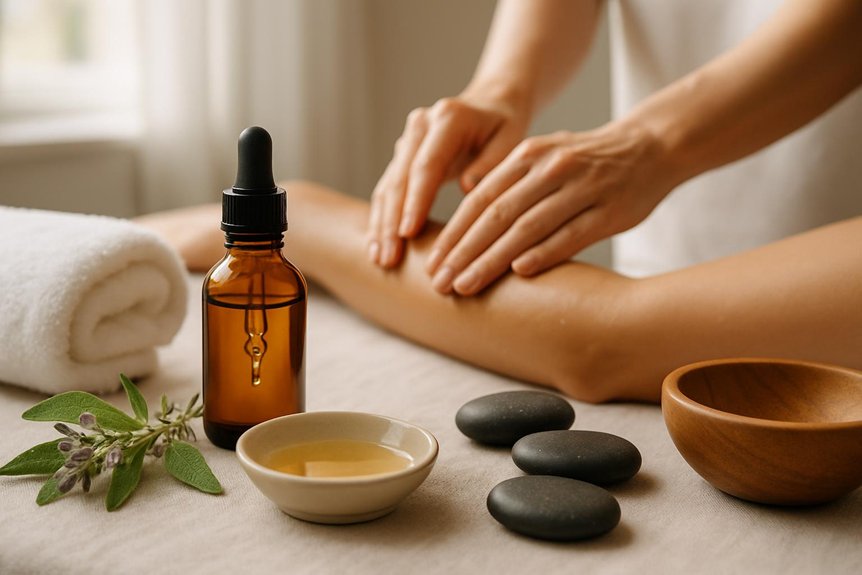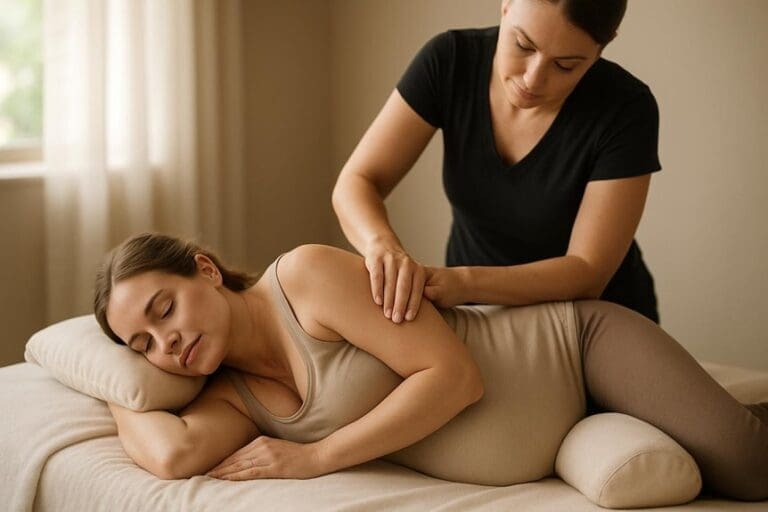
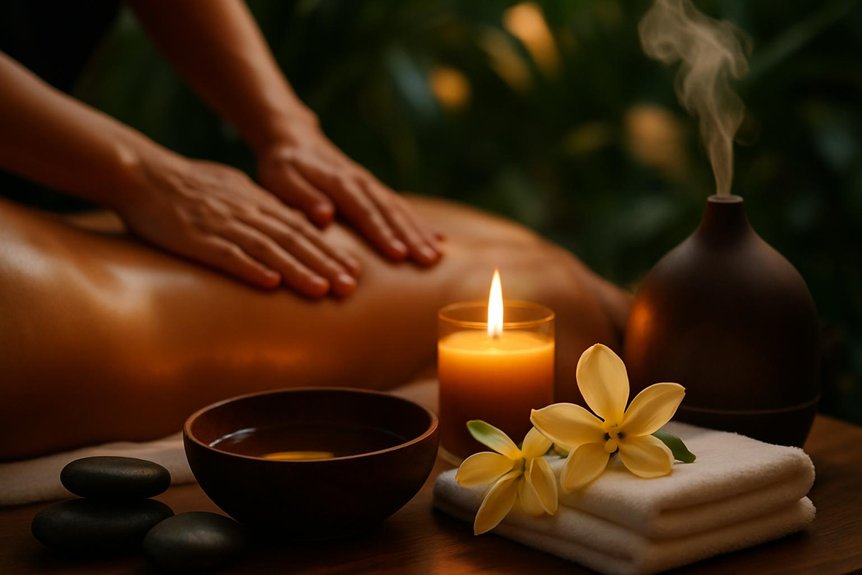
In aromatic massage, ylang ylang typically presents as a rich, heady white‑floral aroma, often compared to jasmine, with creamy undertones and a ripe, banana‑like tropical softness. As the oil warms on skin, the scent can shift from airy to velvety and become more noticeable around the neck, chest, and shoulders. It tends to feel warm, cocooning, and skin‑close, finishing with a soft balsamic, lightly woody, faintly powdery fade. Additional details help clarify grades, blending, and sensitivity.
What Does Ylang Ylang Smell Like?
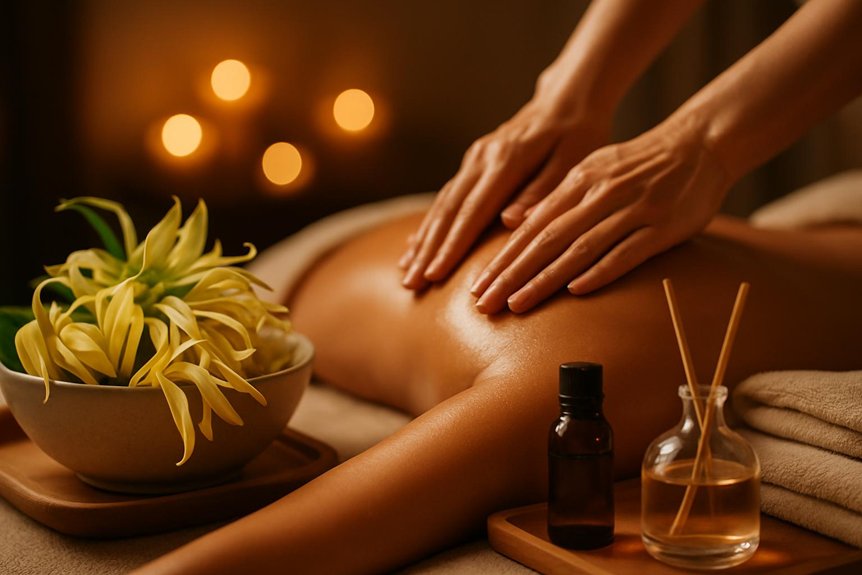
Often described as floral yet unexpectedly complex, ylang ylang has a rich, sweet bouquet that sits somewhere between jasmine and ripe tropical fruit, with a soft, creamy undertone.
In aromatic massage, its aroma can feel enveloping and close to the skin, creating a sense of warmth and quiet sensuality without harshness.
Many clients notice the fragrance blooms with body heat, moving from airy at first inhale to more velvety as the treatment settles in.
This makes it a popular choice for aromatherapy massage when the goal is to relax and heal through scent-led touch.
At Spa & Massage clinics across London, therapists observe it often supports a slower breathing rhythm and a softer emotional tone, especially in intimate self-care sessions.
When applied in a carrier oil, it tends to linger gently after the massage, leaving a subtle, comforting trail.
What Are Ylang Ylang’s Main Scent Notes?
Where does ylang ylang’s aroma sit on the scent spectrum in aromatic massage? It presents as a rich, heady floral with a warm, rounded base, often perceived as sensuous rather than sharp. In Spa & Massage sessions, therapists describe three main notes: an opening of sweet, creamy petals; a heart that feels lush, slightly spicy, and narcotic; and a finish that turns balsamic, softly woody, with a faint powdery tone.
Clients may notice a buttery, tropical sweetness woven through the profile, giving the blend a skin-close character. When diluted into carrier oil, the scent becomes smoother and more intimate, lingering near the body without feeling piercing. This makes it suited to slow, grounding strokes and close, calming work.
What Does Ylang Ylang Smell Similar To (Jasmine, Banana)?
In Spa & Massage clinics, ylang ylang is often described as sharing a jasmine-like floral character, with a creamy, heady sweetness that reads as familiar to many clients.
Alongside the floral profile, some people perceive a banana-like nuance—soft, ripe, and slightly custard-like—especially as the oil warms on the skin during aromatic massage.
These reference points can help clients anticipate the scent experience and choose a blend that feels comfortable and aligned with their treatment goals.
Jasmine-Like Floral Notes
How does ylang ylang compare to more familiar florals in aromatic massage? It is often described as jasmine-adjacent: creamy, velvety, and distinctly white-floral, yet rounder and more diffuse than jasmine’s sharper indolic edge. In-session, the scent can read as warm petals and soft nectar, filling the room quickly and lingering close to the skin.
At Spa & Massage clinics across London, therapists note that clients who enjoy jasmine typically respond well to ylang ylang when seeking a sensual, cocooning atmosphere without feeling overwhelmed. Applied in a properly diluted carrier oil, its floral profile supports slow breathing, relaxed jaw and shoulders, and a sense of intimate ease during full-body strokes. The finish remains plush and enveloping, not bright.
Banana-Like Sweetness
Alongside its jasmine-like white-floral character, ylang ylang is frequently recognised for a ripe, banana-like sweetness that reads as creamy, custard-soft, and slightly tropical on the nose. This facet can resemble banana skin and warm vanilla, with a faint, sunlit fruitiness that rounds the floral edge rather than turning sugary.
In aromatic massage, this sweetness often becomes more apparent as the oil warms on skin, creating a close, enveloping scent that many clients experience as comforting and sensually reassuring. At Spa & Massage clinics, therapists typically dilute ylang ylang carefully to keep the creamy fruit note present without becoming cloying or heavy.
For clients seeking intimacy, the banana-like nuance can support a feeling of softness, ease, and gentle body awareness during slow, grounding strokes.
Why Ylang Ylang Smells Different (Grades I–III)
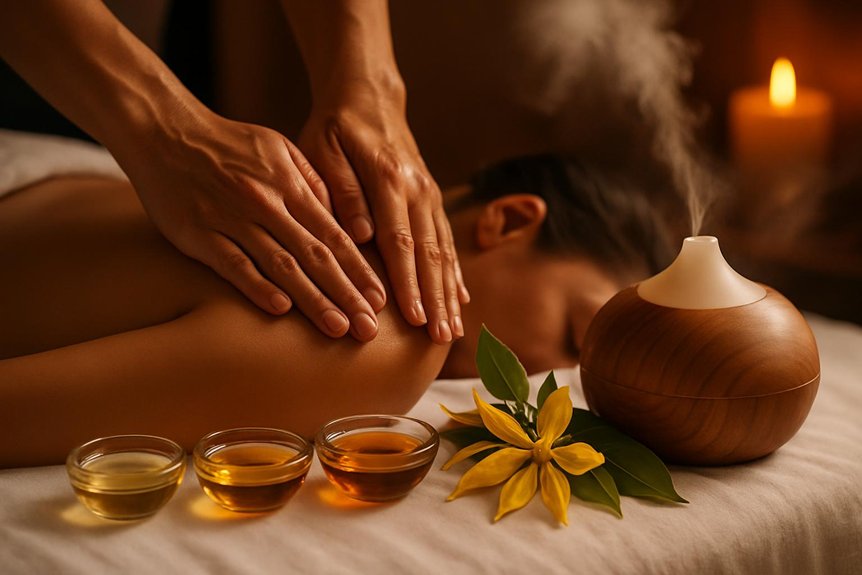
Why does ylang ylang smell markedly different from one bottle to the next? The answer is grading, which reflects when the distillate is collected.
Grade I comes from the earliest fractions: luminous, intensely floral, with creamy banana and a softly narcotic, skin-warm sweetness that can feel close and enveloping.
Grade II is taken later, often less heady and more rounded, with a drier, green-floral core and reduced candyed fruit.
Grade III is later still, typically heavier and more earthy, sometimes leaning woody, slightly rubbery, or smoky; the floral note sits deeper and feels more grounded than seductive.
At Spa & Massage, therapists note these shifts to support client preference, especially for those seeking tender, intimate calm rather than cloying sweetness.
How Ylang Ylang Smells in Aromatic Massage
In aromatic massage, ylang ylang typically presents as a pronounced floral sweetness with a soft, warm finish that can feel calming and enveloping to the client.
Many notice creamy, exotic undertones that become more apparent as the oil warms on the skin during treatment in Spa & Massage clinics.
Its character also shifts with blend notes—often smoothing sharper citrus or balancing woody bases—so therapists may adjust pairings to match a client’s sensory preferences and goals.
Floral Sweetness And Warmth
With its immediately recognisable floral sweetness, ylang ylang presents as a rich, heady aroma that feels warm rather than sharp during an aromatic massage. The first impression is petal-like and nectarous, settling quickly into a soft, enveloping bloom that seems to sit close to the skin.
In clinical terms, the scent profile is sweet-floral with a rounded warmth, often perceived as soothing and emotionally steadying rather than stimulating. Many clients at Spa & Massage describe it as inviting and intimate, creating a sense of being gently held while the therapist works through muscular tension.
Used in our aromatherapy sessions, it can help the room feel quieter and more private, supporting slower breathing and a calmer response to touch.
Creamy Exotic Undertones
As the initial floral sweetness settles, ylang ylang often reveals a creamy, exotic base that reads as softly buttery and slightly tropical, rather than sharply perfumed.
In aromatic massage, this undertone can feel like warm skin after sun, smooth coconut flesh, or a faint vanilla-milk softness, with a gentle balsamic depth. Many clients describe it as enveloping and sensual, creating a sense of private comfort without heaviness.
At Spa & Massage, therapists observe that the creamy facet tends to emerge as the oil warms on the body, especially along the neck, chest, and shoulders where heat and breath amplify aroma. For clients seeking closeness and calm, this phase supports slower breathing and a softened, receptive mood throughout the session.
Blend Notes In Massage
Across a massage blend, ylang ylang typically functions as a smoothing floral heart note that rounds sharper edges and lengthens the scent trail on skin.
In aromatic massage, it bridges bright top notes (bergamot, grapefruit) to deeper bases (cedarwood, sandalwood, patchouli), creating a seamless aromatic contour.
Its scent reads as warm, creamy floral with a faint banana-like sweetness, softening the perception of citrus bite and woody dryness.
At Spa & Massage clinics, therapists dose it carefully to avoid cloying intensity, especially for clients sensitive to heady florals.
On warmed skin, the blend becomes more intimate: initial lift, then a slow, velvety bloom, settling into a calm, skin-close finish that supports relaxed breathing and unguarded comfort.
Which Ylang Ylang Blends Smell Best in Massage?
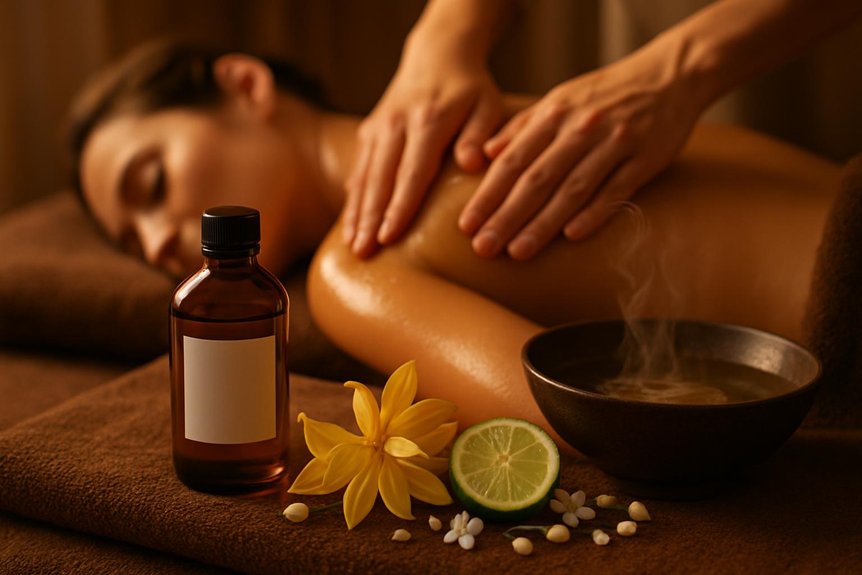
In aromatic massage, ylang ylang smells most balanced when its rich, floral-sweet heart is buffered by either bright citrus top notes or clean, grounding woods.
At Spa & Massage clinics, therapists often pair it with bergamot or sweet orange to create a luminous, skin-warm opening that feels inviting without losing depth.
For clients seeking a more private, settled mood, blending with cedarwood or sandalwood adds a smooth, clean base that reads close and comforting on the body.
A small amount of lavender can soften the floral edge and support a calmer, more even aromatic “fade” across the session.
Many clients also enjoy a trace of geranium to add rosy clarity and a softly sensual finish.
When Ylang Ylang Smell Feels Too Strong (and What To Choose Instead)
Ylang ylang’s lush, floral sweetness can feel beautifully rounded when blended with citrus or woods, yet some clients still experience it as overpowering on the skin—heavy, heady, or even mildly nauseating as the session warms the oil and intensifies the aroma.
Sensitivity is more likely with migraines, pregnancy-related nausea, scent aversion, or when a client craves cleaner, quieter notes for close-contact work.
When this happens, Spa & Massage typically suggests switching to softer, skin-close profiles: lavender for calm without density; geranium for a rose-like floral that feels drier; bergamot for airy brightness; or sandalwood/cedar for warm, grounded intimacy.
For very scent-sensitive clients, an unscented carrier oil maintains glide and comfort while keeping the room emotionally spacious.
How Our Therapists Use Ylang Ylang Safely at Spa & Massage
For clients who enjoy ylang ylang’s velvety, floral warmth but are sensitive to intensity, Spa & Massage therapists use it with measured dilution, careful blending, and clear pre-session screening—aiming for a soft, skin-close aroma that supports relaxation without triggering headaches, nausea, or irritation as the oil warms under massage.
In Spa & Massage London clinics, therapists check for pregnancy, asthma, migraines, medication sensitivities, and prior reactions before selecting ylang ylang. It is typically blended into a neutral carrier at low percentage, then rounded with calming notes such as lavender or grounding woods to prevent a cloying, syrupy edge.
A brief scent test on a tissue or inner forearm confirms comfort. During treatment, pressure and heat are adjusted to keep diffusion gentle; if discomfort appears, the blend is changed immediately and aftercare advice is provided.
Conclusion
In aromatic massage, ylang ylang reads like a velvet bloom unfolding under warmth—lush, sweet, and faintly creamy, with a soft spice at the edge. Its grade and blend act like a dial, shaping whether the scent feels buoyant or sedative. On skin, it can drift from bright petals to rounded fruit, steadying mood and easing tension. When it overwhelms, gentler companions or lighter dilutions keep the experience calm, clear, and tailored.