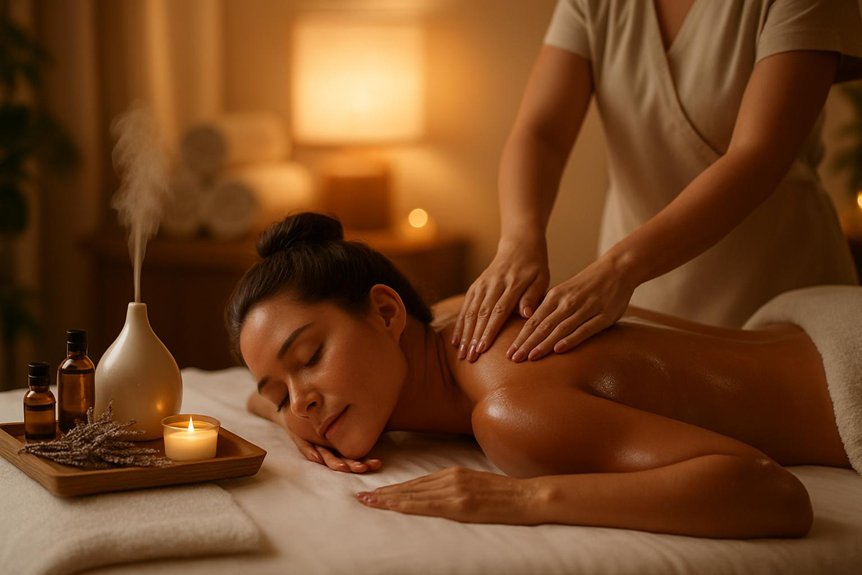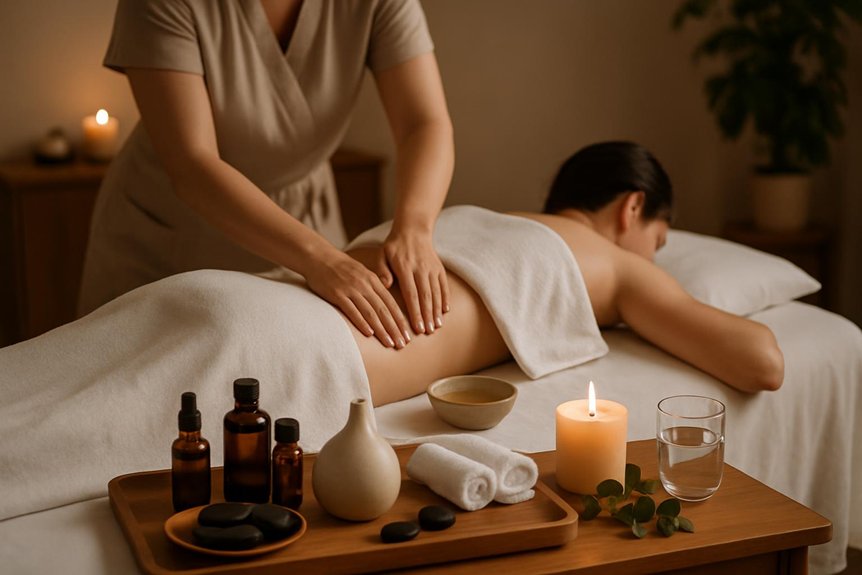
Lemongrass essential oil in aromatic massage is typically diluted in a carrier oil to provide a bright citrus aroma that supports relaxation and reduces perceived muscle tension. It is often used to enhance post-exercise comfort, including delayed-onset muscle soreness, alongside slow, grounding massage techniques and breathing cues. Clients may notice a light warming sensation and a clean, non-greasy skin feel. Because it can irritate sensitive skin, therapists screen for contraindications and offer unscented alternatives. Additional details and practical guidance follow.
Lemongrass Oil Massage Benefits: Quick Overview
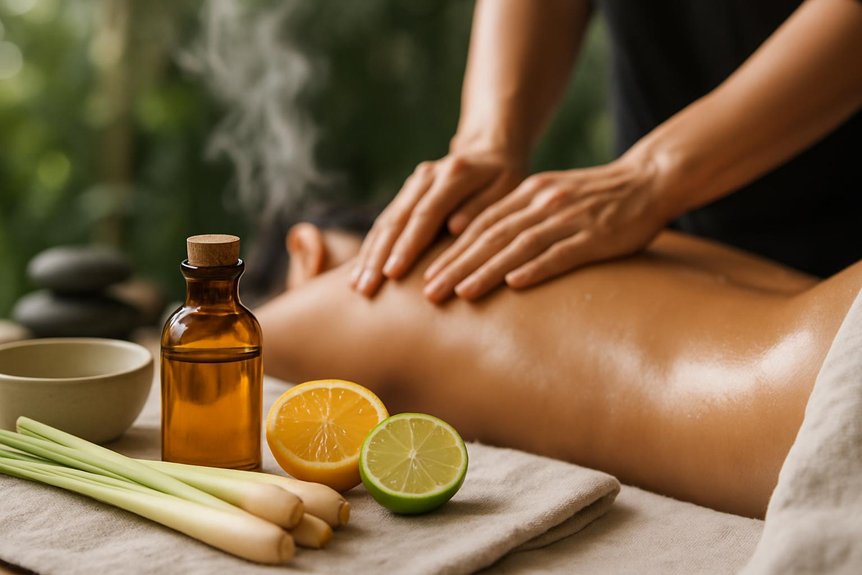
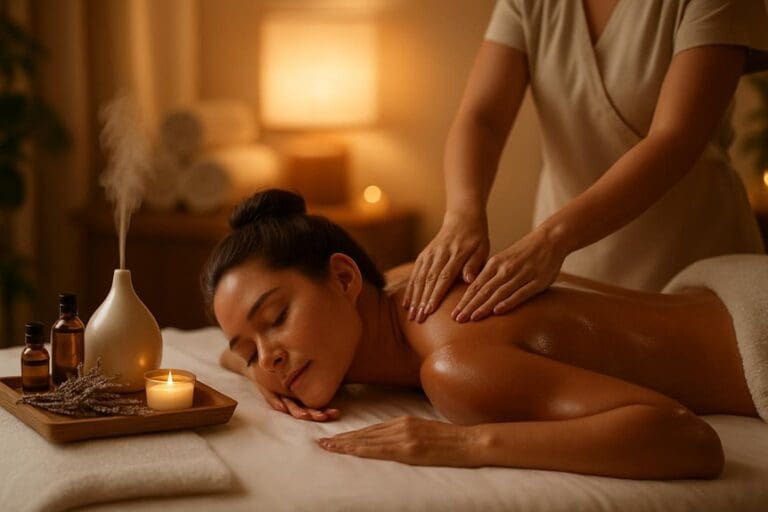
In aromatic massage, lemongrass (Cymbopogon citratus) essential oil is commonly selected for its fresh citrus scent and its potential to support relaxation, ease perceived muscle tension, and promote a sense of mental clarity. At Spa & Massage clinics across London, therapists may blend it into a carrier oil at skin-safe dilution to complement slow, reassuring strokes. Relax and Heal With aromatherapy massage tips can further support a calming massage experience.
Reported benefits include a light, deodorising feel on the skin, a gently warming sensation during kneading, and support for post-exercise comfort when paired with deep tissue or sports techniques. Lemongrass contains citral, associated in early research with antimicrobial and anti-inflammatory activity; however, outcomes in massage depend on concentration, contact time, and individual sensitivity.
Patch testing and avoidance on irritated skin are advised, especially for pregnancy or eczema.
Can Lemongrass Oil Ease Stress and Mental Fatigue?
How might lemongrass essential oil influence stress levels and mental fatigue during an aromatic massage? Evidence suggests its bright, citrus aroma can support alert calm by engaging olfactory pathways linked to mood and perceived energy, while gentle massage reduces sympathetic arousal.
In Spa & Massage clinics across London, therapists often pair lemongrass with slow, grounding strokes and steady breathing cues, helping clients feel held, focused, and mentally “clearer” without sedation. Many clients report reduced overwhelm and improved concentration after sessions, particularly when fatigue is stress-related rather than sleep-debt.
Because lemongrass may feel stimulating, therapists typically keep dilution low, patch-test when needed, and avoid use on sensitised skin. Clients are encouraged to notice scent preference, as comfort and safety drive outcomes.
Is Lemongrass Oil Good for Sore Muscles After Exercise?
Post-exercise soreness often sits alongside mental fatigue, and clients frequently ask whether lemongrass oil can support physical recovery as well as mood.
Evidence suggests lemongrass (Cymbopogon citratus) has anti-inflammatory and analgesic properties in laboratory and small human studies, which may help ease delayed-onset muscle soreness when used as part of a soothing aromatic massage.
At Spa & Massage, therapists position it as an adjunct rather than a cure: it can enhance comfort, reduce perceived tension, and support relaxation so the body can recover more efficiently.
For clients who want closeness and calm, its clean, citrus scent can help them feel held while deeper work is kept tolerable.
Sensible use matters—proper dilution and patch awareness are recommended, especially after heavy training or sensitive skin.
Lemongrass Oil in Massage: Skin Feel, Warmth, Circulation
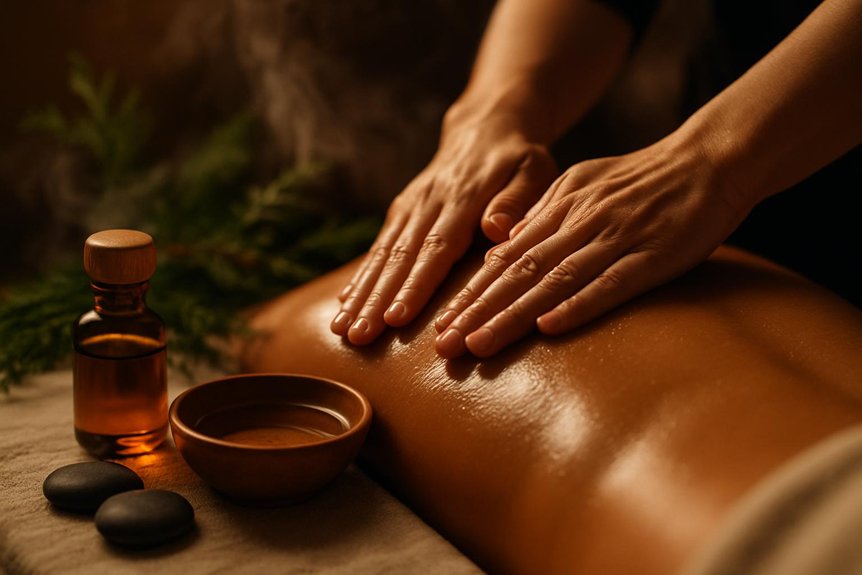
In aromatic massage, lemongrass oil is typically diluted in a carrier oil to create a light, non-greasy glide with a clean skin feel, though it can be irritating for sensitive skin.
Many clients report a mild warming sensation during application, which may support perceived comfort and ease of movement.
At Spa & Massage clinics across London, therapists monitor skin response and adjust dilution and pressure to align with the client’s goals, including relaxation and circulation support.
Skin Sensation And Texture
With its naturally light, slightly astringent profile, lemongrass essential oil—when properly diluted into a suitable carrier—tends to leave the skin feeling clean and less oily while creating a gentle sense of warmth that many clients associate with improved local circulation.
In Spa & Massage clinics, therapists note a “silkier” glide at first, followed by a soft, toned finish that some clients prefer for close, skin-to-skin contact without heavy residue.
Sensation is typically crisp and clarifying rather than sweet or powdery, which can support a feeling of freshness after deep tissue or sports-focused work.
Because lemongrass contains citral, sensitivity can occur; patch testing and conservative dilution are recommended, and use is avoided on compromised skin or immediately after shaving.
Warmth And Circulation
During aromatic massage, properly diluted lemongrass essential oil is often associated with a mild, surface-level warming sensation that clients may interpret as improved circulation in the treated area. This effect is generally attributed to sensory stimulation, gentle friction, and increased local blood flow from massage rather than a direct “circulatory boost” from the oil itself.
At Spa & Massage clinics across London, therapists use carefully measured dilution and slow, grounding strokes to support comfort, especially over tired legs, shoulders, and lower back. Many clients describe a pleasant, intimate glow that helps muscles feel looser and skin more receptive to touch.
For safety, therapists screen for sensitive skin, avoid irritated areas, and recommend hydration and warmth after the session to maintain ease and relaxation.
Who Should Avoid Lemongrass Oil Massage (Sensitivities)?
Lemongrass oil can trigger irritation or allergic contact dermatitis in clients with sensitive skin, eczema, or a history of fragrance allergy, so suitability should be screened before treatment.
At Spa & Massage clinics, therapists take a health consultation and may recommend a patch test or an alternative blend if there is any prior reaction to essential oils.
Caution is also advised in pregnancy and in clients with relevant medical conditions or medications, where a clinician-approved plan and gentler aromatherapy options may be more appropriate.
Skin Sensitivities And Allergies
Often well tolerated when properly diluted, lemongrass essential oil can still trigger irritant or allergic contact dermatitis in susceptible individuals, so it is not appropriate for everyone.
Higher risk is seen with very sensitive skin, eczema-prone or barrier‑impaired areas, recent shaving, or a history of fragrance allergy.
Typical reactions include stinging, warmth, itching, redness, or a rash that develops during or within 24–48 hours after massage.
Clients who have previously reacted to citrusy or perfumed products, household cleaners, or essential oils should avoid lemongrass or request an unscented carrier oil.
At Spa & Massage, therapists favour low dilutions, avoid mucosal areas, and can perform a small patch test when appropriate.
Any reaction warrants immediate cleansing and discontinuation.
Pregnancy And Medical Conditions
Skin reactivity is only one reason a lemongrass oil aromatic massage may be unsuitable; pregnancy and certain medical conditions also warrant extra caution or avoidance. In pregnancy, especially the first trimester, essential oils are typically limited because absorption and scent sensitivity can change; Spa & Massage therapists generally recommend a dedicated pregnancy massage using pregnancy-safe, fragrance-light blends instead.
Clients with asthma, migraine, or scent-triggered nausea may find lemongrass too stimulating. Those with epilepsy, uncontrolled hypertension, liver or kidney disease, or a history of allergic dermatitis should seek medical advice before use. Lemongrass may also be inappropriate with anticoagulants or when skin is compromised (eczema flare, recent shaving, sunburn). In Spa & Massage clinics, therapists perform thorough consultations and can switch to unscented carrier oils to keep treatment comfortable and close.
How We Use Lemongrass Oil in Our Spa & Massage Clinics
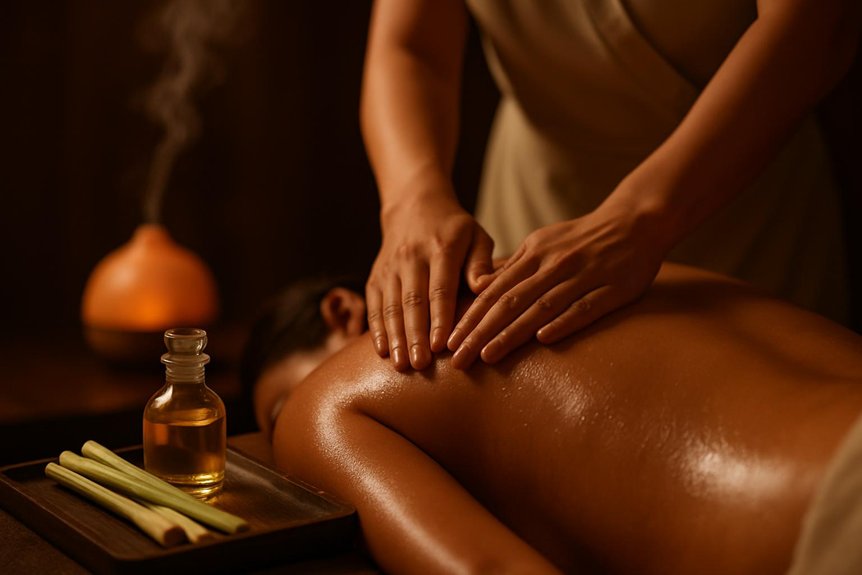
Within Spa & Massage clinics across London, lemongrass essential oil is incorporated into selected aromatic massage sessions as part of a structured, client-led approach: therapists screen for contraindications (including pregnancy, asthma sensitivity, and skin reactivity), confirm the client’s goals (such as muscular discomfort, stress load, or post-exercise recovery), and then use a low, professionally diluted concentration blended into a suitable carrier oil, adjusting the application and pressure to the treatment plan and monitoring tolerance throughout the session.
In practice, it is typically paired with grounding notes to soften intensity and support relaxation.
Application focuses on larger muscle groups, with avoidance of face and mucous membranes. When appropriate, paced breathing cues are offered to deepen parasympathetic settling.
Aftercare includes hydration, avoiding hot showers for several hours, and reporting delayed irritation. Patch-testing is advised for first-time users.
Conclusion
Lemongrass oil in aromatic massage is used to support alert calm, ease perceived stress, and reduce sensations of muscular heaviness when appropriately diluted. Its bright aroma can act like a clean breeze through a crowded mind, while the massage itself supports circulation, warmth, and comfort. Because sensitivity varies, patch testing, conservative dilution, and careful screening for irritation or contraindications are essential. In clinic settings, it is selected collaboratively to match client goals and tolerance.