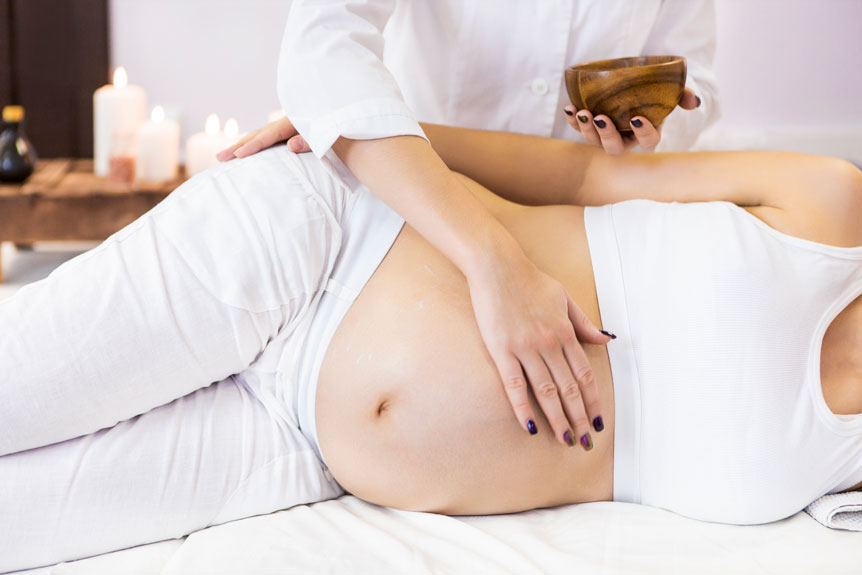
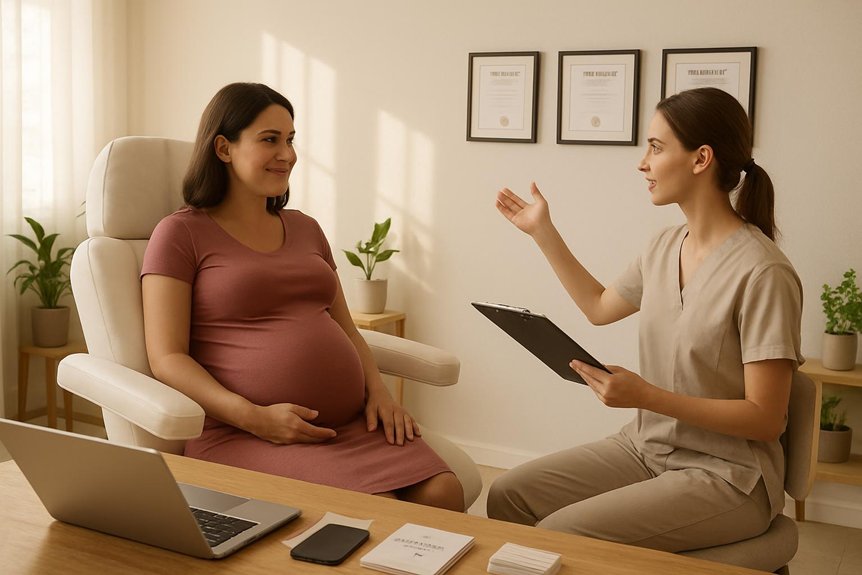
A certified prenatal massage therapist should have accredited pregnancy-specific training covering pregnancy physiology, trimester-based contraindications, safe positioning, and pressure modifications, plus current insurance that explicitly includes prenatal massage. A safe provider completes a detailed intake on gestational age, symptoms, and midwife/GP guidance, screens for red flags (bleeding, severe swelling, high blood pressure, fever, DVT risk), and pauses care if dizziness, cramping, or reduced fetal movement occurs. Next are key credentials, questions, and setup cues to check.
Is Prenatal Massage Safe for You Right Now?
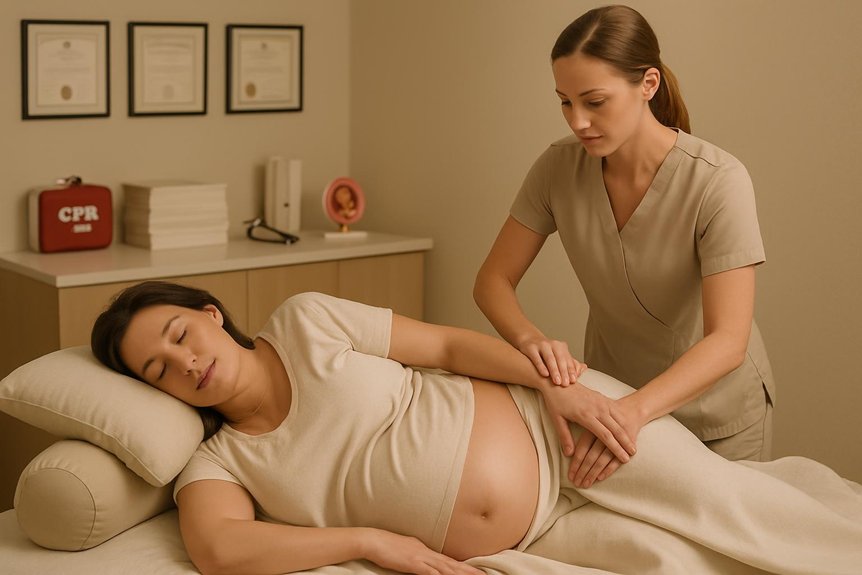
Before booking a prenatal massage, it is important to confirm that it is appropriate for the current stage of pregnancy and any existing health considerations. A client should first check with their midwife or GP, especially with bleeding, severe swelling, high blood pressure, preeclampsia risk, placenta complications, clotting disorders, fever, or new pain. If cleared, prenatal massage is generally considered safe when pressure, positioning, and products are adapted. Many expecting mothers also choose prenatal massage for its pregnancy massage benefits such as relaxation and overall comfort support.
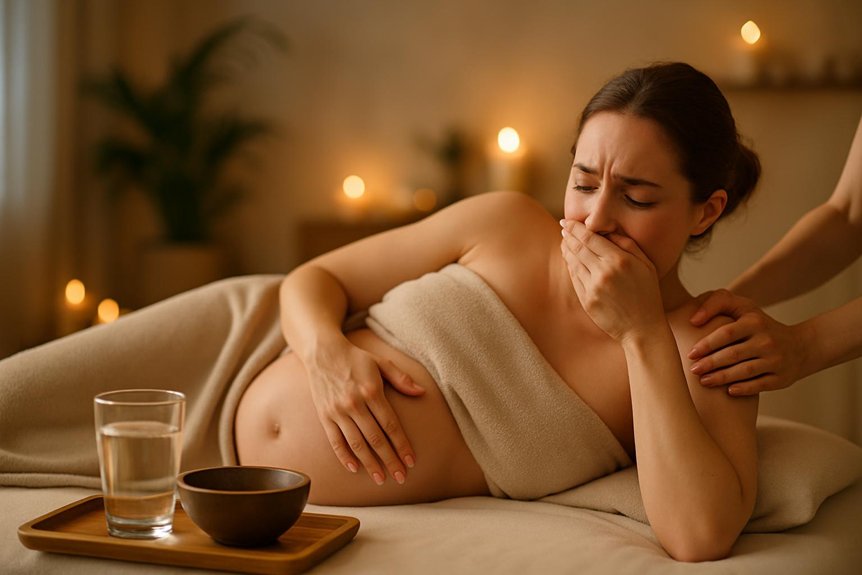
At Spa & Massage, therapists support comfort with side-lying bolsters, gentle-to-moderate work, and unscented or pregnancy-appropriate oils when preferred. Clients are invited to share boundaries, tender areas, and emotional needs, so touch remains nurturing and respectful. Sessions should stop if dizziness, cramping, or reduced fetal movement is noticed.
What Makes a Prenatal Massage Therapist Qualified?
A qualified prenatal massage therapist is defined by accredited pregnancy-specific training and a consistent, evidence-informed approach to maternal comfort and risk reduction. They also demonstrate strong screening and safety skills—checking trimester, symptoms, medical history, and any guidance from the client’s midwife or GP—so positioning, pressure, and technique are adapted appropriately.
At Spa & Massage clinics across London, therapists follow these principles to tailor prenatal massage to each client and refer on when massage is not suitable.
Prenatal Massage Training
In clinical prenatal care, a qualified prenatal massage therapist is distinguished by structured training that covers pregnancy physiology, trimester-specific contraindications, safe positioning and draping, and risk screening (including when to modify treatment or refer to a healthcare professional).
Beyond basics, credible programmes include supervised hands-on practice, anatomy refreshers, and guidance on adapting pressure, pacing, and touch so the client feels held, comfortable, and fully supported.
Training should also address common pregnancy concerns—such as low-back strain, hip tension, and leg fatigue—using evidence-informed techniques and bolstering.
At Spa & Massage clinics across London, therapists follow prenatal-specific protocols, use pregnancy-safe oils, and prioritise respectful consent, clear communication, and privacy.
Ongoing continuing education helps maintain consistent, nurturing standards throughout every trimester.
Safety And Screening Skills
Screening well is what separates routine relaxation work from truly prenatal-safe massage. A qualified therapist takes a thorough health history, checks gestational age, symptoms, and medical guidance, and watches for red flags such as preeclampsia signs, bleeding, fever, DVT risk, or severe pain—then refers out when needed. They explain positioning, pressure limits, and comfort cues so the client can relax without worry.
At Spa & Massage clinics across London, therapists confirm contraindications each visit, adapt bolstering for side-lying comfort, and avoid techniques that could strain lax joints or compress the abdomen. They choose pregnancy-appropriate oils, keep room temperature steady, and encourage hydration and slow shifts off the table. Clear consent, ongoing check-ins, and respectful boundaries protect safety while supporting close, calming care.
Which Conditions Mean You Should Not Book?
Before booking a prenatal massage, certain medical situations warrant postponing treatment or seeking explicit clearance from a midwife or consultant, because safety takes priority over symptom relief.
These include heavy vaginal bleeding, suspected miscarriage, severe abdominal pain, ruptured membranes, fever or contagious illness, pre-eclampsia symptoms (severe headache, visual changes, sudden swelling), uncontrolled high blood pressure, and reduced fetal movements.
Massage should also be delayed after a new deep vein thrombosis, pulmonary embolism, or unexplained calf pain/swelling, and when placenta praevia or significant pregnancy complications are being monitored.
After recent surgery or with severe anaemia, treatment may need modification or deferment.
At Spa & Massage, clients are encouraged to share concerns privately so care remains soothing, close, and clinically appropriate.
What Credentials to Check Before Prenatal Massage
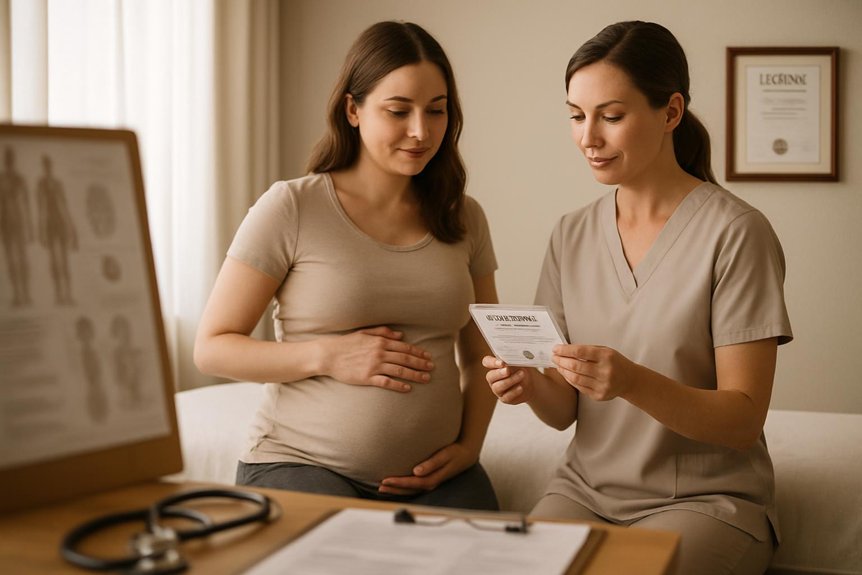
Before booking prenatal massage, a client should confirm the therapist holds recognised prenatal massage certification, as specialised training supports safer positioning, pressure choices, and screening decisions throughout pregnancy.
It is also important to verify current professional insurance and relevant memberships, which signal accountability and adherence to accepted standards of practice.
At Spa & Massage clinics across London, these checks are used to help match each client with an appropriately qualified practitioner and provide care that prioritises safety and individual needs.
Prenatal Massage Certification
For a safe and effective prenatal massage, a therapist’s credentials should be treated as a primary clinical safeguard rather than a nice-to-have. A recognised prenatal massage certification should indicate specific training in pregnancy physiology, trimester-appropriate positioning, pressure modification, contraindications, and when to refer to a midwife or GP. The credential should also reflect hands-on assessment skills, not only online theory.
At Spa & Massage, therapists are expected to evidence current training in prenatal massage protocols and to complete an intake that confirms gestational age, symptoms, and medical advice. Clients should look for certification that covers side-lying support, avoidance of risky abdominal work, and clear guidance on oedema, hypertension, and clot risk. A certified practitioner communicates calmly, protects intimacy with draping, and invites consent throughout.
Insurance And Memberships
Alongside specialist training, a prenatal massage therapist’s professional insurance and recognised memberships provide a practical safety net: they indicate accountability, adherence to published standards, and cover for pregnancy-specific clinical risk.
Clients should ask to see current public liability and professional indemnity cover that explicitly includes prenatal massage, plus confirmation of any exclusions (first trimester, high-risk pregnancy, or specific conditions).
Recognised membership of a professional body can signal ongoing CPD, ethical practice, and a clear complaints pathway.
It also encourages proper intake, informed consent, and appropriate referral when symptoms fall outside massage scope.
At Spa & Massage’s London clinics, therapists maintain suitable insurance and professional affiliations, and they welcome discreet questions—so care can feel close, calming, and confidently held throughout pregnancy.
What Questions to Ask Your Prenatal Massage Therapist
How can someone tell whether a prenatal massage session will be both comfortable and clinically appropriate? They can ask about the therapist’s prenatal training, how gestational age and symptoms guide pressure and positioning, and what contraindications would prompt postponement or medical clearance. They should ask how the therapist screens for red flags—bleeding, preeclampsia symptoms, DVT risk, severe swelling, fever, or unexplained pain—and how consent is handled throughout.
Clients may ask which techniques are used for pelvic, low-back, and rib discomfort, and what will be avoided. At Spa & Massage, therapists invite clients to set boundaries, request lighter pressure, and share preferences for draping and communication. They can also ask about oils used, scent sensitivity, and aftercare.
What a Safe Prenatal Massage Setup Looks Like
Clear answers to screening and consent questions should be reflected in the room itself: a safe prenatal massage setup prioritises maternal comfort, symptom-aware positioning, and straightforward risk control.
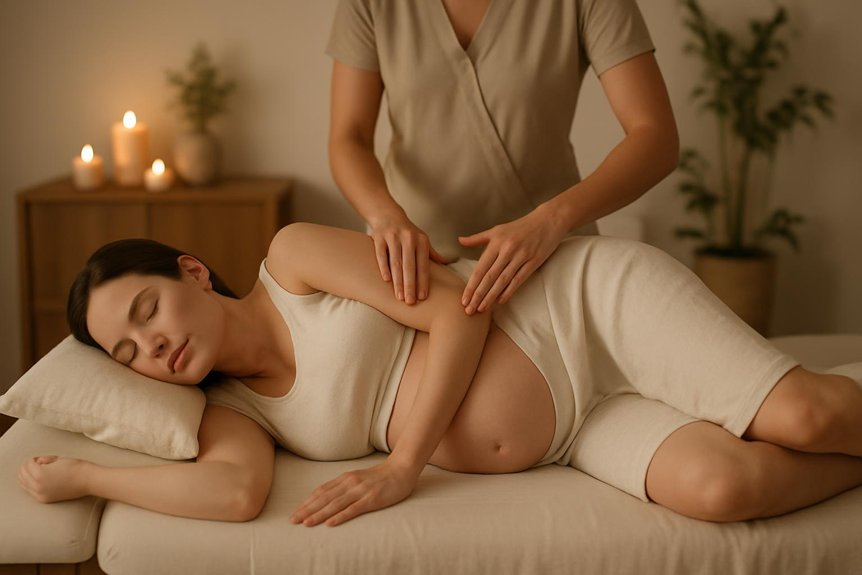
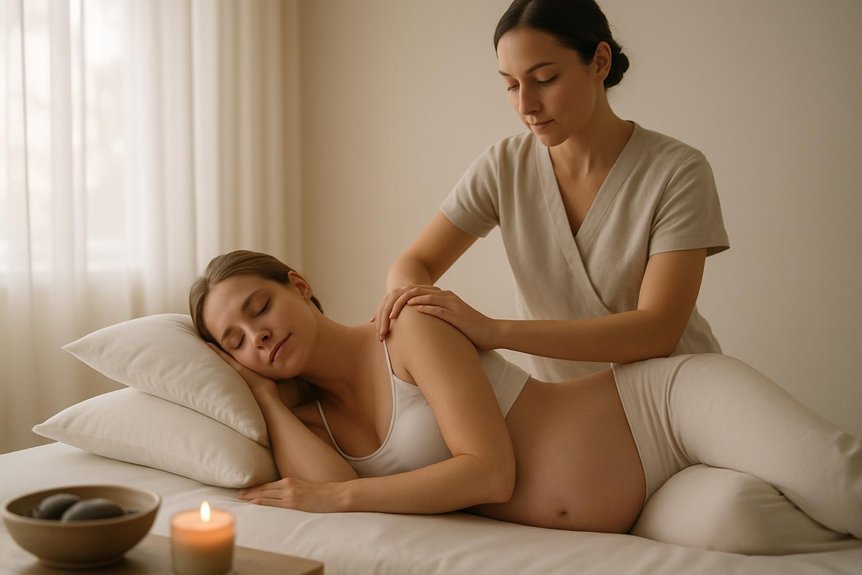
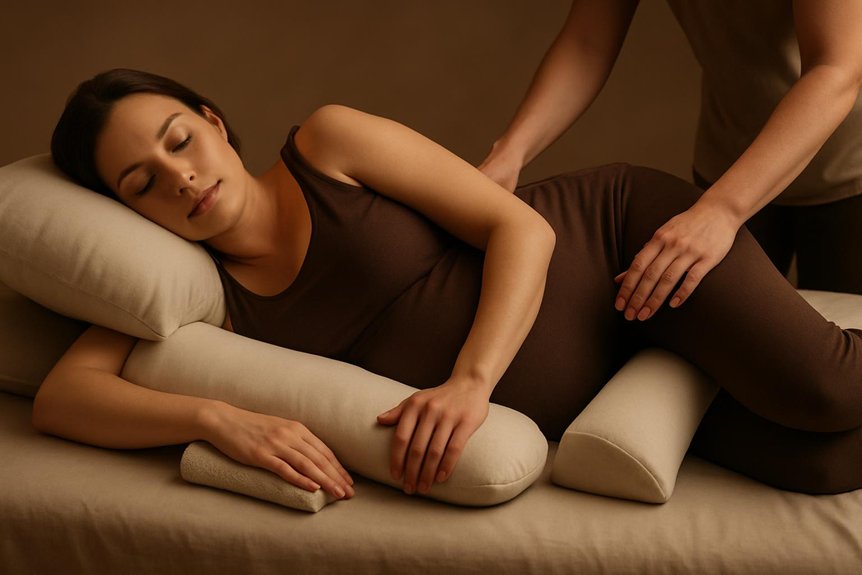
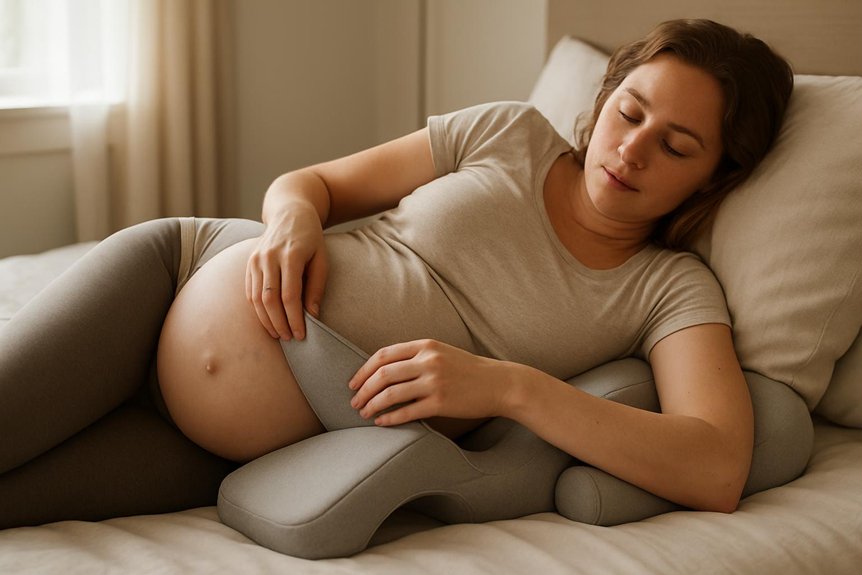
The couch should allow side-lying support with bolsters for belly, knees, and ankles, keeping the spine neutral and breathing easy. A step or stable stool reduces strain when getting on and off, and the therapist should remain within arm’s reach.
Clean linens, hand hygiene, and clear draping protect privacy while maintaining warmth and a sense of closeness. Unscented or pregnancy-appropriate oils are used sparingly; at Spa & Massage clinics, therapists patch-check and avoid known irritants.
Lighting stays soft but sufficient for observation, and water, tissues, and easy restroom access support comfort throughout.
Prenatal Massage by Trimester: What Changes and Why
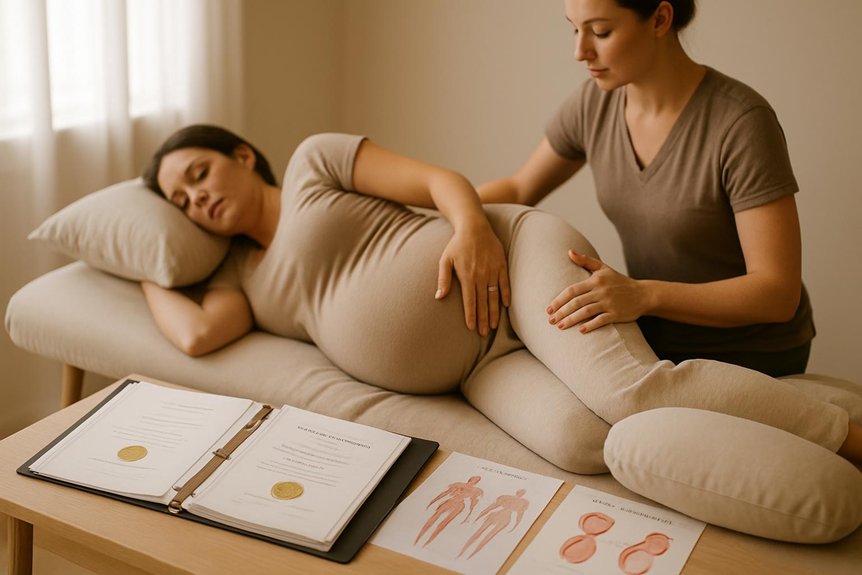
From the first trimester to the weeks before birth, prenatal massage should adapt to physiological changes, symptom patterns, and risk considerations rather than follow a one-size-fits-all routine.
In early pregnancy, therapists typically keep pressure gentle, avoid prolonged heat, and focus on settling nausea, headaches, and fatigue while supporting emotional ease.
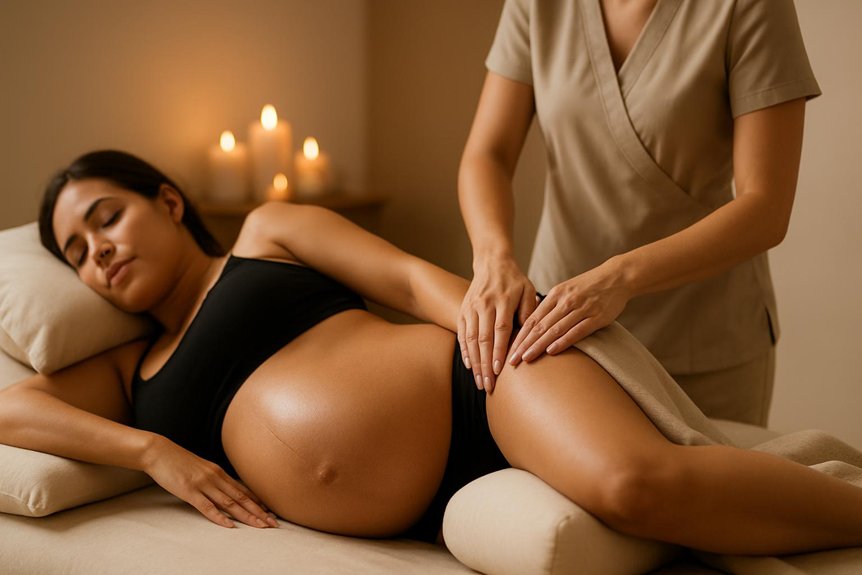
In the second trimester, when many feel steadier, sessions often broaden to address postural strain in hips, lower back, and shoulders, with side-lying bolsters and careful work around round ligament discomfort.
At Spa & Massage clinics across London, therapists prioritise circulation support and soothing touch without deep abdominal work.
In the third trimester, positioning becomes paramount; techniques emphasise pelvic, rib, and leg relief, swelling management, and breath-friendly pacing, while screening for red flags and liaising with maternity care when needed.
Your First Prenatal Massage: What to Expect
Booking a first prenatal massage can feel reassuring and slightly unfamiliar, so the process is designed to be calm, structured, and safety-led.
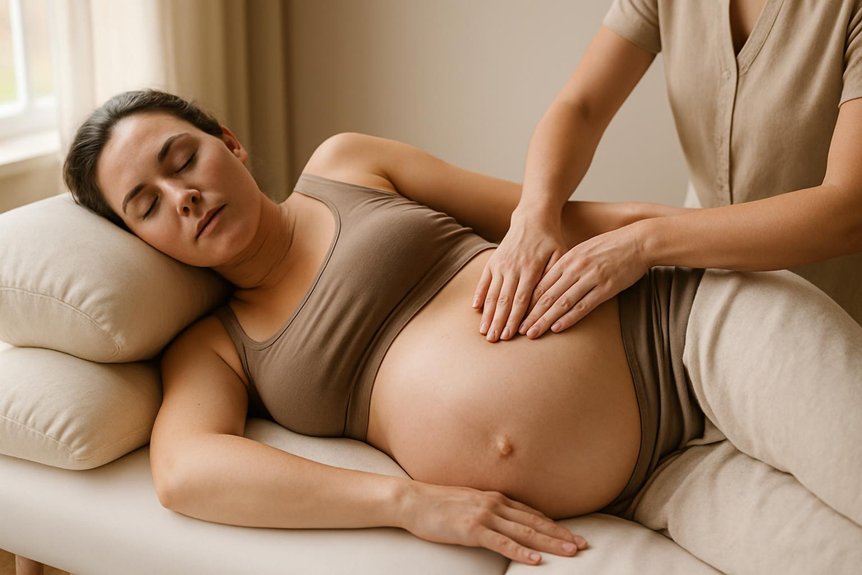
At Spa & Massage clinics across London, intake begins with health history, trimester, symptoms, and GP or midwife guidance when relevant. Comfort and consent are confirmed before touch, and clients are positioned with supportive bolsters—often side-lying—to protect circulation and reduce strain.
Pressure is kept responsive, avoiding deep work on the abdomen and specific high-risk points; techniques focus on easing back, hip, neck, and leg tension while supporting breath and relaxation.
In our clinics, pregnancy-safe, lightly scented oils are used on request.
Aftercare includes hydration, gentle movement, and noting any new swelling, pain, or dizziness promptly.
Conclusion
Finding a certified prenatal massage therapist can feel simple—until the details matter most. A truly qualified practitioner verifies training, screens for contraindications, adapts positioning with proper bolsters, and adjusts pressure as pregnancy changes. The safest booking happens when credentials are clear, questions are welcomed, and red flags are addressed before hands-on work begins. Then the room tells the rest: steady support, careful communication, and a plan that shifts by trimester—quietly protecting parent and baby.